Elaphiti Islands Dubrovnik: The Complete Guide to Koločep, Lopud & Šipan
Plan a 2026 Elaphiti Islands day trip from Dubrovnik: Gruž ferry times, Šunj Beach on Lopud, Koločep's caves, and Šipan's wine cellars and Bowa restaurant.
On this page
Elaphiti Islands, Dubrovnik: The Ultimate Island-Hopping Guide
Last updated July 2026: The Elaphiti Islands near Dubrovnik sit close enough that a car-free day trip fits inside a single afternoon. Jadrolinija ferries leave Gruž Harbour year-round for Koločep, Lopud, and Šipan, the only three inhabited islands among the archipelago's 13. This guide breaks down which island matches your plans, how the ferry and private-boat options compare, and where to eat once you land.
What Are the Elaphiti Islands?
The Elaphiti Islands form an archipelago of 13 islands and islets stretching north-west of Dubrovnik in the Adriatic Sea. Only three stay permanently inhabited: Šipan, Lopud, and Koločep. Together the group covers around 30 square kilometers and holds roughly 850 residents. Roman writer Pliny the Elder recorded the name in the first-century work Naturalis Historia. He called them the 'Deer Archipelago' after the Greek word for deer. No evidence shows deer ever actually lived there. Thick Mediterranean evergreen vegetation covers the hillsides, and boat traffic and construction noise stay far lower than in the Old Town. For visitors who want an authentic Dalmatian village atmosphere without a multi-day ferry commitment, the Elaphites are the easiest offshore add-on to a Dubrovnik stay. Anyone who has already worked through quieter corners of the city tends to rank the islands among a top-ranked day trip beyond the walls.
Elaphiti Islands Dubrovnik: Which Island Should You Visit?
Each Elaphiti island suits a different kind of day, and itineraries that lump all three together miss that difference. Koločep works best for hikers and cave swimmers on a tight half-day schedule. Lopud fits families and sun-seekers because of its sandy shoreline. Šipan suits slower visits built around wine, olive oil, and a long lunch. The table below lines up ferry time, access, and the strongest reason to visit each one.
Only Lopud offers real sand at Šunj Beach; Koločep and Šipan have rocky or pebble shores. Though Lopud attracts families and sun-seekers, both alternatives deliver compelling swims and cultural experiences—Koločep's sea caves and Šipan's Renaissance villas plus wine cellars.
| Island | Ferry Time from Gruž | Access | Best For |
|---|---|---|---|
| Koločep | About 30 minutes | Car-free | Hiking, swimming, sea caves |
| Lopud | About 50 minutes (20 min past Koločep) | Car-free | Šunj Beach, families |
| Šipan | Furthest stop, end of the line | Two ferry-served villages: Šipanska Luka & Suđurađ | Wine, olive oil, slow travel |
Koločep: Caves, Churches, and Pine-Shaded Paths
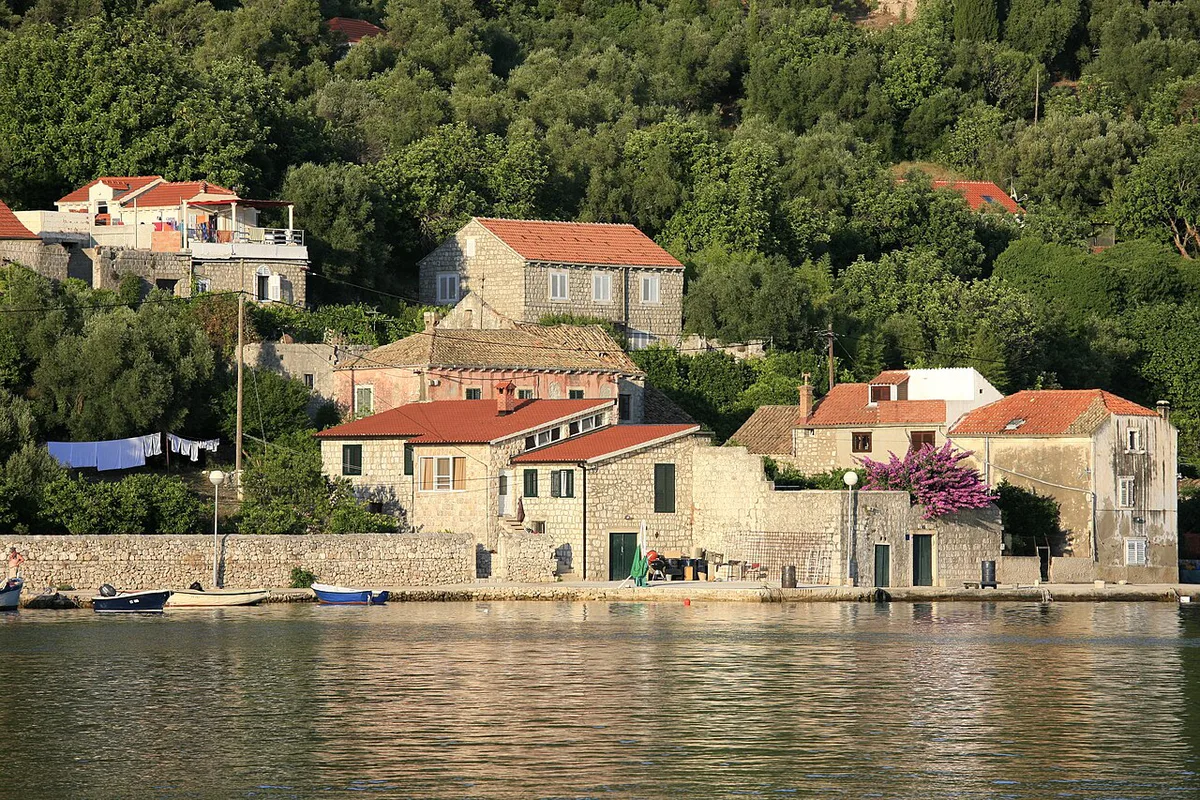
Koločep sits about 5 kilometers from Dubrovnik's Gruž harbor, the shortest crossing of the three main islands. It stays car-free, so its paths carry only foot and bike traffic. During the Republic of Ragusa era, the island operated as an active shipbuilding site. Today it holds a year-round population of around 163. Koločep also holds seven pre-Romanesque churches dating from the 9th to the 11th century. That's more historical depth than most quick stops near other hidden corners of Dubrovnik. Pine-shaded paths link the settlement to the island's swim spots, including the Blue Cave. A mid-walk swim stop is standard on most half-day itineraries.
- 5 km from Gruž Harbour — the shortest ferry hop of the three islands
- Population: about 163
- Seven pre-Romanesque churches, 9th to 11th century
- Car-free: paths carry only foot and bike traffic
Lopud: Šunj Beach and the Franciscan Monastery
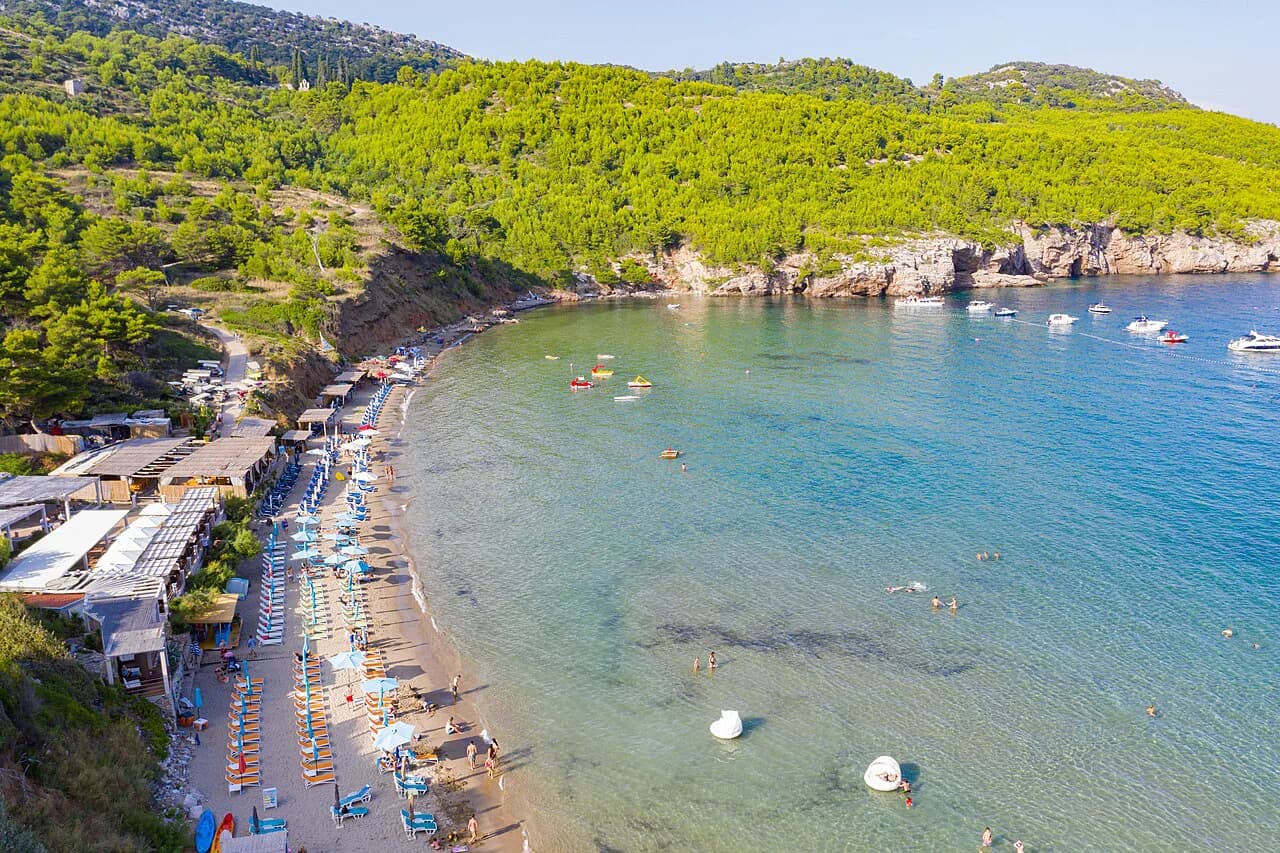
Lopud sits between Šipan and Koločep and carries the most developed tourism infrastructure of the three, including the harbor-front Lafodia hotel. Its main draw is Šunj Beach, the archipelago's one real stretch of sand. The beach sits along a shallow, sheltered bay on the far side of the island. A golf-cart shuttle crosses the island from the main harbor to Šunj, since the beach faces away from where the ferry docks. Lopud also holds a Franciscan monastery and gardens by the sea, open for a slow walk. Visitor numbers here run noticeably lower than at unusual things to try in town.
- Šunj Beach: the only significant sandy beach in the Elaphiti group
- Golf-cart transfer links the harbor to Šunj Beach
- Lafodia hotel anchors the harbor tourism scene
- Franciscan monastery and gardens by the sea
Šipan: Olive Groves, Wine Cellars, and Bowa
Šipan is the largest and furthest Elaphiti island, covering 15.8 square kilometers with a population of about 419. Two settlements, Šipanska Luka and Suđurađ, each keep their own Jadrolinija ferry stop. The island keeps its olive-growing tradition active across small groves. Suđurađ holds family-run wine cellars, some housed in stone rooms that locals date to roughly 600 years old. For a higher-end meal, reserve well ahead for Bowa, a boat-only restaurant on Šipan. The menu centers on raw tuna and other fresh-caught fish, served in over-water dining cabanas. The Bowa owner also runs a sushi restaurant in Old Town Dubrovnik. The island setting and boat-only access set the Šipan location apart for 2026 visits.
- Area: 15.8 km², the largest Elaphiti island
- Population: about 419
- Two ferry-served villages: Šipanska Luka and Suđurađ
- Bowa restaurant: boat-only access, advance booking required
- Suđurađ wine cellars locals date to around 600 years old
Sea Caves, Daksa, and Other Elaphiti Highlights
Sea caves draw active travelers to the archipelago. Koločep's Blue Cave and the Three Green Caves rank as the main swim-in stops on most boat itineraries. On calm days, smaller boats can nose partway inside before turning back. Further out, the uninhabited islets of Sveti Andrija and Olipa carry their own lighthouses. Sveti Andrija holds protected status as a bird reserve, with a lighthouse the Austro-Hungarian government built in 1873. Daksa, an uninhabited islet within the group, once held a 13th-century Franciscan monastery of Saint Sabina, abandoned during Napoleon's early 19th-century conquest of the region. The islet also carries a difficult modern history. In October 1944, partisans executed 48 prominent Dubrovnik citizens there, an event now documented as the Daksa massacre. Lokrum sits closer to the city and gets its own nearby Lokrum island guide. It's sometimes grouped with the Elaphites in casual references, though locals typically don't count it as part of the archipelago.
Getting to the Elaphiti Islands from Dubrovnik
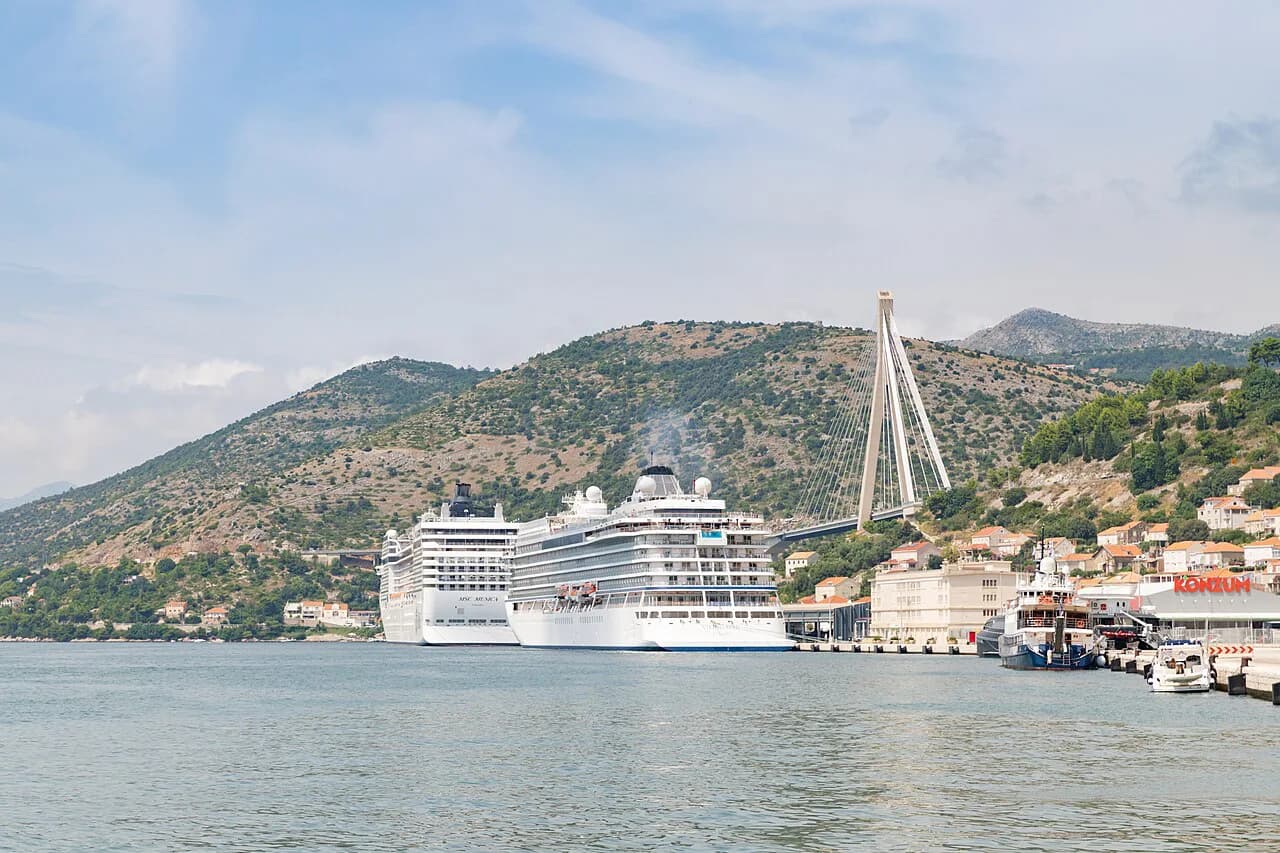
Public ferries depart from the Gruž harbour area, part of the city's wider neighborhood breakdown just north of the Old Town walls. Jadrolinija's Line 807 connects Gruž Harbour to Koločep, Lopud, and Šipan on a fixed daily timetable. Ticket prices stay low next to any private option. Departures are limited, though, and the schedule shifts by season. Confirm the current 2026 timetable before locking in a same-day return. Hotel tour desks and harbor kiosks in Dubrovnik typically sell seats on 'Three Island' cruises, often with morning pickup from central meeting points.
- Public ferry (Jadrolinija Line 807): Gruž Harbour to Koločep (~30 min), then Lopud (~50 min total), then on to Šipan
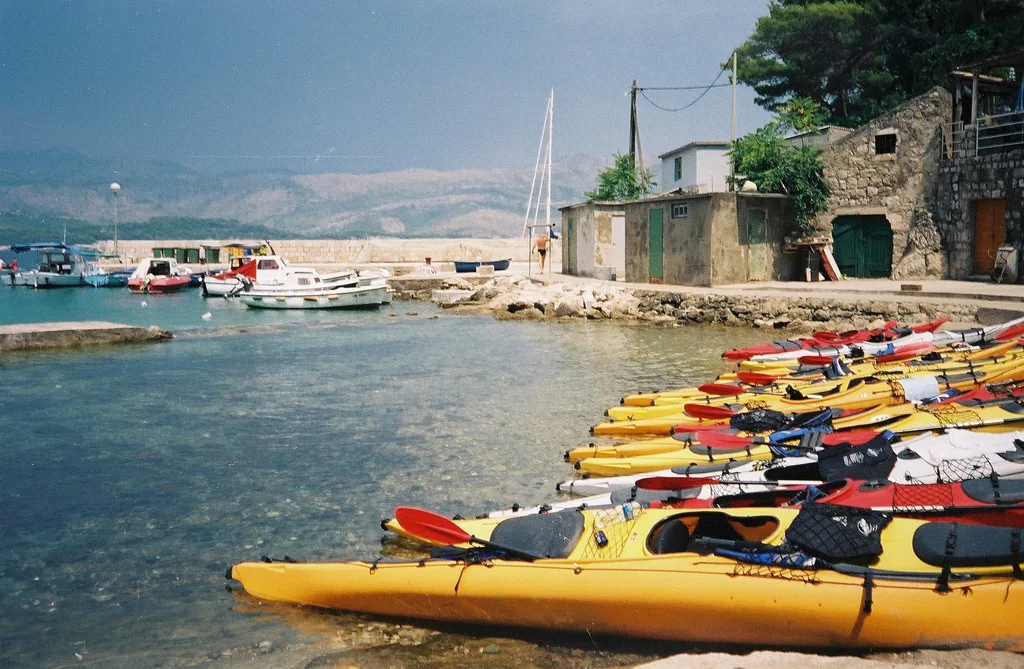
- Private boat charter: flexible route, weather-adjusted timing, access to smaller sea caves
- 'Three Island' group cruise: covers all three main islands in one day, but time at each stop is fixed and boats can get crowded at popular spots
Where to Eat: Island Taverns to Bowa
Bowa on Šipan covers the high end of island dining, and reservations are required well in advance. Harbor-front taverns in Suđurađ and around Lopud's main harbor serve a simpler, cheaper menu. Pair an island lunch with a broader Dalmatian food guide if you're weighing island meals against top restaurants back in town for the rest of the trip.
- Bowa (Šipan): boat-only access, advance reservations required, raw tuna and fresh seafood focus
- Suđurađ and Lopud harbor taverns: grilled or fried calamari with local wine
- Island meals generally run cheaper than the same dishes back in Old Town
- Some Suđurađ cellars pair a wine taste with just-pressed olive oil; hours run informally and shift by season
Planning Your Itinerary: Half-Day, Full-Day, and Best Season
A half-day trip fits one island: Koločep for a hike and swim, or Lopud for a few hours at Šunj Beach. A full-day trip allows either a 'Three Island' cruise or a slower single-island visit to Šipan built around a long lunch. Morning departures from Gruž typically clear Old Town congestion before midday, so booking an early ferry or charter slot pays off during peak season. Weigh the islands against other short trips from the city, including the Cavtat day trip and the Trsteno gardens visit, before settling on a 2026 itinerary. For smaller crowds and cooler conditions on Koločep's cliff paths, plan around the least crowded season. Avoid the peak July and August stretch, when both ferries and private boats fill up fastest.
Half-day trips suit single islands and ferry time limits, while full-day plans open three options: a Three Island cruise with fixed stops, a slower single-island visit like Šipan, or a flexible private charter combining island-hopping and sea-cave access on calm days. Cost versus time-flexibility is the key trade-off.
Essential Tips and Mistakes to Avoid
A handful of planning mistakes come up often on Elaphiti trips. Don't assume every island has a sandy beach: Šunj on Lopud is the real option, while Koločep and Šipan run mostly rocky or pebble shoreline. Don't miss the last ferry back to Gruž. The Jadrolinija timetable changes by season, and the final return sailing can come earlier than expected in shoulder months. Carry cash, since card access stays limited at small island taverns and wine cellars. Wear sturdy, closed shoes for Koločep's cliff paths, which turn uneven and slippery in spots near the water. Back in Dubrovnik that evening, round out the day at a cliffside bar back in town or the cable car viewpoint above the Old Town.
- Only Šunj Beach on Lopud has real sand; Koločep and Šipan are rocky or pebble
- Confirm the current ferry timetable — the last return sailing shifts by season
- Carry cash for island taverns and wine cellars
- Wear sturdy shoes for Koločep's cliff paths
Šipan’s Renaissance Villas and Suđurađ Walk
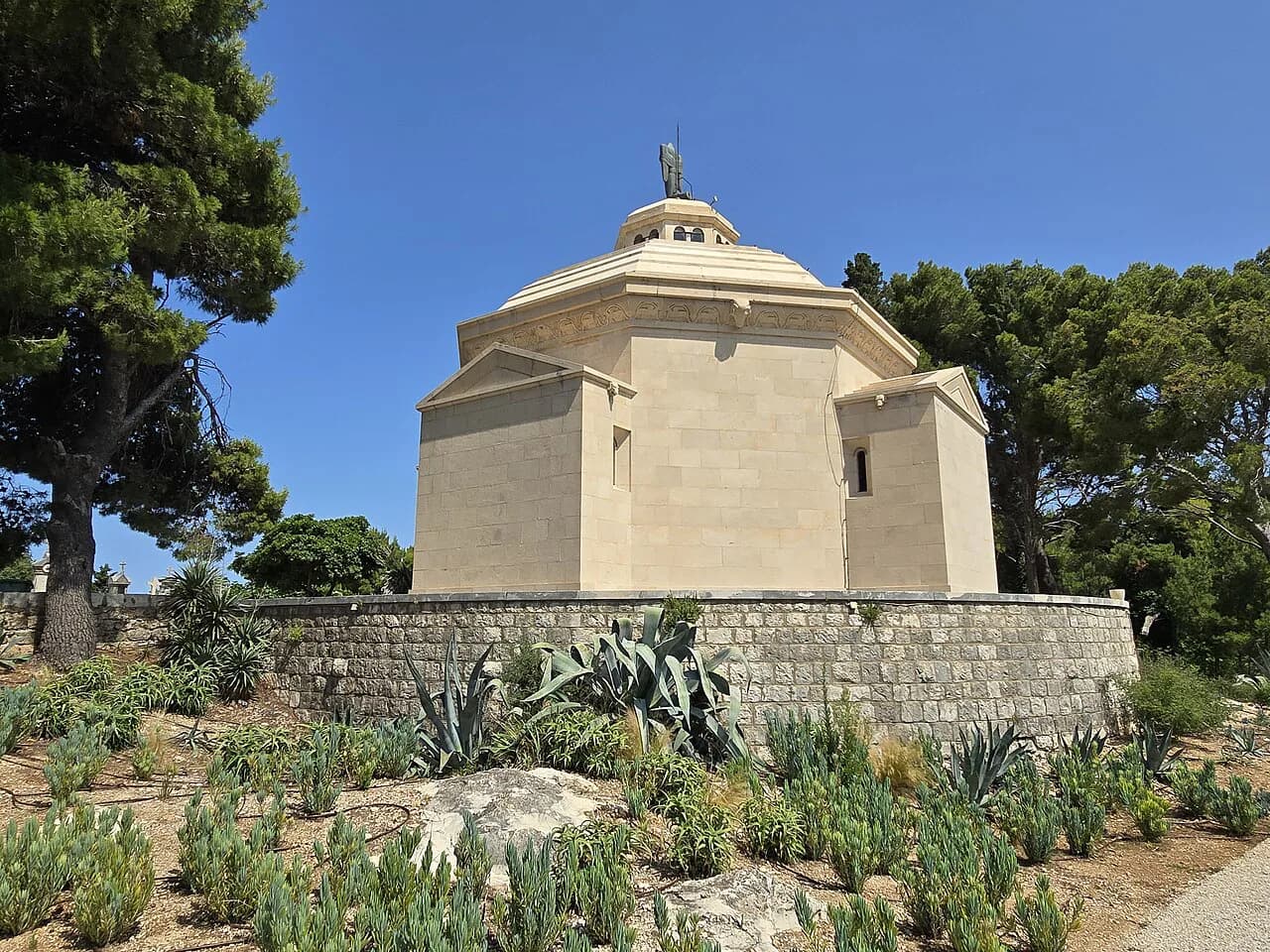
Leave time on Šipan for the short historical walk around Suđurađ, not just lunch. The village preserves several summer residences built for Dubrovnik’s noble families during the Republic of Ragusa, when wealthy merchants used the island for olive estates, gardens, and a cooler escape from the city. The best-known stop is the Skočibuha family complex, a fortified 16th-century villa with a tower and walled grounds near the harbor.
From the ferry quay, you can make an easy loop past stone houses, small chapels, olive groves, and views across the channel before settling into a tavern meal. It is a useful contrast to Lopud’s beach focus and Koločep’s cave-and-path appeal: Šipan feels more like a lived-in rural island than a resort stop. If you are using Jadrolinija Line 807, check whether your sailing calls at Suđurađ or Šipanska Luka, since the two villages sit on opposite sides of the island and are not interchangeable for a quick visit.
Further reading: Dubrovnik on Wikivoyage · Dubrovnik on Wikipedia
Frequently Asked Questions
Which Elaphiti Island is best to visit?
It depends on what you want from the day. Koločep suits a quick half-day hike-and-swim trip with cave stops. Lopud suits beach time at Šunj, the group's only real sandy beach. Šipan suits slower visits built around wine, olive oil, and a reserved lunch at Bowa. Visitors with only a few hours often start with Koločep or Lopud, since both sit closer to Gruž Harbour.
How do you get to the Elaphiti Islands from Dubrovnik Old Town?
Walk or take a short local bus or taxi from the Old Town to Gruž Harbour, then board a Jadrolinija ferry on Line 807. The ferry serves Koločep, Lopud, and Šipan on a fixed daily schedule that shifts by season. Private boat charters and 'Three Island' group cruises also run from the Dubrovnik area and sometimes include hotel pickup, depending on the operator.
Is there a ferry between the Elaphiti Islands?
Most Jadrolinija sailings on Line 807 run between Gruž Harbour and the islands, rather than directly island to island. Confirm the current 2026 timetable before planning an island-hop on the public ferry, since schedules are built mainly around mainland connections. A private boat charter is the more reliable way to move directly between Koločep, Lopud, and Šipan in a single day.
Can you swim in the Blue Cave on Koločep?
Yes, on calm-weather days. Most boat tours treat the Blue Cave as a swim-in stop rather than a walk-in attraction. Bring a swimsuit and expect cool water even in summer. Small boats can sometimes enter partway before turning back, but conditions depend on the sea and wind on the day.
Is a private boat tour worth it for the Elaphiti Islands?
It depends on budget and priorities. A private charter costs more than the public ferry or a group cruise. In exchange, it trades a fixed schedule for a flexible route, easier cave access, and fewer crowds at each stop. Travelers short on time or set on covering all three islands in one day often find the flexibility worthwhile; budget-focused travelers do fine with the public ferry.
Continue exploring
More guides you'll find useful