9 Best Day Trips From Dubrovnik: Logistics, Costs & Local Tips for 2026
Compare the 9 best day trips from Dubrovnik, from Lokrum Island and Mljet to Kotor and Mostar, with 2026 transit times, border tips, and costs.
On this page
9 Best Day Trips From Dubrovnik: Islands, Montenegro, and Bosnia Escapes
Last updated July 2026, this guide breaks down the best day trips from Dubrovnik for travelers with anywhere from four hours to a full day to spare. Options run from a short ferry to Lokrum Island to a border crossing into Montenegro or Bosnia and Herzegovina. Use the traveler-type picks and decision matrix below to match each trip to your budget, travel time, and passport situation.
Quick Picks: Best Day Trips From Dubrovnik by Traveler Type
Not every trip out of Dubrovnik suits every travel style. Match the pick to your group before booking anything, since transfer times and activity levels vary widely across the options on this list.
| Traveler Type | Top Pick | Why It Works |
|---|---|---|
| Families with young kids | Lokrum Island | A roughly 15-minute ferry ride and swimming spots close to the dock |
| Couples and scenery seekers | Kotor Bay, Montenegro | Fjord-like coastline around Kotor and Perast |
| Hikers and active travelers | Mljet National Park | Saltwater lakes with biking and kayaking routes |
How to Get Around: Ferries, Cars, and Tours
Two harbors handle Dubrovnik's day trips, and picking the right one saves time. The Old Town Harbour handles short hops like Lokrum and the Cavtat taxi boat. Longer routes to Mljet and Korčula leave from Port Gruž, a short taxi or bus ride from the Old Town. Which mode you pick then comes down to speed, budget, and whether you want to drive yourself.
- Local car ferries make more stops and carry vehicles; high-speed catamarans skip stops and cut crossing times.
- Renting a car adds flexibility for Konavoski Dvori, Trsteno, and Pelješac, but Old Town parking is limited and charged by the hour.
- Group tours remove the parking and ferry-schedule guesswork, and many depart directly from Port Gruž or the Old Town Harbour.
- If four hours is all you have, the cable car up Srđ Hill stays inside the city and skips the boat schedule entirely.
Border Crossings: What to Expect at the Montenegro and Bosnia Borders
Croatia is part of the Schengen area, while Montenegro and Bosnia and Herzegovina are not. That means a passport check at both borders, in each direction. In peak season, July and August, wait times at these crossings can run one to three hours. Build that buffer into any Kotor or Mostar itinerary. Group tours that cross a border typically build the wait into the schedule; self-drive travelers need to add the extra time manually.
9 Best Day Trips From Dubrovnik
These nine options cover the full range, from a short ferry ride to a full day across an international border. Each entry below notes travel time, what to expect on the ground, and where to find more detail.
- Lokrum Island
- A ferry from the Old Town Harbour reaches Lokrum in roughly 15 minutes, the shortest trip on this list.
- The island has resident peacocks, a saltwater lake locals call the Dead Sea, and the Iron Throne replica used in Game of Thrones filming.
- No cars or bikes are allowed, so plan on walking the island's paths; see the full Lokrum Island guide for ferry times.
- Elaphiti Islands (Koločep, Lopud, and Šipan)
- Koločep sits about 20 minutes from Port Gruž by boat, the closest of the three inhabited Elaphiti islands.
- Lopud has the sandy Šunj beach, a rarity on this mostly rocky coast, plus a Dominican monastery dating to 1482.
- Šipan is the largest and most developed of the three; travelers choose between a private boat charter and a group Three Islands tour running around 8 hours. Full logistics are in the Elaphiti Islands guide.
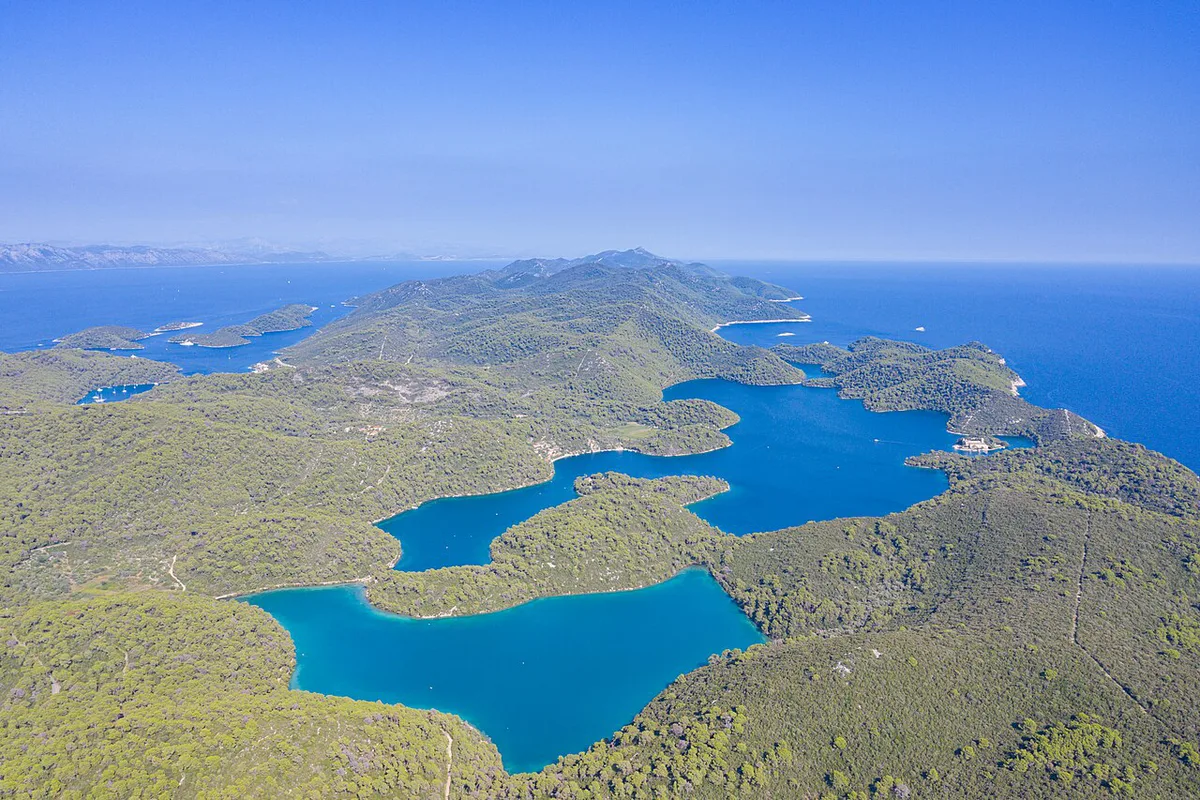
- Mljet National Park
- Roughly 75 percent of Mljet is protected parkland, centered on two saltwater lakes and the islet of St. Mary's.
- The park covers close to 5,400 hectares, so a full-day guided boat tour is the practical way to see the highlights.
- Bike and kayak rentals at the lakes make this the pick for active travelers, with shoreline paths a swim-only stop can't cover.
- Cavtat
- Cavtat is about 30 minutes by car or roughly 45 minutes by boat from the Old Town Harbour in low season.
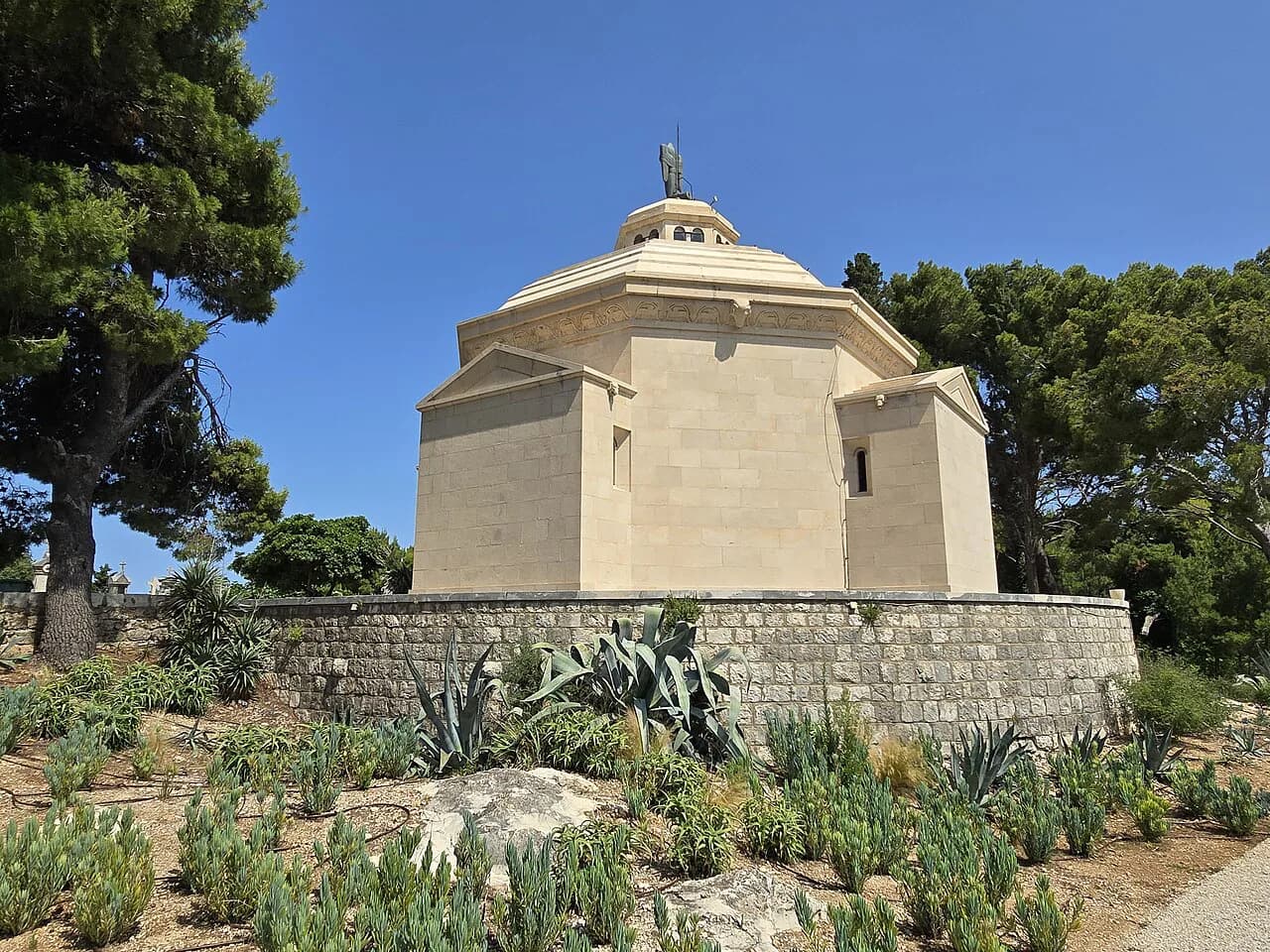
- The waterfront promenade, the Račić family mausoleum, and several harborside restaurants fill a 4-to-5-hour half day comfortably.
- Bus line 10 is the budget option; see the Cavtat guide for boat and bus schedules.
- Trsteno Arboretum
- Trsteno sits along the coastal road toward Pelješac, easy to pair with a Ston or peninsula day.
- The arboretum's aqueduct and gardens were used for Game of Thrones location scouting, a draw for fans alongside the botanical grounds.
- Most visitors treat it as a one-to-two-hour stop rather than a full day; see the Trsteno Arboretum guide for details.
- Pelješac Peninsula and Ston
- Ston's fortified walls, sometimes called the Great Wall of Croatia, run along the ridge above the town's salt pans.
- The peninsula is Croatia's oyster and wine region, pairing Ston oysters with Dingač and Postup reds from local vineyards.
- Time a stop here around lunch; the local restaurants guide covers where to eat before or after the drive.
- Konavoski Dvori and the Konavle Countryside
- The drive from Dubrovnik takes about 40 minutes; a return taxi is a straightforward option without a rental car.
- The restaurant sits beside the Ljuta stream, with a working water mill nearby and staff in traditional Konavle dress.
- It's open Monday through Saturday year-round except January, when it closes for a break.
- Kotor and Perast, Montenegro
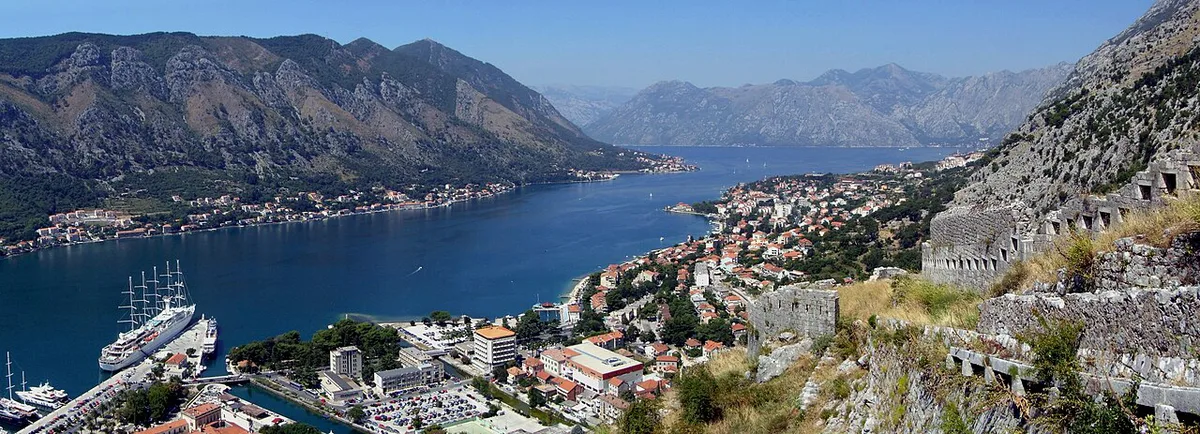
- The Bay of Kotor has fjord-like scenery, framed by mountains that drop straight into the water.
- Climbing to St. John's Fortress above Kotor's old town means roughly 1,350 steps, so wear real shoes.
- A passport is required at the border; Montenegro sits outside the Schengen area even though Croatia is inside it.
- Mostar and Kravice Waterfalls, Bosnia and Herzegovina
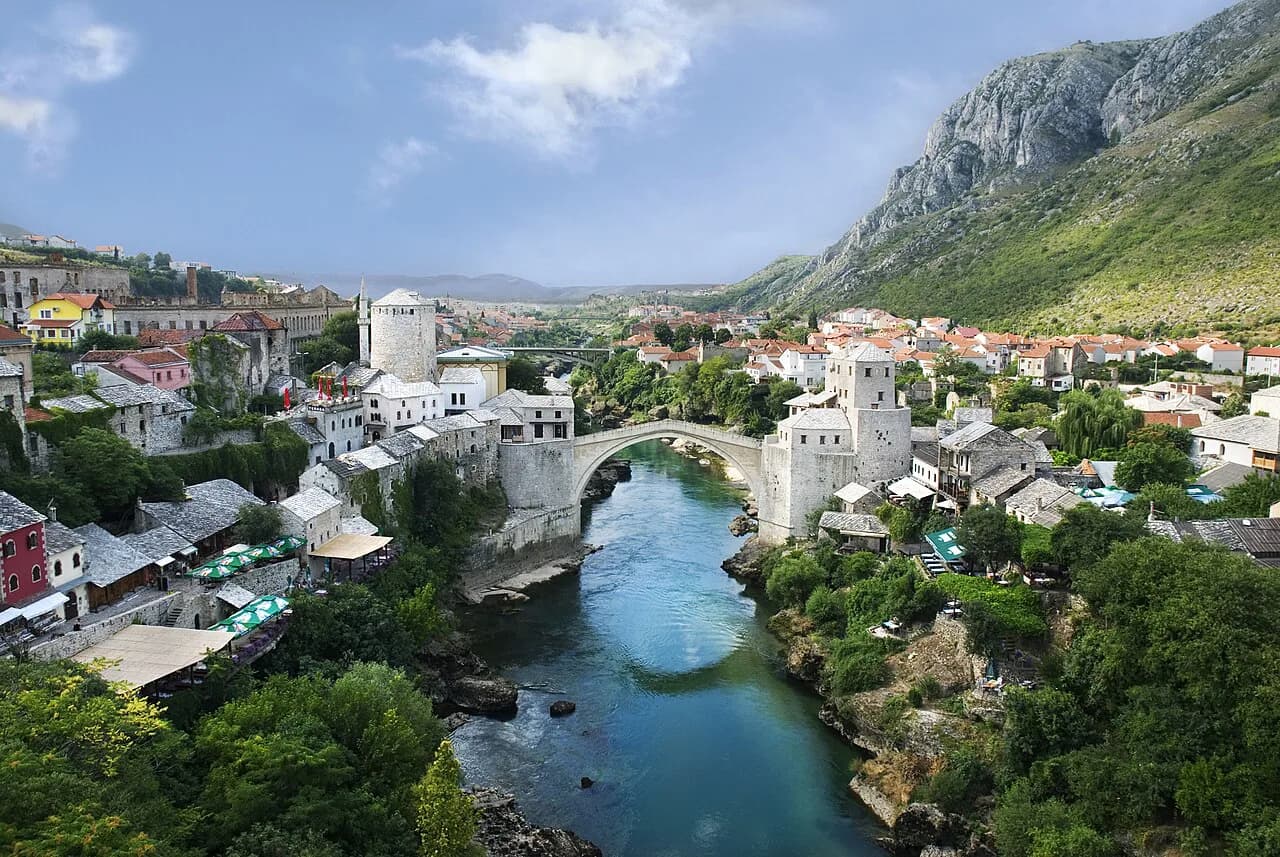
- Mostar is roughly 2.5 to 3 hours from Dubrovnik by road, the longest transfer on this list.
- The rebuilt 16th-century Stari Most bridge over the Neretva River anchors the old town, alongside Ottoman-era buildings like the Turkish House.
- Many day tours combine Mostar with Kravice Waterfalls; a passport is required since Bosnia and Herzegovina sits outside the Schengen area.
Day Trip Decision Matrix: Time, Cost, and Best For
Use this table to weigh travel time against what each trip delivers, then cross-check it against the border notes above before you book anything.
Border waits at Montenegro and Bosnia reach 1–3 hours in peak season. Group tours typically absorb this timing into their schedules; self-drive travelers must add buffer time manually—especially critical for long transfers like Mostar (2.5–3 hours each way).
| Destination | Travel Time | Best For | Transport Mode |
|---|---|---|---|
| Lokrum Island | ~15 min by ferry | Families, half-day trips | Ferry from Old Town Harbour |
| Elaphiti Islands | ~20 min to Koločep | Couples, swimmers | Private boat or group tour |
| Mljet National Park | Full day | Hikers, active travelers | Guided boat tour from Port Gruž |
| Cavtat | 30 min by car / ~45 min by boat | Families, half-day trips | Boat, bus line 10, or car |
| Trsteno Arboretum | 1-2 hour stop | Garden and GoT fans | Car or tour, paired with Ston |
| Pelješac & Ston | Half day to full day | Foodies, wine lovers | Rental car or group tour |
| Konavoski Dvori | ~40 min by car | Food-focused half day | Car or taxi |
| Kotor & Perast, Montenegro | Full day, plus border wait | Scenery, couples | Rental car or group tour |
| Mostar, Bosnia and Herzegovina | ~2.5-3 hr each way | Culture, history | Rental car or group tour |
Common Mistakes to Avoid on Day Trips From Dubrovnik
A few planning mistakes show up again and again in traveler reports. Avoid these before booking, and the day will run smoother on either side of the border.
- Underestimating border traffic: July and August waits at the Montenegro and Bosnia crossings can run one to three hours each way.
- Booking a group tour to the islands when a scheduled ferry from Port Gruž is faster and cheaper for a single stop.
- Stacking Mostar and Kotor into one weekend; both are long transfers, and combining them leaves little time at either destination.
- Skipping the return-ferry check for Lokrum and the Elaphiti islands, since the last boat back is earlier than most people expect.
Planning Your Trip: Timing and What to Pack
Timing day trips around ferry schedules and crowd patterns makes a real difference. The guide to visiting Dubrovnik without crowds breaks down shoulder-season months when boats run less often but the harbors are quieter. Between June and September, book private boat tours and small-group Mljet trips several days ahead, since the popular slots fill fast. Pack sea-sickness tablets for the Elaphiti and Mljet crossings, water shoes for rocky swim spots, and both passports and euros if the day includes Montenegro or Bosnia and Herzegovina.
Check return ferry times before booking island day trips—the last boats often depart earlier than expected. This common oversight can force either an early departure or an unplanned overnight stay, making return-ferry coordination essential before committing to a day trip.
How to Choose by Budget
Budget varies more by transport style than by distance from Dubrovnik. The cheapest day trips are usually the ones you can do on scheduled public transport: Lokrum by ferry from the Old Town Harbour, Cavtat by bus line 10 or boat, and single-island Elaphiti trips from Port Gruž. These work well if you are comfortable checking return times and building the day yourself.
Costs rise when you add a private skipper, a full-day group tour, a rental car, or a border crossing. Mljet National Park can involve a catamaran, park entry, and bike or kayak rental. Pelješac and Ston are easier with a car or tour because wineries, oyster stops, and the salt pans are spread out. Kotor, Perast, Mostar, and Kravice Waterfalls are usually better value as organized day tours if you want someone else to handle border timing and long transfers.
For trip-planning details, see Stari Most – Wikipedia.
See our Dubrovnik tourism attractions guide for the broader city overview.
Frequently Asked Questions
Can you do a day trip to Hvar from Dubrovnik?
Not comfortably. There is no direct fast ferry between Dubrovnik and Hvar, so the crossing eats most of the daylight hours. Stick to Korčula or the Elaphiti islands for a boat day trip, and save Hvar for an overnight stay instead.
Is a car necessary for day trips from Dubrovnik?
No, not for the islands. Ferries and tour boats from Port Gruž and the Old Town Harbour cover Lokrum, the Elaphiti islands, Mljet, and Cavtat without a car. A rental car helps most for Konavoski Dvori, Trsteno, and the Pelješac Peninsula, where public transport is limited.
Which day trip from Dubrovnik works best for families?
Lokrum Island is the easiest half day with young kids, given the short ferry ride and swimming close to the dock. Cavtat is a close second, with a flat harborside promenade and a shorter boat crossing than most of the islands.
Do you need a passport for day trips from Dubrovnik?
Only for Montenegro and Bosnia and Herzegovina. Croatia is part of the Schengen area, while both neighboring countries are outside it, so border agents check passports in both directions on the Kotor and Mostar routes.
How far in advance should you book Dubrovnik day trip boat tours?
Book several days ahead when traveling between June and September. Private Elaphiti Islands charters and small-group Mljet tours are the first to fill in peak summer weeks.
Continue exploring
More guides you'll find useful