Best Time to Visit Dubrovnik Without Crowds: Seasonal & Daily Guide
Discover the best months and specific days to visit Dubrovnik without the crowds. Includes cruise ship schedules, seasonal weather trade-offs, and local timing tips.
On this page
Best Time to Visit Dubrovnik Without Crowds
Last updated July 2026, and the best time to visit Dubrovnik without crowds still comes down to a narrow window of dates, weekdays and even hours rather than one single month. Shoulder-season weeks in May and September pair warm Adriatic water with a fraction of July's cruise-ship crush, while winter delivers the quietest streets of the year at the cost of a few closed attractions. This guide breaks crowd levels down season by season, explains how to read the Dubrovnik Port Authority's daily cruise schedule, and flags the hours when locals still have Stradun to themselves.
Best Time to Visit Dubrovnik Without Crowds: The Golden Ratio
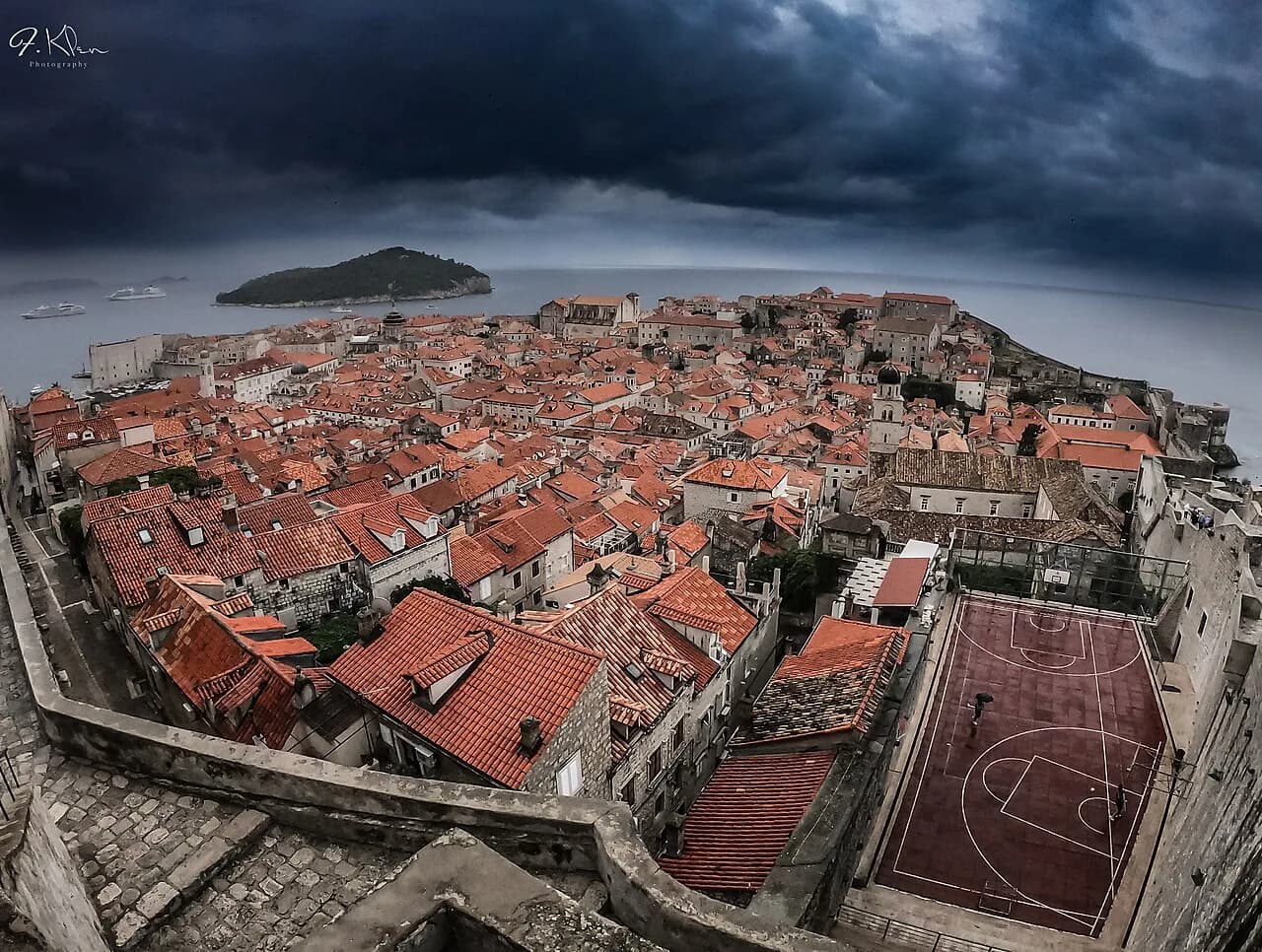
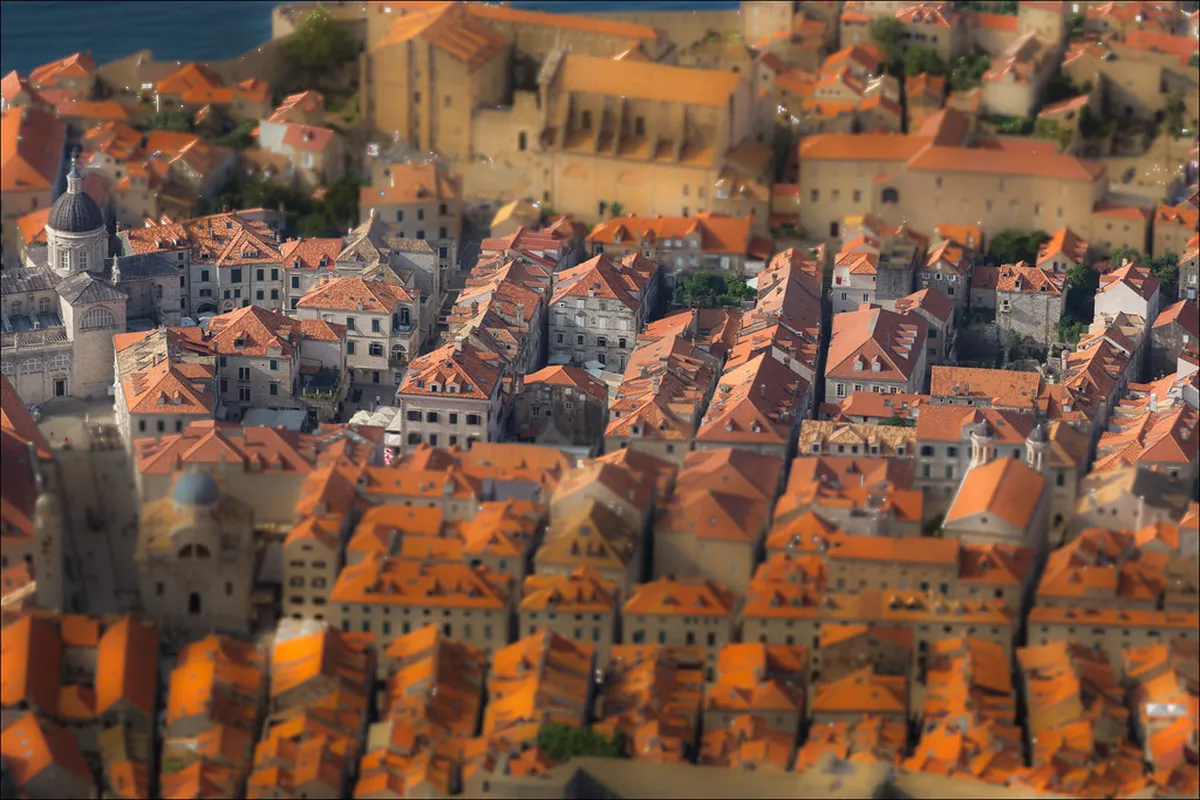
Weigh two variables when choosing dates: how hot the Adriatic Sea gets, and how many people are walking beside you in the Old Town (Stari Grad), especially along Stradun, the limestone-paved Placa running through its center. July and August bring the year's highest temperatures, averaging near 30°C (86°F), plus the heaviest cruise traffic, with three or four ships sometimes docked in Gruž on the same day. The Dubrovnik Summer Festival adds another draw, filling July and August with open-air concerts in the same narrow lanes that are already full of day-trippers. April through early June and mid-September through early October flip that ratio. Temperatures settle into a comfortable 21°C to 26°C (70°F to 79°F) range, while ship counts and hotel occupancy drop well below the peak-season high. The Adriatic also holds enough residual summer warmth by September for comfortable swimming, something early April rarely offers. That trade-off, comfortable heat for breathing room on Stradun, is the balance most crowd-averse travelers are chasing when they ask about the best time to visit Dubrovnik without crowds.

Season Comparison: Crowds, Weather and Price by Time of Year
Month-by-month swings matter less than the seasonal pattern behind them. The table below groups Dubrovnik's year into the same four seasons locals use to plan around cruise traffic, using average air temperatures, typical crowd levels and relative price levels for each stretch.
| Season | Avg Air Temp | Crowd Level | Price Level | Cruise Ship Traffic |
|---|---|---|---|---|
| Spring (Mar–May) | 13°C–21°C (55°F–70°F) | Low, rising through May | Lower | Light, increasing by May |
| Summer (Jun–Aug) | 25°C–30°C (78°F–86°F) | Very high | Peak | Heaviest — up to 3–4 ships/day |
| Fall (Sep–Nov) | 16°C–26°C (61°F–79°F) | Moderate, easing after September | Mid, declining | Moderate, tapering by October |
| Winter (Dec–Feb) | 8°C–10°C (47°F–50°F) | Lowest of the year | Lowest | Minimal, occasional ship |
- Accommodation prices track the same curve as the table above: an Old Town double room that runs about €90 a night in March can top €150 a night in July, when demand peaks alongside cruise arrivals and festival season.
- Flights follow a similar pattern, with shoulder-season fares typically undercutting the July and August peak by a wide margin.
The Shoulder-Season Sweet Spot: May and September
Early May and late September aren't interchangeable, even though both sit in the shoulder season. Early May stays cooler, closer to 21°C (70°F), with the sea still building toward swimmable and families largely absent since school is still in session across Europe. May also hosts the Dubrovnik Musical Spring Festival, filling evenings with concerts while daytime crowds around the City Walls stay thin. Late September keeps the Adriatic warm enough to swim comfortably, with air temperatures near 26°C (79°F), while the school-holiday visitors of August have already gone home. Early October extends similar conditions a little further, with the added draw of the Good Food Festival's harvest menus and quieter restaurant tables. Pick early May if hiking and city-wall walks matter more than swimming. Pick late September into early October if beach time without July's density is the priority.
Winter in Dubrovnik: The Only True Crowd-Free Season
December carries its own energy. The Dubrovnik Winter Festival fills Stradun with lights and markets from early December into January, and the Festivity of St. Blaise brings locals into the streets with none of summer's cruise traffic. January and February are the true dead zone of the calendar. Average temperatures hover between 8°C and 10°C (47°F and 50°F), and a cold, occasionally sharp Bura wind can blow in from the northeast. That wind can suspend ferry sailings to Lokrum Island and the Elaphiti Islands for a day or more, so build slack into any island plan made in that window. Many restaurants and smaller attractions reduce hours or close outright in this stretch. Confirm opening times before building a winter itinerary around any single spot, and treat January and February as the only months where solitude is close to guaranteed rather than merely likely.
The Cruise Ship Factor: How to Read the Port Schedule
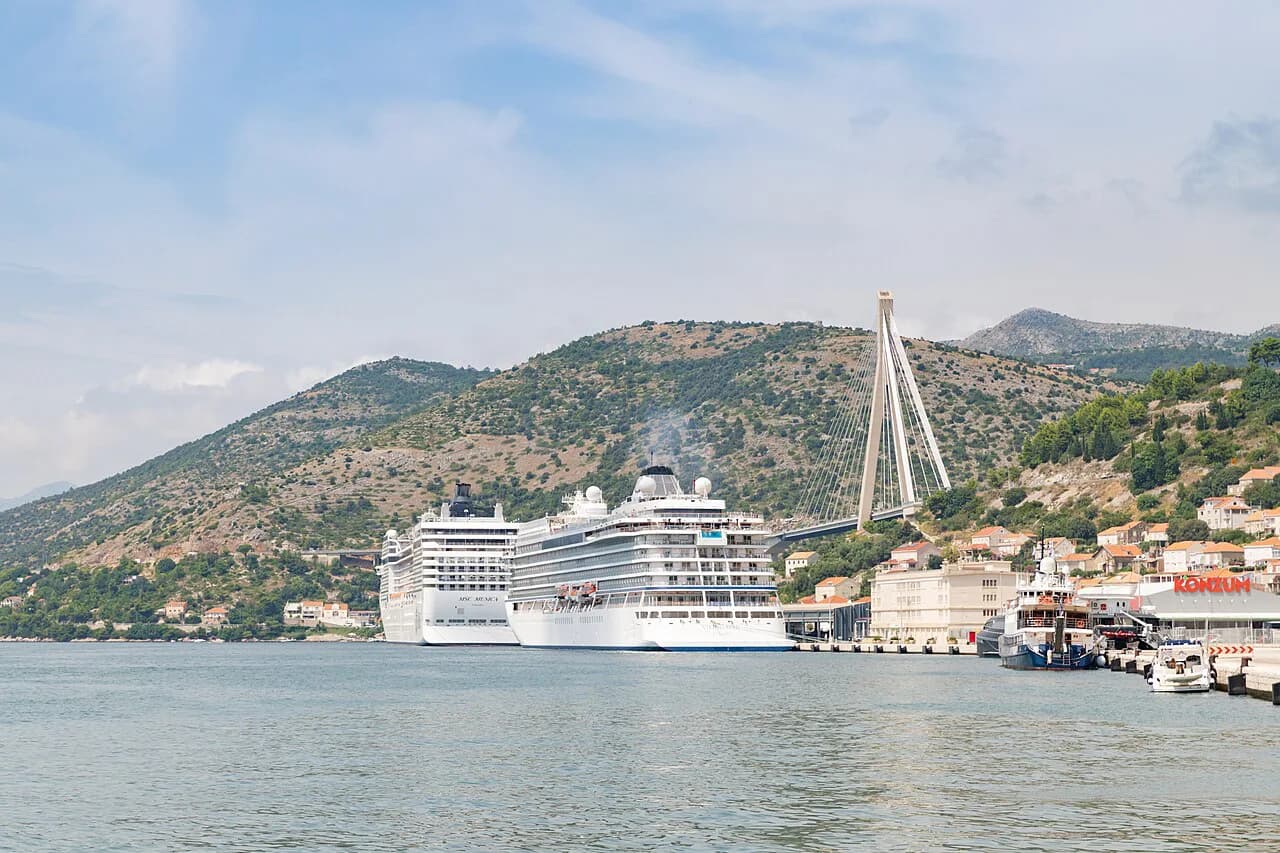
Dubrovnik's Respect the City initiative set a target of two large cruise ships in port per day, spreading passenger arrivals out to protect the Old Town's narrow lanes. In practice, the height of summer can still see three or four ships dock at once when that target is exceeded, flooding Pile Gate with day-trippers roughly between 9 a.m. and 3 p.m. Before booking dates, check the Dubrovnik Port Authority's published arrivals list. It shows which ships are in port on a given day and roughly how many passengers each is carrying, and it updates further out than most travel forums do. A Tuesday with two large ships in port can feel busier than a Saturday with none, so the schedule for your specific dates matters more than the day of the week in isolation. Cross-reference it against your travel dates before locking in hotel and tour bookings.

Daily Strategy: How to Outrun the Day-Trippers
Cruise passengers move on a predictable clock. Tenders and shuttle buses land most of them inside the walls between mid-morning and mid-afternoon, then pull them back out for onboard dinner service. Two windows reliably belong to locals and overnight guests instead, and a third habit helps you dodge the daily surge entirely.
- 8:00 a.m. to 10:00 a.m.: Stradun and the City Walls sit near-empty before the first ships clear immigration and passengers disembark.
- After 6:00 p.m.: day-trippers head back to their ships for dinner, and the Old Town's restaurants fill instead with residents and overnight guests.
- Base yourself in Gruž or Lapad and ride the Libertas bus network into Pile Gate, which lets you skip the morning wave of cruise passengers moving the opposite direction.
What Closes in the Off-Season
Attraction hours shrink outside the summer months, and it changes what a day trip should look like. The City Walls (Gradske zidine) run shorter daily hours in the off-season under the official DPDS schedule, so plan a walk earlier in the day between November and March rather than assuming summer closing times. The Lokrum ferry can suspend service entirely during the coldest, windiest stretches of winter, particularly when the Bura is blowing. A Dubrovnik Pass that bundles the City Walls, Lokrum and several museums is easiest to justify in the busy months, when it saves you from queuing at each ticket window separately. In the off-season, with shorter hours and thinner crowds at every site, buying single tickets at each attraction can work out just as convenient and sometimes cheaper overall.
Off-season closures require confirmation, but winter offers the only guaranteed solitude plus the lowest prices—compare that to peak summer when Old Town hotels top €150 a night, often coinciding with 3–4 daily cruise ships.
Crowd-Free Things to Do in Dubrovnik
Skipping Stradun at midday doesn't mean skipping Dubrovnik. Several options keep you away from the densest foot traffic no matter the season.
- Explore the lesser-known corners of Dubrovnik tucked behind the main thoroughfare.
- Follow a route through secret spots locals use that most day-trippers never find.
- Take an off-the-beaten-path route through the Old Town's upper lanes.
- Try one of the unique things to do that swap the City Walls for something different.
- Fill an afternoon with free things to do when you want to skip paid queues altogether.
- Watch the sunset from Buža Bar, cut into the cliffs outside the southern walls.
- Ride the Mount Srđ cable car outside the midday rush for clearer views over the Old Town.
- Wander the Trsteno Arboretum, a short drive up the coast and rarely crowded even in summer.
Day Trips That Trade Crowds for Open Water
Day trips redistribute the crowd rather than adding to it. Cavtat sits a short boat ride south of Dubrovnik, with its own harbor promenade and none of the cruise-ship bottleneck at Pile Gate. Seasonal ferry schedules on the Jadrolinija and G&V Line routes to the islands run less frequently outside summer, so check timetables the same day you plan to sail rather than relying on a printed summer schedule. For a full slate of options by ferry, bus and car, the day trip options guide covers routes beyond the Old Town, useful for spreading a week-long stay across several smaller, quieter stops instead of repeat visits to Stradun.
Where to Stay to Escape the Old Town Surge
Basing yourself outside the city walls cuts down on the morning cruise-passenger squeeze at Pile Gate. The neighborhood breakdown compares staying inside Old Town against the newer districts, including how each affects your daily crowd exposure. Lapad offers a beach promenade, a lower density of tour groups and easy Libertas bus access into the Old Town without the premium of an Old Town address. Gruž sits at the ferry and cruise port itself, useful for early departures to the islands but busiest right as ships dock each morning.
Where to Eat Away From the Tourist Menus
Restaurants along Stradun cater to whoever is walking past that hour, which in peak season means fixed tourist menus at premium prices. The local restaurant picks guide points toward kitchens that keep cooking for residents once the day-trip crowd clears out in the evening, and the local food guide covers dishes worth seeking out by season, from spring asparagus to autumn's wine and olive harvest.
Mistakes to Avoid When Seeking Solitude in Dubrovnik
A quiet month on paper can still deliver a crowded day if you skip the details. Avoid these missteps when planning a low-crowd trip to Dubrovnik.
Checking the daily cruise schedule prevents surprises; combine it with the 8 a.m.–10 a.m. window and after-6 p.m. restaurants to find quiet hours even during peak season—this tactical approach works when month-by-month planning alone would miss a heavy-traffic day.
- Booking a week around a single "quiet month" without checking the daily cruise schedule; a slow week can still contain one heavy-traffic day.
- Assuming every restaurant and ferry runs on a winter schedule that matches summer frequency; confirm hours before you plan a day around them.
- Skipping the 8:00 a.m. to 10:00 a.m. window because it feels early; it's the most reliable stretch of open lanes on the City Walls all year.
- Ignoring the Bura wind forecast before booking a Lokrum or Elaphiti ferry crossing in winter or early spring, when sailings are most likely to be cancelled.
Month-by-Month Crowd, Weather and Opening Cheat Sheet
Use this quick scale when your dates are flexible: 1 means easiest or quietest, 5 means busiest or best. January and February are crowd 1, weather 1, openings 2: ideal for empty lanes, weak for islands and restaurants. March is 2/2/3 as cafes reopen but the Bura can still disrupt boats. April is 2/3/4, good for walking the walls before cruise volume builds.
- May: crowd 3, weather 4, openings 5; June: 4/5/5; July and August: 5/5/5 but hardest for solitude; September: 3/5/5, especially late month; October: 2/4/4, often still pleasant for a quick swim; November: 1/2/3; December: 2/2/3 because the Winter Festival brings local life back to Stradun.
For the best overall balance, late September and early October beat May if swimming matters, while early May is better for City Walls, Mount Srd and Old Town walks without summer heat.
Further reading: Dubrovnik on Wikivoyage · Dubrovnik on Wikipedia
Frequently Asked Questions
What is the least crowded month in Dubrovnik?
January and February are the quietest months in Dubrovnik. Average temperatures sit between 8°C and 10°C (47°F and 50°F), cruise arrivals drop to a minimum, and the Bura wind can occasionally suspend ferries to Lokrum Island and the Elaphiti Islands.
Is Dubrovnik too crowded in September?
Early September still carries near-summer heat and crowds, with temperatures close to 26°C (79°F) and cruise traffic that hasn't fully eased. By late September, school holidays end across Europe and cruise volume tapers, making it one of the better shoulder-season weeks.
What days of the week are best to visit Dubrovnik?
The day of the week matters less than the cruise schedule for that specific date. Check the Dubrovnik Port Authority's arrivals list before booking, since a Tuesday with two ships in port can be busier than a Saturday with none.
Does Dubrovnik shut down in winter?
Not entirely. The Dubrovnik Winter Festival runs from early December into January with markets and lights on Stradun, but many restaurants, smaller attractions and the Lokrum ferry reduce hours or close between January and February.
How do you check the Dubrovnik cruise ship schedule?
The Dubrovnik Port Authority (Lučka uprava Dubrovnik) publishes daily arrivals showing which ships are in port and their approximate passenger numbers, letting you compare potential travel dates before locking in a booking.
Is the water warm enough to swim in Dubrovnik in May?
By late May the Adriatic Sea is swimmable for most visitors, with air temperatures around 21°C (70°F). Early May can still feel cool for swimming, even though sightseeing and walking conditions are comfortable by then.
Continue exploring
More guides you'll find useful