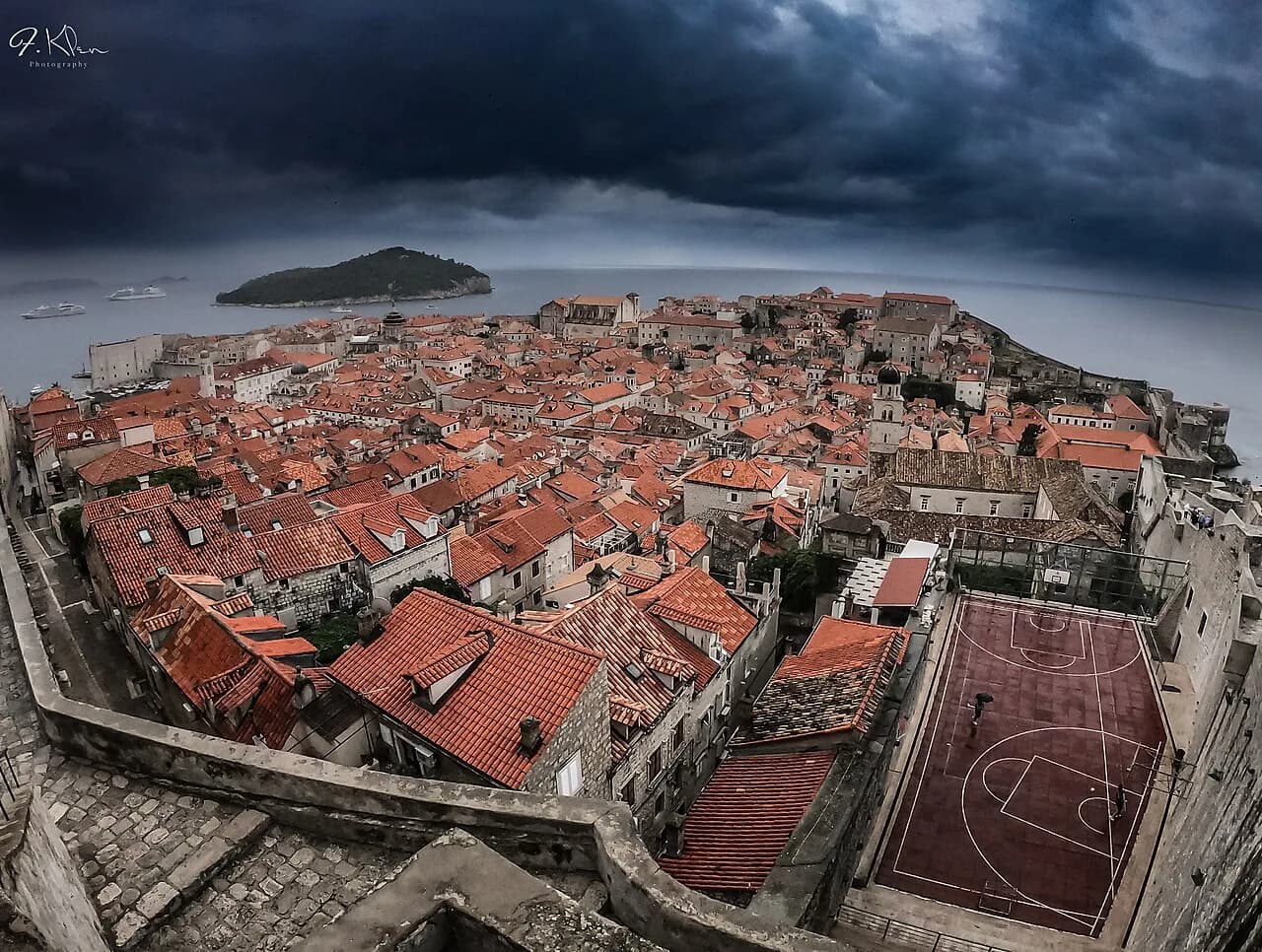
Dubrovnik Local Food Guide 2026: What to Eat and Where
A dubrovnik local food guide to peka, black risotto, and Ston oysters, plus where to eat by budget, reservation timing, and Old Town etiquette for 2026.
On this page
Dubrovnik Local Food Guide: What to Eat, Where to Eat It, and When
Last updated July 2026, this dubrovnik local food guide breaks down what to eat in Dubrovnik and exactly where to find it without wasting a meal on Stradun's tourist-priced terraces. Dalmatian cooking here blends Adriatic seafood, olive oil, and wood-fire or coal cooking, built around dishes like peka and black risotto rather than menus translated for cruise-ship day-trippers. The sections below cover the core dishes, restaurants by budget and occasion, reservation timing, and the etiquette that keeps a meal from colliding with the busiest hours in the Old Town.
How This Dubrovnik Local Food Guide Defines Dalmatian Cuisine
Dalmatian cooking on the Adriatic coast blends Italian technique, Balkan flavors, and centuries of Ottoman-era trade influence. Local kitchens favor Adriatic seafood, olive oil, and slow coal or wood-fire cooking over butter-heavy sauces or deep-fried batter. In Dubrovnik, 'local' usually means one of three things: fish or shellfish caught that morning, a dish cooked for hours under hot coals, or a family recipe that predates the tourist-menu era. UNESCO World Heritage status has pulled enough visitor traffic into the Old Town that a menu can look Croatian without cooking anything the Dalmatian way, which is why the dish name and the cooking method matter more than a restaurant's view.
The Core Dishes: Peka, Black Risotto, and Ston Oysters
Five dishes, plus a sixth for special occasions, define what locals mean by Dalmatian food in and around Dubrovnik. Order at least one on a single-night stay, and build a table around several of them if staying longer.

- Peka: meat, potatoes, and vegetables slow-cook for hours under an iron bell covered in hot coals. Most restaurants need about 24 hours' notice, so order the day before rather than the night of.
- Black risotto (crni rizot): rice stained dark with cuttlefish ink, served as a rich starter-sized portion at konobas including Konoba Pupo and Restaurant Kopun.
- Octopus salad: boiled octopus with olive oil and herbs, served cold. It appears on nearly every Old Town and beach-bar menu, including Ala Mizerija.
- Ston oysters: farmed near Ston, a town known for its medieval walls and salt production, and usually served raw with lemon. Ston itself is a common stop on day trips from Dubrovnik.
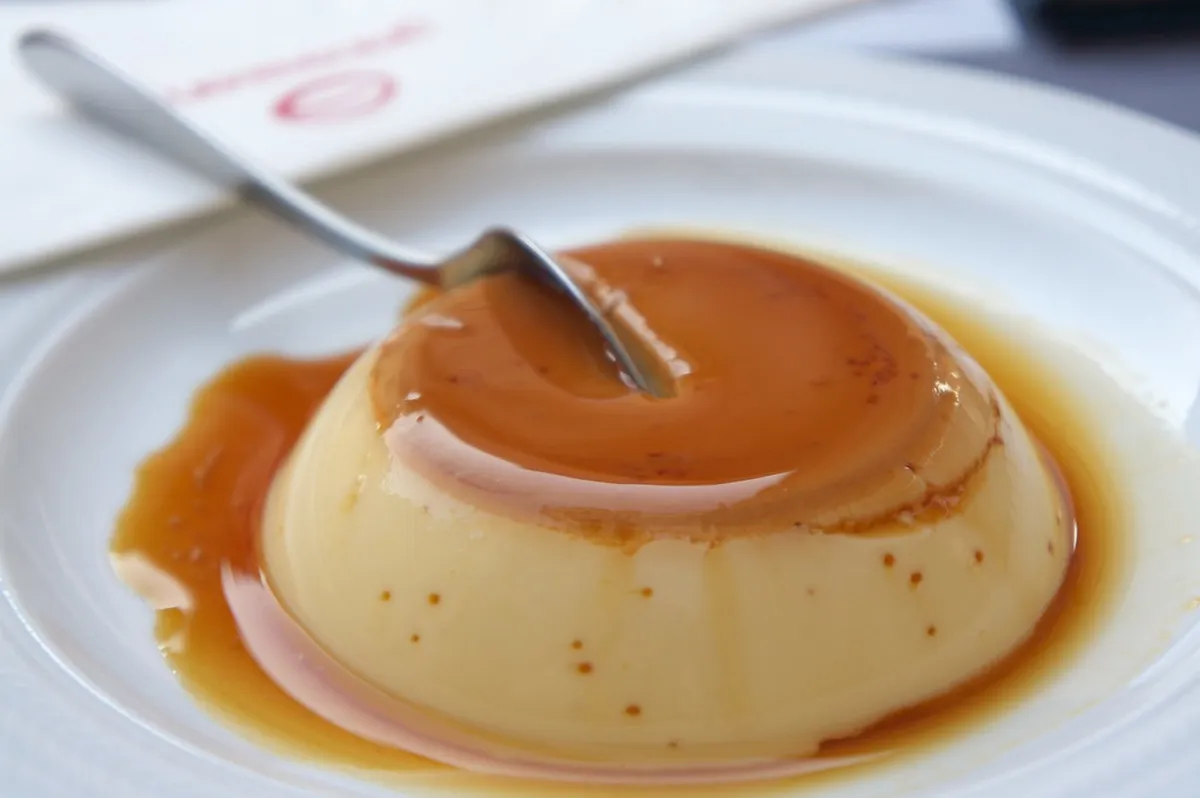
- Rozata: a caramel custard dessert, the Dalmatian answer to creme caramel, usually the one house-made dessert on a konoba menu.
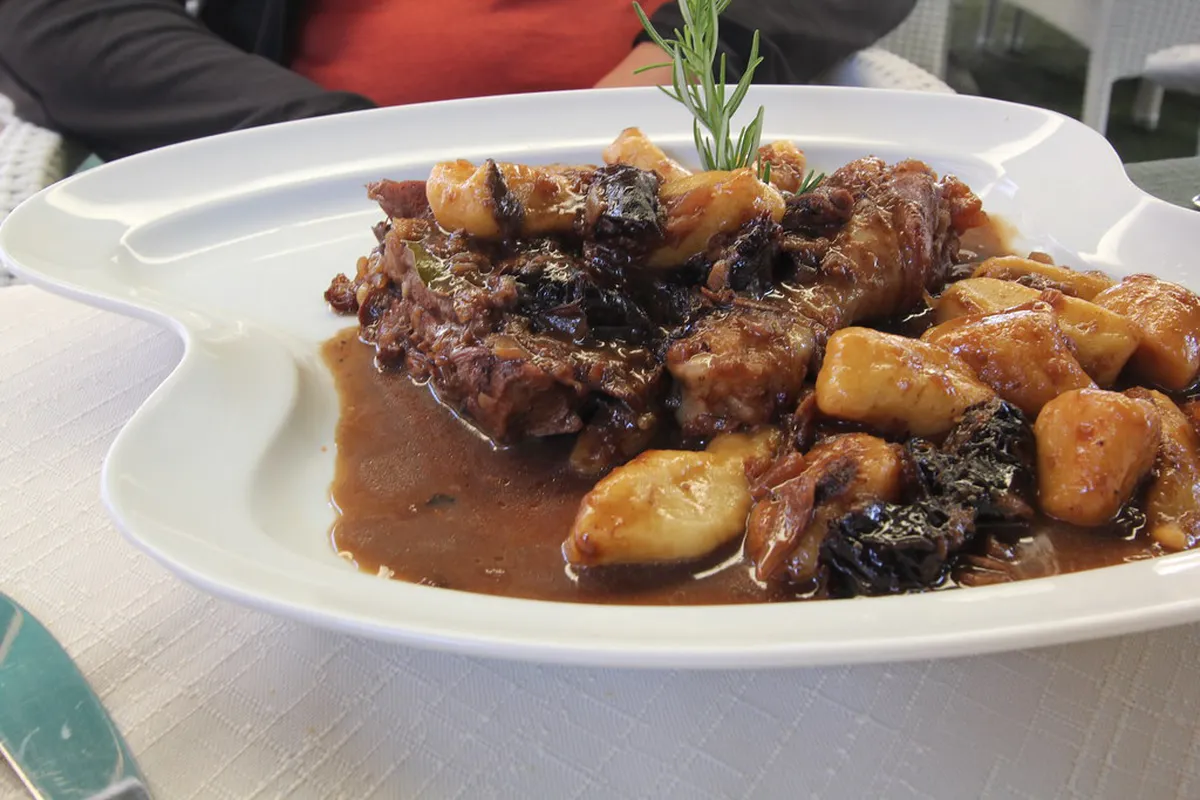
- Pasticada: beef marinated and slow-braised, then served with gnocchi. Treat it as a special-occasion order rather than a nightly special, since not every kitchen runs it daily.
Street Food and Quick Bites: Holy Burek and Buffet Skola
For a meal between sights, skip the sit-down wait and go for handheld food instead. Holy Burek, run by the same hotel group that owns the rooftop restaurant Above 5, sells veal and cheese burek, a Balkan pastry made of stretched, flaky dough, packaged as batons meant to eat while walking through Old Town's back streets. It works as breakfast, a mid-morning snack, or a stopgap before a late 9pm dinner reservation. Buffet Skola holds an older reputation in Old Town for sandwiches, a reliable fallback on days when every terrace table along Stradun is full.
Best Restaurants in Old Town, By Occasion
Old Town restaurants split cleanly by budget and by the reason for the visit: a sunset view, a single show-stopping dish, or a fast bite between the cathedral and the cable car. Use the table below as a decision matrix, then check the reservation column, since several of these fill entire seatings in advance.
| Restaurant | Best For | Price Point | Reservation |
|---|---|---|---|
| 360 Dubrovnik | Special-occasion fine dining with city wall views over the Old Port | Fine dining | Yes, booking opens exactly one month ahead online |
| Above 5 | Rooftop tasting menu and sunset cocktails | Fine dining, priced above 360 Dubrovnik | Yes, 6pm or 9pm seating only |
| Local | A sit-down peka meal with charcuterie and homemade bread | Mid-range | Required; order peka about a day ahead |
| Restaurant Kopun | Capon and cuttlefish risotto in large portions | Mid-range | Recommended |
| Konoba Pupo | Black risotto and Sporki Makaruli pasta | Mid-range | Recommended |
| Poklisar | Old Port people-watching, pizza, and calamari | Mid-range | Walk-in friendly |
| Ala Mizerija | Beach-cove snacks and cold Croatian beer | Budget | Walk-in |
| Holy Burek | Veal or cheese burek to eat on the move | Budget street food | None |
- Konoba Pupo's owner, Viktor Kuznin, often works the room and can recommend a bottle of Dingac to go with the black risotto.
- Poklisar also knocks a discount off the bill for anyone holding a Dubrovnik Card.
- Taj Mahal serves Bosnian dishes rather than Indian ones despite the name, so check the menu before assuming otherwise.
- Azur turns out fusion plates like pulled pork tacos and seared tuna next to the Bard Buza bar, a more local alternative to the tourist-facing cliffside stretch.
- Forty Four, co-owned by NBA player Bojan Bogdanovic, specializes in seafood crudo and lobster pasta alongside an orange wine list worth asking about by name. For a longer restaurant-by-restaurant breakdown, see Dubrovnik's best local restaurants.
Drinks and Sweets: Wine, Gelato, and a Cliffside Bar
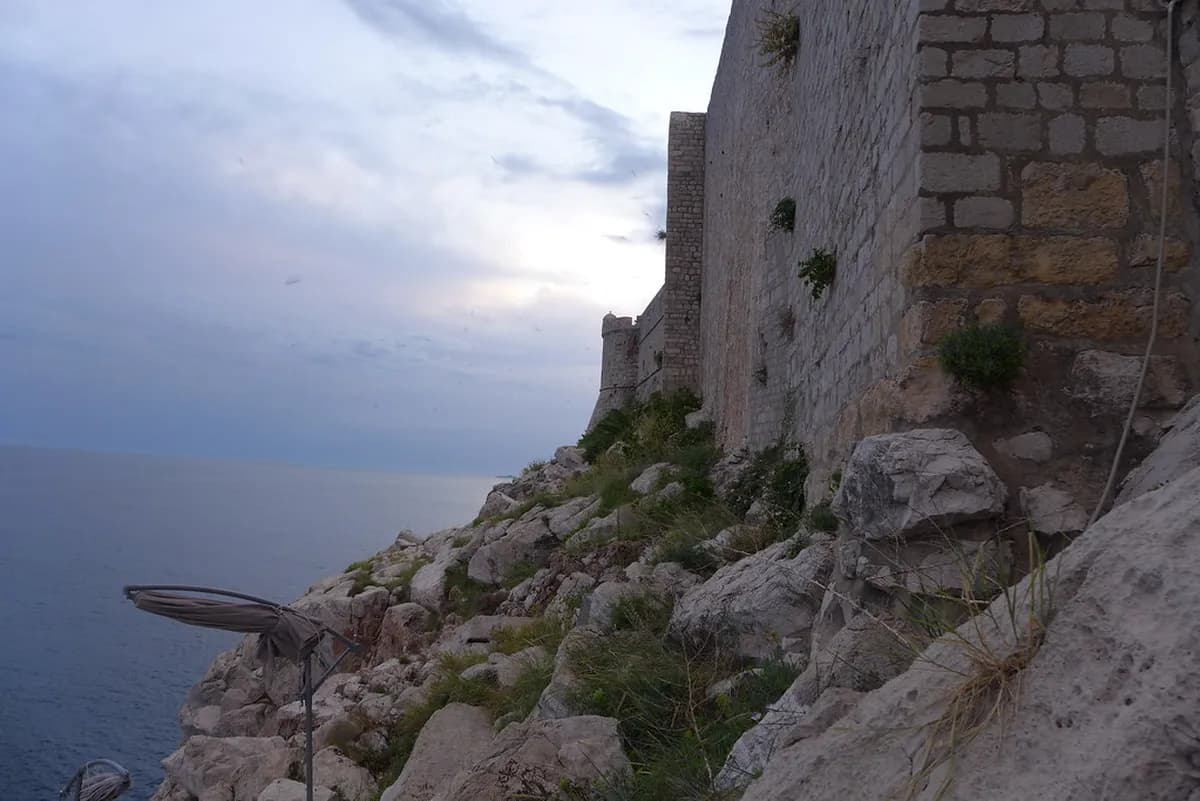
Pair a Dalmatian meal with a local glass rather than an imported label. D'Vino Wine Bar pours Malvasia Istriana and Plavac Mali by the glass, alongside artisanal cheese and charcuterie boards built for tasting rather than a full dinner. Peppino's Gelato serves artisanal scoops made daily, ranging from classic pistachio and stracciatella to flavor combinations built around Croatian ingredients. Glam Bar is the better pick over a wine list if craft beer is the goal instead. For a sunset drink with a view rather than a dinner table, head to the cliffside Buza Bar, built into the rock outside the city walls.
Beyond the Walls: Gruz and Lapad for Local Prices
Old Town prices rise with the foot traffic on Stradun, and a plate can cost noticeably more a few steps from the cathedral than it does ten minutes away. For a cheaper, less staged meal, walk or take a short bus ride to Gruz or Lapad instead. Gruz centers on the city's working port and morning market, where locals shop for produce and fish before the boats leave for the Elaphiti Islands. Lapad's peninsula holds a longer run of konobas and pizzerias set back from the cruise-ship route, at prices closer to what residents pay for the same dishes. Check Gruz's market and eats and the Lapad Peninsula guide before picking a base for the trip, or start with the wider neighborhood breakdown on a first visit.
Stradun charges Old Town's highest prices for undistinctive food. Gruz and Lapad, minutes away, offer konobas and pizzerias at local resident prices. Strategic walking distance matters more than within-walls dining for budget meals.
Reservation Timing and the Cover Charge
Croatian sit-down restaurants typically run two dinner seatings rather than one long service window: an early table around 6pm, or a later one around 9pm. Above 5 only takes bookings inside those two windows, and the earlier slot is worth requesting for the rooftop sunset. 360 Dubrovnik's tables open to online booking exactly one month before the date, and demand is high enough that a reminder is worth setting if a specific evening matters. Expect a small per-person cover charge, a couvert, at most konobas and fine-dining rooms; it typically covers bread and is standard practice across Croatia, not an added fee to dispute at the table. Carry a backup payment method too: Above 5, despite sitting inside a four-star hotel, does not accept American Express.
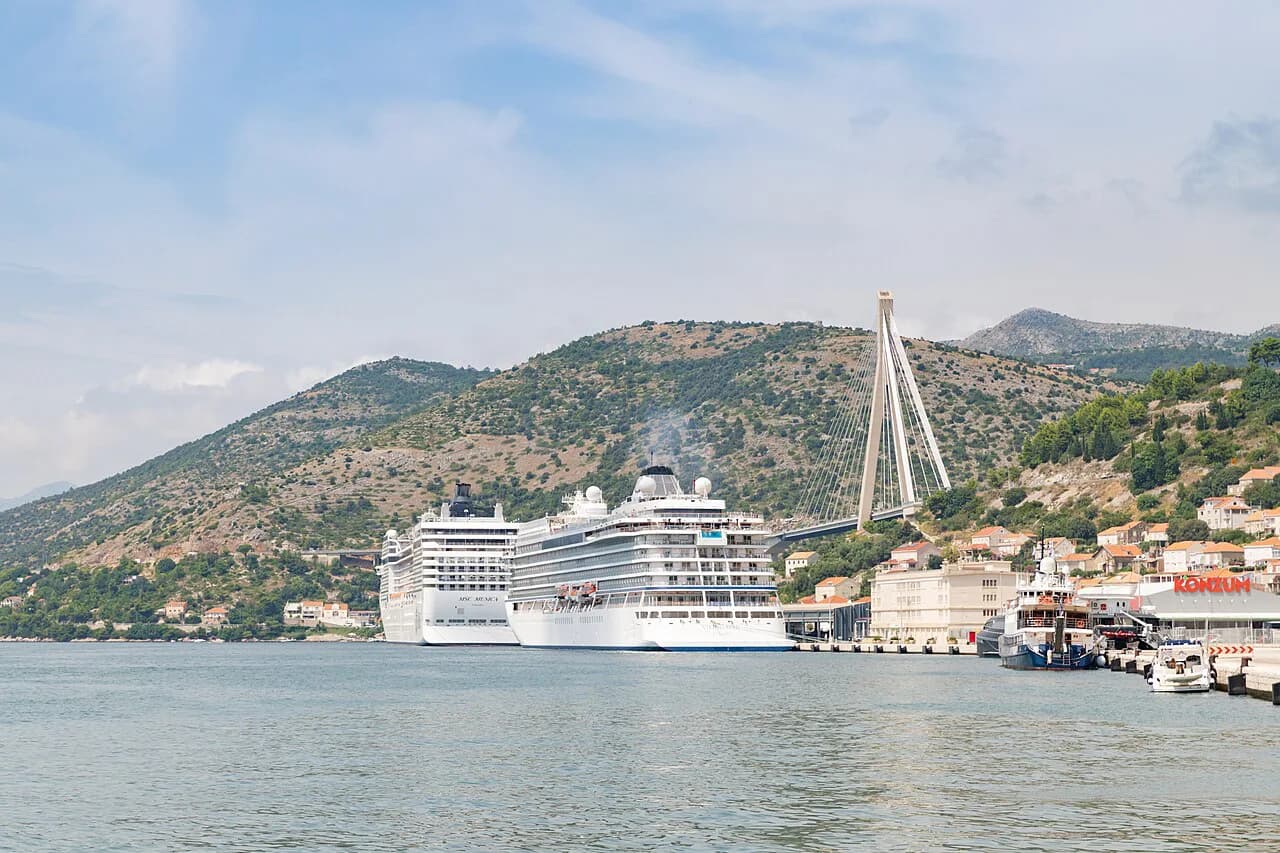
360 Dubrovnik opens bookings exactly one month ahead; cruises cluster 10am-4pm at Pile Gate. Schedule dinner outside peak arrival hours and request early seating for sunset; late 9pm slots at Above 5 avoid cruise crowds.
Old Town Etiquette and Dodging the Cruise Crowds
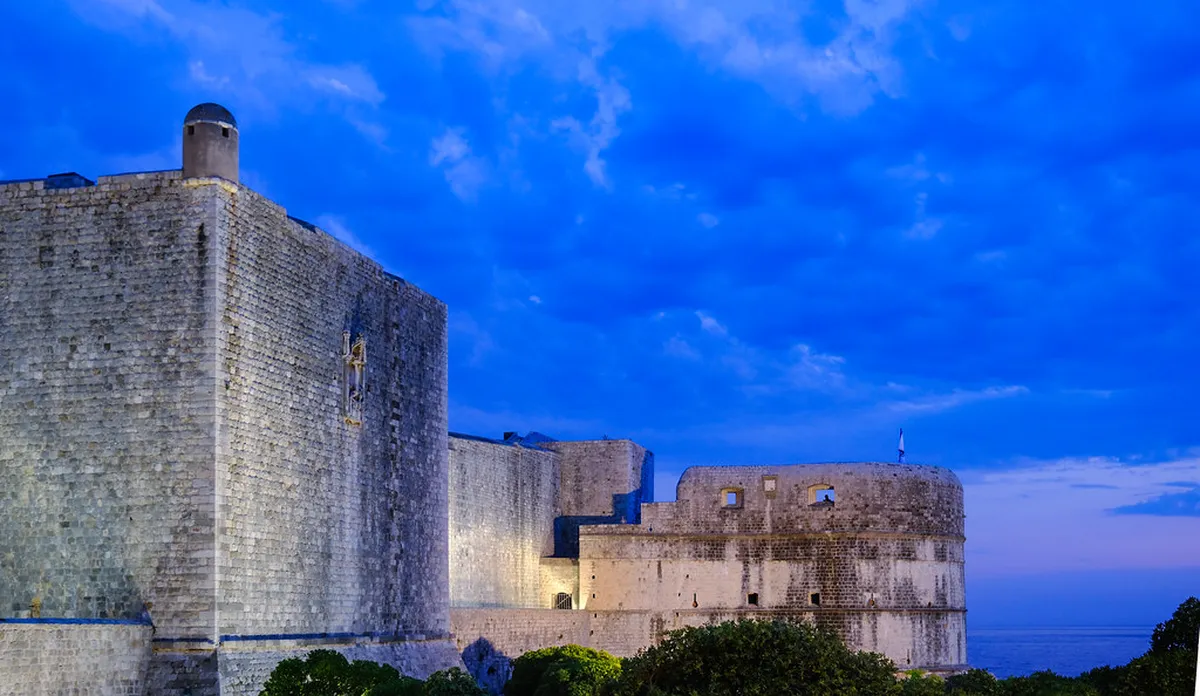
The Jesuit Stairs, nicknamed the 'Walk of Shame' after a Game of Thrones scene, lead up to the Church of St. Ignatius and predate the show by centuries, modeled on Rome's Spanish Steps. Stripping for photos or shouting 'shame' on them is a running irritation for residents, not a photo op locals appreciate, so treat the stairs as a historic route rather than a stage. Cruise ship arrivals cluster at Pile Gate roughly between 10am and 4pm, funneling most of the day's foot traffic through one entrance at once. Using the Buza or Ploce gates instead spreads out the crowd and shortens the walk to a restaurant table booked for lunch. Once the meal is done, the 1.2-mile walk around the full circuit of the city walls is quieter in late afternoon than at midday. For a calendar-level view of which weeks are quietest across the whole town, see the best time to visit without crowds.
Mistakes to Avoid When Eating in Dubrovnik
A few repeat mistakes separate a good meal from an overpriced one.
- Eating directly on Stradun. The main thoroughfare charges Old Town's highest prices for some of its least distinctive food.
- Skipping the peka reservation. Restaurants need it ordered roughly a day ahead; asking same-day usually means it is unavailable.
- Ignoring the couvert. The per-person cover charge at sit-down restaurants is standard in Croatia and will appear on the bill regardless.
- Booking 360 Dubrovnik late. Tables open exactly one month ahead online and go fast for sunset seatings.
- Assuming Amex works everywhere. Above 5 and some other Old Town spots don't take it, so carry a backup card or cash.
- Treating every cove restaurant as unreachable. Spots like Ala Mizerija sit a few minutes' walk from the Old Town walls, not a taxi ride away, so check corners most visitors miss before assuming everything worthwhile is inside the walls.
How to Budget a Dubrovnik Food Day
Think of Dubrovnik meals in three tiers rather than one fixed restaurant list. For the lowest-spend day, use Old Town quick stops like Holy Burek for veal or cheese burek, Buffet Skola for sandwiches, and Peppino's Gelato for dessert, then save the sit-down meal for later. For a mid-range konoba meal, prioritize one local signature instead of ordering broadly: black risotto at Konoba Pupo, capon at Restaurant Kopun, or a pre-ordered peka at Local if you have a full dinner window.
Fine-dining choices such as 360 Dubrovnik and Above 5 are better treated as planned experiences, not backup dinner options. Book them around the view, the tasting menu, or a special occasion, and keep a simpler meal earlier in the day. If value matters more than city-wall atmosphere, shift one dinner to Gruz or Lapad, where konobas and pizzerias sit away from Stradun's heaviest foot traffic.
For trip-planning details, see Rožata – Wikipedia.
Further reading: Dubrovnik on Wikivoyage · Dubrovnik on Wikipedia
Frequently Asked Questions
What is the most traditional dish to try in Dubrovnik?
Peka and black risotto are the two dishes locals point to first: peka for its slow, coal-cooked method, and black risotto for its cuttlefish-ink color and flavor. Both benefit from more lead time than a same-night walk-in dinner.
Do you need to book restaurants in advance in Dubrovnik?
Yes, for fine dining and for peka. 360 Dubrovnik opens bookings exactly one month ahead online, Above 5 only seats at 6pm or 9pm, and peka orders typically need about 24 hours' notice. Casual spots like Poklisar and Ala Mizerija are more walk-in friendly.
What is a couvert on a Croatian restaurant bill?
It is a small per-person cover charge, usually covering bread, common at Croatian sit-down restaurants and konobas. It is standard practice rather than an added fee to dispute.
Where can you eat cheaper than Old Town in Dubrovnik?
Gruz and Lapad both run lower prices than Stradun. Gruz centers on the market and working port, while Lapad's peninsula has a longer stretch of konobas and pizzerias set back from the cruise crowds.
When is the best time to eat in Dubrovnik to avoid cruise ship crowds?
Cruise arrivals cluster at Pile Gate roughly between 10am and 4pm. Eating earlier or later than that window, and entering through the Buza or Ploce gates instead of Pile, cuts down on the wait for a table.
Continue exploring
More guides you'll find useful