Dubrovnik Neighborhoods Guide 2026: Where to Stay by Area
A 2026 Dubrovnik neighborhoods guide comparing Old Town, Pile, Ploče, Lapad, Gruž, and Srebreno on price, distance, beach access, and stairs to climb.
On this page
Dubrovnik Neighborhoods Guide: Where to Stay in Each Area
Last updated July 2026, this Dubrovnik neighborhoods guide compares where to base yourself across the city. Options include the UNESCO-listed Old Town, the Lapad and Babin Kuk peninsulas, the working port of Gruž, and the quieter coast at Srebreno and Mlini. Your choice comes down to three factors: stair tolerance, proximity to the city walls, and budget.
Dubrovnik Neighborhoods Guide: Comparison at a Glance
Dubrovnik's neighborhoods split into two zones. The walled hub covers Old Town, Pile, and Ploče, all within easy walking distance of the city walls. The peninsulas and port towns cover Lapad, Babin Kuk, and Gruž, plus the south-coast villages of Srebreno and Mlini. The table below lines up six areas by vibe, who they suit, distance from the Old Town, and price level, so you can shortlist before comparing listings.
Stone steps and steep climbs characterize neighborhoods closer to the walls—Old Town, Ploče, and Pile's upper streets. Gruž and lower Lapad streets offer flatter alternatives, though they sacrifice proximity to primary attractions for easier day-to-day mobility.
| Neighborhood | Vibe | Best For | Distance to Old Town | Price Level |
|---|---|---|---|---|
| Old Town | Walled UNESCO core, car-free | Sightseeing, nightlife, zero commute | 0 minutes, you're already in it | $$$ |
| Pile | Gateway just outside Pile Gate | Bus transfers, Fort Lovrijenac | 5-10 minute walk | $$ |
| Ploče | Hillside row of villas and grand hotels | Harbor views, Banje Beach, quiet luxury | About 10 minutes, uphill on the return | $$$ |
| Lapad & Babin Kuk | Resort peninsula with a pedestrian promenade | Families, pebble beaches, resort stays | 10-15 minutes by Libertas bus #4 or #6 | $$ |
| Gruž | Working ferry and cruise port | Budget stays, the market, Elafiti ferries | About 10 minutes by bus | $ |
| Srebreno & Mlini | Quiet coastal villages south of the city | Value, slower pace, boat-taxi access | Bus #10 or a boat transfer | $ |
The Historic Core: Old Town, Pile, and Ploče
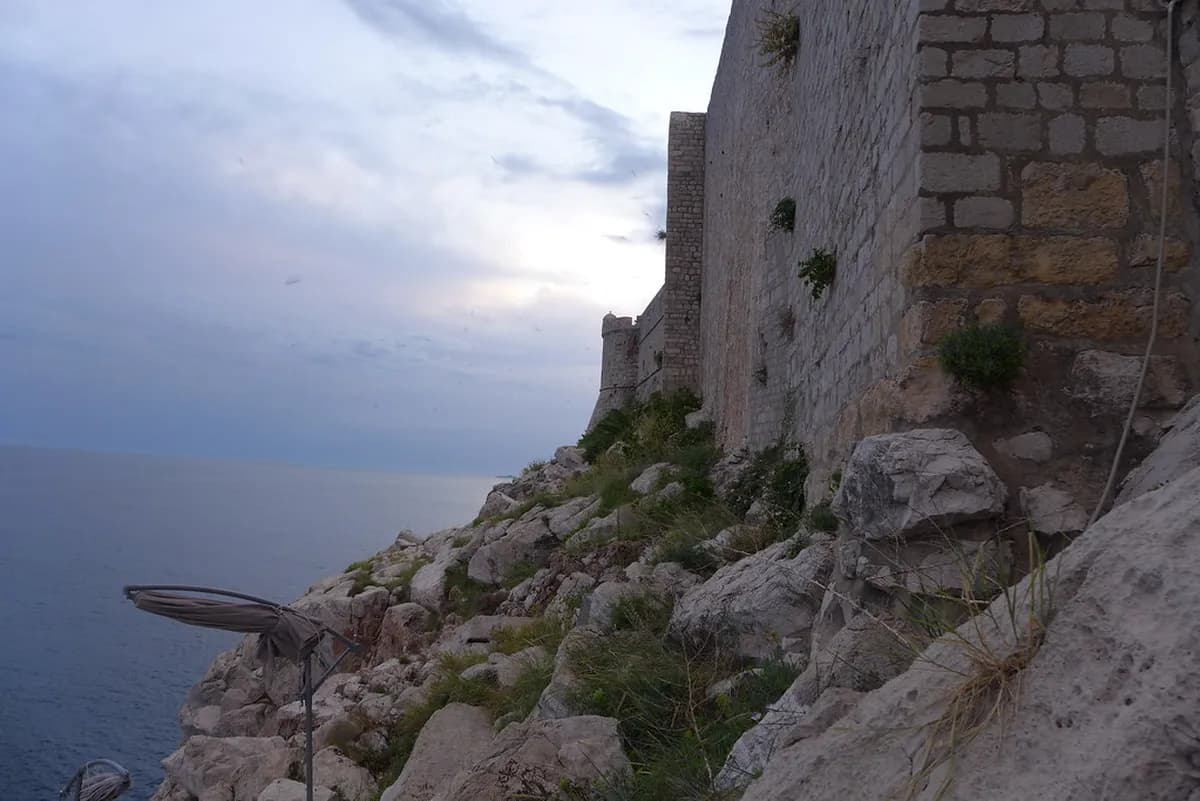
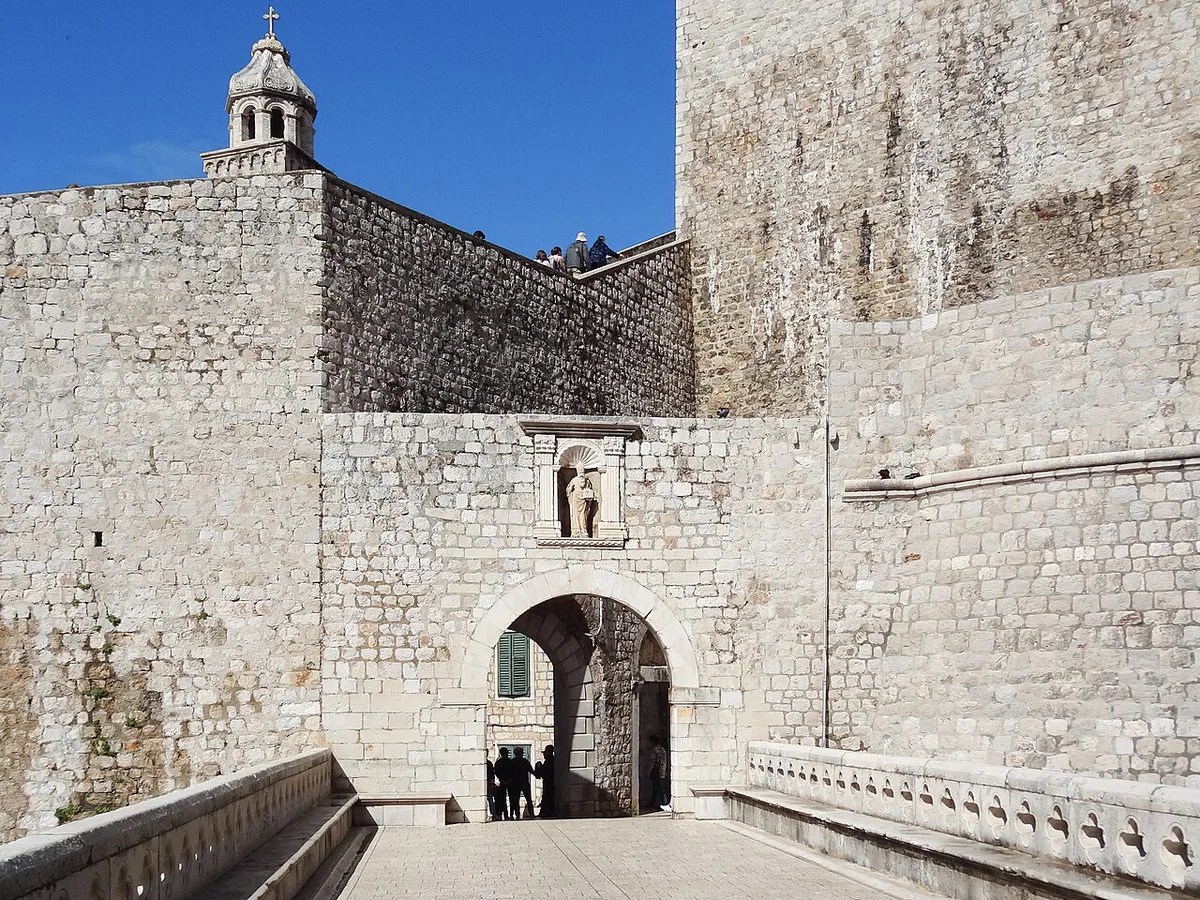
Staying inside the Old Town puts you behind 16th-century walls, in a pedestrian-only zone with no car, shuttle, or delivery-van access. Every bag gets carried by hand over stone steps, because no luggage-shuttle service operates inside the walls. In exchange, restaurants, bars, and the harbor sit within a few minutes' walk, and you can swim off the rocks at the cliffside Buža Bar before the day's crowds arrive. For quieter corners once you've settled in, this cluster also covers under-the-radar Old Town spots worth building into a longer stay.
Pile sits just outside Pile Gate, the Old Town's main northern entrance, and suits travelers who want walking-distance access without sleeping inside the walls. Most Libertas bus routes stop here on the way into the historic core. The upper streets climb steeply, so choose a listing near the main road if stairs are a concern, and expect some traffic noise along that same road.
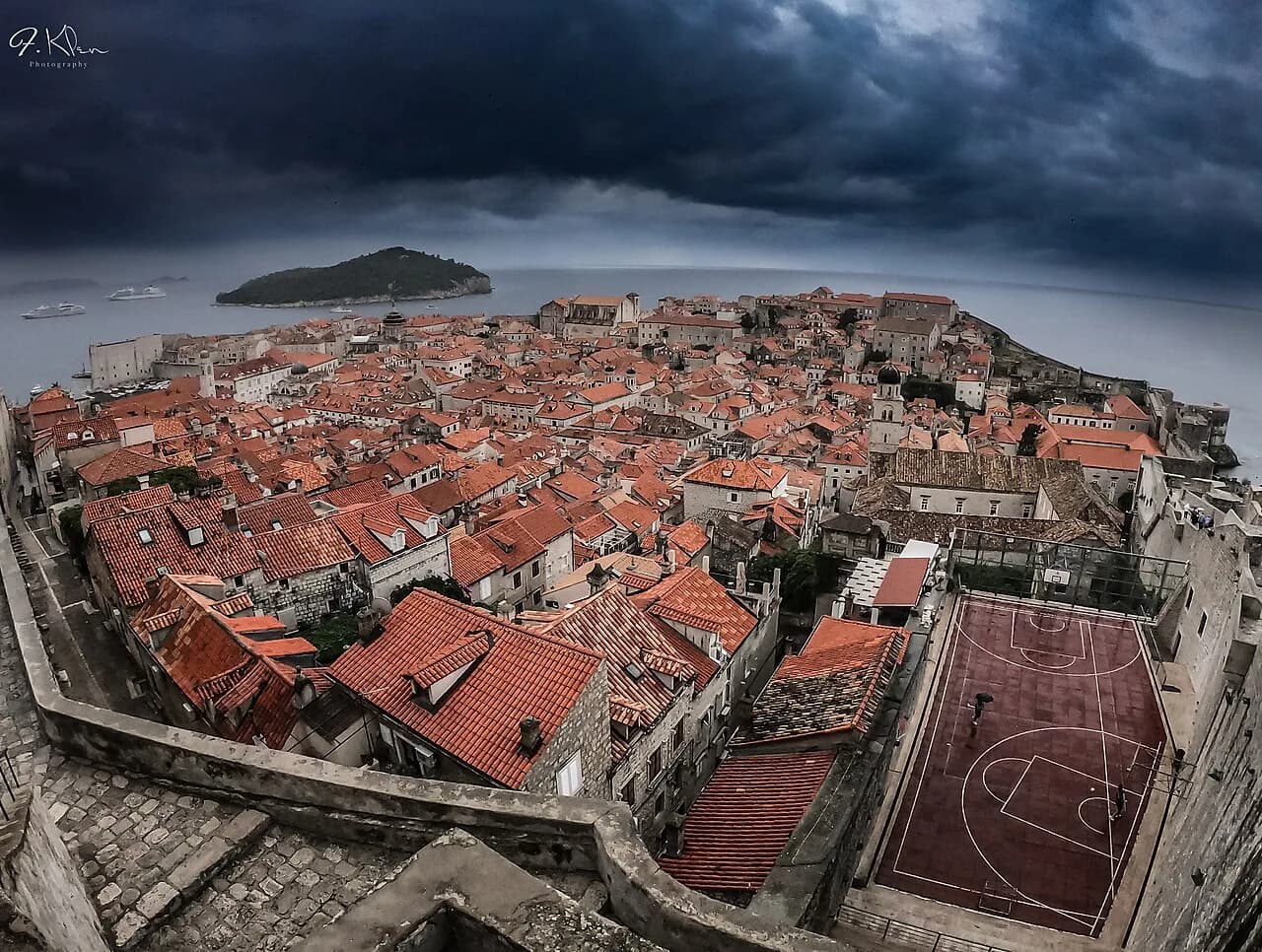
Ploče runs east of the Old Town along Frana Supila Street, a row of some of the city's oldest hotels and villas facing the harbor. Most balconies look out over the water toward the boat crossing to Lokrum Island. The trade-off is the walk back: budget about 10 minutes uphill from the Old Town or Ploče Gate to most hotel entrances, longer with shopping bags or beach gear.
- Old Town: pedestrian-only streets, hand-carried luggage, no shuttle service inside the walls.
- Pile: Fort Lovrijenac, three small beaches, and the main gateway bus stop.
- Ploče: Frana Supila Street hotel row, the Museum of Modern Art, Banje Beach, Sveti Jakob, and the Srd Hill cable car base.
The Coastal Peninsulas: Lapad and Babin Kuk
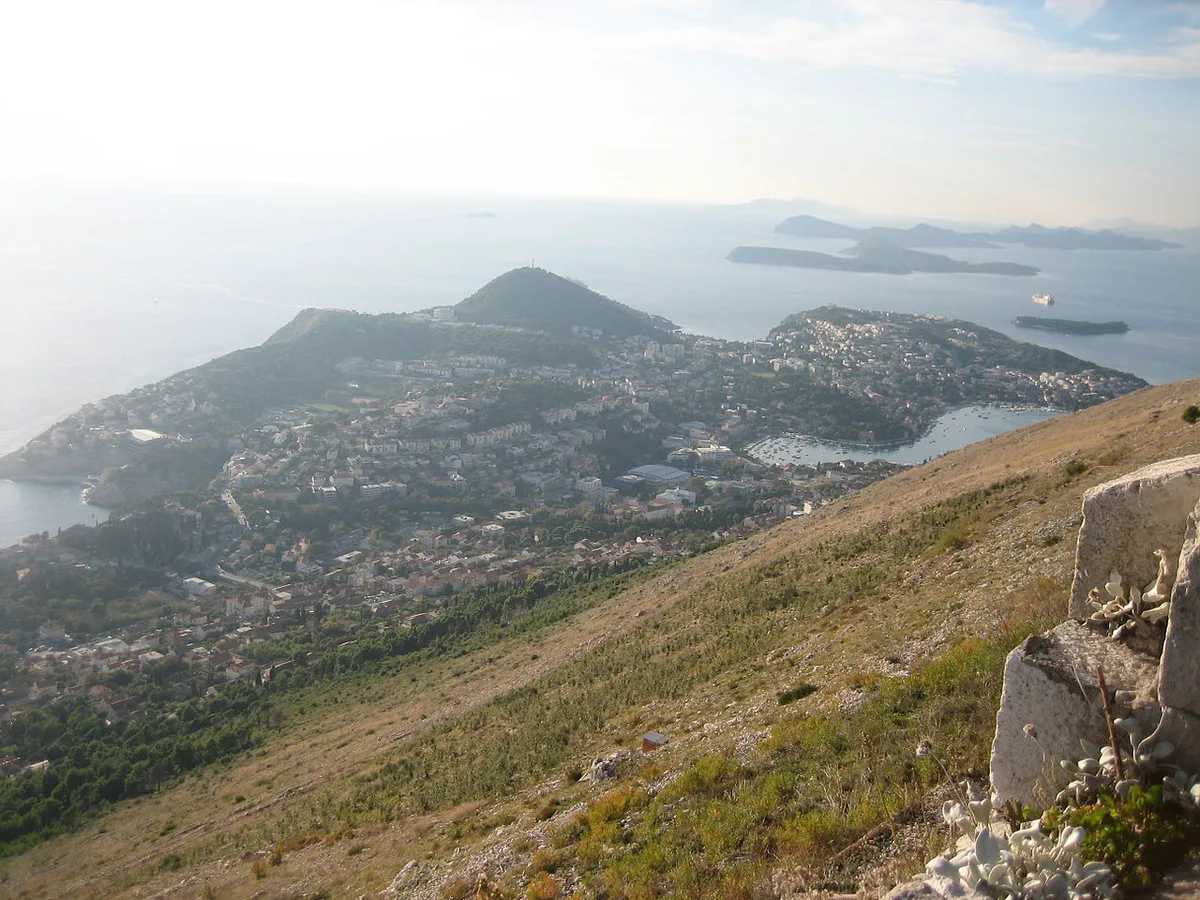
Lapad occupies a peninsula roughly 3 kilometers west of the Old Town, built around a pedestrian promenade lined with restaurants, small hotels, and the pebble shoreline of Lapad Beach. Libertas buses #4 and #6 connect Lapad to Pile Gate in about 10 to 15 minutes, a trade-off most visitors accept for flatter streets and lower prices than the historic core. For a deeper look at streets and listings, see the Lapad neighborhood breakdown.
Babin Kuk sits at the northern tip of the same peninsula, a newer district built around spa hotels and resort-style wellness facilities. Three named beaches anchor the area, each reachable on foot from the hotel row.
If swimming is the deciding factor, weigh Lapad's pebble beaches and promenade against the Cave Bar More setting highlighted elsewhere in this cluster. Both get flagged as top swim options, just at different price points and distances from the walls.
- Lapad Beach: the pebble shoreline along the main promenade.
- Copacabana, Cava, and Mandrač: the three beaches anchoring Babin Kuk.
- Libertas #4 and #6: roughly 10-15 minutes to Pile Gate.
The Local and Logistics Hub: Gruž and Montovjerna
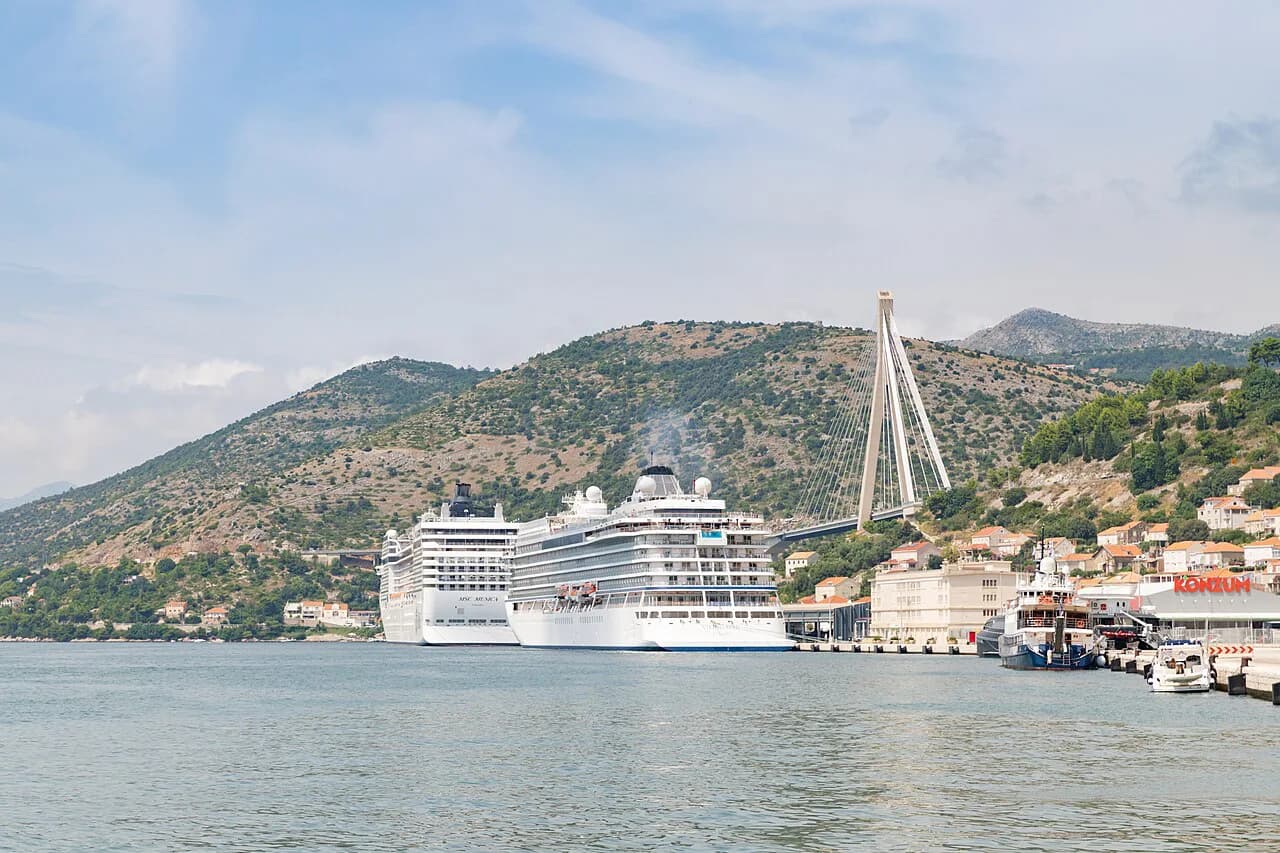
Gruž is Dubrovnik's working port. Accommodation here runs cheaper than anywhere closer to the walls, and the neighborhood connects to the Old Town by bus in about 10 minutes. Expect the harbor front to get crowded whenever a cruise ship docks at the berth.
For where to eat once you've settled in, this cluster's roundup of restaurants worth booking nearby covers several spots inside Gruž itself.
Montovjerna is the hillside residential district rising above Gruž. It stays largely local, with fewer short-term listings than the port below, so treat it as a fallback rather than a first search. For a full walk-through of streets, ferries, and market timing in the port, see the full Gruž breakdown.
- Ferry terminal: departure point for the Elafiti Islands ferries.
- Main bus station: the hub for Libertas routes across the city.
- Cruise berth: the busiest single crowd source in the neighborhood.
- Daily farmer's market: a starting point for the local food scene.
The Commuter Alternative: Srebreno and Mlini
Srebreno and Mlini sit south of Dubrovnik on the road toward Cavtat, a quieter stretch of coast than anything inside the city. Staying here trades the Old Town's front-door convenience for a better beach-to-price ratio and a slower pace in the evenings.
Staying at Srebreno or Mlini trades the Old Town's front-door convenience for a commute. That commute, however, insulates visitors from the daily 10 a.m.–4 p.m. cruise surge that concentrates in the walled center and Gruž's waterfront.
Getting into the city means catching the #10 bus or booking a boat transfer, so add extra travel time rather than assuming you can walk in.
This stretch works well as part of a wider south-coast loop. Pair a night or two here with the Cavtat coverage in this cluster, or fold it into the day-trip roundup from Dubrovnik if you'd rather stay central and visit for an afternoon instead.
Practical Logistics: Stairs, Parking, and the Cruise Ship Surge
Three factors matter more in Dubrovnik than in most city breaks: elevation, parking, and cruise-ship timing. Check each before you book, not just after.
The Stair Warning: Ploče, Pile's upper streets, and much of the Old Town sit on a slope. Listing photos rarely show the steps between the street and the front door. A map's straight-line distance can undersell a 10-minute uphill walk, so check a listing's elevation as carefully as its distance from the walls.
Parking Realities: the Old Town is a pedestrian-only zone with no car access, and Ploče's narrow lanes leave little room for street parking either. If you're renting a car for day trips, such as a run north to the Trsteno Arboretum grounds, book a hotel with dedicated parking rather than counting on finding a space near the walls.
The Cruise Ship Factor: cruise passengers concentrate inside the Old Town between roughly 10 a.m. and 4 p.m., when the main street and Pile Gate get most congested. Plan Old Town walking and photography outside that window, and see the crowd-timing breakdown for a fuller seasonal view.
- Old Town, Pile, and Ploče: stone steps and slopes, not flat sidewalks.
- Old Town and much of Ploče: no car access or street parking.
- 10 a.m. to 4 p.m.: the daily cruise-passenger surge inside the Old Town.
Quick Tips for Visiting Dubrovnik in 2026
A few small logistics decisions make a bigger difference than which neighborhood you choose.
- Buy Libertas bus tickets at a Tisak kiosk before boarding. Kiosk tickets cost less than paying the driver directly. Kiosks sit near Pile Gate, Gruž, and the Lapad bus loop.
- Check whether a Dubrovnik Pass covers the attractions on your list. Passes can bundle city-wall access with museum and transit entry, depending on the tier.
- Book recognizable international hotel brands, such as the Hilton Imperial Dubrovnik, well ahead of summer dates. These sell out first, regardless of neighborhood.
- Once you've picked a base, branch out using this cluster's other guides: quieter local spots, unusual things to try, and no-cost things to do.
Using Libertas Buses Between Neighborhoods
For most visitors staying outside the walls, Pile Gate is the practical transport hub: buses stop just outside the Old Town, so you can reach the pedestrian zone without dealing with parking or the steeper approach roads. From Lapad and Babin Kuk, Libertas routes #4 and #6 are the main links to Pile, usually taking about 10 to 15 minutes in normal traffic. Gruž is also well connected because the main bus station and ferry terminal sit near the port, making it useful if you are combining Dubrovnik with Elafiti Islands ferries or onward regional buses.
Build in extra time in summer, especially when cruise ships are docked and traffic bunches around Pile Gate. Buy tickets before boarding when possible, commonly from Tisak kiosks near major stops such as Pile, Gruž, and Lapad, because kiosk tickets are typically cheaper than paying the driver.
Further reading: Dubrovnik on Wikivoyage · Dubrovnik on Wikipedia
Frequently Asked Questions
What is the best neighborhood to stay in Dubrovnik for a first visit?
Pile or the Old Town suit most first-time visitors best. Both put the city walls, restaurants, and main sights within a short walk, at the cost of higher prices and, inside the walls, stairs and hand-carried luggage. Pile offers a similar location with slightly more space between buildings.
Is Lapad or Old Town better for families?
Lapad usually works better for families. It has pebble beaches, a flat pedestrian promenade, and Libertas buses #4 and #6 into Pile Gate in about 10 to 15 minutes, so you trade a short bus ride for easier day-to-day logistics.
Can you avoid stairs when choosing where to stay in Dubrovnik?
Gruž and the lower streets of Lapad and Babin Kuk are the flattest options. Ploče, Pile's upper streets, and most of the Old Town involve stone steps and a slope, so check a listing's elevation, not just its distance from the walls.
How do you get from Lapad to the Old Town without a car?
Take Libertas bus #4 or #6 from Lapad or Babin Kuk toward Pile Gate. The ride runs about 10 to 15 minutes, and buying a ticket at a Tisak kiosk beforehand costs less than paying the driver on board.
Is it worth staying outside the city walls in Srebreno or Mlini?
It's worth it if you want a quieter, better-value base and don't mind commuting. Getting into Dubrovnik from Srebreno or Mlini means catching the #10 bus or arranging a boat transfer, so add extra travel time to your plans. Both villages sit within day-trip distance of Cavtat too, so a short stay there can double as a base for exploring the wider south coast.
Continue exploring
More guides you'll find useful