10 Unique Things to Do in Dubrovnik in 2026 (Beyond the Crowds)
Plan unique things to do in Dubrovnik for 2026: cliff bars, a Mount Srđ hike, a socialist-history museum, and island escapes past the City Walls crowds.
On this page
10 Unique Things to Do in Dubrovnik That Go Beyond the Old Town Crowds
Last updated July 2026, this guide rounds up unique things to do in Dubrovnik for travelers who already know the Stradun and the City Walls by name. It pairs iconic sites with a genuine crowd-avoidance angle: early-morning slots, sunset specials, and full escapes from the Old Town core. Use the timing and pricing notes below to fit six or more of these entries into a single visit without queueing behind cruise-ship groups.
What Makes Dubrovnik Unique Beyond the Postcard Shots
Dubrovnik earned UNESCO World Heritage status for the 9th- to 14th-century City Walls and the tight medieval grid built by the former Republic of Ragusa. The Old Town took direct shelling during the early 1990s conflict, and restoration teams rebuilt roofs and stonework with matched limestone. That mix of maritime trading history, pale stone architecture, and visible post-war resilience separates Dubrovnik from other walled Adriatic towns. Beyond the Stradun and the Walls, cliff-side bars, a socialist-era museum, and a botanical garden round out a fuller picture of the city. Expect stairs almost everywhere, so pace a multi-day stay rather than rushing a single lap of the Old Town. For deeper background before building an itinerary, read the <a href='/croatia/dubrovnik/hidden-gems-in-dubrovnik'>hidden gems in Dubrovnik</a> pillar guide, or browse the <a href='/croatia/dubrovnik/off-the-beaten-path-in-dubrovnik'>off the beaten path spots</a> list for more options.
| Activity | Best Time | Effort Level |
|---|---|---|
| City Walls walk | First light (8 a.m. summer opening) | Moderate — roughly 2 hours |
| Buža Bar | Sunset | Low |
| Mount Srđ hike | Early morning | High |
| Red History Museum | Midday | Low |
| Trsteno Arboretum | Morning | Low |
| Kayaking the Walls | Sunset | Moderate |
| Lokrum Island | Midday | Low |
| Elafiti Islands | Full day | Low |
10 Unique Things to Do in Dubrovnik
These ten entries mix iconic sites with a genuine crowd-avoidance angle. Each one is tagged for the best time of day, so you can build a schedule around early mornings, sunset slots, or a full escape from the Old Town core.
- Walk the City Walls at First Light — Best Early Morning
- Arrive at the Pile Gate ticket booth right as it opens: 8 a.m. from 1 June to 15 September, 9 a.m. in spring and autumn, and 10 a.m. through the winter months.
- Entry runs €35 in high season and drops to €15 between November and February, making this the single most expensive stop on this list.
- In our editorial assessment, the roughly 2-hour loop across walls up to 6 metres thick is worth the fee if you start within the first hour of opening. For a month-by-month breakdown, see the <a href='/croatia/dubrovnik/best-time-to-visit-dubrovnik-without-crowds'>best time to visit without crowds</a> guide.
- Swim or Cliff-Jump at Buža Bar — Sunset Special
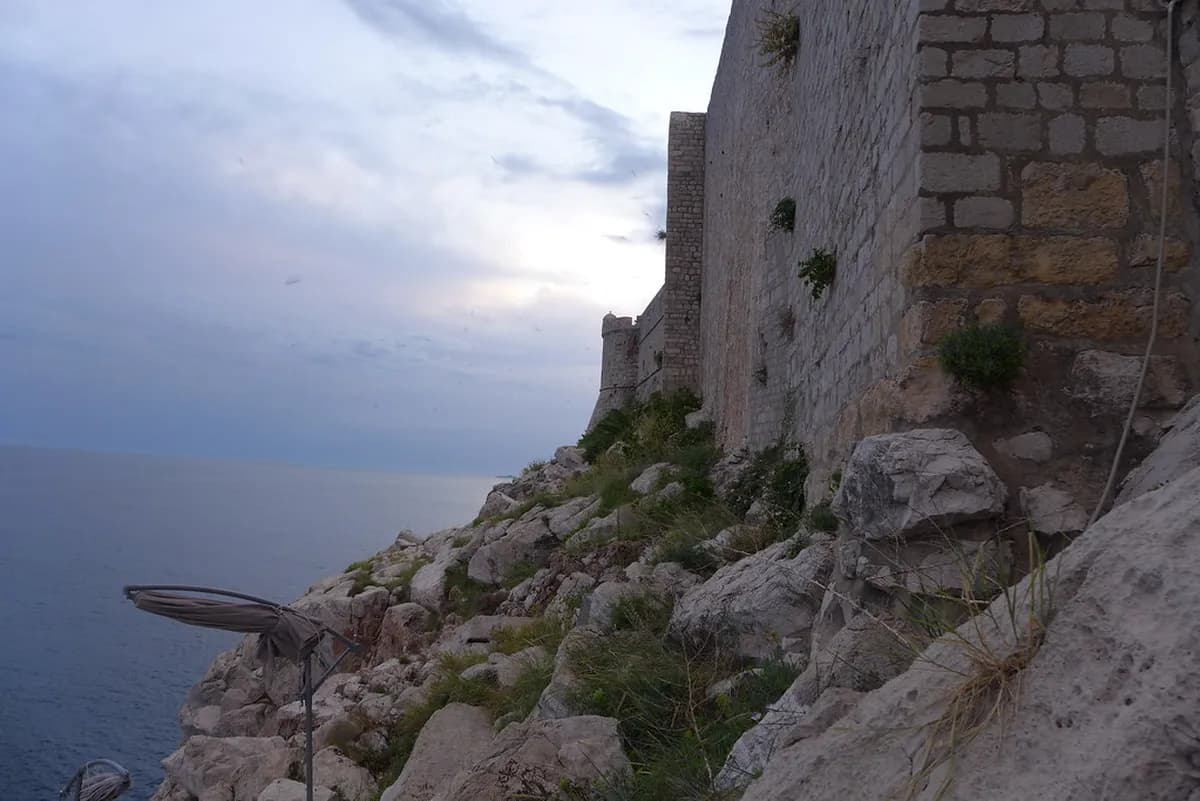
- Two separate 'hole in the wall' bars operate on the seaward side of the City Walls. Look for a literal gap cut into the stone, marked with a hand-painted Buža sign, to find the entrance.
- Both bars serve drinks from ledges built into the rock, and swimmers use the lower ledges to cliff-jump or ease into the Adriatic between rounds.
- Sunset is the busiest slot, so arrive by late afternoon for a seat, or come earlier for the same view with far fewer people. Full access notes sit in the <a href='/croatia/dubrovnik/buza-bar-dubrovnik'>Buža Bar guide</a>.
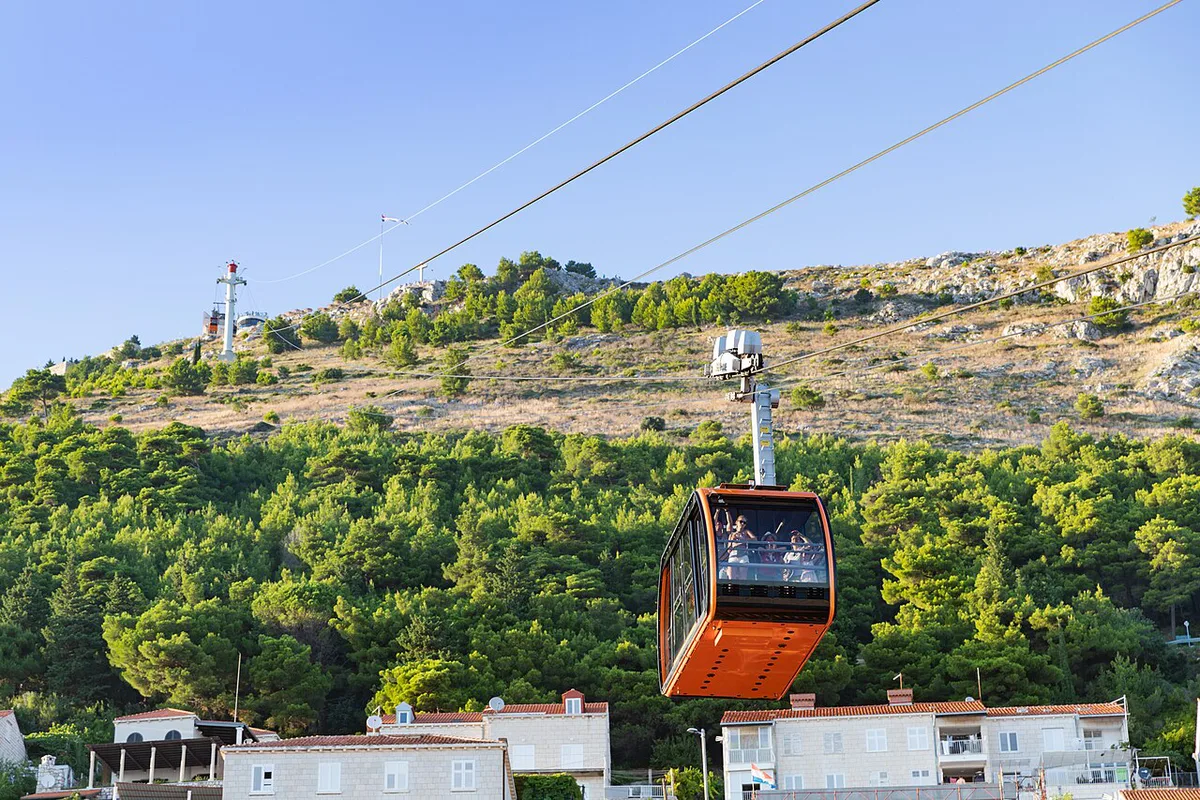
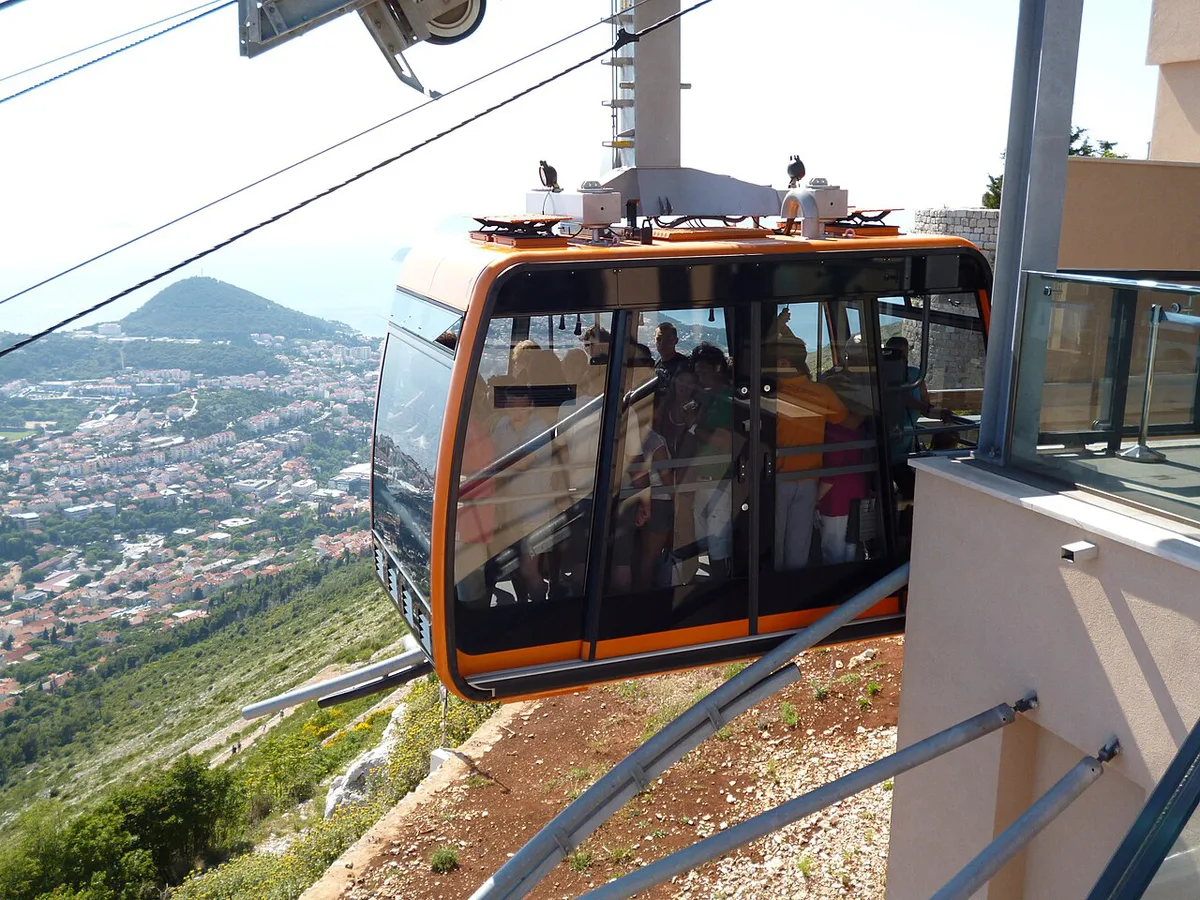
- Hike Mount Srđ Instead of the Cable Car — Best Early Morning
- A marked trail switchbacks up from the Old Town to the summit, an active alternative to the restored cable car.
- At the top, the view stretches across roughly 60km of coastline, and the Homeland War Museum inside the summit fortress covers the early 1990s siege of the city.
- Do the climb during the cooler early morning hours. Route notes are in the <a href='/croatia/dubrovnik/srd-hill-dubrovnik'>Mount Srđ hiking trail</a> guide.
- Tour the Red History Museum in Gruž — Escape the Old Town
- Set in the Gruž neighborhood, this museum gives a look at Croatia's socialist past through preserved everyday objects and period displays.
- It's a low-effort, indoor stop, useful for escaping midday heat between Old Town sights.
- Pair it with a walk around the working harbor. The <a href='/croatia/dubrovnik/gruz-dubrovnik-guide'>Gruž neighborhood guide</a> covers the layout and how to get there.
- Walk the Grounds of Trsteno Arboretum — Escape the Old Town
- This botanical garden sits about 20 minutes from Dubrovnik by road, a quieter counterpoint to the Old Town's stone streets.
- Game of Thrones location scouts used its aqueduct and gardens for filming, which draws fans without the crowds of in-town filming spots.
- Visit in the morning before tour buses arrive. Details on hours and access sit in the <a href='/croatia/dubrovnik/trsteno-arboretum-dubrovnik'>Trsteno Arboretum guide</a>.
- Catch a Film at Kino Slavica's Outdoor Cinema — Sunset Special
- This open-air screen faces the sea and runs films through the summer months, a local habit more than a tourist circuit stop.
- Bring a layer once the sun sets, since the Adriatic breeze picks up after dark.
- It's one of several <a href='/croatia/dubrovnik/secret-spots-in-dubrovnik'>secret spots in Dubrovnik</a> that rarely show up on standard sightseeing maps.
- Climb the Jesuit Stairs and Browse the Morning Market — Best Early Morning
- The baroque staircase leading up to St. Ignatius Church is a known Game of Thrones photo spot.
- Arrive before 9 a.m. and you'll also find the market nearby setting up for the morning.
- Coming early beats the tour groups that fill the stairs for photos by mid-morning.
- Kayak the City Walls at Sunset — Sunset Special
- Paddling below the fortifications gives a sea-level view of the walls that you cannot get from inside the Old Town.
- Evening departures time the return leg to catch sunset light hitting the stone.
- Effort is moderate, and most outfitters run trips that fit into a single evening.
- Swim Lokrum Island's Dead Sea — Midday Escape
- A short ferry crossing from the Old Town harbor reaches Lokrum, where a shallow, land-locked salt lake known locally as the 'Dead Sea' sits inland from the coast.
- Peacocks roam freely through the botanical gardens near the old monastery ruins.
- Go at midday, between a wall walk and dinner. The <a href='/croatia/dubrovnik/lokrum-island-dubrovnik'>Lokrum Island guide</a> covers ferry times.
- Island-Hop the Elafiti Islands — Full-Day Escape
- Boats from the Old Town harbor reach three main islands: Koločep, Lopud, and Šipan, each with a different pace.
- Koločep suits a short swim stop, Lopud offers a slower pace, and Šipan is the largest of the three.
- Set aside a full day for island-hopping. The <a href='/croatia/dubrovnik/elaphiti-islands-dubrovnik'>Elafiti Islands guide</a> breaks down which island fits which traveler.
The Dubrovnik Pass Math: Is It Worth the Splurge?
A standalone City Walls ticket costs €35 in high season. The Dubrovnik Pass is priced at €35 for one day and adds entry to museums such as the Rector's Palace for the same outlay. Do the math before you queue: if you plan to visit even one paid museum alongside the Walls, the Pass has already paid for itself compared with buying tickets separately. Skip the Pass if the Walls are your only paid stop for the day, since the standalone ticket costs the same and you don't need the museum add-ons. Low-season travelers pay less either way — the Walls ticket drops to €15 between November and February, though the Pass math shifts with it. The City Walls ticket is sold at the booth beside Pile Gate or via the official website, and there's no need to prebook in the off-season.
Dubrovnik's Food Scene Beyond the Tourist Menus
Skip the fixed tourist menus lining the Stradun and start at the Gundulićeva Poljana Market each morning. Stalls behind the Cathedral sell local produce and goods from small producers. For a sit-down meal, look for restaurants pouring Malvasia, the dry white wine tied to the wider Dubrovnik region, alongside grilled Adriatic fish. Lapad's side streets carry more of that seafood-and-wine pairing at lower prices than most Old Town addresses. A handful of wine bars near the Cathedral pour Malvasia by the glass if a full bottle at dinner isn't practical. Cross-reference dishes and reservations against the <a href='/croatia/dubrovnik/best-local-restaurants-in-dubrovnik'>local restaurants in Dubrovnik</a> list, or read the full <a href='/croatia/dubrovnik/dubrovnik-local-food-guide'>local food guide</a> for market hours and wine producers.
Where to Stay: Old Town vs Lapad
Old Town hotels put you inside the walls, a payoff in atmosphere but a tradeoff in room rates and stair-heavy access. Lapad trades that convenience for beach access, flatter streets, and lower nightly rates. Local buses connect Lapad to the Old Town roughly every 20 minutes, which covers most trips without a car. Compare the two areas before booking with the <a href='/croatia/dubrovnik/dubrovnik-neighborhoods-guide'>Dubrovnik neighborhoods guide</a>, or go deeper on the bay itself with the <a href='/croatia/dubrovnik/lapad-dubrovnik-guide'>Lapad guide</a>.
Lapad delivers both lower room rates and cheaper dining than Old Town's Stradun-side venues. Restaurants there serve Malvasia wine and grilled fish at prices that undercut Old Town, with local buses running every 20 minutes to the Old Town core if you need the walls or markets.
Fitting Six of These Into One Day
You can realistically combine six of these entries into one long day if you start early. Begin on the City Walls at opening, then walk to the Jesuit Stairs and market while the light is still soft. Cross to Lokrum for a midday swim, then a late lunch, then Trsteno or the Red History Museum during the mid-afternoon lull. Save Buža Bar or the outdoor cinema for after sunset, when the heat drops and the Old Town lanes empty out. Spread the harder-to-schedule entries — Mount Srđ, kayaking, and the Elafiti Islands — across a second day so you're not rushing a trail or boat departure.
Essential Logistics and Mistakes to Avoid
Dubrovnik Airport (DBV) sits about 30 minutes from Old Town by taxi or shuttle bus. Local buses, including route 4 into Lapad, run roughly every 20 minutes, which usually beats an Uber during midday traffic near Pile Gate. Check the cruise port's arrival schedule before you fix Old Town plans for a given day, since the narrowest lanes fill fastest when multiple ships dock at once. Dubrovnik's Old Town is sometimes described as a city of a thousand stairs, so travelers with mobility limitations should expect steep, uneven stone routes to most viewpoints and should budget extra time between stops. Season changes the trip: July brings swimming weather and a full festival calendar, while February brings the Feast of St. Blaise and lower prices, with a quieter Stradun. Not every stop on this list costs money — check the <a href='/croatia/dubrovnik/free-things-to-do-in-dubrovnik'>free things to do</a> guide before you budget for paid entries. When you're ready to leave the city for a day, the <a href='/croatia/dubrovnik/best-day-trips-from-dubrovnik'>best day trips from Dubrovnik</a> guide and the <a href='/croatia/dubrovnik/cavtat-dubrovnik-guide'>Cavtat day trip</a> guide both make good next stops.
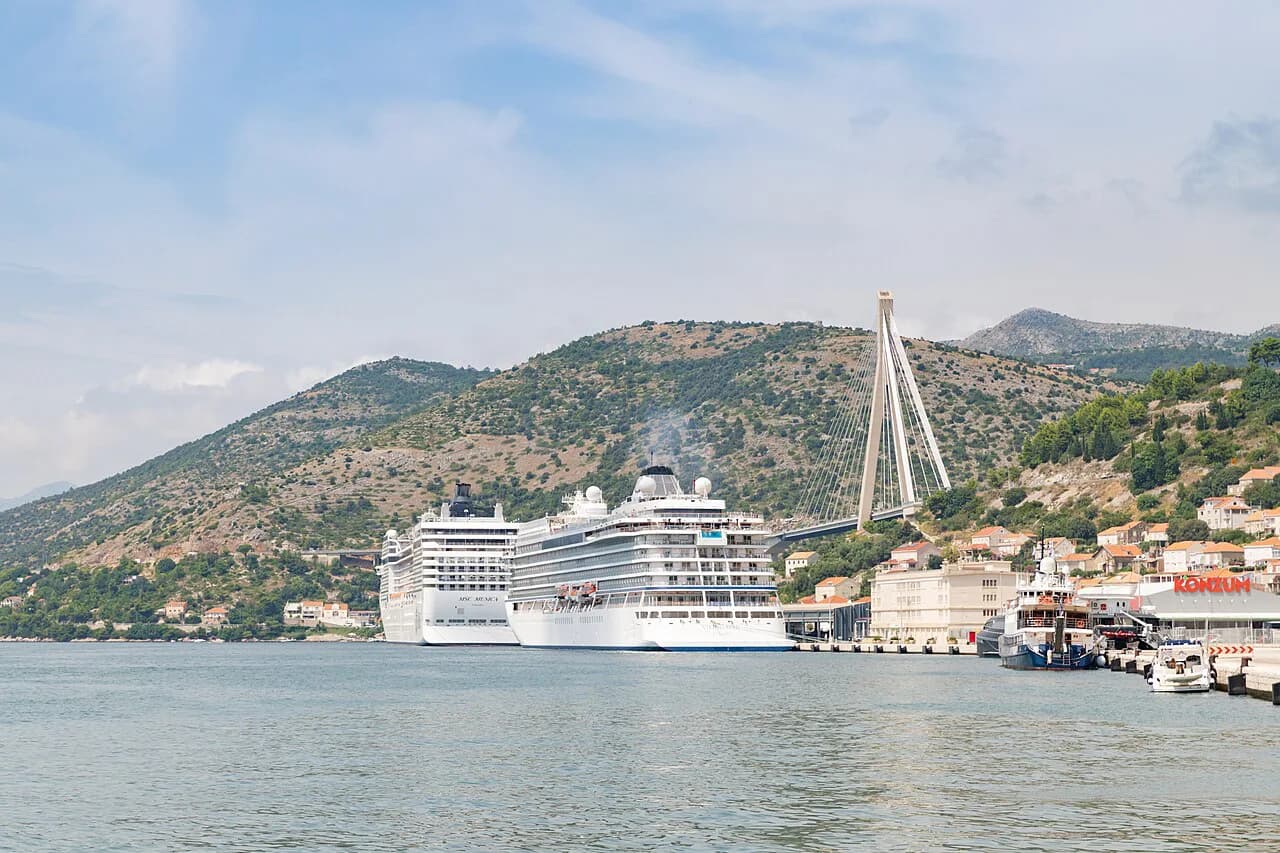
Check the cruise port schedule before planning City Walls visits or Old Town photo stops. Days with multiple ships fill the Stradun and nearby lanes by mid-morning; reserve Old Town activities for lighter port days and save kayaking or island trips for peak-traffic dates instead.
Use the Cruise Ship Schedule Before Picking Your Old Town Slot
Dubrovnik’s cruise traffic lands at Gruž Harbor, not inside the Old Town, but the pressure usually shows up around Pile Gate, the Stradun, Onofrio’s Fountain, and the City Walls by mid-morning. Before locking in a wall walk, kayak departure, or Game of Thrones photo route, check the Port of Dubrovnik cruise schedule for the date you plan to sightsee. Days with multiple large ships are the ones to treat carefully: start inside the walls at opening, leave for Lokrum, Lapad, Trsteno, or Gruž during the busiest middle hours, then return after late afternoon.
If your dates are flexible, put Old Town-heavy plans on lighter port days and save island trips or beach time for peak cruise days. The difference is most obvious at the Pile Gate bottleneck, where tour groups gather before filtering onto the Stradun and toward the City Walls entrances.
Further reading: Dubrovnik on Wikivoyage · Dubrovnik on Wikipedia
Frequently Asked Questions
What is the best time of day to avoid crowds on the Dubrovnik City Walls?
Arrive at the Pile Gate entrance right at opening: 8 a.m. in high season, 9 a.m. in shoulder months, and 10 a.m. in winter. The loop fills up fast by mid-morning, so an early start makes the biggest difference.
Is the Dubrovnik Pass worth buying?
It's worth it once you plan to visit even one paid museum alongside the City Walls, since both cost €35 separately and the Pass covers both for the same price. Skip it if the Walls are your only paid stop.
How do you find Buža Bar's entrance?
Look for a literal gap cut into the seaward city wall, marked with a hand-painted sign. Two separate 'hole in the wall' bars share the same rock ledges, so check both if the first is full.
How far is Dubrovnik Airport from the Old Town?
Dubrovnik Airport (DBV) sits about 30 minutes from Old Town by taxi or shuttle. Local buses connect the wider city roughly every 20 minutes if you'd rather skip a transfer.
When should you visit for fewer crowds and lower prices?
February brings the Feast of St. Blaise and lower rates across hotels and the City Walls. July delivers swimming weather and festival season, but also the highest crowds and prices of the year.
Is Dubrovnik manageable for travelers with limited mobility?
Expect steep, uneven stone stairs on most routes to viewpoints, including the City Walls and the Jesuit Stairs. Budget extra time between stops and consider Lapad, which has flatter streets, for a base.
Continue exploring
More guides you'll find useful