Karaköy Istanbul Guide: Things to Do, Eat & Stay in 2026
A 2026 Karaköy Istanbul guide to Galataport, Istanbul Modern, artisan coffee, backstreet galleries, and where to stay in Istanbul's design district.
On this page
The Ultimate Karaköy Istanbul Guide: From Ottoman Port to Modern Design District
Last updated July 2026, this Karaköy Istanbul guide covers the old Genoese port district that sits directly below Galata Tower, where Ottoman-era banking halls now share cobbled streets with contemporary galleries and the Bosphorus-facing Galataport promenade. You'll find the practical logistics for reaching the neighborhood by tram, ferry, or the historic Tünel, plus a clear-eyed look at where Karaköy's polished waterfront gives way to its grittier backstreets. Whether you have a few hours between connections or a full day to spend, this guide breaks down what to see, where to eat, and where to stay without wasting time fighting the uphill climb toward Galata Tower.
Karaköy Istanbul Guide: Why This District Bridges Old and New
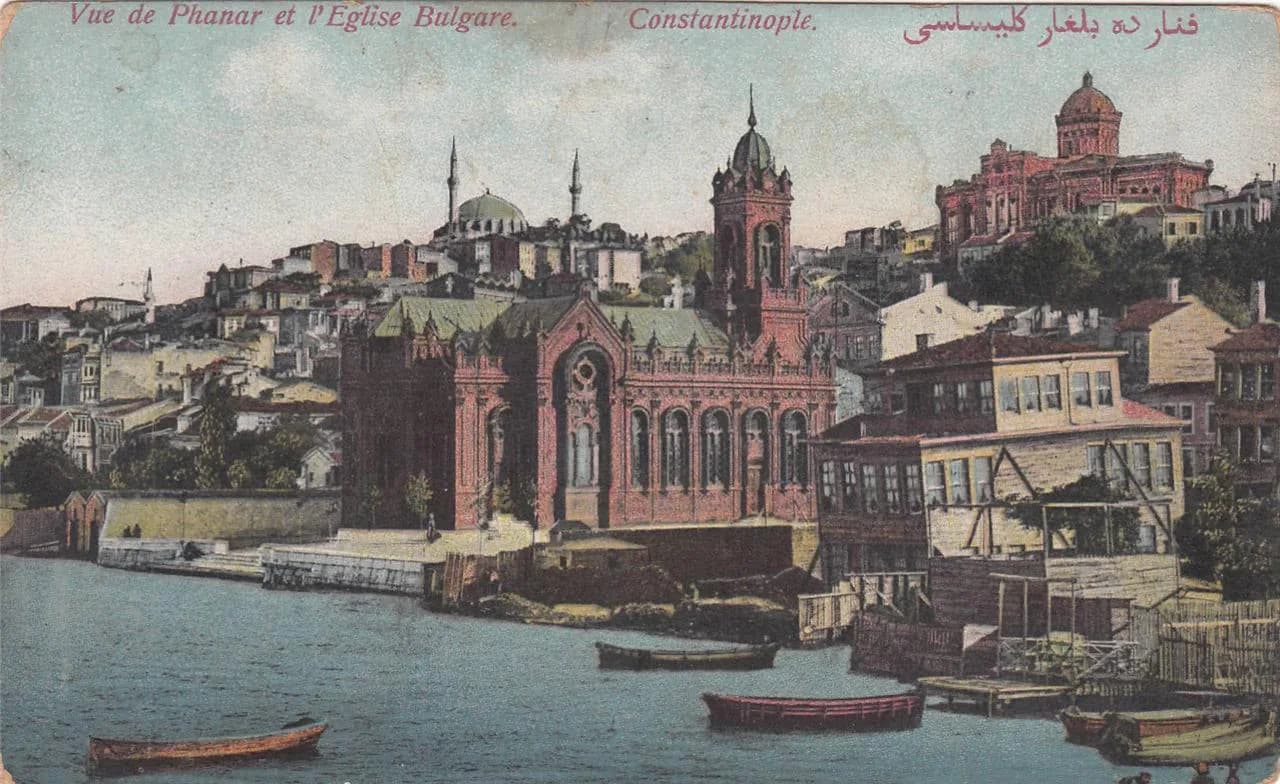
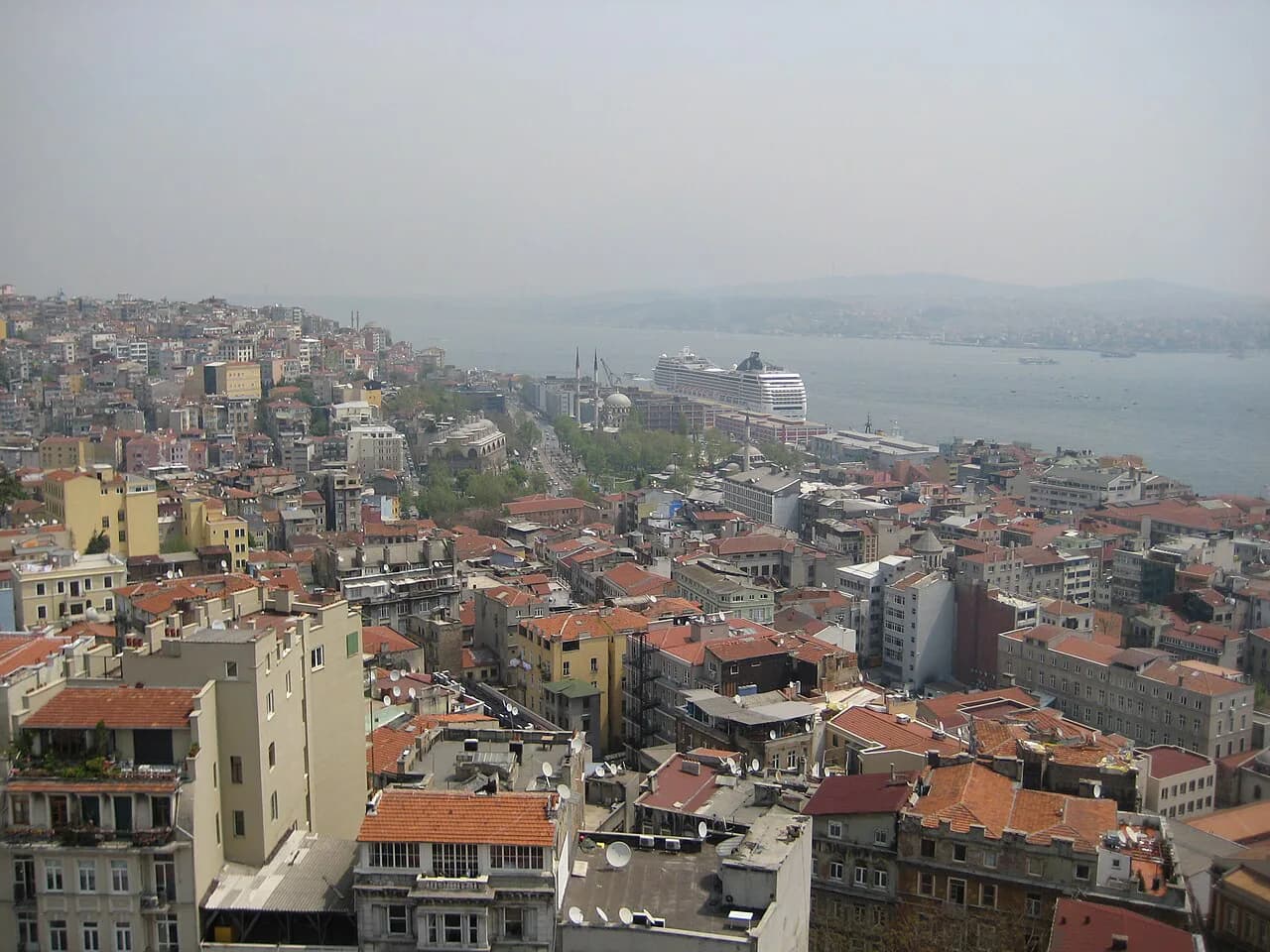
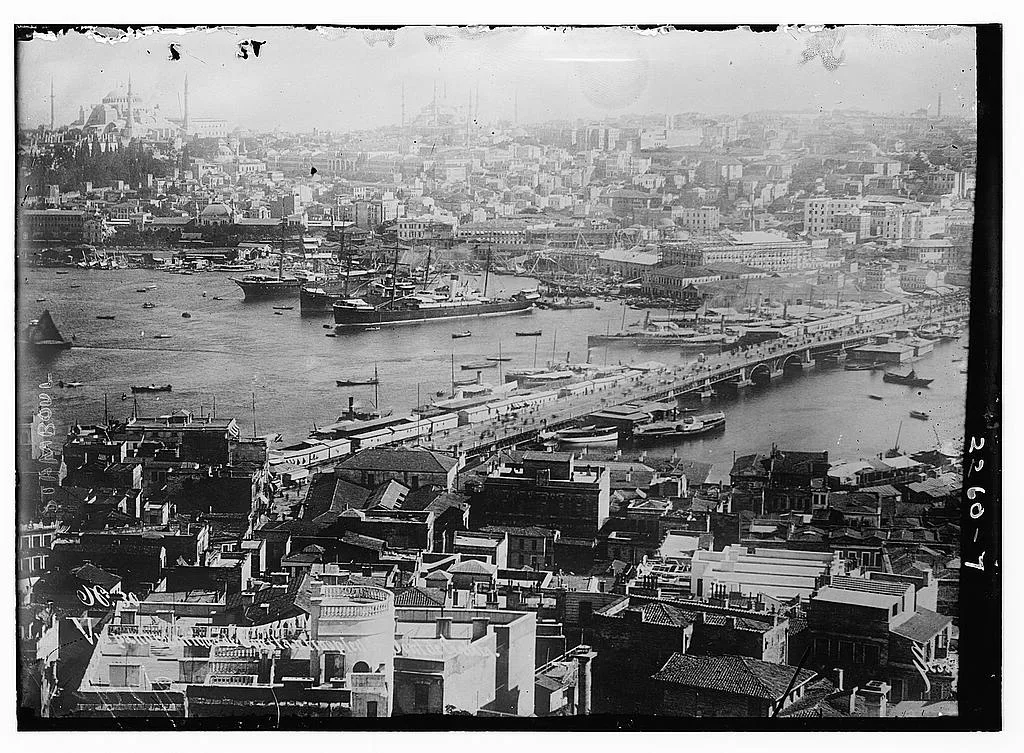
Karaköy sits at the hinge point of the city, the old Genoese port neighborhood wedged between the domes and minarets of the historic peninsula and the nightlife-driven streets of Beyoğlu directly above it. Long before the Ottoman banking era gave the district its name, the wider Golden Horn waterfront around Karaköy carried Byzantine and Genoese trading roots, and traces of that layered past still surface between the newer storefronts. For context on how Karaköy fits into the wider city, see the neighborhood-by-neighborhood breakdown: Karaköy is the district travelers pass through on the way from Sultanahmet's mosques to Beyoğlu's bars, and over the past decade it has become a destination in its own right rather than a corridor between the two. In the late Ottoman Empire, Bankalar Caddesi, or Banks Street, functioned as the financial heart of the empire, and the stone-fronted bank halls that lined it now anchor Karaköy's reputation as a design and gallery quarter. The result is a neighborhood with two distinct moods: the polished, cruise-ship-adjacent Galataport waterfront, and the grittier, graffiti-lined backstreets a few minutes' walk uphill toward Galata Tower. Understanding that split before you arrive makes it much easier to plan a route that doesn't double back on itself.
Karaköy's decade-long transformation from transit corridor to destination reflects waterfront infrastructure: Istanbul Modern (art), Galataport (shopping and cruise promenade), and The Peninsula (luxury anchor). These collectively drew multi-night travelers to a district once purely daytime.
Getting to Karaköy: Tram, Ferry, Tünel, and On Foot
Karaköy's position on the Golden Horn, at the foot of the bridge connecting the historic peninsula to Beyoğlu, makes it one of Istanbul's busiest transit hubs rather than a quiet side neighborhood. Knowing the trade-offs between each option below saves real time, especially if you're combining Karaköy with a same-day stop in Sultanahmet or across the water in Kadıköy.
Ferry crossings to Kadıköy and Üsküdar work best when the Bosphorus is calm. Morning visits to Galataport miss the cruise-ship crowds that build midday. The T1 tram offers direct, dependable access from Sultanahmet for same-day exploration.
| Option | Route | Key Benefit | Note |
|---|---|---|---|
| T1 Tram | Sultanahmet/Kabataş–Karaköy | Fastest from historic peninsula | Use Istanbulkart for multiple trips |
| Ferry | Karaköy–Kadıköy/Üsküdar | Scenic crossing, low-cost skyline views | Works best in calm Bosphorus conditions |
| Tünel | Karaköy–İstiklal Avenue | Avoids steep uphill walk to Beyoğlu | Valuable with luggage |
| Galata Bridge (On Foot) | Eminönü–Karaköy | Views and fishermen along railings | Walkway crowded, peak at sunset |
- T1 Tram: The T1 line runs directly to Karaköy from both Sultanahmet and Kabataş, making it the fastest way in from the historic peninsula; tap an Istanbulkart at the turnstile rather than buying single tokens if you're making more than one trip that day.
- Ferry Terminal: Karaköy's ferry docks run passenger crossings to Kadıköy on the Asian side and to Üsküdar, a scenic alternative to the tram whenever the Bosphorus is calm and one of the better low-cost ways to see the skyline from the water.
- The Tünel: Often cited as the world's second-oldest underground railway, this short funicular climbs from Karaköy straight up to İstiklal Avenue, sparing you the steep uphill walk into Beyoğlu with luggage or after a long day of sightseeing.
- On Foot: Crossing the Galata Bridge from Eminönü brings you past rows of fishermen casting lines over the Golden Horn; expect the walkway itself to be crowded at most hours of the day, particularly toward sunset.
Top Things to Do in Karaköy
Karaköy's sightseeing splits cleanly between its two faces: the built-up waterfront and the older streets set back from it. Budget more time than you think for the backstreets, since the best finds tend to be the ones you stumble into rather than the ones on a fixed list.
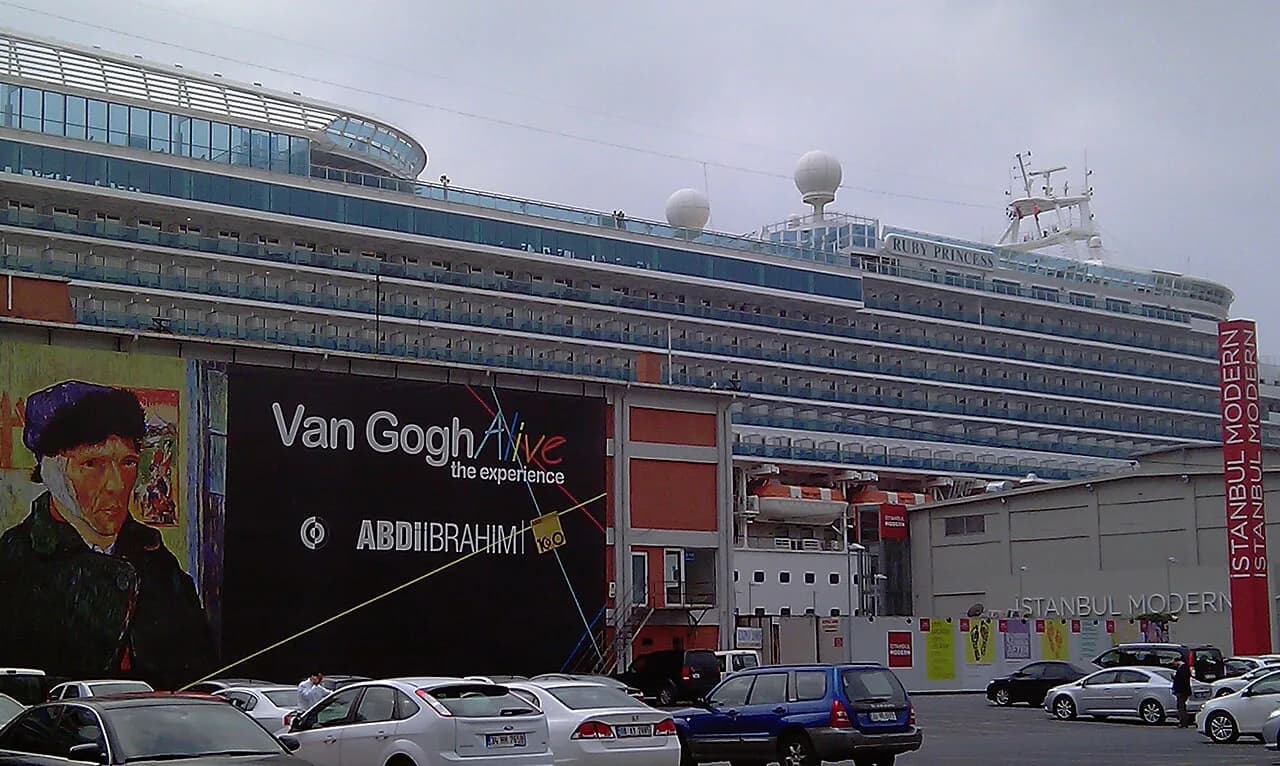
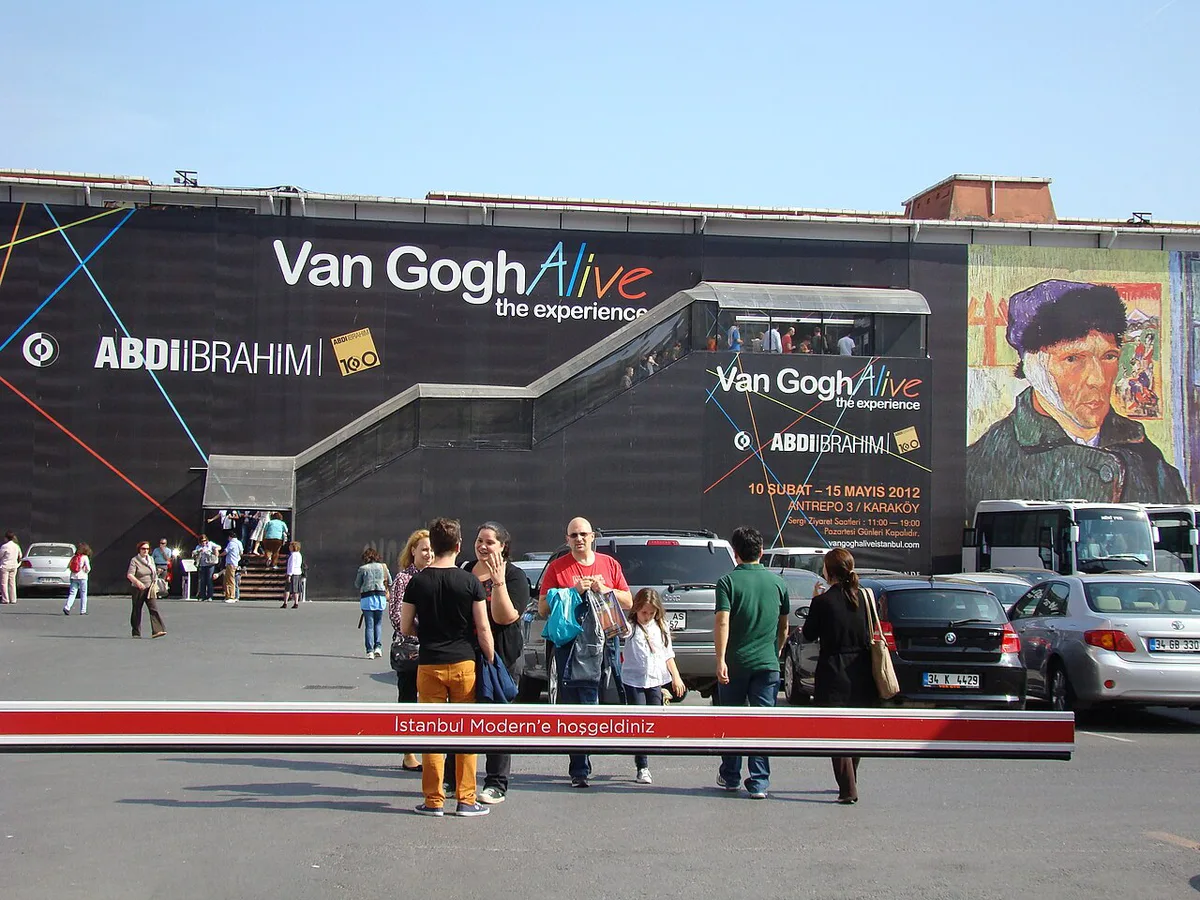
- Istanbul Modern: Turkey's first museum dedicated to modern and contemporary art occupies a Renzo Piano-designed building directly on the waterfront; museums in the district typically close on Mondays, so confirm the current schedule before you build a visit around it.
- Galataport: The redeveloped 1.2-kilometer waterfront promenade combines a cruise ship terminal, retail, and public walking paths along the water; arrive earlier in the day if a ship is in port to avoid the thickest crowds around the terminal entrance.
- The Backstreets: Head inland into the Kemankeş Karamustafa Paşa neighborhood for vine-covered lanes, converted hardware-store storefronts, and workshop-turned-gallery spaces well away from the waterfront polish.
- Religious Heritage: Karaköy and its immediate surroundings hold a mix of hidden Greek and Armenian churches and the Neve Shalom Synagogue, remnants of the district's multi-faith trading-port past; several of these quieter corners also turn up in the city's lesser-known finds.
Karaköy's Micro-Neighborhoods: Workshop Streets vs. Hotel Row
Karaköy is small enough to cover on foot in a single visit, but it splits into micro-neighborhoods that feel distinct from each other within just a few blocks. Inland from the tram line, streets that were once lined with hardware stores, ship-supply shops, and metalworking workshops have been steadily converted into cafes, small galleries, and design studios, while keeping much of their weathered, working-port storefronts intact rather than stripping them back to something glossier. Closer to the water, the hotel row anchored by The Peninsula Istanbul and the Galataport development leans polished and international, with a noticeably different price point and pace than the workshop streets just a few minutes inland. Deciding which side to prioritize on a short visit comes down to whether contemporary comfort or texture and history matters more for the day, and there's no wrong answer since both are walkable from the tram stop.
The Art and Design Lover's Karaköy Itinerary
Karaköy rewards a slower, gallery-hopping pace rather than a checklist approach, and the art and design crowd tends to build a full afternoon around it. Salt Galata occupies the former headquarters of the Imperial Ottoman Bank on Bankalar Caddesi, and beyond its research library, the upper floors open onto one of the district's better rooftop views over the Golden Horn. Independent galleries are tucked into former workshops throughout the backstreets rather than clustered on a single strip, so wandering off the main road is part of the itinerary rather than a detour from it; expect small, changing shows rather than the fixed permanent collections of the bigger museums. For design shopping, look to small, locally made stockists such as Çiçekişleri rather than the mass-market souvenir stalls near the bridge. Travelers building out a longer design-and-antiques day can let the route continue uphill into Cihangir's café streets and on to Çukurcuma's antique lanes, both a continuation of the same slow-browsing pace Karaköy sets.
Where to Eat and Drink in Karaköy
Karaköy's coffee scene put the neighborhood on the map well before Galataport arrived, and it remains one of the best reasons to linger for a few hours rather than just passing through. Press Karaköy and Mums Cafe both lean into a Scandinavian-inspired interior with homemade pastries and all-day coffee, and either makes a good base for planning the rest of the day over wifi and a flat white. For something more traditionally Turkish, Karaköy Güllüoğlu has built its reputation as the district's gold-standard baklava counter, worth a stop even if you only take a box to go, while Namlı Gurme is the local pick for a proper breakfast spread. Down at the water, the Galata Bridge fish market draws locals and visitors alike; eating at the working stalls tends to be the more local experience compared with the sit-down restaurants lined up along the bridge itself. In the evening, choose between high-end rooftop dining with Bosphorus views or a street-side meyhane for a slower, mezze-driven meal that runs later into the night. For a wider spread of vetted options across the city, see the citywide restaurant picks and the local food scene overview.
Where to Stay in Karaköy: Luxury and Boutique Hotels
Karaköy's hotel scene has shifted noticeably with the arrival of The Peninsula Istanbul, the neighborhood's new luxury anchor property on the waterfront near Galataport, which has pulled a higher-end traveler into a district that used to be a strictly daytime destination. Alongside it, a wave of boutique hotels has opened inside converted 19th-century han buildings, the multi-story Ottoman-era office blocks that once housed the trading and banking firms along Bankalar Caddesi. Their thick stone walls and courtyard layouts tend to make for a quieter stay than the busier hotel rows over in Sultanahmet, at the cost of a short tram or taxi ride to reach the major historic sites. Booking ahead matters more than it once did, since Karaköy's room count is still small relative to the demand the neighborhood's rise has created.
Strategic Planning: Timing, the Bridge Trap, and the Terrain
Karaköy's terrain is flat along the water and climbs quickly toward Galata Tower, so plan walking routes to go downhill where possible rather than fighting the incline in both directions on a hot afternoon. Walk the top of the Galata Bridge for the view and the fishermen, but treat the restaurants built directly onto the bridge as a tourist-priced last resort rather than a destination meal; better food is a short walk away in the backstreets or at the fish market stalls below. Galataport's waterfront gets noticeably busier whenever a cruise ship is in port, so mornings tend to run calmer than midday, and it's worth checking a rough arrival schedule if you want the promenade to yourself. For a broader read on avoiding Istanbul's peak crowds across the year, that guide breaks down seasonal patterns citywide that apply just as much to Karaköy as to the historic peninsula. Travelers extending into the historic peninsula via the T1 tram can pair a Karaköy morning with the underground Şerefiye Cistern, a Byzantine-era water structure with roots going back some 1,600 years, before looping back for an evening meal in Karaköy's backstreets.
A Practical Half-Day Karaköy Walking Route
For a focused half-day, start at the Karaköy tram stop or ferry pier, then walk inland to Bankalar Caddesi before the waterfront pulls you away. Begin with Salt Galata inside the former Imperial Ottoman Bank, then loop through the nearby backstreets of Kemankeş Karamustafa Paşa for small galleries, design shops, coffee stops, and the district’s older workshop facades.
From there, head downhill toward the water rather than climbing toward Galata Tower. Stop at Karaköy Güllüoğlu for baklava or Namlı Gurme for a fuller breakfast-style break, then continue to Istanbul Modern and the Galataport promenade. Finish by walking the upper level of Galata Bridge toward Eminönü for Golden Horn views and fishermen along the railings. This order keeps the route mostly level or downhill and lets you end near tram, ferry, and Old City connections.
Frequently Asked Questions
How much time should you plan for Karaköy?
A focused half-day covers the Galataport waterfront, Istanbul Modern, and a coffee stop, while a full day leaves room for the backstreet galleries, Salt Galata, and a sit-down meal at the fish market. Travelers pairing Karaköy with Sultanahmet or Beyoğlu in the same day should budget transit time on top of that.
Is Karaköy walkable, or do you need transit?
The waterfront stretch along Galataport is flat and easy on foot, but the backstreets climb steeply toward Galata Tower, so the T1 tram or the Tünel funicular are worth using for the uphill legs rather than walking the whole route both ways.
What's the best way to get from Karaköy to the Asian side?
The Karaköy ferry terminal runs direct crossings to Kadıköy and Üsküdar, both faster and more scenic than looping around by tram and metro, and the crossing doubles as one of the better low-cost ways to photograph the skyline.
Should you eat on the Galata Bridge itself?
Walk across the bridge for the view and the fishermen, but save the meal for the backstreets or the fish market stalls just below it, where prices and quality tend to be more local than the restaurants built into the bridge structure itself.
Are Istanbul Modern and Salt Galata open every day?
Museums in the district typically close on Mondays, so confirm the current schedule for both Istanbul Modern and Salt Galata before building a visit around either one, especially if you're only in Karaköy for a few hours.
How does Karaköy compare to Sultanahmet for a first-time visit?
Sultanahmet holds the marquee historic sites, while Karaköy offers a more contemporary read on the city through design, coffee, and gallery culture; most travelers pair the two rather than choosing only one, using the T1 tram to move between them.
Continue exploring
More guides you'll find useful