Hidden Gems in Ragusa: Quiet Corners and Local Favourites
A practical guide to Ragusa's quieter corners, from step-side aperitivo spots to a hillside viewpoint walk, with honest tips on where to base yourself.
On this page
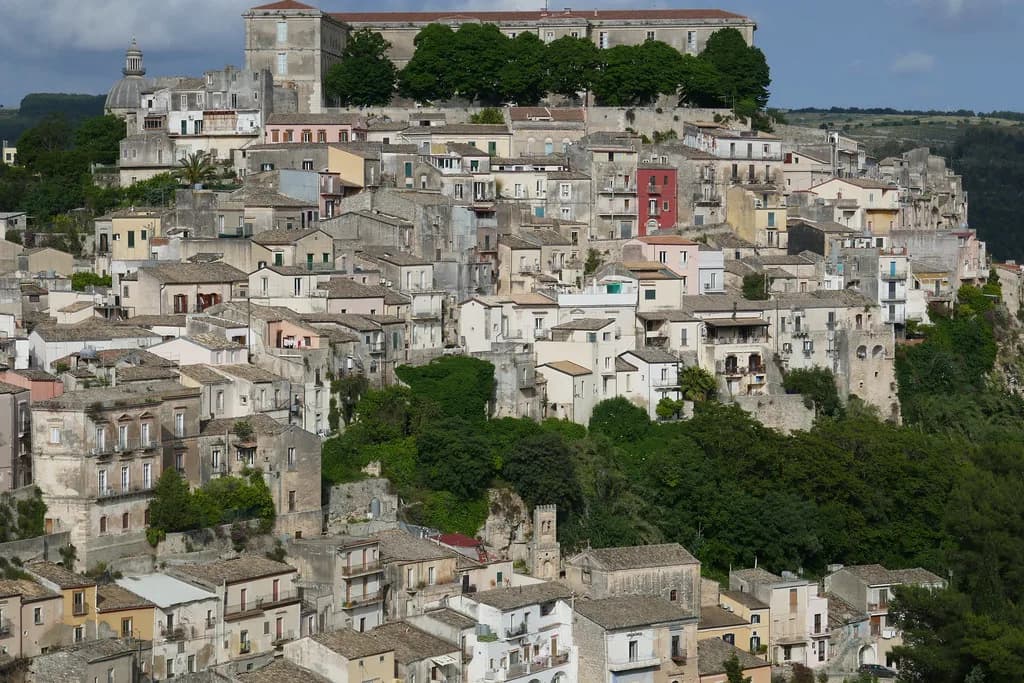
Ragusa splits in two across a valley, and that single fact shapes almost every decision a visitor makes. Ragusa Ibla holds the old town's lanes and baroque squares, while Ragusa Superiore sits higher with the cathedral, the bus station and most everyday life. Treating the two as one walkable centre is the most common planning mistake, because the link between them is a long flight of steps rather than a flat street. The descent from Superiore takes roughly twenty to thirty minutes on foot, mostly downhill via steps, according to one travel guide, so it is a walk to schedule rather than squeeze in.
The reward for understanding the geography is a town that suits unhurried days: an early coffee on a piazza, a shaded garden, a step-side drink as the light turns gold, and a small chapel most people pass without noticing. Some of these places are free to enter, others ask for a donation or a purchase, and a few depend on timing rather than money. The guide below works through each one with the practical trade-offs attached.
Know the geography first: Ibla versus Superiore
Ragusa Ibla is the historic quarter, a compact tangle of lanes running from the Giardino Ibleo park to the stairs that climb toward the Santa Maria delle Scale church. Ragusa Superiore is the newer district built higher after the 1693 earthquake that destroyed the town, and it holds the Cathedral of San Giovanni Battista along with the bus connections. A writer who stayed in Ragusa describes Ibla as genuinely small and walkable, and Superiore as a mostly residential modern area rather than a core sightseeing district.
Because Ibla is largely car-free and its lanes narrow and curved, driving into the old centre is rarely worth the stress. The practical approach is to park in Superiore and descend on foot, on the shuttle where it runs, or by taxi. Parking rules, restricted zones and any charges should be confirmed with your accommodation or the local tourist office before you arrive, since they are not fixed facts a guide can safely promise.
This split also sets your walking budget. Descending from Superiore into Ibla is the gentler direction, mainly stairs and downhill lanes, while the return climb is steep and best avoided in the heat of midday. Plan the day so that the uphill leg happens when you are fresh or when a bus or taxi makes sense, and you will see far more without turning the holiday into a fitness test.
The staircase walk and the Santa Maria delle Scale viewpoint
The descent between the districts is one of Ragusa's best free experiences, and the classic viewpoint sits at the Church of Santa Maria delle Scale, where you look out over Ibla's rooftops. Sources disagree on the number of steps, with counts ranging around 260 to 300, so treat any precise figure you read as approximate. The climb is real either way, and the viewpoint itself is the reward rather than the church interior.
Walking down also brings you through the small area around Piazza Cosentini and the Church of Santa Maria, a stretch that car passengers never see. Set aside more time than the map suggests and break the descent into short stages, especially in summer. On the way back up, keep an eye out for the small blue bell tower tucked between buildings that appears in many photographs of the town.
For the return leg, a taxi takes around ten minutes, and a free shuttle links the Giardino Ibleo area with Piazza del Popolo in Superiore. One traveller reports buses roughly every 15 to 20 minutes but notes that no official timetable was found, so check the current schedule locally rather than relying on that estimate. Walking down and riding up is a sensible combination if your legs or the weather are against you.
Step-side golden hour on Largo Santa Maria
Al Gradino 284, a bar on Largo Santa Maria, has turned its slope into seating: guests are handed a cushion, a step and a small table facing the view down to Ibla. It is a simple idea that has become popular, and the practical consequence is that arriving early matters more than ordering cleverly. The bar has been reported to open from around 18:30, and one account suggests arriving at opening time to secure a good spot, since later arrivals were left standing; confirm current hours with the bar.
The bar faces east, so you will not watch the sun drop below the horizon from your step. What you get instead is the warm late light on the rooftops before dusk, which is arguably the better photograph anyway. Aperitivo with a spritz and a sharing board is the usual order, and the source describes the board as worth a small supplement; confirm current prices and opening days at the bar, since neither is reliably published online.
Free mornings at the Cathedral of San Giovanni Battista
Piazza San Giovanni is the everyday heart of Superiore, busy with morning coffee drinkers and again at aperitivo hour when locals gather on the church steps. Starting the day there with a cappuccino and a cornetto gives you the square at its calmest, before the cafés fill and the tour groups arrive. In the evening the same space works for a drink, and occasionally for live music.
The Cathedral of San Giovanni Battista dominates the square with an eighteenth-century baroque facade, twin bell towers and an ornate dome. Entry was free when one visitor called in, making it an easy stop that costs nothing but time, though opening periods for churches vary with services and season. One traveller notes that the bell tower can sometimes be climbed when the church is open, so ask at the door rather than assuming access.
Do not rush straight inside. The grounds and trees outside the cathedral have grown into gnarled shapes that one writer found as memorable as the interior, and they are free to wander at any hour. This is a good place to slow down before tackling the stairs down to Ibla, and a natural pause if you are staying in Superiore and using the cathedral as your daily landmark.
Beyond the Duomo di San Giorgio: Ibla's artisan lanes
The Duomo di San Giorgio is the headline sight of Ibla, rebuilt after the 1693 earthquake with a baroque facade, ornate columns and a dome added later, and its interior is known for an unusual red colour scheme. Step inside if a service is not underway, but leave time for the streets around it rather than treating the church as the whole visit. The lanes immediately surrounding the Duomo hold the densest cluster of small shops in the old town.
Those shops sell the things Sicily does well: handmade ceramics, the painted Moor's heads that appear in Sicilian legend, honey and olive oil from nearby producers. They sit on the main walking routes through Ibla, but they are easy to hurry past between churches. Buying something small here is also the most direct way to put money into the local economy rather than into a souvenir chain.
Guided walking tours of Ibla cover the post-earthquake reconstruction and the baroque architecture, and some include a food tasting. Tours run on set schedules with fixed departure points, so the useful step is to check availability and meeting details before the day you intend to join one. For background on which sights deserve your time, the Ragusa Attractions hub sets out the individual guides.
Giardino Ibleo and the chapel at the back
Giardino Ibleo, laid out in the nineteenth century, gives Ibla its shade: palm trees, paths, fountains, benches and views over the surrounding hills. In summer it is the obvious midday retreat when the stairs and piazzas become unbearable, and it costs nothing to enter. The garden also holds several small churches, which is where most visitors stop looking.
Toward the back of the gardens sits the Church of San Giacomo Apostolo, linked to the confraternity of St James and so to the Camino de Santiago pilgrimage. Entry is by donation, and visitors are given a leaflet explaining the building. The painted ceiling is designed to imitate an elaborate domed roof, and the effect is the sort of detail that repays a few minutes of looking up.
Small churches like this one often keep irregular hours, so treat any visit as a bonus rather than a fixed appointment. If the door is shut, the garden itself still justifies the walk to the far end of Ibla.
Small food and drink stops worth planning around
Bottega Cappellani in Ibla is a contemporary wine bar pouring local wines by the glass, including Nero d'Avola and Frappato from the surrounding region. It suits the end of an afternoon better than a rushed lunch, with a relaxed room that gives you time to compare a couple of glasses. For a fuller picture of what to order across the city, the Ragusa Local Food Guide: What to Eat and Where sets out the local specialities.
Gelati DiVini takes the Sicilian gelato habit in an unexpected direction with wine-flavoured scoops: one traveller preferred the white wine version to the red. Prices change, so check the counter rather than relying on older figures, and treat a single cup as a tasting rather than a meal. Salumeria Barocco on Corso XXV Aprile serves generous aperitivo platters of cheese, ham and salami, including the local donkey sausage, which is substantial enough to replace dinner.
For a proper sit-down meal, Ragusa has both high-end and everyday options, and reservations matter at the popular trattorias. The city's night-time scene, from evening walks to where to eat after dark, is covered in Ragusa at Night: Evening Walks and Where to Eat, which is a useful companion if you are basing yourself in Superiore and want to stay close to your accommodation.
Ragusa Superiore on foot: a short loop and past murals
Superiore rarely gets its own itinerary, which is precisely why a short loop through it feels calmer than the old town. The FestiWall mural festival ran there for four years and left around thirty artworks across the district, though they are scattered and not signposted as a single trail. One visitor skipped most of them and later regretted it, so if street art interests you, allow an hour to wander rather than trying to tick off a route.
Superiore is also where the practical business of a visit happens: the bus stop sits on the modern side of town, roughly a ten-minute walk from the centre, and onward connections run to Modica, Syracuse and Catania. If you arrive by bus, you will need to walk, take a taxi or pick up the shuttle to reach Ibla. Knowing this in advance prevents the unpleasant surprise of arriving uphill from your luggage.
If you are travelling with children, the stairs and the heat are the main constraints rather than the sights themselves, and pacing tips are collected in Ragusa with Kids: Family-Friendly Sights and Pacing. Choosing the right season makes the walking far easier, and Best Time to Visit Ragusa: Avoiding Crowds explains how the months differ.
Choosing a base: Ibla for beauty, Superiore for logistics
Ibla is the choice if you have one night and want to wake up inside the postcard: a room near the Duomo puts the lanes and piazzas on your doorstep. The trade-off is cost, since accommodation in the old town tends to be pricier, and every return to your room involves the climb. For a short stay built around atmosphere, that is usually worth it.
Superiore suits longer stays, drivers and anyone relying on public transport, because the bus connections and parking sit there and the restaurants serve a more everyday crowd. The same traveller who stayed there valued the terrace evenings and the wider choice of bars without tourist pricing, while another found Superiore largely residential and not essential sightseeing. Both readings are fair: it is a place to live in rather than tour.
Day trips that fit around a Ragusa stay
Ragusa works well as a base because the Val di Noto towns are close and the buses are usable without a car. Modica is the easiest add-on by public transport, roughly twenty minutes away by bus, and one day there is generally enough to see the baroque centre. The wider region is UNESCO-listed as a group, which is why the architecture repeats so pleasurably from town to town.
With a car, the Valley of the Temples near Agrigento and the coastal nature reserve at the mouth of the Irminio river both fit into a day. Marina di Ragusa, about twenty kilometres away, has sandy beaches and lidos, and locals head there at weekends in summer, so visit midweek if you want quiet. The author of one guide had not visited that beach personally, so treat beach details as something to check locally.
Family-friendly cooking classes and similar activities can be booked around Ragusa, and they are a reasonable option when the weather turns or when the stairs have worn everyone out. Availability changes with the season, so confirm details before relying on them.
Practical cautions before you go
The stairs are the defining practical issue. Avoid the Superiore-to-Ibla climb in the middle of a hot day, carry water, and accept that a taxi or shuttle is a sensible part of the plan rather than a failure. Sturdy shoes matter on worn stone, particularly after rain, and the descent is far easier than the return.
Opening hours, entry donations, shuttle schedules and menu prices are the details most likely to have changed since any guide was written. Church interiors close around services, small bars keep seasonal hours, and restaurant reservations fill up. Check directly with the venue or the local tourist information office in the days before you travel rather than trusting an old figure, and build flexibility into each day.
Plan Your Visit
Ragusa rewards the traveller who accepts its shape: two districts, one valley and a lot of steps. Stay in Ibla for a short, atmospheric visit, or in Superiore if you want transport links, parking and an easier everyday base. Either way, walk down rather than up whenever you can, and leave the middle of the day for gardens, churches and long lunches.
If you want to extend the trip, the quieter corners covered here pair naturally with the city's broader sights, and other Italian cities offer the same pleasure of overlooked detail; hidden gems in Florence and hidden gems in Venice are useful starting points for a longer itinerary.
More Ragusa guides
- Best Time to Visit Ragusa
- Day Trips from Ragusa
- Getting Around Ragusa
- Ragusa at Night
- Ragusa Ceramics and Crafts
- Ragusa in the Rain
- Ragusa in Two Days
- Ragusa Local Food Guide
- Ragusa with Kids
- Where to Stay in Ragusa
- Chiesa di San Giorgio Vecchio in Ragusa Ibla
- Chiesa di San Giuseppe in Ragusa Ibla
- Chiesa di Santa Maria delle Scale
- Duomo di San Giorgio, Ragusa Ibla
- Giardino Ibleo in Ragusa Ibla
- Ragusa Ibla
- Ragusa Superiore
- Visiting the Cattedrale di San Giovanni Battista in Ragusa Superiore
Frequently Asked Questions
What are the less obvious things to do in Ragusa beyond the main churches?
Look for the step-side bar on Largo Santa Maria for late-afternoon drinks, the Church of San Giacomo Apostolo at the back of Giardino Ibleo with its painted ceiling and donation entry, and the street art left by the FestiWall mural festival in Ragusa Superiore. A short loop through Superiore is a calm alternative to the old-town crowds.
Is it better to stay in Ragusa Ibla or Ragusa Superiore?
Ibla suits a short stay built around atmosphere, with the Duomo and lanes on your doorstep, but rooms tend to cost more and every return involves a climb. Superiore is better for drivers and public transport users, with parking, bus connections and more everyday restaurants. Neither is wrong; the choice depends on how much walking you want.
How do you get between Ragusa Ibla and Ragusa Superiore?
You can walk, most pleasantly downhill from Superiore to Ibla, or take a taxi, or use the free shuttle linking Giardino Ibleo with Piazza del Popolo. Shuttle frequency has been reported as roughly every 15 to 20 minutes, but that is an estimate rather than an official timetable, so confirm locally on arrival.
Where can you find a good view over Ragusa Ibla?
The classic viewpoint is beside the Church of Santa Maria delle Scale, at the top of the staircase between the two districts, looking over Ibla's rooftops. Largo Santa Maria offers a lower, seated view from the step-side bar. Both are free; the staircase viewpoint simply requires the climb.
How long do you need in Ragusa?
One night is enough for the old town if you are short on time, and two nights allow a slower pace plus a day trip to Modica or the coast. Staying longer than that really only makes sense if you are using Ragusa as a base for exploring the Val di Noto.
Which Ragusa experiences are free and which cost money?
The Cathedral of San Giovanni Battista was free to enter when one visitor called, and Giardino Ibleo costs nothing, while the chapel inside asks for a donation. Bars, wine tastings, gelato and restaurant meals all cost money, and prices should be checked directly with each venue rather than taken from older write-ups.
Where do you park if you drive to Ragusa?
Park in Ragusa Superiore and descend to Ibla on foot, by shuttle or by taxi, since the old town is largely car-free and its lanes are narrow. Specific car parks, charges and restricted zones change, so confirm with your accommodation before arriving rather than following an old recommendation.
Sources
Continue exploring
More guides you'll find useful