Best Time to Visit Ragusa: Months, Crowds and Weather
Plan Ragusa around heat, crowds and quiet months instead of one perfect date. This guide weighs spring, autumn, summer and winter trade-offs.
On this page
Choosing when to visit Ragusa is really a choice between three competing desires: comfortable walking weather, thinner crowds and open facilities. Sicily as a whole gets very hot and very busy in July and August, so shoulder months often serve travellers better than high summer. The trick is to decide which compromise you can live with before you book.
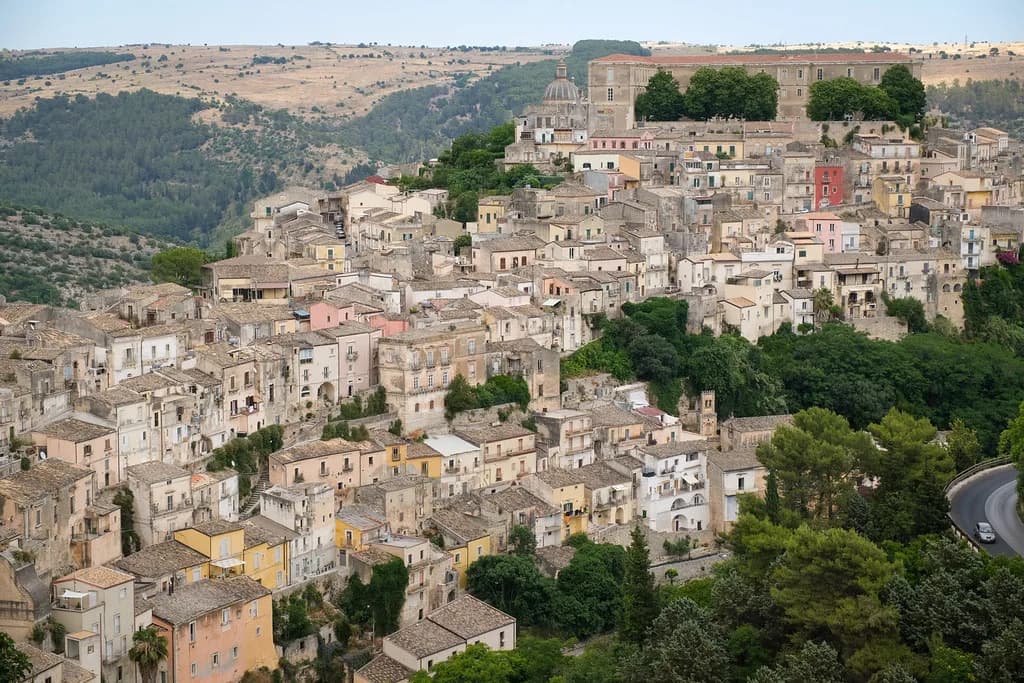
The city makes the decision more interesting because it is split in two. Ragusa Ibla, the older Baroque quarter, concentrates the churches, palazzi and viewpoints that draw visitors, while Ragusa Superiore handles everyday life on the plateau above. Seasonal advice only helps when you map it onto that geography.
Why Ragusa Splits Visitors: Two Cities, One Seasonal Choice
The 1693 earthquake reshaped the city into two distinct districts, and that division still governs how a visit feels. Ragusa Superiore grew on higher, more stable ground with wider streets and administrative buildings, while Ragusa Ibla was rebuilt on the older rocky spur in a maze of alleys and stairways. A source on the city's history traces that division directly to the post-earthquake decision over where to rebuild. Further visitor details appear in Complete Tourist Guide to Ragusa and Ragusa Ibla.
In practice, Ibla absorbs most of the sightseeing energy: the Cathedral of San Giorgio, Piazza del Duomo, the Giardino Ibleo and the network of panoramic lanes. Superiore is where you feel ordinary Ragusa going about its business, which makes it a useful escape when the lower town is busy. Plan more time in Ibla, but keep Superiore as your breathing space.
That geography also shapes timing within a single day. Ibla involves slopes, steps and stone surfaces that radiate heat, so a summer afternoon there costs more energy than the same hours in Superiore. Read the seasonal advice below with that in mind, and treat our suggested durations as editorial guidance rather than official information.
Sicily Month by Month: What the Island-Wide Pattern Tells You
An island-wide guide to Sicily's seasons is a useful starting point because it describes the weather system Ragusa sits inside. It notes that July and August are peak season, with prices rising and heat making active days hard, and that most rain falls between November and January. It also flags Ferragosto in mid-August as a particularly busy public holiday.
The same guide publishes a weather chart with average monthly minimum and maximum temperatures and rainfall for Sicily. Read as a rough frame rather than a Ragusa forecast, it shows warm months from June to September and wetter, cooler conditions in late autumn and winter. Use it to rule out months that clash with your tolerance for heat or rain, then confirm actual conditions closer to your dates.
The guide's strongest argument for shoulder seasons is practical: avoiding crowds and heat at the same time. It singles out September as especially good, with a sea that is still warm, temperatures suited to walking and fewer tourists. Spring gets similar praise for cycling and coastal hiking, with a warning that school groups tend to arrive from Easter onward.
Quick Answer: Best Months at a Glance
If you want one recommendation, aim for late September or October for Baroque walking, or April to early June if wildflowers and long daylight matter more than sea temperature. These windows sit outside the roasting, rammed July and August period that the Sicily guide warns about. Both still require booking ahead, because shoulder season is popular rather than empty.
November to March is the value window, with fewer people and quieter streets, but you accept rain, shorter days and the risk that some restaurants, shops and hotels in resort areas are shut. The Sicily guide describes winter as largely local, with facilities closing outside the Christmas period. For a city break built on Ibla's architecture rather than beach time, that trade-off can still work.
Spring: Walking, Wildflowers and School-Group Caveats
Spring rewards travellers who want to move. The Sicily guide recommends April, May and early June for cycling and coastal hiking, when wildflowers are out and local produce is abundant, and notes June as good for diving. Days are long enough for a slow morning in Superiore and an afternoon of stair climbing in Ibla.
The caveat is school groups, which the same guide says tend to visit from Easter onward. Expect busier churches and piazzas on weekday mornings in late spring, and shift your main Ibla walk to early morning or later afternoon. Easter itself also fills accommodation early, so book well before you commit to holiday dates.
Within Ragusa, spring suits the steep connective routes between the two districts. The staircase by Santa Maria delle Scale links the levels with irregular steps and views over both halves of the city, and it is far more pleasant in mild weather than in summer heat. Treat the climb as a short outing in its own right. Further visitor details appear in Guide to Ragusa Ibla: Sicilian Baroque & Val di Noto.
Summer: Heat, Peak Prices and Slower Days
July and August bring the highest prices and the least comfortable walking conditions, and the Sicily guide is blunt that the heat makes an active break hard. It also warns of particularly busy roads and beaches around Ferragosto on 15 August. If summer is your only option, accept a slower rhythm and build in shade and water breaks.
Ragusa's topography makes midday punishing: Ibla's alleys and stairs hold warmth, and the exposed viewpoints offer little cover. A sensible summer shape is an early walk through Ibla, a long lunch, then a late-afternoon return when the limestone turns honey-coloured. Superiore's wider, flatter streets are easier to browse while the sun is high.
Evenings are summer's compensation, and a night walk through the Baroque quarter can replace the strenuous daytime circuit. For ideas on pacing the later hours, see our guide to Ragusa at Night: Evening Walks and Where to Eat. The Sicily guide's warning about crowded roads still applies, so treat arrival logistics as a separate planning task.
September and October: The Best Balance for Baroque Walking
The Sicily guide names September as the best month overall, citing a warm sea, more convivial service and temperatures ideal for getting out and about. October follows the same logic with cooler air, though rainfall climbs in the chart. For Ragusa specifically, this is the window where Ibla's stairs and viewpoints feel generous rather than punishing.
Autumn also suits the wider Val di Noto circuit, when you can day-trip to Noto, Scicli or Modica without spending the whole outing hiding from the sun. Build one or two such trips into a longer stay and keep the rest for Ragusa itself. See our suggestions for Day Trips from Ragusa: Nearby Excursions.
Expect some rain if you travel late in October, and pack a light layer for evenings. The guide's chart shows October as one of the wetter months of the year on average, so a flexible indoor fallback matters. Churches, museums and long lunches cover that gap well.
November to March: Quiet Streets, Lower Prices and Rain
Winter is when Ragusa becomes noticeably calmer and cheaper, but the Sicily guide warns that islands and coastal resorts largely shut down and that some sites close early. Rain is concentrated from November to January, and temperatures drop inland, sometimes below zero in January and February. Come for atmosphere and architecture, not for beach time.
Christmas briefly changes the picture, with the guide noting that shops, sites and museums stay open longer over the holidays. If you want a festive city break with Baroque interiors and fewer people than in summer, the period around the holidays can work. Confirm opening days rather than assuming a uniform schedule.
Temperature data for Ragusa changes daily, so check a live forecast rather than relying on monthly averages. For a current snapshot before you pack, a travel forecast page can help you judge whether to bring a heavier coat. Combine it with local advice once you arrive.
Ragusa-Specific Crowd Logic: Timing Ibla's High Points
Most of Ragusa's headline sights sit within a compact area of Ibla, so footfall concentrates around Piazza del Duomo and the Cathedral of San Giorgio. Rather than chasing a quiet month, work with the daily rhythm: early mornings and the hour before sunset are the most comfortable for that circuit. Midday is better spent in Superiore or over lunch.
The Giardino Ibleo offers a genuine pause at the eastern end of the old town. Established in 1858, it is the oldest of Ragusa's four gardens and mixes palm-lined paths, pools, fountains and views over the valley with three churches inside its grounds. Because it is a garden rather than a ticketed interior, it is an easy fallback when a church is closed.
Pair a garden visit with the walk down or up through the old lanes, and keep the day flexible enough to swap outdoor time for a palazzo or a long café stop. That flexibility matters more in shoulder months, when a wet afternoon can arrive without much warning.
Church and Monument Visits: What the Published Openings Cover
Ragusa's tourist office publishes a list of visitable churches with opening times, but the schedule it shows covers December 2025 to January 2026 only. Those hours include the Cathedral of San Giovanni Battista and the Duomo di San Giorgio, among others, and should be read as a past snapshot rather than a guide to your travel dates. Re-check before you build a day around a church interior.
Be careful about separating free entry from ticketed spaces. Walking into a church and visiting a separate museum, treasury or bell tower are different transactions with different schedules. A third-party guide describing the Duomo of San Giorgio's museum and tower reports its own hours and small admission charges, but those figures are not official and may be out of date, so confirm with the church directly.
The Cathedral of San Giovanni Battista in Superiore maintains its own website with parish news, Mass schedules and visitor information. That makes it the sensible place to verify worship times before planning a weekday visit. If a religious celebration is scheduled, treat the church as an active place of worship rather than a sight.
Events Worth Planning Around
Ragusa's calendar includes several recurring anchors worth checking before you fix dates. Ibla Buskers has historically turned the old town into an open-air stage for street performance, and past editions have run in early autumn. Treat the festival type as a planning theme only and confirm whether a current edition is scheduled.
The Feast of Saint George is the other major anchor, tied to the Duomo in Ibla and traditionally celebrated in late spring. Because religious festivals move with the liturgical calendar and local organisation, confirm the dates with parish or city sources rather than relying on last year's programme.
Further afield, the Val di Noto towns run their own events through the year, from food festivals to flower displays. The Sicily guide mentions Noto's Infiorata in May and the Cous Cous Fest in San Vito Lo Capo in September as examples. None of these should be treated as confirmed until the organiser publishes details.
Matching Season to Trip Length
For a single day, concentrate on Ibla and keep a short list: Piazza del Duomo, San Giorgio and the Giardino Ibleo. In summer, split the day around the heat; in winter, front-load the daylight hours. Our transport guide, Getting Around Ragusa: Transport and Arrival Tips, helps you plan the movements between the two districts.
Three days allows Ibla in depth plus Superiore and one Val di Noto excursion, and it works best in shoulder months when outdoor time is comfortable. Five days opens up the coast, Donnafugata and slower wandering, but only if you accept winter closures or summer heat. Pick the length first, then choose the season that supports it.
What to Check Before You Book
Decide your priority first: walking comfort, crowd tolerance or budget. Late September and October give the best overall balance for Baroque walking, spring rewards active travellers who book ahead, and winter trades rain and closures for quiet and lower prices. Summer works only if you slow down and plan around the heat.
Before you commit, verify the details that move: current church visit times, whether a separate museum or tower is open, and whether any festival is scheduled during your stay. The city's official site is a reasonable starting point for notices and temporary closures. Then check transport and accommodation for the season you choose.
Frequently Asked Questions
When is the best time to visit Ragusa to avoid crowds?
Shoulder months are the safest bet. Late September and October combine warmer sea temperatures with fewer summer visitors, while spring offers good walking weather before the busiest part of the year. July and August are peak season and busiest, so if you travel then, plan sightseeing for early morning and late afternoon rather than midday.
Is Ragusa worth visiting in winter?
Yes, if you want quiet streets, lower prices and Baroque architecture without the crowds. The trade-offs are real: rain is most likely from November to January, daylight is shorter, and some facilities close outside the Christmas period. Check opening times for the churches and museums you care about before you build an itinerary.
How hot does Ragusa get in summer?
Sicily becomes very hot in July and August, hot enough that the island-wide travel guidance warns against active days at midday. Ragusa's stone lanes and stairs hold the heat, so plan outdoor time for early morning and evening. Use a live forecast close to your dates rather than relying on monthly averages alone.
What events should I plan a Ragusa trip around?
The two main anchors are the Feast of Saint George in spring and the Ibla Buskers street festival, which has historically taken place in autumn. Neither should be treated as fixed until the organiser confirms dates for the current year. For day trips, the Val di Noto towns run their own seasonal events, including Noto's flower display in May.
How many days do you need in Ragusa?
As an editorial suggestion, one day covers Ibla's highlights, three days allow Ibla in depth plus Superiore, and five days open up day trips and the coast. Longer stays suit shoulder seasons best, when outdoor walking is comfortable. In winter, shorter daylight makes a compact plan more realistic.
Sources
- Comune di Ragusa
- Best time to visit Sicily
- Ragusa Travel Guide 2026: Top Attractions, Local Food & Travel Tips | Trip.com
- Complete Tourist Guide to Ragusa and Ragusa Ibla
- Visit the churches in Ragusa
- Cattedrale San Giovanni Battista - Ragusa
- Ragusa Ibla: the Baroque heart of the city - Visit Sicily
- The Duomo of San Giorgio in Ragusa Ibla: A Masterpiece of Sicilian Baroque - Slow Sicily
- Giardino Ibleo, Tourist Attraction in Sicily, Italy
- Guide to Ragusa Ibla: Sicilian Baroque & Val di Noto
Continue exploring
More guides you'll find useful