12 Small Museums in Florence Worth Your Time
Plan a visit to small museums in Florence. Compare the Stibbert, Davanzati, Bargello and more by vibe, Monday opening, travel effort and booking needs.
On this page
Small Museums in Florence: 12 Quieter Alternatives to the Big Two
Last updated October 2026. Small museums in Florence give you Donatello, Medici history and Renaissance interiors without the Uffizi marathon. This guide sorts them by mood, effort and Monday availability, and it points you to quieter corners of Florence when you want more.
Why Small Museums in Florence Beat the Marathon
Florence has over 70 museums, according to local guide Claudia of The Florence Insider. Most visitors queue for two of them. Small museums work differently. You can see the main rooms in about an hour, and you rarely fight a crowd for a view.
That changes the day. A Uffizi visit can take at least 2 hours, and it needs a timed slot. A smaller museum lets you walk in, see the best pieces and move on. Mornings on weekdays tend to be quietest.
Small does not mean simple, though. Opening days, ticket systems and travel effort vary a lot. This guide groups each museum by what it offers, then adds the logistics that decide whether it fits your day.
Decision Table: Pick a Museum by Mood
Use this table to match your interests to a museum. Effort describes how far you travel from the central sights. Check each museum's official page before you go, because hours change.
| Mood | Museum | Effort | Best for |
|---|---|---|---|
| Sculpture | Bargello | Central walk | Donatello and Michelangelo |
| Renaissance home | Palazzo Davanzati | Central walk | Medieval domestic life |
| Collector's house | Museo Horne | Central walk | Decorative art and furnishings |
| Armor and curiosities | Stibbert Museum | Bus ride of about 20 minutes | Weapons, armor, villa interiors |
| Craft | Opificio delle Pietre Dure | Central walk | Stone inlay technique |
| Families | HZERO | Near Santa Maria Novella | Model trains |
| Science | La Specola | Check reopening details | Anatomical waxes |
| Frescoes | San Marco | Short walk in San Lorenzo area | Fra Angelico |
Small Heavyweights: High Impact, Fewer Crowds
Three museums feel compact but carry big names. All three fit a half-day, and none needs a full-day commitment.
- <strong>Bargello:</strong> This is Florence's national museum of sculpture. It holds Michelangelo's Bacchus, made when he was 22, plus bronze Davids by Donatello and Verrocchio. Unlike most national museums, it closes on Tuesdays rather than Mondays.
- <strong>Medici Chapels:</strong> Michelangelo designed the New Sacristy for the tombs of Lorenzo the Magnificent and his brother Giuliano. The Chapel of the Princes is richly decorated with semi-precious stone mosaic.
- <strong>Opera del Duomo Museum:</strong> Here you see Brunelleschi's original scaffolding, tools and wooden dome model. Its ticket is included with the Duomo-complex passes, and it is rarely crowded.
Renaissance Homes: Davanzati, Horne and Martelli
Domestic museums show how people actually lived. They suit travelers who find large galleries tiring.
Palazzo Davanzati sits in a palace from the 1300s that once belonged to a rich merchant family. Almost every room is frescoed. Visitors often single out the bathroom and the Parrot Room. Graffiti from the Renaissance has even turned up on the walls. Children tend to enjoy it, so it works for families too.
Museo Horne holds the private collection of an English connoisseur inside a 15th-century palazzo. Come for furniture, small paintings and objects arranged like a home. It suits anyone drawn to decorative art.
Palazzo Martelli is a house-museum that feels frozen in time. Confirm current visiting arrangements before you plan around it, as small house-museums often change access rules.
- Davanzati: easy walk-in candidate, but verify hours on its official page.
- Horne: pair it with a walk through central streets rather than a separate trip.
- Martelli: check access first, then decide whether to add it.
Specialty Collections: Armor, Stone Inlay, Trains and Waxes
Specialty museums reward a clear interest. They also give you the quietest rooms in the city.
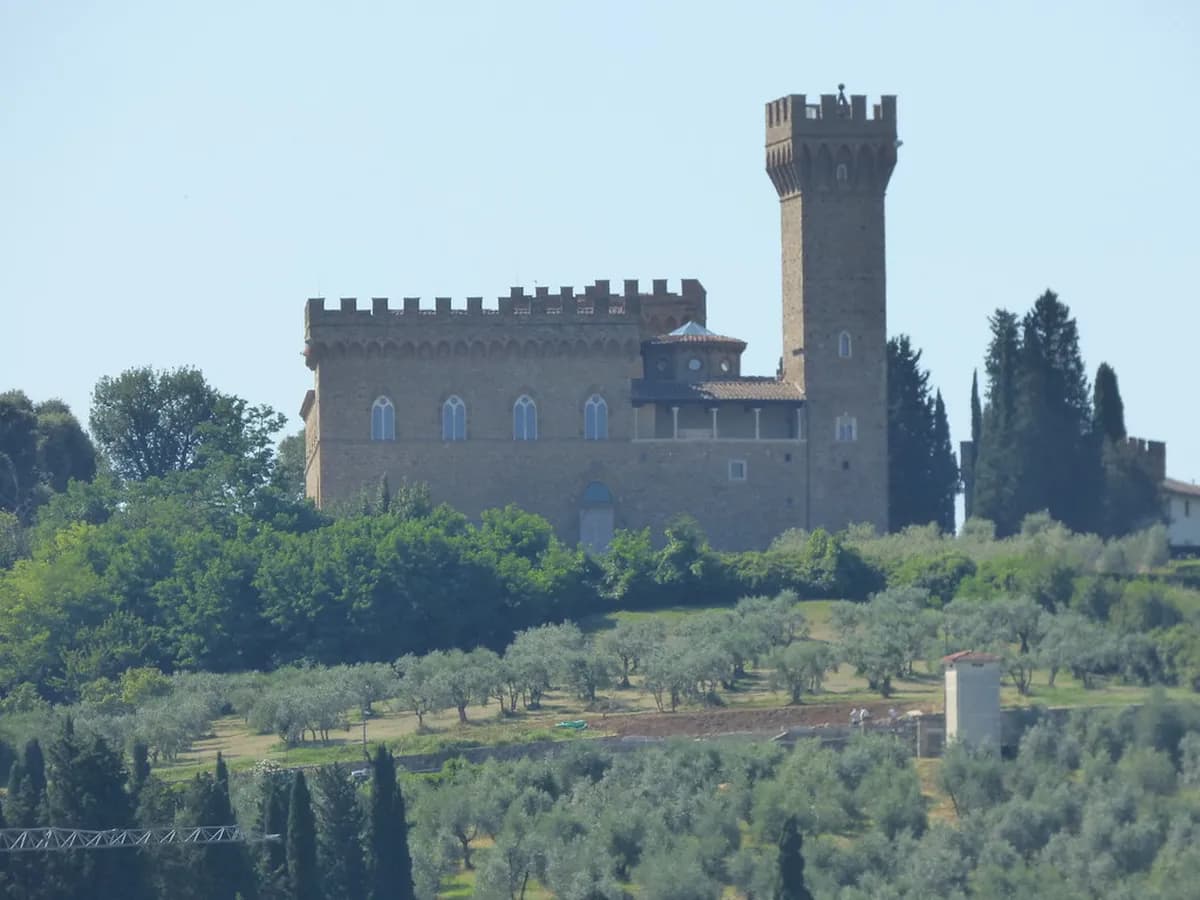
Stibbert Museum is Frederick Stibbert's villa, which looks like a medieval castle. It holds weapons and armor from around the world, plus paintings, furnishings, porcelain and fabrics. The layout is still the one he chose. It sits outside the historic center, so allow a bus ride of about 20 minutes. Sources disagree on the route number, with Lines 4, 20 and 25 all mentioned, so confirm the current line with the local transit operator. Families with older kids can read more in our guide to things to do for young adults.
Opificio delle Pietre Dure tells the story of commesso fiorentino. This is mosaic made from cut semi-precious stones such as marble, lapis lazuli and mother of pearl. The technique decorates the Chapel of the Princes, so a visit here makes the Medici Chapels easier to read.
HZERO is a model railway museum near Santa Maria Novella. It is a strong choice for kids and works well when rain cancels a walking plan.
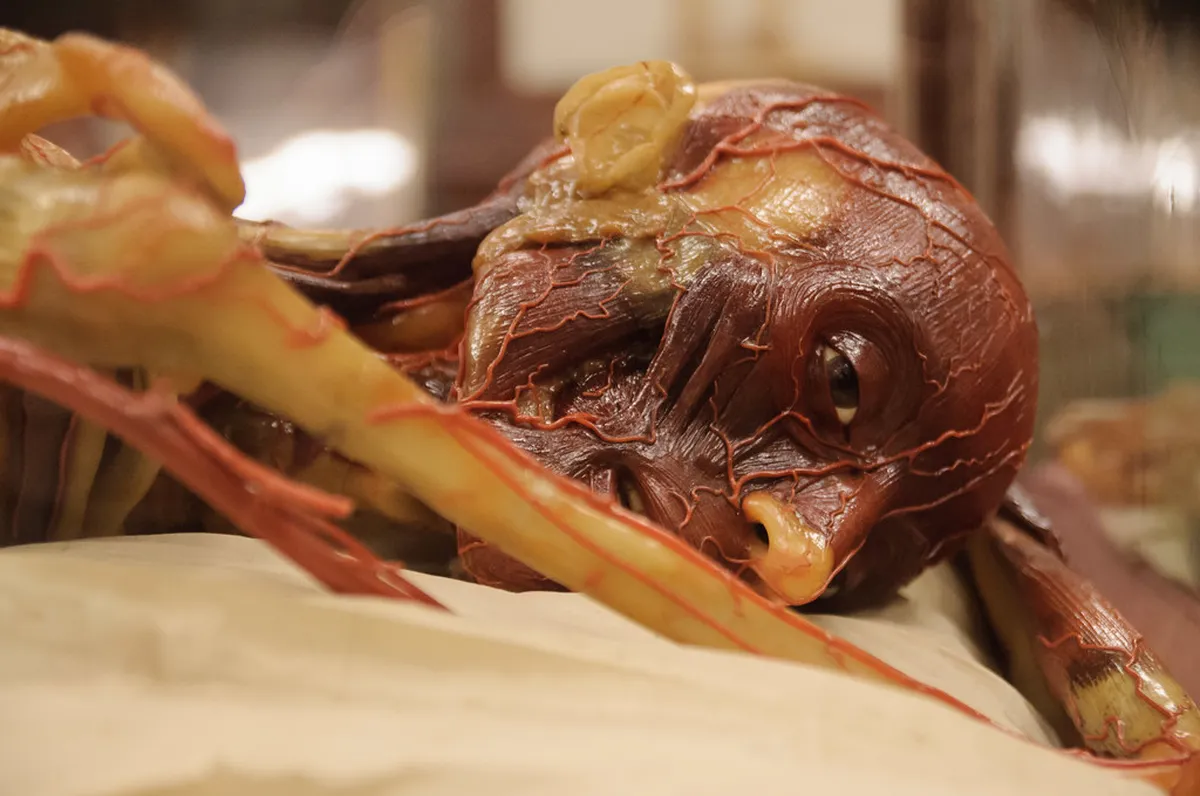
La Specola was founded in 1775 and is famous for its anatomical waxes from the 18th and 19th centuries. Local guide Claudia says it reopened in 2024 after restoration. Check current opening details before you go.
The Innocenti Museum tells the story of an institution founded in 1419 to help children in need. Brunelleschi designed the architecture, and works by Botticelli and Ghirlandaio hang inside.
Bardini Museum is nicknamed the blue museum for its deep blue walls. It displays medieval and early Renaissance art against pietra serena stone.
Churches That Work as Museums
Several Florence churches are really museum complexes. Missing the cloisters and side rooms means missing half the visit.
Santa Maria Novella was founded by Dominican friars in 1221. Paintings removed from the church are displayed in the convent, and you can walk three medieval cloisters.
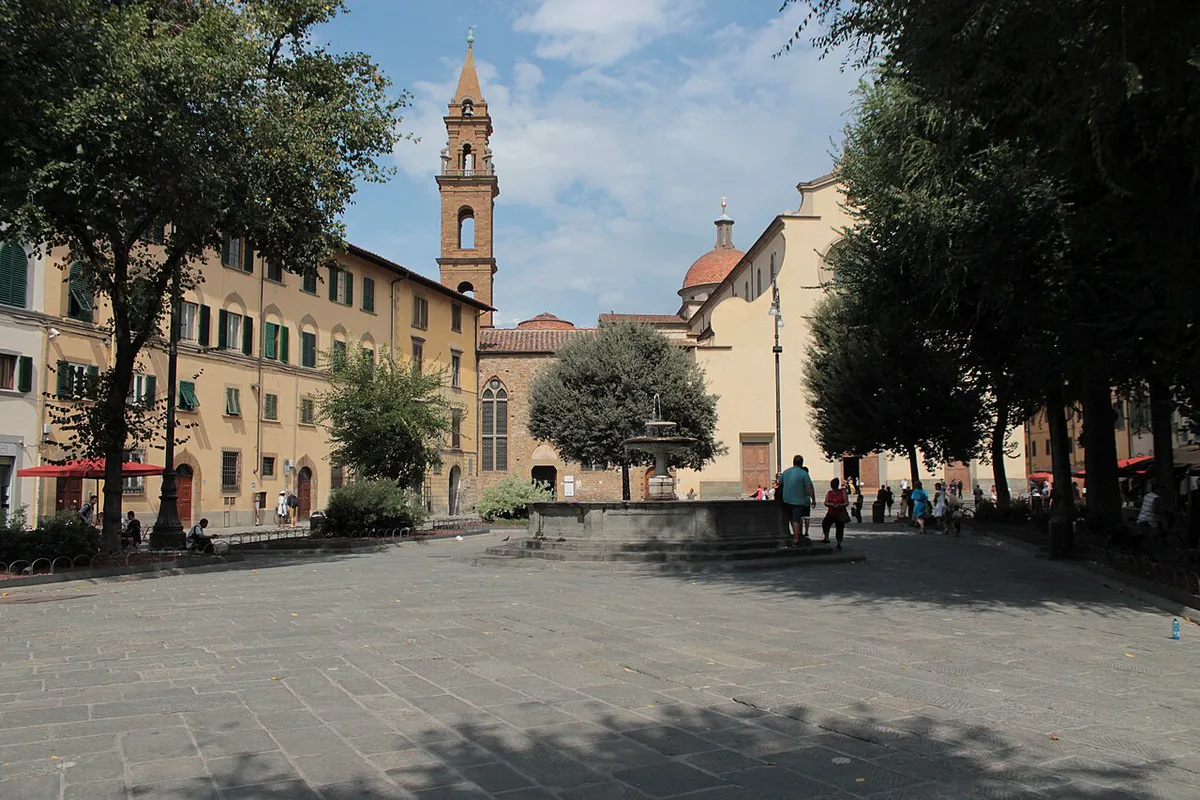
Santa Croce belongs to a Franciscan convent. Its marble tombs honor Michelangelo, Galileo and Machiavelli, and the church is hot in summer, so choose a cooler hour.
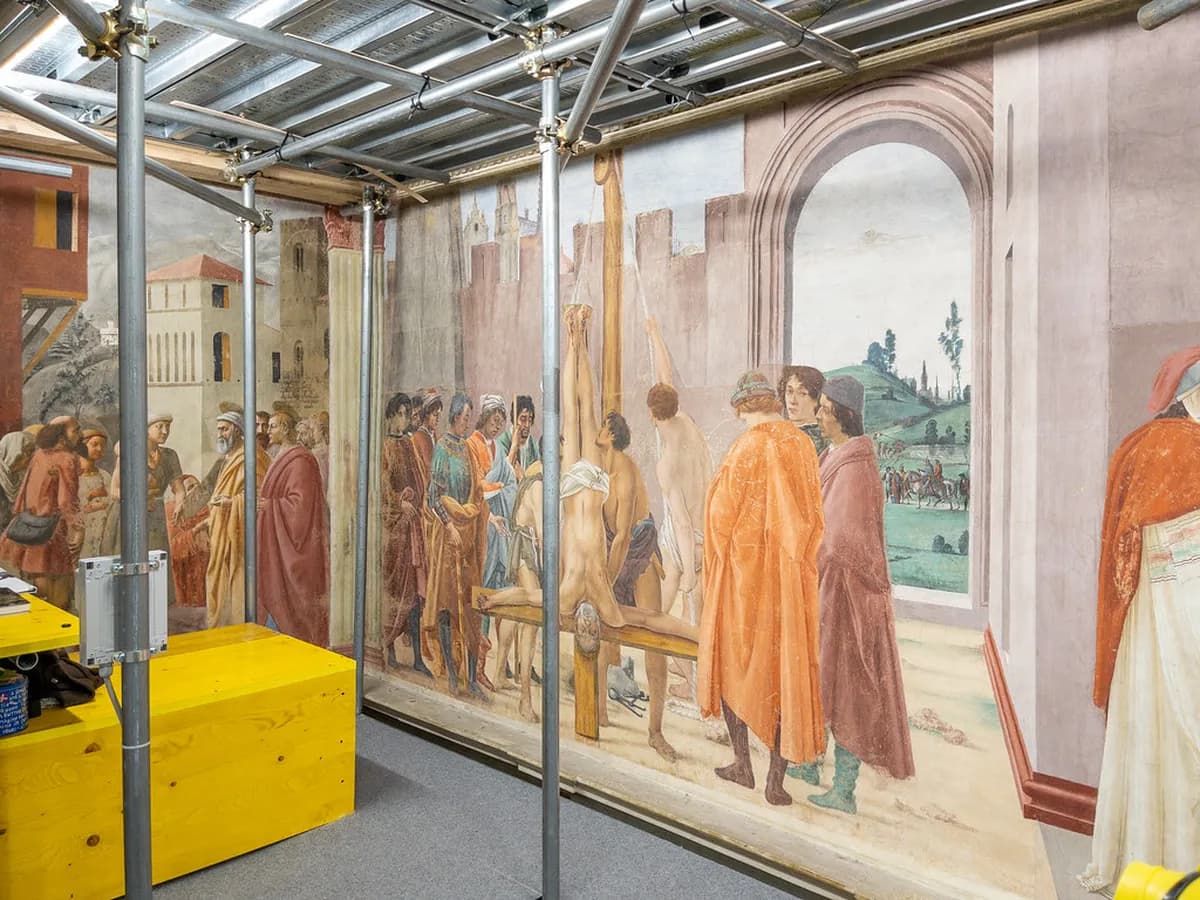
San Marco is a former convent where Fra Angelico's frescoes remain in the monk cells. Brancacci Chapel is the place for Masaccio's frescoes, and it needs advance booking. Ticket systems for these sites differ, so use each site's own page.
For a wider look at what sits beside these sites, see our guide to non-touristy things to do in the city.
Monday Survival Guide: Museums Open When the Giants Close
Most national museums close on Mondays, including the Uffizi and the Accademia. Small museums fill the gap. The Florence Insider lists these as open on Mondays, though hours change, so verify each one first.
Stibbert is one Monday option, but plan for the bus ride of about 20 minutes before you commit to it.
- Duomo complex, including the Opera del Duomo Museum
- Palazzo Vecchio
- Bargello
- Cappella Brancacci
- Santa Croce and Santa Maria Novella
- San Lorenzo and San Marco
- Palazzo Medici Riccardi
- Innocenti Museum
- Palazzo Davanzati
- Opificio delle Pietre Dure
- Bardini Museum and Museo Stibbert
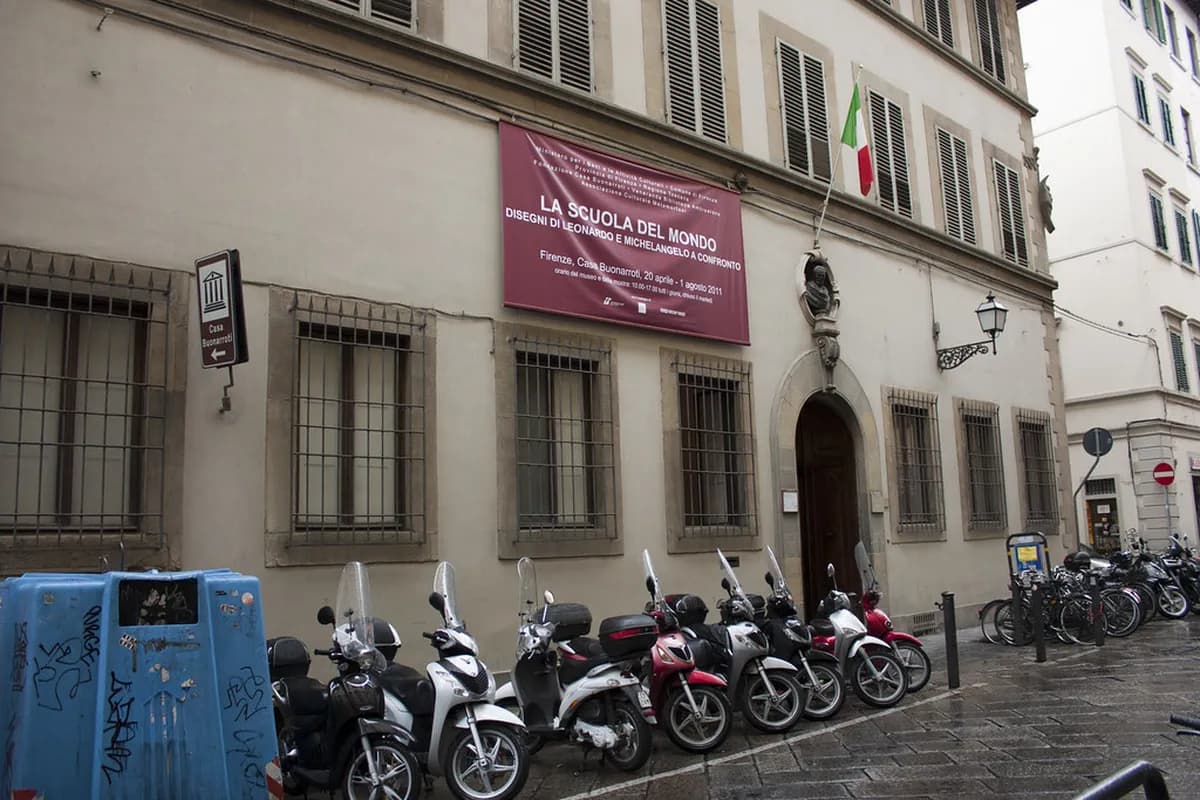
- Casa Buonarroti
Planning Logistics: Tickets, Cards and Neighborhood Pairings
Florence museums run on different systems. National museums generally open every day except Monday, from 8:15 am to 6:45 pm. Tickets use timed entry through the national web-store. Civic museums such as Palazzo Vecchio, Brancacci and Bardini use their own site, and tickets are released monthly, one or two months ahead. Private and church museums set their own hours.
The Firenze Card suits 3 or more museums in 72 hours, so count the Monday-open sites in your plan before buying.
The Firenze Card can pay off if you visit 3 or more museums in 72 hours. Compare it with individual tickets for your actual list. Use the official Florence visitor site to check current card terms and museum news.
Group visits by area to save time. For more on how districts connect, see our Florence neighborhoods guide. For Oltrarno, read our guide to Oltrarno streets and workshops.
| Area | Pair these | Booking note |
|---|---|---|
| Oltrarno | Bardini and Brancacci | Brancacci needs strict booking |
| San Lorenzo | Medici Chapels and San Marco | Chapels usually need a reservation |
| Near Duomo | Opera del Duomo and Bargello | Bargello is closed Tuesdays |
| Santa Maria Novella | HZERO and the church complex | Check each site separately |
Mistakes to Avoid When Visiting Small Museums
Do not assume every museum keeps the 8:15 am to 6:45 pm schedule. Civic, private and church sites set their own times.
Do not skip the cloisters and convent rooms. They often hold the best paintings.
Do not ignore state-run versus civic status. It affects holiday openings and where you buy tickets.
Do not rely on one fixed bus number for Stibbert. Check the current route on the day.
Leave a gap between visits too. One small museum in the morning and a long lunch beats three rushed stops.
For trip-planning details, see Home - Musei di Fiesole.
For related deep-dives, see our Fiesole Day Trip from Florence: Half-Day Plan, Bus 7 and Walk Back and Florence Artisan Workshops: Oltrarno Studios, Classes and Booking Tips guides.
Frequently Asked Questions
Which small museums in Florence are open on Monday?
Several are listed as open on Mondays. They include Palazzo Vecchio, Bargello, Palazzo Davanzati, Opificio delle Pietre Dure and Casa Buonarroti. Hours vary, so check each official site first.
Is the Stibbert Museum worth the trip out of the center?
Yes, if you like armor, villa interiors and eclectic collections. Allow a bus ride of about 20 minutes each way. Confirm the current bus line before you leave.
How long do small Florence museums take?
Many fit into about an hour, such as the Opificio delle Pietre Dure or Palazzo Davanzati. Bargello and Opera del Duomo suit longer visits. Plan extra time for churches with cloisters.
Is the Firenze Card worth it for small museums?
It usually pays off if you visit 3 or more museums within 72 hours. Compare it with single tickets for your list. Check current terms on the official visitor site.
Which small museum suits families?
HZERO, the model railway museum, is a strong pick for kids. Palazzo Davanzati also works well for children. Our guide to lesser-known Florence sights offers more ideas.
Continue exploring
More guides you'll find useful