Ragusa in Two Days: A Complete Ibla and Superiore Itinerary
Plan two days in Ragusa by splitting time between Ibla and Superiore, with churches, gardens, artisan shops and a practical day trip decision.
On this page
Ragusa rewards a slower plan than a checklist allows. The city is split into two distinct areas on opposite sides of a valley, connected by steep steps, so a two-day itinerary that tries to cover everything on foot in one direction will leave you tired by mid-afternoon. Treating Ragusa Superiore and Ragusa Ibla as two halves, with one day anchored in each, keeps the walking realistic and the sightseeing unhurried.
A suggested structure, and it is only a suggestion: day one in Superiore around Piazza San Giovanni and the Cathedral of San Giovanni Battista, then a slow evening; day two crossing to Ibla for the Duomo di San Giorgio, the Giardino Ibleo and the artisan streets. The blog account notes that the cathedral in Superiore was free to enter when the writer visited, but you should confirm current arrangements locally rather than assume that still holds.
Because the two halves sit at different elevations, the direction of your walk matters more than the distance. Walking downhill into Ibla is the rewarding option; climbing back up in the heat of the day is the part most visitors underestimate. Build the uphill leg around a taxi or the shuttle rather than treating the climb as a casual stroll.
Why Two Days Fits Ragusa
One day in Ragusa usually collapses into a rushed circuit of Ibla, with Superiore seen only from a viewpoint. Two days let you give the upper town its own morning and give Ibla the time it deserves, including a garden stop and a browse through the artisan shops. The trade-off is that you will not fit a full day trip and both halves comfortably, so decide early whether nearby towns are part of the plan.
The city also works as a base for the wider province. The municipal site lists the Duomo di San Giorgio, Castello di Donnafugata, Marina di Ragusa and the Irminio river mouth among the places it profiles, which is a useful reminder that some of the region's draws sit outside the two historic centres.
For a sense of which corners are worth lingering in rather than photographing and leaving, browse the hidden gems in Ragusa before you fix your route. It helps you decide whether you want your second afternoon in Ibla or partly in Superiore's quieter backstreets.
Know Before You Go: Superiore, Ibla and the Stairs
Ragusa Superiore is the modern centre, with the main square, transport links and a spread of everyday bars and restaurants. Ragusa Ibla is the older town, wrapped around the Duomo di San Giorgio and threaded with narrow lanes. They are not adjacent neighbourhoods you drift between; the valley between them is the defining feature of the city.
The Italian word to learn here is scala, meaning stairs, because it shapes how much you can reasonably see in a day. Visitors staying in Ibla who want to reach Superiore face a steep climb, and the blog suggests avoiding that ascent in the heat of the day with a few breaks along the way. If you stay in Superiore, do the downhill walk into Ibla and arrange the return differently.
Getting Between the Two Halves
You have three practical options between Superiore and Ibla: walk, take a taxi, or use the shuttle. The walk downhill from Superiore into Ibla takes roughly twenty to thirty minutes depending on pace, according to the blog account, and passes the Church of Santa Maria and the area around Piazza Cosentini, a small pocket between the two levels that is easy to miss if you ride instead.
A taxi between the halves is described as taking around ten minutes. The shuttle is the option to research rather than assume: the blog believed it ran every fifteen to twenty minutes between Giardino Ibleo and Piazza del Popolo but could not find an exact timetable. Check locally on arrival, and treat the service as convenient when it runs rather than something to build a tight schedule around.
If you are arriving by bus, the stop sits about ten minutes on foot from Superiore in the more modern part of town. From there, Ibla requires a walk, a cab or the shuttle, so factor that into your first evening rather than planning a quick dinner in Ibla straight off the coach.
Day 1 Morning: Piazza San Giovanni and the Cathedral
Start in Superiore with a cappuccino and a cornetto at one of the cafés on Piazza San Giovanni. The square is the heart of the modern town, calm early on as locals collect newspapers and greet each other, and it makes a better first stop than a rushed dash to the viewpoints.
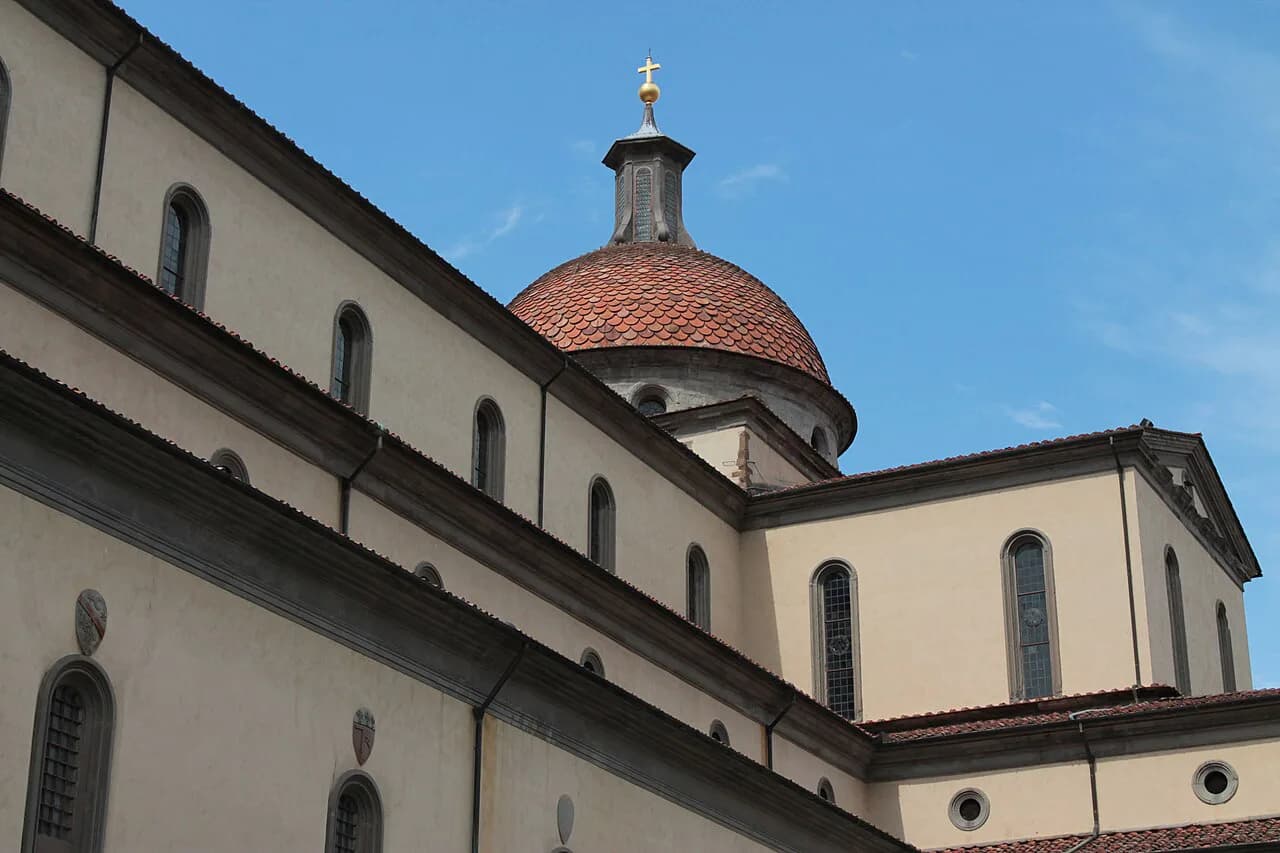
The Cathedral of San Giovanni Battista dominates the square, an eighteenth-century Baroque building with twin bell towers and an ornate dome. The blog notes that its interior features marble altars and frescoes and that entry was free at the time of visiting; because arrangements for churches can change, confirm at the door before planning around it.
Allow time for the grounds outside rather than treating the cathedral as a five-minute stop. The same account singles out the trees around the building as worth a look in their own right.
Day 1 Afternoon and Evening: A Slower Loop of Superiore
Spend the afternoon simply walking Superiore. Its streets are where ordinary Sicilian life plays out, and the account describes evenings on a terrace watching the town unfold as one of the pleasures of staying on this side of the valley.
For aperitivo, the blog recommends a bar on Largo Santa Maria where guests sit on cushioned steps with small tables and look down towards Ibla. It advises arriving around opening time because seats go quickly, and notes the view faces east, so you get golden-hour light rather than the sun itself dipping behind the horizon.
Dinner in Superiore is the practical choice for night one: you avoid a climb or a cab after a long day. For background on the region's dishes and what to order, the Ragusa Local Food Guide: What to Eat and Where is a reasonable starting point before you pick a table on instinct.
Day 2 Morning: Duomo di San Giorgio and Baroque Ibla
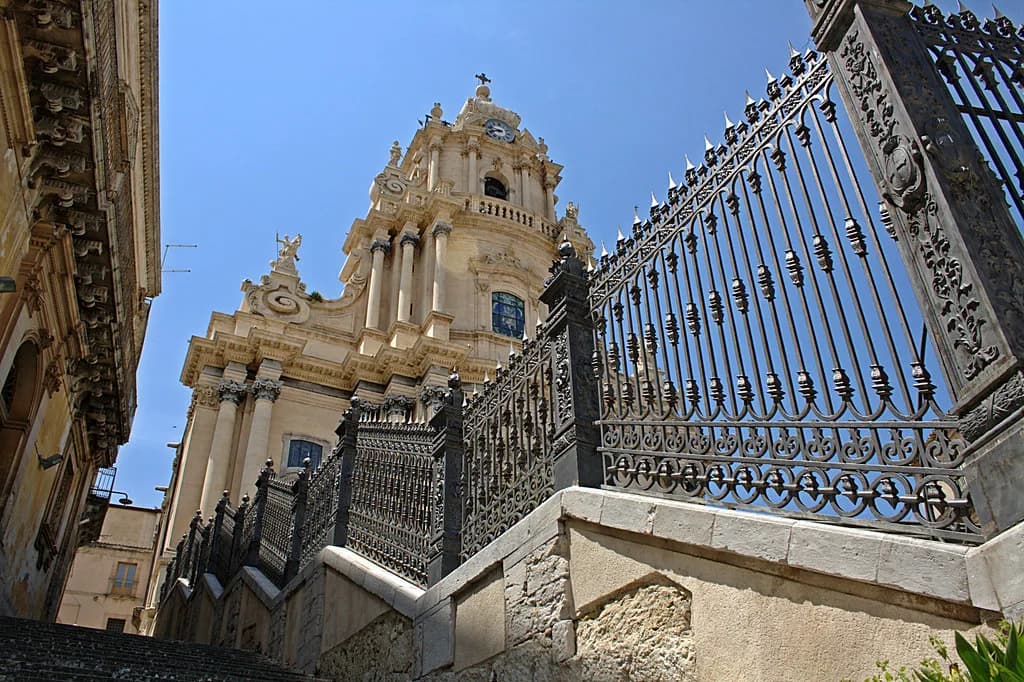
Cross to Ibla in the morning, ideally on foot downhill, and head for the Duomo di San Giorgio. Rebuilt after the 1693 earthquake, it has a Baroque facade with ornate columns and a tall dome, and its interior is known for an unusual red colour scheme that sets it apart from the cathedral in Superiore.
Give the morning to the lanes around the duomo rather than ticking off façades. The blog describes Ibla's winding streets and ancient buildings as well suited to a guided walk covering the post-earthquake reconstruction and the Baroque architecture, which is a sensible way to make sense of what you are looking at.
Check Ragusa Attractions before you go if you want to compare the sights in one place and decide where to spend your limited hours. It saves wandering between churches without knowing which interiors reward the stop.
Day 2 Midday: Giardino Ibleo and San Giacomo
The Giardino Ibleo, laid out in the nineteenth century, offers trees, fountains and statues and a chance to sit down at the point in the day when the stone starts radiating heat. The blog treats it as a shade stop as much as a sight, which is the right way to use it in a two-day plan.
Towards the back of the gardens is the Church of San Giacomo Apostolo, linked to the confraternity of St James and so to the Camino de Santiago. Entry was on a donation basis according to the same account, with a leaflet provided; the painted ceiling, designed to look like a dome, is the detail worth seeking out.
Day 2 Afternoon: Artisan Shops and a Wine Stop
Ibla's artisan shops are the afternoon's counterweight to churches. The blog lists handmade ceramics, traditional Moor's heads, honey and olive oil among the things you can buy, which makes them a reasonable place to find a souvenir that is not a fridge magnet.
For a modern take on Sicilian wine, the same account points to a contemporary wine bar in Ibla serving local labels by the glass, including Nero d'Avola and Frappato. Treat it as an afternoon pause rather than a tasting appointment, and check current opening days on arrival since small bars adjust with the season.
If your legs are still willing, the Ragusa Ibla lanes reward aimless wandering more than a fixed route. Plan a loose loop back towards the duomo and let the streets do the rest.
Day 2 Evening: Dinner in Ibla or Back Up the Hill
The evening decision is really about logistics. Staying in Ibla for dinner means a short walk to your table and, if you are based in Superiore, a taxi or shuttle back up afterwards. Returning to Superiore means a climb or a ride before you eat, but a wider choice of everyday restaurants.
The account notes that Superiore has a large selection of bars and restaurants without tourist-facing prices, while Ibla draws the day-trippers. Neither is the wrong choice: Ibla suits a last-night atmosphere, Superiore suits a quieter, more ordinary evening.
The Day Trip Decision: Modica or More Ragusa
Adding a day trip means cutting something. The most practical add-on by public transport is Modica, a Baroque town in the Val di Noto that the blog describes as reachable by bus in around twenty minutes, and it suggests one day there is plenty. Going means sacrificing your Ibla afternoon, garden time and the artisan shops.
Other options depend on having a car or accepting a longer journey. The account mentions the Valley of the Temples near Agrigento as a long day out, the coast at Marina di Ragusa, and the Irminio river mouth nature reserve, but does not give times or services for these, so verify connections before committing.
For a fuller menu of options and how they compare, Day Trips from Ragusa: Nearby Excursions is worth reading before you lock the second day. My own view is that two days in the city already feel full, so a day trip works better as an extension than a substitution.
Where to Base Yourself
Ibla suits atmosphere: a piazza around the duomo, quaint streets and the sense of staying inside the postcard. It is also where accommodation is described as a little more expensive, and it is the busier side with tourists, which matters if you want quiet evenings.
Superiore suits practicality. It is the centre of town, convenient for public transport in and out, and has a broad choice of bars and restaurants away from tourist pricing, according to the blog. The cost is that you will cross the valley each time you want Ibla.
Whichever you choose, look at Getting Around Ragusa: Transport and Arrival Tips before booking, especially if you are arriving without a car and want to understand how the bus stop relates to the two halves.
What This Itinerary Deliberately Leaves Out
Museums, castle interiors and ticketed collections are not covered here because opening arrangements and admission vary and need checking with each site. Castello di Donnafugata, for instance, appears on the municipal site as one of the city's listed places, but that listing alone does not tell you when it is open or how entry works.
The same caution applies to church interiors. Free entry at the Cathedral of San Giovanni Battista and donation-based entry at San Giacomo reflect one visitor's account, not a standing rule, so ask at the door and carry a little cash for donations as a courtesy.
Season also shapes the plan. If you are travelling in high summer, the Ragusa Best Time to Visit: Avoiding Crowds guide helps you decide whether to shift the uphill legs to early morning.
Plan Your Visit
Two days in Ragusa work when you accept the geography instead of fighting it: one day in Superiore, one in Ibla, walking downhill and arranging a ride uphill. That shape leaves room for a garden, a wine bar and an unhurried evening, which is closer to what the city offers than a sprint between viewpoints.
Decide about Modica before you arrive, because it competes directly with your second Ibla afternoon. If you go, go knowingly; if you stay, spend the time in the artisan lanes and the Giardino Ibleo instead of adding another church you will rush through.
Confirm the volatile details locally: church entry, the shuttle timetable and any museum you want to visit. The Ragusa travel hub collects the individual sight guides so you can check each one before you go.
Frequently Asked Questions
Is two days enough for Ragusa?
Two days is a comfortable amount for the city itself. It lets you give Ragusa Superiore a morning and an evening, then spend a full day in Ibla with the Duomo di San Giorgio, the Giardino Ibleo and the artisan shops. It is not enough to add a full day trip without cutting something from Ibla.
Should you stay in Ragusa Ibla or Ragusa Superiore?
Ibla suits travellers who want atmosphere and are happy to be in the busier, more tourist-facing old town. Superiore suits those who value transport links, a wider choice of everyday restaurants and easier evenings. Whichever you pick, expect to cross the valley at least once a day.
How do you get between Ragusa Ibla and Superiore?
You can walk, take a taxi, or use the shuttle. The downhill walk from Superiore to Ibla takes roughly twenty to thirty minutes, and a taxi is described as around ten minutes. Ask locally about the shuttle timetable, since published times are not reliably available.
Is Ragusa worth visiting?
Yes, particularly if you prefer a smaller Baroque city to a large one. The split between the two halves gives it a distinctive shape, and the combination of churches, gardens, artisan shops and food makes two days feel worthwhile rather than padded.
Is a day trip to Modica possible from Ragusa without a car?
Modica is the easiest add-on by public transport, with buses described as connecting the two towns in around twenty minutes. Verify current services and times before you go, and accept that the trip replaces your second Ibla afternoon rather than adding to it.
What can you do in Ragusa when it rains or you want a museum?
Church interiors and the artisan shops offer shelter, but museum and castle arrangements are not covered in reliable detail here. Check with the individual site or the municipal tourism pages before relying on any indoor visit, especially outside peak season.
Sources
Continue exploring
More guides you'll find useful