Ragusa Ibla Guide: Sicily's Baroque Historic District
A slow guide to Ragusa Ibla: its Baroque rebuilding after 1693, climbing alleys and stairways, the San Giorgio facade, and how to explore the district on foot.
On this page
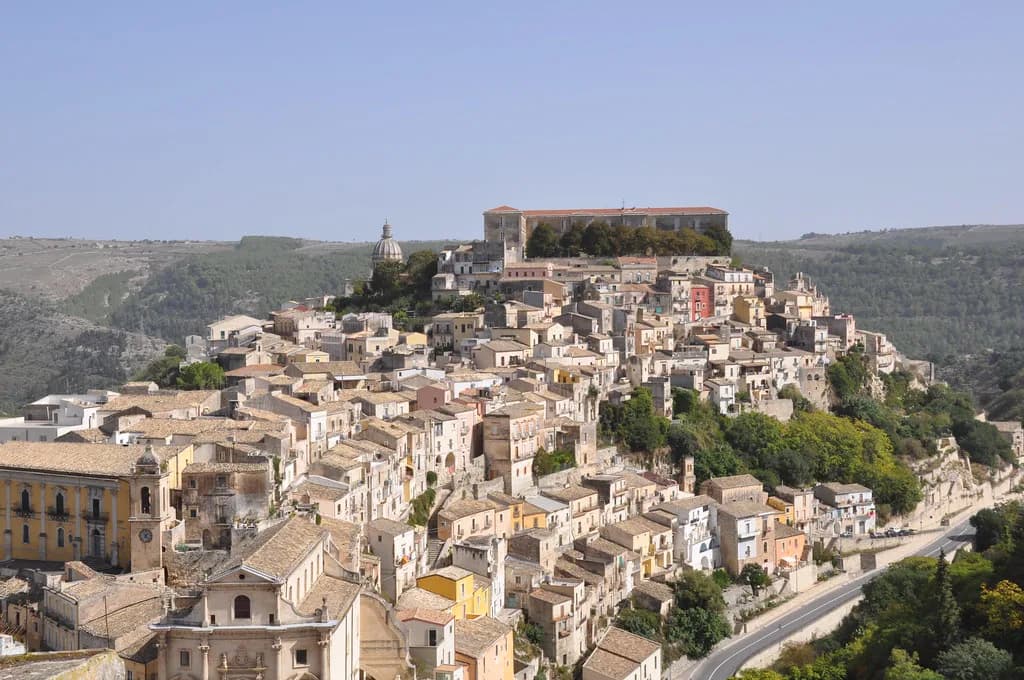
Ragusa Ibla is the lower historic core of Ragusa, a Baroque district rebuilt after the 1693 earthquake. Visit Sicily describes it as a network of uphill alleys, panoramic stairways and noble palaces, with the Cathedral of San Giorgio by Rosario Gagliardi as its centrepiece. That description is the most useful starting point for a visit: Ibla is less one ticketed sight than a layered neighbourhood best understood on foot, with no official walking route or timed itinerary published.
This guide keeps to what the city and regional tourism sources actually publish and leaves gaps visible. No current ticket prices, opening hours or booking rules for Ibla's churches and palaces appear in the available research, so they are not stated here. Where an interior or a nearby sight matters to your plan, confirm details with the Comune di Ragusa or the individual site before travelling.
What Ragusa Ibla Is, and What It Is Not
Ragusa Ibla is a historic district within the city of Ragusa, not a separate town, and its identity is bound up with Baroque rebuilding after the 1693 earthquake. Visit Sicily calls it one of Sicily's most fascinating historic districts and a symbol of the island's Baroque art. That matters for planning: you are visiting a neighbourhood on foot, not a single attraction with one entrance and one ticket.
Travel writing also places Ibla in the Val di Noto, the south-eastern Sicilian area known for its Baroque towns. That regional context helps explain why the district's architecture reads as part of a wider story rather than an isolated curiosity. If you want to compare Ibla with the rest of the city, the Ragusa Attractions hub is the natural next stop.
Why Ibla Looks the Way It Does: Rebuilding After 1693
The 1693 earthquake is the event that explains Ibla's appearance. According to Visit Sicily, the district was rebuilt after that earthquake and took shape as a network of uphill alleys, panoramic stairways and noble palaces. Reading the town as a reconstruction, rather than as an untouched medieval survival, changes how you see its coherent Baroque facades and its steep, staged street plan.
That rebuilding produced the Sicilian Baroque character visitors come for, with churches, palaces and streetscapes conceived in close succession. The result is not a museum piece but a lived-in district where artisan shops and everyday life sit alongside the monuments. Expect to climb, turn corners and discover small views rather than follow one grand axis.
Orientation: Ibla Below, Ragusa Superiore Above
Ibla occupies the lower historic core of Ragusa, while Ragusa Superiore is the upper town. The two are distinct parts of the same city, and Ibla's lanes climb between and around them rather than sitting on flat ground. Treat the district as a hilly place to walk, not a single square to tick off, and plan on changing direction and gaining height as you go.
The city's official site confirms that Ragusa has a historic Ibla core alongside other attractions, and it points visitors toward the district and nearby sites. It does not publish a step-by-step walking route through Ibla, so plan your own loop rather than expecting an official itinerary. A simple approach is to start near the cathedral square and let the alleys guide you upward.
First Impression: The Cathedral of San Giorgio
The Duomo di San Giorgio is the district's centrepiece, and Visit Sicily credits its spectacular facade to the architect Rosario Gagliardi. The church dominates its square and gives Ibla its most recognisable silhouette, so it makes sense to begin there. Stand in the square first to read the facade, then explore the surrounding lanes.
Do not assume you can simply walk inside at any time: neither the city nor the regional tourism source publishes current opening hours or entry rules for the cathedral, so check ahead if the interior matters to you. Treat the exterior and square as the reliable part of the visit, and rely on the dedicated cathedral guide for what the building itself involves. For wider planning, see Duomo di San Giorgio, Ragusa Ibla.
Walking the District: Alleys, Stairways and Palaces
Ibla is best understood on foot, through the uphill alleys and panoramic stairways that connect its palaces and churches. Visit Sicily describes a maze of picturesque lanes and views over the valley, which is exactly the kind of place where a fixed route helps less than a willingness to wander. Wear shoes you can climb in and keep your pace modest.
No official step count, distance or timed route is published for the district, so do not rely on invented figures. Instead, build a loose loop around the cathedral and the main lanes, and stop whenever a stairway opens onto a view. This is a place where turning back and taking another lane is part of the experience.
Artisan Shops, Valley Views and a More Leisurely Pace
Beyond the monuments, Ibla's character comes from its artisan shops, valley views and the everyday texture of the district. Visit Sicily notes the artisan shops and the sweeping views of the valley, which reward a slower pace. Give yourself room to stop, look and linger rather than rushing between churches.
The district also has a public garden, the Giardino Ibleo, which offers a different kind of pause from the lanes. It is a useful place to rest before or after a climb. The garden's own guide explains what to expect, and it is the right starting point if you want to treat that space as a destination in its own right rather than a passing stop. For wider planning, see Giardino Ibleo in Ragusa Ibla.
Free to Explore: What a Self-Guided Walk Does and Does Not Include
Walking through Ibla's streets is itself free, and that is the core of a visit to the district. You do not need a ticket to wander the lanes, climb stairways or admire the exteriors. What the available sources do not confirm is whether or how any specific church or palace charges entry, so treat interiors as a separate question to check on site or with the individual church.
This distinction matters for budgeting and planning: explore the district freely, but check the current rules for any interior you want to see. The Comune di Ragusa and the individual churches are the places to confirm. Do not assume a single ticket covers every site in the district, and do not carry over a price or time remembered from an older guide.
How Much Time to Allow (Suggested, Not Official)
As a suggested, non-official estimate, allow two to three hours for a first walk through Ibla, including pauses for views and a coffee. The district is compact but hilly, and the climbs slow you down. If you want to linger in shops or visit an interior, add more time.
This is a pacing suggestion rather than an official visiting time, because no official duration is published. The practical trade-off is depth versus breadth: a short walk covers the main lanes around San Giorgio, while a longer stay lets you follow stairways toward other corners. Decide before you start how much climbing you want.
Pairing Ibla With Other Ragusa Sights
Ibla is one part of Ragusa's wider visitor offer, and the city's official site names Castello di Donnafugata and Marina di Ragusa among other places of interest. Treat each as its own decision rather than tacking it onto an Ibla walk. Check current access and opening details with the official city channels before setting out.
Because the published sources do not spell out current visitor details for these sites, avoid planning a combined day on assumptions. Use the attractions hub to compare options and confirm independently. A slower itinerary with one main district and one nearby sight is usually more rewarding than a rushed checklist. For a fuller comparison, see Ragusa Attractions: Visitor Guides to 11 Sights.
Practical Habits for a Hilly Baroque Town
Wear comfortable shoes with grip, because Ibla's lanes and stairways climb and descend repeatedly. Carry water, especially in warmer months, and plan breaks rather than pushing through the climbs. These are general habits, not official rules, and they make the district easier to enjoy.
There are also less obvious corners of the city worth exploring if you want to go beyond the main walk. A separate guide covers hidden gems in Ragusa, and it is useful for extending a trip without overloading a single day in Ibla.
Plan Your Visit to Ragusa Ibla
Ragusa Ibla rewards a simple plan: start at the Duomo di San Giorgio, walk the lanes and stairways without rushing, and treat interiors and nearby sights as separate decisions to confirm. The district is free to explore on foot, and that is its greatest advantage.
Before you travel, check official city and church sources for anything volatile such as opening hours or entry rules, and use the Ragusa Attractions hub to compare other sights. A slower, well-paced visit suits Ibla better than a hurried one. For related planning, see Santa Maria dell'Itria, Ragusa Ibla: Visitor Guide.
Frequently Asked Questions
Is Ragusa Ibla the same as Ragusa?
No. Ragusa Ibla is the historic lower district of the city of Ragusa, while Ragusa Superiore is the upper town. Ibla is a distinct Baroque core within the same city, not a separate municipality, and it is the district most visitors mean when they talk about Ragusa's historic centre.
What should I see first in Ragusa Ibla?
Begin with the Duomo di San Giorgio and its square, because the cathedral's facade by Rosario Gagliardi is the district's centrepiece. From there, follow the lanes and stairways on foot. Check current opening details for interiors before you travel, since those are not published by the city or regional tourism sources.
How long does it take to walk around Ragusa Ibla?
As a suggested, non-official estimate, allow two to three hours for a first walk, including pauses for views and climbs. The district is compact but hilly, so the stairways slow you down. Add time if you plan to linger in shops or visit an interior.
Do you need tickets to explore Ragusa Ibla?
Walking through the district's streets is free, and you do not need a ticket to wander the lanes or admire exteriors. Entry rules for individual churches and palaces are not confirmed by the available sources, so check with each site before relying on access.
What happened to Ragusa Ibla in the 1693 earthquake?
The district was rebuilt after the 1693 earthquake, and that reconstruction shaped its Baroque streetscape of uphill alleys, stairways and palaces. Understanding this helps explain why the architecture is so consistent and why the district reads as a unified piece of Sicilian Baroque.
Which other Ragusa attractions are worth adding to an Ibla visit?
The city's official site lists Castello di Donnafugata and Marina di Ragusa among Ragusa's places of interest, but current visitor details for both are not published in the available sources. Confirm access and opening information through official channels before planning a combined day.
Sources
Continue exploring
More guides you'll find useful