Ragusa with Kids: Family Sights and Realistic Pacing
Plan Ragusa with kids around the Giardini Iblei playground, a cart workshop and car-free Ibla lanes, with realistic pacing for the hilly climb and hot afternoons.
On this page
Ragusa Ibla works for families because most of what children enjoy sits close together in the lower historic centre: a large playground inside the Giardini Iblei, lanes for strolling, a cathedral with a dragon legend and a workshop where Sicilian carts are still built. The upper town, Ragusa Superiore, is the newer half and functions more as a base for supplies and services than as the sightseeing target. That split matters, because the climb between the two halves is by steps and shapes every decision about strollers and tired legs. Related guide: Ragusa Viewpoints: Best Panoramic Spots Across Ibla and Superiore.
The practical instinct is to treat the visit as an evening rather than a checklist. Families who arrive in the late afternoon or early evening get cooler temperatures and thinner crowds once day trippers leave, and the gardens fill with local children on summer nights. A slow stroll up Corso XXV Aprile toward Piazza Duomo, with gelato in hand, does more for the mood than three rushed stops.
Ragusa Ibla or Ragusa Superiore: Where to Base a Family Day
Ragusa is one city in two parts, and the older, lower half is the one to aim for with children. The advantages are cumulative: pedestrian streets, a garden with play equipment, a cart workshop and a cathedral cluster within a short wander. Superiore is where larger grocery stores sit, which is worth knowing if you need supplies rather than sights.
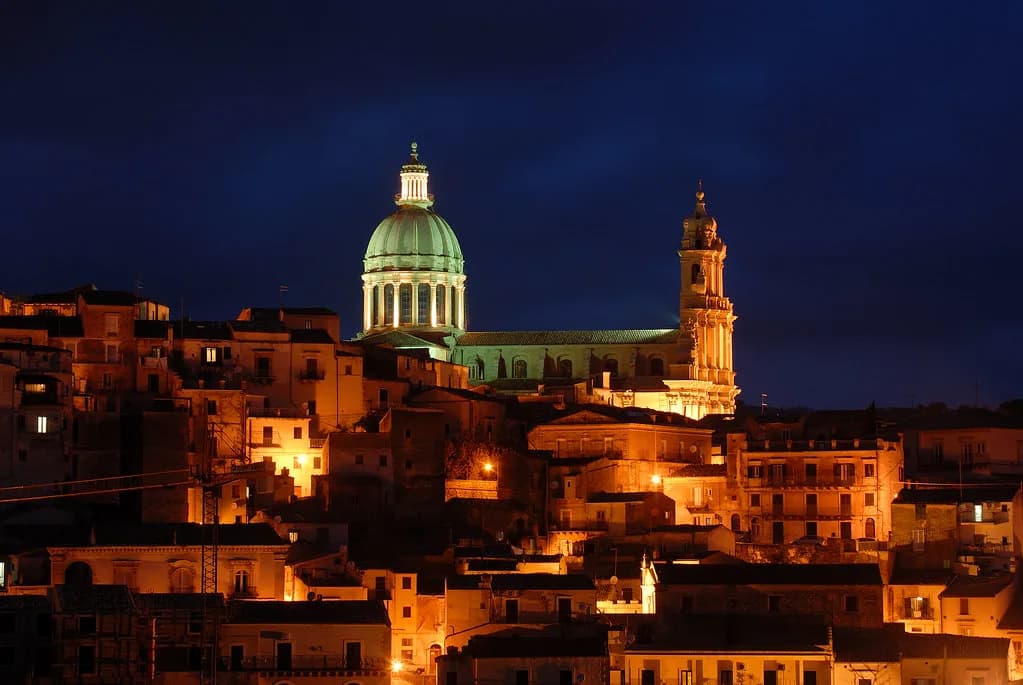
Getting between the halves is the catch. The route up to Ragusa Superiore and the church of Santa Maria delle Scale is a stepped climb, so it rewards those on foot but not anyone pushing a stroller. If you want the view of Ibla stacked against the hillside, driving the SS15 south of town and looking back is the low-effort alternative, and it is especially striking after dark.
The Giardini Iblei Playground: Your Anchor Stop
The garden on the eastern edge of Ibla is the single most useful family stop in the city. Its playground is large, with climbing structures, spring toys, slides and swings, and it tends to be busiest on hot summer evenings when local families come out. Paths, plants and corners give children room to roam, while benches offer the adults somewhere to sit. Frame it as the reward at the end of a walk rather than a five-minute pause.
Facilities are the part to verify on the day rather than assume. A free toilet in the gardens was reported on a past family visit, but availability can change, so treat it as a bonus and not as the plan. In winter the gardens and Piazza Pola carry Christmas lights and decorations, which gives the same space a different, quieter appeal.
If you want to understand the garden's layout before you go, the guide to the Giardino Ibleo explains its paths and monuments separately from the playground. For wider planning, see Giardino Ibleo in Ragusa Ibla.
Best Child-Friendly Stops in Ibla
Cinabro Carrettieri, a cartmakers' workshop, is the stop children tend to remember. You can watch colourful traditional Sicilian carts being made, see the tools and photographs on the walls, and hear how a craft with few remaining workshops is being kept alive. The space is small and the visit is short, which suits short attention spans. Ask before entering about whether a contribution is expected, since entry arrangements can change and the organiser's answer is the only reliable one.
The Duomo di San Giorgio gives you a story to chase: St George and the dragon. Children can look for the statue inside, and the steps up to the entrance add a small sense of adventure; the family account behind this guide describes precisely that reward. Keep the visit short and let the hunt be the point. Check opening access on the day, since the cathedral is an active place of worship and visitor access can vary.
Gargoyle spotting is the cheapest entertainment in town. Tell children to look up along the lanes, and make a point of passing Palazzo Cosentini, where carved figures watch over the street. Signposted routes through town, marked with QR codes, offer a ready-made structure if you want direction without planning: a UNESCO route, a Baroque route, a Montalbano route and a green route were all marked on a past visit. Confirm the signage still exists when you arrive before promising a specific trail.
Gelato, Lanes and Pacing Anchors
Gelati Divini works as a pacing device rather than a destination. It suits mixed ages, with classic flavours for children and more unusual ones for adults, and it has been a fixture in the centre for years by the account of a returning visitor. Nothing forces you to finish the gelato before walking on; that is the rhythm of an Ibla evening.
Corso XXV Aprile is the spine of a simple family circuit: gardens first, then the cart workshop, then the gentle rise to Piazza Duomo. Because the streets are largely pedestrian, children can walk a few steps ahead without constant traffic worry. Build in a bench stop or two and the distance stops mattering.
How Hard Is the Ibla to Superiore Climb?
Treat the ascent as a trade-off, not a challenge. The climb to Superiore and Santa Maria delle Scale is stepped, so it is unsuitable for strollers and tiring for small legs in heat. The view from the top is the best-known panorama of Ibla's rooftops, but you can buy the same view with a car and no stair carrying. If you do walk up, do it early or late and leave the stroller behind.
If you are arriving without a car, plan the arrival leg carefully: the transport hub sits in the upper town rather than beside Ibla, and the family account behind this guide describes the train station as roughly a 45-minute walk from Piazza Duomo in Ibla. Options, timings and taxi availability change, so check them before you commit to a schedule. For wider planning, see Getting Around Ragusa.
Timing: Evenings, Summer Heat and Winter Lights
Evening is the family slot in Ibla, and it holds in every season. Summer days can be punishing, so arriving late afternoon means cooler air, fewer day trippers and a playground full of other children. Winter is quieter, and the Christmas lights in the gardens and Piazza Pola and the tree in Piazza Duomo give a short daylight visit a focus.
Crowd patterns follow the tour buses, so the middle of the day is the least comfortable window for a stroller and the most comfortable for a long lunch. Ragusa's civic calendar also shifts things: the city publishes notices on road closures and temporary traffic changes. One such notice announced a temporary closure of Strada Comunale S. Antonio near the Ibla station, in force until 20:00 on 30 October 2026. Before driving into the centre, scan the notices for anything affecting your route.
Two Plans: Evening-First and a Slower Half Day
The evening plan is the simpler one. Arrive in the late afternoon, let the children loose in the Giardini Iblei playground, stop at the cart workshop if it is open, wander up Corso XXV Aprile to Piazza Duomo, find St George, then eat and finish with gelato. It covers the essentials without a single timed booking.
The slower version suits a hot day or a short attention span: gardens in the morning while it is still cool, a long lunch, a shaded indoor pause, then a short evening stroll. The order can be flipped because the components sit close together. The little Trenino Barocco was described on a past visit as lasting about 30 minutes, with room for a stroller on board; confirm current departures and fares at the ticket point rather than relying on a published timetable.
Logistics: Parking, Ramps and ZTL Signs
Parking below the gardens is the small trick that improves the whole day. There are ramps up to the Giardini, so you avoid carrying a stroller up steps, and the walk from the car runs uphill toward the Duomo and centre, meaning the return is downhill when the children are finished. Parking along Via Margherita is another option.
Watch for ZTL signs, which mark restricted traffic zones in Ragusa Ibla and Marina di Ragusa; the city keeps dedicated pages for both. On a past visit they were described as usually active at night in Ibla, but hours and enforcement can change, so read the signs on site instead of trusting a remembered rule.
Ibla itself is workable with a stroller despite the slopes, and the gardens are straightforward. A small supermarket near Piazza Duomo and a pharmacy on Via Orfanotrofio cover basics, while Superiore has bigger shops if you need more choice. Shady benches in the gardens give a natural feeding or rest stop.
Ragusa or Modica, and Nearby Add-Ons
The honest comparison is what your children enjoy more. Ragusa brings the cart workshop, the playground, pedestrian lanes and an evening atmosphere; Modica brings chocolate and a distinctive grainy style that divides opinion. If chocolate is the motivator, Modica wins; if you want space to run and a gentler wander, stay in Ibla.
Beaches at Marina di Ragusa, Sampieri and Donnalucata, the cave dwellings of Scicli and the castle and costume museum at Castello di Donnafugata round out a short stay in the area. All of them work better as separate outings than as extras tacked onto an Ibla afternoon. Check current opening arrangements for the castle before building a day around it.
Plan Your Ragusa Family Day
Decide first which half of the city carries your day: Ibla for the playground, the cart workshop and the Duomo, Superiore for supplies. Then pick your window, evening for most of the year and early morning in high summer, and park below the gardens so the last walk is downhill.
Leave the climb to Santa Maria delle Scale for the adults, or buy the view by car, and drop any stop that needs a queue when the children are flagging. Two or three good stops in Ibla beat a full checklist. Before you go, confirm workshop access, cathedral opening and any traffic restrictions with the city and the venues themselves.
Frequently Asked Questions
How long do you need in Ragusa with kids?
A half day is enough to cover the Giardini Iblei playground, a walk up Corso XXV Aprile to Piazza Duomo and a gelato, and an evening visit covers the same ground at a better temperature. Families who want the cart workshop and a longer lunch should allow most of a day. These are suggested durations, not official timings.
Is Ragusa or Modica better for families?
Ragusa suits families who want space to run, a working craft workshop and pedestrian lanes in the evening. Modica suits chocolate-loving children, though its chocolate is deliberately grainy and not to every taste. Both work well as separate outings.
Is Ragusa Ibla stroller-friendly?
Yes, within Ibla. Streets and the gardens are workable with a stroller even where the ground slopes, and parking below the gardens has ramps up to the Giardini. The stepped climb to Ragusa Superiore is where you should leave the stroller behind.
How hard is the walk from Ragusa Ibla to Ragusa Superiore with children?
It is a stepped ascent, not a gentle slope, so it is tiring for small legs in the heat and unsuitable for strollers. Walking up early or late is easier, and driving the SS15 south of town gives you the classic view without the stairs.
What time of day is best to visit Ragusa with kids?
Evening is the most comfortable window in every season, with cooler air, fewer day trippers and a playground busy with local children. In winter, a quieter daytime visit works and the Christmas lights in the gardens and Piazza Pola add interest.
Where do you park near the Giardini Iblei playground?
Use the car park just below the gardens, where ramps lead up to the Giardini and the walk into the centre is uphill, so the return is downhill with tired children. Parking along Via Margherita is a second option, and you should check ZTL signs before leaving the car.
Sources
Continue exploring
More guides you'll find useful