Hidden Gems in Taormina: Quiet Corners and Hill Villages
Look beyond Corso Umberto to Taormina's quieter backstreets, garden terraces, rock-cut church and hill villages, with honest notes on stairs and crowds.
On this page
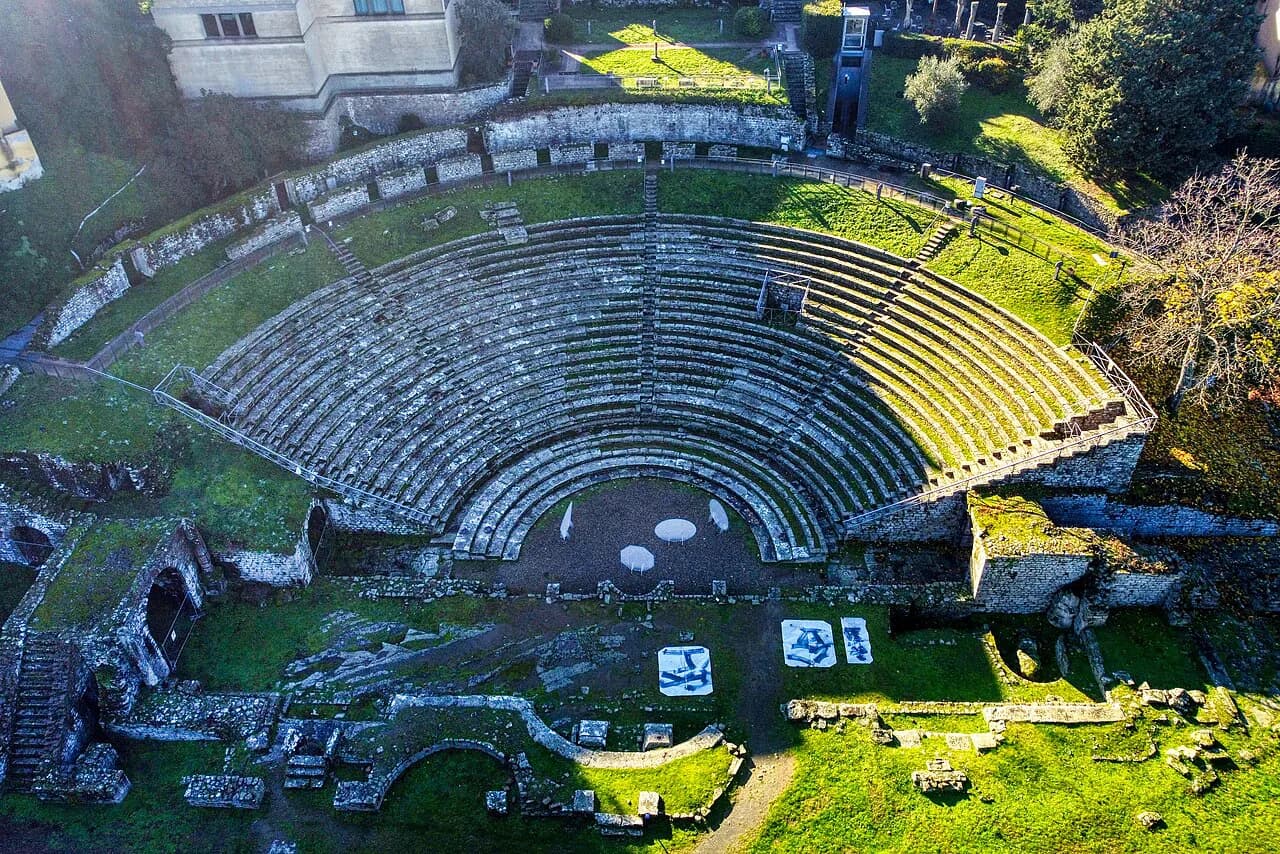
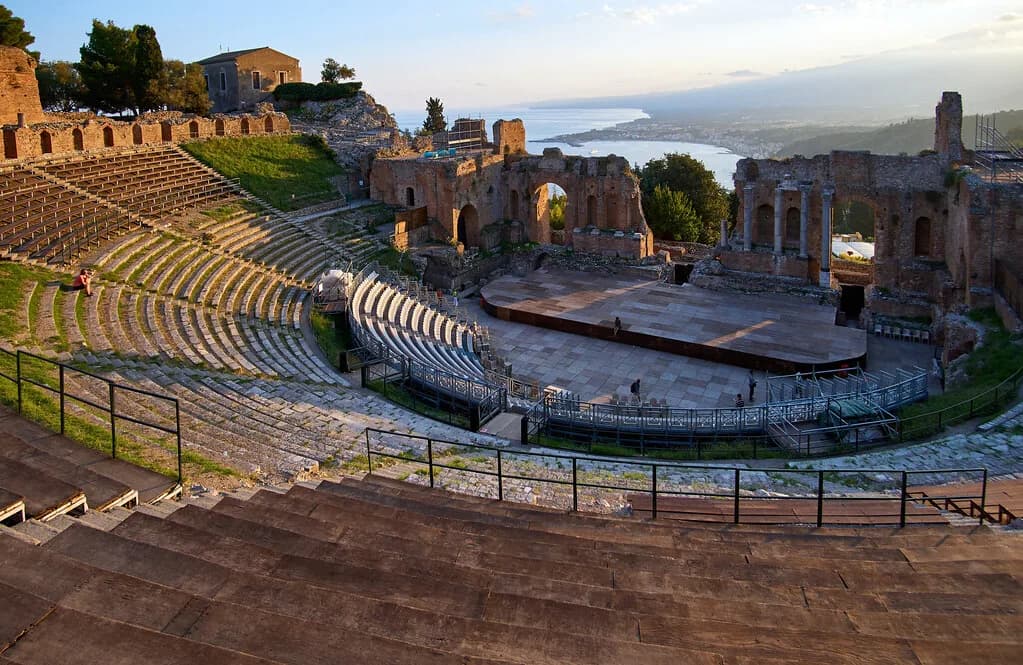
Taormina packs its famous sights into a very small space. Corso Umberto, the pedestrian spine running between Porta Catania and Porta Messina, holds the shops, the piazzas and most of the tour groups, while the Greek Theatre draws steady lines of visitors. The reward for leaving that corridor is immediate: lanes too narrow for crowds, garden terraces facing the sea, and staircases that climb to viewpoints most day-trippers never reach.
One concrete detail worth knowing before you plan: travel writer Erin of Never Ending Voyage visited in late March and found the town manageable and striking despite frequent rain, while warning that summer fills the narrow streets to the point where they are hard to enjoy. That is one trip's experience, not a rule, but it supports a simple strategy: treat the famous spots as early-morning or late-day stops and give the quieter corners your middle hours.
Why Taormina Rewards Slow Wandering
Taormina sits on a hillside, so almost every route involves stairs. Traveling with Aga notes that Corso Umberto is the main flat part of the centre, which helps explain why so much activity concentrates there. Once you accept the climbing, the town opens up: lanes spill downhill, gardens perch on terraces, and viewpoints appear where the buildings part.
The White Lotus effect is real. Never Ending Voyage describes how the second season of the show added to a popularity that already stretched back to the Grand Tour. That matters for planning: the town is not a place to chase emptiness, but it is a place where a short walk off the main street changes the atmosphere completely.
A realistic pace is two or three nights, which lets you see the headline sights and still have mornings free for the quieter routes described below. If you only have a single day, pick one climb and one garden rather than trying to collect everything, and see the Taormina Attractions hub for individual sight guides before you commit.
Where the Crowds Concentrate, and How to Time Around Them
Three places absorb most of Taormina's visitors: the Corso, Piazza IX Aprile and the Greek Theatre. Aga suggests reaching Piazza IX Aprile before 8am in high season for photographs without people in them, and visiting the theatre either right after opening or later in the afternoon to dodge both heat and tour groups. Those are suggestions drawn from one visitor's experience rather than official guidance, but they match how group tours move through town.
Cruise passengers and day-trippers from Catania and Messina tend to arrive around the middle of the day, which is why Aga argues for staying overnight rather than visiting on a day trip. If your schedule is fixed, invert the usual pattern: walk the Corso in the evening when the day groups have left, and use the middle hours for the hill routes where crowds thin out.
Season matters as much as hour. Aga describes late spring and early autumn as the sweet spot, with smaller crowds and comfortable temperatures, while noting that winter quiets down but suspends many activities and reduces bus schedules.
For a fuller breakdown of month-by-month trade-offs, the guide to the best time to visit Taormina covers crowds and closures in more depth.
Backstreet Taormina: Lanes Parallel to the Corso
The quickest escape from Corso Umberto is a side street. Via Giardinazzo runs parallel to the main drag and holds small shops and cascading succulents, while Via Timoleone descends past staircases lined with orange trees and heavily scented Angel's Trumpet flowers. Neither street is obscure, but both feel calmer than the Corso because there is nothing to queue for.
Vicolo Stretto, a sliver of an alley just off Corso Umberto near Piazza IX Aprile, is less than a metre wide and fits only one person at a time. It is a two-minute photo stop rather than a destination, and Aga suggests that walking only the lower stretch is enough.
These lanes are also where you notice the small things that make Taormina worth the hype: ceramic Moor's Head planters, decorated balconies, baroque doorways. Give yourself an unhurried hour without a map and let the stairs decide the route, keeping in mind that every descent has to be climbed back.
Villa Comunale: A Free Garden Above the Sea
Villa Comunale is Taormina's public garden, created in 1890 by Florence Trevelyan, an Englishwoman who filled it with exotic plants, Victorian follies and viewing terraces. It is free to enter and only a few minutes from the Corso, yet far quieter: Never Ending Voyage calls it a much quieter spot to wander, and Aga notes its shade and coastal views. Because it is a public park rather than a ticketed attraction, confirm current hours locally before making it the anchor of a day.
Trevelyan also created the garden on Isola Bella, the rocky island below Taormina. The villa garden and the island are distinct sites, so treat them as separate visits rather than one combined ticket.
Plan a slow loop: enter the garden, walk its terraces, then descend via Via Bagnoli Croci towards the coastal road for the viewpoint over the bay. Never Ending Voyage mentions a gelato shop next to the gardens as a natural stop, though you should check that it is open.
Chiesa Madonna della Rocca: The Climb and the View
Chiesa Madonna della Rocca is a small church carved into the rock above town, reached by the staircase signposted as Scalinata Salita al Castello. Never Ending Voyage describes the climb from the centre as about twenty minutes of steps, and notes that the church interior is free to enter. The payoff is a view over the whole town, including the Greek Theatre, with the sea beyond.
Judgement call: the path continues above the church towards castle ruins, but the writer's host advised that the extra climb was not worth it. Keen walkers can instead carry on towards Castelmola as a longer hike. Either way, bring water and avoid the climb in the middle of a hot summer day.
Readers sometimes ask whether the climb is hard. It is short but steep, so it suits anyone comfortable with continuous stairs rather than anyone seeking an easy stroll. If mobility is limited, the garden terraces and the flat Corso deliver views with far less effort, as the two day itinerary outlines in more detail.
The Belvedere di Via Pirandello: A Roadside View Worth the Detour
The Belvedere di Via Pirandello is the classic lookout over Isola Bella, and Never Ending Voyage describes reaching it in about five minutes from the end of Villa Comunale. The walk follows a road and is not especially pleasant, so treat it as a viewpoint errand rather than a scenic stroll. What you get is the postcard angle of the island and its thin sand causeway, best on a clear day.
From the belvedere you can descend the steep stairs beside the road to Mazzarò and the beach, or ride the cable car from near the centre. Aga describes the cable car as a five-minute link between the historic centre and the beach area, running frequently; fares change, so check current prices at the ticket office rather than budgeting from older posts.
Never Ending Voyage notes a bar with outdoor seating beside the viewpoint, though it was closed on their visit, so opening depends on season and weather. If it is shut, the view costs nothing and the walk back up is short.
Isola Bella at Quiet Hours
Isola Bella is famous enough that it barely counts as hidden, but timing changes everything. A Trip.com contributor's roundup of quieter spots suggests arriving at sunrise or early morning to enjoy the nature reserve before the crowds arrive. The beach is pebbly, so water shoes make the low-tide crossing far more comfortable.
The island is a protected reserve with its own entrance arrangements, separate from the free beach around it. Aga notes the reserve has a small museum and terraces at different levels, and that beach clubs rent sunbeds nearby. Check the reserve's current opening pattern and entry conditions before crossing, since both can change with season and weather.
Castelmola Above Town
Castelmola sits higher up the mountain than Taormina, a medieval village of lanes and huge views. Never Ending Voyage suggests sampling vino alla mandorla, almond wine, at Antico Caffè San Giorgio. The village is small, so a couple of hours of wandering is plenty, and the journey there is part of the experience.
You can hike up, take a bus or drive. Never Ending Voyage notes that buses are not very frequent, so check the timetable before setting out, and drivers should expect to park at the edge of the village and walk in. The hike is the scenic option.
Treat Castelmola as a weather-dependent half-day rather than a fixed appointment. If clouds close in, swap it for the garden terraces or a long lunch in town and try again the next morning.
A Quieter Food Strategy
Taormina's formal restaurants can be pricey, but the casual end of the scale is excellent. La Bottega del Formaggio is a cheese shop and deli with a small dining room, where platters of local cheeses, vegetables and Sicilian classics come with local wine; Never Ending Voyage praises the tagliere and suggests reserving for evenings or high season. Prices change, so ask before ordering a large platter.
For something quicker, Rosticceria Da Cristina is known for arancini, with branches near the Duomo and near Bam Bar, and Aga recommends it. A granita at Bam Bar is the other essential stop; flavours are posted on a board outside and queues are common, especially for the outdoor tables.
Aperitivo is a low-commitment way to enjoy a view. Bars on Piazza IX Aprile charge for the setting, while places a street or two back are calmer. Eat lunch late, around 2pm, when day-trippers have thinned, and you will often walk straight into a table.
Mount Etna as a Weather-Dependent Day Trip
Etna is the obvious day trip from Taormina, and also the most likely plan to be cancelled. Never Ending Voyage advises booking an Etna tour for your first full day in Taormina precisely because weather cancellations are common. Typical access uses the Rifugio Sapienza area, where cable cars and guided hikes operate, but arrangements, prices and summit access change with volcanic activity and conditions, so confirm with your operator.
Never Ending Voyage describes the drive from Taormina to the Rifugio Sapienza area as taking around an hour and a quarter; a bus or organised tour is the alternative if you would rather not drive mountain roads. Either way, keep the following day flexible as a fallback.
Practicalities: Stairs, Parking and Getting Up and Down
Taormina is a walking town with a flat spine and steep edges. Stay near Corso Umberto if stairs are a concern, or accept a daily climb for better views and quieter rooms. The neighbourhoods and where to stay guide compares the centre with the coastal and hillside alternatives.
Driving into the centre is best avoided. Aga advises leaving the car in one of the edge-of-town car parks and walking or shuttling from there. Parking fees vary by lot and season, so check current rates on arrival rather than budgeting from older reports.
From Catania, Aga notes the bus terminal on Via Luigi Pirandello sits a short walk from the centre, while trains stop at the coastal Taormina-Giardini station and require a bus or taxi up the hill. Fares and timetables change, so confirm on the day of travel.
Putting It Together: A Slow Two- or Three-Day Plan
A first morning belongs to the headline sights before the tours arrive: the Greek Theatre early, then Corso Umberto while it is still walkable. Use the afternoon for Villa Comunale's shade and the Belvedere di Via Pirandello, finishing with an aperitivo near the piazza.
Day two takes the stairs. Climb to Chiesa Madonna della Rocca in the morning, continue to Castelmola if your legs allow, and reward yourself with almond wine and a long lunch before descending. Keep Etna for day three, or swap it in earlier if the forecast is good.
Whatever the plan, leave slack. Rain, cloud and closed kitchens are normal in Taormina, and the best moments here tend to happen when an unplanned lane opens up a view you did not expect.
Plan Your Visit
Taormina's lesser-known corners are not a secret list; they are the parts of town that reward an unhurried hour. A garden terrace, an orange-tree staircase and a rock-cut church above the rooftops all sit within walking distance of the crowded Corso, and each asks only for some steps and a little patience.
Build your days around two fixed points, the Greek Theatre and one hill route, then let weather and appetite fill in the rest. Confirm hours, fares and access arrangements with official sources close to your trip, since the details that matter most are the ones that change quietly. For related planning, see Taormina Self-Guided Walking Route: A Half-Day Loop.
More Taormina guides
- A Two Day Taormina Itinerary
- Best Time to Visit Taormina Avoiding Crowds
- Getting to and Around Taormina
- Taormina Neighbourhoods and Where to Stay
- Taormina One Day Itinerary
- What to Eat in Taormina
- Castelmola Day Trip from Taormina
- Corso Umberto I Taormina Guide
- Isola Bella Taormina
- Piazza IX Aprile and Via del Teatro Greco
- Taormina Funivia and Mazzarò Beach
- Teatro Antico di Taormina
- Villa Comunale Taormina
Frequently Asked Questions
What are the hidden gems in Taormina?
The quieter corners include the backstreets running parallel to Corso Umberto, such as Via Giardinazzo and Via Timoleone, the free Villa Comunale garden, the rock-cut Chiesa Madonna della Rocca above town, the Belvedere di Via Pirandello viewpoint over Isola Bella, and the hill village of Castelmola. None are truly unknown, but all are calmer than the main street and the theatre.
Is Taormina worth visiting despite the crowds?
Yes, if you plan around the crowds rather than through them. Travel accounts describe the town as beautiful outside peak hours, with outstanding views and food, while warning that summer streets become packed. Staying at least one night, rather than day-tripping, gives you quiet early mornings and evenings.
How many days do you need in Taormina?
Two to three nights is a sensible suggestion for seeing the headline sights plus one or two quieter routes. A single day fits the main street and the Greek Theatre but leaves little room for the climbs or the gardens. Anyone adding Mount Etna should allow an extra full day, with a backup in case weather cancels it.
How do you reach Castelmola from Taormina?
You can hike up, take a bus or drive. Buses run infrequently, so check the timetable before setting out, and drivers should expect to park at the edge of the village. The hike is the scenic option and can be combined with the path past Chiesa Madonna della Rocca.
Is the climb to Chiesa Madonna della Rocca difficult?
It is short but steep, involving about twenty minutes of continuous stairs from the centre according to one account, so it suits anyone comfortable with sustained climbing. The church interior is free to enter and the view over town is the reward. If stairs are a problem, use the flat Corso and the garden terraces instead.
Where can you see Isola Bella without paying an entrance fee?
The Belvedere di Via Pirandello offers the classic free view of the island from above, reached by a short walk from the end of Villa Comunale. The beach around Isola Bella is also free, while the protected reserve itself is a separate site with its own entry arrangements and seasonal opening pattern, so check current conditions before crossing.
Sources
Continue exploring
More guides you'll find useful