Getting to and Around Taormina: Trains, Cable Car and Parking
Plan your arrival in Taormina by bus, train or car, then learn how walking, the Mazzarò cable car and local buses connect the hilltop town to the coast.
On this page
Taormina sits on Monte Tauro above the Ionian Sea, so almost every visit involves two separate moves: first reaching the hilltop town, then shuttling between its pedestrian centre and the coast below. Understanding that geography before you book saves a surprising amount of confusion, because the railway station that carries the town's name is nowhere near its streets.
A useful starting fact: the cable car from Via Luigi Pirandello down to Mazzarò runs every 15 minutes, with continuous service during heavy demand, according to the municipal operator ASM Taormina. That single detail shapes most of a beach day here, and it comes with seasonal hours you should confirm rather than assume.
This guide breaks the logistics into the three layers that matter — the historic centre, the Taormina-Giardini station on the coastal line, and the Mazzarò and Isola Bella seafront — and explains what each option costs you in time, money and steps. Fares and schedules change, so where a figure is quoted it comes from the operator or a source that states it explicitly, and you should re-check before travelling.
Before You Book: Understand Taormina's Three Layers
Picture the town as a staircase. At the top is the historic centre, a compact grid of medieval lanes where Corso Umberto links Porta Messina and Porta Catania and cars are effectively excluded from your day. Below that, roughly 200 metres down, is the sea at Mazzarò and Isola Bella, connected to the centre by a cable car and by long flights of steps.
The third layer is the coastal plain, where the Taormina-Giardini Naxos railway station sits on the coastal line rather than in the town itself. If you arrive by rail you still need a bus, shuttle or taxi for the climb, and that final leg is the single most underestimated part of the journey.
Deciding where to sleep follows from the same map. Staying in the centre puts restaurants and viewpoints at your door but means hauling luggage up steep streets; staying at Mazzarò or in Giardini Naxos trades atmosphere for easier beach access and flatter walking.
Arriving from Catania by Bus
The bus is the simplest way in for most travellers without a car. Services from Catania terminate at the bus terminal on Via Luigi Pirandello, which sits just outside the historic centre and within a short walk of the cable car station — convenient, but still an uphill pull with a suitcase over cobbles.
Because operator timetables change with the season, and because some booking platforms sell the same seats at a markup, check the current departure list before you rely on a specific time. Buy directly where you can, and treat any third-party summary of journey length as indicative rather than guaranteed.
Arriving by Train via Taormina-Giardini
Regional trains along the coast stop at Taormina-Giardini, which is down at sea level and separated from the town by a long climb. From there you continue by local bus, shuttle or taxi, or on foot if you are prepared for a steep path; none of these options is included in your rail ticket.
The practical consequence is that a train day trip from Catania involves three legs each way: train, connecting bus or taxi, and then walking. That is manageable, but it argues for travelling light and confirming the connecting service times at the station rather than assuming they will align with your arrival.
Rail schedules and any replacement-bus arrangements are published by the operator, so confirm them close to your date instead of relying on a guidebook. Further visitor details appear in 2025 - Free and/or Night Opening of the Taormina Ancient Theatre - Taormina.
Arriving by Car: Parking Outside the Gates
Driving gives you flexibility for Etna and the coast, but not for the centre itself. The historic core is closed to ordinary traffic, so you leave the car in a paid lot outside the gates and continue on foot or by shuttle; the lots nearest the centre are the ones to aim for, and arriving early in high season matters more than the difference in price.
Rental choice is also worth planning: Taormina has only limited agency representation, so many visitors collect a car at Catania airport or in Messina instead. Parking tariffs are set locally and change, so read the signs at the barrier rather than budgeting from an old blog figure.
How Long You Actually Need
As a suggestion rather than a rule, roughly half a day covers the main sights on foot, while a full day lets you add the sea and a slow lunch. Staying three or four nights turns Taormina into a base for Etna, Castelmola and the coast rather than a single stop.
Whatever you choose, remember that the town's character shifts in the evening, when day-trippers leave and the passeggiata fills the Corso. An overnight stay buys you that hour far more reliably than any itinerary trick.
Getting Around the Centre on Foot
Inside the gates, walking is the default and really the only sensible option. Corso Umberto runs roughly a kilometre between the two old gateways, and its side alleys climb or descend in steps, so comfortable shoes matter more than any transport pass.
The terrain is the hidden cost of a day here: steps, slopes and uneven paving add up, and a pushchair or heavy case turns a ten-minute walk into a project. Plan fewer stops and linger longer rather than trying to cover every sight in one push.
For orientation and inspiration beyond the main street, the guide to hidden gems in Taormina pairs well with this one, since many of the quieter corners sit just off the Corso.
The Mazzarò Funivia: Fares, Hours and Queues
The cable car from Via Luigi Pirandello down to Mazzarò is the fastest way to the sea. The operator, ASM Taormina, runs two groups of four cabins with capacity for hundreds of passengers an hour and publishes one-way, return and day-pass fares for non-residents, which are the figures to trust over third-party quotes.
Frequency is every 15 minutes, with continuous running when demand is heavy, and hours change seasonally — the operator lists a long summer day ending after midnight and a shorter winter window. Check the current timetable on the operator's page before planning a late return from the beach.
Queues build around mid-morning and late afternoon in peak season, so go early or late. Pets travel muzzled and on a leash, with carriers available at the stations for small dogs.
For the beach itself, including which coves suit swimmers and where the free sections are, the Taormina funivia and Mazzarò beach guide takes the story further.
Walking Down to the Sea Instead
There is a step route from the viewpoint on Via Pirandello down to the beaches, roughly half an hour downhill, and it is genuinely pleasant in the morning. The catch is the return: the same steps in summer heat are demanding, and many visitors take the cable car one way and walk the other.
Take water, and avoid the climb in the middle of the day. The pebble beaches below are hard on bare feet, so water shoes are worth packing.
Buses and Taxis to Castelmola, Giardini Naxos and Letojanni
Local buses from the terminal on Via Pirandello serve both directions along the coast, north towards Letojanni and south to Giardini Naxos, and they are the cheapest way to reach the sandy beaches there. The hill village of Castelmola, perched above Taormina, also has bus and walking options, and its almond wine tradition and the diary of visitor signatures kept at Caffè S. Giorgio since 1907 are documented by Visit Sicily.
Fares and frequencies vary and sources disagree, so confirm at the terminal rather than budgeting from a blog. Taxis exist but short hops are expensive for what they are; walk, take the cable car or use the bus unless luggage or timing forces the issue.
Ride-hailing is not a reliable substitute: any app-based request in Taormina connects to local taxis or private drivers, so expect taxi pricing rather than metered app fares.
Free Grounds vs Ticketed Sights
Not everything costs money. The Villa Comunale, also called Parco Trevelyan, opens daily with free admission, its hours running from morning to late evening in summer and from morning to evening in winter, and it rewards a slow hour among the exotic planting and follies.
Access has a real limitation, though: the garden is described by Grandi Giardini Italiani as difficult for wheelchair users and people with reduced mobility because there is no lift, so plan accordingly rather than discovering it at the gate.
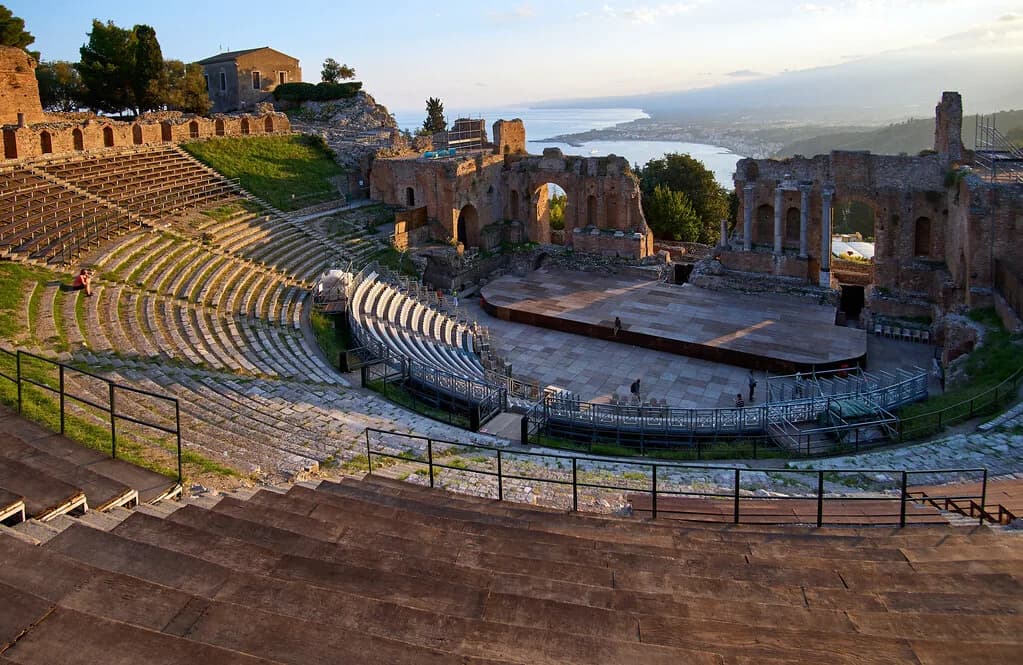
The Greek Theatre is a separate, ticketed archaeological site, and its full, reduced and free categories are published by those who administer it. Prices, free first Sundays and holiday concessions can change, so check the current notice before you go rather than assuming a figure from an older guide.
Day Trips Without a Car
Etna tours typically collect guests from Taormina and handle the driving and licensed guiding. Boat trips leave from Mazzarò and from the port at Giardini Naxos, giving you the coastline and sea caves from the water.
Both are bookable without a car, which makes them a sensible use of a short stay. Confirm pickup points and weather-dependent cancellation terms when you book.
Practical Pitfalls to Plan Around
Summer heat is the biggest one: the climb between layers is punishing at midday, and shade on the upper paths is scarce. Beach shoes for the pebble coves, a refillable bottle and an early start solve most of it.
Luggage is the second. Cobbles, steps and slopes make wheeled cases awkward, so consider a transfer directly to your accommodation or a stay near the bus terminal for a single night.
Finally, treat all published times as changeable. The park authority notes that theatre opening hours can shift for museum needs, and the cable car switches between seasonal schedules, so a quick check the day before avoids wasted trips.
Where This Fits in a Wider Eastern Sicily Plan
Taormina works best as one link in a chain that includes Catania, Etna and the coast, with the train and bus network doing the heavy lifting between towns. Our Taormina Attractions hub collects guides to the individual sights so you can slot them into whatever time you have.
If crowds are a concern, timing matters as much as transport, and the guide to the best time to visit Taormina to avoid crowds covers seasonal trade-offs in more detail.
Plan Your Visit
Treat Taormina as three linked places — the hilltop centre, the coastal station and the Mazzarò seafront — and the logistics stop feeling like obstacles. Walk inside the gates, use the cable car or the steps for the sea, and leave the car outside the centre.
Confirm fares, hours and train times with the operators close to your date, since every figure here can change seasonally.
Frequently Asked Questions
Is Taormina a walkable town?
Yes, inside the historic centre. Corso Umberto and its side alleys are pedestrian and compact, but the terrain is stepped and sloped, so comfortable shoes matter. Reaching the beaches or the railway station is a separate journey by cable car, bus or taxi.
How do you get from Taormina down to the beach?
The cable car from Via Luigi Pirandello to Mazzarò is the quickest option, running every 15 minutes with seasonal hours published by the operator. You can also walk down the steps from the viewpoint in about half an hour, though the climb back up is tough in summer heat.
Is the Taormina cable car free?
No. ASM Taormina publishes separate one-way, return and pass fares for visitors and non-residents, distinct from resident rates. Check the operator's page for current prices and seasonal hours before you travel, as promotions and schedules can change.
Do you need a car to visit Taormina?
Not at all. Buses and trains from Catania connect to the town and the coastal station, and guided Etna and boat trips run without a car. A car helps for wider Sicily but brings parking constraints, since the centre is closed to ordinary traffic.
Where do you park when visiting Taormina by car?
Use one of the paid lots outside the historic centre and continue on foot or by shuttle, since the centre itself is closed to traffic. Arrive early in high season, and read the tariffs at the barrier because they are set locally and change.
Sources
Continue exploring
More guides you'll find useful