Best Time to Visit Taormina to Avoid Crowds: A Season Guide
Plan Taormina around crowds, not just weather. Compare shoulder seasons with summer peaks, weigh beach days against town time, and time your days smartly.
On this page
Taormina sits on Sicily's east coast about an hour from Catania airport, close enough for a short stay and demanding enough of your planning that timing decides how much you actually enjoy it. The town's sights, its main pedestrian street and its evening ritual all happen up on the hill, while the swimming happens roughly two hundred metres below at Mazzarò and Isola Bella. That vertical split, more than the thermometer, is what makes crowd planning in Taormina a scheduling problem rather than a weather one.
The good news is that the quietest and most comfortable windows are well known: late spring and early autumn, when the sea is warm enough for most swimmers and the streets are not yet at summer capacity. The work is in matching those windows to your priorities, whether that is beach time, archaeology, or simply wandering the hidden gems in Taormina without a coach party at your shoulder.
Why Timing in Taormina Is Really a Crowd Decision
Taormina's appeal has always attracted visitors, from the Grand Tour onwards, and the town's compact historic centre concentrates them into a handful of lanes. One main pedestrian boulevard, a single large paid archaeological site and one cable car down to the sea absorb most of the day-trippers within a few hours. When those hours overlap with yours, the experience changes measurably, so choosing a season and a time of day matters more than choosing a hotel.
Duration is your first lever. Three to four days is plenty of time to see the town, walk the sights, visit Isola Bella, lounge at the beach clubs and eat well, according to one long-form travel guide, which is a useful benchmark rather than an official figure. If you have less, the crowd question becomes urgent because you cannot simply shift a sight to tomorrow. Compressing everything into a single day is possible, and a Taormina one day itinerary shows how, but it leaves almost no slack for queues.
The second lever is season. Shoulder months and the summer peak differ less in what is open than in how many people are competing for the same pavement, the same cable-car cabin and the same restaurant table. Winter changes the equation again: some businesses shutter and swimming becomes a cold-water choice rather than a default.
Shoulder Season in Practice: Spring and Early Autumn
Spring and early summer are the classic answer for travellers who want comfort without forfeiting warmth. One seasonal guide describes April to June as pleasant, with fewer crowds, wildflowers on the hillsides and water that is refreshing rather than cold, giving indicative sea temperatures of roughly 18 to 22 degrees Celsius. Late April to early June is singled out elsewhere as a stretch of verdant landscapes, comfortable temperatures and thinner crowds, which makes it a sensible first choice if your dates are flexible.
Autumn is the mirror image, and for many visitors the better one. September and October bring the crowds down while the sea stays warm, with indicative water temperatures in the 23 to 26 degree range in early autumn. One Taormina guide calls September particularly lovely and notes that October can be hit and miss with the weather, so if you want the shoulder without the gamble, aim earlier in the autumn window rather than later.
Treat all water temperatures as planning aids rather than measurements. They tell you whether to pack a wetsuit top for longer swims or simply a towel, not what any given day will do. Air temperatures in the same guides are described in broad ranges, so build flexibility into a spring or autumn trip and keep a wet-weather alternative such as a long lunch or a museum visit in reserve.
Peak Summer in Taormina: What Gets Harder
July and August deliver the most reliable sun, the longest days and the warmest sea, and the highest demand on everything else. One guide is blunt that June to August is the busiest and most expensive stretch, with hotel prices peaking especially in July and August, and advises booking lodging months ahead before selection drops. The trade-off is explicit: you are buying weather with crowding.
On the ground, that crowding shows up in specific places. The stretch of coast immediately below town is pebble, not sand, and the most photographed beach fills early; one beach guide recommends arriving before 9am for space on the beach and quieter water, and describes midday in July and August at Isola Bella as extremely crowded. Queues also form at the cable car at both ends during peak hours, roughly mid-morning and late afternoon, according to the same guide.
The practical summer strategy is to invert the usual rhythm. Do your walking and ticketed sightseeing early, retreat to the water or a shaded terrace through the middle of the day, and return to the streets in the evening when the heat and the day-trippers both ease. Book dinner tables in summer rather than hoping to walk in, and treat any beach club you have your heart set on as something to arrange in advance.
Winter in Taormina: The Quiet Trade-Off
November to March is genuinely quiet, and one travel guide advises avoiding this window for beach-oriented trips because it is too cold to swim and some businesses close for winter. What you gain is space: the reserve and the beaches empty out, and the historic centre is easier to explore at leisure. What you lose is the seaside version of Taormina entirely.
Indicative winter sea temperatures sit around 15 to 17 degrees Celsius, which is bracing rather than inviting for most swimmers. Winter is therefore the season for the town itself: churches, the archaeological site, long lunches, and the panoramic terraces that stay free and open. If your priority is atmosphere rather than swimming, the off season can be the most rewarding time, provided you accept shorter days and check what is operating before you build a plan around it.
Reliability matters more in winter than in summer. The cable car, for example, typically has a scheduled maintenance closure of a few weeks in winter, and its winter hours are shorter than in summer, according to one practical guide to the lift. Confirm service and hours with the operator before you rely on them, and keep a taxi or bus plan in reserve for the evenings.
Time of Day: Mornings for the Town, Evenings for the Passeggiata
Taormina's main pedestrian street, the Corso Umberto, is the spine of any visit, and its character changes hour by hour. It runs for almost a kilometre between two old gateways, lined with boutiques, bars, fountains, restaurants and gelato shops, divided roughly in half by Piazza IX Aprile. It is busiest in the summer months, and the evening passeggiata, when bars spill onto the pavement and the square fills, is the liveliest and most atmospheric time to be there.
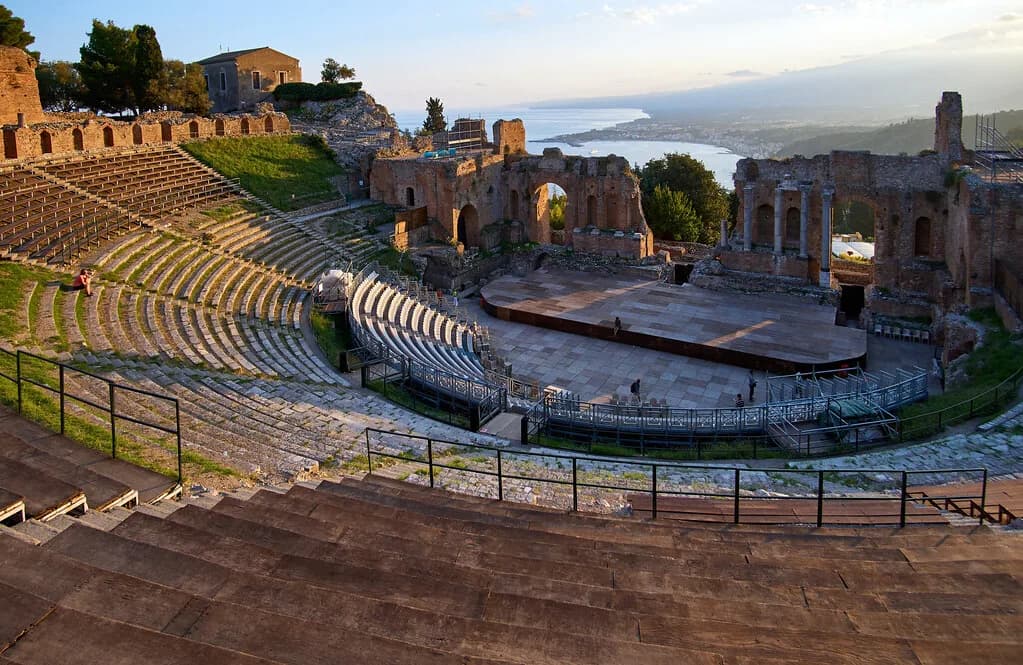
Mornings are for the things that reward empty space: the archaeology, the viewpoints, the quiet side lanes. The Greek Theatre is a paid, ticketed site, so it deserves to be booked and visited when you are fresh rather than squeezed between lunch and a beach transfer. Opening hours vary by period, so check the site's official notices before you go rather than trusting a remembered schedule.
Late afternoon is the sweet spot for most people, when the light softens, the day-trippers thin and the town settles into its evening mood. Pair it with a viewpoint rather than a ticketed interior, and leave the interior visits for the morning. This simple split, interiors early, streets late, removes a surprising amount of friction from a short stay.
Town Versus Sea Level: Where You Stay Reframes Everything
Most Taormina hotels sit either in the main town or down at Mazzarò near the beaches, and the two are not close to one another. One travel guide puts it plainly: from the town the coast is a roughly fifteen-minute drive or a trip down on the local lift, and from Mazzarò the town is the same journey back up. Choosing between them is the single biggest crowd decision you will make, because it determines which queue you join every day.
Staying in the centre puts the sights, bars, restaurants and shops within walking distance and makes the evening passeggiata effortless, but it puts the sea a mechanical ride away. Staying in Mazzarò reverses that, with the beach on your doorstep and the town requiring a planned ascent. If you are travelling primarily for swimming, the coastal base wins; if you are here for the town, staying uphill wins on every count. Our guide to Taormina neighbourhoods and where to stay breaks down the trade-offs further.
A third option softens the split: staying in a quieter coastal village and using public transport to reach both. Buses connect the town to the coastal strip throughout the day, and the rail station sits at sea level rather than in the centre, which makes Stazione di Taormina-Giardini a useful anchor if you plan to combine the coast with Catania or further along the Ionian shore.
The Cable Car as Your Real Scheduling Constraint
The lift between Via Pirandello in the town and Mazzarò below is the fastest way to the sea, and in high season it is also a bottleneck. One practical guide reports the ride itself takes about two minutes but that cabins arrive roughly every fifteen minutes, with queues of fifteen to thirty minutes at peak times, so door-to-door you should budget closer to forty minutes including the walk to the beach. Fares differ between sources and change by season, so check current prices with the operator rather than trusting a figure quoted in a blog.
There is a free alternative for anyone with functioning knees: a historic stairway runs parallel to the lift, taking roughly thirty minutes downhill and forty-five minutes back up. It is not suitable for people with knee trouble, older travellers or anyone pushing a stroller, and the climb in summer heat should be taken seriously, but descending on foot in the morning and riding back up in the evening is a genuinely pleasant way to avoid the worst queues.
If the lift is closed, whether for maintenance, wind or a breakdown, fall back on a local bus, a taxi agreed before you get in, or the stairs. Do not count on the last evening run if you need to be back in town for a fixed dinner booking, because a full cabin means waiting. Fares, hours and seasonal patterns all change, so confirm the day's service with the operator and keep small cash for a taxi as insurance.
What You Pay For at Peak Versus Shoulder
Summer costs more across the board, from accommodation to beach clubs, and the premium buys weather rather than exclusivity. Shoulder months offer a better balance of price and experience, and a September visit in particular tends to combine warm sea, lighter demand and prices that have not yet climbed to the summer ceiling. If you can move your trip by a couple of weeks, this is where the savings and the calm both live.
Set your own budget priorities before you book. A beach club with sun beds and service is a paid and sometimes pricey convenience, while free stretches exist on several of the beaches below town. The town's archaeology is ticketed, its gardens are free, and your money is best spent on the thing you would regret missing rather than spread evenly across everything.
One distinction worth carrying into your planning is between free public spaces and paid interiors. Villa Comunale, also known as Parco Trevelyan, has free admission, and one Italian gardens association lists seasonal opening hours that run from morning to midnight in summer and morning to evening in winter, with the caveat that these are set by the managing body and can change. Check before you build an afternoon around the closing time.
Shoulder-Season Day Planning: Ticketed Sites and Free Gardens
A well-built shoulder-season day pairs one ticketed interior with free outdoor space and a long lunch. Start with the archaeological site in the morning when the light is good and the tour groups have not yet accumulated, then walk the Corso and drop into the free gardens in the late afternoon before sunset. That rhythm gives you the paid highlight without standing in the worst of the heat or the worst of the crowd.
If you have a second day, use it for the sea and a hill village. Castelmola sits above Taormina on a natural terrace around the ruins of a Norman castle, with views that sweep from the Ionian coast to Mount Etna, and it is reachable by bus or on foot for the energetic. Go early, because the village square is small and the views are the whole point.
Spread the walking across two or three gentler days and you will see more without hurrying. A two day itinerary that separates town from coast is a realistic template for a short trip, and it gives you a fallback day if weather or crowds turn one plan sour.
Three Crowd-Avoidance Rules for a Short Stay
First, go early and go high. Book the ticketed site for opening time, walk the Corso before the shops fully open, and take the view from Piazza IX Aprile while the square is still calm. The morning hours are the cheapest crowd insurance you can buy, and they leave the afternoon free for the sea or a slow lunch.
Second, treat the cable car as a timed appointment rather than an afterthought. Descend before mid-morning or after mid-afternoon, come back up before the late-afternoon rush or after dinner if service allows, and know the walking alternative before you need it. Fares and hours change with the season, so confirm both with the operator on the day, not from a screenshot.
Third, keep one free, flexible option in your pocket for every paid plan. The public gardens cost nothing, the viewpoints are free, and the backstreets reward aimless wandering when a booking falls through or the weather turns. That kind of buffer turns a crowded day into a manageable one.
How Many Days You Actually Need
Three to four days is a sensible target if you want to see the town, walk the sights, visit the little island and spend time at the beach without rushing. Add a day if you want a hill village or a day trip, and subtract one if you are content with a single archaeological visit and a lot of gelato. The question is not whether three days is too much, but what you are willing to leave out. Further visitor details appear in Taormina, Sicily: Travel Guide to the Pearl of the Ionian Sea.
If you only have one day, accept that it will be a highlights run and plan it tightly around the morning. If you have two, split town and coast. Anything beyond four days starts to feel unhurried in the best sense, with time to return to a favourite terrace and to notice the details that a rushed visit misses.
What This Guide Deliberately Does Not Claim
Some things change too often to state with confidence. Cable-car fares differ between sources and by season, so this guide points you to the operator instead of quoting a figure. The archaeological site's hours shift with the period and with events, museum and reserve opening arrangements vary, and festival programming is announced and revised year by year.
Cruise-ship arrivals and coach schedules are real crowd drivers, but they are not reliably published in advance and they shift with the season, so no honest guide can tell you that a specific morning will be quiet. The practical response is to front-load your day, keep a flexible second option, and check the official pages for the site and the lift the week you travel.
Plan Your Visit
Taormina rewards travellers who choose their season and their hours rather than simply their hotel. Aim for late spring or early autumn if you want warm sea and thinner streets, accept summer knowingly if sun is the priority, and treat winter as a town trip rather than a beach one. Then structure each day around the two things you cannot move: the opening time of the site you most want to see, and the lift down to the water.
Decide where you sleep before you book anything else, because the town-and-sea split will shape every day of the trip. Keep one free option for every paid plan, confirm current fares and hours with the operators rather than from memory, and leave space in the schedule for the evening passeggiata, which is the one Taormina experience that costs nothing and improves with company.
Frequently Asked Questions
What is the best month to visit Taormina with fewer crowds?
Late April to early June and September into early October are the usual sweet spots, with comfortable temperatures, warmer sea in autumn and noticeably thinner streets than July and August. October can be less reliable for weather, so earlier in the autumn window is safer if swimming matters to you.
Is three days in Taormina too much?
No. Three to four days is a reasonable allowance for the town's sights, a beach day and a relaxed pace, and it leaves room for a hill village or a day trip. If you only want a single archaeological visit and some wandering, two days would be enough.
Do you need a car in Taormina, or is the cable car enough?
For the town and the beaches immediately below, you do not need a car. The lift connects the centre to Mazzarò, a stairway offers a free walking alternative, and buses serve the wider coast. A car is only useful for day trips beyond the town, and parking in the centre is restricted and best avoided.
Is Taormina worth visiting in winter, and what is open?
Winter is quiet and atmospheric, with the town's churches, streets and free gardens available and far fewer visitors, but the sea is too cold for most swimmers and some seaside businesses close. Check the lift's winter hours and any scheduled maintenance before you rely on it.
Should you stay in Taormina town or down in Mazzarò?
Stay in the town if the sights, restaurants and evening passeggiata are your priority, since everything is walkable. Stay in Mazzarò if you want the beach on your doorstep and do not mind riding or walking up to the centre whenever you want the town.
How do you avoid cable car queues in high season?
Travel down before mid-morning or after the mid-afternoon peak and come back up before the late-afternoon rush or after dinner, if service is still running. The free stairway is a genuine alternative downhill and a demanding one uphill, and it is not suitable for people with knee problems or strollers.
Is Taormina better than Palermo for a first Sicily trip?
They answer different questions. Taormina is compact, scenic and easy on foot, which suits a short first visit built around views, beaches and ancient sites, while Palermo is a large city with a very different energy. For a first trip focused on the Ionian coast and Mount Etna, Taormina is the simpler base.
Sources
- Taormina, Sicily: Travel Guide to the Pearl of the Ionian Sea
- Best Time to Visit Isola Bella | Seasonal Guide
- Official event website
- What is the best month to visit Taormina and the Sicilian ...
- Castelmola - Visit Sicily
- Villa Comunale 'Parco Trevelyan' | Grandi Giardini Italiani
- Mazzarò Cable Car - Taormina - ASM Taormina
- Taormina Beaches: The Complete Guide to Every Beach Near Taormina - Mirasicily
- Taormina-Mazzarò Cable Car: prices, hours,… · MyTaormina
Continue exploring
More guides you'll find useful