Taormina Two Day Itinerary: Town First, Then Etna or the Coast
Plan two days in Taormina by splitting the historic centre and Greek Theatre from a second day on Mount Etna or the beaches, with practical transport tips.
On this page
Taormina's main planning problem is vertical. The old town sits on a promontory roughly 700 feet above the Ionian Sea, with Mount Etna looming inland and the beaches of Mazzarò and Isola Bella directly below, so a two-day visit rewards you for splitting the days by geography rather than by ticking off sights.
Our suggestion, and not official guidance, is this: give day one to the historic centre and the Ancient Theatre, and give day two entirely to either the volcano or the coast, adding Castelmola only if the day runs short. Trying to fit Etna and the beach into the same second day usually means rushing both.
Day 1 Morning: Start at the Ancient Theatre Before the Heat and the Queue
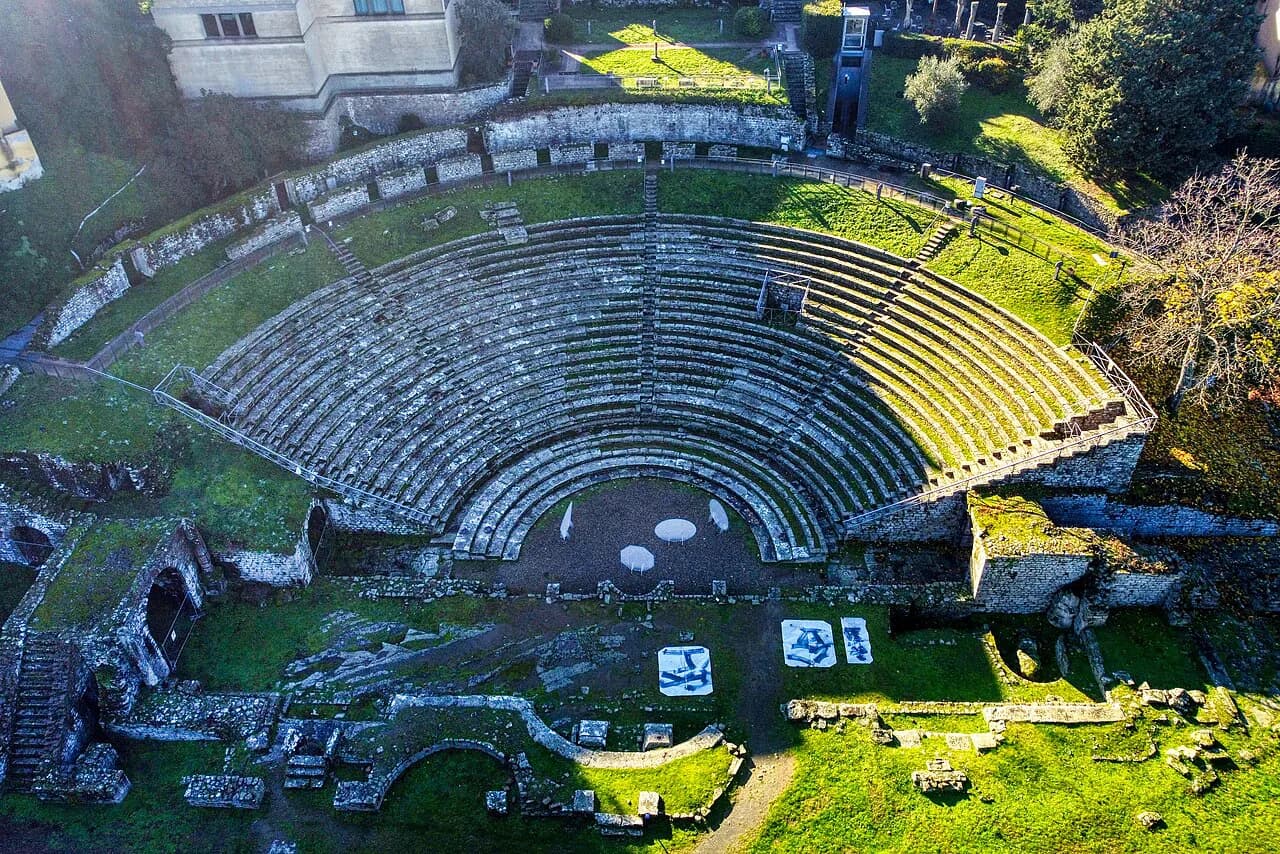
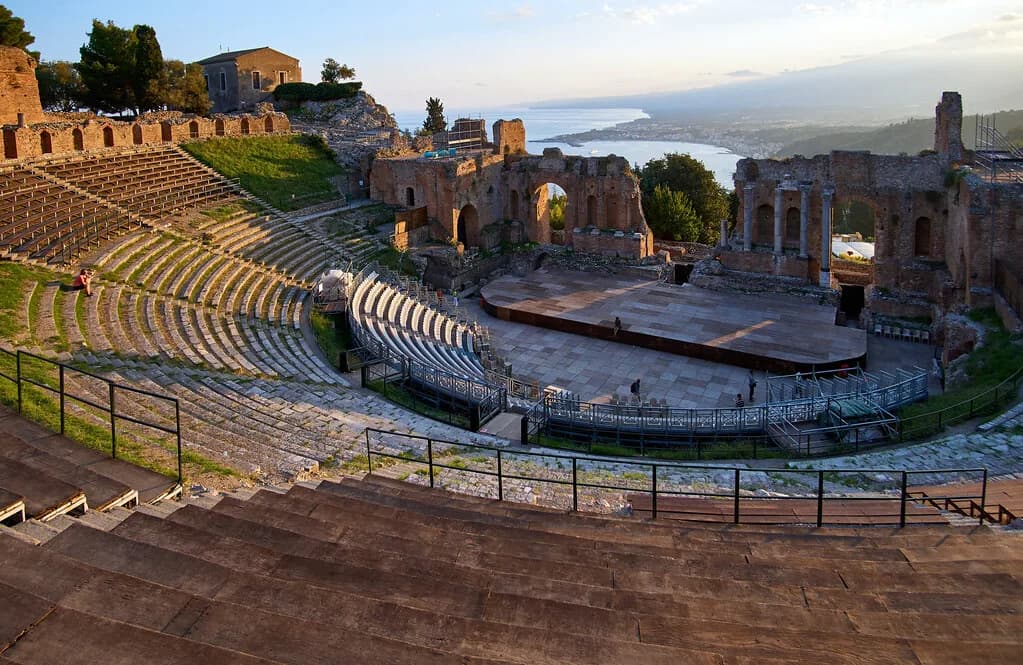
The theatre was built by the Greeks in the third century BC and sits on one of the highest points in town, so reaching the entrance at the end of Via Teatro Greco involves an uphill walk and a fair amount of stair climbing inside the site. Blog guides suggest starting here first thing, both to beat the heat and because the ticket line tends to build through the morning.
Allow roughly an hour for the visit, and pause at the belvedere beside the theatre for the view over the town with Etna behind it. Opening hours and ticket prices change between seasons, so confirm them on the official park page before you travel rather than relying on any blog figure.
Day 1 Late Morning: Corso Umberto, Piazza IX Aprile and the Free Sights
The pedestrian spine of the old town runs between Porta Messina and Porta Catania, lined with churches, small shops and side alleys. Two stops deserve unhurried time: Piazza IX Aprile, where the belvedere looks out over the coastline toward Etna, and the clock tower that frames the square.
Most of this stretch is free to walk, and the Duomo and the small Roman Odeon can be seen from street level; separate paid interiors from open public space when you plan your time. The side streets repay wandering, and the narrowest of them squeezes down to about a metre wide, which makes a good detour signposted on most town maps.
Day 1 Lunch and Afternoon: Garden, Viewpoint, or Downhill
After lunch, choose between the Villa Comunale and the coast. The public garden, created in the nineteenth century by Lady Florence Trevelyan, is free to enter and takes anywhere from half an hour to an hour to explore, with exotic planting, curious follies and views toward Etna.
If you want the classic photograph, walk out to the Belvedere di Via Pirandello for the view down over Isola Bella; it is a fair walk from the centre but worth it for the shot. Staying in town keeps the afternoon relaxed, while heading downhill eats into the evening, so decide before you set out.
Day 1 Evening: Aperitivo and Dinner in the Centre
Taormina has several rooftop bars, and the upscale ones overlooking Piazza IX Aprile fill up, so reserve ahead if a terrace seat matters to you. For dinner, treat every restaurant name you read as a suggestion rather than a ranking: menus, chefs and quality shift, and a place praised last year may have changed hands.
Day 2 Option A: Mount Etna as a Guided Day Trip
Etna is the most popular day trip from Taormina, and going with a guide removes the navigation problem on an active volcano. Tours generally fall into two shapes: a hiking-focused half day that reaches moderate altitude on craters and lava fields, or a food-and-wine version that pairs a short walk with tastings at a farm on the lower slopes.
Some itineraries add an optional cable car and 4x4 shuttle to climb higher; that is an extra rather than part of the basic walk, so check what a given tour actually includes before booking. Summer eruptions are common but Etna is closely monitored, and operators cancel or reroute when conditions are unsafe.
Day 2 Option B: The Coast by Cable Car, Mazzarò and Isola Bella
The simplest way down is the cable car, whose upper station sits just outside Porta Messina and which runs down to Mazzarò in a few minutes. Fares and frequency change, so check the operator's current information at the station or online before you rely on a figure you read elsewhere.
From the bottom station, Mazzarò beach is right there, and Isola Bella is a short walk along the coast. The islet connects to the shore by a thin sandy isthmus that is easiest to cross at low tide, and access to the nature reserve is ticketed, so check tide times and current entry arrangements before setting out.
If you would rather walk down than ride, a stairway from near the Belvedere di Via Pirandello descends toward the beach in under a kilometre; it is partly shaded, so avoid the hottest midday hours. Beaches here are pebbly, so bring suitable footwear.
Day 2 Option C: A Castelmola Half-Day
Castelmola is a small hill village about four kilometres above Taormina, reachable on foot in around three quarters of an hour or by a short bus or car ride. Its cobbled lanes, the mother church and the views back over the Ionian coast make it a sensible half-day rather than a full one.
Keep Castelmola flexible: slot it into a coast day if the beach runs short, or drop it if Etna returns late. Do not try to combine it with the theatre and a full beach afternoon in a single day.
Where to Base Yourself for 48 Hours
Staying in the historic centre puts the theatre, Corso Umberto and the evening terraces on your doorstep, but every beach trip costs you a cable car ride or a walk downhill and back. Staying near the sea at Mazzarò or Isola Bella flips that equation, but you will ride up for dinner and the old town.
For a first visit with only two days, the centre usually wins, because day one is almost entirely a walking day. Budget-minded travellers sometimes base themselves in Giardini Naxos or Letojanni along the coast, trading atmosphere and convenience for lower room rates.
Ticket Sequencing and What to Book Early
Think in three tiers. Streets, piazzas and the Villa Comunale garden are free; the Ancient Theatre is ticketed and worth buying ahead in peak season to skip the line; the Castello di Taormina above town is also paid, and its opening hours should be confirmed before you climb.
Blog posts go stale on prices and hours, so treat any figure as a prompt to check the official site. If you plan the Castello and Chiesa Madonna della Rocca climb, note that the castle opens later in the morning than the church path, and that the stairway has no shade.
What to Defer to a Third Day
The Alcantara Gorges, the Etna wine region and Godfather-location tours each deserve a day of their own; squeezing them into a two-day trip means shortchanging the town. With a third day, pick one excursion and keep the rest of the day slow.
With a fourth day, add Catania or Syracuse as a day trip; both are straightforward by train or bus from the coast below Taormina. The town rewards an unhurried morning more than another rushed stop.
Practical Transport: Buses, Trains and the Traffic-Free Centre
Buses from Catania stop on Via Pirandello, a short walk from the historic centre, while trains arrive at Taormina-Giardini station below town and connect onward by shuttle bus. Schedules and fares change, so check the operator's site on the day you travel.
The centre is closed to traffic, so drivers must leave cars in paid lots outside and take a shuttle in; arrive early to find a space in high season. If you are not continuing around Sicily, a rental car is often more trouble than it is worth in Taormina.
When to Go and What Two Days Feels Like
Mid-spring and mid-autumn offer pleasant weather with lighter crowds than high summer, when heat and visitor numbers both peak. Winter is quieter and cheaper but chillier and wetter, with some hotels and restaurants closed for the season.
In summer, two days feels fuller because the heat slows the walking; in shoulder season you can fit a beach afternoon and a long dinner without rushing. Plan the theatre climb for early morning in every season.
Plan Your Visit
Two days is enough to see Taormina properly if you resist the urge to combine the town, Etna and the coast in one sweep. Day one stays on the hilltop; day two heads either up the volcano or down to the water, with Castelmola as a flexible extra.
Buy theatre tickets ahead in peak season, bring water for the stair climbs, and confirm cable car fares, castle openings and tour inclusions on official pages close to your travel date. Every restaurant and timetable detail here is a starting point, not a guarantee.
Frequently Asked Questions
How many days do you need in Taormina?
Two days covers the theatre, the historic centre, the public garden and either Etna or the beach. Add a third day if you want a wine-region tour, the Alcantara Gorges or a day trip to Catania.
Can you do Mount Etna and the beach in the same two-day trip?
Only by rushing. Etna tours usually run half a day or more including transfers, and beach time plus the cable car eats an afternoon, so assign each to its own part of the itinerary.
Is Taormina worth two nights or just a day trip?
Two nights is the sweet spot: you get the theatre before the crowds, a relaxed evening in the centre and a full second day for Etna or the coast. A day trip only covers the highlights.
What should you add with a third day in Taormina?
Choose one: the Etna wine region, the Alcantara Gorges or a day trip to Catania or Syracuse. Each needs most of a day, so do not try to stack them.
Do you need a car in Taormina?
No. The centre is walkable, the cable car reaches the beach, and buses and trains connect to Catania and Messina. Parking outside the centre is paid and limited in high season.
Sources
Continue exploring
More guides you'll find useful