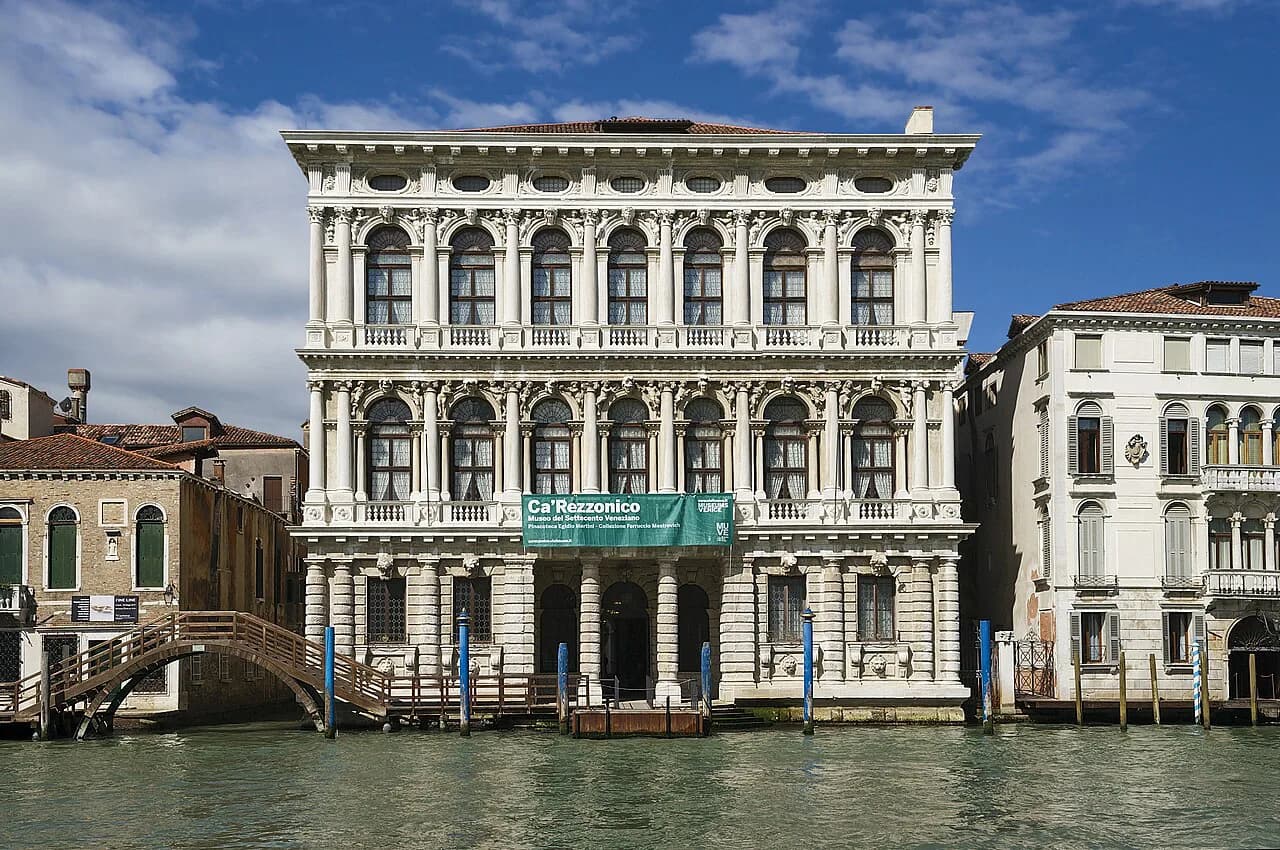
Castelmola Day Trip from Taormina: Views, Village and the Climb
Plan a Castelmola day trip from Taormina: belvedere views, Norman castle ruins, Piazza Sant'Antonio, Bar Turrisi and almond wine, plus bus or hike.
On this page
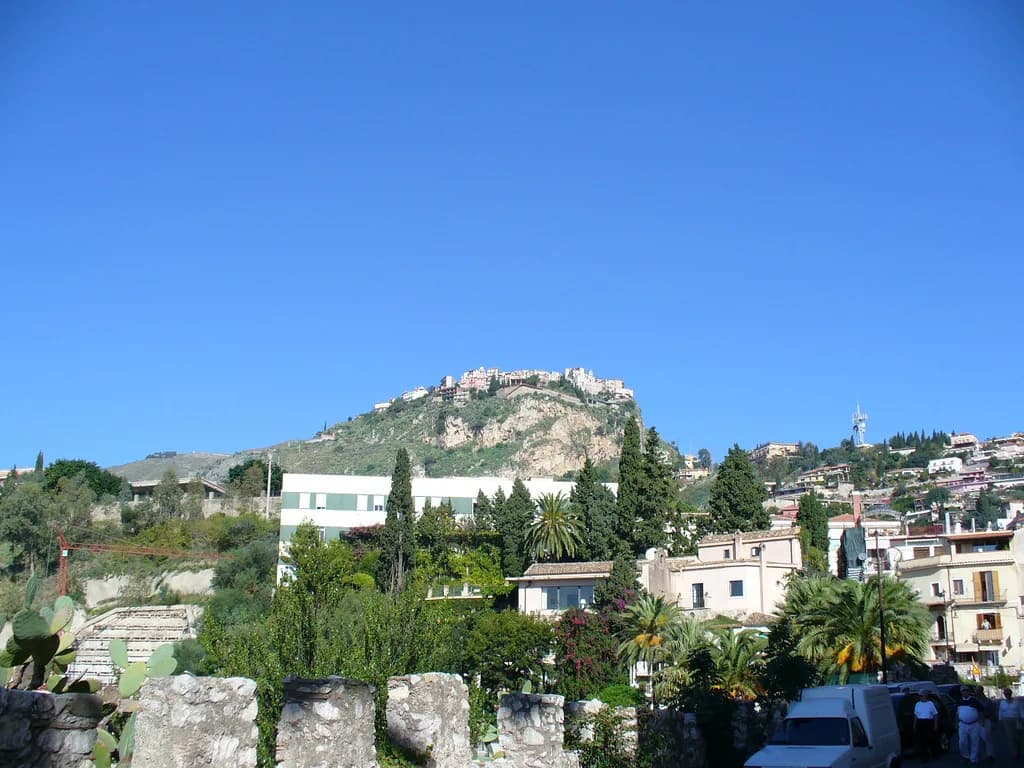
Castelmola is the kind of outing that fits neatly between a Taormina morning and a Taormina dinner. The village perches on a natural terrace above the coast, and from its high points you can take in the Ionian Sea, Mount Etna, the gulf of Giardini Naxos and, on a clear day, the Straits of Messina. That combination of a short trip and a big payoff is why it works so well as a half-day add-on rather than a separate journey.
Treat the suggested shapes in this guide as planning suggestions, not official timetables. Confirm bus lines, schedules, fares and any opening hours directly with the bus operator and the Comune di Castelmola before you set out. As a suggested shape, allow roughly half a day for the village itself. What you can plan around is its structure: a compact historic centre, a belvedere, a handful of distinctive churches and two memorable bars.
Orientation: Where Castelmola Sits
Castelmola occupies a ridge position directly above Taormina, with Giardini Naxos and the coast below and Etna filling the horizon beyond. Visit Sicily describes the village as a natural terrace built around the ruins of a Norman castle, and the shape of that site is what gave the place its name: a contraction of castle and mola, the millstone-like form the settlement took over time. Understanding that geography helps you plan, because almost everything in the village is reached on foot and most of it is uphill from wherever you arrive.
The historic centre is small enough to cross in minutes, which means the real decisions are about elevation rather than distance. The main street, Via De Gasperi, threads past small shops selling lace, embroidery and souvenirs, while the principal squares sit at different heights. If you are working from a broader list of things to do, the Taormina Attractions hub is a useful companion for deciding how much of your day to give to Castelmola and how much to keep for Taormina itself.
Getting There: Bus or On Foot
There are two realistic ways up from Taormina: a bus or your own legs. The bus removes the effort and the weather risk but ties you to someone else's timetable; the walk gives you flexibility and a sense of the climb but demands more time and reasonable fitness. Line numbers, schedules, journey times and fares are not stated in the sources used here, so check the operator's published information on the day you plan to travel rather than relying on older trip reports.
A traveller's account of the bus from Taormina's bus station describes a ride of roughly an hour and a one-way fare of a couple of euros, and mentions a walking alternative of two to three hours. Treat those figures as one person's experience on one day, not as current published service data, and verify both the fare and the frequency before committing. The same post notes that the walk is only sensible if you trust your legs, which is the honest framing: it is a climb, and no accessibility or safety details for the route are published in the sources used here.
Guided day tours also exist that combine Castelmola with Taormina, typically departing from Messina and including transport, a guide and a short stop in the village. One commercial listing shows a six-hour shared group format with about an hour allocated to Castelmola, and lists prices that vary by group size and date. Those figures are third-party and dated, so treat them as a rough shape of the offer rather than a quote, and confirm inclusions such as food, drinks and theatre entrance directly with the operator.
Piazza Sant'Antonio and the Village Entrance
Historically, entry to the village came through a gate cut into the rock at the base of a flight of white lava stone steps; after the gate in front of the castle was moved in 1927, the entrance shifted to an ancient arch at the top of a limestone stairway above Piazza S. Antonino. That arch now stands alone as a medieval remnant looking over the square. Approaching from below, it gives the arrival a sense of ceremony that a car park never would.
The square itself is laid out in white lava stone, edged with shaded, tree-lined paving, and it opens onto a belvedere with a direct view back to Taormina. Facing the square is the church of St. Anthony, which now serves as a municipal auditorium — worth knowing, so you are not surprised to find a performance space where you expected a parish church. A few steps away, the doorway of Casa Sterrantino is one of the quieter architectural details to look for.
Bar Turrisi and the Village's Playful Side
Along Via De Gasperi you will come to Bar Turrisi, which displays wooden, earthenware and ceramic phalluses as a sign of abundance and good luck in keeping with an older Hellenic tradition. Sicily frequently sets the sacred and the profane side by side, and this bar is a very literal example. It is presented in the village's own travel literature as a tradition rather than a novelty, which is the useful context for deciding whether it belongs in your day.
If you are travelling with children, with someone easily embarrassed, or with a companion who prefers their aperitivo unadorned, look at photographs beforehand and decide together. Choosing a different bar is not a loss in a village this small, because the lanes around it hold shops, viewpoints and church doorways within a few minutes' walk. Think of Bar Turrisi as an optional stop with a distinctive theme rather than a compulsory item on the itinerary.
Almond Wine and the Village's Signature Taste
On the same square as the church of St. Anthony stands the historic Caffè S. Giorgio, founded by monks in the 18th century. Its particular fame rests on almond wine: a drink made with almonds and orange essence, offered by a former owner, Don Vincenzo Blandano, as a welcome to arriving guests and probably invented by him. The bar also keeps a diary of signatures from notable visitors stretching back to 1907.
Beyond the wine, the village has a small repertoire of sweets worth seeking out: chilled almonds coated in sugar, fig mustard and cactus fruit. These are the kind of purchases that suit a slow afternoon, when the point is to sit with something local rather than to tick off another sight. Ask what is in season and expect simple, produce-led flavours rather than elaborate pastry work.
The Norman Castle Remains and the Walk Up
All that survives of the fortress is the Norman walls, but the position is the attraction. A tenth-century plaque with Greek-Byzantine engravings on the cathedral façade records that the castle was built under Constantine, patrician and strategist of Sicily, most likely Costantino Caramalo, who defended the area against Arab attacks in the ninth century. The castle's importance is historically documented not only in the Middle Ages but also during the wars between the French and the Spanish.
Climbing to the ruins adds elevation and a broader sweep of the coast and Etna, so budget for it as a distinct leg rather than an incidental detour. One visitor describes the castle as a few steps above the village and an easy half-hour hike, but that is a personal estimate. Opening arrangements, admission and site conditions at the castle are not published in the sources used here, so decide on the day based on the weather and your energy, and ask locally if access is unclear.
Churches and Smaller Corners
Piazza Duomo holds the Chiesa Madre, and from its entrance on the square side you can see both Mount Etna and the gulf of Naxos. Inside, the building shows layers of different periods, with later forms encroaching on Romanesque and Gothic features, four marble altars, a fine pulpit and a wooden statue of Mary Magdalene from the school of Bagnasco. It is the kind of interior where ten minutes of looking beats a hurried photograph.
Elsewhere in the village, the small church of S. Biagio may be the oldest in town, founded after St. Pancras arrived in Taormina on his evangelising mission; its eighteenth-century fresco is the feature to look for. The ancient Porta Saraceni and the water cisterns dated to 367 BC are the other fragments that reward a wander off the main street. Opening hours for any of these interiors are not published in the sources used here, so treat a closed door as normal and try again later in the day. Further visitor details appear in Castelmola - Visit Sicily.
Monte Veneretta for Walkers
Above Castelmola, Monte Veneretta reaches 884 metres and forms the top step of a natural staircase that runs from Giardini Naxos through Taormina and Monte Tauro to the village itself. The name probably comes from the cult of the goddess of love once honoured by the Siceliots, the Greeks of Sicily. The path is bare, highly panoramic and popular with paragliders, and from the summit you can pick out the village centre, the Arab castle and Taormina's Greek theatre.
This extension only makes sense if you already have comfortable footwear and the day is clear and settled. The sources used here do not describe the path's condition, signage, accessibility or difficulty in detail, so treat it as an informal walk and get current advice locally before setting off. If you want a contrasting city sight on another day, the Teatro Antico di Taormina visitor guide explains the theatre you will spot from the summit.
A Suggested Half-Day, or a Slower One
For a half-day, aim to arrive mid-morning, walk the main street from the arch down towards Piazza Duomo, spend time in Piazza S. Antonino and its belvedere, and finish with almond wine or a sweet before heading back down. This version keeps the walking gentle and leaves the castle and Monte Veneretta for another visit. It also leaves you the afternoon in Taormina, which suits a one day itinerary that has to cover both places.
The slower version takes the whole day: village lanes, the churches, a proper meal, the climb to the castle and, if conditions are good, the walk up to Monte Veneretta. That pace is worth it if you want the views at different hours and are prepared for repeated uphill sections. Either way, keep the return leg flexible, because your bus timing is the one thing you cannot control from the village square.
What to Skip or Defer
If your Taormina time is short, the honest trade-off is between Castelmola's viewpoints and Taormina's own dense sightseeing. The Greek theatre, the Corso Umberto and the gardens all compete for the same hours, so a quick Castelmola stop only makes sense if the panoramic square is your priority. For more overlooked corners in the base town, the hidden gems in Taormina guide covers quieter alternatives that need no bus.
If it rains or visibility closes in, the whole point of the outing weakens, because the views are the attraction and the village is compact. Defer Castelmola and use the day for covered sights in Taormina instead, then return when the forecast is clear. Another option is to swap the mountain for the water and consult the Isola Bella Taormina beach and nature reserve guide for a coastal alternative.
Plan Your Visit
Castelmola rewards a simple plan: confirm your transport with the operator, arrive with the arch and belvedere as your first stops, and let the extra climbs depend on weather and energy. Because schedules, fares and opening arrangements change and are not published in the sources used here, verify them with the Comune di Castelmola and the bus operator rather than trusting a blog post from a previous season.
Build the day around a single fixed point — a bus time, a lunch booking or a tour departure — and treat everything else as flexible. That way a closed church door or a slow descent does not spoil the outing, and you still get the thing Castelmola does best: a wide, unhurried view over the coast and the volcano.
Frequently Asked Questions
Is Castelmola worth visiting on a day trip from Taormina?
Yes, if panoramic views, a compact historic centre and a distinctive local food culture appeal to you. The village sits on a natural terrace above Taormina with views towards Etna, the gulf of Giardini Naxos and the coast, and it is small enough to explore on foot in a few hours. It is a well-known destination rather than a hidden one, so expect company in high season and plan around the middle of the day.
How long is the walk from Taormina to Castelmola?
One traveller reports a two-to-three-hour walk, but that is a personal estimate rather than published route information, and no accessibility or safety details are published in the sources used here. Treat the climb as a real hike requiring time, water and suitable footwear, and ask locally before setting out. If you want certainty, the bus removes the walking question entirely, though you must check its current schedule with the operator.
Can you take a bus from Taormina to Castelmola?
A bus service is the standard alternative to walking, and one visitor account describes a ride of roughly an hour with a low one-way fare. Those details come from a single trip report and may not reflect the current service, so confirm line number, timetable and fare with the operator before you rely on them. Also check the last return departure, since that governs how long you can stay in the village.
What is there to see in Castelmola village?
The core sights are compact: the medieval arch above Piazza S. Antonino, the lava-stone square and its belvedere looking back to Taormina, the church of St. Anthony now used as an auditorium, the Chiesa Madre at Piazza Duomo and the remains of the Norman castle walls above the village. Smaller corners include the church of S. Biagio, the Porta Saraceni and ancient cisterns. Opening arrangements for interiors are not published in the sources used here, so check locally.
What is almond wine and where can you try it?
Almond wine is Castelmola's signature drink, made with almonds and orange essence and associated with Caffè S. Giorgio, a historic bar on the village square founded by monks in the 18th century. It was reportedly offered to arriving guests as a welcome and probably invented by a former owner. Pair it with the village sweets such as sugar-coated chilled almonds, fig mustard or cactus fruit.
Is Bar Turrisi suitable for families?
Bar Turrisi displays phallic objects in wood, earthenware and ceramic as a traditional sign of abundance and good luck, so it is not a neutral stop for every group. Look at photographs in advance and decide with your travelling companions, especially if children or easily embarrassed relatives are along. Plenty of other bars and cafés in the village serve the same views without the theme.
Sources
Continue exploring
More guides you'll find useful