Hidden Gems in Agrigento: Lesser-Known Places Beyond the Temples
Look beyond the temples with this guide to quieter Agrigento, from the Kolymbethra Garden and medieval lanes to San Leone and the white cliffs of Punta Bianca.
On this page
Most visitors treat Agrigento as a single stop: arrive, walk the temples, leave. That plan misses a layer of the city that is quieter but no less rewarding, from a citrus garden tucked inside the archaeological area to stone lanes, a museum hill and a white-cliff coast. This guide sets out the lesser-known places worth building time around, with practical context so you can decide what fits.
One concrete starting point: the Giardino della Kolymbethra sits within the Valley of the Temples archaeological area, an irrigated garden of citrus, olive and almond trees that is easy to walk past when you are fixed on the temples. It is a separate ticketed experience rather than something bundled into every temple visit, so check current access and pricing with the site before you rely on it.
Treat the suggestions here as a menu, not a checklist. If your time is short, pick one or two additions rather than trying to cover the whole city, and use the walking and itinerary guides linked below to shape the order of your day.
What Counts as a Hidden Gem in Agrigento?
It helps to be honest about the word. Agrigento's headline sight draws crowds, and some of its supposedly obscure corners are simply the parts of the city that most temple-focused visitors skip. Quiet streets, a garden, a museum and a local beach are not secrets; they are places that reward anyone who gives them an afternoon.
A practical way to plan is to separate free public space from paid interiors. Wandering the historic centre, following stairways and sitting on the San Leone seafront cost nothing, while the archaeological museum and the Kolymbethra Garden are ticketed and have their own access rules. Neither grouping is better, but knowing which is which stops you from arriving at a paid site with the wrong expectation.
The source material describing garden entry fees and an add-on charge is undated, so do not treat those figures as current. Check the official ticket pages for the Valley of the Temples and the garden, and confirm whether combination tickets cover the museum, the garden or both before you buy.
Giardino della Kolymbethra: The Garden Inside the Archaeological Area
The Kolymbethra Garden is the most striking example of Agrigento's quieter layer because it sits inside the archaeological landscape itself. Citrus groves, prickly pear, almond trees and centuries-old olives grow above an ancient underground water system that once brought water to the surface, and traces of that hydraulic work can still be seen as you walk.
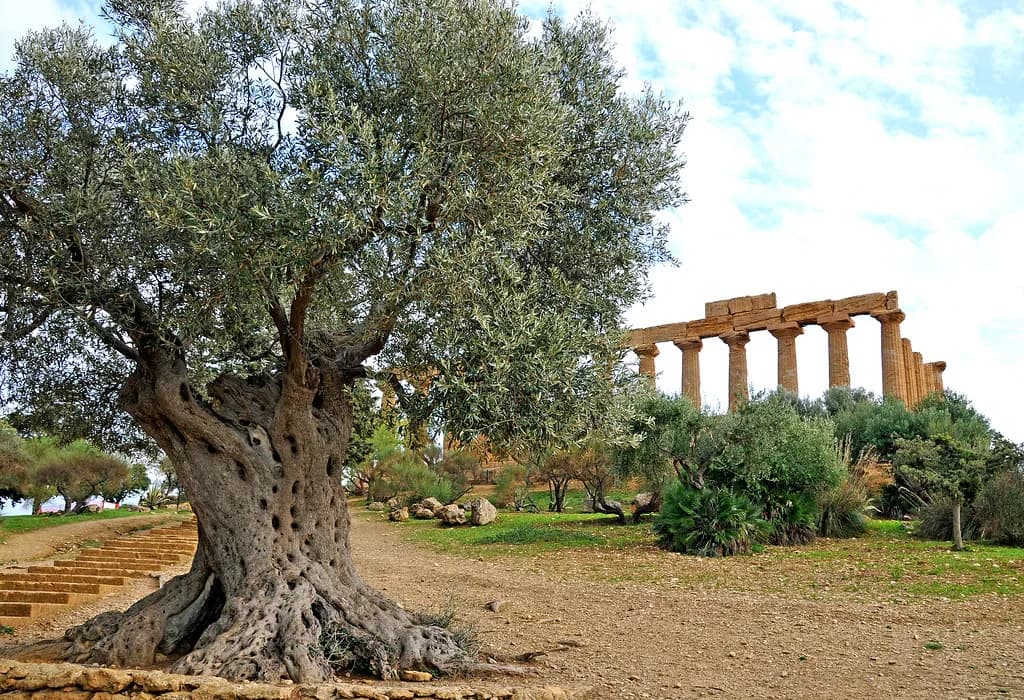
Because it lies within the temple complex, it is easy to bypass when you are moving between the Temple of Concordia and the ridge-top Temple of Juno. Walking the temples along the main path can take several hours on its own, and adding the garden and museum pushes that further, so decide in advance whether you want a temple-only visit or a slower one with detours.
Access conditions, seasonal opening patterns and whether entry is separate from the main archaeological ticket are all things to confirm with the site before visiting. The garden is typically described as open year-round with hours that vary by season, but verify current details rather than relying on a travel article from an earlier year.
If you only have one extra hour in the archaeological area, this is a strong candidate. Morning visits combine cooler temperatures with better light through the trees, and the garden's shade offers a pause between the exposed temple ridges, an especially welcome option in the warmer months.
The Museo Pietro Griffo and the Poggio di San Nicola Hill
The Regional Archaeological Museum Pietro Griffo occupies the Poggio di San Nicola, the hill where ancient Akragas had its agora. Its collection runs to thousands of artefacts covering the city's Greek and Roman phases and the wider province, which makes it the natural place to understand what you have just seen among the temples.
Nearby, the small Chiesa di San Nicola is often overlooked by visitors heading straight for the ruins. It mixes medieval and Baroque elements, has frescoes inside and a bell tower in local stone, and the quiet piazza outside is a reasonable spot to pause.
The decision worth making is whether to visit the museum before or after the temples. Before, it primes you to notice construction details, the mixing of Greek and later layers, and the objects that filled civic life. After, it answers the questions the ruins raise. Either order works; what rarely works is skipping it entirely and then wondering what the rubble once meant.
The museum is described as open all year, with a collection that includes material from the Valley of the Temples and the surrounding area. Confirm current opening days and ticket scope on the official regional museum pages, since seasonal schedules and combined tickets can change.
Torre Carlo V, Porta di Ponte and the Medieval Lanes
The historic centre is compact, cobbled and best explored on foot, with Via Atenea acting as the main thread linking its monuments and churches. Start near Porta di Ponte, the old gateway into the centre, and follow the alleys and stairways uphill through the Girgenti quarter rather than treating the centre as a single street.
Look for the Scalinata degli Artisti, a painted staircase that has become one of the most photogenic corners of the centre, and take time on the balconies and courtyards that branch off the main route. Torre Carlo V, a watchtower from the period of Spanish rule, adds a defensive-history stop with rooftop and distant coastal views.
Walking here is free, and the reward is atmosphere rather than ticketed attractions: artisan workshops, small cafes and sudden viewpoints over the surrounding hills. Comfortable shoes matter, because the centre rises and falls and some lanes turn into steps without warning.
Pair the lanes with the cathedral of San Gerlando and Piazza Purgatorio, and allow the walk to be unhurried. Restaurants and shops keep their own hours, so treat any single published schedule as a starting point rather than a promise. For wider planning, see Agrigento Old Town Walking Guide.
Churches, Monasteries and the Sweet Couscous Tradition
Beyond the cathedral, the Basilica di San Francesco and the church of San Pietro sit along the centre's wandering route, and the Santo Spirito monastery is worth seeking out for more than its architecture. The nuns there are associated with a distinctive local sweet couscous, a dessert version of the dish that surprises visitors expecting the savoury North African staple. For wider planning, see Agrigento Old Town Walking Guide.
The sweet version is made with pistachio, almonds, chocolate, candied fruit and zuccata, and tradition ties its recipe to the monastery kitchen. If you want to understand Agrigento's Arab-influenced food beyond restaurants, this is one of the most memorable introductions, and our Agrigento local food guide covers more of the city's table.
Church interiors and monastery sales points follow their own opening patterns, so check locally or ask at your accommodation rather than planning a day around a single confectionery stop. The lanes themselves are free to walk at any reasonable hour.
Farther along the centre, Viale della Vittoria gives a broad view back over the temples, a good way to end a walk without paying for a rooftop. The Teatro Luigi Pirandello, opened in the nineteenth century and restored in the 1990s, anchors the cultural side of the centre if a performance happens to fit your dates.
San Leone: The Beach Resort Locals Actually Use
San Leone is Agrigento's main seaside resort, a short hop from the centre and popular with residents through the summer. The wide sandy beach has lidos suited to families with small children, courts for tennis and volleyball, and play areas, while the seafront fills with bars and restaurants that stay busy into the evening.
Think of it as an easy evening rather than a hidden cove. It suits travellers who want a swim, an aperitivo and a late dinner after a hot day at the temples, and it suits families who value facilities over solitude. If you want wilder coast, head elsewhere along the shoreline.
Beach clubs, parking and restaurant hours run on their own seasonal logic, so check locally on the day rather than assuming an out-of-season opening. The seafront itself is free public space.
Punta Bianca Nature Reserve and the White Cliffs
Punta Bianca is the coastal counterpart to Agrigento's classical sights: a white marl cliff that drops toward the sea in smooth, pale shapes, with hiking routes starting from the beach below. An old military ruin stands among the white rock, adding to the slightly otherworldly atmosphere.
Reaching it involves a short dirt road that is described as rough, so wear suitable shoes and treat the final approach as part of the outing rather than a formality. The same description applies to the reserve as uncrowded; do not assume facilities, shade or easy parking.
Use a map app to confirm the drive from Agrigento on the day and allow extra time for the walking section. The reserve is free to enter as a natural area, but conditions such as heat, wind and path wear are worth checking before committing.
Short Trips Beyond the City: Scala dei Turchi, Favara and Sciacca
The province rewards a car. Scala dei Turchi at Realmonte is the most photographed white cliff nearby, Favara has turned its historic centre around the Farm Cultural Park contemporary art project, and Sciacca is known for ceramics, Roman thermal baths and a historic carnival.
Racalmuto and Naro add literary and medieval stops, with Naro's Baroque cathedral and Chiaramonte castle making it a worthwhile half-day in itself. Our Agrigento day trips guide sets out how these combine without turning the day into a drive.
Further afield, Villa Romana del Casale near Piazza Armerina holds one of the best-preserved collections of Roman mosaics anywhere, and Ragusa's Baroque rebuilding after the 1693 earthquake earned UNESCO recognition. Both make sense as full-day outings from Agrigento rather than quick add-ons.
Suggested Shapes for a Slower Visit
A half-day suits travellers passing through: choose the temples plus either the Kolymbethra Garden or the Pietro Griffo museum, then walk through the historic centre at dusk. Trying to add San Leone and Punta Bianca to the same half-day leaves you rushing the best parts.
A full day allows the temples in the morning, the museum or garden around midday, and the centre's lanes and a theatre or seafront evening later. The Agrigento in One Day plan shows one version of this ordering, which you can adapt to the season.
Two days give you room for the coast and a short trip, perhaps Scala dei Turchi or Favara on one afternoon and San Leone on the other. These are suggestions, not official itineraries; opening days, heat and transport schedules decide the final shape.
Practical Logistics and Common Mistakes
The historic centre is compact and largely walkable, but the archaeological area and the centre sit apart, and local buses are described as affordable with sparse schedules. Taxis are not easy to hail on the street, so arrange one in advance if you are relying on it. For wider planning, see Agrigento Old Town Walking Guide.
Driving gives you freedom for the coast and the province, though parking in the centre is limited and public car parks near Porta di Ponte or Porta San Pietro are the practical option. Distances between the centre, the temples and the sea are real, so build them into your plan rather than discovering them on foot.
The most common mistakes are treating Agrigento as a temple-only stop and skipping the museum, then misunderstanding the ruins, and expecting every site to share a single ticket. Confirm ticket scope and opening days before you go, and leave room for an unplanned street or two.
When to Time Your Visit
Spring brings the almond blossom, celebrated in Agrigento since the 1950s with a recurring February to March festival featuring folk groups, torchlight processions and parades through the Valley of the Temples. It is a recurring event rather than a fixed date, so confirm the year's programme with the festival organisers rather than planning around a remembered week.
Summer makes San Leone and the coast attractive but pushes temperatures and traffic up, and the temple ridges offer little shade. Shoulder months tend to suit walking in the centre and the reserves better, though each season has its own character.
Plan Your Visit
Agrigento's lesser-known layer is not hidden in any dramatic sense; it is simply the part of the city that a fast temple visit leaves out. A garden inside the ruins, a museum hill, painted stairways, a working beach and a white-cliff coast are all within reach if you give them time.
Start with the old town walking guide and the one-day itinerary, then add a day trip or a coast afternoon according to your pace. If you enjoy comparing quieter corners across Italy, our guides to hidden gems in Florence and hidden gems in Venice follow the same approach.
More Agrigento guides
- Agrigento Day Trips
- Agrigento in the Evening
- Agrigento in Two Days
- Agrigento Local Food Guide
- Agrigento Old Town Walking Guide
- Agrigento One-Day Itinerary
- Agrigento Viewpoints Guide
- Best Time to Visit Agrigento
- Free Things to Do in Agrigento
- Getting Around Agrigento
- Agrigento Archaeological Museum Guide
- Kolymbethra Garden Guide
- Temple of Asclepius in Agrigento
- Temple of Concordia Guide
- Temple of Heracles in Agrigento
- Temple of Juno (Hera Lacinia) Guide
- Temple of Vulcan (Hephaestus) in Agrigento
- Valley of the Temples Visitor Guide
Frequently Asked Questions
What are the best lesser-known things to see in Agrigento?
The Giardino della Kolymbethra inside the archaeological area, the Pietro Griffo museum and the lanes around Torre Carlo V and Porta di Ponte are the strongest additions to a temple visit. San Leone's seafront and the Punta Bianca coast add a different, more outdoor day.
Is the Garden of Kolymbethra worth visiting?
Yes, if you want a slower archaeological visit. It combines citrus groves and ancient irrigation features with the temple landscape, and it is usually ticketed separately from the main site. Check current entry rules and combination tickets with the site before you go.
Should you visit the Pietro Griffo museum before or after the temples?
Either works. Before, it helps you notice construction details and the objects behind civic life; after, it answers questions the ruins raise. What rarely works is skipping it, since the temples make far more sense with the collection in mind.
How much time do you need in Agrigento?
A half-day covers the temples plus one add-on, a full day allows the temples, the museum or garden and an evening in the centre, and two days leave room for the coast or a short trip. These are suggestions; opening days and heat decide the final shape.
Is San Leone worth a stop near Agrigento?
San Leone suits an easy swim, an aperitivo and a late dinner, and it is especially practical for families who value lidos, courts and play areas. It is a popular local resort rather than a secluded beach, so expect company in summer.
When is the almond blossom festival in Agrigento?
It is a recurring February to March event, held in Agrigento since the 1950s, with folk groups, torchlight processions and parades. Because exact dates change each year, confirm the programme with the organisers rather than relying on a remembered week.
Do you need a car in Agrigento?
Not for the centre and temples, where walking and sparse local buses cover most needs. A car helps for Punta Bianca, Scala dei Turchi, Favara and Sciacca, though parking in the centre is limited and public car parks are the sensible option.
Sources
Continue exploring
More guides you'll find useful