Free Things to Do in Agrigento: Low-Cost Sicily Guide
Plan a budget-friendly Agrigento visit with free walks, beaches and viewpoints, plus honest advice on when the Valley of the Temples ticket is worth paying for.
On this page
Agrigento is usually summed up by its Greek temples, which is a shame for anyone travelling on a tight budget, because much of the city's pleasure costs nothing at all. A pedestrian spine of shops and cafés, a beach the locals treat as a summer living room, and several public streets with long views over the ancient ridge are all open to anyone. The trick is knowing where free public space ends and a ticket desk begins.
This guide sets realistic expectations first, then builds a low-cost plan around the historic centre, the coast and the viewpoints. As a suggested duration rather than an official figure, allow two relaxed days to cover the old town, the beach and one good look at the temples without rushing. Everything volatile, from hours to ticket combinations, should be confirmed on the operator's own pages before you travel.
What Is Actually Free in Agrigento, and What Is Not
The Valley of the Temples is a ticketed archaeological park, not an open hillside you can wander into for nothing, and anyone planning a budget trip should start from that fact. The park authority publishes current admission arrangements and any combined options on its official site, which is the only sensible place to check before you commit. Entrance to the wider landscape and the public roads around it is a different matter entirely.
Free in practice means the pedestrian streets of the centre, the stairways and murals between them, the beach and seafront at San Leone, and roadside or town viewpoints looking toward the temples. Paid means the temple park, the Pietro Griffo Archaeological Museum and the Garden of Kolymbethra, which sources treat as a separate or combined ticket rather than part of general admission. Do not assume one ticket covers everything.
Two useful cautions: discounted or free admission for particular age groups is a policy that changes, so verify eligibility with identification requirements on the official pages rather than relying on older trip reports. And the old prices floating around in travel blogs vary widely between versions, which is precisely why none are quoted here. Check the park's own booking page for the figure that applies on your date.
A Free Morning in the Historic Centre
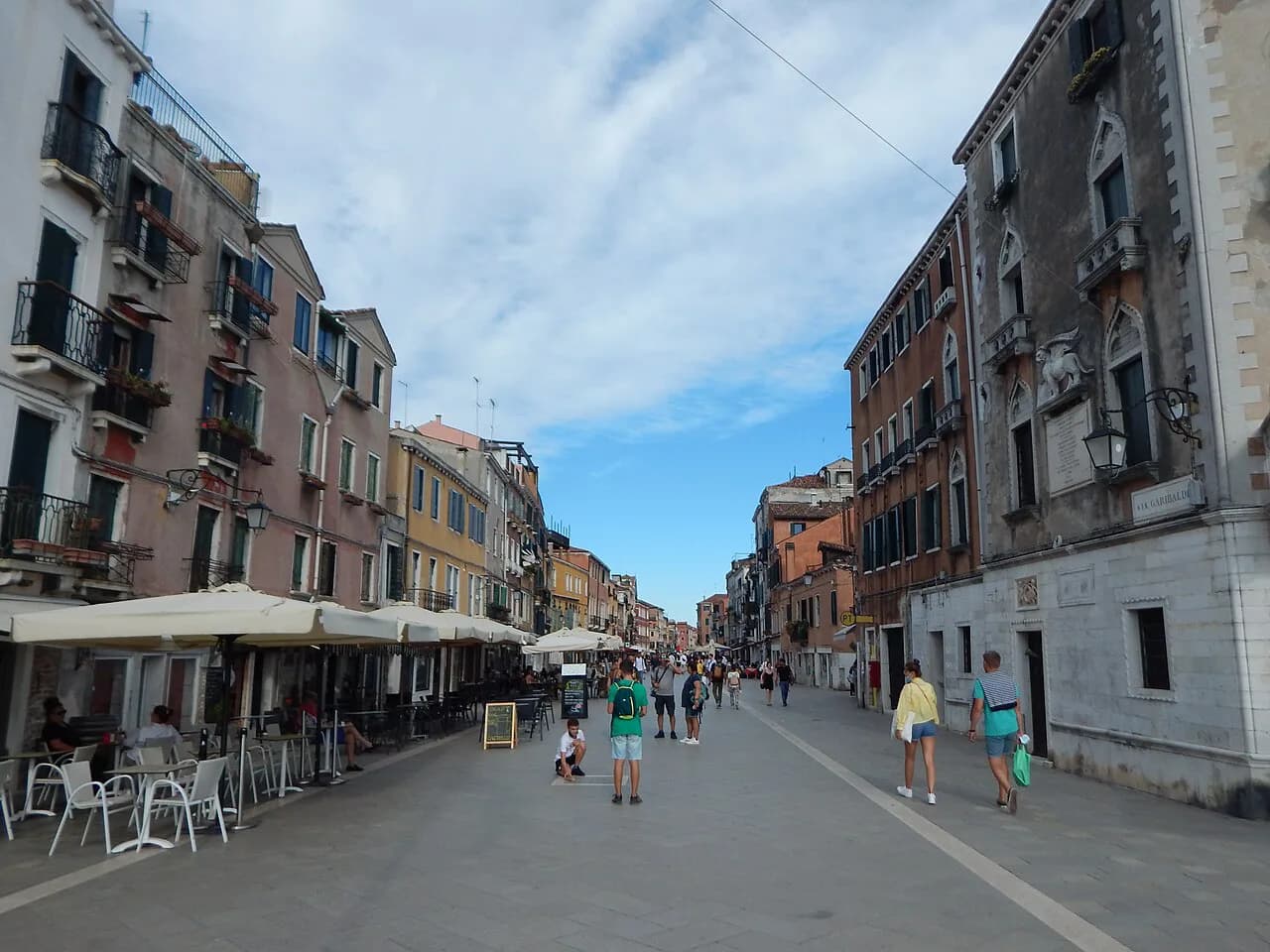
Start on Via Atenea, the pedestrian main street around which the historic centre is organised, and treat it as a promenade rather than a shopping list. Side alleys, stairways climbing the hill of the old town and baroque balconies overhead are the actual attraction, and the colourful Scalinata degli Artisti, a staircase covered in murals and drawings, is the most photographed corner. Our Agrigento old town walking guide maps a route through these lanes if you want structure.
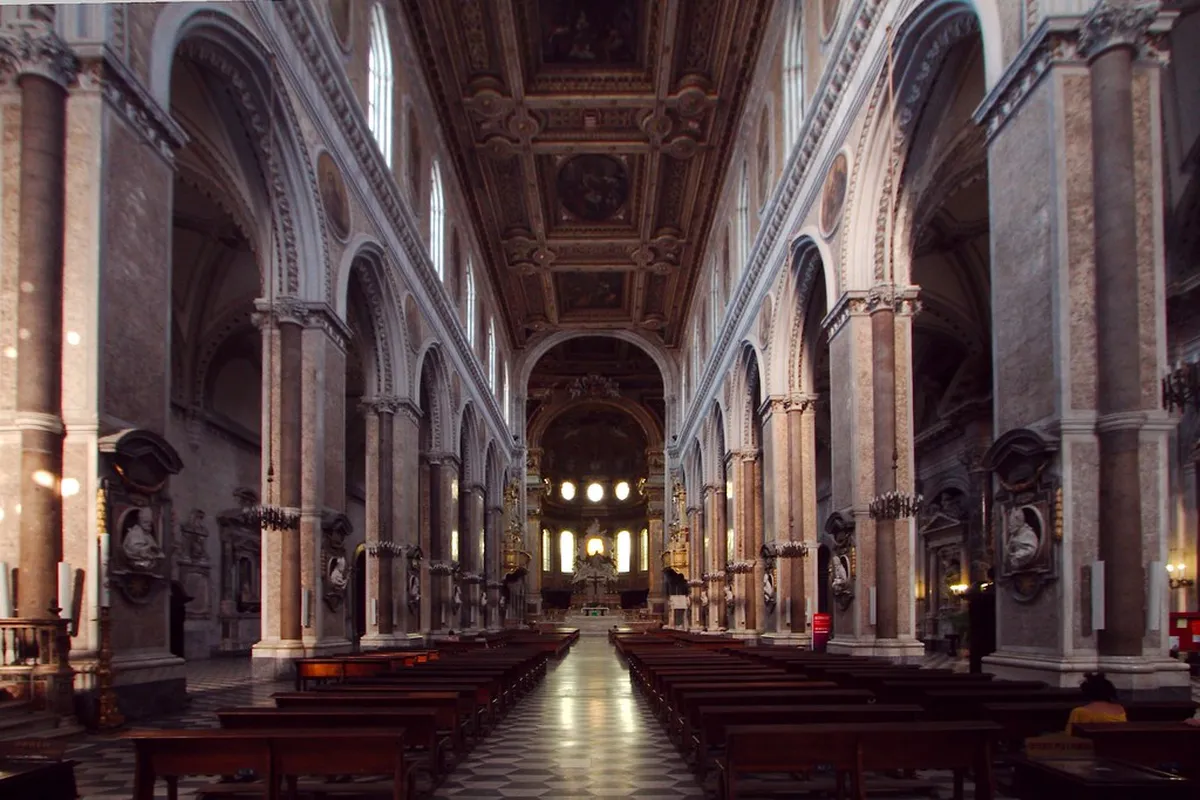
The Cathedral of San Gerlando and the church of Santa Maria dei Greci, the latter built over an ancient temple, anchor this walk, and the streets around them give you the layered history without an entrance fee. Whether interiors are open when you arrive is a separate question that sources do not settle reliably, so plan around exteriors and public squares and treat any interior visit as a bonus. Signage at the door is the honest answer.
Viale della Vittoria is worth folding into the same loop as a vantage point over the temples, which costs nothing and takes minutes. Bookending the walk with a coffee or a granita in a side street keeps the morning cheap, and the Teatro Luigi Pirandello is a fine exterior stop even if you skip a performance. If you want more of these angles, our Agrigento viewpoints guide collects the best public prospects.
San Leone Beach and the Seafront Promenade
San Leone is Agrigento's main seaside resort, a broad golden beach a short distance from the city where residents gather at almost any hour in summer. The sand and the promenade are the free part; lidos, sunbeds and watersports are commercial operations with their own pricing. Families with small children, surfers and volleyball players share the same stretch, so it works whether you want to swim or simply sit.
The seafront is lined with bars, restaurants and clubs, and an evening aperitivo by the water is the local ritual that replaces a full restaurant dinner for many visitors. In summer the area stays busy late, with music and dancing along the waterfront, so it doubles as free entertainment if you keep your order modest. Buses connect the centre with the coast, but confirm current routes locally rather than trusting a blog's line numbers.
If you have a car, the surrounding coast offers more free shoreline: the long beach below Eraclea Minoa and the wild sands of the Torre Salsa reserve, both described as reaching beyond the city. These are nature reserves and public beaches rather than ticketed attractions, though access roads and any reserve rules should be checked on arrival. Pack water and shade, because neither has much commerce.
Seeing the Temples Without Buying a Ticket
You cannot enter the archaeological park for free, but you can see the ancient ridge from public ground, and that is a genuinely satisfying compromise for a short stay or a tight budget. The upper town and Viale della Vittoria give elevated views across the landscape, and the roads skirting the park look toward the columns. It is a distant view, not a substitute for walking among the temples, and the two experiences should not be confused.
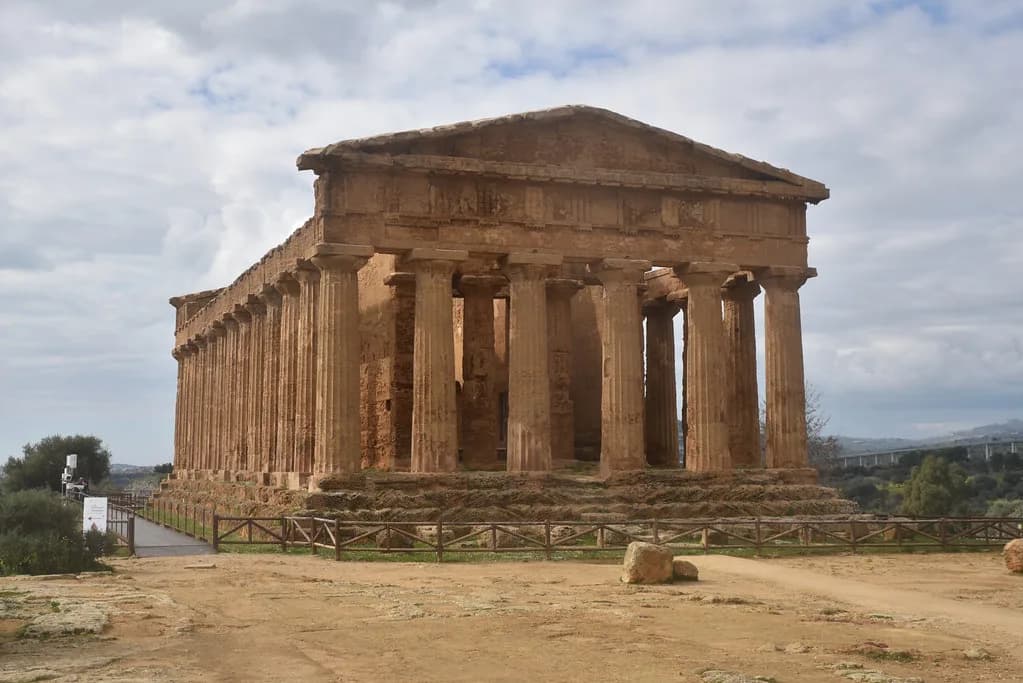
For context on what you are looking at from afar, the Temple of Concordia is the best-preserved Doric temple in the group, largely because it was converted into a Christian basilica in the sixth century, which protected its structure. The Temple of Juno, on the eastern ridge, keeps traces of fire damage from the Carthaginian sack and offers the widest sea views. Knowing this makes a free roadside prospect considerably richer.
Food stalls, markets and street life in the centre provide the rest of a cheap day: the Friday market at Piazzale Ugo La Malfa, held in the morning, is where household goods and local produce sell at modest prices. Wandering it costs nothing and shows a side of the city the temple queue never does. Carry small cash and go early, since stalls wind down by lunchtime.
When the Paid Ticket Is Worth It
If your budget allows one paid experience, the temple park is the obvious candidate, and the honest advice is to give it half a day rather than squeeze it between errands. Sources estimate three to five hours for the park and museum together, walking a path of roughly two to two and a half kilometres along an exposed limestone ridge. That is a suggested duration, not an official one, but it matches the scale of the site.
The Pietro Griffo Archaeological Museum is the part budget travellers most often skip and most often regret skipping, because it holds the finds that make the ruins legible, including material from the colossal Temple of Zeus. Museum and park run on separate schedules, and combined tickets are a common option, so read the official pages carefully rather than assuming one purchase covers both. Group tours and skip-the-line products exist but add cost without changing what you see.
Outside peak season, or if the ticket simply does not fit, the free alternatives still fill a day: the centre, the beach, the viewpoints and a slow lunch. Travellers who come only for the temples on a day trip see a fraction of the city, whereas an overnight stay lets you pair a paid morning with a free evening. Our Valley of the Temples visitor guide covers the logistics in more detail.
Gardens, Green Space and the Kolymbethra Question
The Garden of Kolymbethra sits inside the temple area and is often described as a green oasis of citrus, almond and olive trees fed by ancient underground water channels. It is not free: sources present it as a separate or combined ticket alongside park admission, so budget for it deliberately rather than stumbling into a second charge. For garden lovers it is arguably the most restorative hour on the whole ridge.
For genuinely free greenery, the historic centre's squares and the belvedere walks above the temples give shade and views without a gate or a fee. The walk up from the centre to the upper terraces is steep but short, and the reward is the same panorama that paying visitors photograph from inside. Comfortable shoes matter more than any ticket here.
Beyond the city, Punta Bianca offers a white marl cliff and a wild, uncrowded landscape reached by a rough dirt path about forty minutes away, and it costs nothing but effort. It is a nature reserve with uneven ground, not a managed attraction with facilities, so go prepared and turn back if the path is beyond your comfort. Sources describe it as a hidden, uncrowded spot rather than a secret one.
Coast and Countryside for the Price of a Bus Fare
Scala dei Turchi, the white cliff shaped like a staircase about fifteen kilometres west of the city, is best treated as a free view rather than an attraction you climb. Climbing is no longer permitted, so the experience is the beach on the right-hand side and the roadside panorama, with early arrival helping you find parking. Do not plan on scaling the rock no matter what an old guidebook says.
Inland, Favara's Farm Cultural Park turns a revived corner of town into open-air contemporary art, with installations, workshops and screenings in restored buildings. It is a low-cost half-day from Agrigento and one of the region's better examples of regeneration rather than reconstruction. Combine it with a walk through Favara itself, where the marzipan traditions are a cheap treat.
For a broader spread of options, including Selinunte and the Roman mosaics at Piazza Armerina, see our Agrigento day trips guide and pick by travel time rather than ambition. Buses and trains exist, but schedules are thin and should be checked with the operator, not a blog. If you hire a car for a day, share the cost and park outside historic centres where space is scarce.
Eating and Drinking on a Budget
Agrigento's most distinctive cheap eat is the sweet couscous made by the nuns at the Monastero di Santo Spirito, a dessert rather than a savoury dish, prepared with pistachio, almonds, chocolate and candied fruit. A portion costs far less than a restaurant main and comes with a story reaching back centuries. The monastery also sells convent sweets, which make a sensible picnic contribution.
Build other meals from the market, bakeries and focaccia counters rather than sit-down restaurants, and save one evening for an aperitivo on the San Leone seafront instead of a full dinner. Street food and shared platters let you eat well without a cover charge, and the seaside setting does the rest. Alcohol and cocktails are where budgets quietly disappear, so decide your limit before you sit down.
Practical cautions that cost nothing to heed: the temple ridge has very little shade, so carry water, sunscreen and closed-toe shoes, and avoid midday in high summer. Arriving at opening time is the best free upgrade any visitor can get, because the light and quiet are at their best. Always verify opening hours and ticket arrangements on official pages before setting out.
Plan Your Low-Cost Visit
Agrigento is not an expensive city so much as a city with one expensive headline act, and a budget trip works best when you accept that and build around it. Give the temples a proper half-day if you can, then spend the rest on the old town's lanes, the beach, the market and the free viewpoints. For more ideas beyond the obvious, browse our hidden gems in Agrigento.
Before you go, check the park's official pages for current hours, ticket scope and any combined offers, check transport schedules with the operator, and confirm any church or garden you particularly want to see. Everything else, from the artists' staircase to the sunset over San Leone, is waiting for free.
Frequently Asked Questions
Is the Valley of the Temples free to enter?
No. The Valley of the Temples is a ticketed archaeological park, and the Garden of Kolymbethra and the Pietro Griffo Archaeological Museum are treated as separate or combined tickets rather than part of a general free entry. Admission arrangements and any concessions change, so check the park authority's official website for the conditions that apply on your dates before you travel.
Can you see the Valley of the Temples without paying?
You can see the ancient ridge from public ground, including elevated views from the upper town and the Viale della Vittoria area, and from roads skirting the park. This is a distant prospect, not access to the temples themselves, so treat it as a supplement to a paid visit rather than a replacement.
Can you walk from Agrigento to the Valley of the Temples?
The park sits roughly three kilometres below the city centre, so walking is possible for reasonably fit visitors but involves a climb back. Local buses connect the centre with the park entrances; confirm routes and times locally or with the operator, since published line details vary between sources.
How long do you need in Agrigento?
As a suggestion rather than an official figure, one full day covers the historic centre and either the temples or the beach, while two days let you add a coastal excursion such as Scala dei Turchi or Favara. Allow three to five hours for the temple park and museum together if you want to see both properly.
Is Agrigento worth visiting?
Yes, particularly if you value Greek archaeology alongside a lived-in Sicilian city. The temples are exceptional, and the old town, the San Leone seafront and the surrounding coast add reasons to stay overnight rather than pass through on a day trip.
What free things can you do in Agrigento's old town?
Walk Via Atenea and its side alleys, find the murals on the Scalinata degli Artisti, admire baroque facades and the exteriors of the Cathedral of San Gerlando and Santa Maria dei Greci, and take in the views from the upper town. Interiors may close unpredictably, so check at the door.
Are Agrigento's beaches free?
The sand and promenade at San Leone are public and free, while lidos, sunbeds and watersports charge their own rates. The wilder beaches at Torre Salsa and below Eraclea Minoa are also free to visit, though they have few facilities, so bring water, shade and anything you need.
Is the Scala dei Turchi free to visit?
The white cliff can be viewed free from the beach and from the road, and climbing it is no longer permitted. Parking near the site can be busy, so arrive early. Treat it as a landscape to admire rather than an attraction with a ticket desk.
Sources
- Visit Agrigento in 4 days: things to do and see - Italia.it
- A Local's Guide to Agrigento, Sicily — Go Ask A Local
- Official event website
- What to do in Agrigento like a local: 10 travel tips | Visititaly.eu
- A Guide to the Valley of the Temples: Unveiling Ancient Akragas - Slow Sicily
- Valley of the Temples Agrigento: Sicily's Greatest Ancient Site
Continue exploring
More guides you'll find useful