Agrigento Old Town Walking Guide: Self-Guided Route
A self-guided walk through Agrigento's historic centre: Via Atenea, Santa Maria dei Greci, the climb to San Gerlando, Santo Spirito and the Pirandello Theatre.
On this page
Agrigento's historic centre sits on the Girgenti hill, a dense knot of lanes and stairways above the famous temples. One visitor guide describes the layout as clearly Arab in origin while noting that the oldest surviving buildings date to the Norman period, which helps explain why the streets rarely run straight and why a walk here feels like a sequence of small discoveries rather than one grand procession. This guide proposes a self-guided route that uses Via Atenea as its spine and treats the uphill lanes as the main event, not an inconvenience. For wider planning, see Agrigento Attractions: Visitor Guides to 10 Sights.
The route is not an official itinerary, and the timings below are suggestions. A short core walk takes roughly two hours at an easy pace, while a half-day version allows time to step inside one or two interiors. Before setting out, check current opening arrangements for any church or museum you hope to enter, since these change by season and are not covered here.
Why Walk the Old Town
The pleasure of the old town is cumulative. A single lane may offer a baroque balcony, a fragment of medieval wall and a glimpse of the sea in the same glance, and the effect builds as you climb. Walking lets you absorb that layering at your own pace and stop when a courtyard or staircase catches your eye.
It also keeps you close to the everyday city. Via Atenea is lined with shops, cafes and restaurants, and the surrounding alleys are residential rather than museum-like. If you want a broader sense of what else the area offers beyond the temples, our guide to hidden gems in Agrigento sets this walk in context.
Setting Up the Walk
Begin on Via Atenea, the main street of the historic centre, and decide your direction before you start climbing. Walking uphill first, toward the cathedral, puts the hardest work at the beginning when you are fresh; the reward is a gradual descent through the lower lanes afterward. The alternative, starting high and working down, suits anyone who prefers to finish with an easy amble back to Via Atenea.
Footwear matters more than you might expect. The lanes are paved and often stepped, and the surfaces can be uneven or polished smooth by wear. Sturdy shoes with a grippy sole are a better choice than sandals or smooth-soled city shoes, especially after rain. Carry water, because shade is patchy and the limestone and paving can radiate heat in summer.
Stop 1: Via Atenea as Your Spine
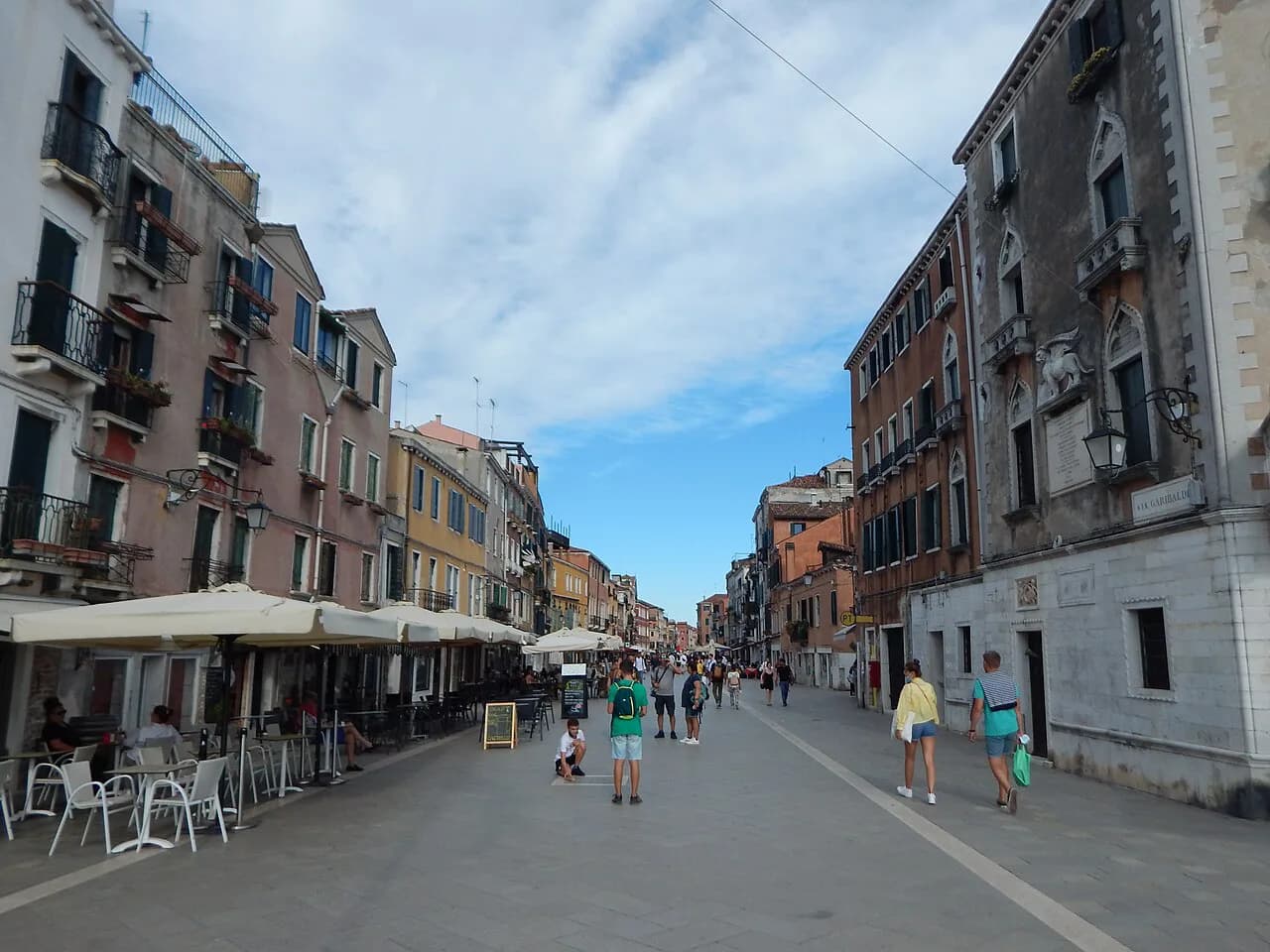
Via Atenea runs through the heart of the old town and is the easiest place to orient yourself. It is lined with restaurants, bars and cafes, which makes it a practical base for coffee at the start or a late lunch at the end. Use it as a reference line: most of the sights described below sit a short detour off it, so you can always return to the street and reset your bearings.
This is also where you can shorten the walk without missing the atmosphere. If the climbs feel too much, stay on Via Atenea, dip into one side lane and enjoy the street life. The historic centre of Agrigento is compact enough that a gentle stroll here still gives a real sense of the place. The official city portal is a useful place to check municipal notices and events before you visit.
Stop 2: Santa Maria dei Greci
Santa Maria dei Greci is the stop that most rewards a little preparation. The church was built in the Middle Ages on the remains of a Greek temple, traditionally identified as the Temple of Athena, and a narrow underground passage lets visitors see the temple base and portions of the colonnade incorporated into the church walls. That fusion of pagan foundation and Christian building is the detail worth planning around.
The church sits a short detour from Via Atenea and is easy to combine with the climb toward the cathedral. Whether the interior and the underground passage are open depends on the day, so check locally before making it the centrepiece of your morning. Even from outside, the plain facade with its Gothic portal gives a hint of the layers within.
Stop 3: The Climb to the Cathedral of San Gerlando
From the Santa Maria dei Greci area, the route climbs toward the Cathedral of San Gerlando at the top of the historic centre. A broad staircase leads to the entrance, and the ascent is the most sustained uphill stretch of the walk. Pace yourself, pause on the steps and turn around: the views over the rooftops are part of the experience.
The cathedral was founded at the end of the eleventh century by Gerlando of Besançon, the first Norman bishop after two and a half centuries of Muslim rule, and it has been enlarged and renovated many times since. The result is a visible mix of medieval austerity and later baroque decoration, with a sober Renaissance facade, a fifteenth-century bell tower and a silver urn holding the saint's remains inside. Allow time to sit in the square and recover before continuing.
Stop 4: Santo Spirito Monastery and Church
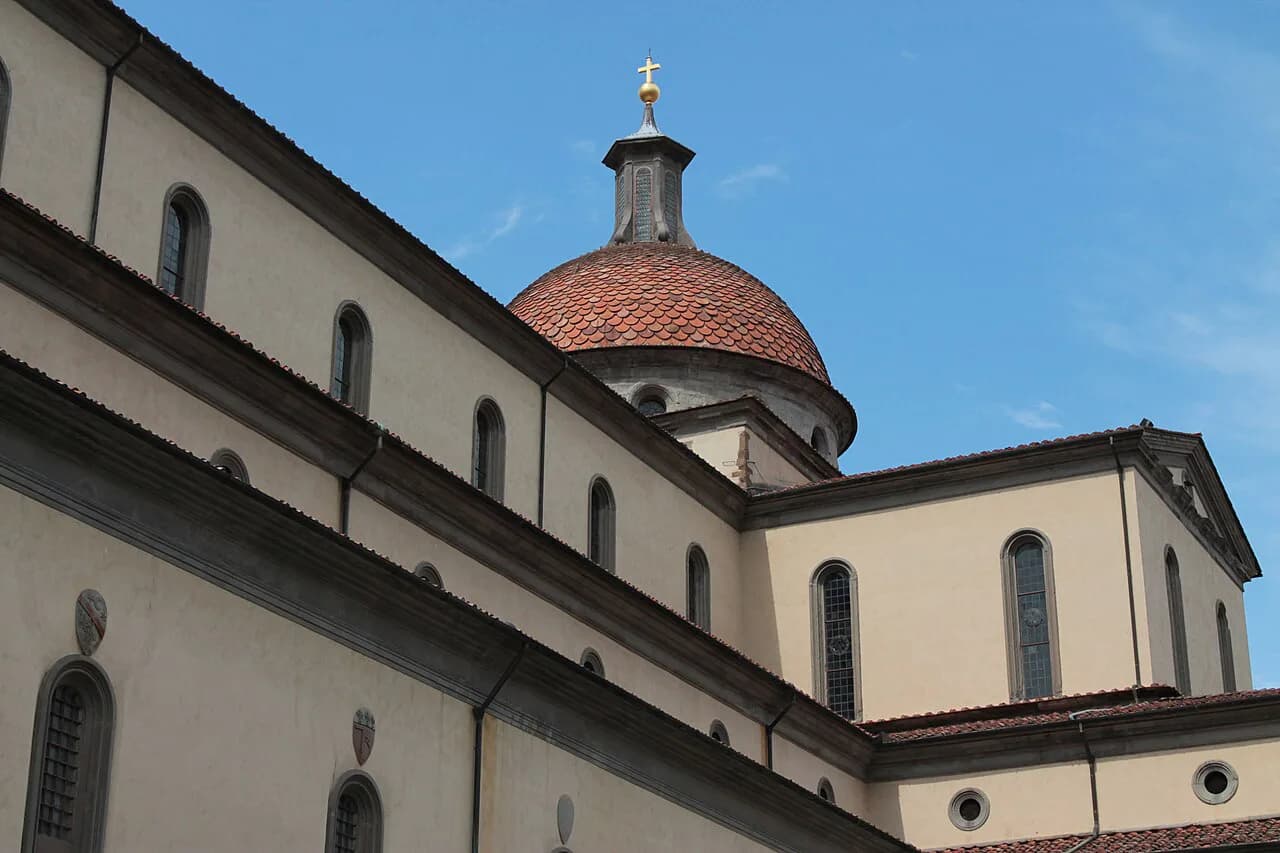
The Monastery of Santo Spirito was built in 1299 by the Chiaramonte family and was for centuries the most important building in the city. Its pointed arches and twin windows overlook a cloister garden, and the Civic Museum occupies the first floor, displaying stone and ceramic materials from antiquity to the Middle Ages. Even a look at the exterior and cloister gives a sense of the scale of the complex.
The adjoining church holds one of the significant baroque interiors in the city, with stuccoes by Giacomo Serpotta, one of the great sculptors of the period. The contrast between the very simple facade and the richness inside is the reason to make this a planned stop rather than a passing glance. Check locally for current visiting arrangements before you count on seeing the interior.
Stop 5: Lucchesiana Library and MUDIA
Next to the cathedral stand two institutions that suit different moods. The eighteenth-century Lucchesiana Library preserves a collection of ancient and valuable volumes, while the MUDIA Diocesan Museum houses sacred art including paintings, sculptures, furnishings and goldsmith work from the Middle Ages to the twentieth century, as well as remains of fourteenth- and fifteenth-century frescoes and reliquaries found during restoration of the cathedral.
Plan to look inside only one of them if you are on the half-day version of this walk, since each deserves more than a hurried pass. The library and museum keep their own arrangements, and neither shares a ticket with the other, so decide in advance which collection interests you more and check its current opening days before setting out.
Stop 6: Palazzo dei Giganti and the Pirandello Theatre
The Pirandello Theatre is reached through the atrium of Palazzo dei Giganti, the seat of the municipality. Inaugurated in 1880, the theatre has a horseshoe-shaped auditorium with three tiers of boxes and a gallery, and its decorated hall and ceiling are made of wood. It was renamed in honour of Luigi Pirandello, the Agrigento-born playwright who won the Nobel Prize in Literature in 1934.
The theatre is a working venue, so access depends on the performance schedule and on whether guided visits are running. If you cannot attend a performance, ask locally about the possibility of seeing the auditorium; the architecture alone justifies the detour. This stop also marks a natural point to descend back toward Via Atenea.
Stop 7: Optional Add-Ons
If you have energy left, three further stops sit close to the route. Le Fabbriche is a cultural and contemporary art centre, the Church of San Lorenzo holds baroque statues of the seven virtues attributed to Serpotta, and the Museum of the Filippini occupies an eighteenth-century complex that once housed the College of the Filippini Fathers and now contains the multimedia city museum and the municipal art gallery.
Treat these as choices rather than a checklist. Adding one of them turns the walk into a fuller half-day, while adding all three may be too much on a hot day. The Filippini Museum is the most substantial of the three and suits anyone interested in paintings and drawings from the fourteenth to the twentieth century.
Descending: Piazzas, Stairways and Viewpoints
On the way down, look for Piazza Purgatorio and the Scalinata degli Artisti, a colourful staircase described in one source as one of the most characteristic corners of the centre. The lanes here are steep and stepped, so take them slowly and use the handrails where they exist. These are residential streets, so keep noise down and give way to residents.
For a final panorama, walk to Viale della Vittoria, where the view opens over the temples and the valley below. It is a fitting end to a walk that began among the alleys and ends with the ancient city spread out beneath you. Our Agrigento viewpoints guide suggests other places to take in the same landscape if you want to extend the afternoon.
Practical Tips for Heat, Surfaces and Rest
The old town is exposed in places, and the combination of stone, steps and sun can tire you faster than the distance suggests. Start early or late, carry more water than you think you need, and wear a hat in summer. Public gardens and church squares provide natural places to rest, but do not rely on finding shade on every lane.
Surfaces vary from smooth paving to worn limestone steps, and some lanes are steep. There is no step-free route through the historic centre that this guide can guarantee, so anyone with mobility concerns should plan a shorter itinerary along Via Atenea and check specific entrances in advance. Rain can make the stone slippery, so adjust your plans if the weather turns.
Getting To and Around the Centre
Walking is the natural way to explore the historic centre, but the city also provides an electric bus called the Mudibus for reaching sites of interest, as noted by one visitor guide. The same source recommends walking or using the Mudibus to move between monuments. It does not publish schedules or line numbers, so check locally for current routes and times rather than relying on a fixed timetable.
If you arrive by car, parking in the historic centre is limited. The area around the Duomo and the upper town has some parking, but spaces fill quickly in season. The city portal lists a paid parking scheme for tourist buses, but private car parking is a separate matter; check signs and local advice when you arrive. For a broader picture of how the centre fits into a day, our Agrigento one day itinerary suggests how to combine the walk with other sights.
Suggested Time Frames
A two-hour core walk covers Via Atenea, Santa Maria dei Greci from the outside, the climb to the cathedral square and the descent past the theatre. This version assumes you admire interiors from the doorway or skip them altogether, and it leaves time for a coffee and a few photo stops. It is a suggestion, not an official timing.
A half-day version, roughly four hours, adds one interior such as the cathedral, the MUDIA or the Santo Spirito church, plus a proper pause for lunch. If you plan to see two interiors, allow closer to five hours and start early to avoid the hottest part of the day. The walk can be shortened at any point by returning to Via Atenea.
Where To Eat and What To Taste
Via Atenea and the surrounding lanes have plenty of places to eat, from casual bars to sit-down restaurants. Local dishes worth looking for include macco di fave, a broad-bean puree with peasant roots, cavatelli with aubergines and, for fish lovers, a cuttlefish stew with peas. A sweet curiosity is the local couscous prepared as a dessert with pistachio, almonds, chocolate and candied fruit, traditionally linked to the Santo Spirito monastery.
None of these listings are tested recommendations. Use them as a starting point for what to look for, then choose a place that suits your budget and appetite on the day. For evening options after the walk, our Agrigento evening guide covers how the centre changes after dark.
Plan Your Visit
Agrigento's old town is best treated as a climb with rewards at every turn, not a list of monuments to tick off. Start on Via Atenea, choose your direction, and let the stairways set the pace. Check opening arrangements for any interior before you go, and keep the walk flexible so heat or tired legs do not spoil the day.
If you want to extend your time in the city, the Valley of the Temples lies below the historic centre and makes a natural companion to this walk. Our Agrigento day trips guide suggests other directions for the rest of your stay. For related planning, see Agrigento Markets Guide: Local Food, Produce & Street Specialties.
Frequently Asked Questions
How long does it take to walk Agrigento's old town?
A two-hour core walk covers Via Atenea, the cathedral square and a few exteriors at an easy pace. A half-day version of about four hours adds one interior and a lunch stop; allow more if you plan to visit two museums or churches.
Is the historic centre of Agrigento hilly?
Yes. The centre sits on the Girgenti hill, and the route includes stepped lanes and a sustained climb to the cathedral. Pace yourself, wear shoes with grip and carry water, especially in summer.
Do you need tickets to visit the churches in Agrigento's old town?
Opening arrangements and any charges vary by church and season. Check locally before you go rather than assuming a single ticket covers several sites; some interiors may be closed at short notice for services.
What is the best time of day to walk the historic centre?
Early morning and late afternoon are cooler and quieter. Midday in summer can be very hot on the exposed stone, so plan the uphill sections for the cooler hours and rest in the squares.
Where does the walk start and can it be shortened?
Start on Via Atenea, the main street of the historic centre. You can shorten the walk at any point by returning to Via Atenea and skipping the optional add-ons or the upper lanes.
Is there a bus to the old town instead of walking?
The city has an electric bus called the Mudibus for reaching sites of interest, but routes and times are not fixed in available sources. Check locally for current information; walking remains the most flexible way to explore the lanes.
Sources
Continue exploring
More guides you'll find useful