Agrigento Markets Guide: Local Food, Produce & Street Specialties
Plan a food-focused day in Agrigento with market-style shopping, Sicilian specialties and historic-centre stops, plus what to verify before you travel.
On this page
Agrigento rewards travellers who slow down beyond the temples. A market morning, a pastry stop and a wander along Via Atenea make a gentler itinerary than another ticket queue, and they put you in the everyday rhythm of the city.
One concrete starting point comes from a local guide that reports a weekly market at Piazzale Ugo La Malfa, held on Fridays from 08:00 to 13:00. That schedule appears in a single third-party source rather than an official city notice, so treat it as a lead to confirm locally before you build a morning around it.
What the Evidence Supports About Agrigento's Market Scene
The market picture in Agrigento is thinner in published sources than you might expect. The most specific account describes a Friday market at Piazzale Ugo La Malfa running 08:00 to 13:00, with stalls selling fresh food, local gastronomic products, clothing and home and garden accessories at generally affordable prices. Nothing in the available material confirms a separate fish market, a fish auction or named produce vendors.
Because that detail is not operator-confirmed, verify it before travelling. Check the Comune di Agrigento website, ask at your accommodation, or look for current notices near Piazzale Rosselli, the city's main bus hub. If the Friday schedule has changed, a quick local question saves you a wasted trip across town.
If the market is running, arrive in the morning rather than at midday. Stalls wind down before the reported 13:00 close, and early hours give you the best browsing before the sun climbs. Bring cash in small notes, a reusable bag and modest expectations of fixed pricing, since market haggling etiquette is not documented in available sources.
How to Shop the Stalls: Produce, Pantry Goods and Practicalities
Treat the market as two shopping trips in one. The food side covers fresh produce and local gastronomic products worth carrying home, while the household side runs to clothing and home and garden goods. Decide in advance how much weight you want in your luggage, because it is easy to leave with far more than planned.
Agrigento's wider food culture explains why the produce matters. The province is known for oranges around Ribera, peaches in Bivona, eating grapes in Canicattì and olives and oil in Caltabellotta, Burgio and Lucca Sicula, according to a regional gastronomy guide. Those names give you useful vocabulary when you ask vendors where a product comes from.
For anything perishable, think about the rest of your day. Citrus and almonds travel well in a day bag; cheese and fresh items do not enjoy hours in a warm car or bus. If you are heading onward to the temples after shopping, buy conservatively and save the heavier pantry purchases for your last morning in town.
Our guide to the Agrigento local food guide picks up where the stalls leave off, covering dishes and sweets to seek out in restaurants and pastry shops.
Sweet Couscous and Convent Pastries: Agrigento's Signature Specialty
The dish most closely tied to Agrigento is not a savoury couscous but a sweet one. Local tradition places its origins inside the walls of the Santo Spirito monastery, where nuns are said to have guarded a recipe dating back at least to the eighteenth century. The dessert adds pistachio, almonds, chocolate, zuccata and candied fruit to the grain.
A regional food guide lists sweet couscous as a unique specialty of Agrigento and notes that ricotta and almonds dominate local pastry-making, with cassatelle and almond or pistachio squares found in nearby towns. That context helps you read a pastry counter: the almond-based sweets are the regional norm, and the sweet couscous is the local outlier.
Italia.it's four-day itinerary suggests visiting the Monastery of the Holy Spirit for its cloister and convent cakes, which fits neatly into a morning that starts at the market. Confirm visiting arrangements on site, since monastery access is not something to assume from a travel outline.
Beyond the Stalls: Sicilian Staples to Taste Across the City
Market shopping is only half of a food day. Agrigento's cuisine reflects layers of influence, and the province splits between coastal fish dishes and inland crops, cheeses and cured meats. A useful way to eat here is to order by geography: seafood near the coast, vegetable and legume dishes inland.
Among the inland specialties named by the regional gastronomy guide are cavatelli pasta in Agrigento, chickpea pasta in Favara and the soup known as macco in Raffadali. None of these require a market visit to enjoy, so they make a good fallback if the Friday schedule turns out to be wrong.
For a coastal change of scene, San Leone is Agrigento's main seaside resort, a short distance from the historic centre, with a seafront lined with bars and restaurants. The same local guide describes it as busy with residents in summer, so expect company rather than solitude if you go in high season.
Pairing a Market Morning With the Historic Centre
A market visit slots naturally into a walk through the old town. Start from Via Atenea, the main street around which the major attractions are arranged, and follow the narrow lanes and stairways up the hill of Girgenti. The colourful Scalinata degli Artisti is one of the more distinctive corners along the way.
Churches and palaces line the route, including the Cathedral of San Gerlando and the church of Santa Maria dei Greci, which Italia.it notes was built on an ancient temple. Whether interiors are free or ticketed depends on the individual church, so check at each entrance rather than assuming one ticket covers the group.
For the shape of a full day on foot, the Agrigento old town walking guide sets out a route that keeps the climbing manageable.
End with a view. Viale della Vittoria gives a broad vantage over the temples, and the belvedere offers a similar panorama, making either a good close to a morning of shopping. Both are outdoor stops, so they cost nothing and need no booking.
Nearby Towns for a Longer Food Day
If the market leaves you wanting more of the province, several towns within easy reach reward a half-day. Favara's Farm Cultural Park has revived its historic centre through contemporary art and design, and the town is an easy, family-friendly stop. Racalmuto, meanwhile, is associated with the writer Leonardo Sciascia and suits literary-minded travellers.
Realmonte is known for the Scala dei Turchi, the white cliff that appears on countless photographs, while Sciacca offers ceramics, Roman thermal baths and a historic carnival. Naro, a medieval village with a Baroque cathedral and the Chiaramonte castle, adds another shape to the day.
These are add-ons rather than market substitutes. Each is a separate trip with its own transport needs, and the Agrigento day trips guide helps you decide which fits a short stay and which deserves a full day.
Practical Access and Timing Notes
Agrigento sits roughly a two-hour drive from Sicily's main airports at Palermo and Catania, and coaches connect the city with the island's larger towns, according to a local travel guide. Rail links run to Palermo and Caltanissetta, with the station in the city centre. Fares and timetables change, so check current schedules with the operators rather than relying on older figures.
Within the city, most local buses leave from Piazzale Rosselli and pass near the Valley of the Temples, which is also walkable from the centre along Via Crispi and Via Panoramica dei Templi. Buy tickets from kiosks or on board and validate them, and confirm current routes and fares at the source before you travel.
Build a buffer into any market morning that depends on a single reported schedule. If the stalls are not there, the historic centre, the pastry shops and the belvedere still fill the time comfortably, and you will have lost nothing but a short walk.
Where the Temples Fit Into a Food-Focused Day
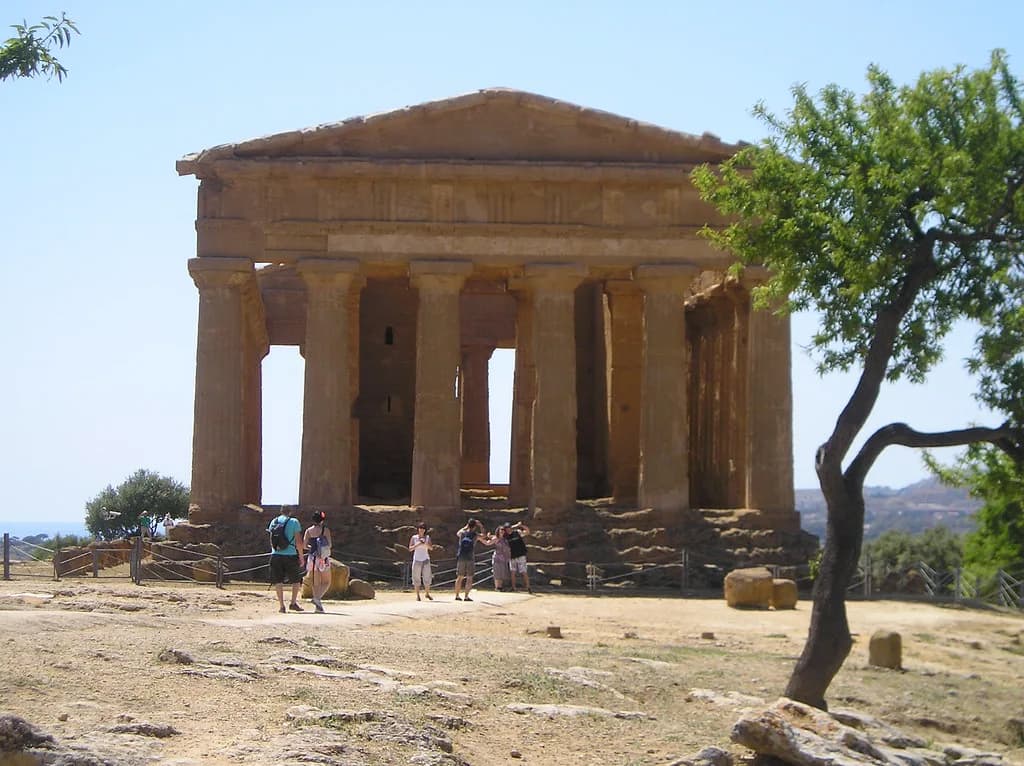
A food day and the archaeological park can share an itinerary if you plan around heat and distance. The Valley of the Temples is a large open site with little shade in places, so pairing it with a morning market and an afternoon rest works better than trying to do everything at midday.
Inside the park, the Garden of Kolymbethra is a five-hectare cultivated oasis of citrus groves, centuries-old olives and underground water channels, restored by the FAI since 1999. It is a genuinely food-adjacent stop: the garden's history is one of irrigation and Mediterranean cultivation rather than monuments alone.
Ticket arrangements, seasonal opening times and whether the garden can be visited separately from the park are all details to confirm with the operators. None of the available sources give a current, reliable schedule, so check the FAI and park pages before you set out rather than trusting a guidebook.
For more food-friendly corners of the city and province, see our hidden gems in Agrigento.
Plan Your Food-Focused Morning
The most useful plan is simple: aim for a Friday morning market if you can confirm it, arrive early, carry cash and a bag, then walk the historic centre with a pastry stop on the way. If the market does not materialise, shift the morning to the old town and the monastery instead.
Check current details for markets, transport, the Valley of the Temples and the Kolymbethra Garden before you travel. Those are the variables most likely to change, and a few minutes of verification protects the rest of your itinerary.
Frequently Asked Questions
Is there a market in Agrigento and on which day?
A local guide reports a weekly market at Piazzale Ugo La Malfa on Fridays from 08:00 to 13:00, with fresh food, local products, clothing and household goods. This comes from a single third-party source rather than an official city notice, so confirm the day and location before you go, for example through your accommodation or the Comune di Agrigento website.
What food specialties should I try in Agrigento?
Look for sweet couscous, traditionally linked to the Santo Spirito monastery and made with pistachio, almonds, chocolate and candied fruit. Almond-based pastries such as cassatelle are part of the wider regional repertoire, and inland dishes like cavatelli, chickpea pasta and the soup called macco appear across the province. Many are available outside the market as well.
Can I combine a market visit with the historic centre?
Yes, if you keep the morning compact. Begin at the market, then walk Via Atenea and the stairways up the hill to Girgenti, pausing at churches and viewpoints. Interiors vary in whether they are free or ticketed, so check each entrance. Keep the afternoon free if you also plan to visit the Valley of the Temples.
How much time should I allow for a food-focused morning in Agrigento?
Aim for two to three hours at the market and the nearby streets, plus time for a pastry or coffee stop. That is a suggested pace, not an official schedule. If you add the monastery and a long walk through the old town, allow most of the morning and plan a slower afternoon.
Will I find fresh fish at the market?
Available sources do not confirm a fish market, a fish auction or specific seafood stalls in Agrigento. The reported Friday market is described mainly in terms of fresh food, local gastronomic products, clothing and household goods. For seafood, look to coastal restaurants in the city and at San Leone rather than assuming a dedicated fish market.
Should I carry cash to the market?
Bring cash in small notes as a sensible default, along with a reusable bag for produce and heavier purchases. Payment habits vary from stall to stall and are not documented in available sources, so treat cash as your safe fallback and ask about card acceptance before assuming it.
Sources
Continue exploring
More guides you'll find useful