Agrigento One Day: Temples, Old Town and Food Plan
A one-day Agrigento plan: Valley of the Temples in the morning, Via Atenea old town and food after, with honest notes on tickets, timing and parking.
On this page
Agrigento's pull is a ridge of Greek temples standing in an olive-covered valley just below the modern city. One day is enough to walk the archaeological park properly and still see the old town, provided you decide in advance what to skip. This is an editorial suggestion, not an official schedule, and it puts the temples first while light and energy are best.
Why Agrigento Works as a One-Day Stop
The Parco Archeologico Valle dei Templi sits about 3 km below the city and is UNESCO-listed for holding the best-preserved Doric temples outside Greece, according to a local guide to Agrigento. That single fact justifies the trip and explains why most travelers treat Agrigento as a temple stop first and a town second. Our Valley of the Temples visitor guide covers the site itself; this page handles the sequencing of the day.
What you will not fit is everything. Scala dei Turchi, Favara, Eraclea Minoa and Casa Pirandello all sit outside the center, and stacking one of them onto a temple morning usually produces a rushed, hot day. Treat our hidden gems in Agrigento as a menu for a second visit rather than a checklist for this one.
Expect scale. The main path through the temples runs roughly 2 km, largely without shade, and the ground is uneven in places. Comfortable shoes, water and a hat matter more than any app. If mobility is a concern, ask the park directly about current access before you travel rather than relying on older trip reports.
Before You Go: Transport, Parking and Where to Start
Agrigento is reachable by train and bus from Palermo and by bus from Trapani, but services, timetables and fares change, so confirm them with the operators before booking. A car gives you the most flexibility for combining the temples with the coast, though parking in the city center can be difficult.
If you drive, use the park's own car parks at the two main entrances rather than pulling onto the access roads. One traveler's account of the Valley notes that traffic police patrol the area and do issue tickets for roadside parking, so the saving is not worth the risk. The same account describes ticket offices near the Temple of Juno and near Gate V, each with parking nearby, which lets you start at one end and finish at the other.
Decide now whether you will walk between the city and the temples or ride. The distance is short on paper but becomes a hot climb back up after a long morning. Buses, a short drive or a taxi are the realistic options; check current fares and service times locally, because figures in older guides may no longer apply.
Morning: Entering the Valley of the Temples
Arrive as close to opening as you can manage. The site is exposed, the light is at its kindest early, and you will have the long walk ahead before the heat builds. Buy your ticket at whichever entrance suits your transport, then walk the main route rather than doubling back.
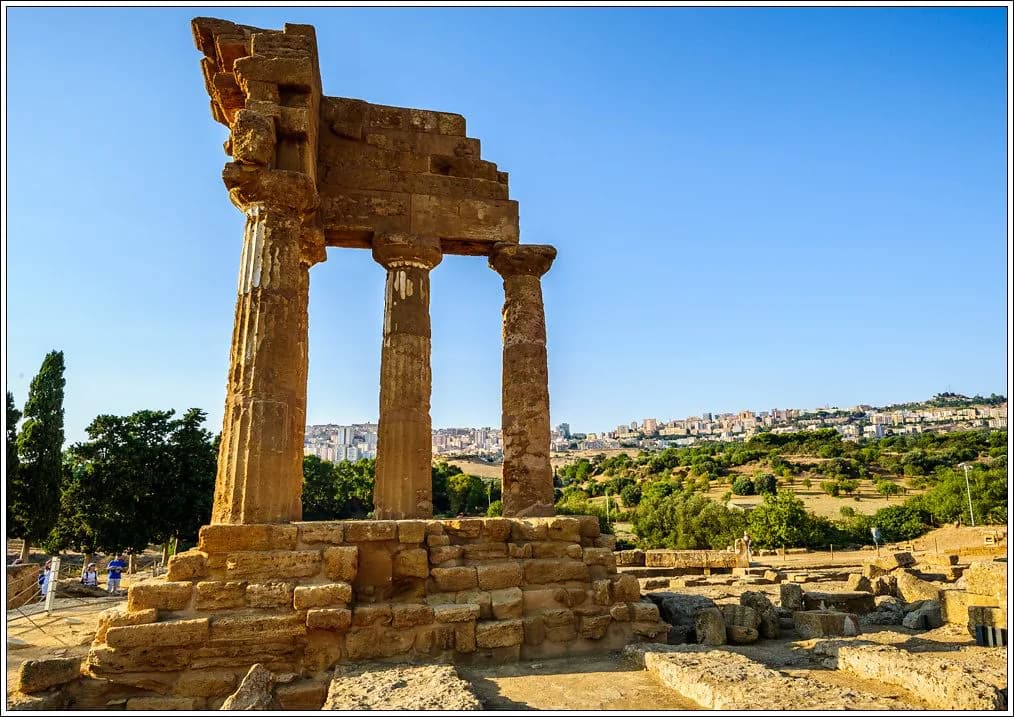
A sensible order is to begin with the temples nearest your entry point and work along the ridge toward the Temple of Concordia, the best-preserved structure on the site. Along the way you pass the ruins of the Temple of Hercules, the vast platform of the Temple of Zeus and the sanctuary of Demeter and Kore. Allow at least a half day; many first-time visitors find the site takes longer than expected once they start reading the panels.
Older accounts quote an entrance fee and daily hours for the park, but those figures are dated and should not be trusted for planning. Check the park's own published ticket prices and opening times for your dates before you go, and ask about evening openings separately, since seasonal evening visits have been offered in the past but are not guaranteed.
Key Stops Inside the Archaeological Park
The Temple of Concordia is the image most people carry home: standing columns, a clear entablature and a setting that makes the sixth century BC feel immediate. It is also the most photographed spot, so visit it early or late in your walk if you want breathing room. The Temple of Juno sits on the high eastern edge, with a view back over the whole valley.
The Temple of Zeus survives mainly as a huge rectangular platform and scattered blocks, and it needs imagination plus the museum to make sense of it. The colossal Telamon statue that once supported that temple is now displayed in the Pietro Griffo Archaeological Museum, just north of the ruins, where the site's finds are gathered. Our Agrigento Attractions hub lists the museum alongside the park and the town sights so you can plan the order.
Look out for the Girgentana goats across from the Temple of Concordia; they are a local breed with dramatic twisted horns and a memorable distraction from the columns. The pedestrian bridge behind the Temple of Hercules links the eastern and western halves of the site, which helps if you entered on one side and want to see both without retracing your steps.
Optional Add-Ons: Museum and Kolymbetra Garden
Treat the Pietro Griffo museum and the Giardino della Kolymbetra as separate stops with their own entry and their own time cost, not as part of your temple ticket. The garden, a green pocket in the valley with rare citrus and a water system inherited from antiquity, needs roughly an hour or more on its own, according to a traveler's account. If you only have one day, choose one add-on rather than both. For wider planning, see Kolymbethra Garden guide.
The museum is the better choice in poor weather or for travelers who want the Telamon and the site's sculpture explained. The garden suits anyone who needs shade and quiet after the exposed ridge walk. Either way, confirm current opening days and separate admission with the park or the garden's operator, because neither should be assumed from older guides.
Time Check: How Long the Site Really Takes
Plan on three to four hours minimum for the temples alone, and more if you add the museum or garden. One traveler's account describes intending to spend two hours and still not finishing after four and a half, a useful warning against an over-packed morning.
Heat is the variable that most changes the day. The valley offers little shade, water and snacks at the site cafes are expensive, and sunscreen matters even outside high summer. Carry your own water, start early, and keep the afternoon free for the town rather than trying to see the temples at midday and the old town straight after.
Older guides mention a shuttle between the temples priced at a few euros, but confirm whether it is running and what it costs when you arrive. The walking route is straightforward and level in parts, but the cumulative distance is real, so pace yourself and sit when you can.
Afternoon: Up to the City and Via Atenea
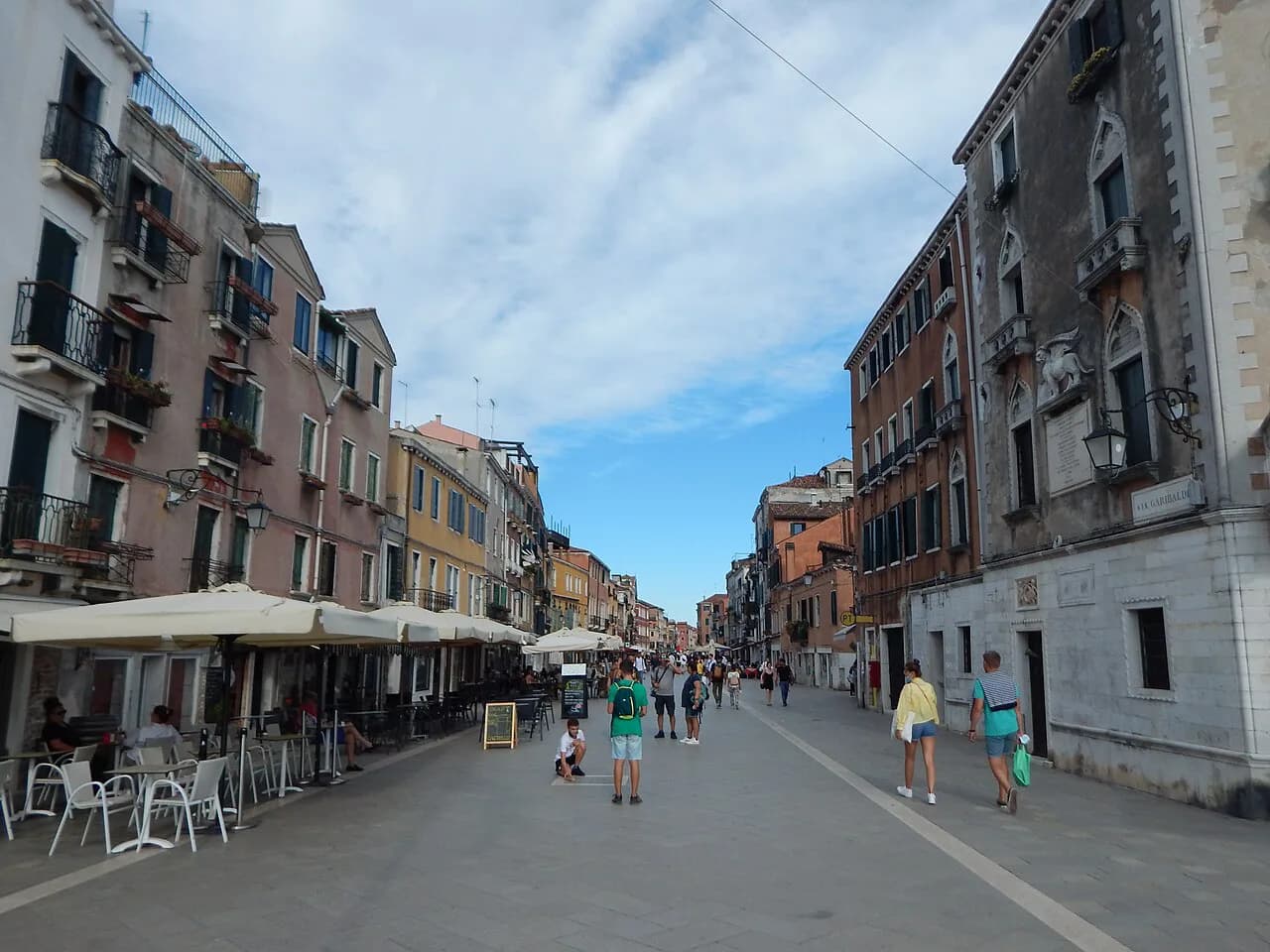
Head up to the modern city for lunch and a slow afternoon. The old town unfolds along the pedestrian Via Atenea, lined with noble palaces, small shops and bars, with narrow side alleys branching off in every direction, as the local guide describes. It is a different Agrigento from the postcard valley view, and it rewards a couple of unhurried hours.
For a structured route through the lanes, follow our Agrigento old town walking guide, which links the main street to the churches and stairways worth detouring for. The pace should be gentle: this is the part of the day where you recover from the temples rather than race to the next sight.
Old-Town Highlights and Where to Eat
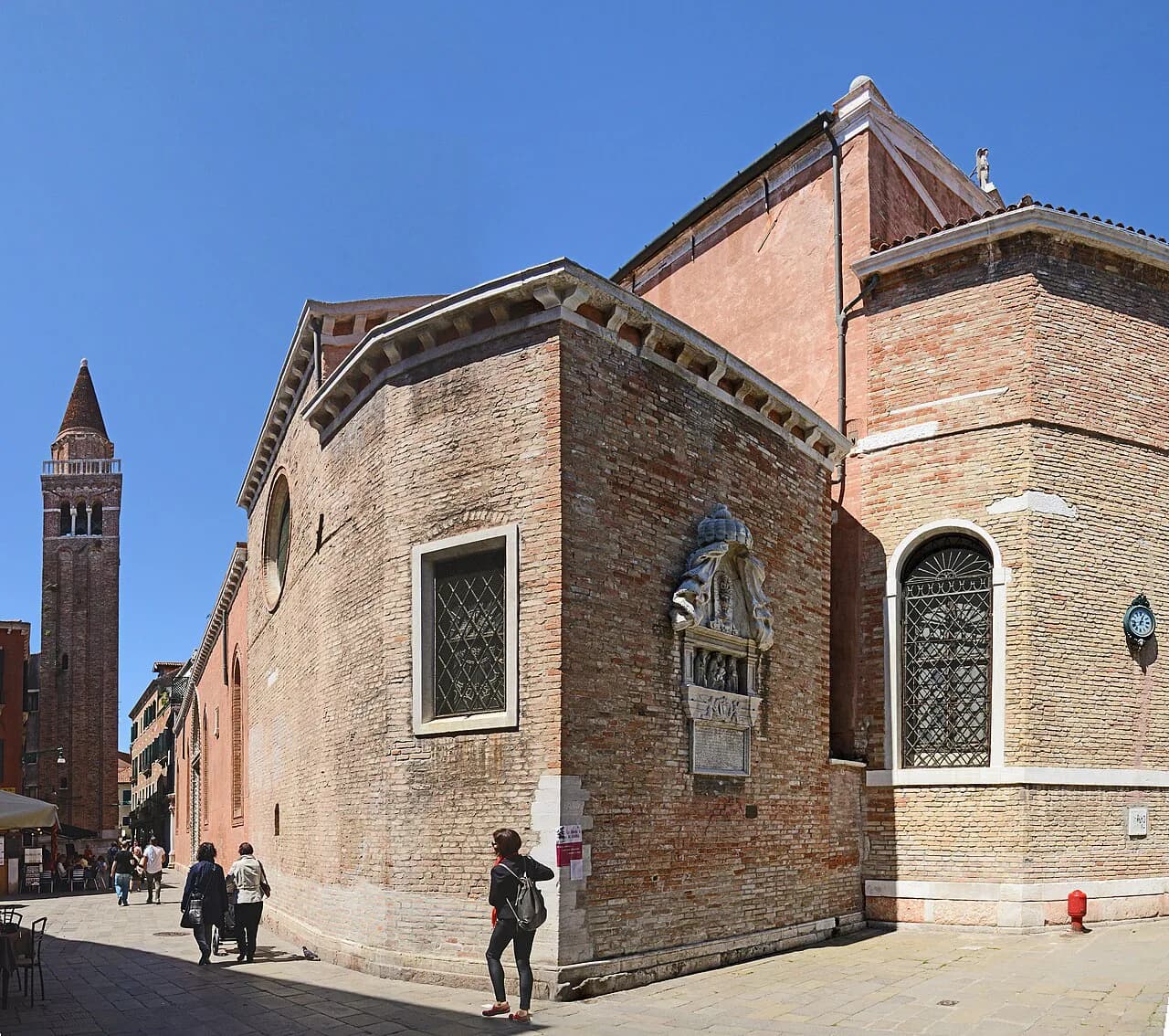
The church of Santa Maria dei Greci stands on the foundations of a fifth-century temple, a reminder that the town's layers go back as far as the valley's. The eleventh-century cathedral of San Gerlando holds a Roman sarcophagus, a painted wooden ceiling and a manuscript letter in unknown characters. Both are in the historic center; check opening times at the door or with the parish, as church hours vary.
The Scalinata degli Artisti, a staircase covered in murals and drawings, is a free and quick stop between the main streets. The Monastero di Santo Spirito, a Cistercian convent founded in 1290, is known for Serpotta stuccoes and for a sweet pistachio couscous the nuns prepare; do not assume it is available, and ask locally or check ahead. Our Agrigento local food guide helps you choose among the city's restaurants.
For dinner with a view, the restaurant Re di Girgenti has a terrace facing the illuminated temples, according to the local guide, which also recommends La Scala on Via Atenea. Restaurant opening days, booking policies and menus change, so confirm directly before you build your evening around a specific table. Near the station, Kalos and Capotavola appear in another traveler's notes, but treat any old listing as a lead rather than a confirmed booking.
If your day ends early, an aperitivo on San Leone beach is a summer ritual, with the seaside resort about 6 km from the center. In cooler months, sunset over the temples from a terrace is the simpler reward. Do not try to add Scala dei Turchi to the same evening; its access rules and parking have changed in recent years, so check conditions before making the detour.
Sunset Options and a Second Day
If you stay the night, the next morning opens up Favara's Farm Cultural Park, the Roman mosaics at the Villa Romana del Casale and the beaches around Eraclea Minoa. Our Agrigento day trips guide sorts these by distance and effort, which matters because each one eats a half day.
Casa Pirandello, the family home of the Nobel laureate about 5 km southwest of the city, suits literary travelers with a car. For most one-day visitors, though, the honest advice is to leave these for a return trip. A single night in Agrigento buys you the old town's evening atmosphere and an early start at the temples, which is a better use of time than a rushed second excursion.
Common Planning Mistakes
The biggest mistake is parking illegally along the access roads; the fines are real and police patrol. The second is ignoring the heat and arriving late enough to walk the temples at midday. The third is assuming one ticket covers the museum or the garden, which it does not, so budget separately.
A day trip from Palermo is possible but tight: the journey plus a long temple visit leaves little room for the old town, and a one-way transfer may suit you better than a return. If your priority is the site itself, consider a guided tour for context, but compare group size and inclusions carefully before booking, and confirm any published price at the time of booking.
Plan Your Visit
Agrigento rewards a plan built around one big thing done well. Give the Valley of the Temples your morning, keep the afternoon for Via Atenea and a long lunch, and choose either the museum, the Kolymbetra garden or a beach sunset rather than all three. Check current tickets, hours and transport with the operators before you travel, and you will spend your day looking at the temples instead of queueing for them.
Frequently Asked Questions
How long do you need at the Valley of the Temples in Agrigento?
Plan on at least three to four hours for the archaeological park itself, and more if you add the Pietro Griffo museum or the Giardino della Kolymbetra garden. Those two are separate stops with their own entry and time cost, so choose rather than assume you can combine them. Arriving early gives you cooler walking and a better chance of finishing before the afternoon.
Is the town of Agrigento worth visiting on a one-day trip?
Yes, if you have finished the temples by early afternoon. The old town along Via Atenea has noble palaces, the cathedral of San Gerlando and the church of Santa Maria dei Greci, all within an easy walk of each other. It is a different experience from the ruins and gives you a reason to stay for dinner rather than heading straight back.
Can you walk from Agrigento town to the Valley of the Temples?
The distance is short in kilometers but the route involves a climb back up, and the heat makes it harder than it looks. Local buses, a taxi or a short drive are more realistic after a long morning on the exposed temple path. Check current bus routes and fares with the operator on the day.
What are the top attractions in Agrigento for a single day?
The Valley of the Temples is the essential stop, with the Temple of Concordia, the Temple of Juno and the Temple of Zeus platform as the highlights. In town, Via Atenea, the cathedral and the Scalinata degli Artisti fill the afternoon. Add the Pietro Griffo museum only if you want the Telamon statue and the site's finds explained.
Should you book a tour or explore the Valley of the Temples independently?
Exploring independently gives you freedom over pace and route, which matters because the site takes longer than many visitors expect. A guided tour adds context if you want the history explained without reading panels in the sun. Compare group sizes and what is included, and confirm prices and meeting points directly with the operator.
Is a day trip from Palermo enough for Agrigento?
It is possible but tight, and the temples alone can consume a long morning. A day trip usually leaves little time for the old town, so consider staying one night to see both without rushing. Confirm train and bus schedules with the operators, since service patterns and fares change.
Sources
Continue exploring
More guides you'll find useful