10 Unique Things to Do in Bologna: A Local's Guide to Hidden Secrets
Find unique things to do in Bologna for 2026: walk the 666-arch San Luca portico, peek through the hidden canal window, and tour the Archiginnasio's anatomical theatre.
On this page
10 Unique Things to Do in Bologna, Italy
Last updated July 2026, this guide narrows unique things to do in Bologna to experiences beyond the standard piazza checklist. Skip another Piazza Maggiore photo and instead walk the San Luca portico, peer through a hidden canal window, or sit inside a 17th-century anatomical theatre. Every entry below adds the practical detail competitors skip, including current prices, step counts, and which tower is actually open.
Why Bologna Rewards More Than a Quick Stop Between Florence and Venice
Locals use three nicknames for Bologna: la rossa for its terracotta rooftops, la dotta for the world's oldest university, and la grossa for its food. As the regional capital of Emilia-Romagna, Bologna sits between Milan, Venice, and Florence, yet many itineraries skip it in favor of those three. At close to 400,000 residents, Bologna ranks as Italy's seventh-largest city, big enough for daily life to feel real and small enough to cross on foot. For travelers who have already covered Rome, Florence, and Venice, Bologna's medieval core offers a similar depth of history with noticeably lighter foot traffic. The Basilica of San Petronio and the Fountain of Neptune anchor Piazza Maggiore and are worth a walk past, but they aren't the focus here. That deeper mix of scale and history is what the hidden gems in Bologna guide explores further, beyond the ten picks below.
10 Unique Things to Do in Bologna, Italy
These ten picks move past the checklist sights and into the details that make Bologna specifically Bologna. Each one lists what it costs, how long it takes, and any current closures worth planning around.
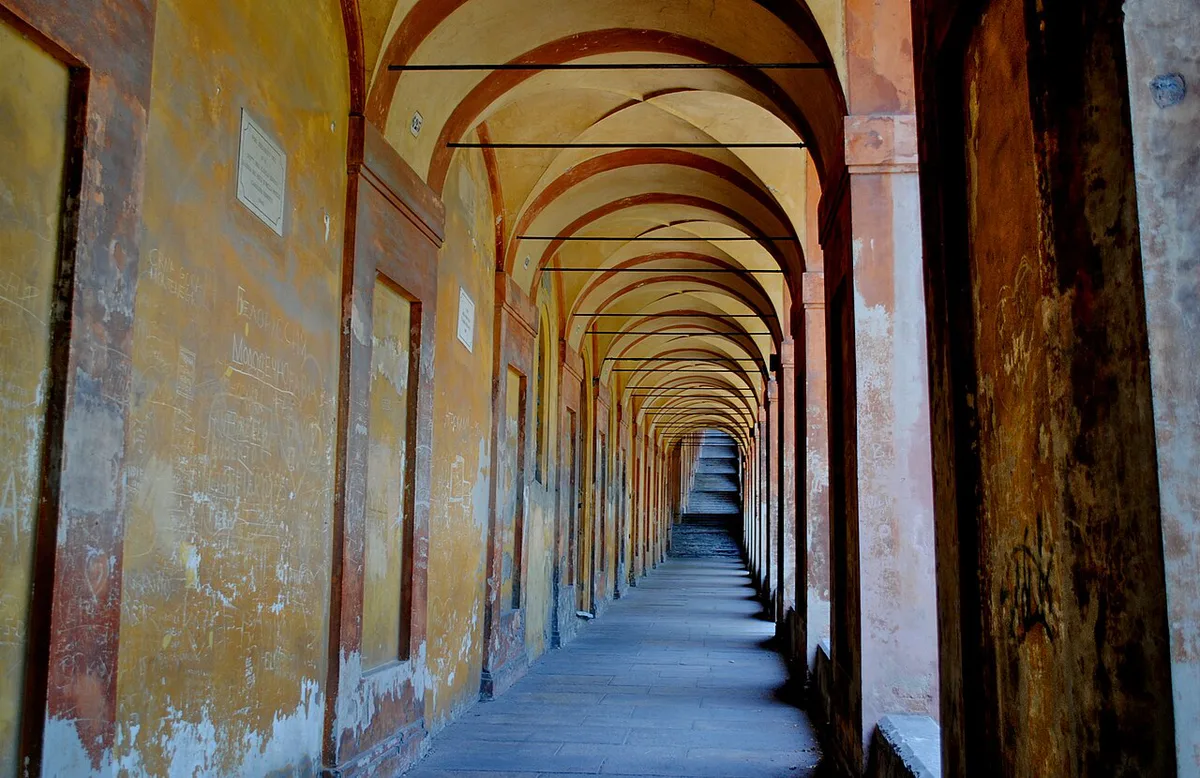
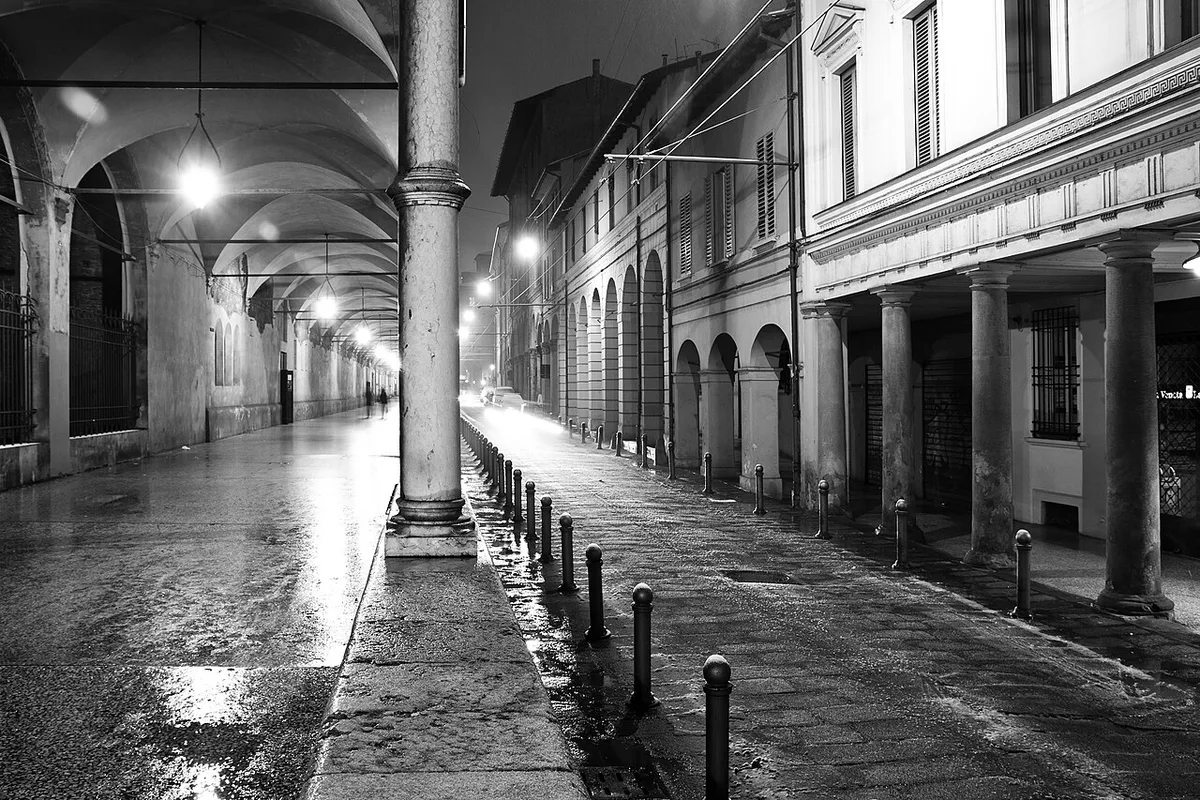
The San Luca portico, spanning 3.8 kilometers as the world's longest covered walkway, doubles as practical shelter from sun or rain, allowing visits during summer heat or sudden storms without seeking refuge indoors.
- Walk the Full 3.8-Kilometer Portico di San Luca
- This portico climbs 666 arches over roughly 2.4 miles (3.8 kilometers), the longest continuous covered walkway in the world.
- A one-hour uphill walk reaches the hilltop sanctuary, or the San Luca Express train covers the same route faster.
- See the Porticoes of Bologna: A Complete 2026 Guide to the UNESCO Arcades for the rest of the network, worth a longer walk another day.
- Peer Through the Finestrella di Via Piella at Bologna's Hidden Canal
- This small window on Via Piella frames a stretch of Bologna's covered canal, a view known locally as Little Venice.
- The canal sits behind a plain building front, so slow down near the address, or it's easy to walk right past it.
- Check the Finestrella di Via Piella guide for the exact spot and the best time of day for photos.
- Tour the Archiginnasio's 17th-Century Anatomical Theatre
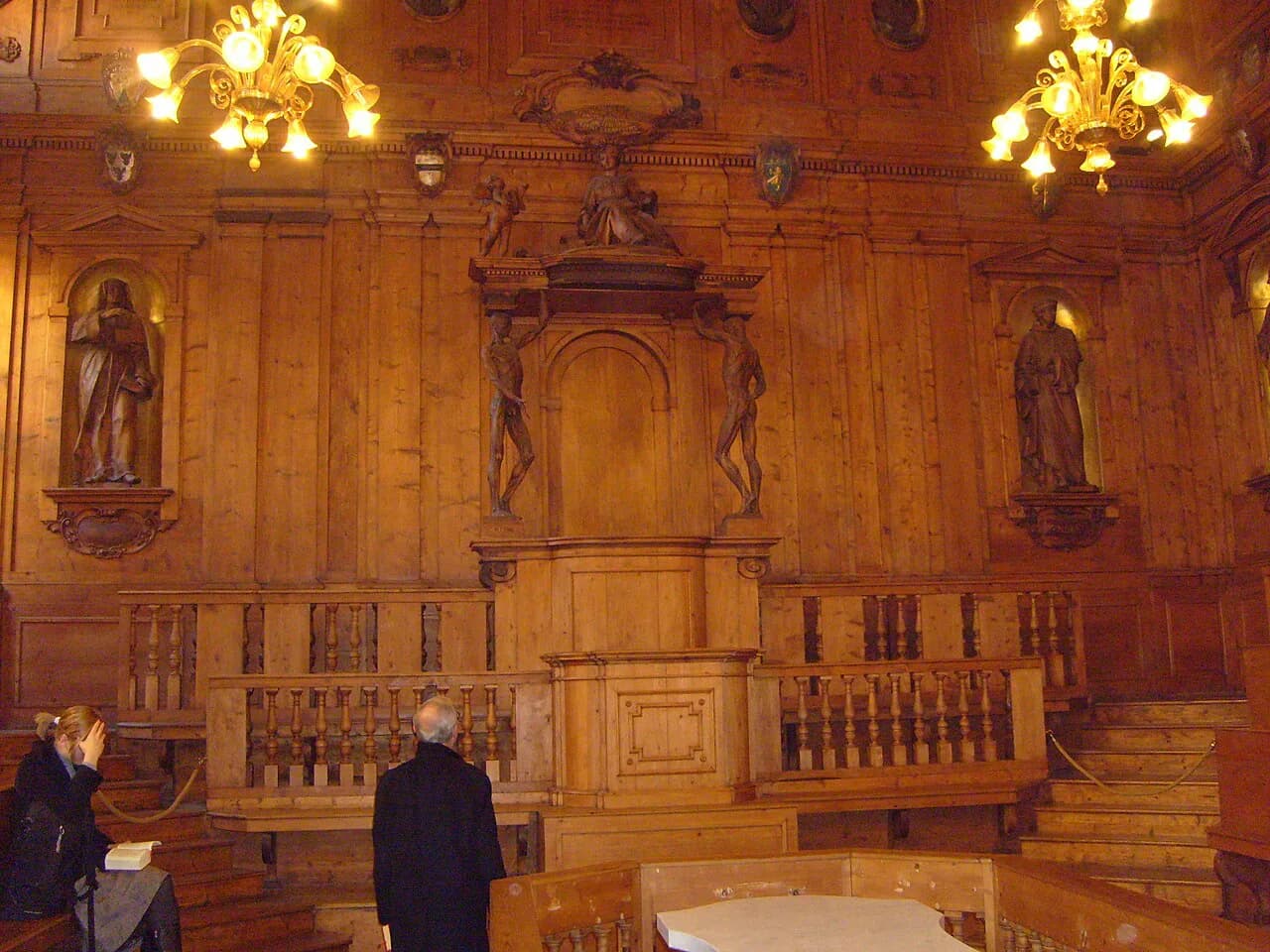
- Inside Bologna's former university building, a wood-paneled lecture hall once hosted public human dissections for medical students.
- Carved wooden figures still line the walls above the lecture table, part of the theatre's original 17th-century design.
- Current opening hours for the theatre and the library next door are in the university quarter guide.
- Choose Your Tower: Asinelli or Torre dell'Orologio
- Asinelli Tower closed in April 2024, and no reopening date had been announced as of this update, so confirm current status before planning around it.
- Torre dell'Orologio, Bologna's clock tower, currently offers a 360-degree view for €10, including entry to the adjoining museum.
- Before the closure, Asinelli tickets often needed booking weeks ahead in peak season, a pattern likely to return if it reopens.
- Listen for the Whispering Walls in the Palazzo del Podestà
- Under the gallery of the Palazzo del Podestà, a whisper carries clearly between two opposite corners, an acoustic effect built into the vaulted ceiling.
- Elsewhere in the historic center, look for a carved inscription reading cannabis, one of several small curiosities locals point out.
- More on these small details is mapped in the secret spots in Bologna guide.
- Wander the Quadrilatero's Medieval Market Lanes
- A few steps from Piazza Maggiore, narrow streets hold Bologna's oldest market, lined with butchers, fishmongers, cheese counters, and small wine bars.
- Mornings bring the most working stalls, while several turn into standing-room wine and snack spots by early afternoon.
- Stall-by-stall picks are listed in the Quadrilatero guide.
- Weigh a Trip to FICO Eataly World Against the Quadrilatero
- FICO Eataly World sits outside Bologna's historic center and gathers Emilia-Romagna producers, restaurants, and food displays under one roof.
- It trades the Quadrilatero's centuries-old streets for convenience, covering in one stop what would otherwise take a full day of separate visits.
- For a short 2-3 day stay, the Quadrilatero fits more easily on foot, and FICO works best as a dedicated half-day trip.
- Bring Your Own Food to Osteria del Sole
- This wine bar near the Quadrilatero has sold only wine and beer for centuries, with no food on the menu.
- Regulars bring bread, cheese, and cured meats from nearby stalls and eat standing at shared tables.
- Nearby stall recommendations sit in the Bologna Local Food Guide: What to Eat and Where in 2026.
- Step Into the Seven Churches of Santo Stefano
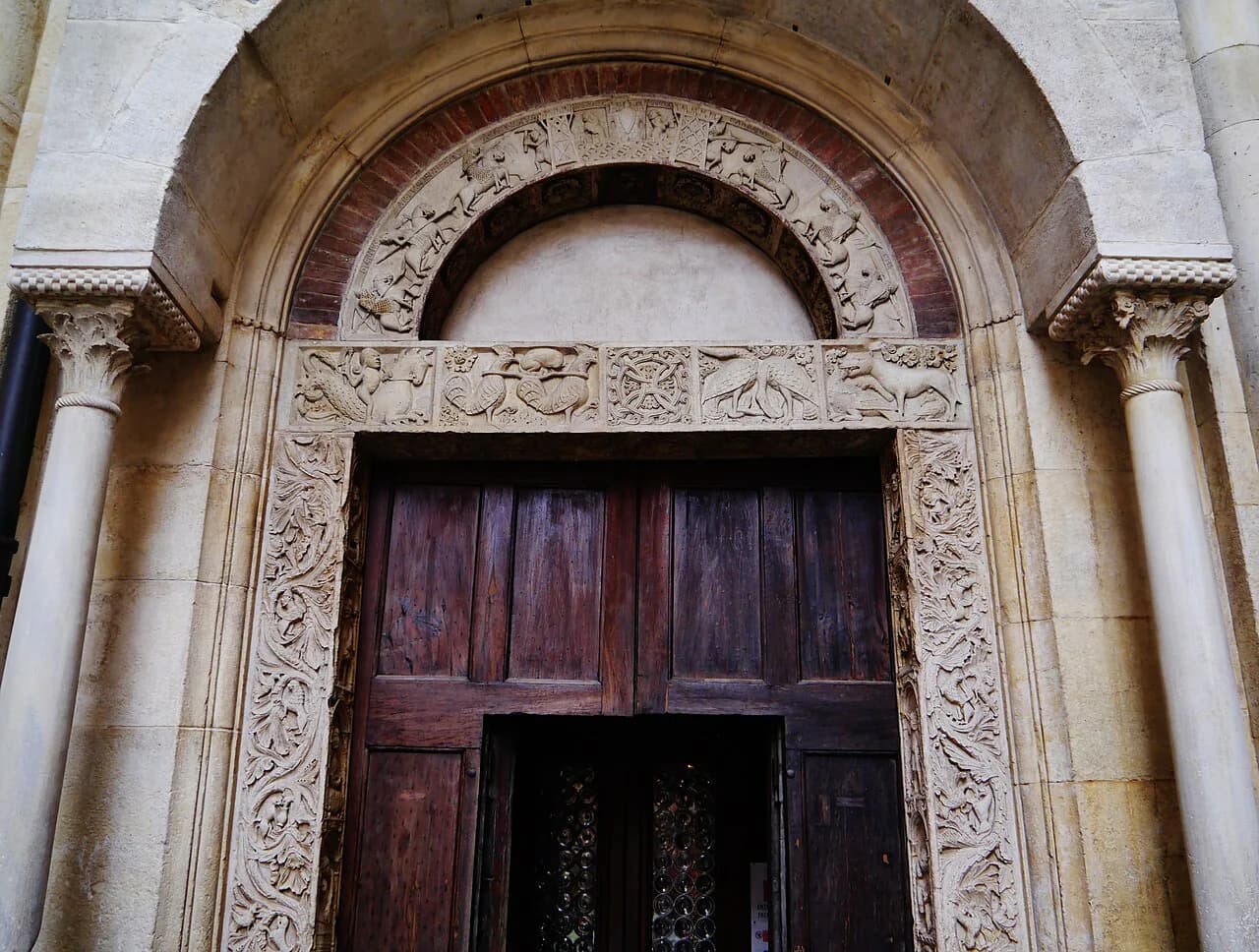
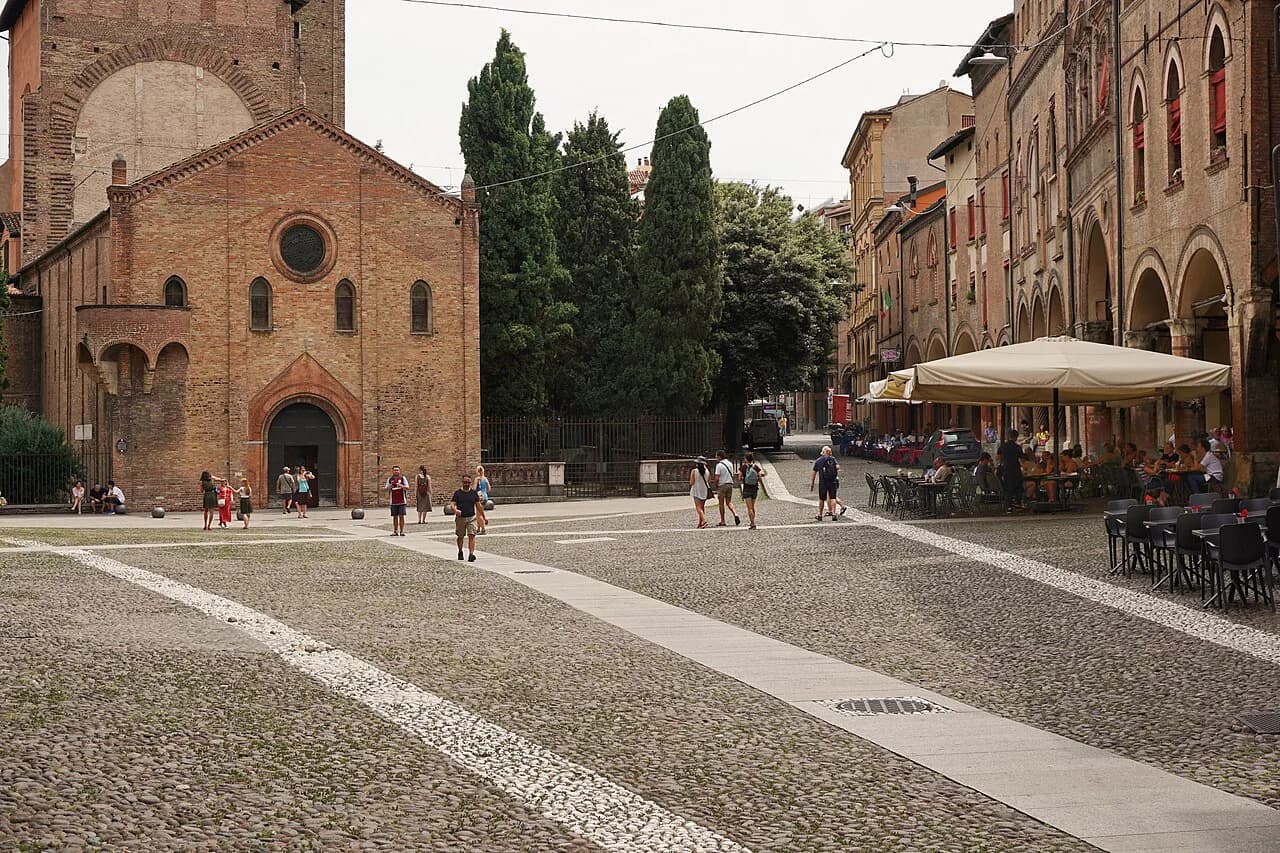
- This religious complex bundles several interconnected churches and courtyards dating back to at least the 10th century.
- Entry is free, and the quiet cloister inside offers a break from the crowds around Piazza Maggiore.
- Chapel-by-chapel detail is covered in the Santo Stefano guide.
- Cross Into Pratello or Bolognina for Bologna Without the Tour Groups
- Via del Pratello fills with residents at aperitivo hour. The Pratello guide covers which bars locals actually use.
- Bolognina keeps a different pace, with fewer visitors and more everyday city life. The Bolognina guide covers what's changed in the district recently.
- More stops for both districts are in the Bologna Neighborhoods Guide: Where to Stay by Vibe and Budget (2026). A few more picks sit in the off-the-beaten-path guide.
Which Tower to Climb: Asinelli or Torre dell'Orologio
Bologna's two medieval towers used to offer competing views, but only one climb is confirmed open as of this update. Match the pick to fitness level and how much lead time is available. If the Asinelli Tower reopens, expect a steeper, longer climb and a separate ticket price, so confirm the official site before booking anything else around it.
| Tower | Steps | Price | Status (2026) |
|---|---|---|---|
| Torre Asinelli | 498 | Not applicable while closed | Closed since April 2024, no reopening date announced |
| Torre dell'Orologio (Clock Tower) | Fewer than Asinelli, exact count unpublished | €10, includes museum entry | Open |
Fitting These Picks Into a 2-3 Day Stay
Group these picks by location to avoid crisscrossing the center more than necessary. The Quadrilatero, Osteria del Sole, and the Archiginnasio sit within a few minutes' walk of each other and pair well as one morning block. Save the San Luca portico walk and the tower decision for the day with the most energy, since both involve real effort. The Finestrella, the whispering gallery, and Santo Stefano fit into a slower half-day that can bend around weather or opening hours.
| Time Block | Picks | Effort Level |
|---|---|---|
| Morning | Quadrilatero market, Osteria del Sole, Archiginnasio Anatomical Theatre | Low |
| One full day | San Luca portico walk, tower climb | High |
| Slower half-day | Finestrella di Via Piella, whispering gallery, Santo Stefano | Low to moderate |
Best Time to Visit Bologna Without the Heat or the Crowds
June and September bring long days without the worst of summer heat. July and August push afternoon highs into the mid-80s Fahrenheit, warm enough to shorten outdoor plans. Major trade fair weeks also fill hotels fast, so check Bologna's exhibition calendar before locking in dates. Month-by-month crowd levels are broken down in the best time to visit Bologna guide.
Mid-80s Fahrenheit afternoons coincide with July and August's peak tourist season, so high-effort activities like tower climbs and the San Luca walk demand early-morning timing or pairing with your most energetic day.
Getting Around Bologna, and Whether a City Pass Pays Off
Bologna's center is compact enough to cover on foot, with buses filling in for longer trips. The covered porticoes double as shelter from sun or rain, useful since most of the center is covered end to end. Some weekends turn the historic core into a pedestrian-only 'T day,' so confirm the current calendar before renting anything with wheels. A combined sightseeing-and-transit pass can pay off with several paid stops planned, but check the official current price first since it changes yearly. For a short 2-day stay hitting only two or three paid sights, paying admission separately is often the simpler math.
Follow a Walking Route Through Bologna’s Seven Secrets
Several of Bologna’s famous “seven secrets” form an easy walking route through the historic center. Start beside the Fountain of Neptune in Piazza Maggiore. From the nearby black paving stone, Giambologna’s statue creates a deliberately suggestive optical illusion.
- Test the whispering corners beneath the Palazzo del Podestà, opposite the basilica.
- Read the Latin cannabis inscription beneath the portico at Via Indipendenza and Via Rizzoli.
- Look upward in Corte Isolani for three arrows embedded in the wooden ceiling.
- Continue to Via Piella and open the Finestrella for a view of the Canale delle Moline.
The route takes about 30 minutes without stops and needs no ticket. Corte Isolani is easiest to enter from Strada Maggiore, through the passage beneath the historic houses. The arrows are small, so stand near the center and inspect the rafters carefully. Water levels at the Finestrella vary because the canal is periodically drained for maintenance. The legendary broken vase atop Torre degli Asinelli cannot be checked during the tower’s closure.
Further reading: Bologna on Wikivoyage · Bologna on Wikipedia
Frequently Asked Questions
What can you do in Bologna for free?
Walking the porticoes costs nothing, and neither does standing under the Palazzo del Podestà's whispering gallery. Entry to the Seven Churches of Santo Stefano is also free. More free picks appear in the free things to do guide.
Is the Asinelli Tower open in 2026?
It has been closed since April 2024, and no reopening date has been announced as of this update. Torre dell'Orologio, the city's clock tower, is the current alternative for a view over the city, priced at €10 including its museum.
Are day trips from Bologna worth adding to the itinerary?
Parma and Modena sit close enough for a single day, covering Parmigiano-Reggiano production, balsamic vinegar, and the Ferrari and Lamborghini museums around Modena's Motor Valley. Routes and timing are covered in the best day trips from Bologna guide.
Where should you eat away from the main squares?
The Quadrilatero covers market-style eating within the center, and Osteria del Sole works for a bring-your-own-food wine stop. Sit-down options beyond both are covered in the best local restaurants guide.
Is a Bologna city pass worth buying for a short stay?
That depends on how many paid attractions fit the schedule. Check the official current price against a real day-by-day plan first, since a pass built for five sites won't pay off on a two-site visit.
When is the best time to visit Bologna to avoid crowds and heat?
June and September offer warm days without the peak-summer heat of July and August. Checking the city's exhibition calendar also helps, since major trade fair weeks fill hotels regardless of season.
Continue exploring
More guides you'll find useful