Off the Beaten Path in Bologna: A Guide Beyond the Piazza Maggiore Crowds
A 2026 guide to off the beaten path in Bologna: Bolognina street art, Via del Pratello bars, the Certosa cemetery, and bus-by-bus logistics for each stop.
On this page
Off the Beaten Path in Bologna: Neighborhoods, Museums, and Food Locals Actually Choose
Last updated July 2026, this guide moves off the beaten path in Bologna and into the neighborhoods where locals actually spend their afternoons. Bolognina's street art blocks, Via del Pratello's aperitivo tables, and the porticoed climb toward San Luca sit close to Piazza Maggiore, minus the lines. Each section below names specific streets, bus numbers, and opening days, so the detour is easy to plan rather than just admire.
Getting Off the Beaten Path in Bologna: Beyond the Quadrilatero
Most Bologna itineraries repeat one short loop: Piazza Maggiore, the Quadrilatero food stalls, and a photo at the leaning towers. That loop skips the neighborhoods where residents eat lunch and buy groceries every day. Off the beaten path in Bologna is realistic within a normal visit, since the historic center is compact and every neighborhood below sits an easy walk or short bus ride from Piazza Maggiore. Bolognina sits north of the train station, Via del Pratello runs west from the center, and the university quarter spreads east along Via Zamboni. Each has a distinct feel, and the Bologna Neighborhoods Guide: Where to Stay by Vibe and Budget (2026) maps all three plus the historic center in one overview. Bologna's porticoes carry UNESCO World Heritage status, and they cover most of the walking routes below, so rain rarely changes the plan. This guide names specific stops worth the detour. It covers which bus to catch, which days a site opens, and how each place differs from the standard route. For a broader shortlist of unusual sights citywide, the Bologna hidden gems guide pairs well with the neighborhood-level detail below.
Neighborhood Spotlight: Bolognina, Via del Pratello, and the University Quarter
Three neighborhoods carry most of Bologna's daily life outside the historic center, each suited to a different mood. Bolognina suits street art and a multicultural food scene. Via del Pratello suits evening drinks away from the center. The university quarter suits quiet daytime history among working students. Together, they cover much of what the Bologna secret spots guide treats as individual finds.
- Bolognina: North of the train station, reached by city bus 25. Street art fills the blocks near the former XM24 social center, and the Mercato Ritrovato farmers market draws a mixed local and immigrant food scene most weekends. See the Bolognina neighborhood guide for a block-by-block map of the murals and market stalls.
- Via del Pratello: A narrow street running west from Piazza Malpighi, lined with wine bars and small kitchens that fill for evening aperitivo. It stays busy after dark, away from the café tables around Piazza Maggiore. Specific bars and typical opening hours appear in the Via del Pratello guide.
- University Quarter: Via Zamboni and the surrounding streets hold the University of Bologna, the oldest university in the Western world. Student housing, secondhand bookshops, and inexpensive trattorie replace the souvenir stands of the center. Grit, not polish, is the point here. The university quarter guide covers specific courtyards worth stepping into.
Niche Art and History Without the Queues
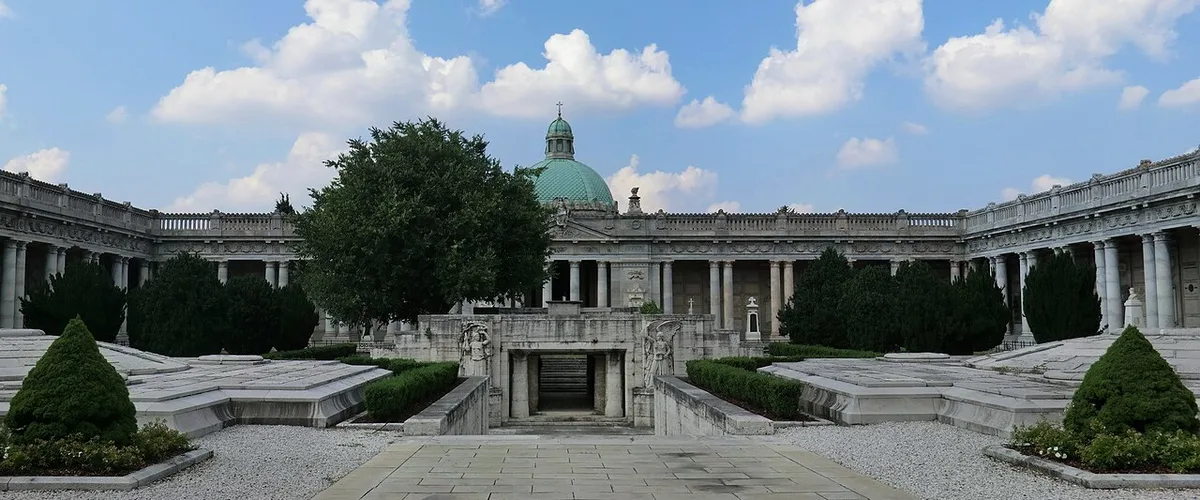
Five sites hold real history without the crowds that gather at the center's marquee sights. Certosa di Bologna rewards a visit for open-air sculpture without a ticket line. MAMbo offers a modern-art contrast to the medieval streets outside its doors. Basilica di San Domenico holds Michelangelo's early work, missed by anyone who spends basilica time only at San Petronio. Salaborsa Library gives free access to Roman ruins inside a working public building. Santo Stefano offers quiet cloisters a few minutes from Via Zamboni. The 10 Unique Things to Do in Bologna: A Local's Guide to Hidden Secrets guide expands on several of these with current visiting hours.
Roman ruins dated to the 2nd century BC at Salaborsa Library cost nothing to view and sit steps from Piazza Maggiore. This makes ancient history accessible without museum fees or traveling to peripheral sites.
- Certosa di Bologna: A monumental cemetery that functions as an open-air museum, with sculpted tombs spread across former monastery grounds outside the historic center. A local city bus covers the distance from downtown, and the grounds rarely fill up.
- MAMbo (Museo d'Arte Moderna di Bologna): Contemporary and modern art housed inside a former bakery building, steps from streets that still look medieval.
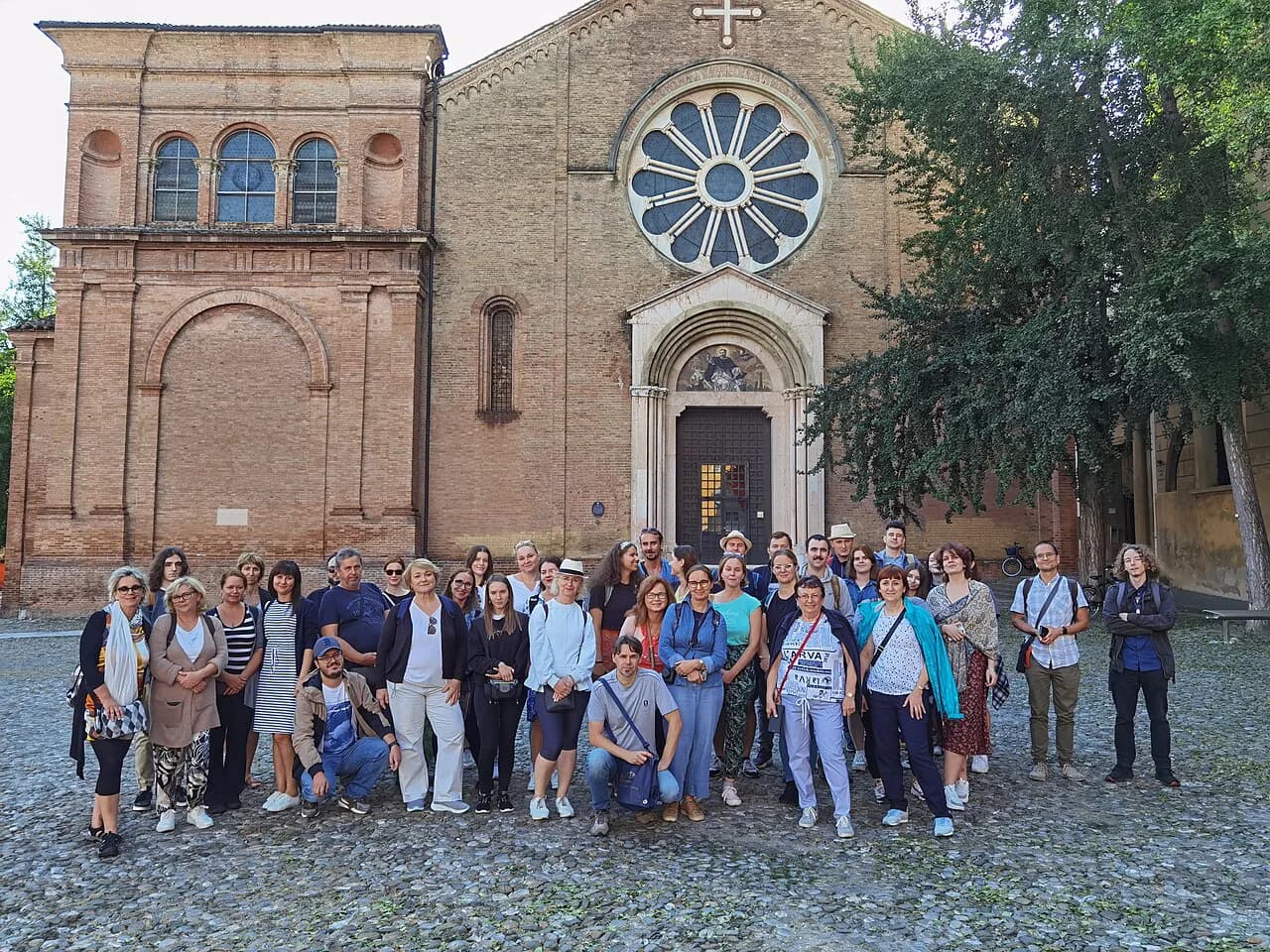
- Basilica di San Domenico: Home to early sculptural work attributed to Michelangelo, tucked into a basilica most itineraries skip in favor of San Petronio.
- Salaborsa Library: A working public library inside Palazzo d'Accursio, with a glass floor over Roman-era ruins from the ancient city of Bononia, dated to the 2nd century BC. Basement access runs Monday afternoons and Tuesday through Saturday, with guided tours on Friday afternoons.
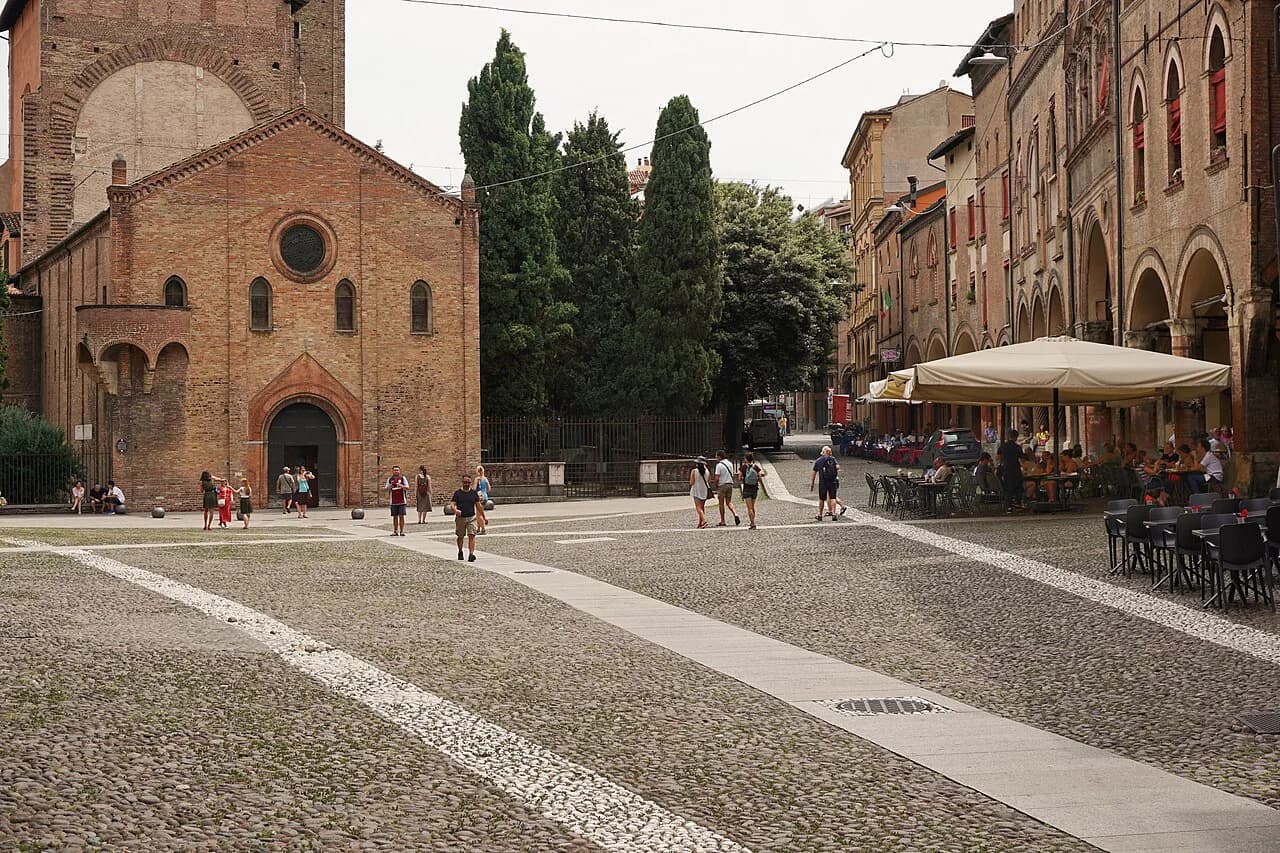
- Santo Stefano: A cluster of interconnected medieval churches with quiet cloisters, a short walk from Via Zamboni. The Santo Stefano complex guide covers each individual church inside it.
Alternative Views and Active Escapes: San Luca and Villa Ghigi
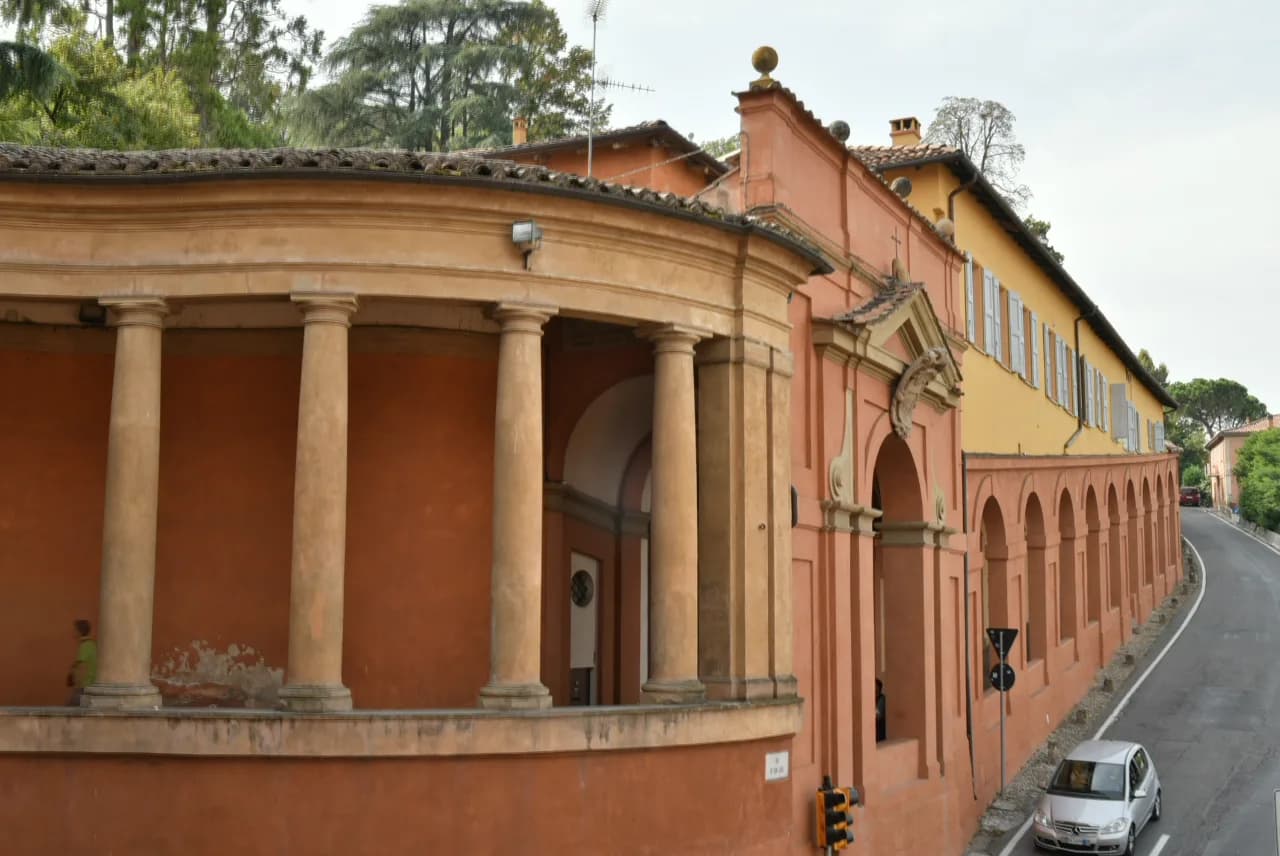
Walking the covered portico up to the San Luca sanctuary is not exactly a secret, and the walkway is often described as the world's longest portico. The San Luca Sanctuary guide and the Bologna porticoes guide cover the climb in detail. Past the sanctuary courtyard, the reward gets better. Colli Bolognesi hills stretch beyond San Luca, with vineyard roads and quieter viewpoints than the crowd at the top. City bus 52 reaches the hills from the center, useful for skipping the uphill walk entirely. Villa Ghigi Park sits closer to the center and gives a sunset view over the city with a fraction of the San Luca crowd, and it costs nothing to visit. The Colli Bolognesi hills suit vineyard views and an active afternoon. Villa Ghigi Park suits a faster sunset view with less effort. Villa Ghigi's free entry is why it appears on the 15+ Free Things to Do in Bologna: A 2026 Budget Guide list. Wine-focused day trips into the Colli Bolognesi hills get fuller coverage on the day trips from Bologna guide, useful for travelers with a full day outside the city center.
Food Beyond the Bologna Sandwich: Markets and Old-School Osterie
Three stops replace the standard Quadrilatero food crawl with something closer to daily local shopping. Mercato delle Erbe suits everyday grocery browsing rather than a photo-ready display. The Carpigiani Gelato Museum suits a structured, indoor food experience on a rainy afternoon. Osteria del Sole suits travelers curious about the oldest surviving version of Bologna's wine-only osteria tradition. For a fuller list of kitchens locals return to, see the local restaurants in Bologna guide. The Bologna food guide covers market-to-table specifics, from mortadella to fresh tortellini.
- Mercato delle Erbe: The largest covered market in central Bologna, and the everyday alternative to the Quadrilatero market guide's Mercato di Mezzo stalls. Stalls sell produce, cheese, and meat to residents on a normal grocery run, not to tour groups.
- Carpigiani Gelato Museum: A short trip outside the center, built around the history and machinery behind Italian gelato-making, and a stop most first-time visitors never add to a one-day itinerary.
- Osteria del Sole: The oldest osteria in the city, still running on an old-school rule. It sells wine only, and customers bring their own food from a nearby shop or market stall.
Logistics and Decision Criteria for an Alternative Bologna Itinerary
Central and peripheral stops trade off differently on access, cost, and crowd size. Pick central niche sights, such as MAMbo or Salaborsa Library, when time is short and walking distance matters most. Pick peripheral stops, such as Certosa di Bologna or the Colli Bolognesi hills, when a half-day is available and a bus ride is acceptable. Admission at niche sights such as MAMbo and Basilica di San Domenico typically runs lower than at the marquee sights inside the Quadrilatero. Villa Ghigi Park and the Salaborsa Library's ground-floor ruins cost nothing to see. Confirm current 2026 admission rates on each official site before visiting, since prices and hours shift year to year. University term time fills Via del Pratello and the university quarter with student energy. August thins out both the historic center and the side streets, as many residents leave for the coast. Shoulder months tend to balance crowd levels better than either extreme. The best time to visit Bologna guide breaks down both seasons month by month. Two habits waste time on an alternative Bologna itinerary. Skip waiting in line at the Finestrella di Via Piella for a narrow slice of canal view through a small window. Other points along the same hidden canal network show more water with less waiting. Also, do not plan a day around climbing the Asinelli Tower. It has been closed for restoration, with reopening dates shifting more than once, so confirm current status before adding it to any itinerary.
Last updated July 2026, museum hours and admission fees shift year to year. Before basing an itinerary around visiting times for sites like MAMbo or Salaborsa, verify current details on official websites.
| Spot | Getting there | Trade-off |
|---|---|---|
| Bolognina | City bus 25 | Street art and market stalls instead of Quadrilatero souvenir shops |
| Colli Bolognesi hills | City bus 52 | Vineyard views instead of the San Luca courtyard crowd |
| Certosa di Bologna | Local city bus from the center | A quiet monumental cemetery instead of another paid museum queue |
| Villa Ghigi Park | Walking distance of Porta Saragozza | Free sunset view instead of the San Luca climb |
| Carpigiani Gelato Museum | Short bus or taxi ride outside the center | A gelato-making museum instead of another gelato shop line |
Walk the Sentiero dei Bregoli to San Luca
The Sentiero dei Bregoli offers a quieter alternative to climbing San Luca through the famous portico. This historic woodland path begins in Parco della Chiusa, also called Parco Talon, in Casalecchio di Reno. It reaches the sanctuary from the western side.
Enter the park near Villa Sampieri Talon and follow signs for the Sentiero dei Bregoli. The route climbs through oak woodland before emerging near the Basilica di San Luca. Some sections are steep, uneven, and slippery after rain. Wear shoes with reliable grip and carry water, especially during warm afternoons.
Casalecchio di Reno is reachable from central Bologna by local train or city bus. Check current services before leaving, since routes and frequencies can change. Allow extra time to find the park trailhead rather than relying only on the sanctuary’s address.
For a varied outing, ascend through the woods and return toward central Bologna beneath the covered portico. Choose this route for shade, exercise, and fewer people. Use the traditional portico climb if smooth paving and simpler navigation matter more.
Further reading: Bologna on Wikivoyage · Bologna on Wikipedia
Frequently Asked Questions
What is the best neighborhood in Bologna for skipping the tourist crowds?
Bolognina and Via del Pratello both work well, though they suit different moods. Bolognina, reached by city bus 25, leans into street art and a multicultural food scene built around the Mercato Ritrovato market. Via del Pratello leans into evening aperitivo and small wine bars, busiest after dark and largely empty of day-trippers.
Is the Asinelli Tower open in 2026?
The tower has been closed for restoration, and reopening timelines have shifted more than once. Confirm current status on the official site before planning a day around it. Treat the Two Towers as a photo stop rather than a climb until an official reopening date is confirmed.
How do you reach San Luca and the Colli Bolognesi hills without a car?
City bus 52 runs from the center into the hills beyond San Luca sanctuary. Walkers can also follow the covered portico up to the sanctuary on foot, then continue past the courtyard into the hills for vineyard views and quieter overlooks than the summit offers.
Is one day enough for an off the beaten path visit to Bologna?
One day covers a single neighborhood plus one or two niche sights comfortably. Pairing Bolognina's street art with the Salaborsa Library's Roman ruins makes a realistic half-day combination. That leaves an afternoon free for Via del Pratello's bars or the university quarter's courtyards.
When should you visit to avoid both summer crowds and an empty city?
University term time brings student energy to Via del Pratello and the university quarter. August thins out both the historic center and the side streets, as many residents leave for the coast. Shoulder months, outside peak summer and outside August, tend to balance crowd levels better than either extreme.
What is the easiest niche museum to combine with a Piazza Maggiore visit?
Salaborsa Library sits inside Palazzo d'Accursio, steps from Piazza Maggiore, with Roman ruins visible through a ground-floor glass floor at no cost. It works as a short detour rather than a separate outing, unlike Certosa di Bologna or the Colli Bolognesi hills, which need a bus ride.
Continue exploring
More guides you'll find useful