San Luca Bologna: The Sanctuary, the Portico, and How to Reach It (2026 Guide)
Plan a visit to San Luca Bologna: the Sanctuary of the Madonna di San Luca, its 3.8km, 666-arch portico, transport options, hours, and 2026 costs.
On this page
San Luca Bologna: A Guide to the Sanctuary and Its 666-Arch Portico
Last updated July 2026, this guide covers the Sanctuary of the Madonna di San Luca, the hillside shrine that has watched over Bologna since the 18th century. San Luca Bologna refers to both the Baroque basilica atop Colle della Guardia and the 3.8-kilometer arcade of 666 arches connecting it to the city center. Here's how to plan the walk, the bus and train alternatives, and the timing decisions that determine whether you reach a locked door or the terrace view.
San Luca Bologna: The Sanctuary on Colle della Guardia
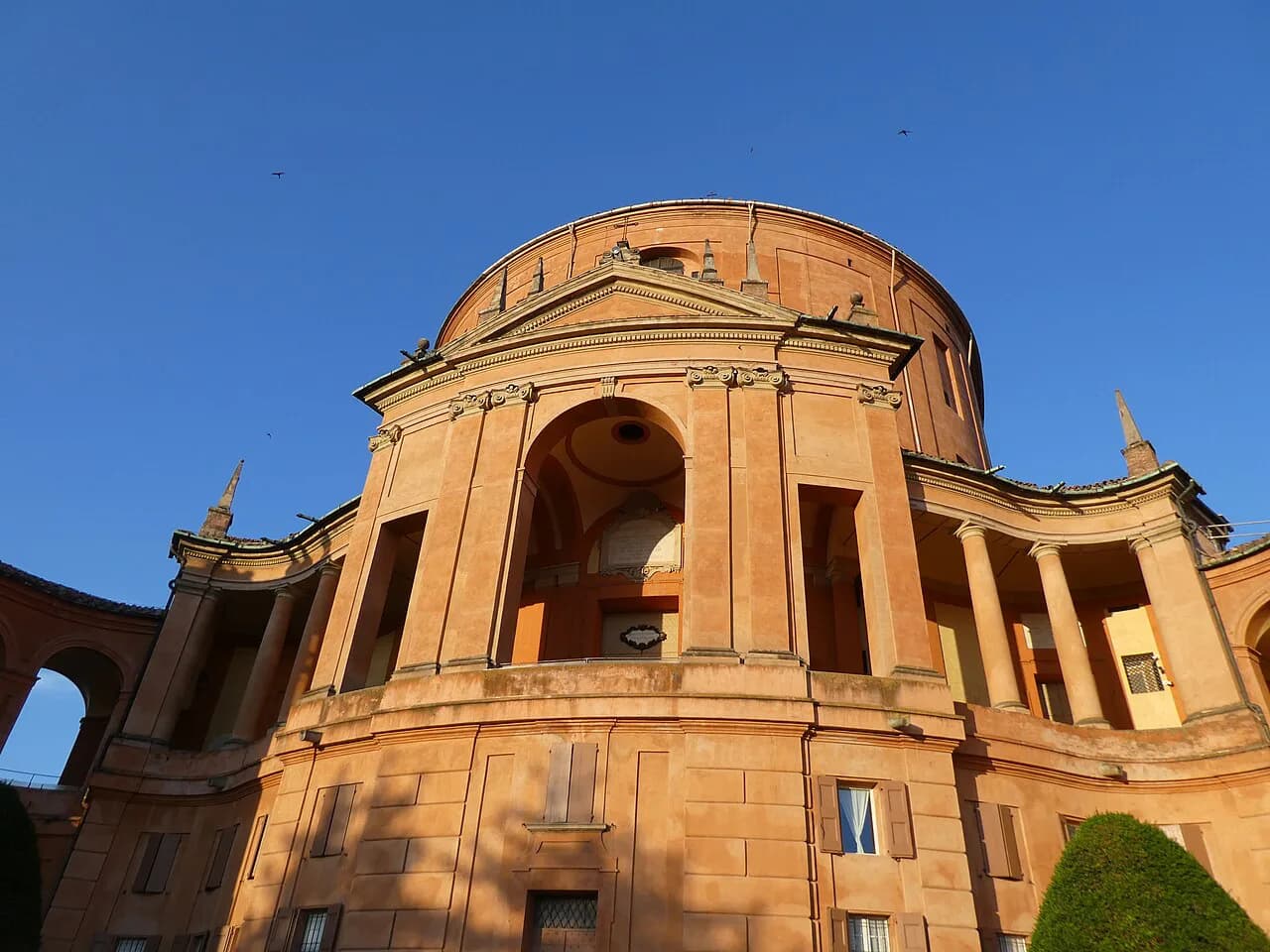
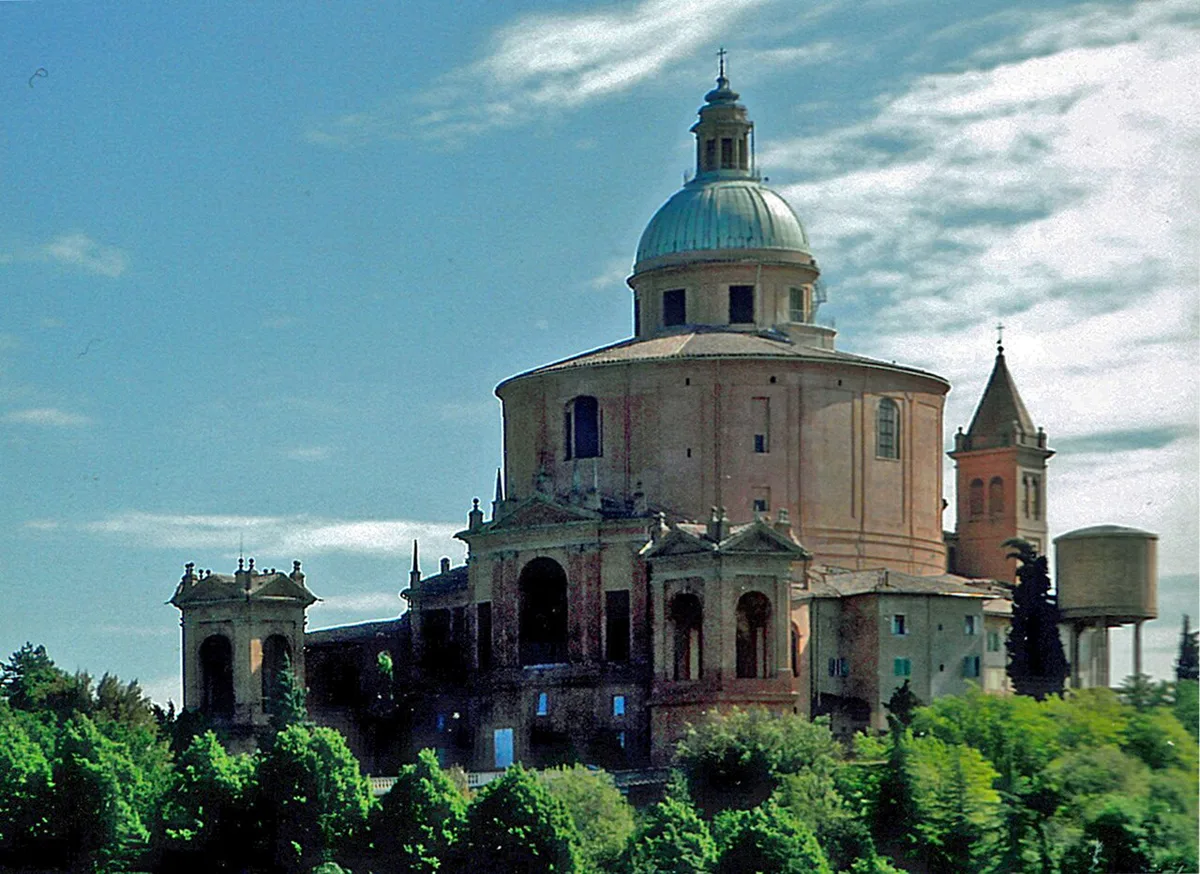
The Sanctuary of the Madonna di San Luca sits atop Colle della Guardia, a forested hill about 300 meters above the Bologna city plain. Carlo Francesco Dotti designed the current church, completed in 1723 to replace an earlier 15th-century structure on the same site. A church or chapel had already stood on this hill for centuries before that. Tradition holds that a pilgrim brought a Byzantine icon of the Madonna with Child from Constantinople in the 12th century. Bishop Gerardo Grassi assigned that icon to a hilltop hermitage in 1160. Construction of a proper church began in 1193. Dominican friars from the nearby Ronzano monastery tended the site from 1294 until Napoleonic suppression closed it in 1799. Since 1433, a procession has carried that same icon down to Bologna Cathedral during Ascension week each spring. In 2021, the portico linking the hill to the city was inscribed on the UNESCO World Heritage list as part of the Porticoes of Bologna.
- Location: Via di San Luca 36, on Colle della Guardia, about 300 meters above the city
- Entrance to the Basilica: free
- Hours: 7:00 AM to 6:00 PM daily, extended to 6:30 PM from March through October
- UNESCO status: inscribed in 2021 as part of the Porticoes of Bologna
- Architect: Carlo Francesco Dotti, church completed 1723
The Portico di San Luca: 3.8 Kilometers and 666 Arches
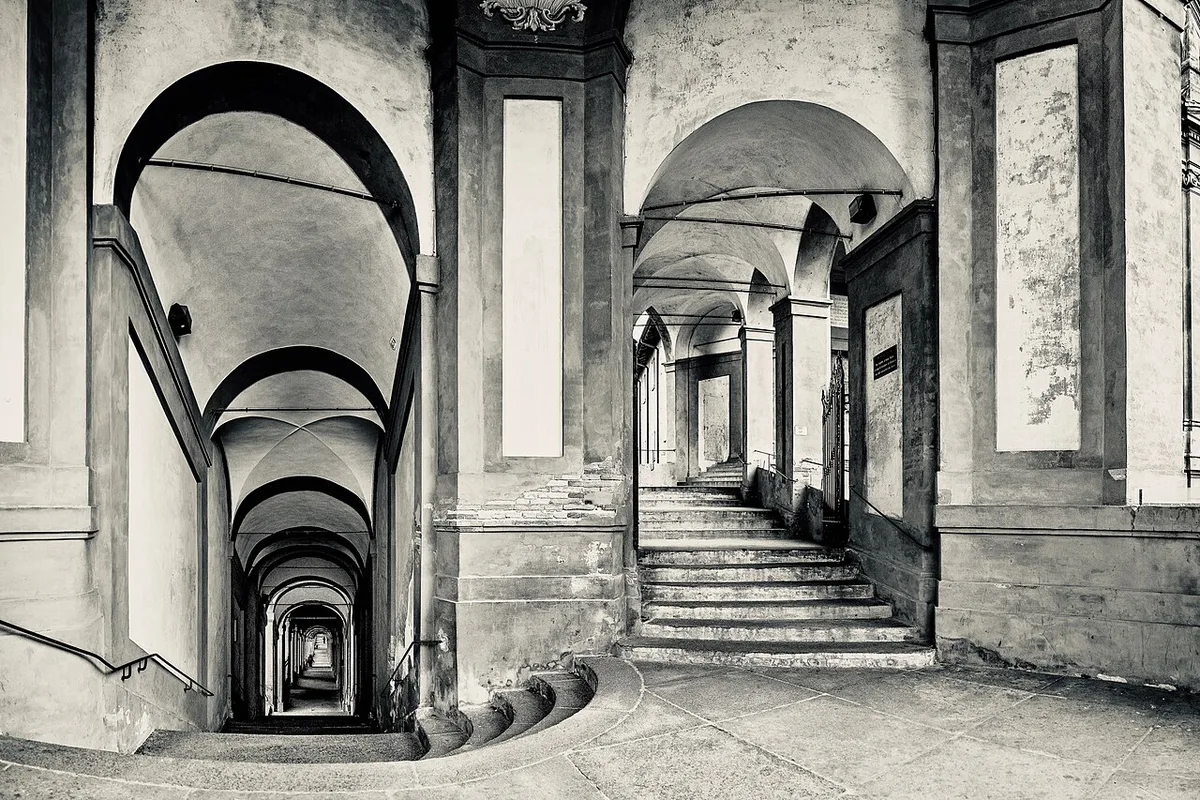
Construction on the Portico di San Luca began in 1674 and continued until 1793. At 3.8 kilometers, it is widely cited as the longest portico in the world, a claim repeated across official and independent guides. Most tallies count 666 arches along its length, plus 15 chapels near the top depicting the Mysteries of the Rosary. Some local counts range from 658 to 666 depending on methodology. Many arches were originally funded by Bolognese families, some of whom added small icons or private chapels of their own. Local tradition ties the number 666 to the sanctuary symbolically crushing a serpent at the summit, though treat that reading as folklore rather than an official explanation. Porta Saragozza marks the starting point. The portico runs flat through the edge of the city before reaching the Arco del Meloncello, an arch built in 1732 to a Carlo Francesco Dotti design. That arch marks the real pivot point of the route. From here, flat sidewalk gives way to stone stairs for the rest of the way to the summit. This stretch also overlaps with the first stage of the Via degli Dei, the long-distance trail linking Bologna to Florence. A cable car once climbed this same hill between 1931 and 1976. It's long closed, but the abandoned top station and a surviving pylon still remain today.
How to Reach San Luca Bologna: Walking, Bus, Train, or Bike
Four main routes get you up Colle della Guardia, and each suits a different kind of traveler. Compare time, cost, and fit before deciding which to take. Walking remains the classic approach and the only way to pass every one of the 666 arches on foot. Bus 58 does not run often, so check the Tper website for current times before you rely on it. San Luca Express leaves from Piazza Maggiore with audio commentary and covers the ascent without any walking at all. For the return leg from Casalecchio di Reno, an alternate route starts at the Church of San Martino, reachable by bus 20, then continues through Parco della Chiusa or Talon. Sentiero dei Bregoli, a 1.7-kilometer path through those woods, has been closed since recent flood damage. Check current signage at the park before counting on it. A panoramic alternative, Via Panoramica, climbs instead through Montagnola di Mezzo to Via Monte Albano and arrives behind the sanctuary. Cycling up is possible only for well-trained riders, since the ascent is steep enough to feature in professional races. The Giro d'Italia first used this climb in 1956, in a time trial stage won by Charly Gaul. Giro dell'Emilia, an Italian autumn classic, finishes here most years on a repeated circuit. Stage 2 of the 2024 Tour de France climbed this same road.
| Option | Time | Cost | Best For |
|---|---|---|---|
| Walk from Porta Saragozza | 45-60 minutes up, about 40 minutes back down | Free | Active travelers who want the full 666-arch experience |
| San Luca Express (tourist train) | Runs from Piazza Maggiore on a set schedule | About €10 round trip for adults, about €6 for children aged 6-10 | Families, limited mobility, multilingual audio commentary |
| Bus 20 + Bus 58 (transfer at Villa Spada) | Varies; bus 58 runs on a limited schedule | Standard TPER fare, about €2, validated on each leg | Budget travelers willing to check timetables first |
| Taxi | About 15-20 minutes, plus a short walk from the parking area | About €20 from the city center | Travelers short on time or energy |
Inside the Basilica and the San Luca Sky Experience
Carlo Francesco Dotti's 1723 Baroque design still shapes the Basilica's interior. Guido Reni's Assumption hangs over the third altar on the right, and Guercino's frescoes decorate the sacristy. None of that overshadows the Byzantine icon of the Madonna with Child at the center of the building's devotion, the same image carried down to the cathedral every Ascension week. A panoramic terrace, the San Luca Sky Experience, opened in 2017 at 42 meters above Colle della Guardia. From there, a 180-degree view stretches from the surrounding hills to the city center and as far as Casalecchio di Reno. Access to the terrace stops 15 minutes before the sanctuary's daily closing time, so plan the climb with that buffer in mind. Group visits and private guided tours need an email reservation in advance, through the sanctuary's own booking address. Accessibility differs by area. The Basilica has elevator access for all disabilities, though the dome and crypt stay off-limits. Both the portico walk and the Sky Experience terrace, by contrast, are not fully wheelchair accessible, so confirm current arrangements directly with the sanctuary if mobility is a concern.
A Byzantine icon brought from Constantinople in the 12th century remains the centerpiece of devotion in the basilica, and that same image still travels to Bologna Cathedral each Ascension week.
Sanctuary Hours, Entrance, and Costs
San Luca opens daily from 7:00 AM to 6:00 PM, based on the sanctuary's published timetable. From March through October, closing shifts 30 minutes later, to 6:30 PM. Religious services can limit or pause tourist visits without much notice, so call ahead before planning a group trip. Entrance to the Basilica itself costs nothing. These figures reflect rates reported by official and local guides as of 2026. Confirm current pricing on the sanctuary's official site before your visit, since sanctuary-run tickets can shift with the season.
Although the sanctuary closes at 6:30 PM during March through October, the San Luca Sky Experience terrace closes 15 minutes before that time, so evening visitors must plan carefully to reach the panoramic view.
- Basilica entrance: free
- San Luca Express round trip: about €10 for adults, about €6 for children aged 6-10
- Bus 20 plus Bus 58: standard TPER fare, about €2, validated on each leg
- Taxi from the city center: about €20
- San Luca Sky Experience terrace: separate ticket; confirm the current rate before you climb
Best Time to Visit San Luca Bologna
Morning visits before 10 AM avoid both the day's heat and the busiest foot traffic. Sunday mornings draw large numbers of Bolognese residents treating the climb as exercise. Expect more company on the portico even when fewer visitors are tourists. Open stretches of stairs near the summit still catch direct summer sun despite the portico's shade lower down. Spring, fall, and winter bring cooler temperatures for the climb. The shorter daily window before the 6:00 PM close leaves less room for error, though. Evening light after the sanctuary's close still works for photographing the portico's arches from outside. The interior and terrace are shut by then, though. For a broader look at avoiding Bologna's busiest periods citywide, see the guide to visiting Bologna without the crowds.
What to Wear and What to Avoid
The sanctuary remains an active place of worship, so cover shoulders and knees before entering the Basilica. Skip sandals: the portico's 18th-century stone steps get steep and uneven near the summit, and worn stone turns slick underfoot. Pack water for the climb, since shade thins out on the steepest final stretch near the top. Sturdy walking shoes make the 45-to-60-minute ascent considerably easier than fashion-first footwear.
Mistakes to Avoid at San Luca Bologna
Arriving at 6:00 PM sharp is the single most common misstep travelers make here. At that hour, the hilltop view and the Basilica's exterior are still visible. The icon inside and the San Luca Sky Experience terrace are already closed for the day. Work backward from the posted closing time, and budget at least an hour for the walk up alone. Relying on Sentiero dei Bregoli without checking its status is a second common error, since flood damage has kept that woods path closed. Treating Bus 58 as frequent public transit is a third mistake. It runs on a limited schedule, and missing it can mean a long wait at Villa Spada. Assuming every entrance is free is a fourth pitfall. The Basilica costs nothing, but the San Luca Express and the Sky Experience terrace both carry separate charges.
Where to Eat and What Else to See Nearby
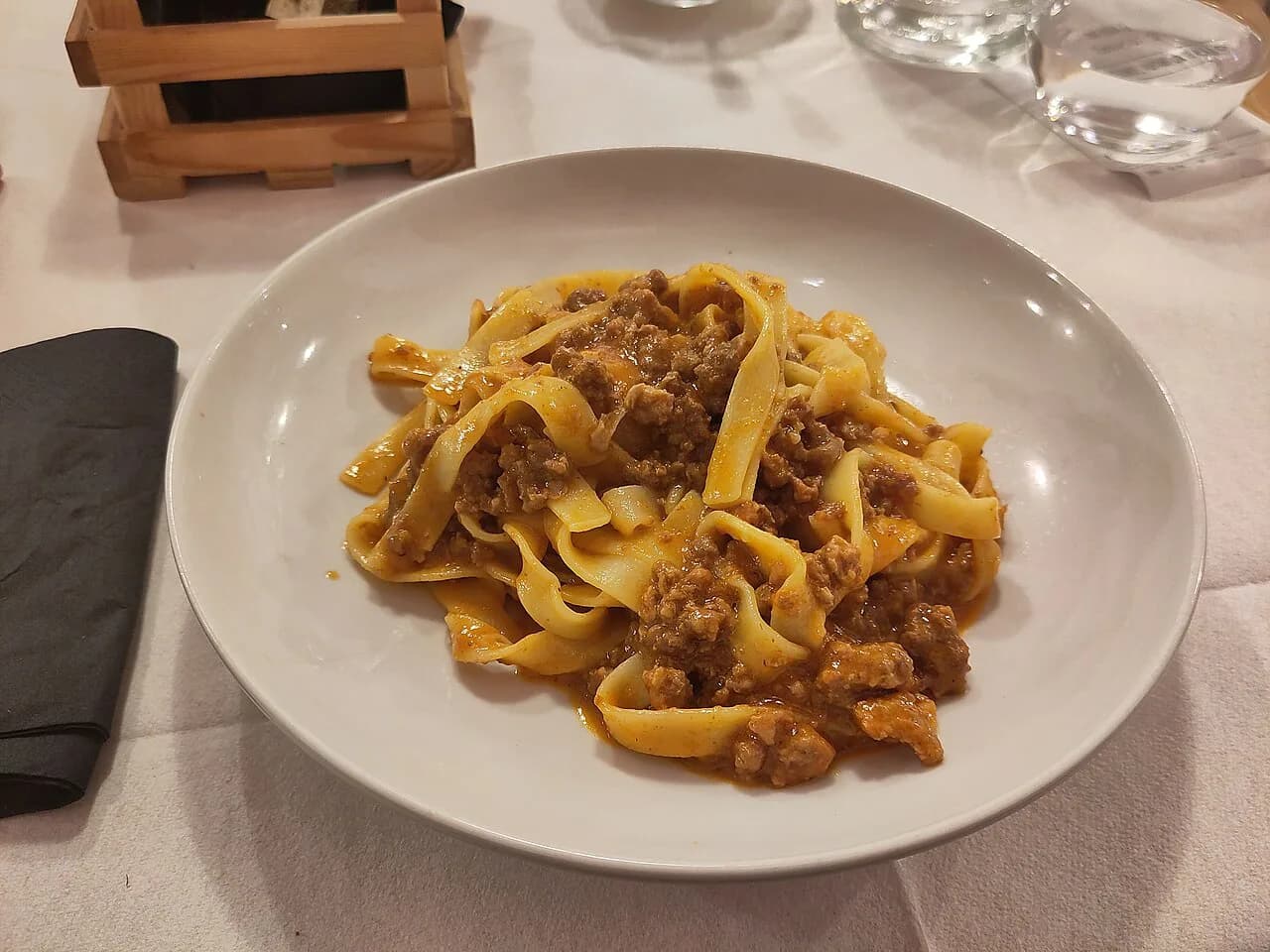
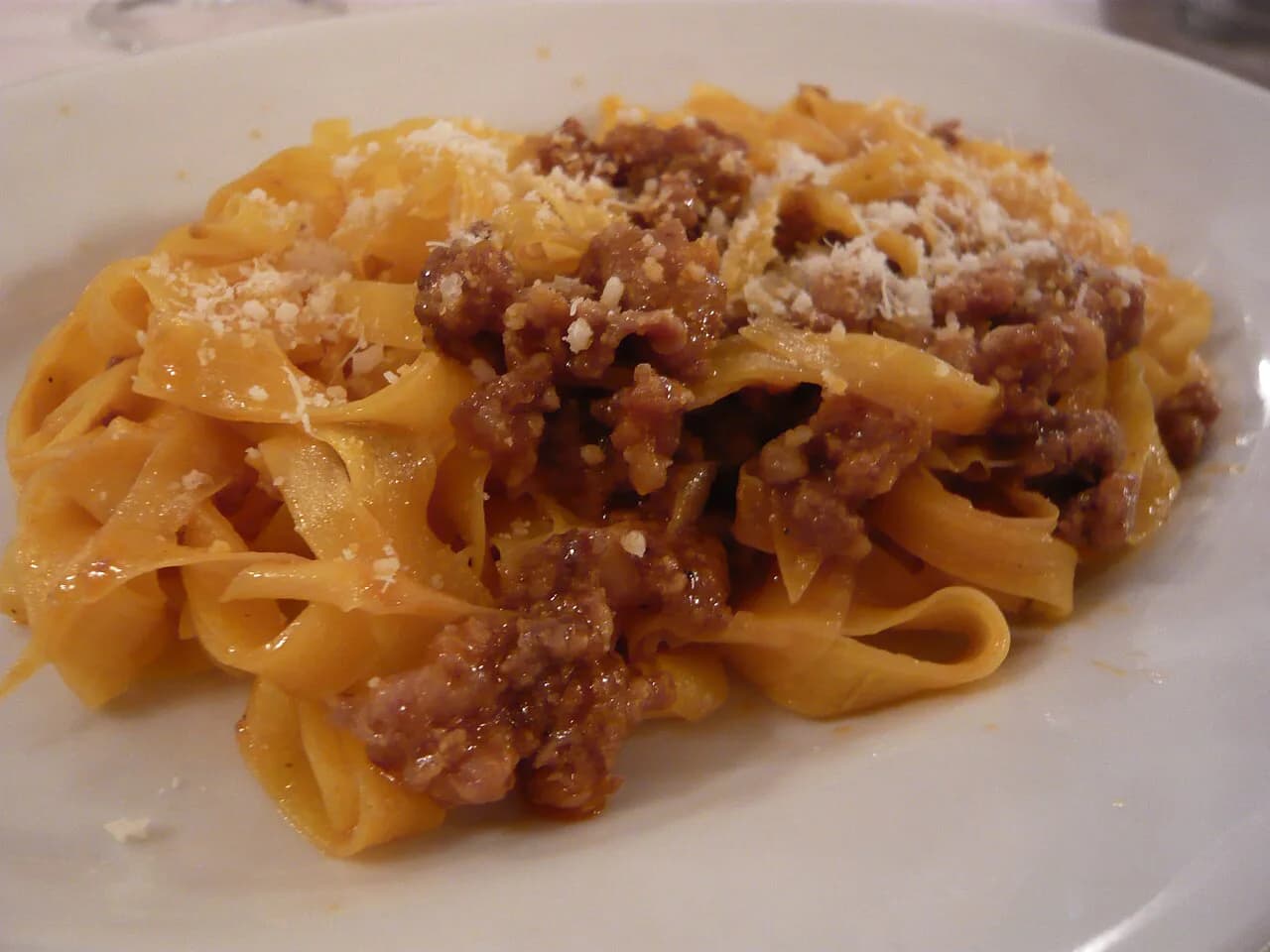
Options thin out considerably at the summit, so plan meals around the walk rather than at the top. Via Saragozza, near the start of the route, has tigelle counters, espresso bars, and bakery cases for a pre-climb breakfast. Regional specialties like these get fuller treatment in the guide to Bologna's local food scene. Near the Arco del Meloncello, sit-down trattorias serve classic tagliatelle al ragù for travelers heading back down toward the center. Sit-down options beyond the summit's limited choices appear in the guide to well-reviewed local restaurants. Certosa di Bologna, under a kilometer from the sanctuary, functions as an open-air museum of monumental tombs and porticoed galleries. Villa Spada's gardens sit along the walking route too, with a small library and a view back over the historic center from the upper meadow. Villa delle Rose, donated to the city in 1916, now houses a modern art collection nearby as well. Travelers looking to extend the day beyond San Luca can pair it with a look at Bologna's lesser-known corners. No-cost stops nearby appear in the guide to no-cost activities around Bologna. The sanctuary's reach even extends into modern pop culture: a song by Cesare Cremonini and Luca Carboni references the hill, a detail locals mention more often than any guidebook does.
Further reading: Bologna on Wikivoyage · Bologna on Wikipedia
Frequently Asked Questions
How long does it take to walk to San Luca from central Bologna?
Reasonably fit walkers cover the 3.8-kilometer portico from Porta Saragozza in 45 to 60 minutes. The return trip downhill takes about 40 minutes.
What time does the Sanctuary of San Luca close?
The sanctuary is open daily from 7:00 AM to 6:00 PM. Hours extend to 6:30 PM from March through October. Arrive well before closing, since the San Luca Sky Experience terrace stops admitting visitors 15 minutes early.
Is San Luca free to visit?
Entrance to the Basilica is free. The San Luca Express train and the panoramic terrace both carry separate costs.
Is the walk to San Luca Bologna wheelchair accessible?
The Basilica has elevator access for all disabilities, with only the dome and crypt excluded. The portico walk and the Sky Experience terrace are not fully accessible, so confirm current arrangements directly with the sanctuary before a visit with mobility needs.
Can you cycle up to San Luca?
Yes, though the climb is steep enough that it has featured in the Giro d'Italia and the Giro dell'Emilia. Only attempt it if you are a trained, confident cyclist.
What's the fastest way to reach San Luca without walking?
The San Luca Express train from Piazza Maggiore covers the full ascent with multilingual audio commentary. It costs about €10 round trip for adults and about €6 for children aged 6 to 10.
Does the Portico di San Luca charge admission?
No. The covered walkway is a public street, free to walk at any hour in either direction.
Continue exploring
More guides you'll find useful