15+ Free Things to Do in Bologna: A 2026 Budget Guide
See Bologna without spending a euro: 62km of porticoes, the Finestrella window, free first-Sunday museums, and a 2026 budget-eating plan.
On this page
15+ Free Things to Do in Bologna (2026 Budget Guide)
Last updated July 2026: free things to do in Bologna range from a 24-hour canal window to 62 kilometers of covered porticoes. A tight travel budget still covers a full self-guided walking route past the city's most photographed secrets. Free state museums open on the first Sunday of each month, and central parks stay open for a picnic without spending a euro.
Is Bologna Expensive? A Budget Overview
Locals call Bologna la grassa, the fat one, for its rich food culture, and a full multi-course meal can cost more here than in many other Italian cities. Free things to do in Bologna balance that out. Its compact medieval core, university heritage, and dense network of covered walkways mean a full day of sightseeing costs nothing before dinner. Students at the University of Bologna keep prices grounded too, since bars and lunch counters near Via Zamboni cater to tight budgets year-round. Many of Bologna's lesser-known spots around Bologna cost nothing to see, and this guide maps the route between them. Before setting out, weigh a rough time-versus-effort trade-off for the biggest free draws.
| Experience | Typical Cost | Free or Budget Route |
|---|---|---|
| Panoramic city view | A paid ticket to climb the Torre dell'Orologio | €0 at the free terraces near the San Luca sanctuary |
| State museum admission | Normally ticketed | €0 on Domenica al Museo, the first Sunday of each month |
| Evening meal | €20 or more for a tourist-menu tortellino plate | €8 to €10 for an aperitivo drink with a snack spread |
| Tavern seating | Restaurant markup on wine and food | Osteria del Sole: pay only for wine, bring your own food |
| Landmark sightseeing | Guided tour fees | €0 to walk Piazza Maggiore, the porticoes, and the Finestrella di Via Piella |
- San Luca sanctuary: high effort, high reward — a 3.8-kilometer uphill walk under a portico ends at panoramic city views.
- Biblioteca Salaborsa: minimal effort, high comfort — step in near Piazza del Nettuno for seating and Roman ruins under the floor.
- Certosa Cemetery: moderate effort, quiet reward — a longer walk from the center leads to sculpture-filled avenues with few other visitors.
- Giardini Margherita: minimal effort, social reward — a short walk from the center for people-watching and an evening bench.
Free Things to Do in Bologna: The Iconic Must-Sees
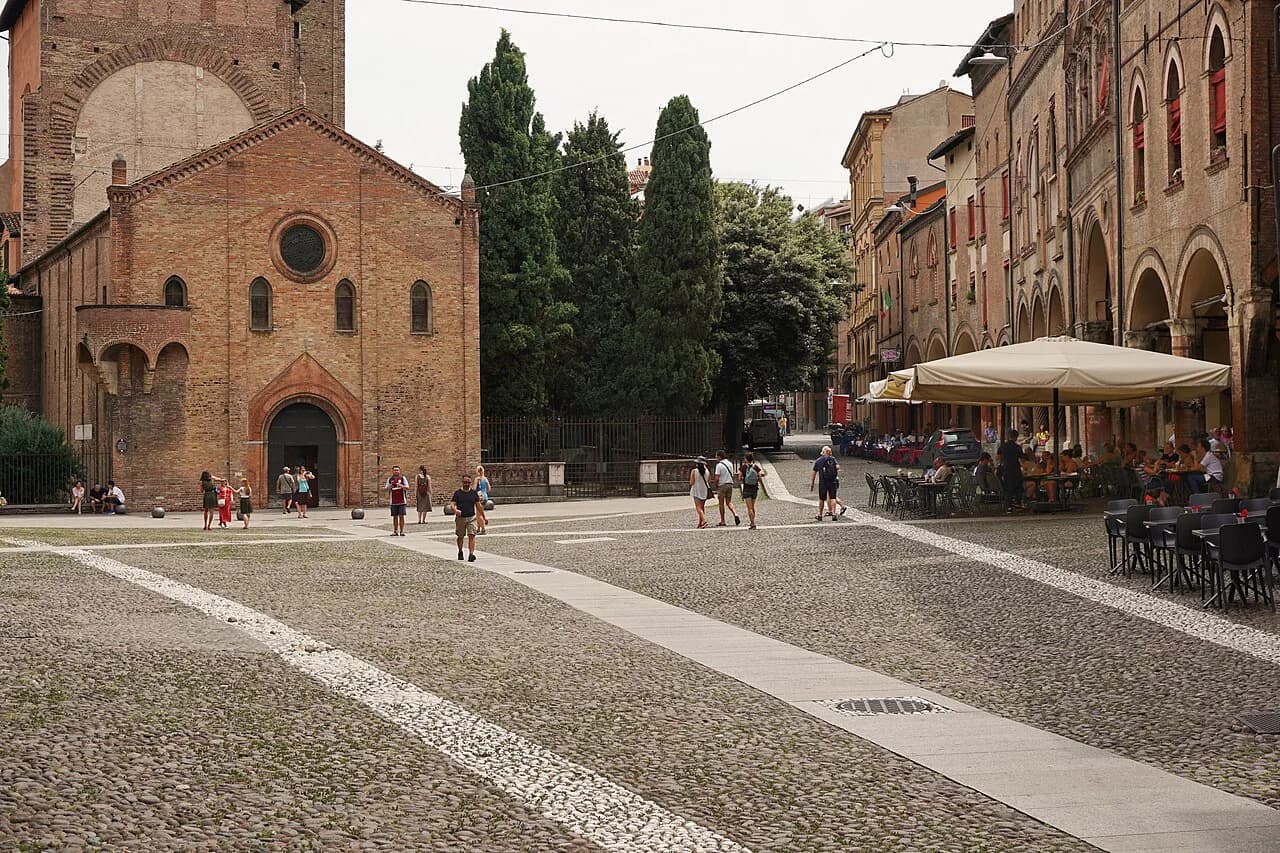
Piazza Maggiore and Piazza del Nettuno form Bologna's open-air heart. Both squares are framed by the Basilica di San Petronio, Palazzo d'Accursio, and the Fountain of Neptune, and both are open at any hour with no entry fee. San Petronio charges no admission for the main nave, though a small fee applies if you climb the terrace or use a tripod for photos — confirm the current rate at the entrance. From the squares, the UNESCO-listed portico network fans out in every direction, covering roughly 62 kilometers of continuous arcades across the city. Even a short stretch near the center gives shelter from sun or rain between stops. For a quieter version of the same free-church experience, the Santo Stefano complex sits a few streets southeast of the main squares.
The Seven Secrets of Bologna: A Self-Guided Walking Route
Bologna's so-called seven secrets are small, easy-to-miss details tucked into ordinary streets, and locals treat finding them like a scavenger hunt. Start at the Finestrella window on Via Piella, a small opening in a wall that frames a canal view often nicknamed Little Venice. It stays accessible around the clock at no cost. From there, walk toward Corte Isolani, where three wooden arrows sit hidden in the ceiling truss of the passage. Finish at the Voltone del Podestà, an arched passage beneath Palazzo Re Enzo. Two people standing in opposite corners can hear each other whisper, a quirk locals call the wireless telephone. Four more secrets wait along nearby streets. Part of the appeal is finding the rest without a spoiler list. For more leads, the city's secret courtyards and alleys guide covers additional stops. A separate guide to off-the-beaten-path corners rounds out the route.
Free Cultural and Academic Sights in the University Quarter
Next to Piazza del Nettuno, Biblioteca Salaborsa combines a public library with a preserved layer of Roman Bologna. Glass floor panels let you look down into the ruins, and the reading rooms stay open to anyone who walks in. Confirm current hours before visiting, since access to the underground archaeological level can vary. Palazzo d'Accursio, home to Bologna's city council, is free to enter. Walk up the staircase attributed to Bramante to reach historic halls and chapels without a ticket. Heading north toward Via Zamboni, the university quarter holds several cloisters that stay open to the public between classes. This reflects a teaching tradition tied to the University of Bologna, considered the oldest university in the Western world. Not every university building is free, though.
- Free: Biblioteca Salaborsa reading rooms and the Roman ruins visible through the glass floor.
- Free: Palazzo d'Accursio courtyard and the staircase attributed to Bramante.
- Free: university quarter cloisters along and near Via Zamboni.
- Paid: the Anatomical Theatre inside the Archiginnasio requires a ticket.
Parks, Panoramas, and the San Luca Walk
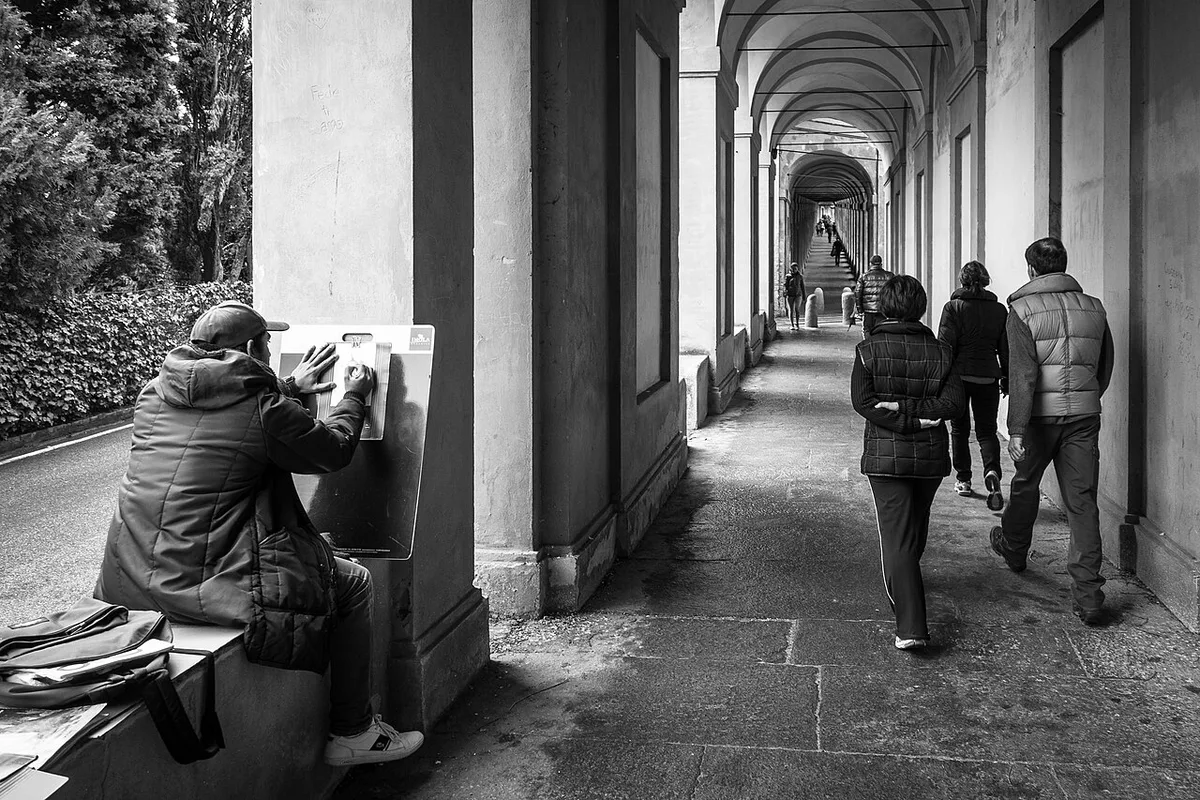
The San Luca sanctuary sits on Colle della Guardia, reached by a roughly 3.8-kilometer walk that starts at Porta Saragozza. The entire route runs under a covered portico. Most walkers cover it in about an hour, passing arch after arch until the final climb to the sanctuary doors. The walk costs nothing, and the terraces near the top give a free panoramic view over the city's rooftops and towers. For a lower-effort outdoor break, Villa Ghigi sits about 600 meters from Porta San Mamolo and looks out over Bologna's skyline from a hillside dotted with vineyards. Villa Ghigi also appears among the city's unusual local activities for travelers looking past the standard checklist. Giardini Margherita, closer to the center, works better for people-watching, an evening bench, or a stop at Le Serre, a converted greenhouse space used for community events. One more oddity rewards the climb toward San Michele in Bosco. From inside a former cloister, now part of a hospital, a corridor window creates a telescope-like effect that makes the distant Asinelli Tower seem to shrink as you approach it.
The 3.8-kilometer walk to San Luca is one route through Bologna's 62 kilometers of covered porticoes. Visitors can explore different neighborhoods and experience the same continuous arcades across multiple walks without repeating the same stretch.
Free Museums and the First Sunday Rule
Several of Bologna's museums charge no admission at all, any day of the week. On top of these standing freebies, the Domenica al Museo initiative opens state-run museums across Italy for free on the first Sunday of every month, including Bologna's Pinacoteca Nazionale. Its branch at Palazzo Pepoli Campogrande is currently closed for renovation, so check which galleries are open before planning around it. Expect the biggest crowds of the month on that first Sunday. Arrive right at opening if you want to move through the main rooms before tour groups do. The same first-Sunday rule extends beyond the city. Marzabotto, a common pick among day trip options from Bologna, waives entry to its Etruscan museum and archaeological park on the same day.
- Luigi Cattaneo Anatomical Wax Collection: 19th-century medical models at no cost; hours shift, so confirm the current schedule.
- MAST Foundation: free exhibitions and community programs on art, technology, and industry.
- Ustica Memorial Museum: free entry to the memorial built around the wreckage of the Itavia flight that crashed on 27 June 1980.
- Davia Bargellini Museum and the Lercaro Collection: smaller free collections of furniture, applied arts, and paintings.
Seasonal Free Events Worth Timing Your Trip Around
From June through mid-August, Piazza Maggiore turns into an open-air cinema for Sotto le Stelle del Cinema, screening films in their original language most evenings at no charge. Arrive early and bring a folding chair, since seating fills up fast once the sun goes down. If a 2026 trip lands in early October, October 4 marks the feast day of San Petronio, Bologna's patron saint. It brings free religious processions and events tied to the basilica that carries his name. Both events reward planning around the calendar rather than showing up and hoping. For a broader sense of when the city is calmer, the guide to quieter travel months lays out the rest of the year.
Budget Eating and Drinking Without Going Broke
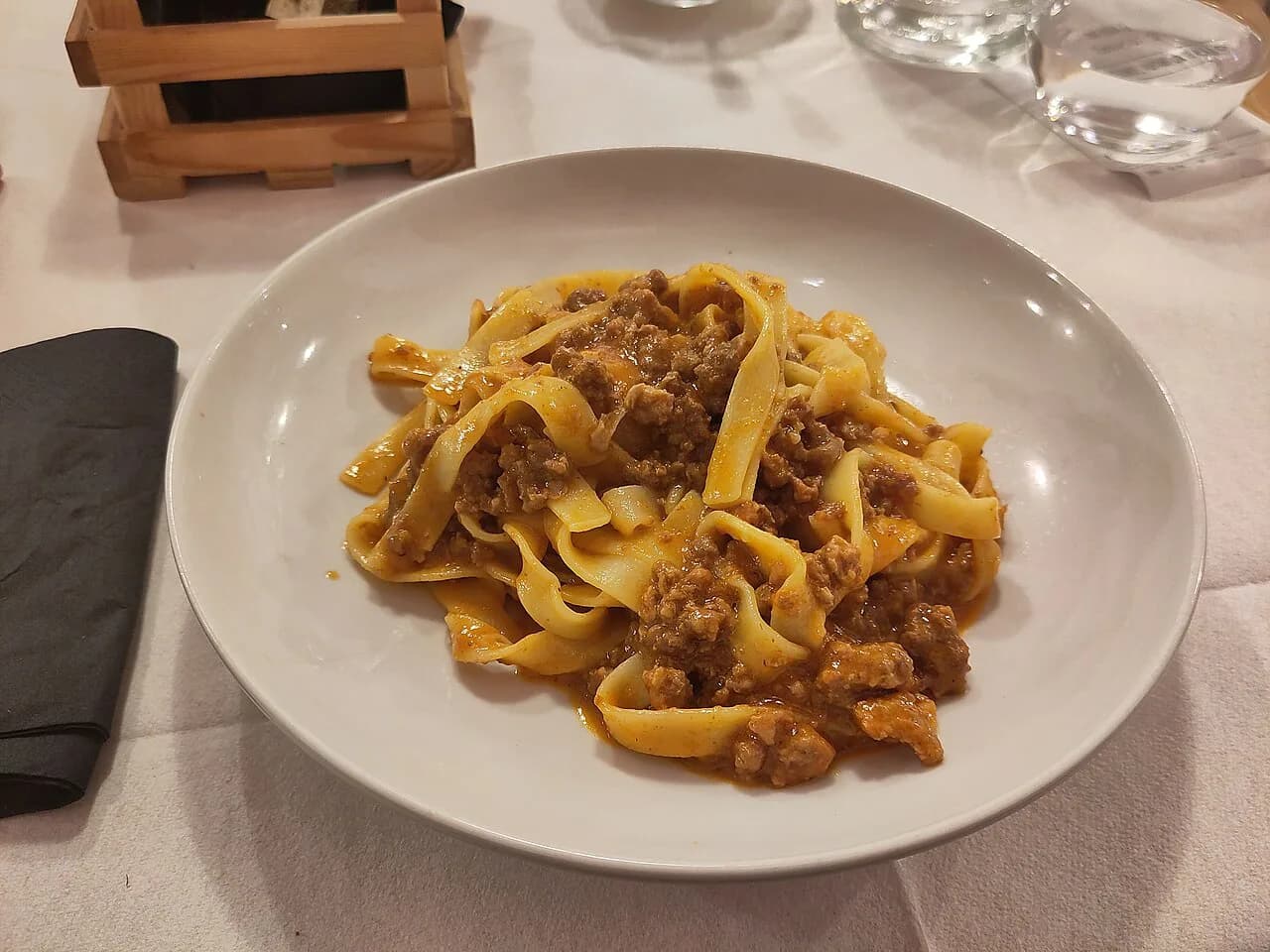
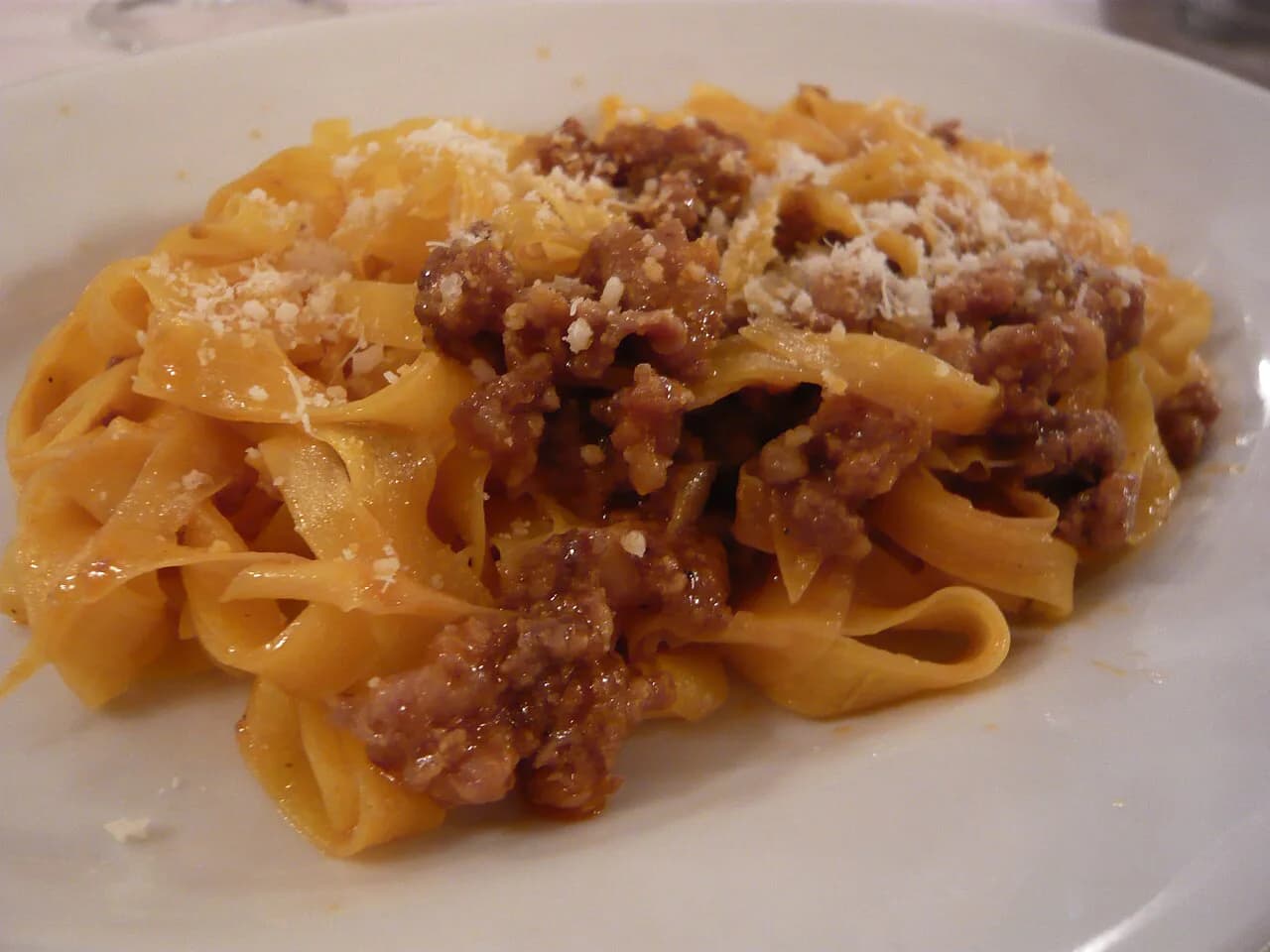
Skip the €20-plus tourist-menu tortellino plates near the main squares. A single aperitivo drink, typically €8 to €10, comes with a buffet or snack spread substantial enough to double as dinner. Osteria del Sole, a centuries-old tavern inside the Quadrilatero market district, charges only for wine and lets you bring your own food or buy it from a nearby stall. Free public drinking fountains, known locally as fontanelle, appear throughout the historic center and cut down on bottled water costs. For sit-down meals that do not inflate prices for tourists, the guide to budget-friendly local restaurants lists options priced closer to what residents pay. A broader look at everyday dishes is in the Bologna's everyday food scene guide.
- Aperitivo hour: order one drink (€8 to €10) and eat from the buffet instead of ordering a separate dinner.
- Osteria del Sole: pay only for wine; bring your own food or buy it nearby.
- Fontanelle: refill a bottle at free drinking fountains around the historic center instead of buying bottled water.
Practical Logistics for a Budget Trip to Bologna
Most sights in this guide sit inside a walkable core, so a transit pass is rarely necessary if lodging is central. Single bus tickets remain available for longer trips, like the ride up to San Luca's Meloncello arch. That stop works as an alternative starting point for walkers who want to skip the first stretch of steps. Many churches pause for a midday riposo in early afternoon, so check posted hours before building a route around them. Neighborhoods change the daily budget math too. The Pratello strip is known for cheap, student-priced bars. The Bolognina district offers lower-priced eating away from the tourist center. Understanding how the city's districts connect makes it easier to plan a route on foot. The Bologna's neighborhood layout guide breaks down which areas suit a budget stay.
Visit Bologna’s Monumental Certosa Cemetery
Bologna’s Certosa is a free, quieter alternative to the crowded historic center. The monumental cemetery occupies a former Carthusian monastery beside the Renato Dall’Ara stadium. Its main entrance is on Via della Certosa, west of Porta Saragozza.
Allow at least an hour to explore its covered galleries, painted tombs, sculptures, and neoclassical monuments. The complex includes Renaissance monastery spaces alongside cemetery additions dating from the early nineteenth century. Notable people buried here include painter Giorgio Morandi, poet Giosuè Carducci, and singer-songwriter Lucio Dalla.
The Certosa lies close to the portico route toward San Luca, so both can fit into the same walking day. Follow signs inside because the interconnected courtyards and corridors can be confusing. Entry is normally free, but guided tours and special events may require booking. Check the official closing time before visiting, since the gates often shut earlier than central attractions, especially during the colder months.
Further reading: Bologna on Wikivoyage · Bologna on Wikipedia
Frequently Asked Questions
Is Bologna expensive to visit?
Bologna's food culture can push meal prices higher than in nearby cities. Free things to do in Bologna, like the main squares, the porticoes, and first-Sunday museums, keep sightseeing costs low. Budget travelers typically spend the most on dinner, not attractions.
What is the Finestrella di Via Piella?
It is a small window in a wall on Via Piella that frames a canal view nicknamed Little Venice. It stays accessible 24 hours a day at no cost, and it is one of Bologna's seven secrets.
How long does the walk to San Luca take?
The route from Porta Saragozza to the San Luca sanctuary covers about 3.8 kilometers under a continuous portico. Most walkers finish in around an hour, and the whole route costs nothing.
When are museums free in Bologna?
The Domenica al Museo initiative opens state-run museums, including the Pinacoteca Nazionale, for free on the first Sunday of every month. A few other museums, like the Anatomical Wax Collection and the MAST Foundation, charge no admission on any day.
How much should you plan to spend per day in Bologna on a budget?
Sightseeing can cost €0 if you stick to the free squares, porticoes, and parks in this guide. The main variable is food. An €8 to €10 aperitivo can cover dinner, while a sit-down tourist-menu meal can run €20 or more.
Do you need a transit pass to see Bologna's free sights?
Not if lodging is central, since most attractions in this guide sit inside a compact, walkable core. A single bus ticket covers longer trips, like reaching the Meloncello arch before the San Luca walk.
Continue exploring
More guides you'll find useful