Best Time to Visit Bologna Without Crowds (2026 Guide)
When is the best time to visit Bologna without crowds? Quiet winter weeks, a mid-October sweet spot, and 2026 trade-fair dates that spike hotel prices.
On this page
Best Time to Visit Bologna Without Crowds: A 2026 Season-by-Season Guide
Last updated July 2026, this guide breaks down the best time to visit Bologna without crowds, season by season. The quietest stretches are late January through early February and all of November, when porticoed streets belong mostly to locals. Mid-October is a narrower sweet spot, sitting between the trade-fair rush and the winter chill.
Best Time to Visit Bologna Without Crowds: The Quick Answer
Bologna's quietest weeks fall in late January, early February, and November, after the Christmas rush fades and before spring travelers arrive. Local life does not disappear during these months; it simply changes shape. University students fill the trattorias and bars instead of tour groups, and porticoes stay just as walkable in the cold as they do in July. Mid-October is the calmest overlap point on the calendar. Most trade fairs have wrapped up for the year. Truffle season is underway, and daytime temperatures typically sit around 15-20°C (59-68°F).
The more than 100,000 students at Bologna's university change evening life more than tourists; when long academic breaks hit (especially summer), bars and osterie go noticeably quiet despite low tourist numbers.
Winter (November–February): Bologna's Quietest Season
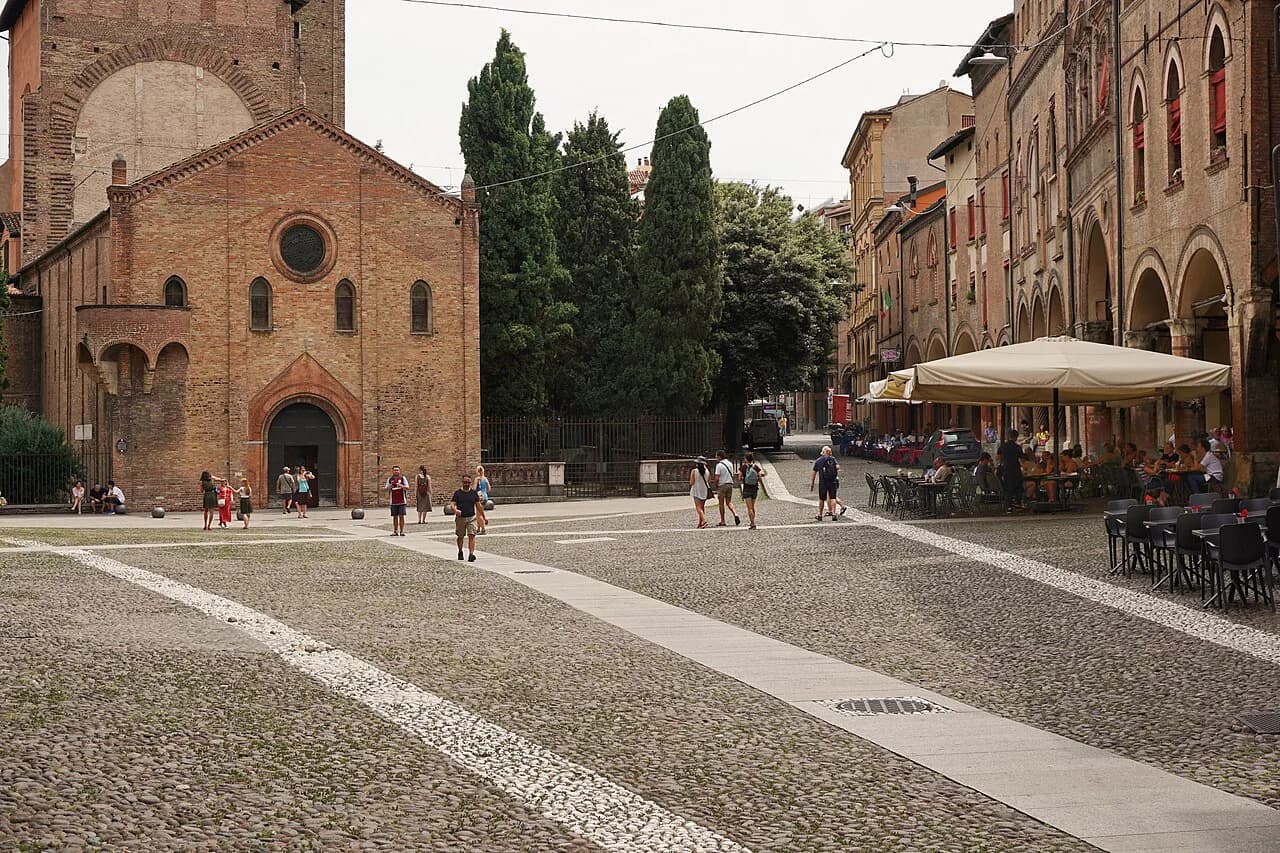
Winter temperatures in Bologna typically range from 2-12°C (36-54°F), with damp, foggy days more common than snow. December is the exception, since Christmas markets and holiday lights draw a local crowd back into the center. January and February feel different: cold, quiet, and easy on the wallet. Getting a table at a well-known trattoria without a reservation becomes realistic in these months. The porticoes of Bologna stretch roughly 62 kilometers across the city. They keep walking routes dry even on a rainy afternoon. Museums and other indoor sights are especially good choices in winter, since Bologna's identity leans on covered, indoor spaces rather than open piazzas. The Santo Stefano complex and other stone interiors suit this season well. Crowds thin out, and the light through old windows works well for photography. For a shortlist of where to find a reservation-free table, see top trattorias in Bologna.
Winter booking requires checking December-January closure patterns, when family restaurants close similarly to summer's Ferragosto period—reportedly 30 to 40 percent shut down—despite winter's reputation for easy seating.
Spring (March–May): Rising Crowds and the Imola Grand Prix
Spring temperatures in Bologna run from about 12-22°C (54-72°F), mild enough for an outdoor aperitivo without a jacket. Crowds build steadily through the season. Easter week is the busiest single week of the entire year, so book accommodation well ahead if the trip falls then. Italian school holidays also cluster in spring, adding family crowds on top of the Easter peak. The Formula 1 Italian Grand Prix at Imola usually runs in late April or early May. It pulls a large international crowd into the region and tightens hotel supply well beyond race weekend itself. Checking the race calendar before booking spring dates matters as much as checking the weather. Mid-March and late May are the two quietest windows the season offers, since they sit outside both Easter and the race weekend. The countryside around Bologna is greenest in April. That makes spring a good season to plan day trips from Bologna before choosing where to stay.
Summer (June–August): The Heat-for-Empty-Streets Trade-Off
June and July bring long evenings and an easy, sociable mood, with temperatures around 27-35°C (80-95°F). The porticoes still provide real shade for walking even at midday. Bologna also runs a summer cultural program called Bologna Estate through June and July. It includes outdoor concerts, cinema screenings, and free events in the piazzas. August flips the pattern entirely. Many Bolognesi leave the city for the Ferragosto holiday on August 15. Local food-tour operators report that 30 to 40 percent of family-run restaurants close for two to three weeks around that date. Heat also peaks in August, often reaching 33-36°C (91-97°F) with heavy humidity from the city's position in the Po Valley. The trade-off is real: fewer tourists compete for tables, but fewer tables are open to compete for. A structured food tour costs about €75-95 during the winter off-season. The same tour runs roughly €110-130 at the height of late July and August. August is not even the cheapest option, despite the empty streets. If an empty-city atmosphere matters more than dining variety, August still works. If a full range of trattorias and shops matters more, early July is the safer summer window.
Autumn (September–October): High Food Interest, High Trade-Fair Risk
September and October bring the most comfortable weather of the year, typically 15-25°C (59-77°F) with clear skies. This is also peak food season. White truffles from the Apennine hills start appearing on menus in October. A truffle supplement often adds €80-150 per serving, depending on the restaurant and the truffle's size. The grape harvest and new-vintage Lambrusco add to the appeal in September. Acetaie Aperte is the annual open day when balsamic vinegar producers across the Modena area open their attics to visitors. It falls on the last Sunday of September, which is September 27 in 2026. A free Mortadella festival runs in the city center each October. It includes tastings and a look at how the product is made. Day-trip stops such as the Ferrari museums in the Motor Valley area are also noticeably less crowded in September and October than during the summer peak. None of this comes without a cost. Autumn is also Bologna's busiest trade-fair season. Hotel availability can tighten sharply around fair weeks, even when tourist numbers look moderate on paper. For a deeper look at what is actually on the menu each month, see the food scene in Bologna.
Season Comparison at a Glance
The table below lines up temperature, crowd level, and typical food-tour pricing for each season, using the ranges covered above.
| Season | Temperature | Crowd Level | Food Tour Price | Best For |
|---|---|---|---|---|
| Winter (Nov-Feb) | 2-12°C (36-54°F) | Low, except December | €75-95 | Photography, reservation-free trattorias |
| Spring (Mar-May) | 12-22°C (54-72°F) | Medium, high at Easter | €90-110 | First-time visitors, day trips |
| Summer (Jun-Aug) | 27-35°C (80-95°F), peaking near 33-36°C (91-97°F) in August | High in June-July, thin local presence in August | €100-130 | Long evenings (Jun-Jul) or empty streets (Aug) |
| Autumn (Sep-Oct) | 15-25°C (59-77°F) | Medium, spikes during trade fairs | €100-120 | Truffle season, harvest food |
The August Paradox: Restaurant and Market Closures Explained
Low tourist numbers do not automatically mean a full range of dining choices. August is the clearest example. It is one of the quietest months for visitors. It is also one of the hardest months to find an open family-run kitchen. The Ferragosto holiday on August 15 anchors a wider vacation period. Closures often start before that date and run past it. Late December and early January bring a smaller version of the same pattern. Some kitchens close around the holidays, even though festive markets bring extra visitors into the center. Checking a restaurant's own hours before a specific date is worth the two minutes it takes. This matters most for a trip built around one or two must-try meals.
| Period | Restaurant Availability | What To Expect |
|---|---|---|
| Winter (Dec-Mar) | Fully operational, aside from isolated closures around Christmas and New Year | Locals-only atmosphere, hearty menus |
| Spring/Early Summer (Apr-mid Jul) | Fully operational | Outdoor seating, long evening service |
| Ferragosto period (mid-to-late Aug) | An estimated 30-40 percent of family-run spots close for two to three weeks | Remaining options skew toward tourist-facing venues |
| Autumn (Sep-Nov) | Peak operation, full menus, truffle supplements added | Everyone back from summer break |
Avoiding the Invisible Crowds: Trade Fairs and the University Calendar
BolognaFiere runs some of Italy's largest trade fairs, including Cosmoprof and Cersaie. Either one can reshape a week in Bologna, regardless of the season. Hotel prices near the fairgrounds and in the city center can triple during a major fair week. Restaurants fill with exhibitors and buyers instead of tourists. Checking the BolognaFiere calendar before booking is worth doing even in a supposedly quiet month like November or February. A single fair week can undo the benefit of visiting off-season. Exact fair dates shift from year to year, so confirm them on BolognaFiere's own calendar before locking in travel dates. The second invisible crowd is the student body itself. Bologna's university has more than 100,000 students, and their presence changes daily life far more than tourist numbers do. During long academic breaks, especially over summer, bars and osterie around the University Quarter lose much of their evening energy. Graduation celebrations bring the opposite effect, filling streets near the university with family groups at intervals through the year. A trip planned only around tourist season can still go wrong. Ignoring both the fair calendar and the academic calendar risks landing in the middle of one or the other.
Where the Crowds Thin Out: Neighborhoods and Routes
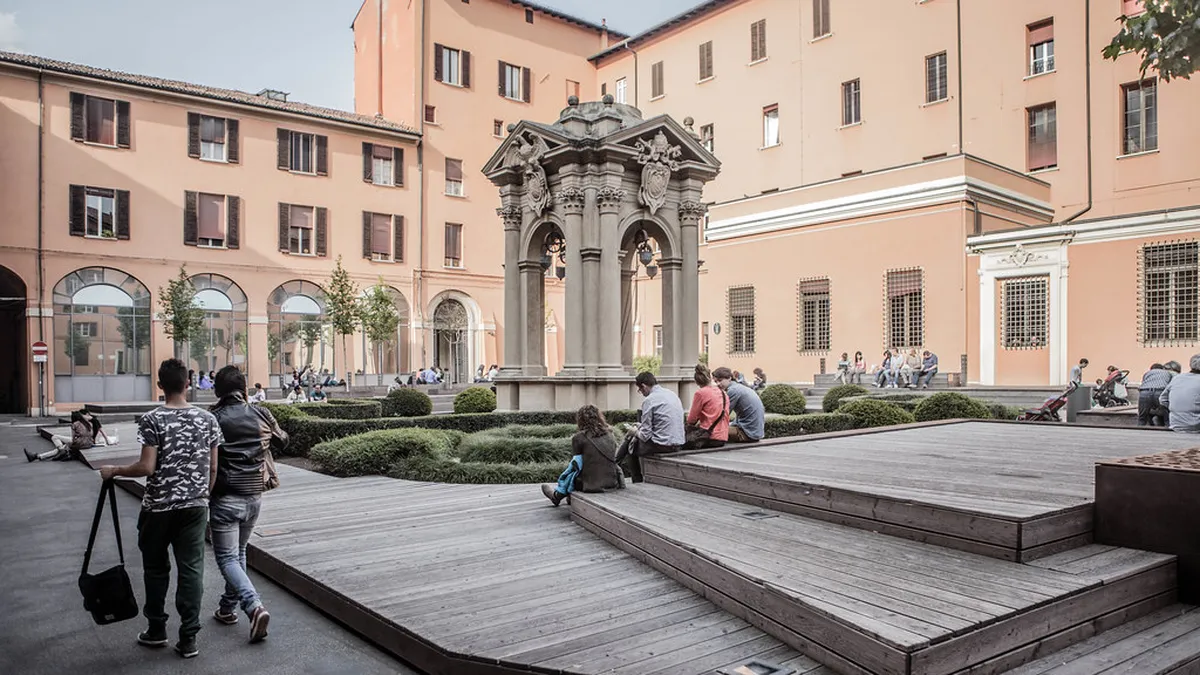
A handful of routes and neighborhoods stay calm even when the historic core feels busy. Each works at almost any time of year, not just in the quiet season. Covered portico routes also work as secondary paths across downtown, letting visitors skip the most congested straight line between two points.
- Quadrilatero market: arrive before 9am on a weekday to shop the stalls before day-trip groups and the lunch rush arrive.
- San Luca Sanctuary: walk the portico route on a weekday morning rather than a Sunday, when local visitors add to the numbers.
- Bolognina neighborhood: this area north of the historic center keeps a local pace even during peak season.
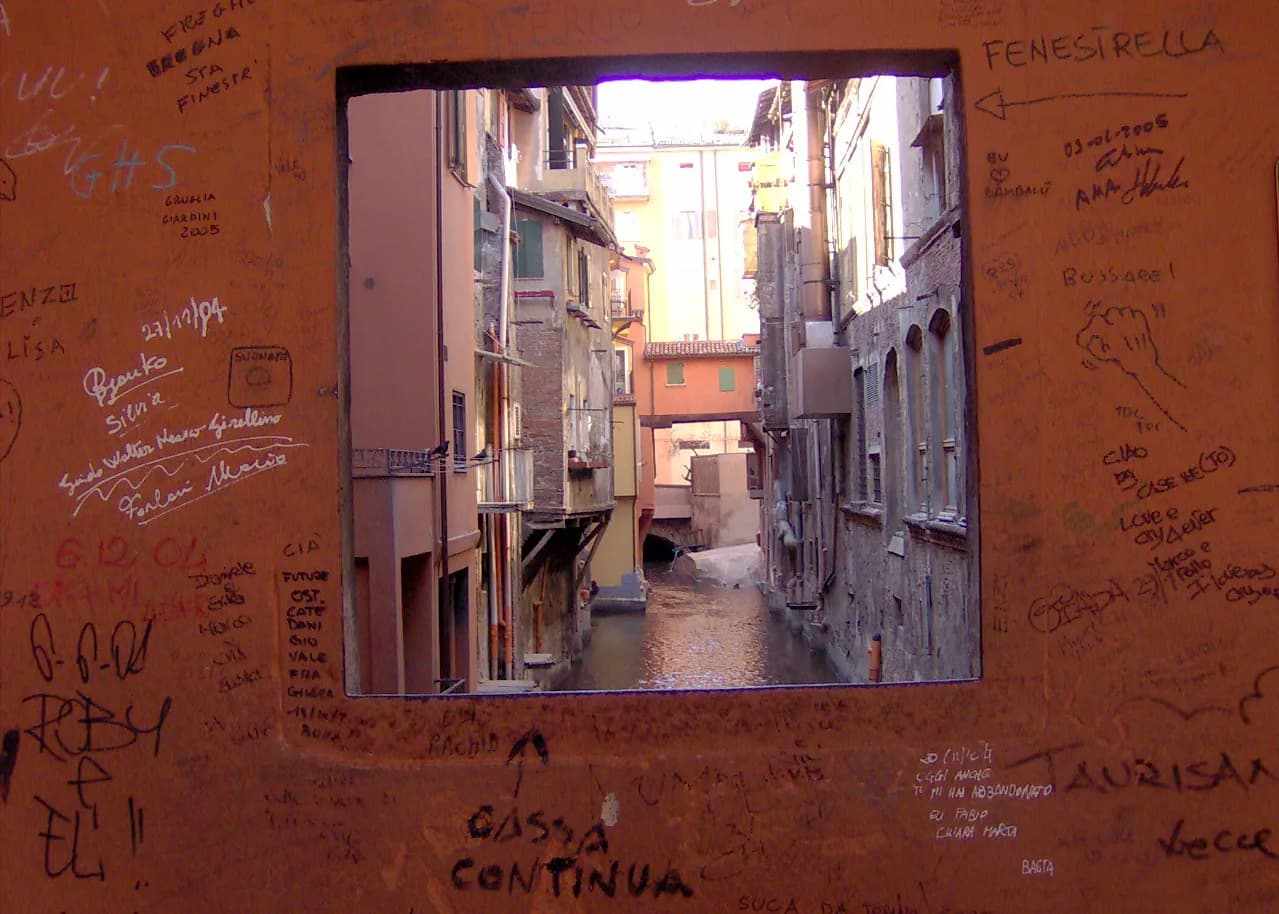
- Finestrella di Via Piella: this small canal window rarely draws a line outside the midday hours.
- Quieter corners of Bologna: side streets a few blocks from Piazza Maggiore carry the same architecture with none of the group-tour congestion.
Mistakes That Ruin a Low-Crowd Bologna Trip
A handful of avoidable mistakes account for most of the disappointing quiet trips to Bologna. Checking the fair, holiday, and academic calendars together before booking prevents most of these problems at once.
- Booking during a Cersaie or Cosmoprof trade fair week, which can fill hotels and streets no matter the season.
- Assuming low season means every kitchen is open, when Ferragosto and the December-to-January holiday stretch both bring real closures lasting one to three weeks.
- Confusing a quiet trip with quiet nightlife: student breaks change the evening feel of areas like the Pratello district.
- Treating dry weather as a reason to skip the porticoes, which also work as quiet secondary routes across downtown.
Further reading: Bologna on Wikivoyage · Bologna on Wikipedia
Frequently Asked Questions
What is the least crowded month to visit Bologna?
November and the stretch from late January to early February are the quietest periods overall. Tourist numbers drop, and porticoed streets return mostly to local pace. Mid-October is a close second, and it comes with better daytime weather, typically around 15-20°C (59-68°F).
Is Bologna worth visiting in August?
August is Bologna's quietest month for tourist crowds, since many locals leave for the Ferragosto holiday on August 15. It is also the month with the most closures: local food-tour operators report 30 to 40 percent of family-run restaurants shut for two to three weeks. If an empty-city atmosphere outweighs a full dining scene, August still works well. If trying several specific trattorias matters more, early July offers similar quiet with far fewer closed doors.
Do trade fairs really affect hotel prices in Bologna?
Yes. BolognaFiere hosts major fairs such as Cosmoprof and Cersaie. Hotel prices near the fairgrounds and city center can triple during a fair week. This can happen in any season, including months that are otherwise quiet for tourists. Checking the fair calendar before booking is worth doing, regardless of the month chosen.
Does Bologna's student population affect when it feels crowded?
Yes, since Bologna's university has more than 100,000 students, and their presence shapes daily life as much as tourism does. During long academic breaks, especially summer, areas like the University Quarter feel noticeably quieter in the evening. Graduation periods bring family groups near the university at intervals through the year. That is a different kind of crowd, and it has nothing to do with tourism.
What is the single best window for good weather and low crowds together?
Mid-October is the strongest overlap. Most major trade fairs have finished for the year, truffle season is underway, and daytime temperatures typically sit around 15-20°C (59-68°F). Crowds are noticeably thinner than the June-to-September peak, without the deep chill of December through February.
Are Bologna winters too cold for a comfortable trip?
Winter temperatures typically run 2-12°C (36-54°F), which is cold but manageable with a proper coat. The porticoes of Bologna cut a lot of the discomfort by keeping walking routes out of direct wind and rain. Layering for museum visits and long lunches works better than dressing for constant outdoor time.
Continue exploring
More guides you'll find useful