Porticoes of Bologna: A Complete 2026 Guide to the UNESCO Arcades
A 2026 guide to the porticoes of Bologna: 62km of UNESCO arcades, the 666-arch San Luca walk, and the neighborhoods where they change character.
On this page
The Porticoes of Bologna: A Complete Guide to the UNESCO World Heritage Arcades
Last updated July 2026, this guide covers the porticoes of Bologna, the covered arcades that let you cross most of the city without opening an umbrella. UNESCO inscribed the 62-kilometer network as a World Heritage Site in 2021, recognizing 12 separate component areas rather than one continuous arcade. Below, find the history behind the arches, the walk to San Luca, the record-holding porticoes, and the neighborhoods where the covered streets change character.
The Porticoes of Bologna: What They Are and Why They Exist
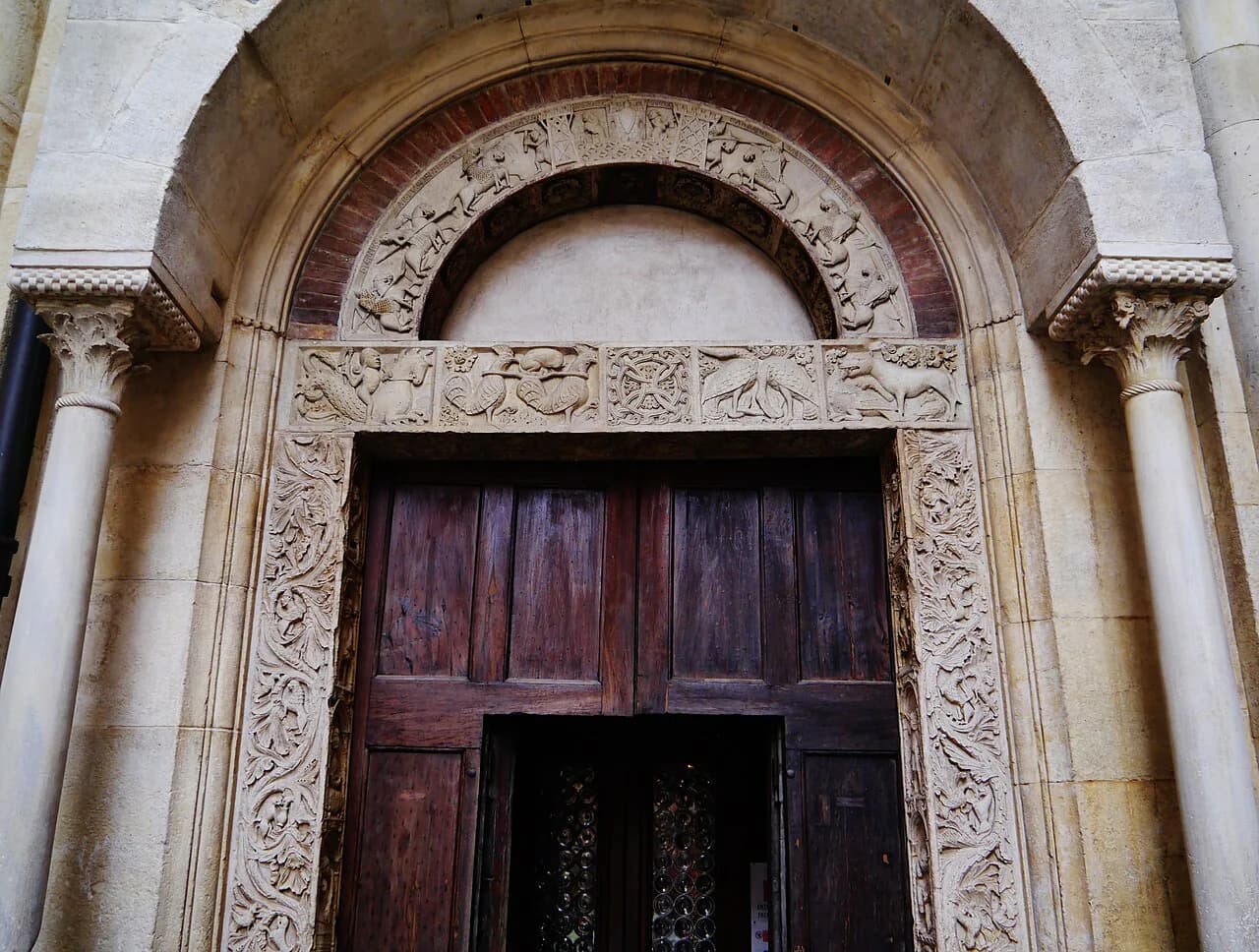
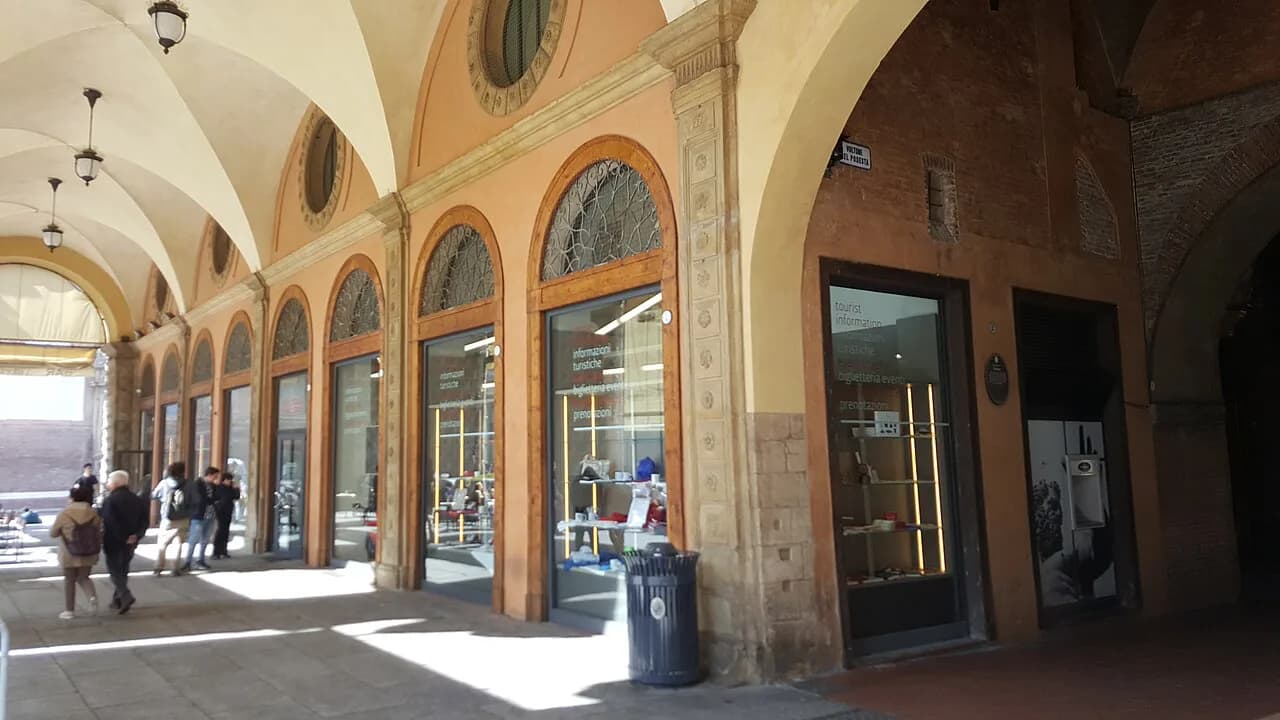
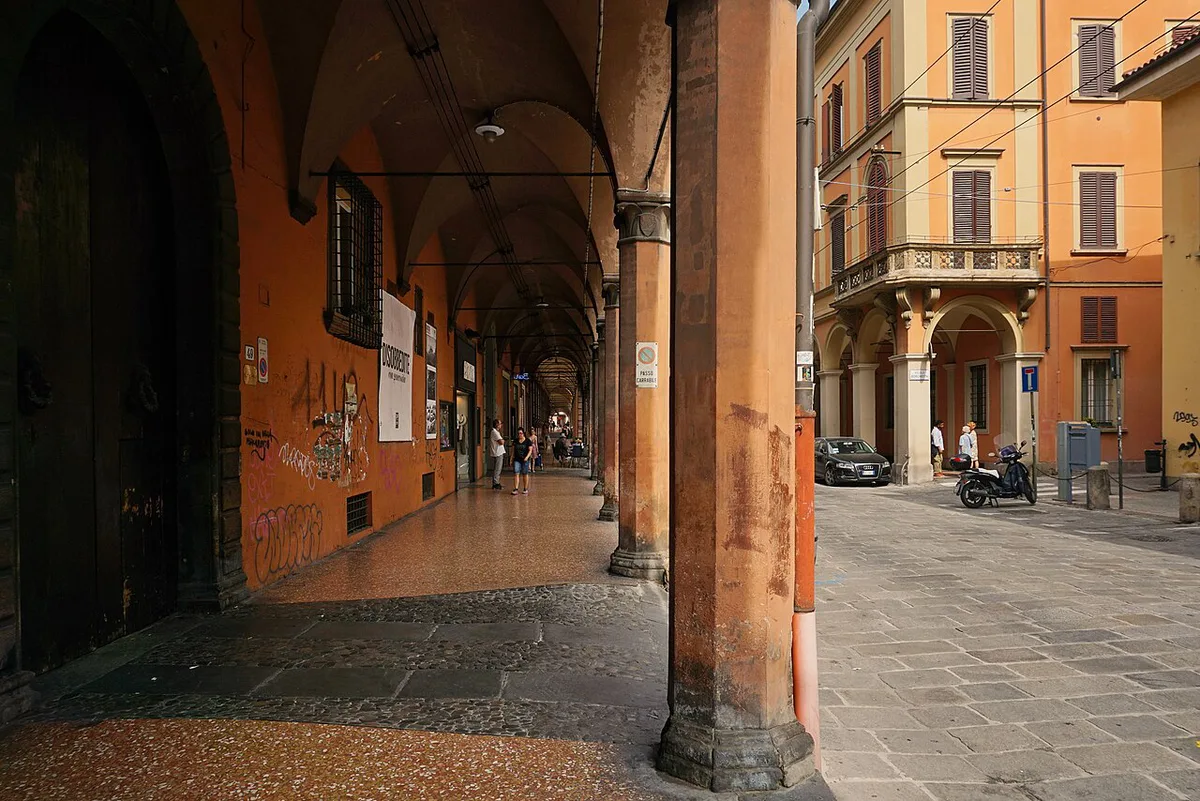
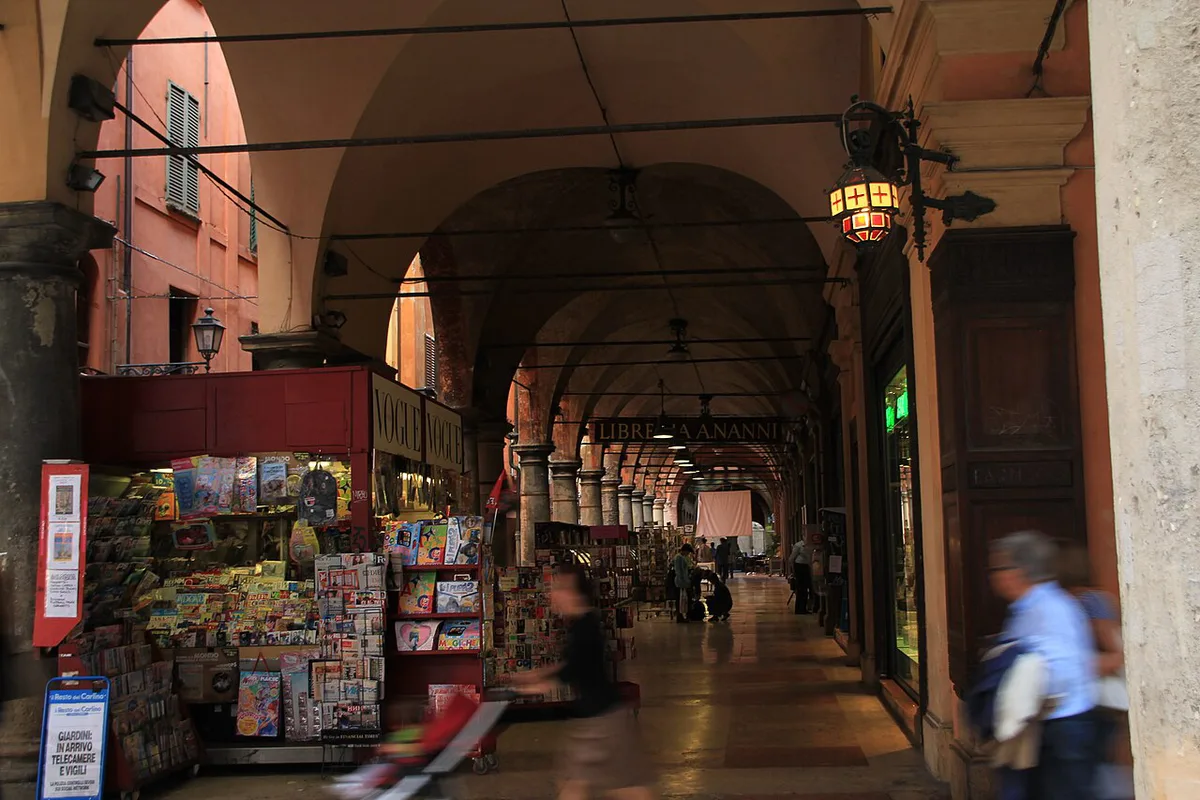
Bologna's porticoes form a continuous network of covered arcades lining the city's streets. Columns or wooden brackets support upper floors above the sidewalk, creating a dry, shaded corridor for pedestrians below. Growth at the University of Bologna, founded in 1088, created the housing squeeze behind it all: students arrived from across Europe faster than the city could build for them. Homeowners responded by extending upper floors out over the street on wooden beams called sporti. As those extensions grew heavier, builders added supporting columns underneath, turning private overhangs into public arcades. A 1288 decree set a practical standard, not a decorative one: the underside had to clear a rider on horseback. New construction had to include a portico. Existing houses without one had to add it. Centuries later, a 1568 decree ordered the remaining wooden arcades rebuilt in brick or stone, which is why so few timber examples survive today. That sequence of rules is why the porticoes of Bologna are private property that the public gets to use, a hybrid space repeated across more than 900 years of construction.
A 1288 decree mandated porticoes to solve housing shortages; eight centuries later, the resulting network draws 40,000 visitors to the June festival alone, making a medieval housing regulation into a modern tourism asset.
- Total length: about 62 km (38 miles) network-wide, with roughly 40 km inside the historic center
- First documented evidence: 1041
- University of Bologna founded: 1088, driving the housing squeeze that started the arcades
- Portico mandate: a 1288 municipal decree requiring new houses to include one
- Wood-to-stone rebuilding: ordered by a 1568 decree, which is why few timber porticoes remain
The UNESCO Serial Site: 12 Components Beyond the Medieval Center
UNESCO inscribed the porticoes of Bologna as a World Heritage Site on July 28, 2021. This listing is a serial site, meaning it protects 12 separate component areas rather than one continuous structure. Most guides describe five or six famous arcades, but the official designation reaches further. Two components break the medieval stereotype outright. Treno della Barca is a porticoed public-housing block in the Barca district, built well into the twentieth century. MAMbo, Bologna's museum of modern art, occupies a porticoed former bakery covered by the same listing. Cavour, Farini e Minghetti includes the frescoed ceilings around Via Farini, floral and mythological scenes painted onto what looks like an ordinary shopping arcade. Certosa refers to the porticoed monumental cemetery, and Baraccano covers the arcades near the old city gate of the same name. Together, they argue the porticoes are a continuous building method, not a frozen medieval relic. That range matters for how you plan a day: pairing the medieval center with one modern component gives a fuller sense of a technique that never really stopped. For a shortlist of these lesser-visited components, see 7 Hidden Gems in Bologna: Secrets & Local Spots Beyond the Crowds. 10 Unique Things to Do in Bologna: A Local's Guide to Hidden Secrets rounds out the rest of an arcade-focused itinerary.
- Santa Caterina e Saragozza
- Santo Stefano e Mercanzia
- Galliera
- Baraccano
- Pavaglione, Banchi e Piazza Maggiore
- San Luca
- Università e Accademia
- Certosa
- Cavour, Farini e Minghetti
- Strada Maggiore
- Treno della Barca
- MAMbo
Walking the World's Longest Portico: San Luca
Portico di San Luca holds the record for longest portico in the world. It runs 3.8 kilometers (2.4 miles) from Porta Saragozza, one of Bologna's medieval city gates, up to the Sanctuary of the Madonna di San Luca on the hill above the city. Along the way, 666 arches cover the route in one unbroken run. Local tradition ties that number to the Madonna crushing a serpent underfoot, though the story is folklore rather than documented fact. Roughly halfway up, the arcade curves around the hillside at the Arco del Meloncello, the most photographed stretch of the entire walk. Since 1433, a procession has carried a Byzantine icon of the Madonna down from the sanctuary to Bologna's cathedral each year for the Feast of the Ascension. Hours at the sanctuary shift by season, so confirm before setting out. On clear days, views stretch out over the valley below. Walking the full portico costs nothing beyond time and sturdy shoes; plan on 45 to 60 minutes for the climb and closer to 35 to 40 minutes coming back down. San Luca Express trades that effort for a fixed fare, a seat, and a food-tasting stop along the way. For the sanctuary's own history and visiting details, the San Luca Sanctuary guide covers the hilltop destination in more depth.
| Option | Cost | Time | Best for |
|---|---|---|---|
| Walking | Free | 45-60 min up, 35-40 min down | Independent walkers comfortable with a steep climb |
| San Luca Express train | €12–€15 | Low effort, includes a food-tasting stop | Families and travelers with limited mobility |
Architectural Superlatives: Tallest, Narrowest, and Widest
Bologna's porticoes vary enormously in scale, and a handful hold outright records. Pavaglione portico, running alongside the Archiginnasio on Via dell'Archiginnasio, takes its name from the silk market once held there. At 139 meters and 30 arches, it's the grandest commercial stretch in the city, still lined with some of Bologna's oldest shops. All three records sit within a short walk of each other, so a single loop through the center can tick off the tallest, the narrowest, and the widest without much backtracking. One more portico worth knowing by name: dei Bastardini on Via D'Azeglio owes its tall profile and nickname to the orphanage housed beneath its vaults until 1797. A handful of porticoes never made the jump from wood to stone. About eight wooden examples survive citywide, most visibly Casa Isolani at Strada Maggiore 19 and the arcades on Via Marsala. Look for beccadelli too: semi-porticoes without supporting columns, visible on the rear facade of Palazzo d'Accursio and at Palazzo Ghisilardi-Fava. These details are covered in Secret Spots in Bologna: The Seven Secrets, Hidden Corners, and Local Finds. Off the Beaten Path in Bologna: A Guide Beyond the Piazza Maggiore Crowds has more on quieter stretches like these. For another under-the-radar detour nearby, the finestrella di Via Piella hides a small canal view many visitors miss.
While Bologna catalogs its porticoes by precise measurements like the Zanichelli's 12.94 m ceiling height, the city now also develops accessibility features including tactile maps for visually impaired visitors.
| Record | Location | Measurement |
|---|---|---|
| Tallest | Zanichelli portico, Via Irnerio | 12.94 m (highest point of the coffered ceiling) |
| Narrowest | Via Sanzanome | 95 cm wide |
| Widest | Santa Maria dei Servi, Strada Maggiore | Four-sided portico, built late 14th century |
Where to Walk by Neighborhood
Porticoes change character block by block, from frescoed ceilings to bare brick, and pairing a walk with a neighborhood focus makes the differences easier to spot. The Bologna Neighborhoods Guide: Where to Stay by Vibe and Budget (2026) is a good starting point for matching a route to your interests.
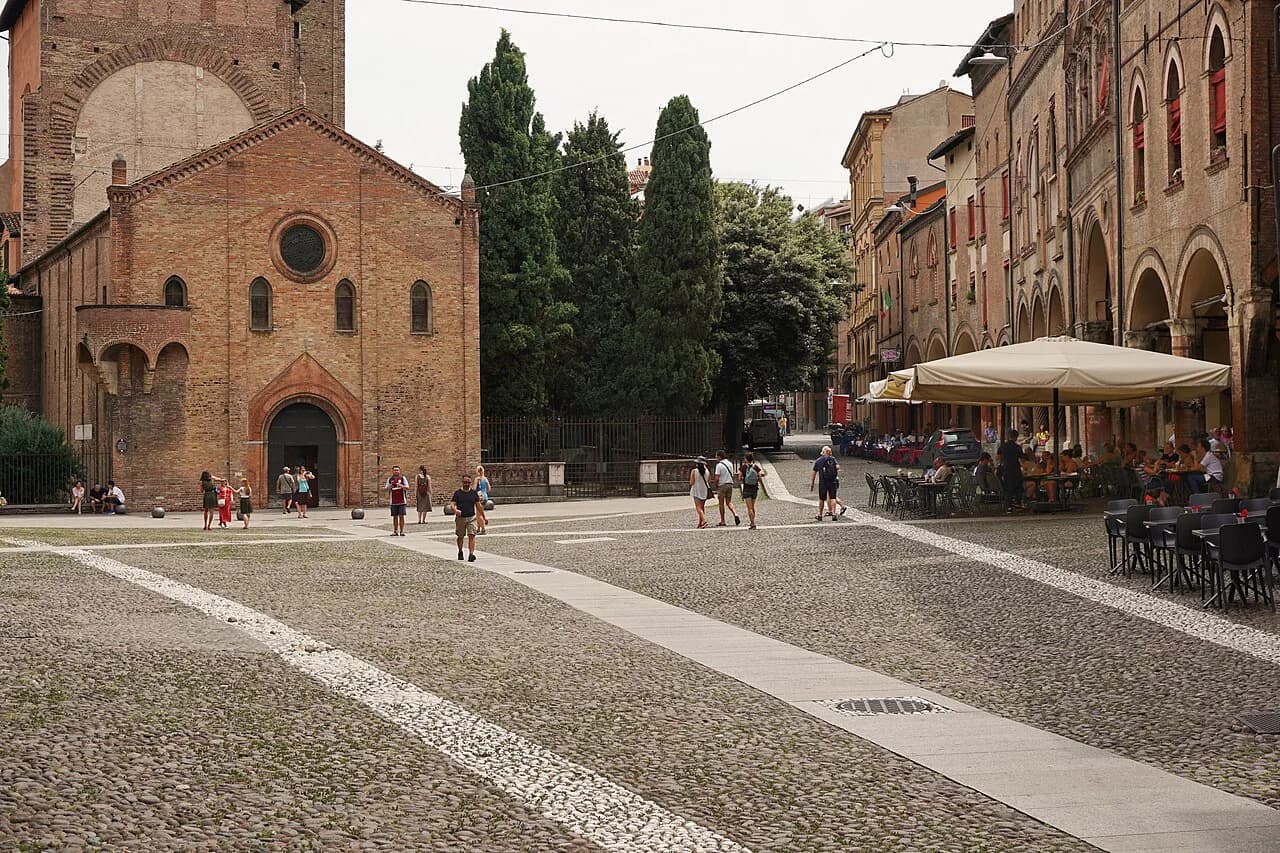
- Santo Stefano: porticoes ring Piazza Santo Stefano and continue past Casa Reggiani-Seracchioli, one of the surviving semi-porticoed facades. The Santo Stefano guide covers the full loop around the square.
- Quadrilatero and Pavaglione: covered market alleys built for the silk trade, still dense with food stalls and butcher counters. The Quadrilatero guide has the walking route. For where to eat under the arches, 8 Best Local Restaurants in Bologna: Where Locals Actually Eat has vetted picks. The Bologna Local Food Guide: What to Eat and Where in 2026 breaks the dishes down by course.
- University Quarter: student-district porticoes run along Via Zamboni, past the side portico of the Basilica of San Giacomo Maggiore. The University Quarter guide has the full walking details.
- Pratello: a rougher, less polished stretch of arcades west of the center's showcase porticoes. The Pratello guide has more on this side of town.
- Bolognina: a newer take on the same covered-street idea, away from the historic core's marble and fresco. The Bolognina guide covers what's changed there in recent years.
Practical Tips: Photography, Footwear, and Timing
A few practical calls make the difference between a rushed walk and a good one under the arches.
- Photography: a low sun angle throws sharper shadows through the columns, so early morning or early evening beats midday glare. Pavaglione suits street scenes with passing cyclists; the Meloncello curve gives the classic compressed-arch shot with a telephoto lens or phone zoom.
- Footwear: porticoes sit on uneven stone and cobblestone, and marble floors turn slick when wet. Flat, rubber-soled shoes hold up far better than heels, especially on the uphill push to San Luca.
- Timing: University Quarter is busiest during term time, and central porticoes get crowded on weekend afternoons. The guide to the quietest time to visit Bologna has the weeks to target.
- Extend the day: once the San Luca loop is finished, 9 Best Day Trips From Bologna: A 2026 Logistical Guide lists onward options that also start from the same city gates.
The Bologna Portici Festival and Life Under the Arches Today
Porticoes are still working civic space, not just a backdrop for photos. Bologna Portici Festival runs every June; organizers reported that the 2026 edition drew 40,000 attendees, with concerts, talks, and exhibitions staged directly under the arcades across the city. Bologna's official heritage site also frames the network as a model of climate resilience: covered walkways cut sun exposure in summer and keep rain off pedestrians year-round, a free, self-guided amenity covered in more depth in 15+ Free Things to Do in Bologna: A 2026 Budget Guide. Accessibility has had recent attention too. A sign-language video guide, the Videoguida LIS/IS, covers each of the 12 UNESCO components, and a tactile map project has been developed for visually impaired visitors. In 2026, a Blue Shield was affixed to Palazzo d'Accursio, marking the building's protected status under international rules for safeguarding cultural heritage during conflict. Ownership of the arcades stays private throughout. Bologna's porticoes are legally private property that the public has a permanent right to walk through, so maintenance costs fall on individual homeowners even though everyone shares the benefit.
For trip-planning details, see Porticoes of Bologna – Wikipedia.
Further reading: Bologna on Wikivoyage · Bologna on Wikipedia
Frequently Asked Questions
Why are the porticoes of Bologna on the UNESCO World Heritage List?
UNESCO inscribed the porticoes as a World Heritage Site on July 28, 2021. The listing recognizes them as a serial site of 12 component areas with sustained cultural and architectural value, not a single monument.
How many kilometers of porticoes are there in Bologna?
About 62 kilometers (38 miles) make up the network, roughly 40 kilometers of that inside the historic center.
Who do the porticoes of Bologna belong to?
Ownership stays private: each portico belongs to the building it's attached to, but city rules guarantee public passage through it, making them private property for public use.
Is walking the San Luca portico free?
Yes: walking the 3.8-kilometer route from Porta Saragozza to the sanctuary costs nothing. San Luca Express is the paid alternative, priced at €12–€15, for travelers who'd rather skip the climb.
What is the best portico for photography in Bologna?
Pavaglione, alongside the Archiginnasio, works well for street photography, with its marble floor and passing cyclists. Arco del Meloncello's curve on the San Luca route is the more famous, wide-angle shot.
Continue exploring
More guides you'll find useful