Secret Spots in Bologna: The Seven Secrets, Hidden Corners, and Local Finds
Find the secret spots in Bologna beyond Piazza Maggiore: the Seven Secrets scavenger hunt, a hidden canal window, quiet cloisters, and local food finds for 2026.
On this page
Secret Spots in Bologna: A Walking Guide to the Seven Secrets and Beyond
Last updated July 2026, this guide maps the secret spots in Bologna that locals point visitors toward, beyond the Two Towers and Piazza Maggiore circuit. Bologna keeps a centuries-old tradition of seven hidden secrets alongside quieter finds, from a canal window to a monastery cloister. Follow the walking loop below from Piazza Maggiore, and note which spots now draw a queue.
Where to Find the Best Secret Spots in Bologna
Bologna carries the nickname trio the Red, the Fat, and the Learned. This name nods to its rooftop color, its food reputation, and Italy's oldest university. Locals have kept a scavenger-hunt tradition alive for generations, built around seven classic secrets hidden across the historic center. A newer layer of quieter finds sits alongside them, including a canal view behind an unmarked door and a monastery cloister that stays calm even nearby. Check the hidden gems guide for the full roundup beyond this walking loop. This guide separates the two categories, so you know which secret spots in Bologna are still hard to find and which now draw a small crowd.
The Seven Secrets of Bologna: A Walking Scavenger Hunt
Bologna's seven secrets form a natural walking loop starting at Piazza Maggiore. Each stop is free, and most take only a few minutes once you know where to look. Difficulty and appeal ratings below are in our editorial assessment, based on how well-marked and photogenic each stop is.
| Secret | Difficulty to Spot | Cost | Photogenic Appeal |
|---|---|---|---|
| Finestrella di Via Piella | Easy, but often queued | Free | High |
| Voltone del Podestà | Moderate, needs a partner | Free | Low |
| Three Arrows of Corte Isolani | Moderate, easy to miss | Free | Medium |
| Neptune's Finger | Easy | Free | Medium |
| Cannabis Protectio Inscription | Hard, small and unsigned | Free | Low |
| Panum Resis | Hard, inside a university building | Free | Low |
| Broken Vase (Asinelli Tower) | Very hard, largely a legend | Free to view from below | Low |
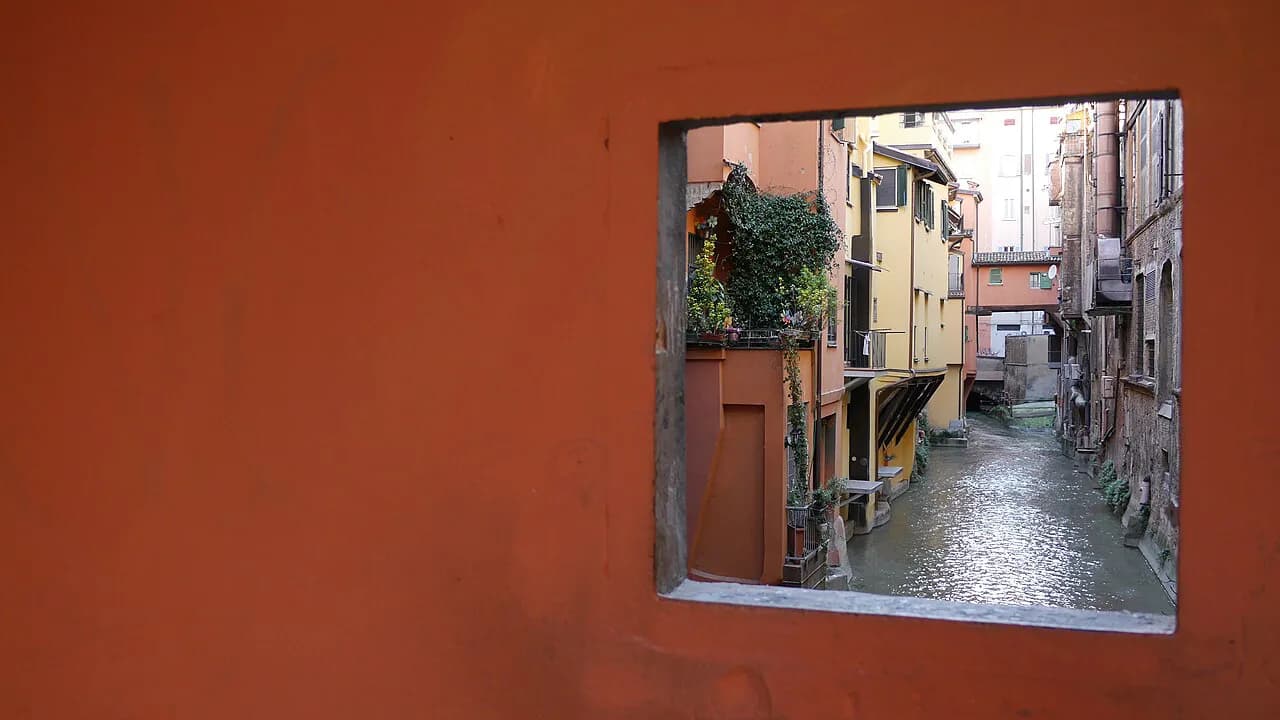
- Finestrella di Via Piella (Via Piella 16/a-18/a): a window in the wall frames the Moline Canal, Bologna's best-known surviving stretch of Little Venice. The Finestrella di Via Piella now draws a regular queue, so visit early morning for a clear view.
- Voltone del Podestà (Piazza Maggiore 1): stand in opposite corners under the vault and whisper toward the wall. Stone acoustics carry the sound across the arch, a trick long rumored to have been used for confession.
- Three Arrows of Corte Isolani (Strada Maggiore 19): look up into the wooden portico rafters to spot three medieval arrows. Legend ties them to a distracted assassination attempt centuries ago.
- Neptune's Finger (Piazza del Nettuno): from near the Salaborsa library entrance, the angle of the Neptune Fountain's raised hand appears to shift. This optical effect is said to be intentional on the sculptor's part.
- Cannabis Protectio inscription (Via dell'Indipendenza 3): a Latin phrase on the portico ceiling, often transcribed as Panis Vita, Canabis Protectio, Vinum Laetitia. It's credited to hemp's role in Bologna's medieval rope and textile trade.
- Panum Resis (Palazzo Poggi, Via Zamboni 33): a desk inscription inside Bologna's University Quarter, nodding to knowledge as the city's foundation.
- Broken Vase (Torre degli Asinelli, Piazza di Porta Ravegnana): legend places a broken vase near the tower's top, symbolizing a resolved dispute. Treat it as a story, not a target; no one has confirmed spotting it.
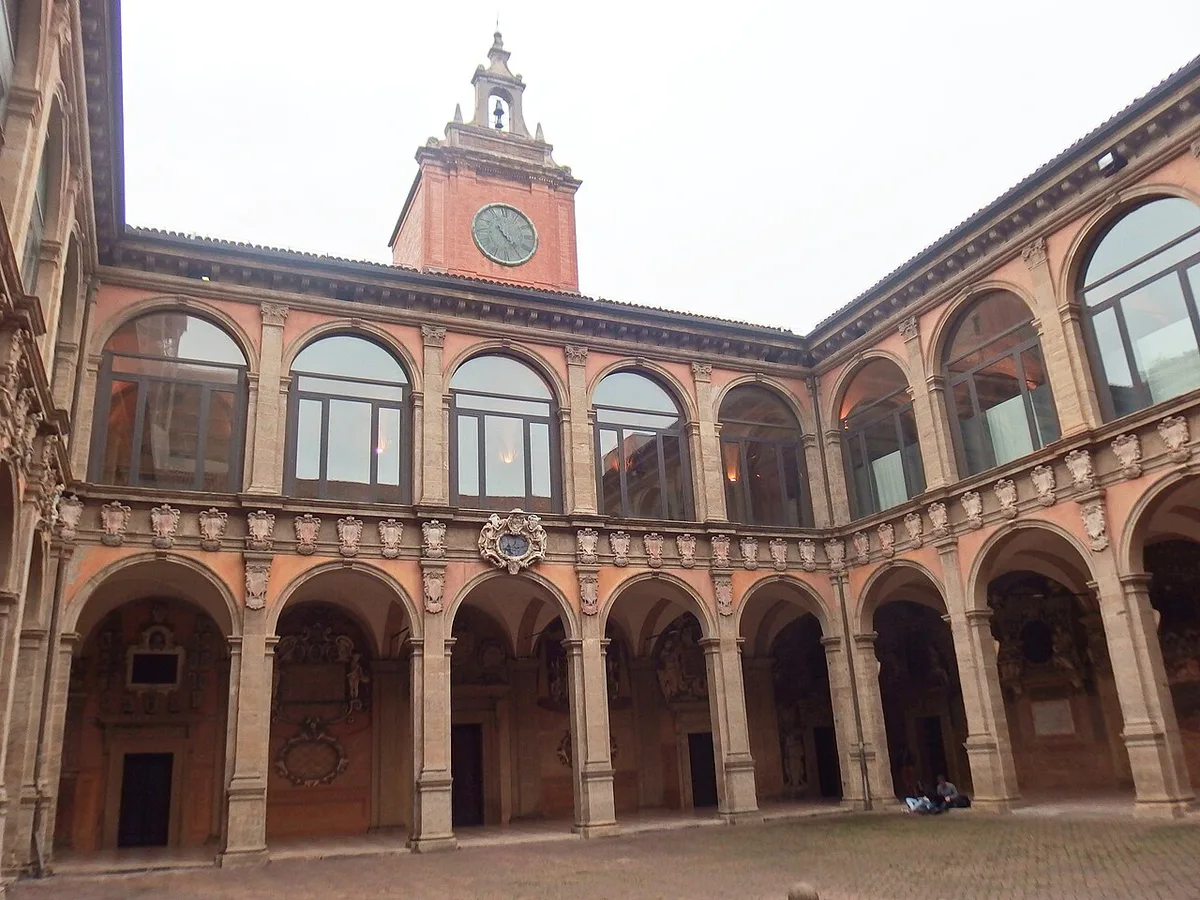
The Eighth Secret: Bologna's Anatomical Theatre and the Lament for the Dead Christ
Most lists stop at seven, but two more stops reward the same detour. Inside the Archiginnasio building, the Anatomical Theatre served as Bologna's dissection hall for university medical students. Santa Maria della Vita houses a terracotta sculpture group known as the Compianto sul Cristo Morto, showing mourners frozen mid-grief around the body of Christ. Both sit close to Piazza Maggiore, so they fit into the walking loop without a real detour.
Off the Beaten Path: Architectural Secrets Beyond the Seven
Beyond the classic seven, Bologna hides a further layer of architectural finds that rarely appear in guidebooks. Locals point newcomers toward these when the standard scavenger hunt starts to feel too well-trodden. For more finds at this depth, see the off-the-beaten-path guide. Additional stops appear in the unique things to do roundup nearby.
- Hidden Roman road (Strada Maggiore): a stretch of ancient stone road survives behind a glass wall inside a furniture showroom, viewable from the store's lower level. Access follows normal retail hours, so confirm current opening times before a visit.
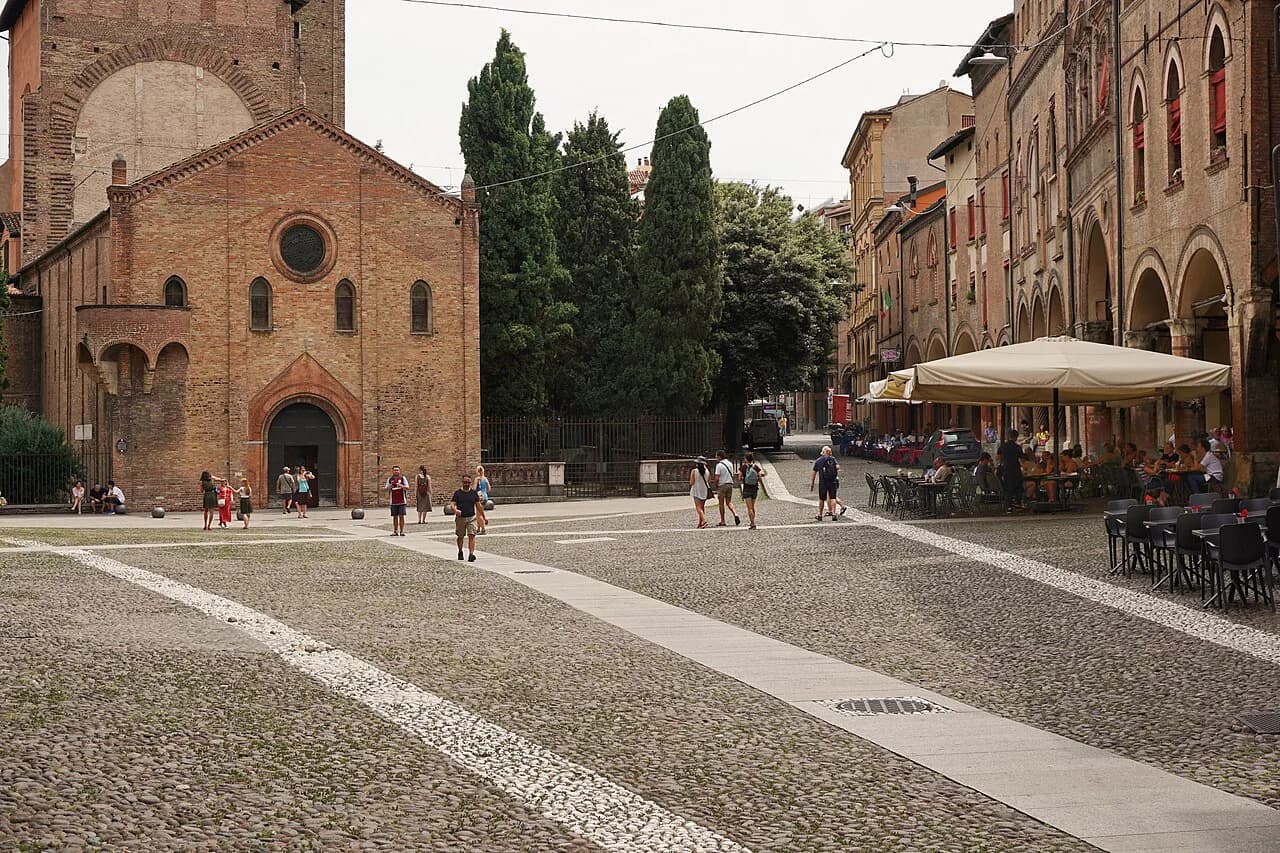
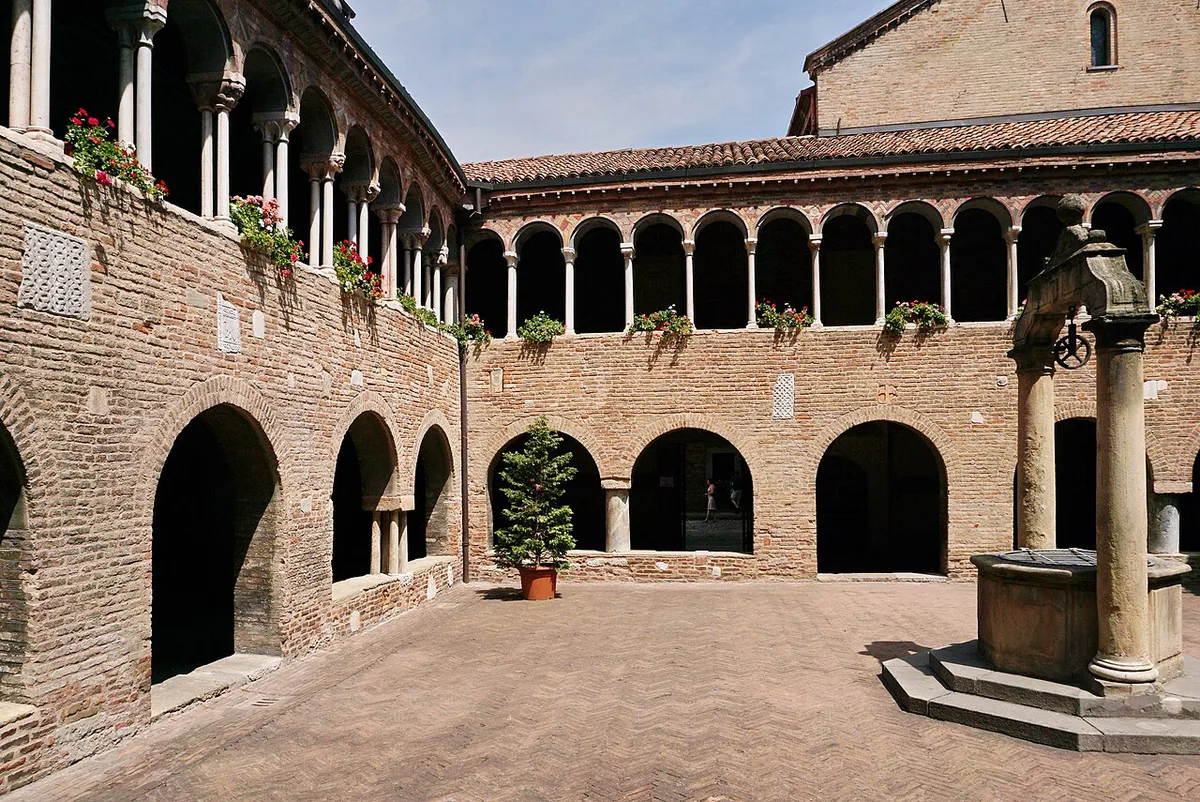
- Santo Stefano district's Sette Chiese cloisters: this linked complex of seven churches holds quiet cloisters that stay calm even when the piazza outside fills with visitors.
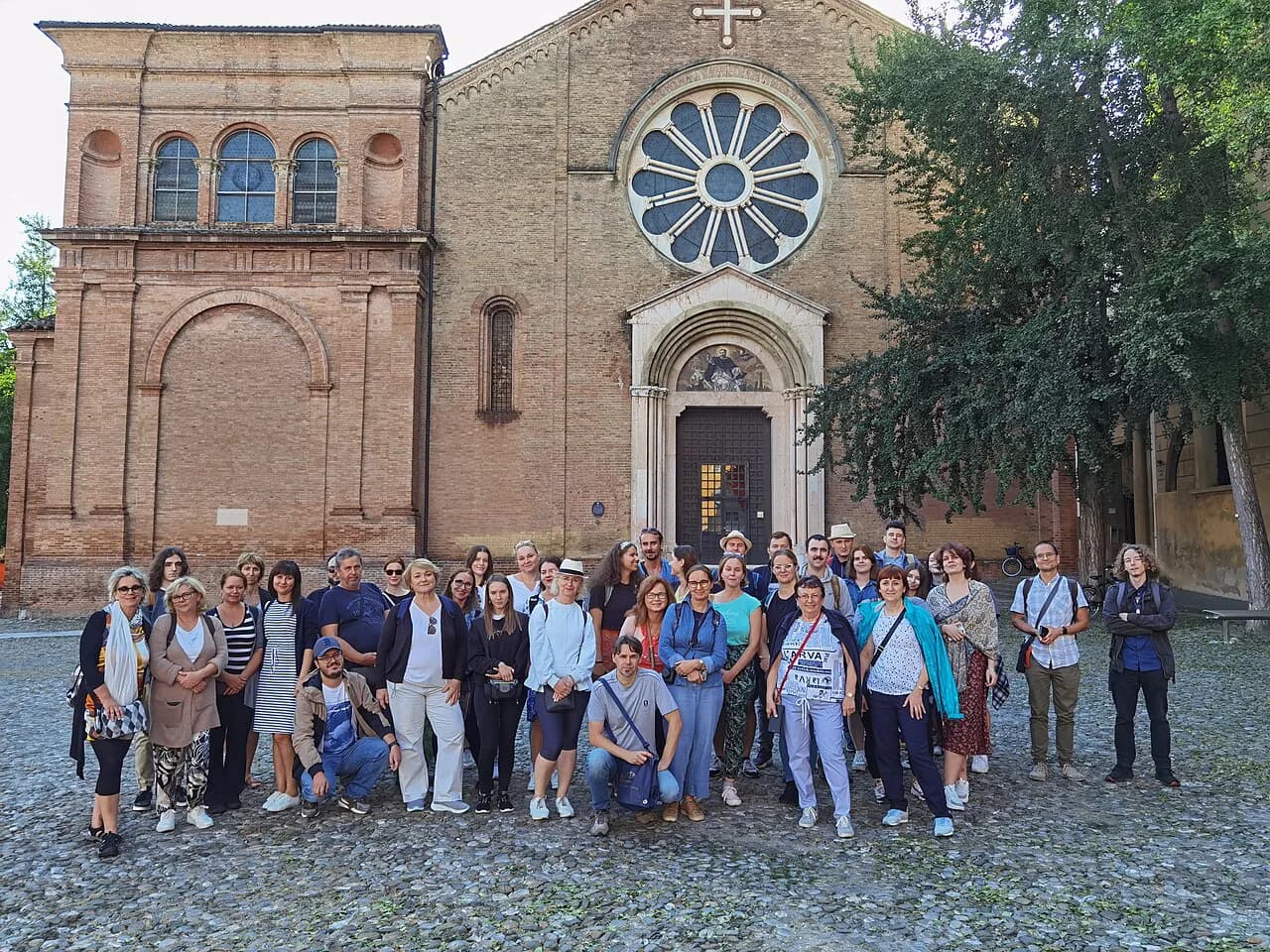
- San Domenico Basilica: inside, a small angel statue carved by a young Michelangelo stands near the altar, alongside an organ once played by Mozart during his time in Italy.
- Shadow of Lucio Dalla: at the corner of Via D'Azeglio and Piazza dei Celestini, look up across from the church to spot a silhouette tribute to Bologna's best-known jazz musician.
- San Colombano: this church holds a lesser-visited collection of historic musical instruments, a quieter stop than the basilicas nearer Piazza Maggiore.
- Archiginnasio courtyard: the upper loggia of Bologna's former university building looks down into a courtyard that most Piazza Maggiore visitors walk past without noticing.
Bologna's Best-Kept Culinary Secrets
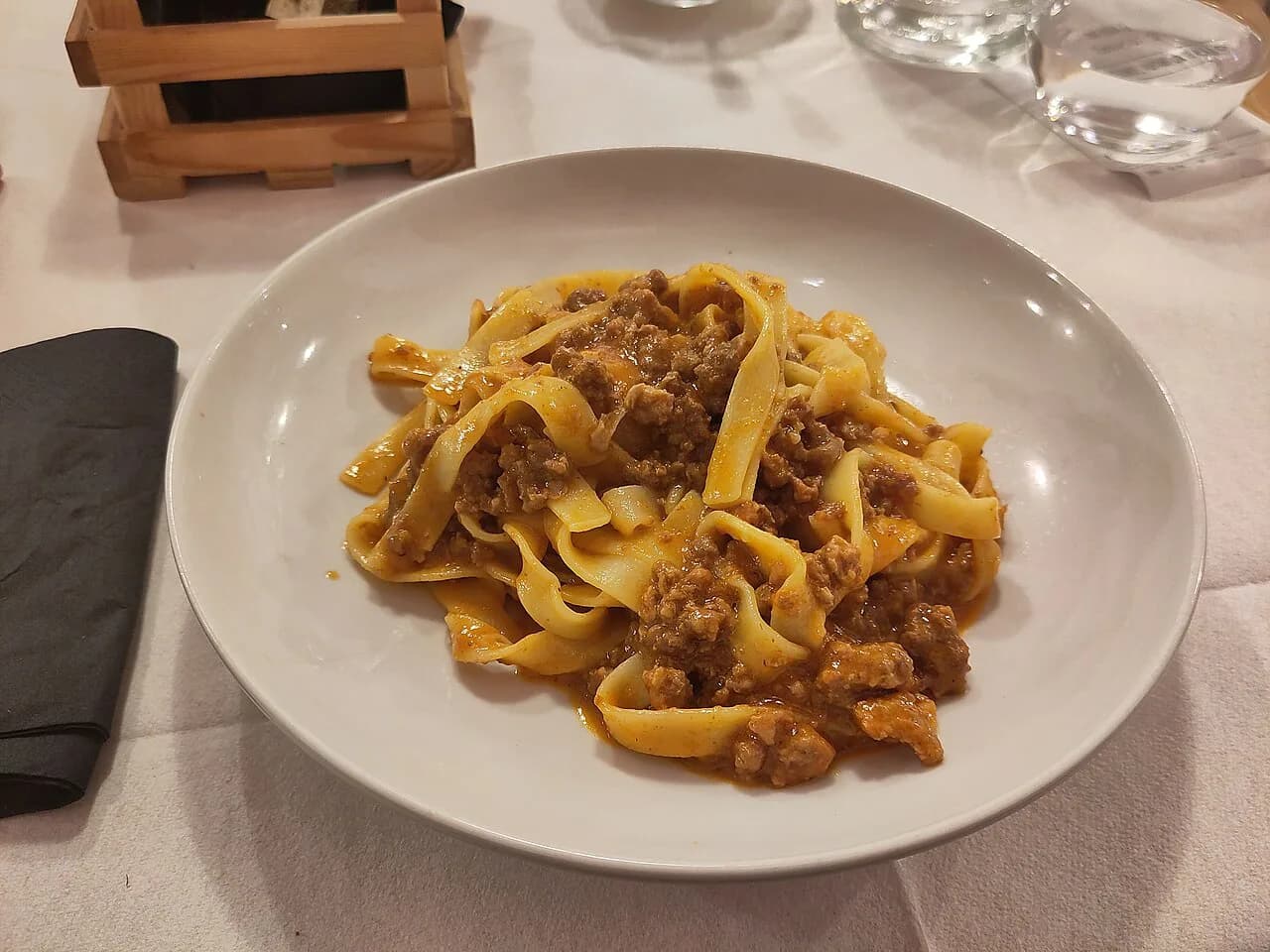
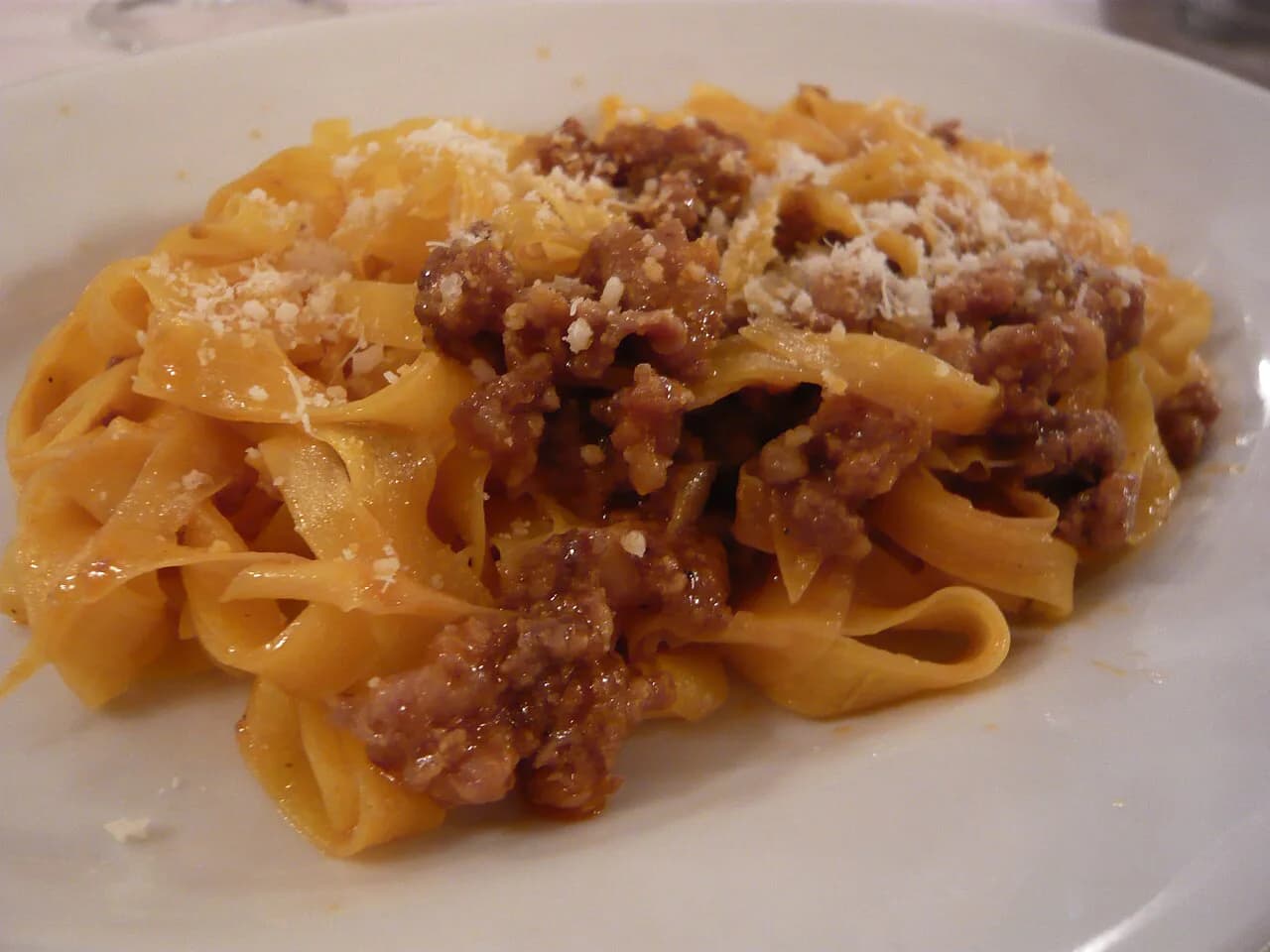
Quadrilatero alleys draw crowds for the main stalls, but side lanes hold quieter corners with the same producers. Full stall-by-stall layout appears in the Quadrilatero market district guide, useful if you want to explore past the busiest lanes. For a broader culinary picture, the local food guide covers Bologna's signature dishes and where locals actually eat. Gelato worth seeking out includes Cremeria Santo Stefano and Cremeria Scirocco, both favorites among residents rather than day-trippers. Osteria del Sole follows an old-school rule: it sells only wine, so regulars bring their own food to eat at the shared tables. Sit-down options appear in the local restaurants in Bologna guide, useful if the bring-your-own approach isn't for you.
Quiet Viewpoints Without the Asinelli Tower Crowds
Asinelli Tower draws the longest lines for a Bologna view, but quieter alternatives exist nearby. San Michele in Bosco offers a wide view over the city's rooftops, with a small forest and outdoor bars along Via Codivilla for a break afterward. Hotel Touring's rooftop terrace, near Piazza San Domenico, reportedly lets non-guests pay for a coffee or drink to access views over all 21 of Bologna's towers. Confirm current access and pricing with the hotel directly, since terrace policies can change. San Giovanni in Monte holds one of the quietest courtyards in the historic center, a contrast to the crowds circling the San Luca sanctuary hill. Timing a visit around the visiting Bologna without crowds guide helps you catch these spots at their quietest.
Logistics: How to Plan a Bologna Secrets Walking Loop
Most of these secret spots in Bologna sit inside the city's Limited Traffic Zone, so walking beats driving or hunting for parking. Bologna's historic center is compact enough to cover on foot, especially under its covered walkways. Covered walkways connect most of these stops; the porticoes of Bologna guide explains the full network, useful on a rainy day. Weekends can restrict vehicle access further in the center, so plan to arrive on foot, by bike, or by public transit regardless of the day. Early morning works best for the Finestrella window, before tour groups arrive. Evening suits the Voltone del Podestà acoustic trick, when ambient noise in the piazza drops. Almost every stop on this loop is free, in line with the wider free activities in Bologna list. If you're based outside the center, the Bologna's neighborhoods guide helps you choose a base within walking distance of the loop. Quieter districts like the Pratello neighborhood sit a short walk from the historic center. Bolognina district offers a similarly quiet base, reachable by tram. Travelers pairing Bologna with a regional trip can still fit two or three secrets into a morning before catching a train. Regional connections are covered in the day trips from Bologna guide, useful for planning ahead.
Unlike other secret spots, Hotel Touring's terrace near Piazza San Domenico charges for a coffee or drink to access views over all 21 of Bologna's towers. Confirm current access policies before your visit.
Mistakes to Avoid When Hunting Bologna's Secrets
Skip long searches for the broken vase on Asinelli Tower. By Bologna Welcome's own account, no one has confirmed finding it, and the story works better as a legend than a locatable object. Many churches on this list, including Santo Stefano and San Domenico, close for a midday riposo, so check opening hours before building a route around them. Arriving at Via Piella during peak midday hours usually means joining a queue that early morning visits mostly avoid. Access rules and opening times shift over time, so confirm current status locally before finalizing a route, especially for privately run stops like Hotel Touring's terrace.
A Practical Walking Route for Bologna’s Seven Secrets
Start beneath the Voltone del Podestà in Piazza Maggiore, then cross Piazza del Nettuno for the fountain’s optical illusion. Use the Salaborsa entrance as your viewing reference.
- Walk north along Via dell’Indipendenza to find the Cannabis Protectio inscription near number 3.
- Continue toward Via Piella for the Finestrella, ideally before the daytime queue forms.
- Head east through the University Quarter to Palazzo Poggi on Via Zamboni for the Panum Resis inscription.
- Continue to Strada Maggiore 19 and look above Corte Isolani’s wooden portico for the three arrows.
- Finish at Torre degli Asinelli in Piazza di Porta Ravegnana, treating the broken vase as a legend rather than a visible target.
This order avoids repeated crossings of the historic center and keeps the main street clues together. Add San Domenico or Santo Stefano after Corte Isolani if their interiors are open. The route remains mostly beneath Bologna’s porticoes, although Via Piella and the university section include exposed stretches.
Further reading: Bologna on Wikivoyage · Bologna on Wikipedia
Frequently Asked Questions
What are the Seven Secrets of Bologna?
They're seven small details locals have pointed visitors toward for generations, including a hidden canal window, an acoustic trick under a vaulted arch, and a set of medieval arrows lodged in a portico ceiling. Full route details, with addresses, appear in the walking-loop section above.
Is the Finestrella di Via Piella still a secret?
Not really, in practical terms. Most Bologna guides now feature the window, and a short line typically forms during the day. Visiting early morning, before tour groups arrive, gives the clearest, least crowded view of the canal.
Are Bologna's secret spots free to visit?
Nearly all of them are free, since most are architectural details in public streets and porticoes rather than ticketed sites. A few stops, like church interiors, may ask for a small donation, and the Hotel Touring terrace involves buying a coffee or drink.
What's the best time of day to see Bologna's hidden spots?
Early morning suits the Finestrella di Via Piella and other outdoor stops, before crowds build up. Evening works better for the Voltone del Podestà acoustic trick, when the piazza is quieter and easier to hear across.
How much time should you plan for a Bologna secrets walking loop?
Most travelers can cover the seven classic secrets in a morning or afternoon, since the historic center is compact and walkable. Adding the off-the-beaten-path architectural stops or a culinary detour through the Quadrilatero extends the loop into a half-day plan.
Do Bologna's secret spots change or get harder to find over time?
Some do. A spot that felt obscure a few years ago, like the Via Piella window, is now a regular photo stop with a queue. Confirm current opening hours and access rules locally, especially for church interiors and privately run terraces, since these can shift.
Continue exploring
More guides you'll find useful