Via Zamboni: A 2026 Guide to Bologna's University Quarter
Plan a visit to Bologna's university quarter via Via Zamboni: landmarks, apericena rules, budget eats, accessibility notes, and 2026 opening-hour tips.
On this page
Via Zamboni and Bologna's University Quarter: A Practical Guide
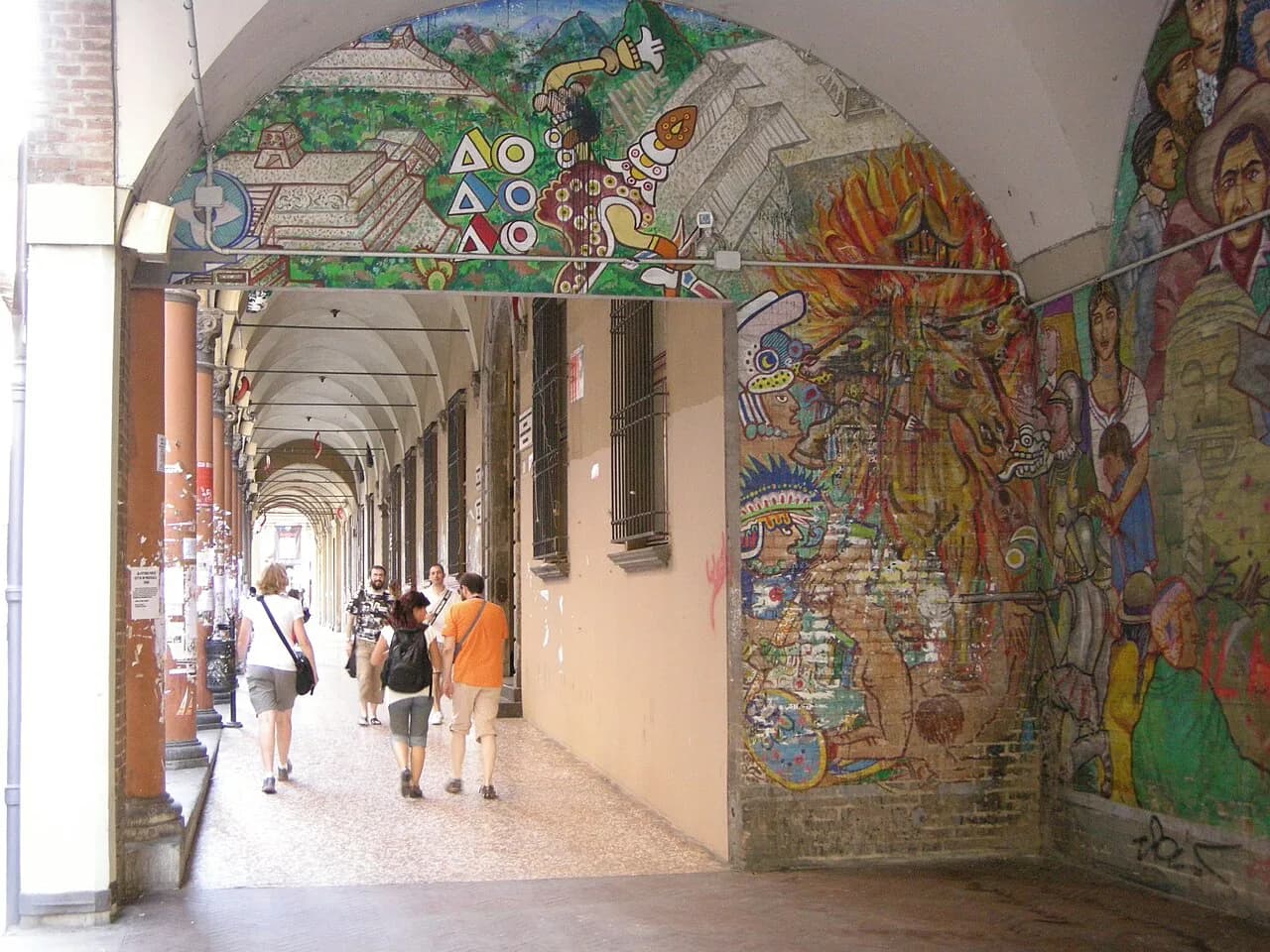
Last updated July 2026, Via Zamboni forms the spine of Bologna's university quarter, the roughly 1-kilometer (0.6-mile) stretch linking the Due Torri to Porta San Donato. It anchors the University of Bologna, founded in 1088. Expect graffiti-covered red porticoes, quiet Renaissance chapels, and a €3.50 takeaway pizza within the same block.
Via Zamboni: Bologna's University Quarter at a Glance
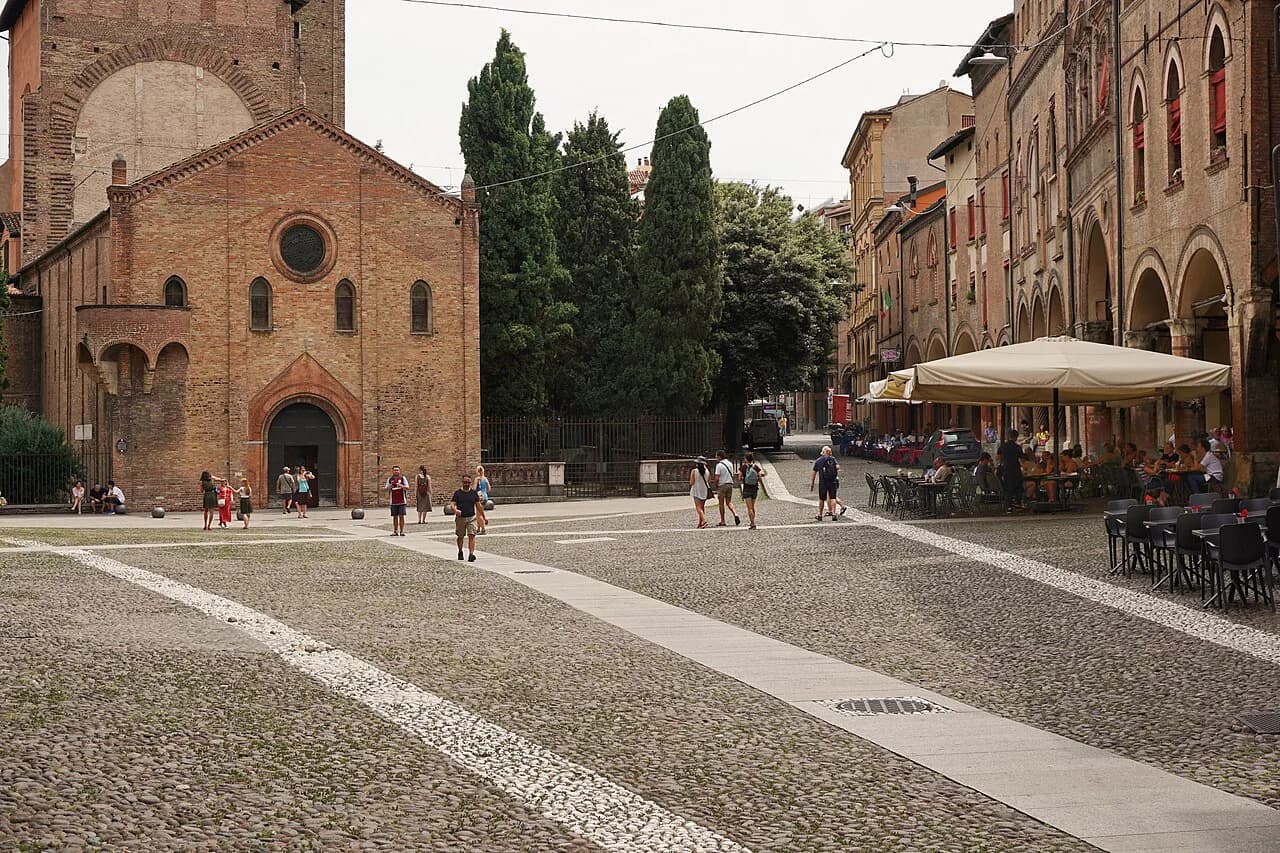
Via Zamboni runs from the Due Torri to Porta San Donato through the academic core of the University of Bologna. Term-time, roughly October through June, fills the street with cyclists, protest banners, and queues outside pizza counters. Bologna's university quarter empties out each August when students leave for summer break. Porticoes here are lower and narrower than the arcades around Piazza Maggiore, with worn columns and centuries-patched pavement. For where this pocket fits among Bologna's other districts, see the district-by-district guide to the city.
The street peaks at 6:00 PM to 9:00 PM, when the apericena buffet opens in tandem; ordering by 6:30 PM captures both the crowd energy and the freshest crescentine and pizzette.
- Length: about 1 km (0.6 miles), Due Torri to Porta San Donato
- Time needed: 30 minutes to walk straight through; 2 to 4 hours with museum stops and lunch
- Quietest window: weekday mornings
- Liveliest window: 6:00 PM to 9:00 PM in term time
- Typical spend: €5 for street food up to €50 for a sit-down trattoria dinner
Cultural Landmarks Along Via Zamboni
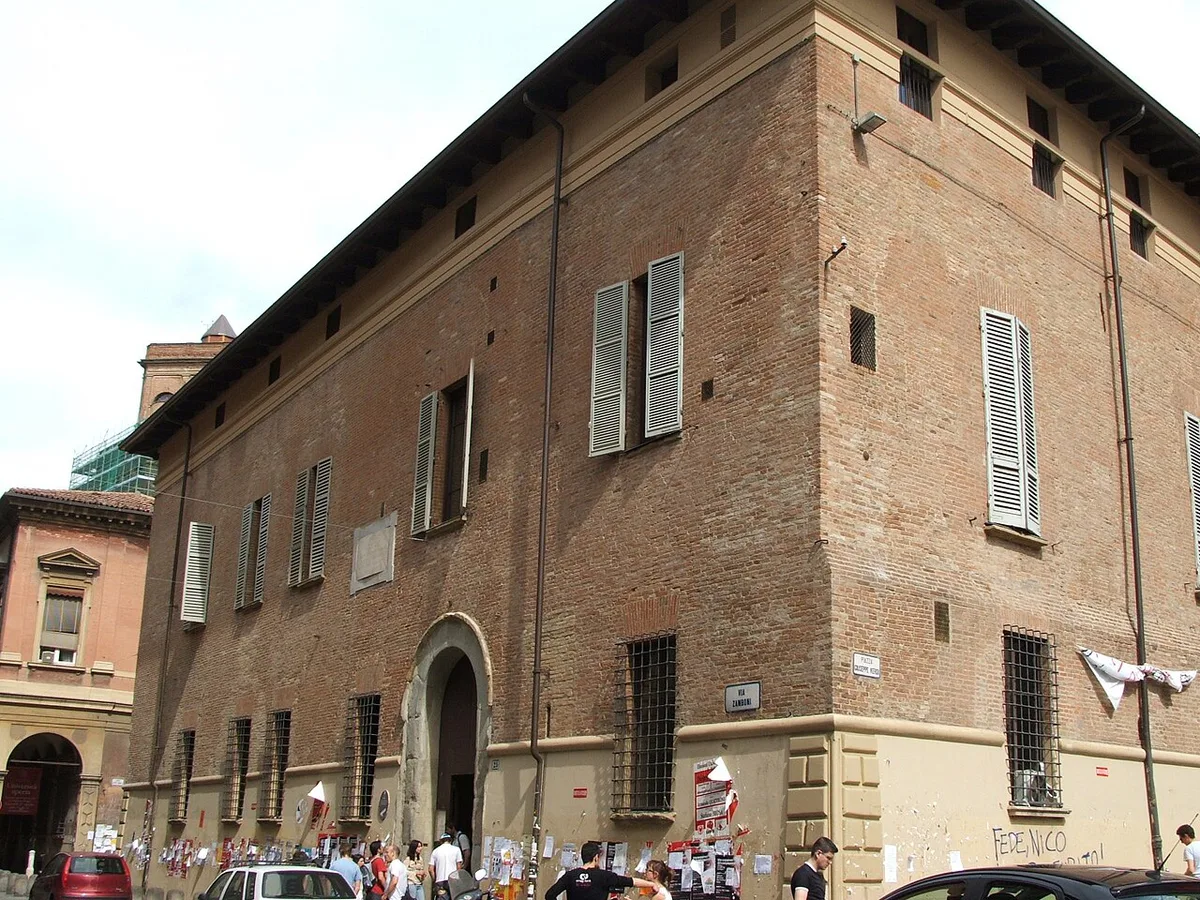
Four stops carry most of the historic weight on this street, each within a few minutes' walk of the last. Along the way, Palazzo Magnani, frescoed by the Carracci family, and the G.B. Martini Conservatory, named for Mozart's Bologna-era mentor, fill the block between the Ghetto entrance and the Basilica. Palazzo Poggi and the Oratorio both rank among Bologna's no-cost attractions citywide when their permanent collections are open. Foot traffic at the Oratorio runs far lower than at the Basilica next door, which makes it a fit for anyone hunting under-the-radar spots citywide.
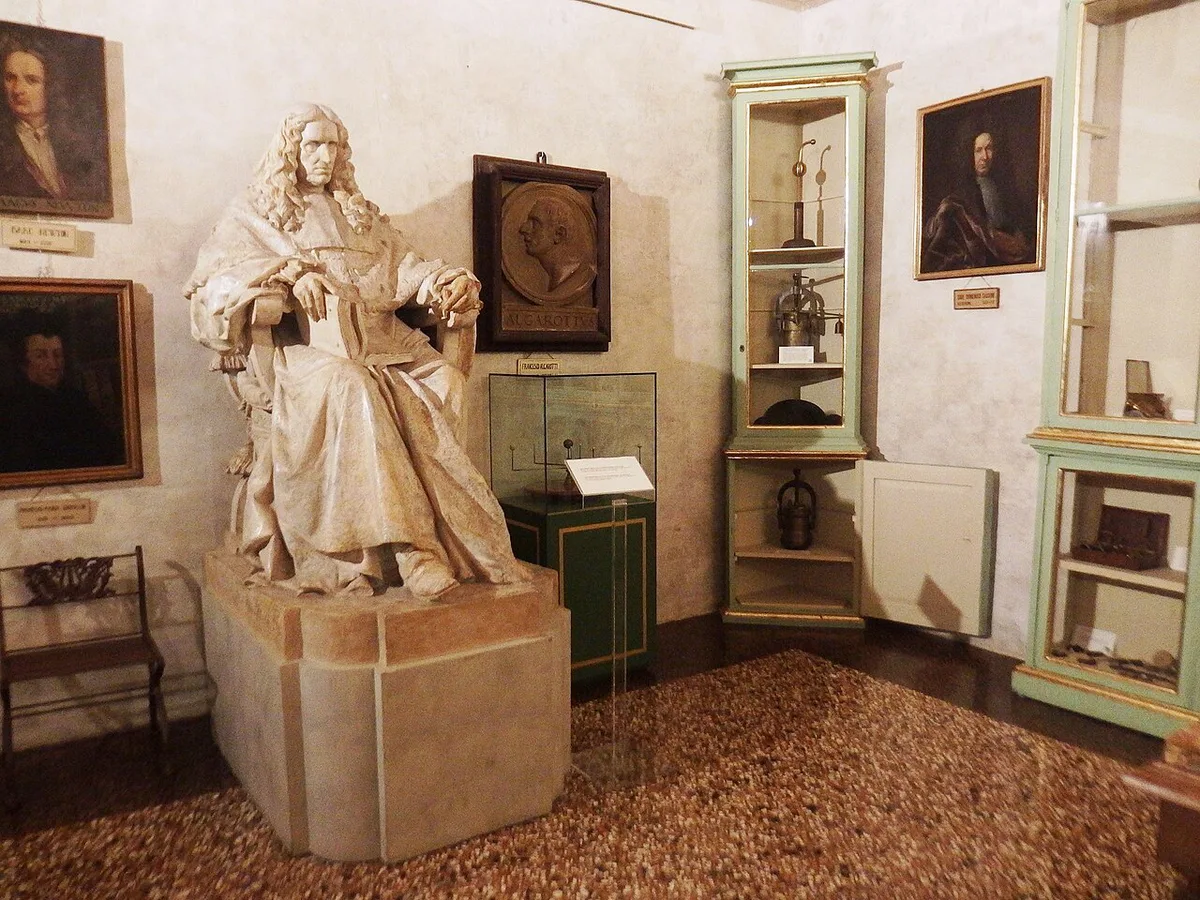
- Palazzo Poggi: the original seat of the University of Bologna's faculties, now home to its Sistema Museale di Ateneo, with an anatomical theatre and collections spanning cartography, astronomy, and natural history; permanent collections have been listed as free to enter, so confirm current admission before visiting.
- Basilica of San Giacomo Maggiore: founded in 1267, with the Bentivoglio Chapel's late-15th-century frescoes by Lorenzo Costa and an altarpiece by Francesco Francia showing the Bentivoglio family at prayer.
- Oratorio di Santa Cecilia: a 1506 fresco cycle on the lives of Saints Cecilia and Valerian, painted by Francia and Costa; opening hours are limited, so check ahead, and it counts among the quarter's least-visited Renaissance interiors.
- Teatro Comunale: Bologna's neoclassical opera house on Largo Respighi, opened in 1763 and rebuilt after a 1931 fire, standing on the site of the former Bentivoglio palace; the season runs autumn through spring, and tours outside performance times should be confirmed directly with the theatre.
Where to Eat in the University Quarter
Budget dictates the experience here more than anywhere else in Bologna. Students eat cheap out of necessity, while a handful of sit-down rooms preserve the slower, traditional side of the same street. For the citywide picture of hand-rolled pasta and slow-cooked ragù, see the citywide food guide and the well-reviewed local restaurants list. Contrast that with the Quadrilatero market district a few minutes south, where prices and presentation both run higher. Prices below reflect each venue's recent published rates; confirm current menus before visiting, since street-level spots like Pizza Casa adjust fastest.
| Spot | Price | Hours | Note |
|---|---|---|---|
| Pizza Casa, Via delle Belle Arti 6 | €3.50–€6.00 per pizza | 11:30 AM–11:30 PM daily | No queue system; step up and order directly |
| Bottega Portici, near the Due Torri | Takeaway pasta and tortellini in brodo, paper cup | Check current hours | Chef-driven kitchen; pricier than street pizza |
| Osteria dell'Orsa, Via Mentana 1 | €15–€25 per person | 12:15 PM–11:00 PM daily | Communal tables; arrive by 3:00 PM to skip the lunch wait |
| Trattoria Anna Maria | €35–€50 per person | Check current hours | Hand-rolled pasta; the upscale counterweight to student spots |
How the Apericena Buffet Works
Apericena is the university quarter's cheapest dinner hack. Order one cocktail and the buffet comes with it, replacing a sit-down meal for a fraction of the price. Caffè Zamboni, at Via Zamboni 6, runs the best-known version. The bar opens at 7:00 AM and stays open until 11:30 PM; the buffet itself runs roughly 6:00 PM to 9:00 PM. Timing decides food quality: crescentine and pizzette come out freshest in the first hour, so ordering by 6:30 PM beats arriving at 8:00 PM to picked-over trays. Outdoor portico tables get contested after 7:00 PM in spring and autumn, so a seat isn't guaranteed.
- Where: Caffè Zamboni, Via Zamboni 6
- Price: €10–€15 per drink, buffet included
- Hours: bar 7:00 AM–11:30 PM; buffet roughly 6:00 PM–9:00 PM
- Best timing: order by 6:30 PM for the freshest trays
Late-Night Options Near Via Zamboni
Once the cheap beer and buffet trays run their course, the street shifts into a slower, later mode. Le Stanze pours gin and tonics inside a 16th-century chapel once owned by the Bentivoglio family, with frescoes overhead; drinks cost more than the student bars nearby, but the setting is worth one round. Cremeria delle Moline, on Via delle Moline, is a tight, walk-up gelato counter; expect to eat on the sidewalk while dodging bicycles. Ask for the whipped cream on top, since it's free and not always offered by default.
- Le Stanze: gin and tonics inside a 16th-century frescoed chapel; pricier than nearby student bars
- Cremeria delle Moline, Via delle Moline 1/c: gelato from €3 to €5, open roughly noon to 11:30 PM daily
Piazza Verdi After Dark
Piazza Verdi sits at the midpoint of Via Zamboni and functions as the quarter's main gathering point. During the day and early evening, it fills with students between classes and outdoor tables from nearby bars. Late at night, the mood shifts. Crowds get louder, denser, and considerably rougher after midnight, so this isn't the spot for a slow, quiet walk. Plan an evening drink earlier, or route around the square after midnight if a calm walk back is the goal.
The Jewish Ghetto Detour and Accessibility Notes
A short detour off Via Zamboni leads into the Ghetto, Bologna's former Jewish quarter, established in the mid-16th century and dissolved after the community's expulsion in 1593. Narrow lanes like Via dei Giudei and Via Valdonica still follow the original medieval layout. The Ghetto's main entrance sits beneath a large archway near Palazzo Malvasia, marked by a carved mascherone face; local legend holds that wine once poured from its mouth during receptions. Bologna's Jewish Museum sits at Via Valdonica 1/5, inside a 16th-century palace; ring the doorbell, since the entrance is easy to miss. This detour pairs well with other off-path corners of the city covered elsewhere on the site. These arcades belong to the same network covered in the city's portico guide, though the medieval sections here run lower, narrower, and less evenly maintained than the showcase stretches downtown.
- Visually impaired visitors: routes through the Ghetto are marked with Hand of Miriam symbol markers; the Jewish Museum's entrance is easy to miss, and its audio guide covers more ground than its limited touchable exhibits.
- Motor-impaired visitors: the portico is step-free and smooth near the start of Via Zamboni, but a staircase interrupts it just before Piazza Verdi, forcing a detour outside along Piazza Rossini and a stretch of bike path.
- General note: pavement at the start of Via Zamboni is noticeably more uneven than the arcades around Piazza Maggiore.
Planning a Visit: Getting There and Seasonal Timing
Via Zamboni starts at the Due Torri, an easy walk from Piazza Maggiore and the rest of central Bologna. Follow the street northeast and it ends at Porta San Donato; partway along, the Torresotto di San Vitale marks a surviving gate-tower from the city's second medieval wall circuit. Past the Torresotto, the porticoes continue onto Via delle Belle Arti and Via Oberdan; at the far end, Piazza Puntoni leads to the Pinacoteca Nazionale di Bologna for anyone extending the walk. Museum and church hours here run tighter than at the big sites around Piazza Maggiore. The Oratorio and Palazzo Poggi's collections both keep restricted schedules, so check listings before building a timed itinerary. Term-time, roughly October through June, brings the loudest street life, including graduation crowds in laurel wreaths. August is the opposite: students leave, bars quiet down, and the same walk turns into an uncrowded stroll. That August lull lines up with citywide patterns covered in Bologna's quietest travel months. For more low-traffic corners across the city, cross-reference lesser-known corners of Bologna before mapping a full-day route.
Mistakes to Avoid on Via Zamboni
A few small missteps repeat often enough to flag directly.
- Expecting a polished street: the graffiti here is part of the quarter's political history, not neglect.
- Showing up at Osteria dell'Orsa at peak lunch: arrive by 3:00 PM instead of joining an hour-long wait.
- Planning a slow, romantic evening near Piazza Verdi: pick an earlier hour or a quieter square instead.
- Visiting only in August and expecting energy: the street empties out for the summer break, so treat that month as a sightseeing window rather than a nightlife one.
- Skipping the Oratorio because it's easy to miss: it holds a fresco cycle painted in 1506 and rarely has a line.
How to Visit the University as a Working Campus
The University of Bologna is not a single enclosed campus. Teaching rooms, libraries, museums, and administrative offices occupy separate buildings throughout the quarter. Visitors can therefore explore Via Zamboni without passing through a formal university entrance.
Palazzo Poggi at Via Zamboni 33 is the clearest public-facing stop. Its museum route reveals the university’s scientific collections, while nearby corridors and courtyards remain part of an active institution. The Biblioteca Universitaria at Via Zamboni 35 is primarily a research library, so access rules differ from those of a general sightseeing attraction.
Do not confuse this quarter with the Archiginnasio near Piazza Maggiore. That building became the university’s principal seat in the 16th century and contains the famous Anatomical Theatre. Palazzo Poggi’s collections focus instead on scientific teaching, exploration, anatomy, and natural history.
Weekday mornings offer the calmest look at the academic buildings. During term time, expect bicycles, classes, graduation groups, and busy entrances. Respect signs marking staff-only rooms, and check museum access separately from university opening hours.
Further reading: Bologna on Wikivoyage · Bologna on Wikipedia
Frequently Asked Questions
Is Via Zamboni and the university quarter safe at night?
Via Zamboni is generally busy and well-lit through the early evening, especially in term time. Piazza Verdi gets louder, denser, and rougher after midnight, so treat that stretch as a place to pass through rather than linger alone late at night.
Where is the cheapest place to eat near the University of Bologna?
Pizza Casa, at Via delle Belle Arti 6, sells whole Margherita pizzas for €3.50 to €6.00. There's no seating and no queue system, so step up to the counter and order directly.
Can you visit the university buildings on Via Zamboni for free?
Palazzo Poggi's permanent university museum collections have been listed as free to enter, covering anatomy, cartography, astronomy, and natural history. Confirm current admission before visiting, since fees can change. The Oratorio di Santa Cecilia keeps more limited hours, so check those separately.
Is Via Zamboni worth visiting on a short Bologna itinerary?
Yes, even a fast pass works: the walk from the Due Torri to Porta San Donato takes about 30 minutes without stops. Add the Basilica of San Giacomo Maggiore and a slice from Pizza Casa, and the detour still fits inside an hour.
What is Via Zamboni named after?
The street is named after Luigi Zamboni, an 18th-century University of Bologna student and patriot linked to the origin of the Italian tricolour flag. He was executed in 1796 for conspiring against the city's papal government.
What is apericena and how does it work in the university quarter?
Apericena pairs one cocktail, typically €10 to €15, with buffet access meant to replace dinner. At Caffè Zamboni on Via Zamboni 6, the buffet runs roughly 6:00 PM to 9:00 PM, and food is freshest in the first hour.
Continue exploring
More guides you'll find useful