Bologna Neighborhoods Guide: Where to Stay by Vibe and Budget (2026)
This Bologna neighborhoods guide compares the Quadrilatero, Santo Stefano, University Quarter, Pratello, Bolognina, and Costa Saragozza for 2026 trip planning.
On this page
Bologna Neighborhoods Guide: Where to Stay by Vibe and Budget
Last updated July 2026, this Bologna neighborhoods guide breaks down which district actually fits your trip instead of just listing landmarks. Santo Stefano and the Quadrilatero suit first-time visitors, Pratello suits foodies, and the University Quarter suits budget travelers near Via Zamboni. This Bologna neighborhood map format covers the vibe, who each area fits, and the closest internal guide for deeper planning.
Quick Answer: Where to Stay in Bologna by Traveler Type
Bologna rewards picking a base by trip style rather than by proximity to Piazza Maggiore alone. The list below matches traveler type to neighborhood, with full detail in each section further down.
- First-time visitors: Santo Stefano or the Quadrilatero, both within walking distance of Piazza Maggiore.
- Foodies: Via del Pratello for osteria culture, or the Quadrilatero for market food and traditional counters.
- Budget travelers: the University Quarter, where rooms and meals cost less near Via Zamboni.
- Families: Santo Stefano for quiet streets, or Costa Saragozza for greenery and space.
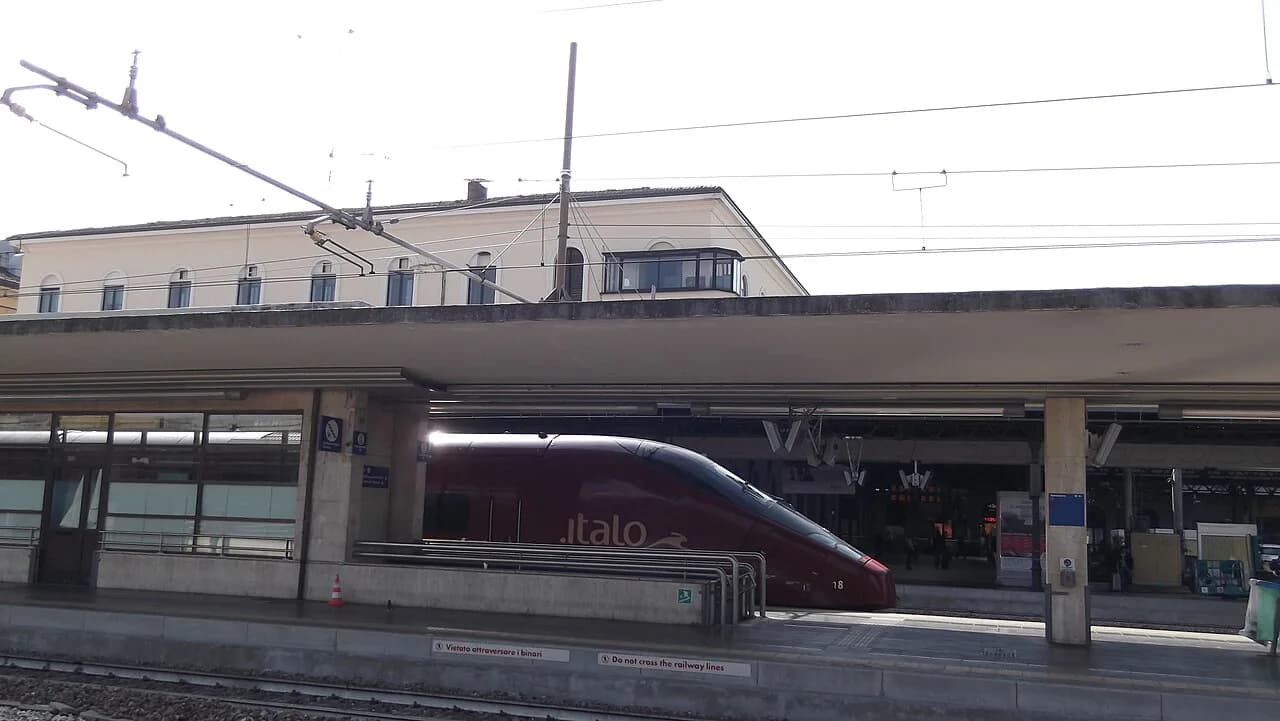
- Travelers without a car: Bolognina, closest to Bologna Centrale and the Marconi Express line.
Bologna Neighborhoods at a Glance
Neighborhood choice in Bologna comes down to vibe, budget, and how close you want to stay to the market noise. The table below summarizes each district before the detailed breakdown further down.
| Neighborhood | Vibe | Best For | Must-See | Watch Out For |
|---|---|---|---|---|
| Quadrilatero | Loud, food-first, medieval streets | First-timers and food lovers | Finestrella di Via Piella | Heavy foot traffic |
| Santo Stefano | Quiet, elegant, historic | Couples, architecture fans, families | Sette Chiese complex | Higher room rates |
| University Quarter | Energetic, youthful, affordable | Budget travelers, nightlife seekers | Via Zamboni street art | Noise from student nightlife |
| Via del Pratello | Social, gritty, osteria-driven | Foodies, casual nightlife | Evening osteria crawl | Weekend street noise |
| Bolognina | Multicultural, modern, near the station | Early or late train connections | Proximity to Bologna Centrale | Farther from Piazza Maggiore |
| Costa Saragozza | Green, residential, hillside | Families, quieter stays | Portico walk to San Luca Sanctuary | Fewer restaurants nearby |
How to Read This Bologna Neighborhoods Guide: Viali, ZTL, and Porticoes
Locals describe Bologna through three traits: rich food, red-toned brick and porticoes, and a centuries-old university. Those traits map onto the best areas in Bologna covered here. The Quadrilatero stands for food, Santo Stefano and the surrounding centro storico carry the red palette, and Via Zamboni carries university life. The Viali, a ring road tracing the demolished medieval walls, marks the line between the historic center and outer districts like Bolognina and Costa Saragozza. Nearly the whole center sits inside a ZTL, a limited traffic zone. Drivers should plan parking outside the Viali rather than aim for a hotel deep in the center. Bologna's covered portico network, part of which carries UNESCO World Heritage recognition, also shapes where people choose to stay. Covered walkways let you cross entire districts without an umbrella, so neighborhood walkability barely changes by season.
Quadrilatero: Bologna's Medieval Market Quarter
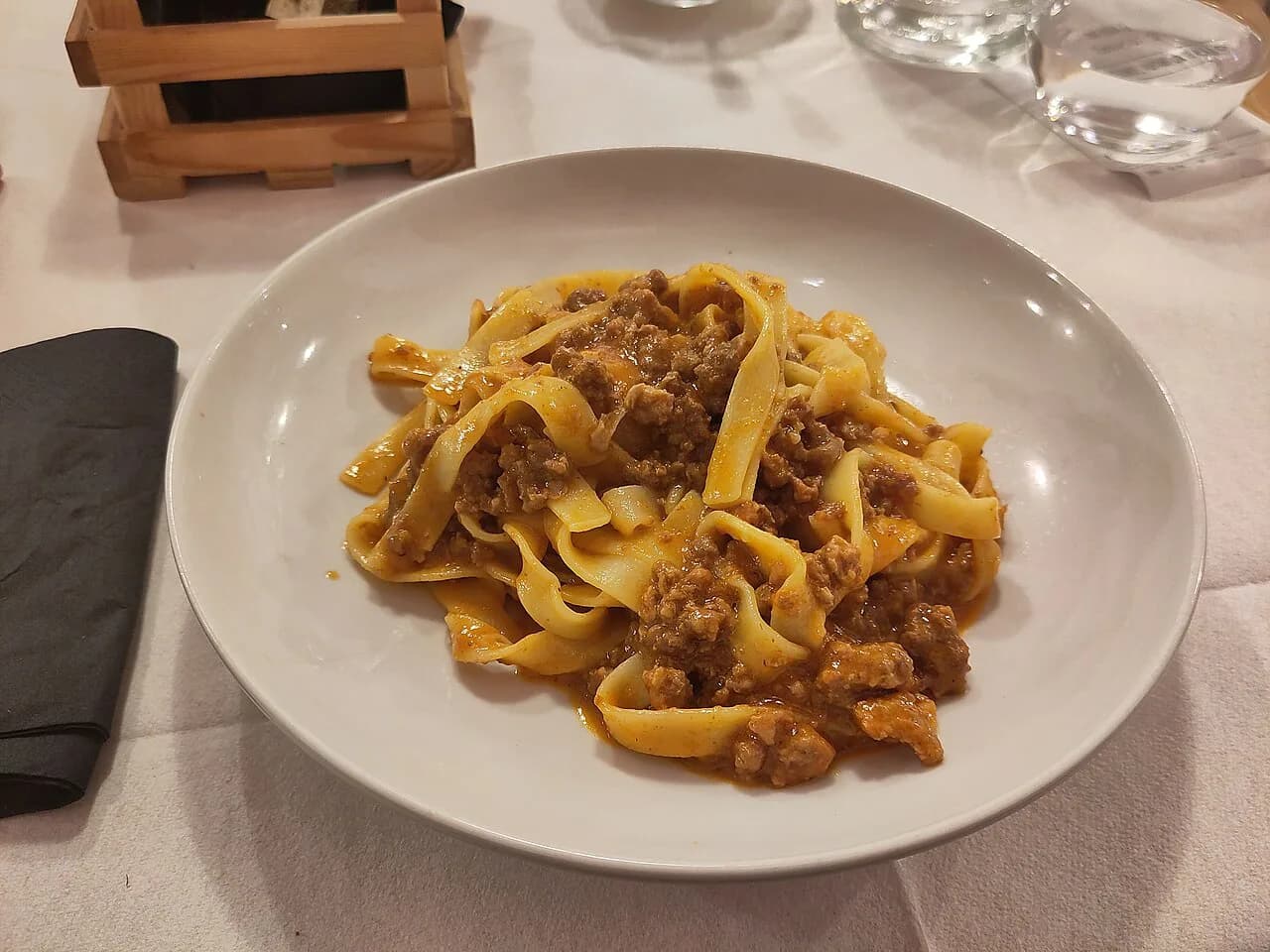
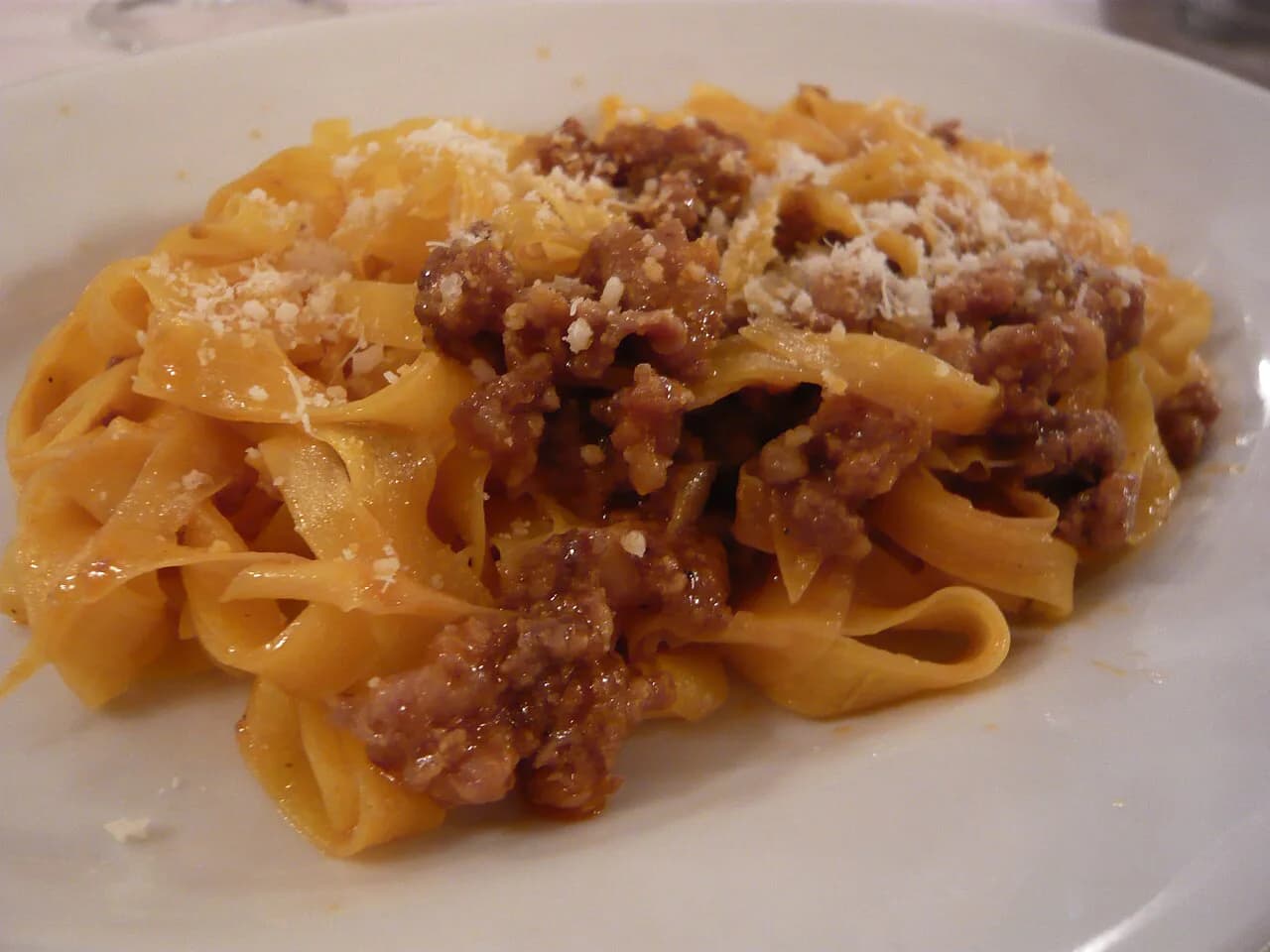
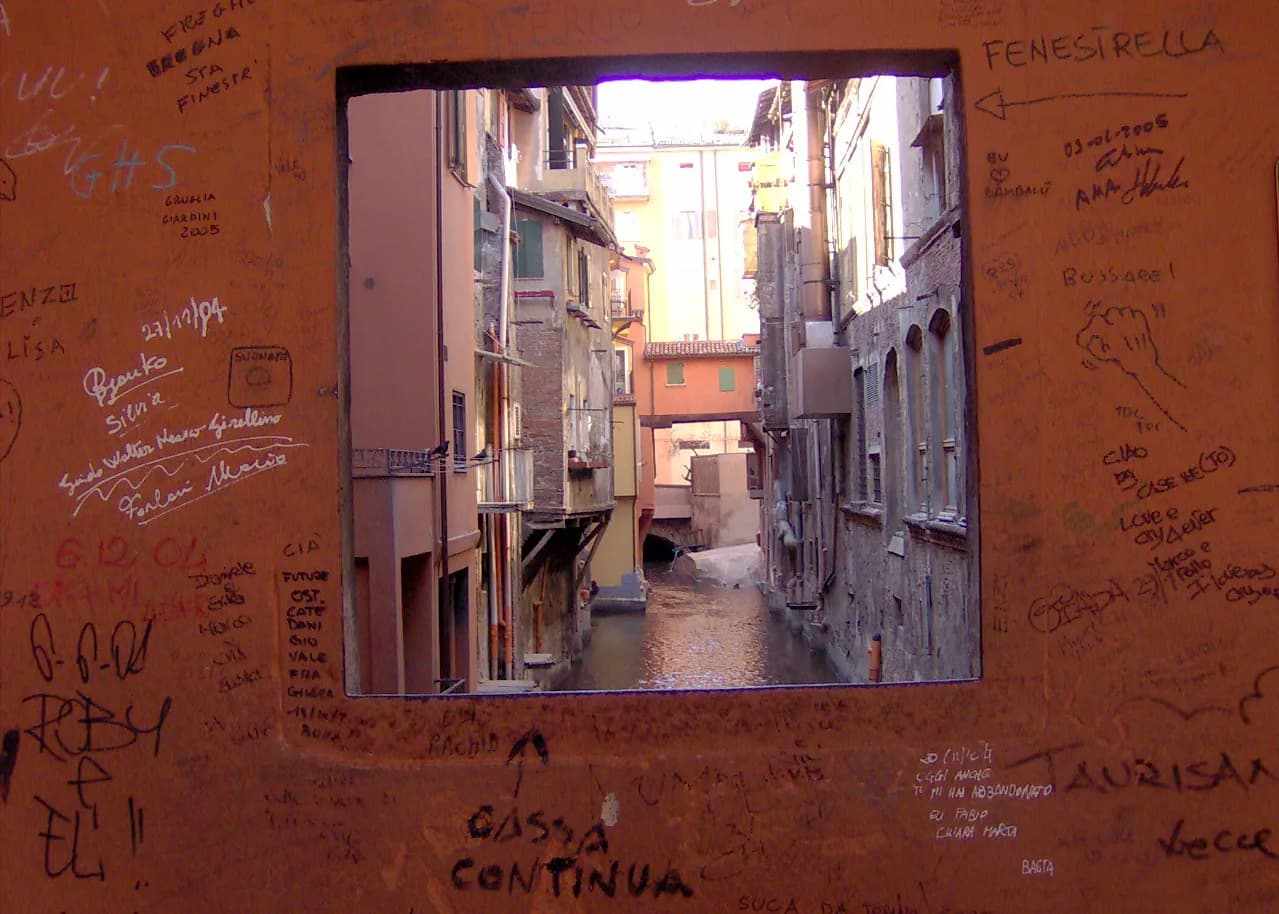
The Quadrilatero is Bologna's old market quarter, a knot of narrow medieval streets just east of Piazza Maggiore. Butchers, cheese counters, and pasta shops line every block. Its vibe is loud and food-first. Stallholders call out prices as delivery bikes squeeze past pedestrians during the morning market rush. It suits first-time visitors who want to walk everywhere, plus food-focused travelers chasing fresh tortellini and mortadella, both covered in the local food guide. Crowding is the trade-off. High foot traffic continues most of the day, so quiet moments are rare before evening. For street-by-street detail, the Quadrilatero market guide goes deeper than this overview. Beyond the market stalls, the must-see spot is the Finestrella di Via Piella. It is a small window overlooking a stretch of Bologna's historic canal, a favorite stop in the hidden gems guide and the secret spots guide.
Santo Stefano and Via Castiglione: Bologna's Elegant Quarter
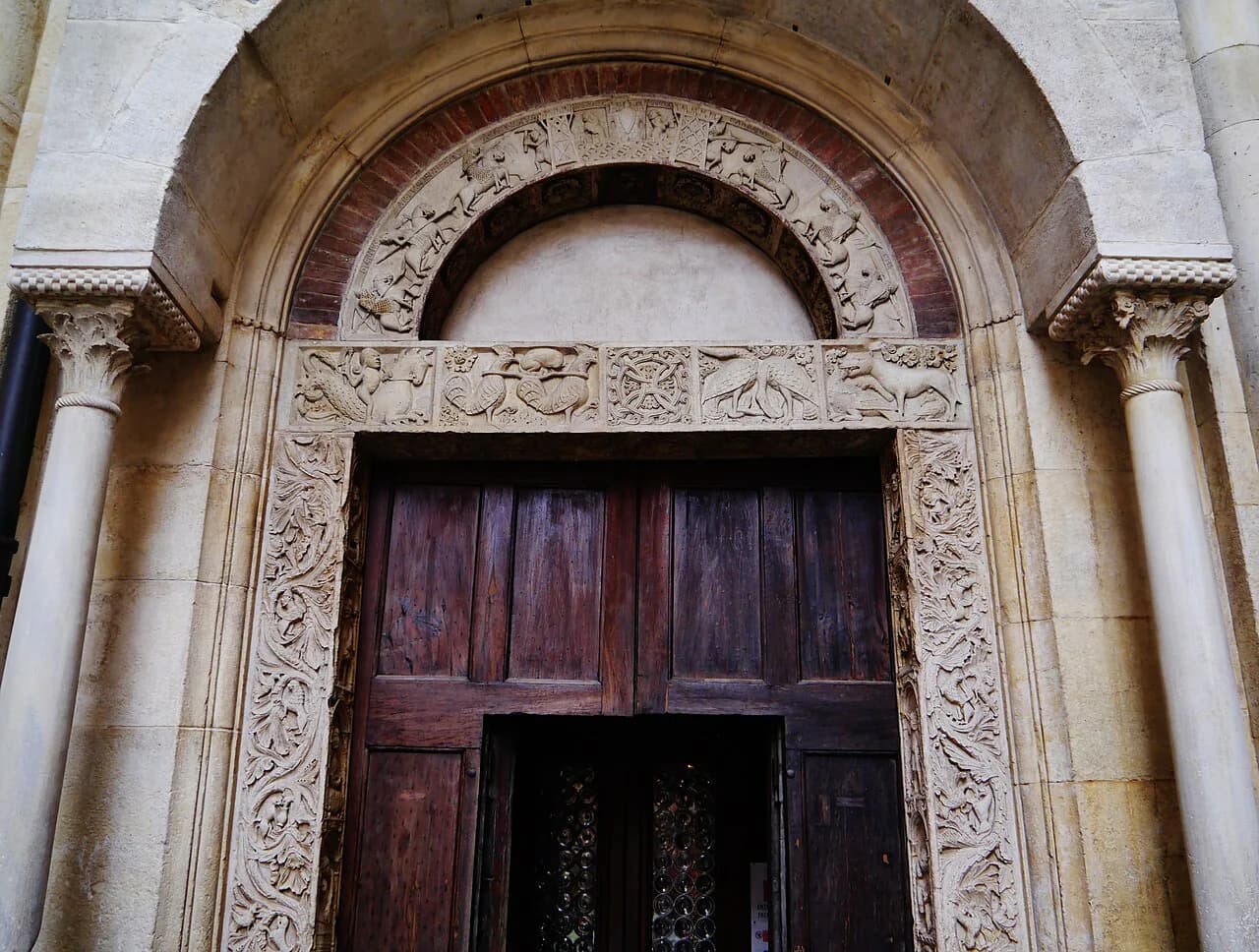
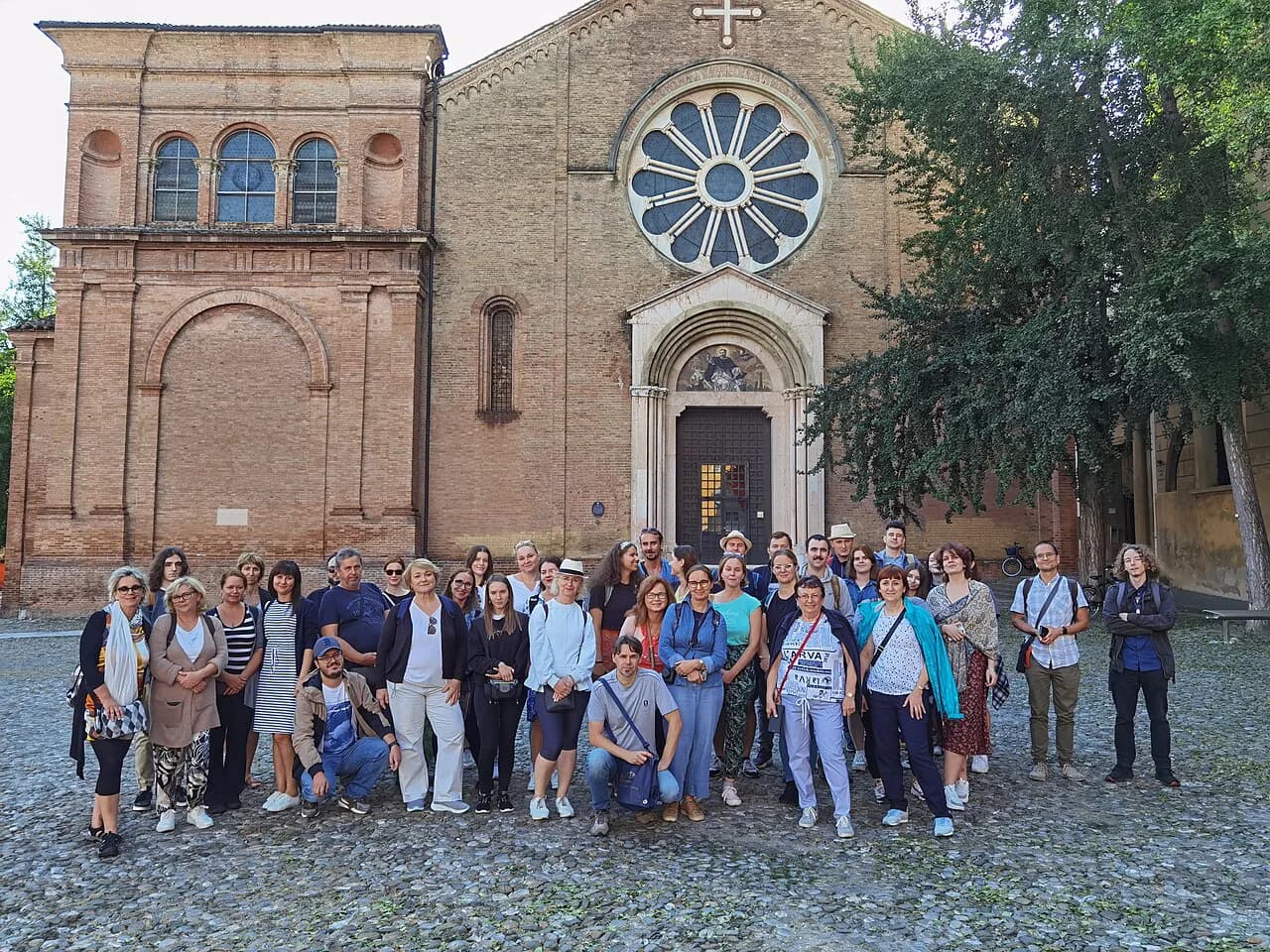
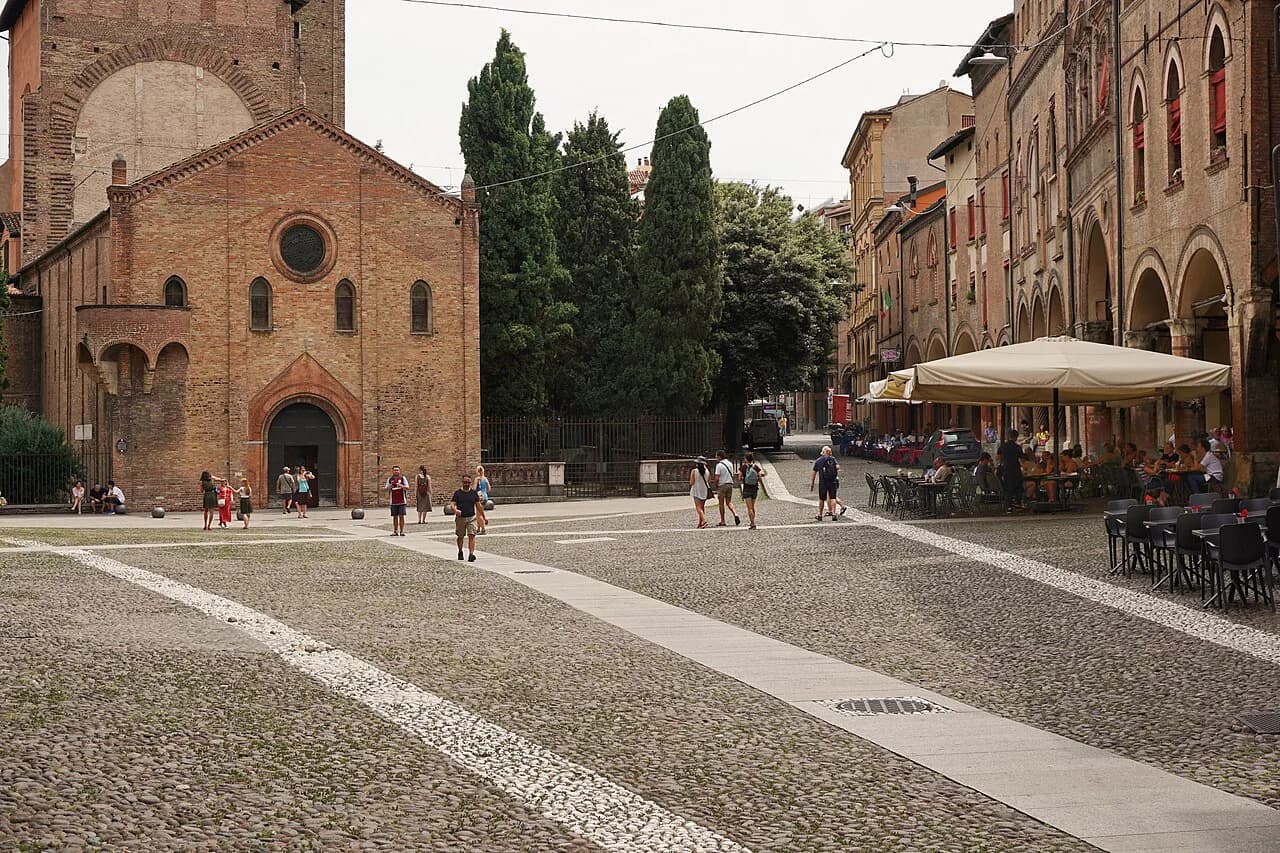
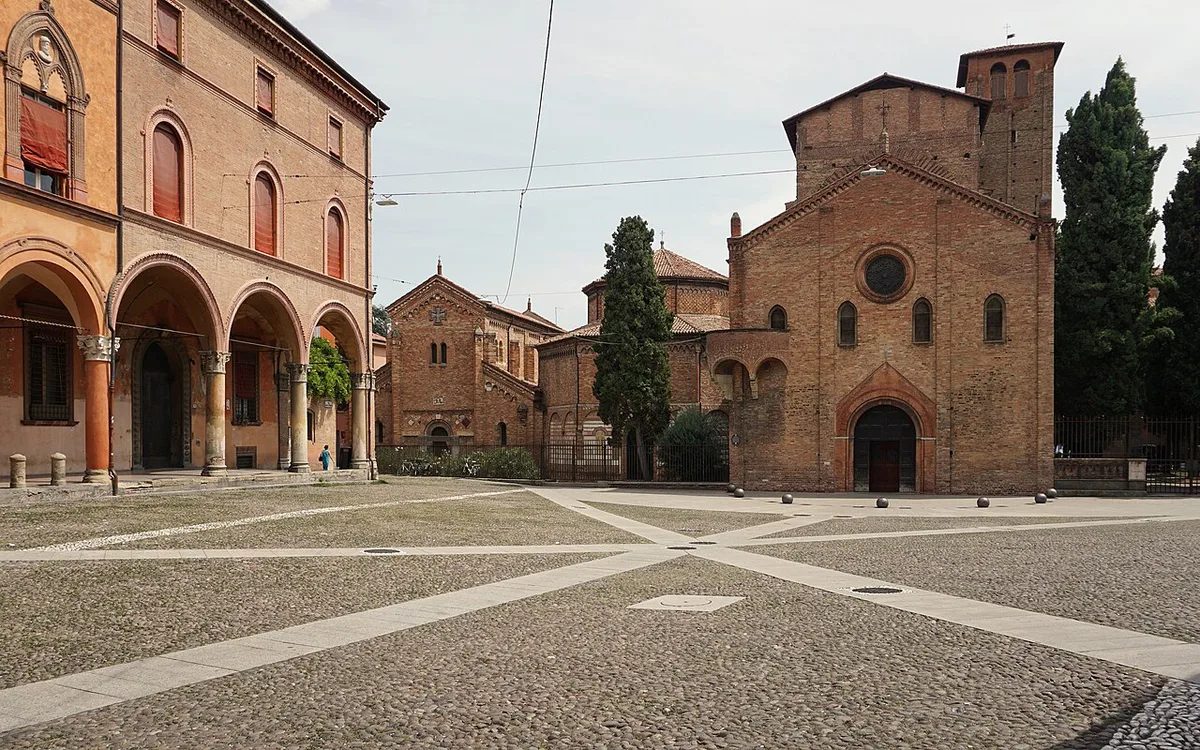
Santo Stefano centers on Via Castiglione and the Basilica di Santo Stefano, known locally as the Sette Chiese, or Seven Churches complex. The Sette Chiese complex includes a courtyard and cloister that stay noticeably quieter than the market streets nearby. Quiet and residential describes the vibe here, a contrast to the market noise a few streets over. Boutique hotels, restored palazzi, and independent shops replace market stalls, making this the pick for travelers who want a central base without the crowds. Couples, architecture-focused travelers, and anyone prioritizing calm near Piazza Maggiore all do well here. Price is the trade-off: rooms in this district typically cost more than equivalents in Bolognina or the University Quarter. For a street-by-street breakdown of the Sette Chiese complex and nearby lanes, see the Santo Stefano guide.
University Quarter and Via Zamboni: Student Energy on a Budget
Via Zamboni anchors the University Quarter, home to the University of Bologna and thousands of students during term time. Street art covers building facades and side streets, and the pace stays lively into the night. Budget travelers gravitate here because rooms and food cost less than in Santo Stefano or the Quadrilatero. Noise is the trade-off: aperitivo crowds and student nightlife spill onto the street well past dinner hours. Younger travelers, budget-conscious visitors, and anyone wanting an affordable base within walking distance of Piazza Maggiore all suit this district. The university quarter guide covers specific streets and where student life concentrates.
The University Quarter sits roughly 15–20 minutes away from Bologna Centrale, providing budget travelers central access and affordability without the longer walk required for quieter neighborhoods like Santo Stefano or Costa Saragozza.
Via del Pratello: Bologna's Social and Nightlife Strip
Via del Pratello runs west from the historic center and fills with osterie, wine bars, and small kitchens after dark. The vibe leans social rather than polished. Expect plastic cups, shared tables, and a mixed local-and-visitor crowd spilling onto the sidewalk. It suits foodies chasing traditional Bolognese cooking and travelers who want nightlife without the University Quarter's volume. Easy walking distance to the center and lower hotel rates than Santo Stefano count as pros. Street noise on weekend nights and fewer sit-down options earlier in the day count as cons. The Pratello nightlife guide lists specific bars and osterie along the strip.
Bolognina: Bologna's Multicultural, Modern District
Bolognina sits just north of Bologna Centrale, across the tracks from the historic center. Decades of immigration gave the district a multicultural character, visible in its grocery stores, restaurants, and street markets. Recent years have brought design studios, bars, and co-working spaces to the older residential streets. It suits travelers who want proximity to the train station, useful for early departures on the day trips from Bologna, and value-focused visitors comparing rates to the center. Distance from Piazza Maggiore is the trade-off, and the blocks right around the station feel functional rather than historic. Comparing nightly rates between Bolognina and the historic center is worth doing before booking, since the gap can be noticeable even a few blocks past the Viali. Bolognina's kitchens lean toward modern and international options rather than the Quadrilatero's traditional counters, a contrast covered further in the Bolognina neighborhood guide.
Costa Saragozza: The Green Gateway to San Luca
Costa Saragozza climbs southwest from the historic center toward the hills above Bologna. Streets here stay residential and quiet, with more greenery than the flatter districts closer to the station. It suits travelers planning to walk or take the portico-covered route up to the San Luca Sanctuary, and families wanting a calmer base outside the busiest tourist streets. The ascent toward the sanctuary runs beneath a long covered portico for most of the climb. Distance from nightlife and late dining is the trade-off, since most restaurants and bars concentrate closer to Piazza Maggiore. Lower noise and easy access to green space count as pros. A longer walk back from the center after dark counts as the main con.
Costa Saragozza's 30–40 minutes on foot from Bologna Centrale places it among the farther neighborhoods, but the extra walking time correlates with the district's residential quiet and green space that distinguish it from central districts.
Comparing Bologna's Neighborhoods: Families, Nightlife, and Food
Matching a neighborhood to trip priorities gets easier with a direct comparison. The table below pairs each category with a top pick and a close alternative, plus the reason behind each call. None of these pairings are absolute. A family that prioritizes restaurant variety might still choose the Quadrilatero over Costa Saragozza, and a nightlife-focused traveler on a tight budget might pick the University Quarter over Pratello for lower room rates.
| Category | Top Pick | Alternative | Why |
|---|---|---|---|
| Best for Families | Santo Stefano | Costa Saragozza | Quiet streets and less nightlife noise |
| Best for Nightlife | Via del Pratello | University Quarter | Osteria culture versus student bars |
| Best for Foodies | Quadrilatero | Bolognina | Traditional market food versus modern, international kitchens |
Getting Around: Marconi Express, the Viali, and the ZTL
The Marconi Express monorail connects Bologna's airport directly to Bologna Centrale. From that station, every neighborhood in this guide is a short walk, bus ride, or taxi away. Bolognina sits closest to that arrival point, while Santo Stefano, Quadrilatero, and the University Quarter are a short walk further into the historic center. The walk from Bolognina to Piazza Maggiore crosses beneath the rail viaduct near Bologna Centrale, then continues through the northern edge of the historic center. Costa Saragozza and Pratello sit toward the southwest, reachable on foot or by local bus from the same station. Check the Marconi Express operator's site for current fares and departure frequency before booking, since schedules can shift between seasons. Much of the city, including several neighborhoods covered here, now sits inside a citywide 30 km/h (about 19 mph) low-speed zone. Locals call it Bologna 30, part of an ongoing traffic-calming push. Confirm current signage before driving between districts, since rules can vary street by street. Walking between districts is realistic for most itineraries. The historic center is compact enough that Quadrilatero, Santo Stefano, and the University Quarter connect on foot without needing transit. Visiting in shoulder months changes which neighborhood feels most comfortable, a pattern covered in the quietest months to visit guide. Quadrilatero foot traffic peaks in high season, while Costa Saragozza stays calmer year-round.
Free Things to Do, Local Restaurants, and Unique Finds by District
Every neighborhood in this guide pairs with its own no-cost options and standout restaurant picks. The free things to do guide breaks activities down by district, from window-shopping the Quadrilatero's market stalls to walking the porticoes toward San Luca from Costa Saragozza. For where to eat, the local restaurant picks guide organizes options by neighborhood, useful for comparing a Quadrilatero trattoria against a Pratello osteria before booking. Travelers looking past the standard sights can pair this guide with the unique things to do list. The lesser-known corners of the city guide follows the same neighborhood logic used here.
Walking Times from Bologna Centrale to Each Neighborhood
Bologna Centrale is the key reference point for airport arrivals and regional day trips. The Marconi Express terminates at the station, north of the historic center. Walking estimates vary by accommodation and station exit, but these ranges help compare bases.
- Bolognina begins immediately north of the tracks, usually 10–15 minutes from the main station entrance.
- The University Quarter around Via Zamboni is roughly 15–20 minutes away.
- The Quadrilatero and Piazza Maggiore take about 20–25 minutes through Via Indipendenza.
- Via del Pratello is approximately 25–30 minutes southwest of the station.
- Piazza Santo Stefano is around 25–30 minutes away, depending on the route through the center.
- Costa Saragozza generally requires 30–40 minutes on foot, or a shorter local bus journey.
Allow extra time with luggage because Bologna Centrale has multiple levels and exits. Travelers planning early trains should favor Bolognina or the northern historic center. Santo Stefano and Costa Saragozza offer quieter surroundings but require a longer transfer.
Further reading: Bologna on Wikivoyage · Bologna on Wikipedia
Frequently Asked Questions
Is Bologna a walkable city?
Yes. The historic core is compact, and covered porticoes let you walk between the Quadrilatero, Santo Stefano, and the University Quarter without much weather exposure. Bolognina and Costa Saragozza sit further out, so plan on a longer walk or a short bus ride if you stay there. Comfortable shoes matter more than a rigid plan, since the porticoes make most routes walkable regardless of weather.
Which Bologna neighborhood is best for first-time visitors?
Santo Stefano and the Quadrilatero both work well for a first visit, since both sit within walking distance of Piazza Maggiore. Santo Stefano feels quieter and more residential, while the Quadrilatero puts you inside the market action from the first morning.
What's the difference between the Quadrilatero and Santo Stefano?
The Quadrilatero is Bologna's market quarter: loud, food-focused, and busy with foot traffic most of the day. Santo Stefano is quieter and more residential, built around Via Castiglione and the Sette Chiese complex, and suits travelers who want central location without market noise.
Which area is safest for solo travelers?
Central, well-trafficked neighborhoods like Santo Stefano and the Quadrilatero tend to feel most comfortable for solo travelers, since pedestrian activity continues into the evening. Standard city precautions still apply, and it's worth checking current local travel advisories before your trip rather than relying on a fixed rating. Sticking to well-lit main streets after dark is a reasonable habit anywhere in the historic center.
Where should I stay if I have a car?
Avoid booking inside the ZTL, since most of the historic center restricts unauthorized vehicle access. Bolognina or Costa Saragozza, both closer to the Viali ring road, make it easier to find parking and avoid fines tied to the limited traffic zone.
How many days are needed to explore these neighborhoods?
In our editorial assessment, three to four days lets you cover the historic center's neighborhoods on foot and add a day trip beyond the city. Add a day if you plan to walk up to the San Luca Sanctuary from Costa Saragozza, since the ascent takes real time. Add a rest day if you're combining this itinerary with day trips outside the city.
Which neighborhood sits closest to Bologna Centrale?
Bolognina sits closest, directly across the tracks from Bologna Centrale. That makes it a convenient base for early departures or late arrivals, especially if you're heading out on a day trip the next morning.
Do you need a car to see these neighborhoods?
No. Every neighborhood covered here connects on foot or by short bus ride from the historic center. The ZTL also makes driving within the center impractical for most visitors anyway.
Continue exploring
More guides you'll find useful