10 Hidden Gems in Hamburg Beyond the Reeperbahn (2026 Guide)
Skip the Elbphilharmonie crowds. Discover 10 hidden gems in Hamburg, from a free Elbe tunnel to the Ferry 62 harbor hack, with 2026 prices and hours.
On this page
10 Hidden Gems in Hamburg Beyond the Reeperbahn and Landungsbrücken
Last updated August 2026, this guide to hidden gems in Hamburg skips the Elbphilharmonie crowds for courtyards, ferries, and real neighborhoods. A city with more bridges than Venice and more canals than Amsterdam hides plenty beyond the harbor and the Reeperbahn. Each pick below comes with the practical detail that decides whether it is worth the detour: an opening hour, a ticket cost, or a day of the week.
What Makes Something a Hidden Gem in Hamburg
A genuine hidden gem in Hamburg usually shares three traits: water access, red-brick or maritime history, and a role in everyday neighborhood life. Locals reach these spots on foot, by bike, or aboard the regular HVV ferry network, not a chartered tour coach. For a broader mix of quirky detours and offbeat routes, pair this list with the 9 Unique Things to Do in Hamburg (2026 Local Picks + Planning Tips) guide. Crowds thin out fastest in shoulder months, so check the best time to visit without crowds guide before booking dates. For an even deeper dive into quiet corners, cross-reference this list with the Secret Spots in Hamburg: Quiet Courtyards, Markets & Water Views guide. None of the ten stops below require an entrance fee that runs higher than a museum ticket.
10 Hidden Gems in Hamburg to Add to Your Itinerary
The ten stops below sit outside the standard Landungsbrücken-Speicherstadt loop, moving from the waterfront to the neighborhoods to the quietly strange. Each one includes the single detail most likely to change plans: an hour, a price, or a day of the week.
Ferry 62 requires 30-45 min from Landungsbrücken toward Finkenwerder. Using the HVV app to coordinate ferry schedules with U-Bahn and S-Bahn trips creates a seamless transit plan. Timing the ferry near sunset delivers the harbor skyline views that make it worth prioritizing.
- Krameramtswohnungen: A 17th-Century Almshouse Courtyard
- Behind St. Michaelis church, known locally as the Michel, this row of half-timbered houses on Krayenkamp once sheltered widows of Hamburg shopkeepers.
- Walking through the courtyard costs nothing, and small galleries and craft shops now occupy several of the old houses.
- It sits a few minutes on foot from the Michel's tower, so it works as an easy add-on rather than a dedicated trip.
- Alter Elbtunnel: The Free Walk Under the Elbe
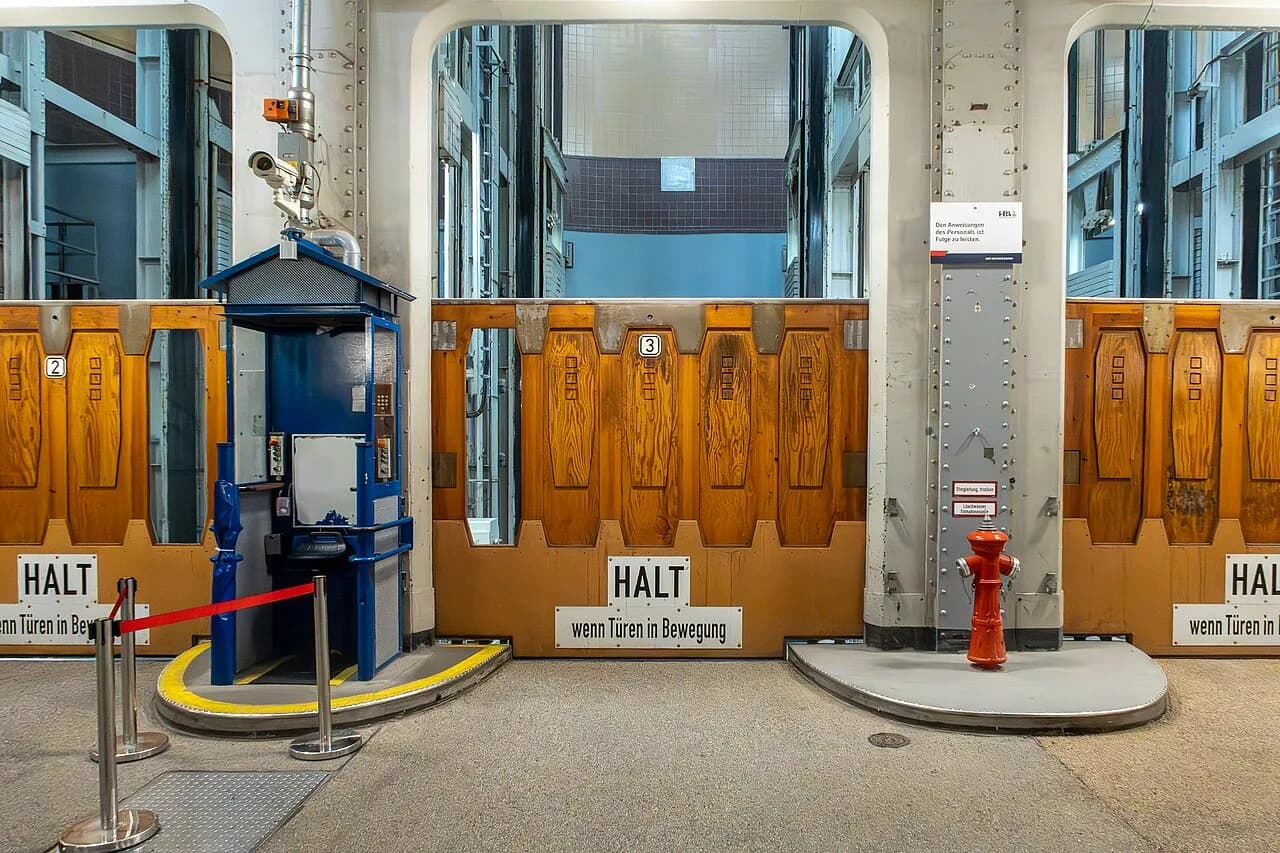
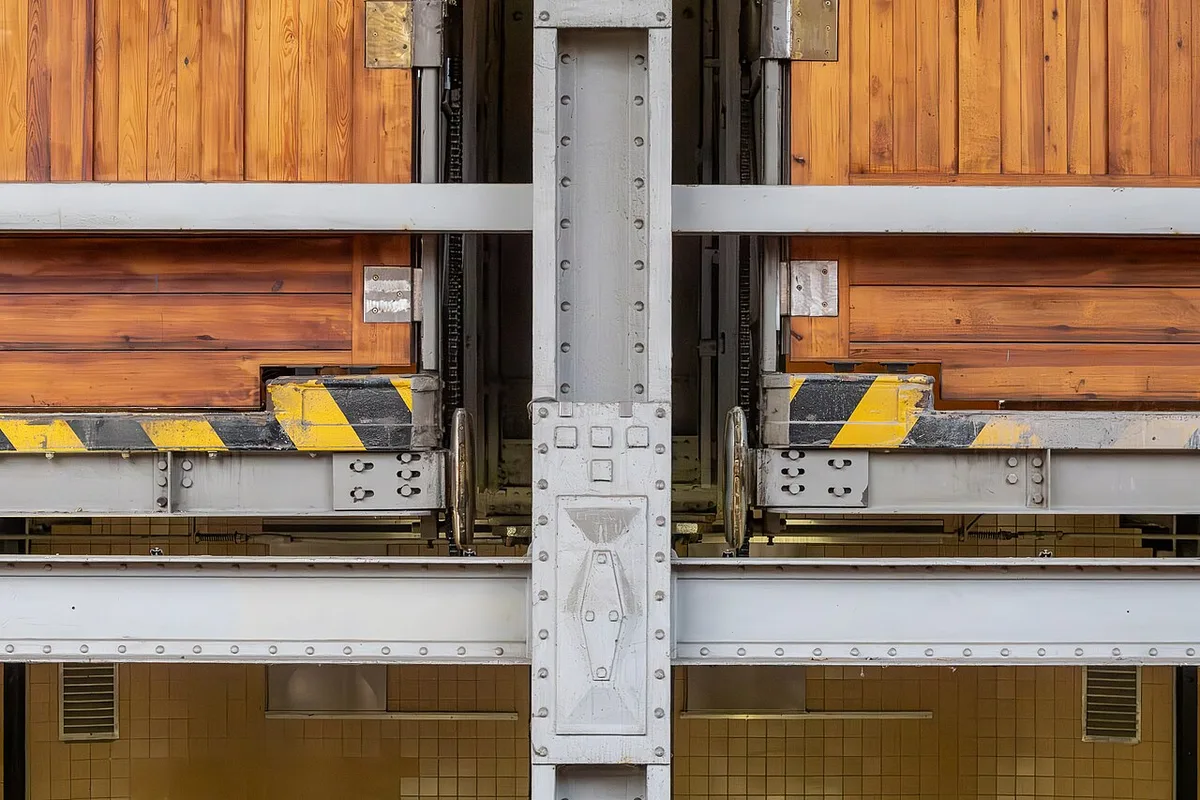
- The Alter Elbtunnel opened in 1911 and still carries pedestrians and cyclists roughly 1,400 feet (426 metres) under the Elbe, free of charge.
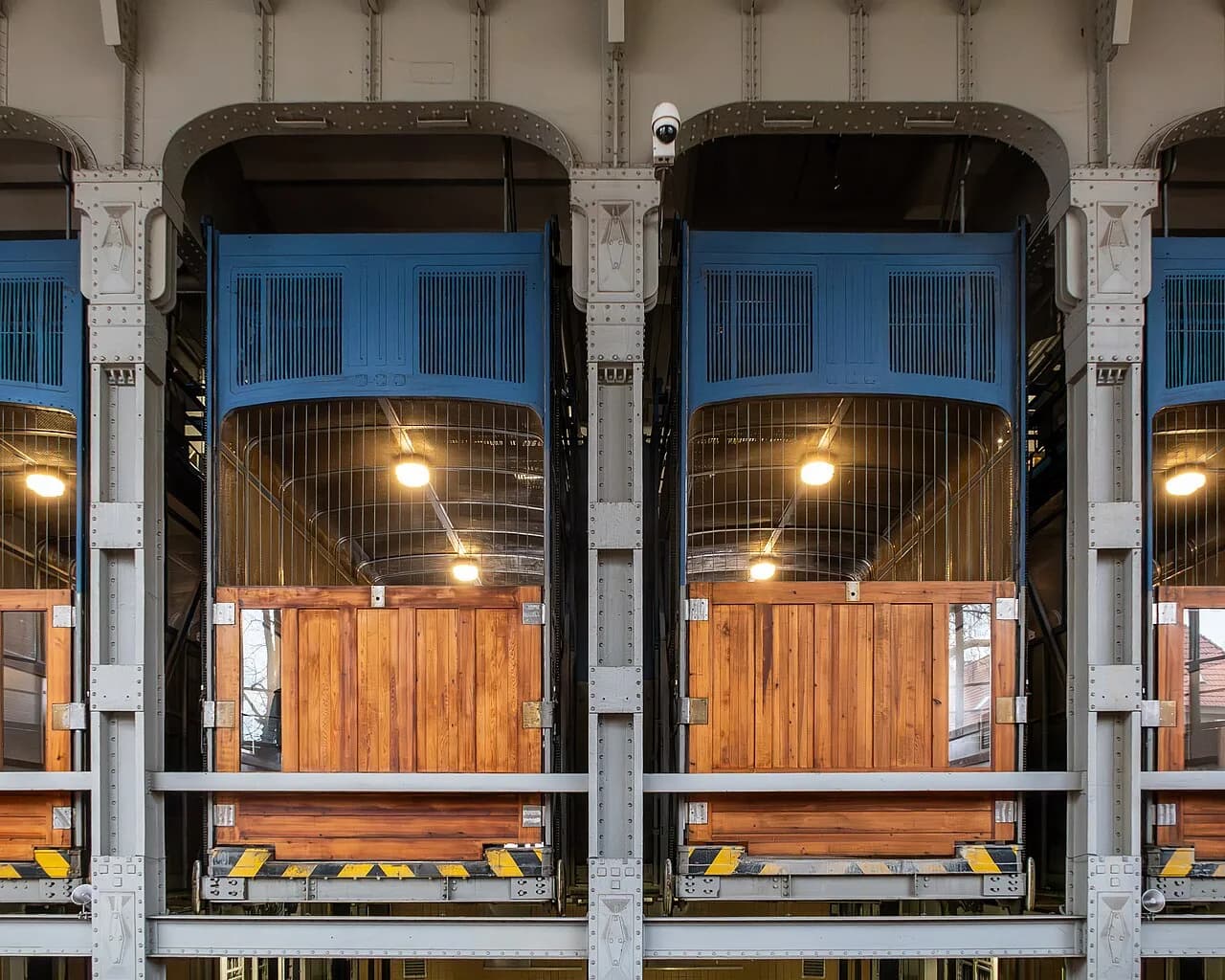
- Entrance sits at the Landungsbrücken U- and S-Bahn stop, and the original wooden lifts still lower visitors down to tunnel level.
- On the Steinwerder side, the payoff is a skyline view most day-trippers skip, and it counts among the best Free Things to Do in Hamburg (2026): No-Cost Sights, Parks & Museums.
- Ferry 62: The Harbor Tour a Transit Ticket Already Covers
- Line 62 runs as part of the regular HVV network from Landungsbrücken toward Finkenwerder, passing Övelgönne along the way.
- A standard HVV day pass, priced around €8.30 based on recent visitor reports, covers the ride, versus roughly €22 for a paid one-hour harbor cruise.
- Riding it near sunset delivers much of the classic harbor view without the tour-boat commentary or the ticket line.
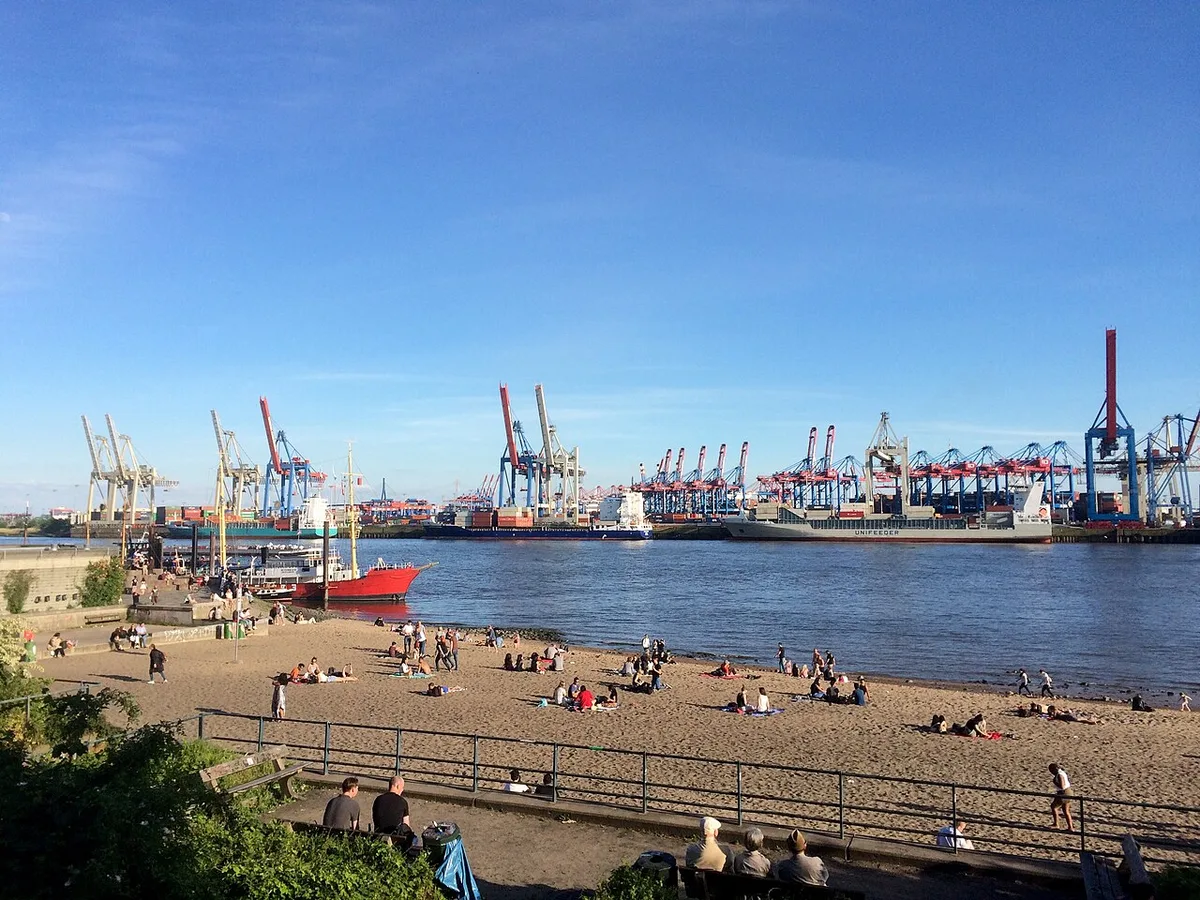
- Ovelgönne and Elbstrand: An Urban Beach on a Working River
- The Ovelgönne and Elbstrand shoreline puts sand next to active container-ship traffic on the Elbe.
- Strandperle, a beer garden on the water, is a common stop for a drink while ships pass close to the bank.
- It pairs naturally with Ottensen, since both sit within an easy walk or short bike ride of each other.
- Ottensen: Hamburg's Village-in-the-City
- Ottensen neighborhood mixes independent boutiques, eco stores, and cafés inside a former industrial quarter bordering the Elbe.
- A Saturday market brings regional produce into the neighborhood's streets, drawing a mostly local crowd rather than tour groups.
- Bars and restaurants here lean toward outdoor seating in warmer months, so a bar-hop works better than a museum stop.
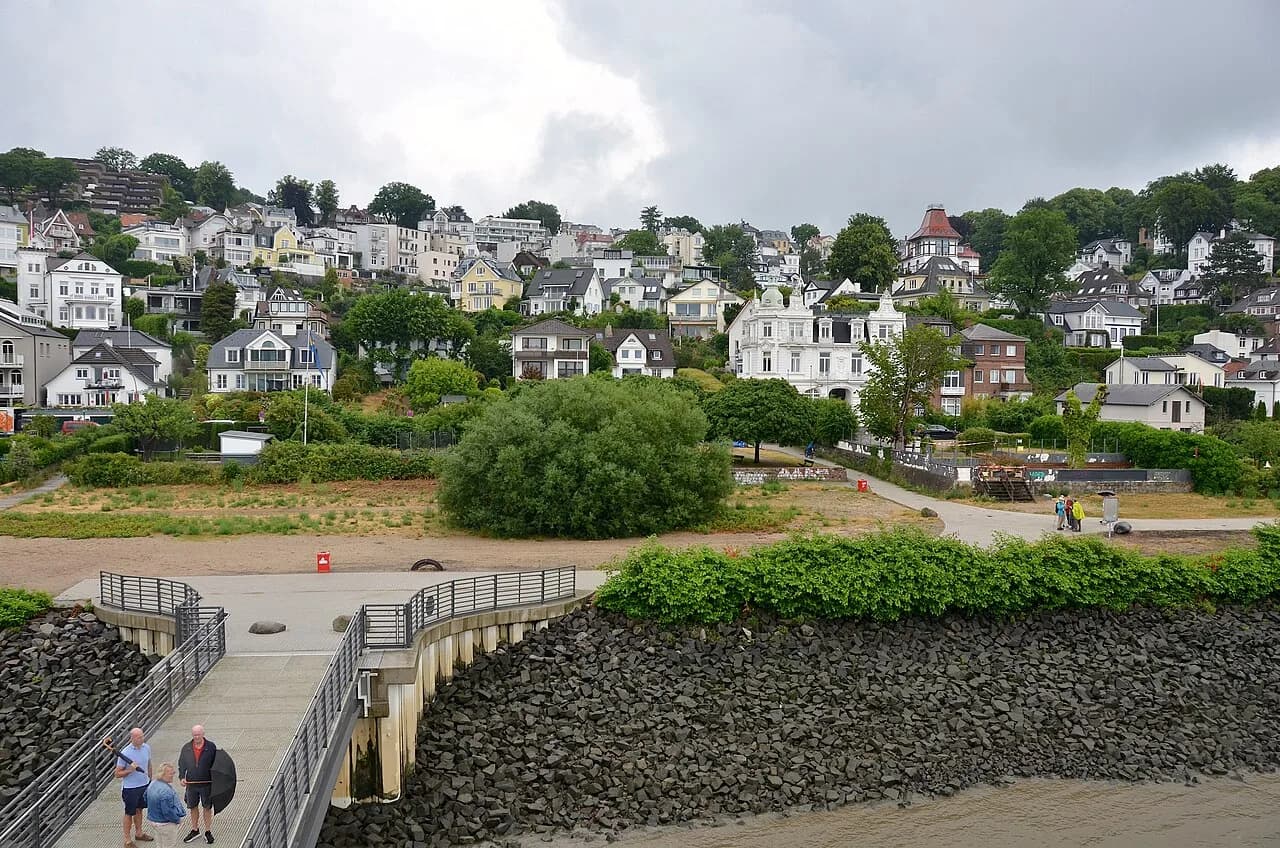
- Blankenese and the Treppenviertel: A Hillside Stair Quarter
- Blankenese's stair quarter links white-painted cottages with more than 5,000 steps winding up and down the hillside.
- Reach it on the S1 line, about 25 minutes from central Hamburg, then explore on foot rather than by minibus.
- Falkensteiner Ufer, a quieter beach than Elbstrand, sits at the base of the hill for a break after the climb.
- Sternschanze and Karoviertel: Street Art and the Rote Flora
- Sternschanze and Karoviertel carry Hamburg's grittiest street art, vintage shops, and the long-occupied Rote Flora building.
- Susannenstrasse is a reliable stretch for a cheap falafel or a natural wine bar between stops.
- The neighborhood borders St. Pauli, so it folds easily into a Green Bunker afternoon without a long transit ride.
- The Tropfsteinmaschine: A 500-Year Art Installation
- This slow-building sculpture began in 1996 and is scheduled to keep running until 2496.
- The multi-century timeline makes it more of an ongoing art experiment than a typical photo-stop attraction.
- Check current location and visiting details before planning a special trip around it, since long-running installations can move or pause.
- The Green Bunker: St. Pauli's War-Era Flak Tower Turned Rooftop Park
- Built during World War II by forced laborers, this Flak Tower in St. Pauli now holds a memorial, exhibition space, and a rooftop park.
- The roof-level garden includes self-managed urban gardening plots and a view over central Hamburg, and it counts as one of the city's newer landmarks.
- Check current opening hours before visiting, since access to the rooftop level can vary by season and event schedule.
- Speicherstadt's Small Museums: Beyond Miniatur Wunderland
- Inside the Speicherstadt warehouse district, the Speicherstadtmuseum recreates a working 19th-century warehouse floor.
- Coffee sacks, spice barrels, and tea chests sit stacked as if workers had just stepped out.
- It carries a small entry fee and skips the queues that build up outside Miniatur Wunderland nearby.
Time, Cost, and Crowd Factor at a Glance
Some of these gems take fifteen minutes and others deserve half a day, so the table below sorts each stop by time, cost, and crowd factor. Crowd-factor labels reflect an editorial assessment based on the sources above, not a measured survey. Pairing two Low crowd-factor stops, such as Krameramtswohnungen and the Tropfsteinmaschine, into one morning keeps a rainy day light on walking.
| Hidden Gem | Time Needed | Cost | Crowd Factor |
|---|---|---|---|
| Krameramtswohnungen | 15-20 min | Free | Low |
| Alter Elbtunnel | 20-30 min | Free | Low-Moderate |
| Ferry 62 | 30-45 min | Included in ~€8.30 day pass | Low |
| Ovelgönne / Elbstrand | 1-2 hrs | Free (drinks extra) | Moderate |
| Ottensen | Half day | Free to browse | Moderate |
| Blankenese Treppenviertel | 2-3 hrs with S1 ride | Free (S1 fare) | Moderate |
| Sternschanze / Karoviertel | Half day | Free to browse | Moderate-High |
| Tropfsteinmaschine | 10-15 min | Free | Low |
| Green Bunker | About 1 hr | Check current pricing | Low-Moderate |
| Speicherstadtmuseum | 45-60 min | Small entry fee | Low |
Local Flavors: Isemarkt, Franzbrötchen, and the Sunday Fish Market
Hamburg's food identity extends well past the fish sandwich featured in most local food guide roundups. Isemarkt runs under the elevated U3 tracks in Eppendorf, and it's often described as one of Europe's longest open-air markets. It opens Tuesdays and Fridays from 8:30 a.m. to 2:00 p.m., with stalls covering Asian dumplings, fresh pasta, and baked goods alongside the produce and flowers. Franzbrötchen, a cinnamon-and-puff-pastry roll unique to Hamburg, turns up at several of the market's bakery stalls, including a vegan version at some stands according to recent visitor accounts. For a wider spread of where locals actually eat beyond market mornings, pair this stop with the 12 Best Local Restaurants in Hamburg: A Neighborhood-by-Neighborhood Guide guide. The Fischmarkt at Altona runs every Sunday morning and has done so since 1703, though the schedule leaves no room for error. It starts at 5:00 a.m. in summer and 7:00 a.m. in winter, then shuts down sharp at 9:30 a.m. A live band plays inside the market hall while stallholders sell fish, produce, and flowers to a mix of early risers and late-night crowds. Beyond the fish sandwich, ask about the Ovelgönne Bread Roll, a hyper-local item that rarely makes it onto English-language menus.
Isemarkt operates 8:30 a.m. to 2:00 p.m. Tuesdays and Fridays under the U3 tracks in Eppendorf. Staying in nearby Eimsbüttel offers a quieter base than Ottensen while keeping the market minutes away. Pair morning market browsing with independent coffee shops along Osterstraße.
Choosing a Home Base Among Hamburg's Local Neighborhoods
Ottensen works well as a base for food-focused stays, with cafés, eco boutiques, and an easy walk to Ovelgönne and Elbstrand. Eimsbüttel sits close to Isemarkt and offers a calmer, more residential pace than Ottensen, with independent coffee shops along Osterstraße. Blankenese suits a slower, view-focused stay, though its distance from the center on the S1 line means fewer late-night options nearby. Sternschanze and Karoviertel put travelers in the middle of Hamburg's grittiest nightlife and street art, closest to St. Pauli and the Reeperbahn. Basing near Speicherstadt keeps HafenCity, Landungsbrücken, and the Alter Elbtunnel within a short walk, though it sits further from Sternschanze and Ottensen. None of these neighborhoods require a car, since the HVV network of U-Bahn, S-Bahn, and ferries connects all of them to the Hauptbahnhof.
Planning a Slower, Off-the-Beaten-Path Hamburg Itinerary
Budget at least three days if the goal is Off the Beaten Path in Hamburg: A Neighborhood and Ferry Guide rather than a highlight reel. Two days barely covers the harbor and Speicherstadt, leaving no time for Blankenese, Sternschanze, or a slow Isemarkt lunch. Match neighborhoods to travel style: Ottensen suits food-focused afternoons, Blankenese suits slow view-chasing, and Sternschanze suits a grittier, street-art pace. The HVV app handles tickets, ferry schedules, and day-pass purchases in one place. A standard day pass runs around €8.30 based on recent visitor reports, and it covers Ferry 62 along with the U-Bahn and S-Bahn. Travelers staying longer than two days often compare that fare against the Hamburg Card, which bundles transit with museum and attraction discounts. The StadtRAD bike-share app adds another way to cover ground between neighborhoods, with the first thirty minutes of each ride free. On a schietwetter, or bad-weather, day, swap the Alster and Elbstrand for the Speicherstadt's small museums and the Green Bunker's indoor exhibits. For a full day trip beyond the city limits, check the 10 Best Day Trips from Hamburg: Where to Go by Time and Transport guide before locking in dates. Neighborhood-hopping works best with a plan, so the Hamburg Neighborhoods Guide: Where to Stay, Live, and Explore in 2026 is worth reading before picking a home base.
Mistakes That Waste an Off-the-Beaten-Path Day
A few avoidable mistakes turn a well-planned day into a wasted one. None of these require special planning, just awareness of Hamburg's specific rhythms.
- Showing Up to the Fischmarkt on the Wrong Day
- The Fischmarkt only runs on Sundays, and arriving after 9:30 a.m. means an empty square instead of a market.
- Skipping a Rain Layer
- Hamburg's schietwetter reputation is earned, and a rain layer keeps an Alter Elbtunnel walk or Ovelgönne beach stop from turning into a retreat to the hotel.
- Underestimating Walking Distances Between Residential Spots
- Ottensen, Blankenese, and Sternschanze sit far enough apart that walking between all three in one afternoon eats the whole day.
- Use the HVV ferry and U-Bahn network to link them instead of relying on foot traffic alone.
- Booking the €22 Harbor Cruise Before Checking Ferry 62
- Comparing the standard cruise price against a transit day pass first can save the cost of a full dinner later that night.
- Cramming the Green Bunker and Blankenese Into One Afternoon
- St. Pauli and Blankenese sit on opposite sides of the city, and rushing between them leaves no real time at either stop.
- Pick one waterfront neighborhood and one urban stop per day instead of chasing every pin on a map.
Paddle Hamburg’s Quieter Alster Canals
For a slower outdoor detour, explore Hamburg from the water around the Alster rather than joining a harbor cruise. Kayaks, canoes, and small rowing boats are available from rental points near Winterhude and the Außenalster. The sheltered canals around Goldbekkanal and Winterhuder Kanal feel calmer than the open harbor.
Start in late morning after the wind has settled, then allow two to three hours for a relaxed loop. Bring water, sun protection, and a light rain layer. Hamburg weather can change quickly, even in summer. Stay out of marked shipping channels and give sailing boats room on the Außenalster.
- Best for: warm, dry days and travelers who want a local pace.
- Useful areas: Winterhude, Goldbekkanal, Winterhuder Kanal, and the Außenalster.
- Skip it in strong wind or persistent rain; use the Elbtunnel or Speicherstadtmuseum instead.
For trip-planning details, see Hamburg – Wikivoyage.
Explore hidden gems in other cities
Frequently Asked Questions
What is the best hidden gem in Hamburg to start with?
Start at Landungsbrücken and combine two low-cost stops: the free Alter Elbtunnel walk to the Steinwerder viewpoint, then Ferry 62 back across the harbor on a standard transit ticket. Both take under an hour combined and need no advance booking.
Is the Hamburg Fish Market really only open on Sundays?
Yes. The Fischmarkt at Altona has run every Sunday morning since 1703, starting at 5:00 a.m. in summer and 7:00 a.m. in winter, then closing sharp at 9:30 a.m. Arriving on any other day means an empty square.
How many days should I plan for Hamburg's hidden gems?
Plan on at least three days. Two days is enough for the harbor and Speicherstadt, but reaching Blankenese, Sternschanze, and a proper Isemarkt lunch needs the extra time.
Do I need the Hamburg Card to see these spots?
No single pass is required. A standard HVV day pass, priced around €8.30 based on recent visitor reports, covers the U-Bahn, S-Bahn, and Ferry 62. The Hamburg Card adds museum and attraction discounts, which matters most on longer stays.
What is the cheapest way to see Hamburg's harbor?
Ride Ferry 62 from Landungsbrücken toward Finkenwerder on a regular transit ticket instead of booking a paid harbor cruise. The standard one-hour cruise runs around €22, while the ferry is included in an ordinary HVV fare.
Where can travelers find a genuine Franzbrötchen in Hamburg?
Bakery stalls at Isemarkt sell Franzbrötchen on market mornings, and versions turn up at cafés throughout Ottensen and Eimsbüttel too. Ask specifically for the puff-pastry version if a plain cinnamon roll is offered instead.
Is Hamburg safe for exploring off the beaten path?
Recent visitor reports describe Hamburg as one of the safer major cities in Europe, with standard precautions suggested around the Reeperbahn late at night. Well-used routes like Landungsbrücken, Ottensen, and Blankenese are typical for an evening walk, though the same common-sense habits used in any large European city still apply.
Explore More Hidden Hamburg
Keep discovering the quieter, greener side of Hamburg with these local guides.
Neighborhoods
- Sternschanze Hamburg Guide: Rote Flora, Flohschanze, and the Schanze
- Ottensen Hamburg Guide: Inside Hamburg's Little Paris Neighborhood
- Eppendorf Hamburg Guide: Isemarkt, Architecture & Alster Canals
- Blankenese Hamburg Guide: Treppenviertel Stairs, Elbe Beaches, and Getting There
- St. Pauli Hamburg Guide
- Hamburg Neighborhoods Guide: Where to Stay, Live, and Explore in 2026
Secret spots & the outdoors
- Secret Spots in Hamburg: Quiet Courtyards, Markets & Water Views
- Alter Elbtunnel Hamburg: A Complete 2026 Visitor's Guide
- A Guide to Hamburg's Historic Ships & Elbe Beach
- Speicherstadt Hamburg Guide
- Off the Beaten Path in Hamburg: A Neighborhood and Ferry Guide
Food, drink & planning
Continue exploring
More guides you'll find useful