St. Pauli Hamburg Guide: Beyond the Reeperbahn and Red Light District
St. Pauli beyond the Reeperbahn: Karolinenviertel's coffee shops, the bunker's rooftop project, Beatles history, and real 2026 Hamburg transit costs.
On this page
St. Pauli Hamburg Guide: Beyond the Reeperbahn
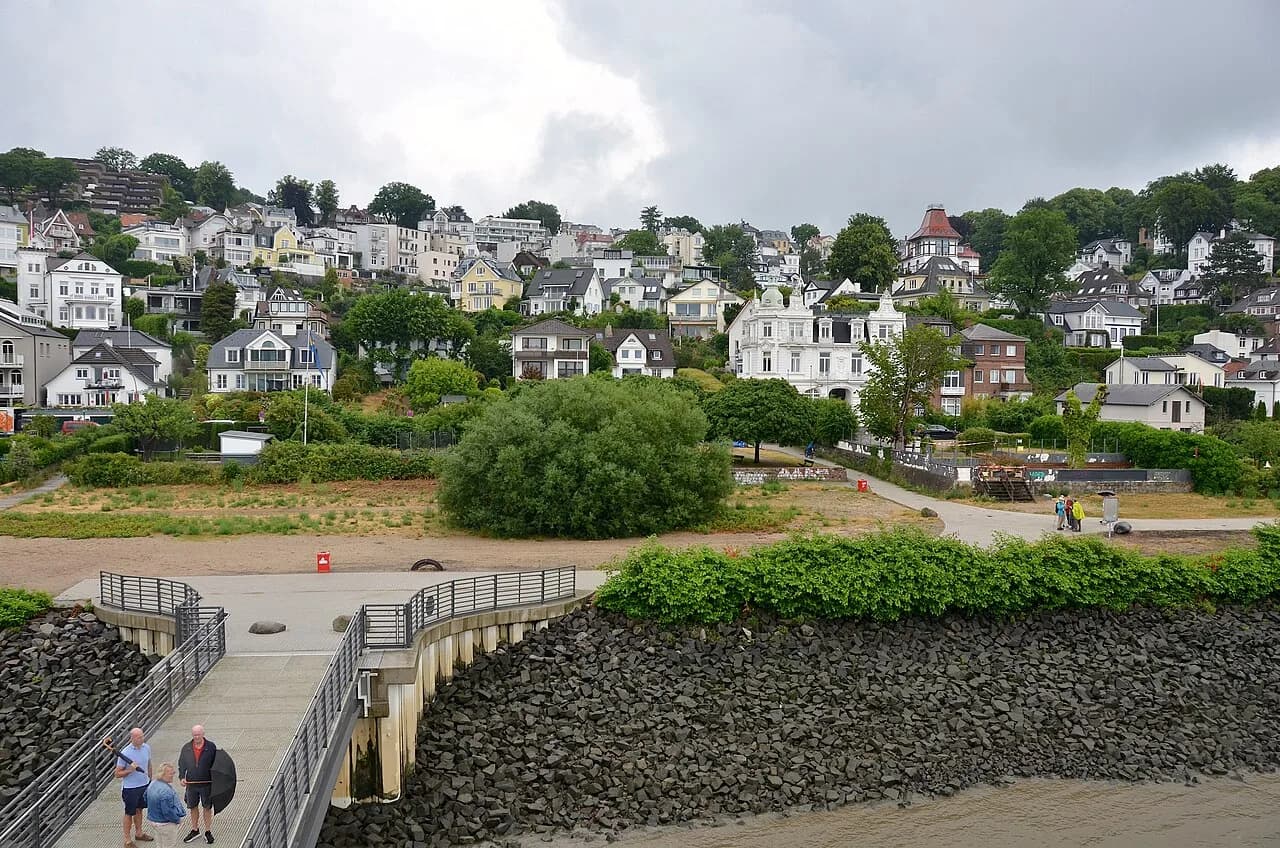
Last updated August 2026: this St. Pauli Hamburg guide moves beyond the Reeperbahn's neon to the streets locals actually use. Karolinenviertel's boutiques, the repurposed WWII bunker, and the Wednesday Nachtmarkt sit within a short walk of the strip, yet most first-time visitors never reach them. Expect concrete transit costs, hotel picks, and the etiquette rules that keep your visit from going sideways, including Herbertstraße's restrictions.
Where St. Pauli Sits, and How to Reach It From the Airport
St. Pauli sits along Hamburg's harbor edge, close to Altona and the city center, and features in this guide to Hamburg's neighborhoods. Hamburg Airport (HAM) connects to the district by S-Bahn or taxi. The S1 city train stops directly at Reeperbahn and Landungsbrücken, running about every 15 minutes. Ticket machines at the platform take cash or card, and inspectors do random checks, so keep your ticket validated until you exit. Download the HVV app before arrival to check routes and buy tickets from your phone. Timing your arrival around Hamburg's quieter travel windows makes the walk out of the station less overwhelming.
| Option | Journey Time | Cost (2026) | Notes |
|---|---|---|---|
| S-Bahn S1 | About 40 minutes | €3.50 one-way / €6.90 day pass | Every ~15 min; buy from red machines; random ticket checks |
| Taxi or Bolt | 20-30 minutes, traffic-dependent | About €40 | Cash often preferred by drivers |
This St. Pauli Hamburg Guide Goes Beyond the Reeperbahn: Karolinenviertel
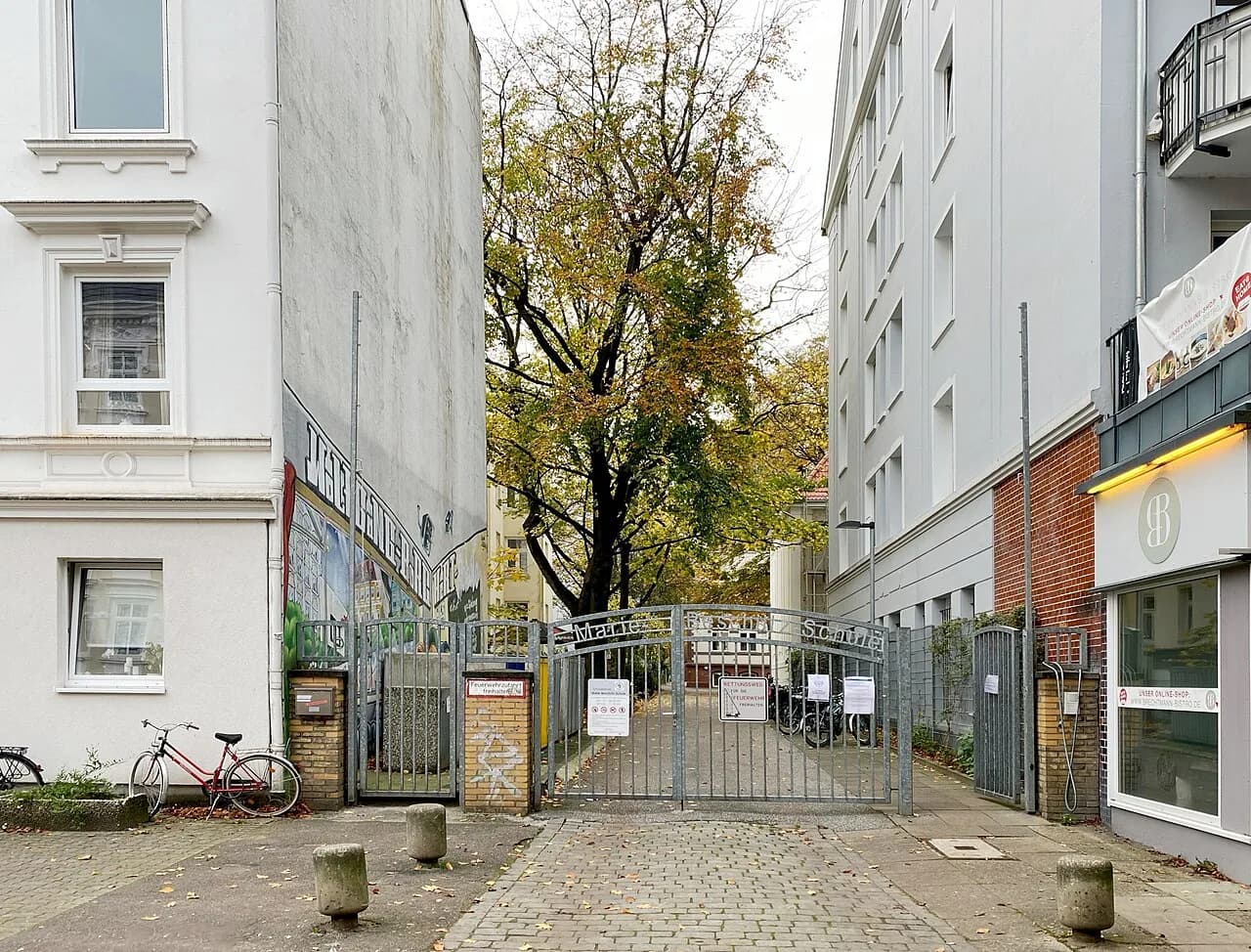
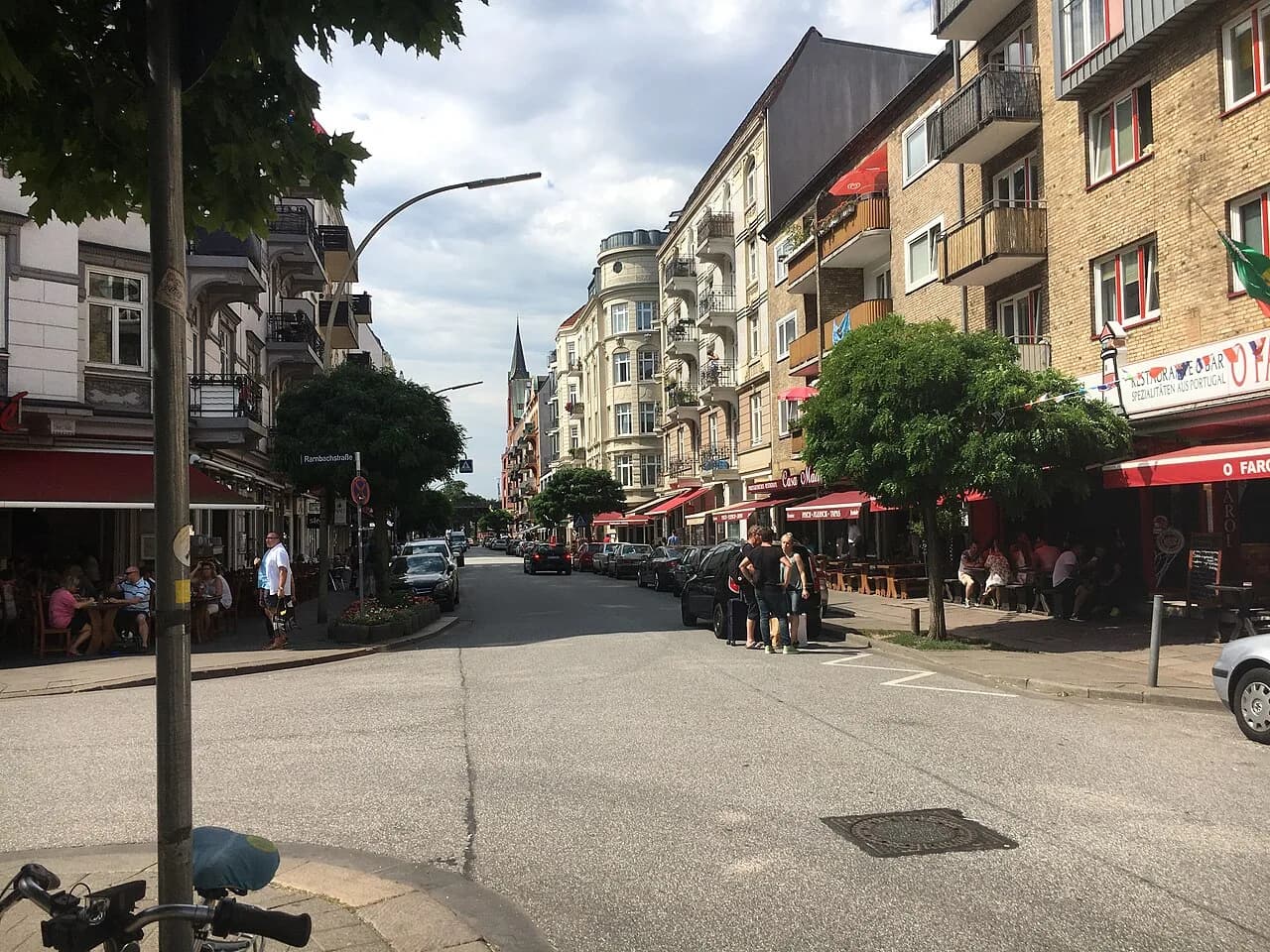
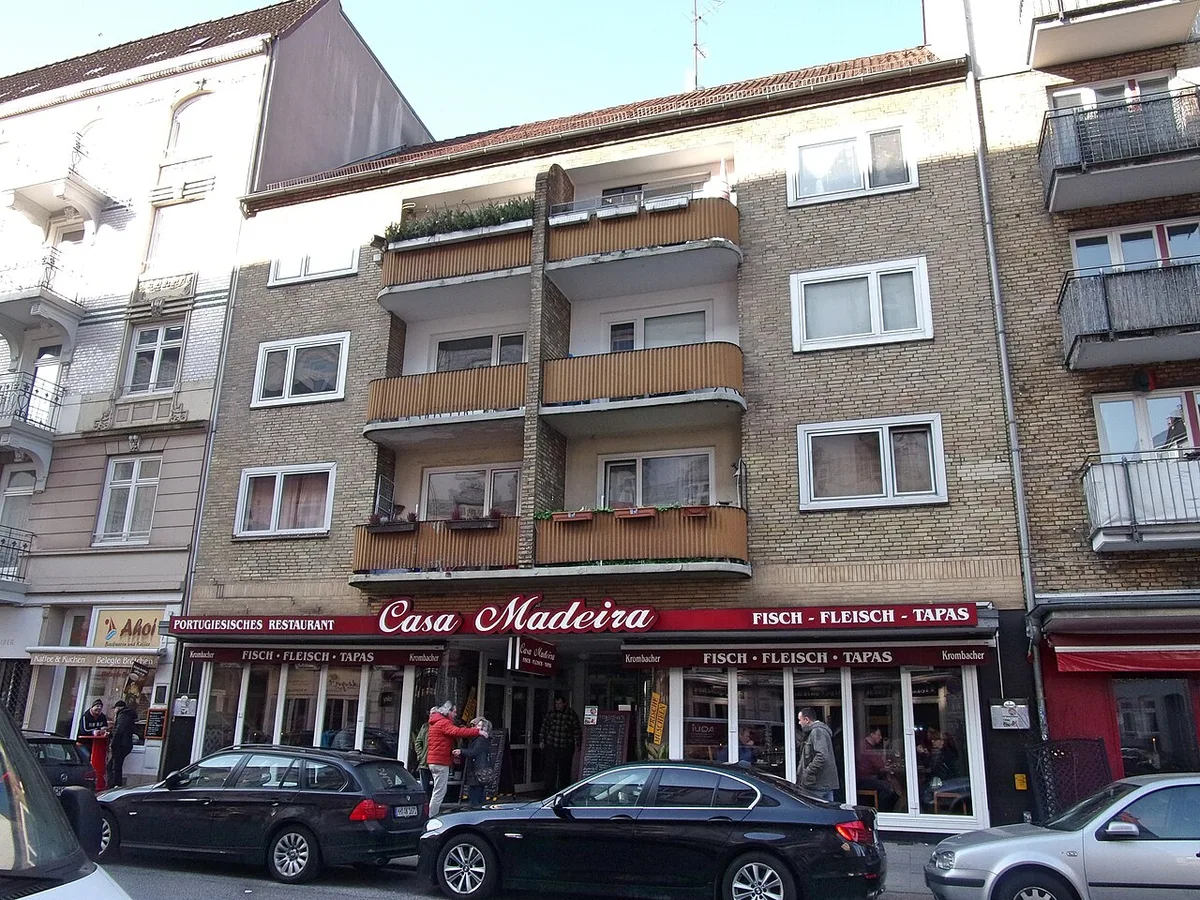
Karolinenviertel, which locals call Karoviertel, sits just north of the Heiligengeistfeld and trades neon for narrow streets. Independent boutiques and small studios line alleys that feel far removed from the Reeperbahn ten minutes south. Coffee culture defines the district: Playground Coffee serves in a room of bright green plants and clean decor, while Kraweel fills its sidewalk with mismatched chairs and old sofas that stay full of regulars. Neither is a chain; St. Pauli has largely kept Starbucks and Balzac Coffee off its side streets. Brick walls throughout the quarter carry nautical street art, including sailors, ships in bottles, and mermaids painted alongside newer murals. Hamburg's nautical mural walks often route through these alleys. St. Pauli's bohemian streets meet Sternschanze at an informal border, where the Rote Flora squat marks a shift into an even more countercultural stretch of the city.
The St. Pauli Bunker: From Air-Raid Shelter to Green Rooftop
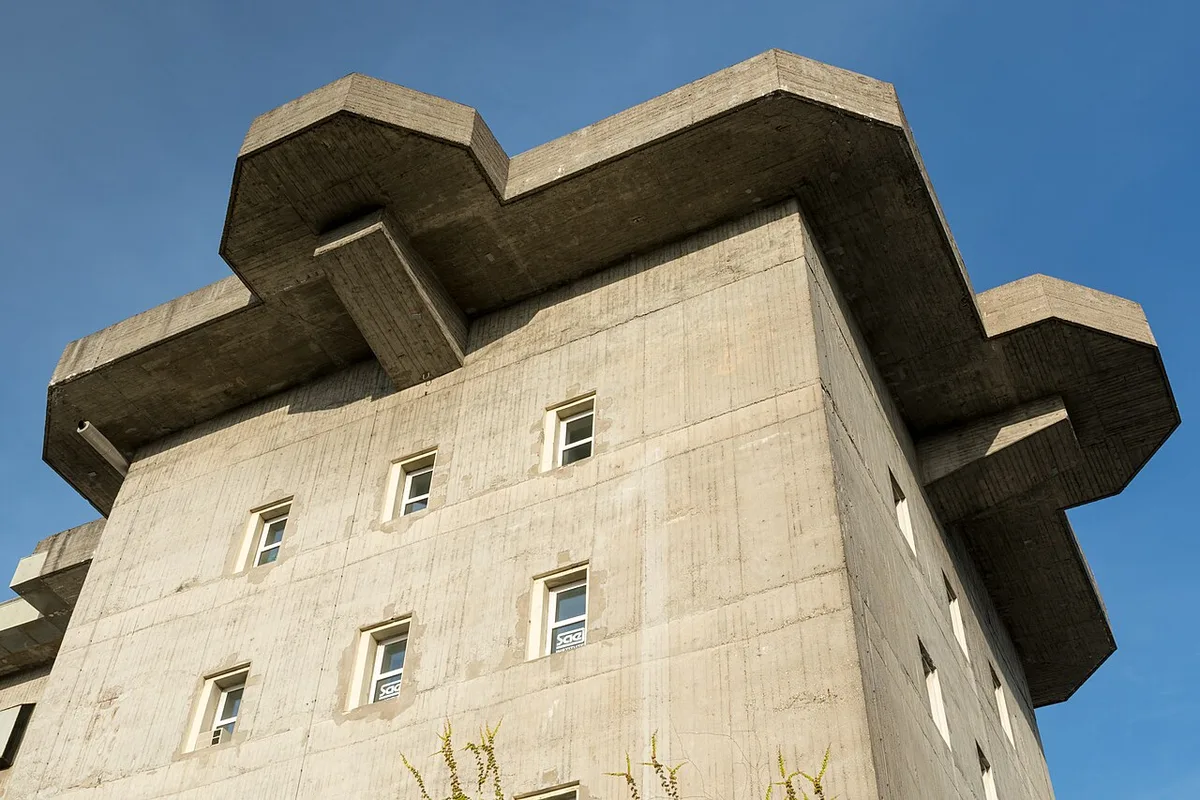
Built during World War II as Allied bombing raids intensified, the St. Pauli Bunker sheltered roughly 25,000 civilians during Operation Gomorrah. Its walls are too thick to demolish economically, so the building found a second life instead. Soundproofed floors now host a nightclub and live-music venue, and a music retailer fills the ground floor. A rooftop expansion, discussed publicly as the Green Bunker project, plans a garden terrace and hotel rooms on top of the concrete structure. Because construction phases shift, check the bunker's current opening status and rooftop access before building a visit around it. The bunker sits beside Heiligengeistfeld square, where the Hamburg DOM funfair runs three times a year, in spring, summer, and winter, with free entry to the grounds.
Beatles-Platz, Große Freiheit, and Herbertstraße: History Over the Photo Op
Between 1960 and 1962, a five-piece band from Liverpool played clubs across St. Pauli before becoming the Beatles. The Indra Club, their first residency, still operates today and continues to draw music fans. A modest silhouette memorial marks Beatles-Platz at one end of Große Freiheit, easy to miss if you're not looking for it. Große Freiheit itself is a mostly pedestrianized strip lit by neon, lined with strip clubs, karaoke bars, and drag venues. Herbertstraße runs just off it: a narrow alley where prostitution has operated since at least the early 19th century. Metal barriers have blocked both ends since the mid-20th century, and signs posted by the 1970s bar women and children from entering. That rule is still enforced today, so treat the barriers as a hard boundary, not a photo backdrop.
St. Pauli After Dark, the Local Way
Spielbudenplatz turns into the St. Pauli Nachtmarkt on Wednesday evenings through summer, filling with food trucks, bars, and benches. The crowd skews local, and the mood stays calmer than a Saturday club crawl on the Reeperbahn. Astra is the neighborhood's default beer: the former Bavaria St. Pauli Brewery produced it on-site from 1909 until closing in 2003, and the ASTRA Brauhaus on Nobistor keeps the name alive with taproom specialties today. Zur Ritze, a pub built around a working boxing cellar, keeps one foot in St. Pauli's rougher past. It doubles as a bar and a legitimate boxing gym. Kiezjungs' Reeperbahn Night Vibes walking tour costs €25 per person. Its St. Pauli Beer Tour costs €42 and includes a stop at Zur Ritze for a glass of Helles. Either tour pairs naturally with a stop from Hamburg's local food guide for where to eat before or after.
| Tourist Default | Local Pick | |
|---|---|---|
| Saturday night | Reeperbahn club crawl | Nachtmarkt on Spielbudenplatz (Wednesdays, summer) |
| Bar with a story | Chain bar on the strip | Zur Ritze boxing cellar |
| Guided tour | Generic city bus tour | Kiezjungs walking tours, €25-€42, led by St. Pauli locals |
Green Space Next to the Grit: Planten un Blomen
Planten un Blomen borders St. Pauli's edge near Heiligengeistfeld, with an entrance next to the St. Pauli U-Bahn station. Japanese gardens, a minigolf course, and an ice-skating rink sit a short walk from where the Reeperbahn's neon fades out. Every summer evening, the park runs a free water light show, the Wasserlichtkonzerte, with fountains synced to music after dark. Winter swaps the fountains for the ice rink as the park's main draw. It costs nothing to enter, making it a practical stop on any list of Free Things to Do in Hamburg (2026): No-Cost Sights, Parks & Museums.
Where to Stay in St. Pauli: Three Practical Tiers
St. Pauli has hotel options across every budget, most within walking distance of the Landungsbrücken piers and the Old Elbe Tunnel. East Hotel is the four-star pick: a red-brick building a few minutes from St. Pauli station, set back from Reeperbahn noise, with a rooftop spa for guests. Hotel Hafen leans nautical, spanning two buildings including a former sailors' lodging house, and overlooks the piers from its Tower Bar. Pyjama Park covers the budget tier: a hostel with individually designed private rooms and breakfast included, though it has no elevator, which matters if you're carrying heavy luggage.
Budget travelers choosing Pyjama Park should factor in optional evening activities: walking tours cost €25 per person or €42 for specialized tours, making this accommodation choice best for those focusing on free attractions like Planten un Blomen.
| Hotel | Style | Best For |
|---|---|---|
| East Hotel | Four-star, rooftop spa | Quiet luxury near St. Pauli station |
| Hotel Hafen | Nautical, two buildings | Pier views, Tower Bar |
| Pyjama Park | Hostel, private rooms | Budget stays; no elevator |
Is Three Days Enough, and What to Avoid
Three days covers St. Pauli's essentials: the bunker, Karolinenviertel's coffee shops, an evening tour or the Nachtmarkt, and a slower stretch at Landungsbrücken or Planten un Blomen. That pace matches what local tour operators recommend for a first visit, leaving room for a slower return trip later. If you skip the fast-food chains directly on the Reeperbahn strip, walk one block into Karolinenviertel or the surrounding side streets for kitchens locals actually use. Never approach Herbertstraße's barriers if you are a woman or traveling with children; the restriction is enforced, not a formality. Carry cash for taxis and smaller bars, since not every venue in the neighborhood accepts cards.
Reaching St. Pauli from Hamburg Airport requires about 40 minutes of travel, which consumes a meaningful portion of both the first and last day of a three-day itinerary. Adjust the pace accordingly, or add buffer time to the trip.
- Morning: coffee at Playground Coffee or Kraweel in Karolinenviertel
- Midday: the St. Pauli Bunker and Beatles-Platz
- Afternoon: Landungsbrücken piers and the Old Elbe Tunnel
- Evening: the St. Pauli Nachtmarkt on Wednesdays in summer, or a Kiezjungs walking tour
Walk the Landungsbrücken and Old Elbe Tunnel
Landungsbrücken is St. Pauli’s harbor-facing counterweight to the Reeperbahn. Start among the floating ferry pontoons, then follow the promenade west for views of the Elbe, harbor cranes, and passing container ships. It is busiest around sunset and before evening departures.
For a more distinctive walk, use the Old Elbe Tunnel entrance near the piers. Opened in 1911, this tiled tunnel runs beneath the river to Steinwerder. Pedestrians and cyclists can use it, descending through the historic entrance buildings by staircase or lift.
- Begin at Landungsbrücken S-Bahn and U-Bahn station for the easiest access.
- Walk through the tunnel to Steinwerder for a quieter view back toward St. Pauli’s skyline.
- Wear sensible shoes: the tunnel floor can be damp, and the harbor route is exposed in windy weather.
This detour takes little planning, but it gives the district a sense of its working-port history beyond nightlife streets.
Frequently Asked Questions
Is St. Pauli safe to visit at night?
St. Pauli is loud and gritty, with visible street drinking and rough edges in places, but it stays a lived-in neighborhood with open businesses late into the night. Stick to well-lit main streets after dark, including the Reeperbahn, Spielbudenplatz, and Große Freiheit. Use the same street-smart habits you would in any big-city nightlife district.
What is Herbertstraße, and can women visit?
Herbertstraße is a narrow alley off Große Freiheit where sex workers advertise from windows, a practice dating to at least the early 19th century. Metal barriers block both entrances, and signs posted by the 1970s bar women and children from entering. That rule is actively enforced, so plan to view the area from outside the barriers only.
How do you get from Hamburg Airport to St. Pauli?
Take the S1 S-Bahn directly from the airport to the Reeperbahn or Landungsbrücken stop, a ride of about 40 minutes. A one-way ticket costs €3.50, or €6.90 for a day pass, bought from red machines at the platform. A taxi or Bolt costs around €40 and drivers often expect cash.
Is three days enough for St. Pauli beyond the Reeperbahn?
Three days covers the essentials: Karolinenviertel's coffee shops, the bunker, Beatles-Platz, Landungsbrücken, and one evening tour or the Nachtmarkt. That pace matches what local tour operators recommend for a first visit, with room left over for a slower return trip.
What is the St. Pauli Nachtmarkt?
The St. Pauli Nachtmarkt fills Spielbudenplatz with food trucks, bars, and benches on Wednesday evenings through summer. It draws a more local crowd than a Saturday night on the Reeperbahn and stays easier to navigate.
Continue exploring
More guides you'll find useful