Blankenese Hamburg Guide: Treppenviertel Stairs, Elbe Beaches, and Getting There
Blankenese Hamburg guide: reach the Treppenviertel by S-Bahn and Bus 488, walk the stairs to the Elbe, and find where to eat near the water.
On this page
Blankenese Hamburg Guide: The Treppenviertel Stairs District and Elbe Shoreline
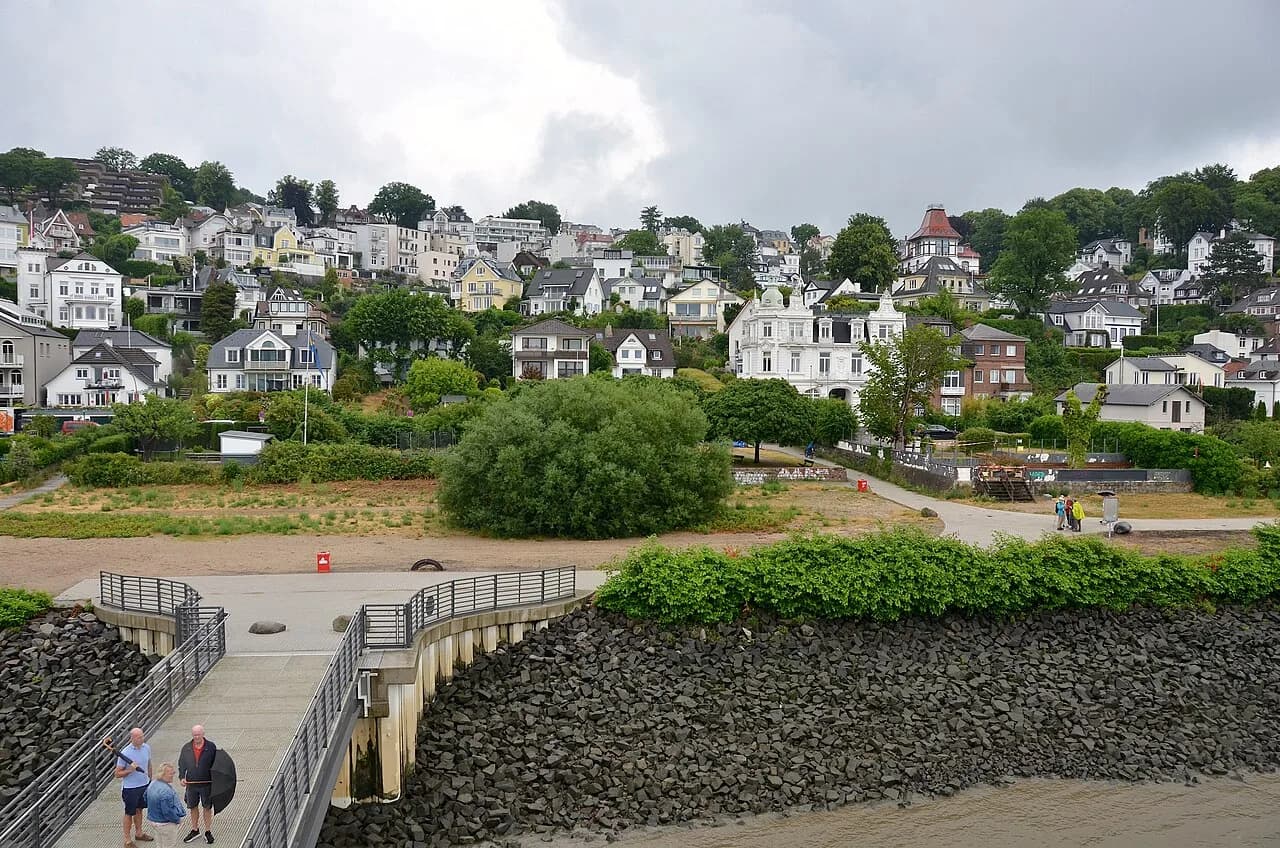
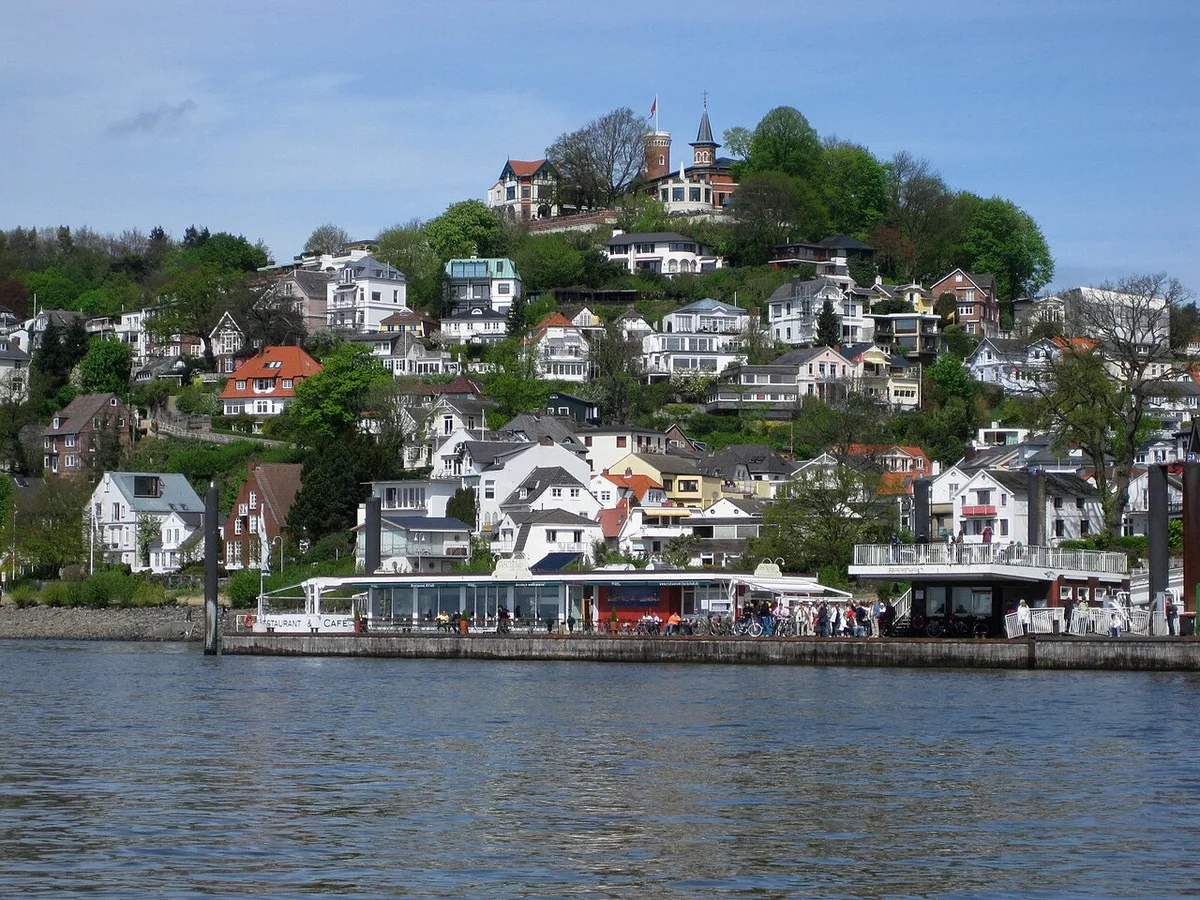
Last updated August 2026, this blankenese hamburg guide covers the fastest way in, the stairs that drop to the Elbe, and where the flat paths let you skip the climb. Blankenese is a former fishing village on Hamburg's westernmost hillside, where whitewashed captains' cottages give the Elbe shoreline a Mediterranean feel far from the city center's industrial edge. Budget three to four hours for the stairs and a coffee stop, or a full day if you add Falkensteiner Ufer and the parks behind it.
Blankenese Hamburg Guide: Getting There and the Mountain Goat Bus
Two S-Bahn lines reach Blankenese directly: S1 and S11. Both stop at Blankenese station, the starting point for every route into the district. Most visitors head straight down Bahnhofstraße toward the Elbe from there. A small local bus, numbered 488, handles the steep, narrow streets the S-Bahn can't reach. Hamburg residents nickname it the Bergziege, or Mountain Goat. It runs from Blankenese station down to the ferry dock at the water. Streets in the Treppenviertel are too tight for two buses to pass normally. Drivers coordinate with hand gestures to decide who goes first, a small local ritual worth watching for.
The steep lanes that Bus 488 navigates present hazards for anyone walking—cobblestones and uneven stair edges make flat, closed shoes essential to prevent heels or slick soles from slipping.
- S1 or S11: direct S-Bahn service to Blankenese station.
- Bus 488 (the Mountain Goat): station to the ferry dock, built for the district's steep, narrow lanes.
- On foot: Bahnhofstraße down to the Strandtreppe, about 170 steps to the beach.
Navigating the Treppenviertel Stairs District
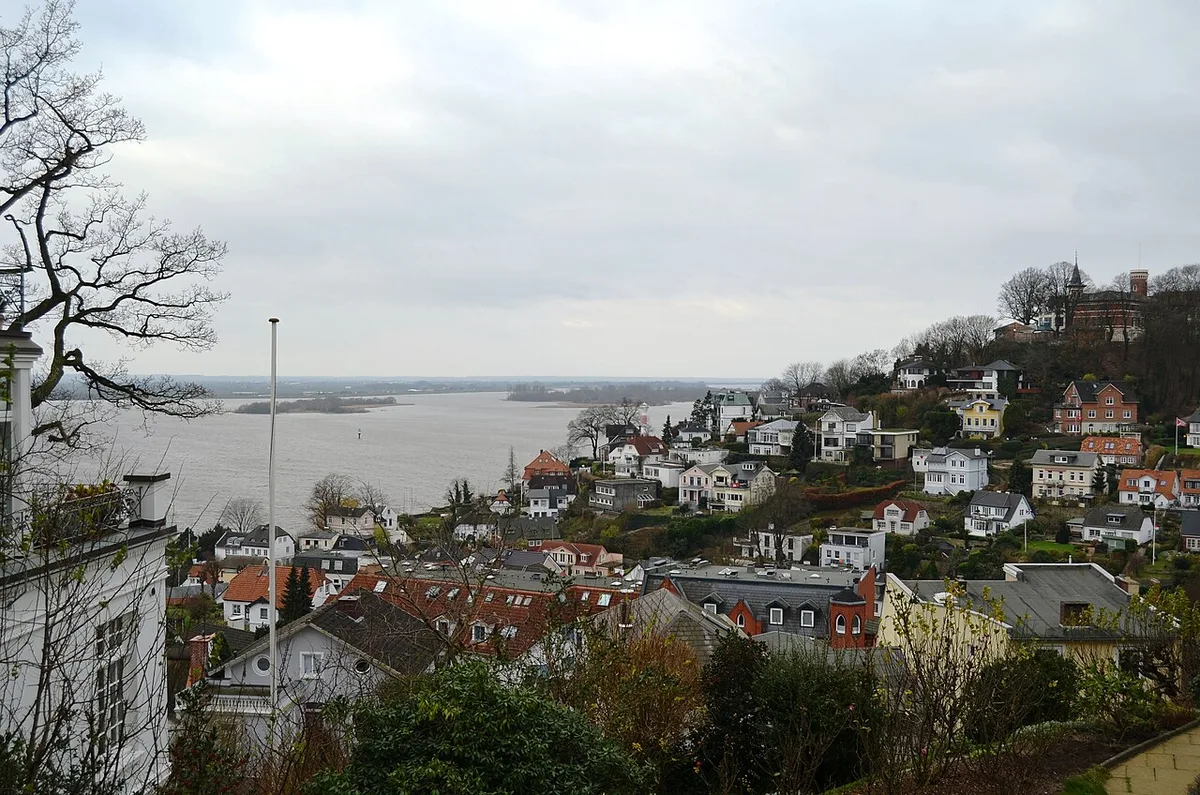
The Treppenviertel, German for stairs quarter, winds roughly 4,800 steps down the hillside to the river. Whitewashed captains' cottages sit beside newer villas along the slope, a mix that gives the quarter its village character. Routes through the district also pass Wilhelminian-era houses and the church near the market square before the stairs proper begin. One of the best-known descents is the Strandtreppe, about 170 steps connecting Bahnhofstraße to the beach. Wear flat, closed shoes for the descent. Cobblestones and uneven stair edges make the walk difficult in heels or slick soles. Whichever route you choose, pace the climb. Elevation gain is real, even if the exact stair count varies by which flight you take.
The Strandtreppe's 170 steps drop directly to the flat Strandweg promenade—a shortcut way to enjoy the Elbe shoreline without enduring the full 4,800-step descent through the Treppenviertel's steep terrain.
| Route | How it works | Effort | Best for |
|---|---|---|---|
| Easy route | Bus 488 down, walk the flat Strandweg back | Low | Limited mobility or a short visit |
| Full descent | Walk all the stairs down through the Treppenviertel | High | Close-up views of the captains' cottages |
| Round trip on foot | Walk down and back up the stairs | Highest | Visitors who want the full route |
Süllberg Hill and the View Across the Elbe
Süllberg rises about 236 feet (72 meters) above the river, the high point of the Treppenviertel walk. From the top, the Elbe spreads toward Finkenwerder, where the Airbus factory sits on the opposite bank. Container ships move along the main shipping channel below. South of the district, the flat farmland of the Alte Land comes into view, a region known for apples and cherries. Beer gardens on the Süllberg terraces make a natural stop before the walk back down to the water. On clear days, the mudflats around the river island of Schweinesand appear as the tide goes out.
Elbe Shoreline Walks: Strandweg to Falkensteiner Ufer
Strandweg is the flat promenade at the bottom of the stairs, running along the water. It's the easiest way to cover ground once you've made the descent. Heading west from the ferry pier, the path passes sandy stretches and the red-and-white Blankeneser beacon before reaching Falkensteiner Ufer. Heading east, it continues past Ovelgönne's Elbe beach, the next stretch of shoreline. Elbe ferries also stop at the Blankenese pier. Check the current HADAG timetable for exact line numbers and schedules. Large container ships pass close to shore along this stretch, and their wake creates a strong undertow. Swimming near the shipping channel is discouraged for that reason. Walking the pier and beach here costs nothing, and it ranks among the Free Things to Do in Hamburg (2026): No-Cost Sights, Parks & Museums within easy reach of downtown.
Parks Near the Treppenviertel: Roman Garden, Hirschpark, and Jenischpark
West of Falkensteiner Ufer, the Roman Garden pairs an amphitheater with Mediterranean-style plantings and hosts open-air performances in summer. East along the shore, Hirschpark surrounds the Witthues, a thatched-roof cottage restaurant near the Elbchaussee. Deer roam sections of the park, which explains its name, German for deer park. Further along the Elbe, Jenischpark is one of the larger landscape gardens in the region. It holds several museums, including the Ernst Barlach House, dedicated to the German expressionist sculptor. The park sits in the Othmarschen district. Together, the three parks turn an afternoon stop into a full day. Blankenese also works well as one stop on a longer day trip from Hamburg itinerary.
Sailing, Cycling, and the Marienhöhe Pool
The Elbe shapes recreation in Blankenese as much as the stairs do. Sailing is part of daily life here, with the Blankenese and Mühlenberg sailing clubs both keeping clubhouses on the river. Cyclists know the district for the Cyclassics race, which runs through the Waseberg climb on its route. Marienhöhe, the district's outdoor pool, sits close to the Treppenviertel, a good break between walking routes. Locals also gather on the beach each spring for the district's traditional Easter bonfire, a tradition many Hamburg residents travel in for.
Where to Eat in Blankenese
Dining in Blankenese runs from casual pier-side kitchens to sit-down restaurants with river views. Prices skew toward the premium end, in line with the neighborhood's affluent reputation. A few spots stand out for location and local specialties. For a wider look at set-menu options and price ranges across the city, the 12 Best Local Restaurants in Hamburg: A Neighborhood-by-Neighborhood Guide guide covers more neighborhoods. Blankenese's entry in the Hamburg Local Food Guide: What to Eat and Where adds context on dishes like Qualle auf Sand alongside other regional specialties.
- Café Roederer (Blankeneser Bahnhofstraße 34): breakfast and pastries a few steps from the S-Bahn station.
- Ponton op'n Bulln (Strandweg 30): a classic-cuisine restaurant on the ferry pier.
- Kajüte SB 12 (Strandweg 79): casual tables on the beach with close-up ship-watching.
- Witthues (Elbchaussee 499a): a thatched-roof cottage in Hirschpark, known for Qualle auf Sand, a dessert of nut cake, sour cherries, and whipped cream.
- Ahrberg (Strandweg 33): a dinner spot with a broad menu, from soused herring to steak.
- Riva (Blankeneser Bahnhofstraße 36): a cocktail bar near the station for an evening stop.
Living in Blankenese: The Village Feel
Longtime residents often describe Blankenese as its own village rather than a Hamburg neighborhood. Historic captains' houses, Art Nouveau buildings, and large villas along the Elbchaussee support that reputation. Local profiles have named tea trader Robert Scheibler among the district's notable residents, noting his ties to Hamburg's old town hall. André Hallier, a resident of roughly three decades, is another local voice often quoted about the district. Housing here sits at the expensive end of Hamburg's market. Demand for furnished, short-term apartments stays high among people relocating for work. For visitors comparing Blankenese to more central options, the Hamburg Neighborhoods Guide: Where to Stay, Live, and Explore in 2026 lines up the trade-offs between the Elbe suburbs and downtown districts.
Practical Planning: Market Days and Mistakes to Avoid
The weekly market on Bahnhofstraße has typically run Tuesdays, Fridays, and Saturdays, with regional produce and specialties. Confirm the current schedule before planning around it, since local market days can shift. Weekday mornings tend to be quieter on the stairs than weekend afternoons. For a broader view of low-crowd timing across the city, see the Best Time to Visit Hamburg Without Crowds (Season-by-Season Guide) guide. Blankenese also appears often in roundups of quiet corners of Hamburg, thanks to the contrast between its stair-lined lanes and the busier city center.
- Wearing heels or slick-soled shoes: cobblestones and stair edges make the descent difficult without flat, closed footwear.
- Trying to drive: on-street parking is scarce, and the narrow lanes are built for Bus 488, not private cars.
- Skipping the return plan: the climb back up is harder than the descent, so many visitors ride Bus 488 back to the station instead of retracing the stairs.
Frequently Asked Questions
How do you get to Blankenese from central Hamburg?
Take S-Bahn line S1 or S11 to Blankenese station. From there, walk down Bahnhofstraße toward the Elbe, or catch Bus 488, the so-called Mountain Goat, down through the Treppenviertel.
What is the Treppenviertel?
Treppenviertel is German for stairs quarter, the hillside district between Blankenese station and the Elbe. It winds roughly 4,800 steps past whitewashed captains' cottages and newer villas down to the river.
How much time should I plan for a Blankenese visit?
Plan three to four hours for the stairs, the view from Süllberg, and a coffee stop. Add a full day if you also want to walk to Falkensteiner Ufer or through the parks beyond it.
Can you swim at the Blankenese beach?
Swimming isn't recommended near the shipping channel. Large container ships passing close to shore create a strong undertow, so most visitors stick to walking the Strandweg promenade instead.
Is Blankenese expensive?
Housing and dining both sit at the premium end of Hamburg's market. Expect higher prices at Treppenviertel restaurants than in more central neighborhoods, reflecting the area's affluent reputation.
When does the Blankenese weekly market run?
The market on Bahnhofstraße has typically operated Tuesdays, Fridays, and Saturdays. Confirm current days before visiting, since local market schedules can change.
Can you drive to Blankenese and park easily?
Parking is scarce in the Treppenviertel's narrow lanes. Most visitors arrive by S-Bahn and use Bus 488 or walking to get around once there.
Continue exploring
More guides you'll find useful