Eppendorf Hamburg Guide: Isemarkt, Architecture & Alster Canals
Eppendorf Hamburg guide to the Isemarkt, Holthusenbad, and Isebekkanal canal walks, plus boulevard shopping, U-Bahn logistics, and 2026 planning tips.
On this page
Eppendorf Hamburg Guide: Architecture, Alster Canals, and Upscale Living
Last updated August 2026, this Eppendorf Hamburg guide covers the neighborhood's Wilhelminian-era streets, the Isemarkt farmers' market under the U3 viaduct, and the Alster canal paths nearby. Eppendorf trades the Reeperbahn's noise for red-brick architecture, a historic canoe club, and boutique shopping along Eppendorfer Landstrasse. Expect higher prices than most Hamburg districts, with two clear ways to see the area: a boulevard route through the shops or a canal route along the water.
Is Eppendorf Right for Your Hamburg Trip?
Eppendorf swaps grit for polish. Streets stay quiet after dark, and dining leans toward gourmet Italian spots and wine bars rather than late-night clubs. Couples, architecture fans, and boutique shoppers get the most from a visit here. Travelers chasing live music and street bars should compare notes with the Sternschanze nightlife scene instead. Families wanting quieter afternoons might prefer the Ottensen shopping streets. Both alternatives run cheaper on average for dining and lodging. Compared with the warehouses of Speicherstadt, Eppendorf feels residential and green. Travelers building a broader shortlist of quiet city picks can start with these lower-key Hamburg picks.
Eppendorf's higher prices reflect architectural scarcity: the 80 buildings on Isestrasse listed as cultural monuments, mostly spared from WWII damage, create a Wilhelminian streetscape that rival districts cannot match.
- Best for: couples, architecture fans, and boutique shoppers who want quieter streets.
- Trade-off: higher prices than Sternschanze or Ottensen, in exchange for wider sidewalks and preserved facades.
- Skip Eppendorf for nightlife. Check the St. Pauli bar scene instead.
Eppendorf's History and Architecture
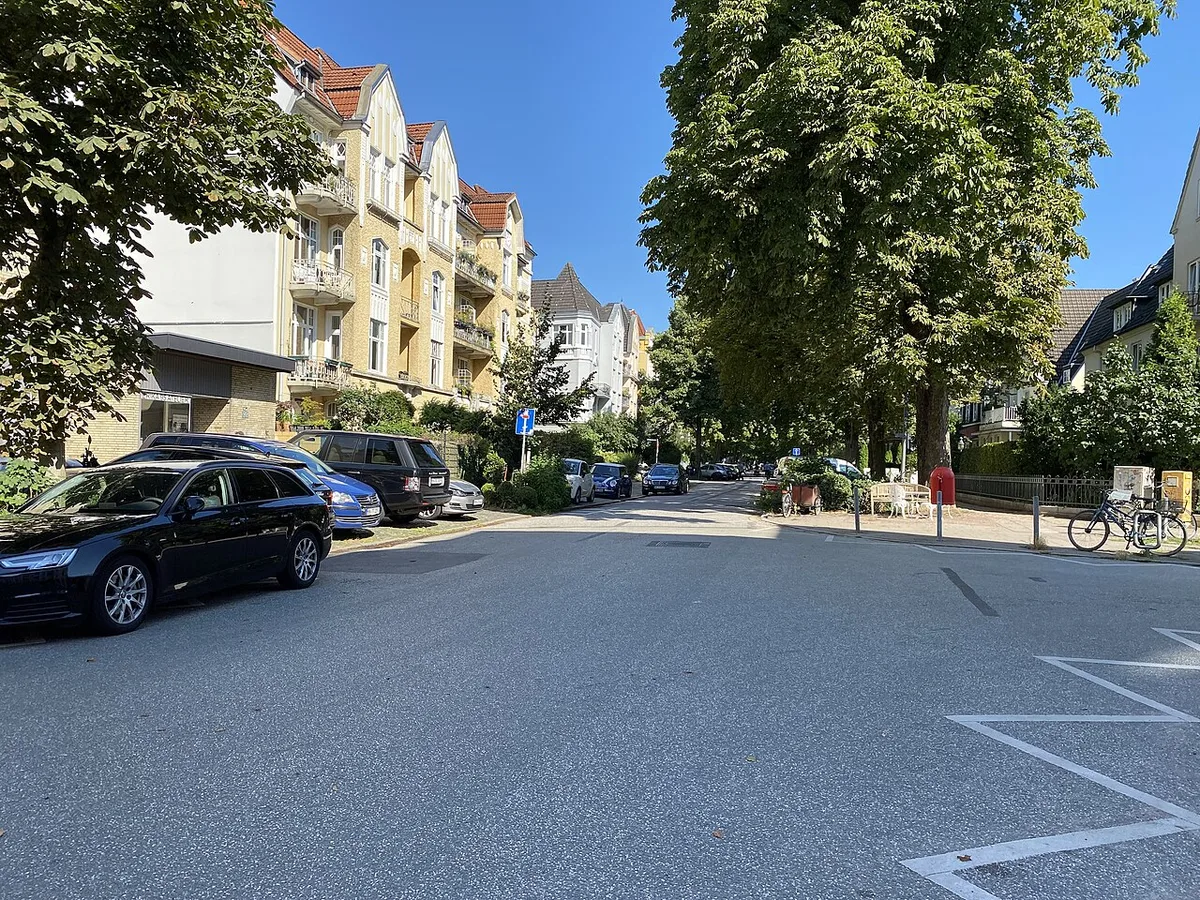
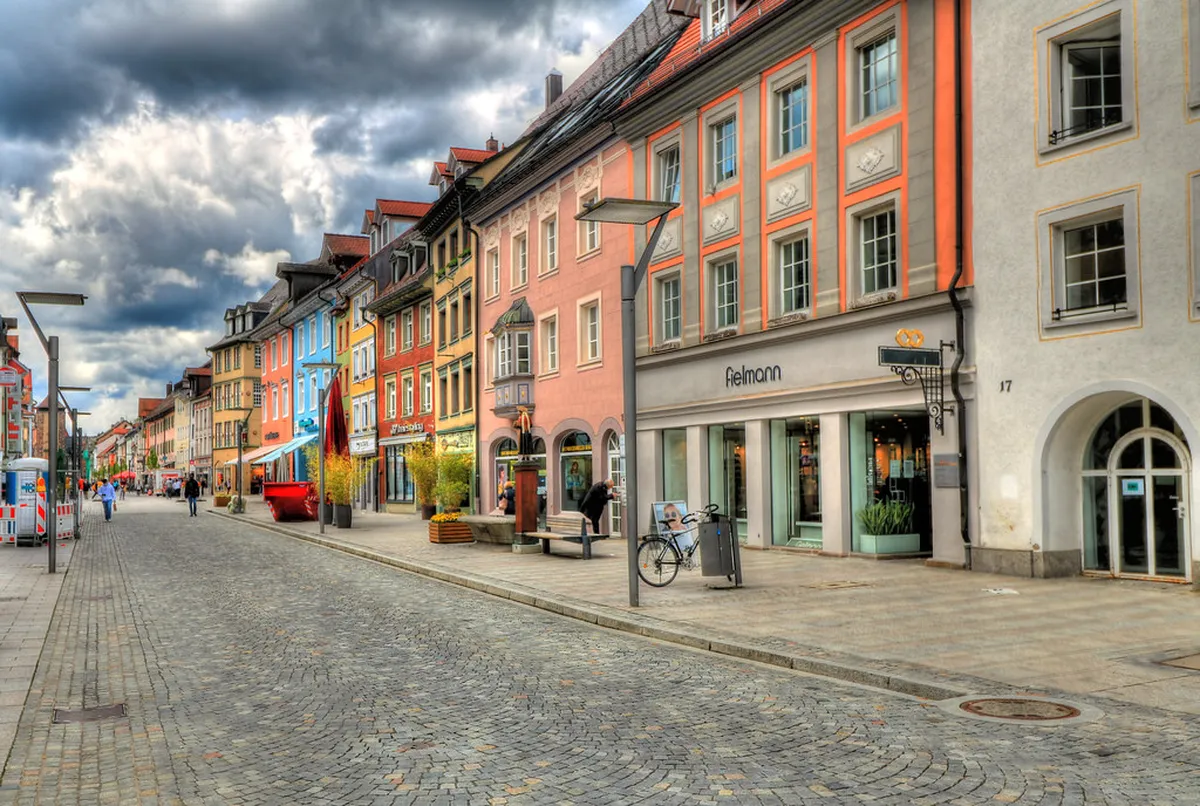
Eppendorf began as a village around 1140 and stayed outside Hamburg's city limits for centuries. A bridge connection in 1841 first tied the village to Hamburg's core, and the city annexed Eppendorf outright in 1894. Its main street, Eppendorfer Landstrasse, translates literally to Eppendorf country road, a nod to its origins as a cottage-lined lane. Wealthy Hamburg families built up the district through the late 19th century, leaving Wilhelminian-style mansions with oriels, turrets, and stucco facades that still line streets like Isestrasse. Isestrasse alone counts 80 buildings listed as cultural monuments, most of them undamaged by WWII bombing raids. Former German Chancellor Angela Merkel spent the first weeks of her life at Isestrasse 95 in 1954. St. Johannis Church anchors the district's older core. It was first documented in 1267, and its copper roof dates to 1751. Hayn's Park, a green space by the Alster, has been open to the public since 1931. Around 130 swans winter there, kept ice-free by a dedicated pump in the Eppendorfer Mühlenteich pond. Eppendorf also hosts a street festival along Eppendorfer Landstrasse most years, with live music and market stalls. Confirm current dates before planning a trip around it.
Top Things to Do in Eppendorf
Eppendorf's sights cluster within a short walk of Kellinghusenstraße station, mixing a market, a spa, a canal, and a church that predates the city's control of the area. Each one rewards a slow morning rather than a rushed checklist.
- Isemarkt: the Tuesday and Friday market runs roughly 640 metres beneath the elevated U3 tracks, open 8:30 AM to 2:00 PM. It is often called Europe's longest open-air market.
- Holthusenbad: Fritz Schumacher's 1914 red-brick bathhouse pairs an indoor pool with a year-round outdoor pool, saunas, and a spa. Admission is paid. Check current hours and rates directly before visiting.
- Isebekkanal and Alster canoe rental: a boat rental where the canal meets the Alster rents SUPs, canoes, and pedal boats by the hour. Rates are paid on-site, so check current pricing before you go.
- The neighborhood's canoe club, founded in 1905, is the oldest such club in Germany.
- St. Johannis Church: first documented in 1267, with a copper roof added in 1751.
- It stands near the Kellinghusenstraße hub, which handles about 15,000 passengers a day.
Parks and Green Spaces in Eppendorf
Kellinghusenpark and Seelemannpark sit close to the Kellinghusenstraße train stop and work as a green pause between sights. Both parks connect on foot toward Stadtpark, Hamburg's larger central park, for travelers with more time. Hayn's Park adds another option directly on the Alster, with its garden pavilion and winter swan colony. None of these parks charge admission, matching the entries in the Free Things to Do in Hamburg (2026): No-Cost Sights, Parks & Museums guide.
- Kellinghusenpark - next to Kellinghusenstraße station, a quick stop before or after the market.
- Seelemannpark - adjoins Kellinghusenpark, with canal-side paths through the Isebek waterway system.
- Hayn's Park - garden pavilion and winter swan colony on the Alster, open to the public since 1931.
Eppendorf Hamburg Guide to Walking Routes: Boulevard vs Canal Route
Two routes cover Eppendorf on foot, both starting near Eppendorfer Weg's southern end by Emilienstrasse or Christuskirche U-Bahn stops. Eimsbüttel, where the boulevard route begins, has a more relaxed, down-to-earth feel than Eppendorf's polished streets. Eppendorfer Weg becomes Eppendorfer Landstrasse along the boulevard route, covering roughly 3 kilometres of shopping and architecture. Eppendorfer Grill-Station sits along this stretch and has served as the filming location for the television show Dittsche, featuring Hamburg entertainer Olli Dittrich, since 2004. That low-key takeaway stand works as a counterpoint to the district's polished reputation. The canal route instead follows the Isebekkanal toward the Alster, with a detour that adds about 4 kilometres for those who want the water views. Photographers should time the canal route for daylight hours. That elevated U3 line above Isestrasse gives the clearest angle on the viaduct and the period apartment facades it passes.
The canal route extends to winter wildlife viewing: pedal boats and canoes rent where the Isebekkanal meets the Alster, providing paddling access to Hayn's Park where around 130 swans winter, kept ice-free by a dedicated pump.
| Route | Distance | Effort | Key Sight |
|---|---|---|---|
| Boulevard Route | ~3 km | Flat, easy sidewalks | Eppendorfer Landstrasse boutiques and the Eppendorfer Grill-Station |
| Canal Route (with detour) | ~3-4 km added | Easy, some canal-path gravel | Isebekkanal boat rental and Isestrasse facades |
Dining and Shopping in Eppendorf
Eppendorfer Baum marks the shift from residential streets into Eppendorf's shopping core, where owner-run boutiques line Eppendorfer Landstrasse rather than chain retailers. Cornelia Poletto's gourmet Italian restaurant sits at Eppendorfer Landstraße 80, with a related wine bar, Poletto Winebar, nearby. For more citywide picks beyond this one district, the 12 Best Local Restaurants in Hamburg: A Neighborhood-by-Neighborhood Guide guide adds context. Eis & Innig, a sustainable ice cream shop, sits at Klosterallee 102. BioKonditorei Eichel, an organic bakery on the Eimsbüttel end of Eppendorfer Weg at Osterstraße 15, works well as a stop before crossing into Eppendorf proper. Broader food coverage across the city sits in the Hamburg Local Food Guide: What to Eat and Where.
- Cornelia Poletto - gourmet Italian, Eppendorfer Landstraße 80.
- Poletto Winebar - a wine bar from the same kitchen.
- Eis & Innig - sustainable ice cream, Klosterallee 102.
- BioKonditorei Eichel - organic bakery, Osterstraße 15, on the Eimsbüttel side of Eppendorfer Weg.
Practical Planning and Logistics
Kellinghusenstraße is Eppendorf's main U-Bahn hub, served by the U1 and U3 lines and used by about 15,000 passengers daily. Eppendorfer Baum and Klosterstern stations also sit inside the district and work well for shorter walks to specific sights. Tuesday and Friday mornings are the times to build a visit around, since that is when the Isemarkt runs from 8:30 AM to 2:00 PM. Boutique guesthouses in Eppendorf typically cost more than comparable rooms near the Hauptbahnhof or St. Pauli. Check current listings directly for rates, since availability shifts with market days and demand from UKE hospital visitors. The Universitätsklinikum Eppendorf, a teaching hospital campus with more than 10,000 employees, sits on the district's edge and adds daytime foot traffic to nearby cafes. Staying in Eppendorf works as a quieter base than harbor-front hotels near the Speicherstadt warehouses. The off-the-beaten-path guide covers other low-traffic bases citywide. For how Eppendorf fits among Hamburg's other quarters, the Hamburg Neighborhoods Guide: Where to Stay, Live, and Explore in 2026 maps the wider picture. Travelers timing a quieter citywide trip can cross-reference the best time to visit Hamburg guide.
- Kellinghusenstraße - U1 and U3, about 15,000 passengers a day, Eppendorf's main hub.
- Eppendorfer Baum - closest stop to the boutique corridor and the start of the U3 viaduct.
- Klosterstern - another district station, useful as an alternate entry point.
Mistakes to Avoid in Eppendorf
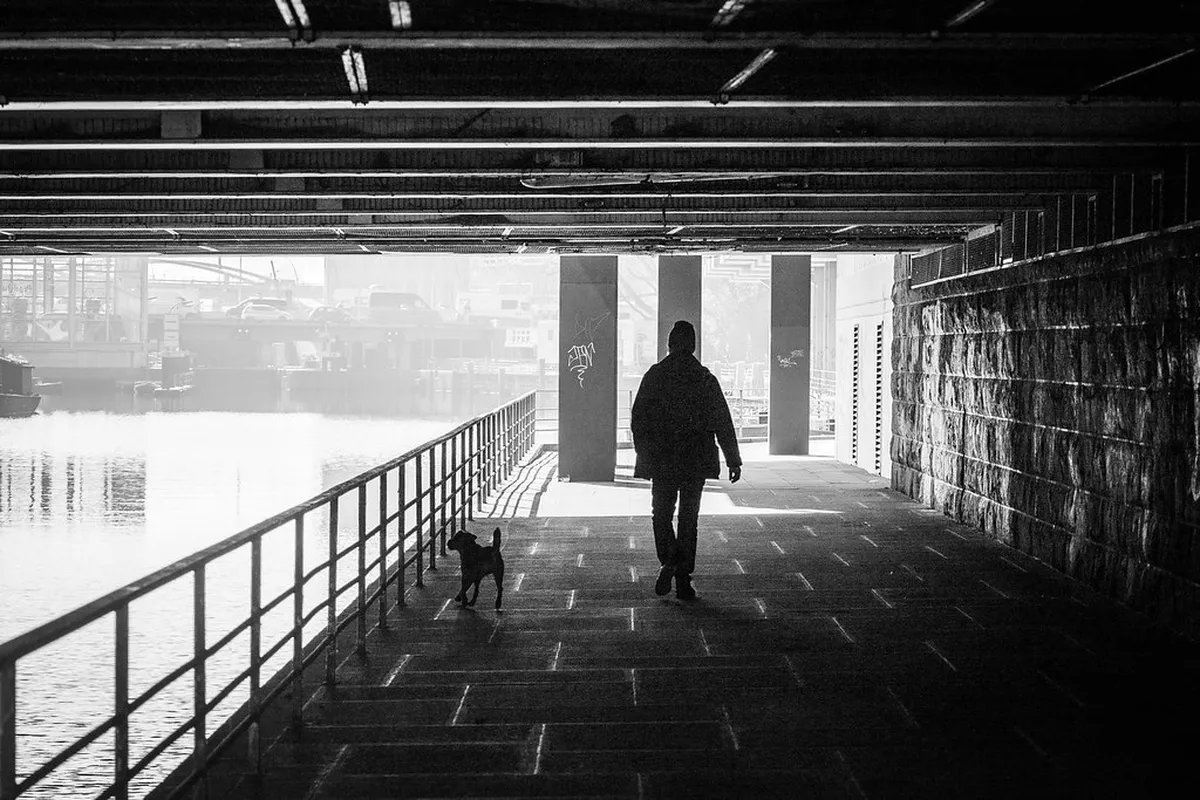
A handful of planning slips are easy to avoid with a little scheduling. Monday visits miss the Isemarkt entirely, and some boutiques keep shorter hours that day. Budgeting for a bargain trip does not fit Eppendorf, which runs pricier than most Hamburg quarters for dining and lodging. Staying only on Eppendorfer Landstrasse also means missing the Isebekkanal path, where private garden views differ completely from the street side. Rushing between U-Bahn stops instead of riding the viaduct in daylight wastes the district's best photo opportunity. For more overlooked corners across the city, the Secret Spots in Hamburg: Quiet Courtyards, Markets & Water Views guide has additional canal-adjacent picks.
- Arriving on a Monday, when the Isemarkt is closed and some shops keep shorter hours.
- Expecting bargain prices - this is one of Hamburg's pricier districts for dining and lodging.
- Sticking to the main boulevard and skipping the Isebekkanal path and its garden views.
- Riding straight through on the U3 instead of timing the viaduct crossing for daylight photos.
Frequently Asked Questions
How do you get to Eppendorf from central Hamburg?
Take the U1 or U3 to Kellinghusenstraße, Eppendorf's main hub with about 15,000 daily passengers. Eppendorfer Baum and Klosterstern stations also sit inside the district for shorter walks to specific sights.
What day is the Isemarkt open in Eppendorf?
The market runs Tuesday and Friday, 8:30 AM to 2:00 PM, beneath the elevated U3 tracks. It stretches roughly 640 metres and is often called Europe's longest open-air market.
Is Eppendorf more expensive than other Hamburg neighborhoods?
Yes. Dining, boutiques, and lodging in Eppendorf generally cost more than in nearby Sternschanze or Ottensen, reflecting its Wilhelminian-era housing stock and location near the Alster.
Can you walk from Eppendorf to the Alster?
Yes. Following the Isebekkanal south leads to where it meets the Alster, about a 10-minute walk, with a boat rental renting SUPs, canoes, and pedal boats there.
How much time should I plan for visiting Eppendorf?
Plan a half day for the boulevard route and its shops. Add another hour or two if you also walk the canal route to the Alster and back.
What's the best time of year to visit Eppendorf?
Any season suits the architecture walks. Outdoor Isemarkt browsing is more comfortable in warmer months, so check the market's current schedule before a winter visit.
Where does the U3 line offer the best views in Eppendorf?
The elevated stretch above Isestrasse gives the clearest look at Wilhelminian facades from the train, running on an 800-metre steel viaduct through the district.
Continue exploring
More guides you'll find useful