Speicherstadt Hamburg Guide: UNESCO Sites, Routes & Tips for 2026
A 2026 speicherstadt hamburg guide to UNESCO history, top attractions, photo spots, and where to eat in Hamburg's warehouse district.
On this page
Speicherstadt Hamburg Guide: UNESCO Warehouse District Tips for 2026
Last updated August 2026, this speicherstadt hamburg guide covers the UNESCO-listed warehouse district's history and top sights. Neo-Gothic redbrick warehouses built between 1883 and 1927 line canals beside the glass towers of HafenCity. This guide plans your route, ranks the attractions, and times your visit around the tide and evening light.
Speicherstadt Hamburg Guide: History and UNESCO Status
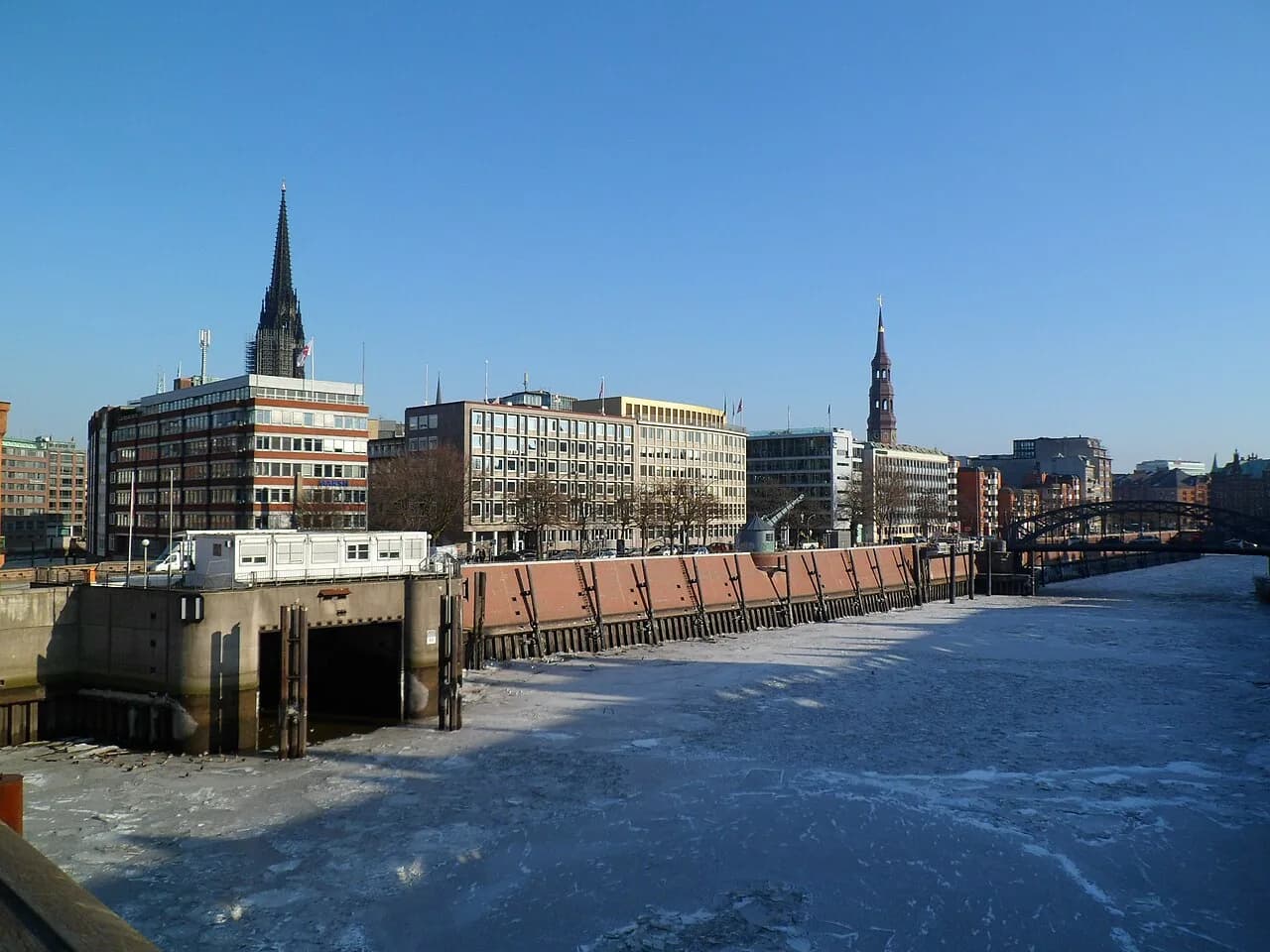
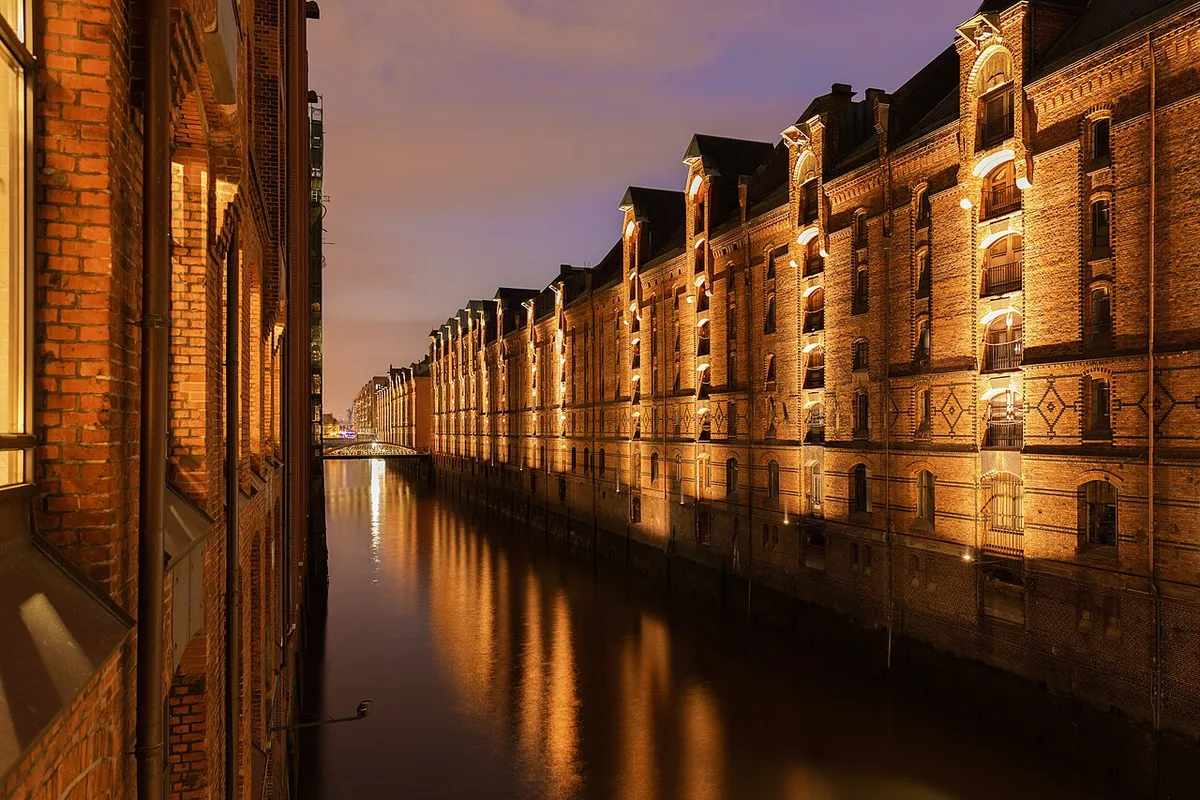
Speicherstadt is the world's largest warehouse district, built between 1883 and 1927 on oak piles driven into the banks of the River Elbe. UNESCO added it to the World Heritage List in 2015, alongside the neighboring Kontorhausviertel and the Chilehaus office building. Neo-Gothic redbrick facades line roughly 2.8 million square feet of former storage space, cut through by narrow canals called fleets. The contrast is deliberate: brick warehouses on one side, the glass-and-steel towers of HafenCity on the other.
Hamburg joined the German Empire in 1871 but kept separate customs rules for another decade. A new customs union took effect in 1881, and full annexation was set for 1888. City officials needed seven years to build storage capacity inside a new free port zone. Around 24,000 residents were evicted and roughly 1,100 houses demolished to clear the site. Emperor Wilhelm II inaugurated the first completed section on Emperor's Day, 29 October 1888, though construction continued for almost four more decades.
Allied bombing under Operation Gomorrha destroyed the district's western half during World War II. Reconstruction wrapped up in 1967. The free port status itself ended on 1 January 2013, when Speicherstadt's economic zone folded into the rest of the city.
Getting There and Timing Your Visit
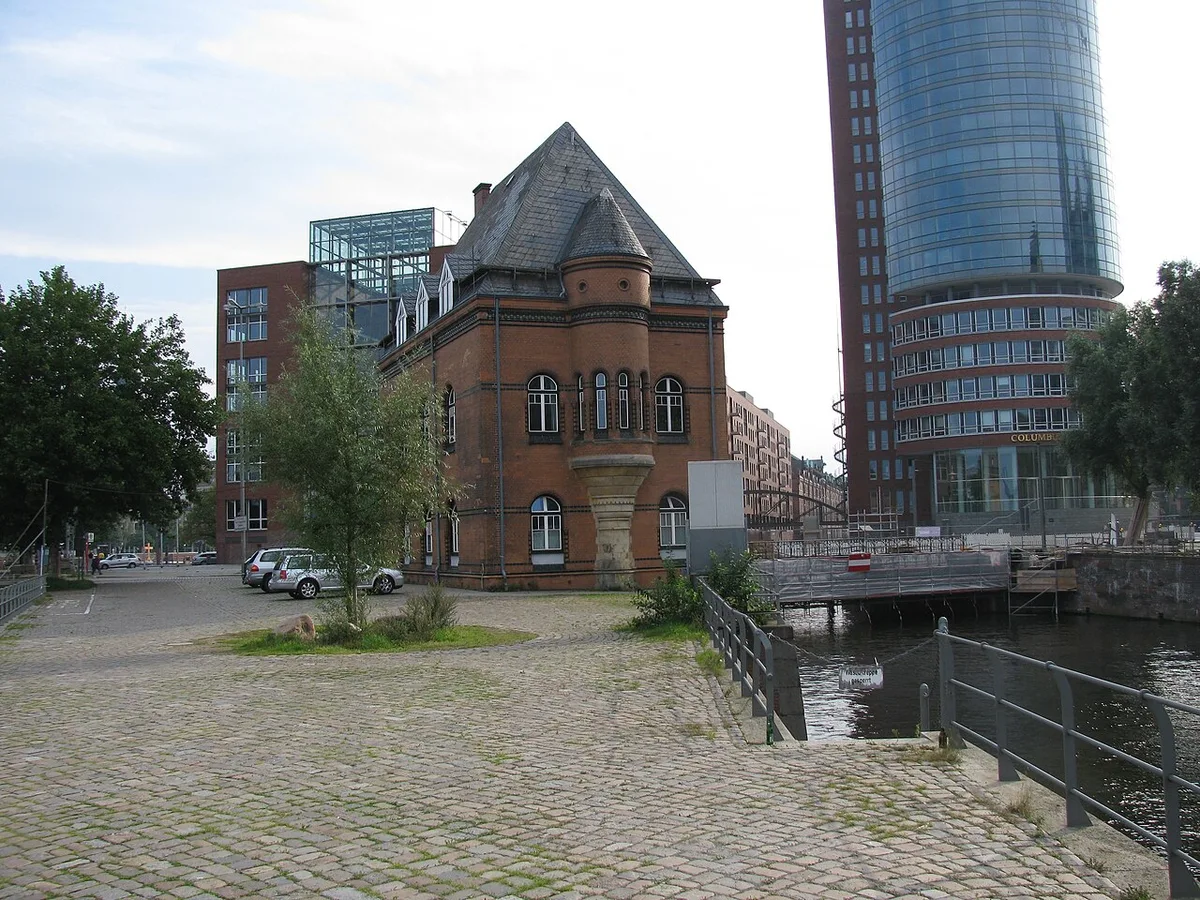
Two U-Bahn stations serve Speicherstadt directly. Baumwall (U3) is the better stop for the western Kehrwieder side of the district. Meßberg (U1) works best for the eastern Wandrahm side and the Kontorhausviertel office district next door. Both stations leave you a short walk from the main bridges into the warehouse district.
Early morning light suits photography best, before tour groups arrive at the main bridges. Evening brings a different mood, since warehouse facades and canal reflections light up after dark. For crowd-free photos, pair this with general best time to visit Hamburg planning.
Canal water levels shift with the River Elbe's tide, which changes how the fleets look and how barkassen canal boat tours move through them. Low tide can expose mudflats and lower boats well below bridge level. High tide brings water close to the walkways, which makes for better reflections in photos. Check the tide schedule before booking a canal boat tour, not just the weather forecast.
Most bridges and major museums, including Miniatur Wunderland, offer elevator access for wheelchairs and strollers.
- Baumwall (U3) – serves the western Kehrwieder side of Speicherstadt.
- Meßberg (U1) – serves the eastern Wandrahm side of Speicherstadt.
Top Things to Do in Speicherstadt
Speicherstadt's biggest draws sit inside converted warehouse buildings. Book timed tickets in advance for the busiest ones, especially in summer and around holidays.
Miniatur Wunderland runs the model railway exhibit that draws enthusiasts and families from across Europe. Its scale is the draw, and popular time slots sell out weeks ahead. Hamburg Dungeon stages immersive, actor-led scenes from the city's past inside old catacombs in the district. Content and pacing suit teens and adults better than young children. Check the show language before booking, since performances are not always in English. Kaispeicher B itself houses the International Maritime Museum, with model ships, maps, and maritime artifacts spanning roughly 3,000 years of seafaring history. Kaffeerösterei occupies a former coffee warehouse and runs tastings of freshly roasted beans. It works well as a short stop between museum visits. A few smaller museums round out the list: the Deutsches Zollmuseum covers the history of customs and smuggling, and Automuseum Prototyp displays historic prototype cars.
Walking the bridges and canal paths costs nothing and ranks among the best free activities in Hamburg. Museum tickets are the real budget line item, so decide in advance which one or two are worth the spend. For more options beyond the district's headline sights, unique Hamburg activities beyond Speicherstadt covers additional picks around the city.
| Attraction | Located In | Booking Note | Best For |
|---|---|---|---|
| Miniatur Wunderland | Speicherstadt warehouse | Book weeks ahead, especially weekends | Families and model-railway fans |
| Hamburg Dungeon | Speicherstadt catacombs | Confirm show language before booking | Teens and adults |
| International Maritime Museum | Kaispeicher B | Walk-up visits are usually fine | Maritime history and model-ship fans |
| Kaffeerösterei | Former coffee warehouse | Walk-in tastings, no reservation needed | Coffee culture, shorter stops |
A Walking Route: From Kontorhausviertel to the Warehouse District
Start at the Chilehaus in the Kontorhausviertel, the brick office quarter next to Speicherstadt. Its pointed, ship's-bow facade marks a landmark of 1920s brick expressionist architecture in Hamburg. From there, cross the Wandrahmsteg bridge into Speicherstadt itself, over the canal separating the two districts. Wandrahm was the name for the eastern side beyond the bridge. Kehrwieder covers the western side, toward the Elbe. Both names predate the warehouses, from the residential quarter cleared in the 1880s to make way for construction.
The 2015 UNESCO World Heritage listing includes Speicherstadt alongside the adjacent Kontorhausviertel and Chilehaus, all three components connected by this walking route and thus visitable as a coherent World Heritage ensemble.
Continue into the district's interior to reach the most photographed buildings, including the Wasserschloss and Fleetschlösschen. Sandtorkai, another stop worth including, opened as the city's first modern dock in 1866, before Speicherstadt itself was built. Today it holds the Traditionsschiffhafen, a harbor for historic ships, with up to 20 vessels moored at once. Along the way, look for the Speicherstadtrathaus, HHLA's headquarters building, designed by the same architects behind Hamburg's city hall.
The Alter Elbtunnel is another nearby architectural landmark worth combining with a Speicherstadt visit. Read the Alter Elbtunnel guide before you go. It pairs well with a Speicherstadt morning.
Best Photo Spots and Quiet Corners
Photographers gather at a handful of spots inside Speicherstadt.
Wasserschloss sits at the east end of Holländischer Brook. It was once the only residential building allowed inside the free port, a rule meant to prevent smuggling. For a different kind of quiet corner, the quiet canal-side courtyards guide covers spots away from the main bridges.
- Wasserschloss – built 1905-1907, framed best from Poggenmühlenbrücke bridge for the classic shot.
- Fleetschlösschen – a former customs booth on Brooktorkai, now a café.
- Kehrwiederspitze – an early-1900s river police station that serves as a filming location for the German TV series Notruf Hafenkante, broadcast by ZDF.
- #UNUEBERSEEBAR – a construction-fence art installation near Überseequartier that tells the stories of 33 people from HafenCity, billed as northern Germany's longest curated artwork.
Speicherstadt vs. HafenCity: Where Brick Meets Glass
Speicherstadt's brick warehouses give way to HafenCity's glass-and-steel blocks within a few minutes' walk. The Elbphilharmonie concert hall anchors the district, its wave-shaped roof rising above a converted Kaispeicher warehouse base. Überseeboulevard, HafenCity's main strip, runs past shops, cafés, and designer stores near Überseequartier. HafenCity extends that walkability toward the harbor, with a city-planning focus on green space and proximity to the Elbe. For a fuller picture of how the districts fit together, the breakdown of Hamburg's neighborhoods maps the city's areas side by side.
Where to Eat In and Around Speicherstadt
Speicherstadt's dining options range from rustic to formal. Alte Liebe, at Koreastraße 1 in HafenCity, runs a changing lunch menu by day and a bar by evening. It's priced in the €€ range. Restaurant Brook, at Bei den Mühren 91 inside Speicherstadt itself, serves gourmet German cuisine at €€€ prices with a view of the old warehouses. For more options nearby, restaurant picks outside the district cover additional choices a short walk away. The city's wider local food scene guide rounds out what to eat elsewhere in Hamburg.
Speicherstadt's transformation from a functioning free port to a cultural district is recent. The free port status that drove its original warehouse development ended on 1 January 2013, meaning today's museums and restaurants occupy spaces built for customs-exempt storage.
Mistakes to Avoid in Speicherstadt
A few planning mistakes are easy to avoid.
For an evening out, St. Pauli's nightlife strip sits a short distance away. Plan attractions ahead, but leave room to walk the bridges without a fixed schedule. That flexibility is what makes Speicherstadt work as a half-day stop before continuing into HafenCity or back toward the city center.
- Skipping advance booking – Miniatur Wunderland slots for weekends and peak season sell out weeks ahead.
- Expecting nightlife – Speicherstadt goes quiet after dinner, once the shops and museums close for the day.
- Ignoring the tide – barkassen canal tours look different at high versus low tide, so check the schedule first.
- Treating every stop as paid – the bridges and canal paths are free to walk, and only the museums charge admission.
For trip-planning details, see Speicherstadt – Wikipedia.
Frequently Asked Questions
What is Speicherstadt in Hamburg?
Speicherstadt is the world's largest warehouse district, built between 1883 and 1927 on oak piles in Hamburg's old free port. UNESCO listed it as a World Heritage Site in 2015, together with the neighboring Kontorhausviertel and Chilehaus.
How do you get to Speicherstadt by public transit?
Take the U3 to Baumwall for the western Kehrwieder side. Take the U1 to Meßberg for the eastern Wandrahm side and the Kontorhausviertel district.
Is Miniatur Wunderland inside Speicherstadt?
Yes, Miniatur Wunderland sits inside a Speicherstadt warehouse building. Its popularity means weekend and peak-season slots sell out weeks in advance, so book ahead of your trip.
Is Speicherstadt worth visiting at night?
Yes, mainly for the lighting rather than nightlife. Warehouse facades and canal reflections light up after dark, but the district itself goes quiet once shops and museums close.
How much time should you plan for a Speicherstadt visit?
A walking loop past the main bridges and photo spots takes a couple of hours. Add one or two museum visits, such as Miniatur Wunderland or the International Maritime Museum, and plan for half a day.
Does the tide affect Speicherstadt's canals?
Yes. Water levels in the fleets rise and fall with the River Elbe's tide, which changes both the view and how barkassen boat tours move through the canals. Check the tide schedule alongside the weather before booking a boat tour.
Continue exploring
More guides you'll find useful