9 Unique Things to Do in Hamburg (2026 Local Picks + Planning Tips)
A practical guide to 9 unique things to do in Hamburg: what to prioritize, how much time and budget to set aside, and when each pick is worth it.
On this page
9 Unique Things to Do in Hamburg
Last updated August 2026, this guide sorts Hamburg's truly one-of-a-kind experiences from its merely popular ones. Unique things to do in Hamburg means specific rituals, records, and landmarks found nowhere else in Germany, not just quieter versions of famous sights. Each pick below lists a time estimate, cost tier, and any season or day limit, so it fits into a short trip without wasted mornings.
The Fast Answer: Hamburg's Most Distinctive Things to Do
Nine picks make this list, chosen for character rather than visitor count. They include the Elbphilharmonie's free escalator ride, the Alter Elbtunnel crossing, public ferry line 62, the Altona Fischmarkt, cornering in St. Pauli, Miniatur Wunderland's record-scale railway, the St. Pauli Christmas market, the Speicherstadt canals, and Labskaus at a local Gaststätte. Full details, including time, cost tier, and timing notes, follow in the next section.
What Makes Something Unique in Hamburg vs. Just Popular
Hamburg already runs three companion guides for readers chasing quiet, under-visited locations. One covers under-the-radar courtyards and viewpoints. Another maps low-traffic corners locals favor. A third tracks routes tourists rarely walk. This page works differently. It groups experiences that can be well-known and still count as one-of-a-kind, because the measure here is character, not foot traffic. A record-holding attraction, a subterranean river crossing, and a curbside drinking custom all qualify here, regardless of visitor numbers. For a district-by-district view beyond this list, a neighborhoods guide breaks down each area's character. Three swaps make the distinction concrete. A generic Reeperbahn bar crawl is popular; cornering on a specific corner near the Reeperbahn is the unique version, tied to a real local custom. Standard harbor cruises are popular too; public ferry line 62 covers similar water at a fraction of the cost, with a working-city view instead of a narrated script. Miniatur Wunderland is popular by visitor volume, but the reason it belongs on this list is the record-scale claim behind the railway, not the crowd it draws.
Cornering's appeal stems from Germany's open public-drinking rules; Friday nights with 1+ hour sessions draw the biggest local crowds for this street-beer ritual unique to Hamburg.
9 Unique Things to Do in Hamburg, Organized by Type
Nine picks below move from harbor oddities to neighborhood rituals to food that barely travels beyond the city limits.
- Ride the Free Escalator to Elbphilharmonie Plaza
- An 82-meter (about 269-foot) curved escalator, nicknamed der Tube, carries visitors from street level up to the Elbphilharmonie's public plaza at no cost.
- Wrapping around the building, the plaza overlooks the harbor, the Speicherstadt warehouses, and the Elbe without requiring a concert ticket.
- Free timed-entry tickets are often required at busier hours, so check the venue's own booking page before arriving.
- Cross the Elbe on Foot Through the Alter Elbtunnel
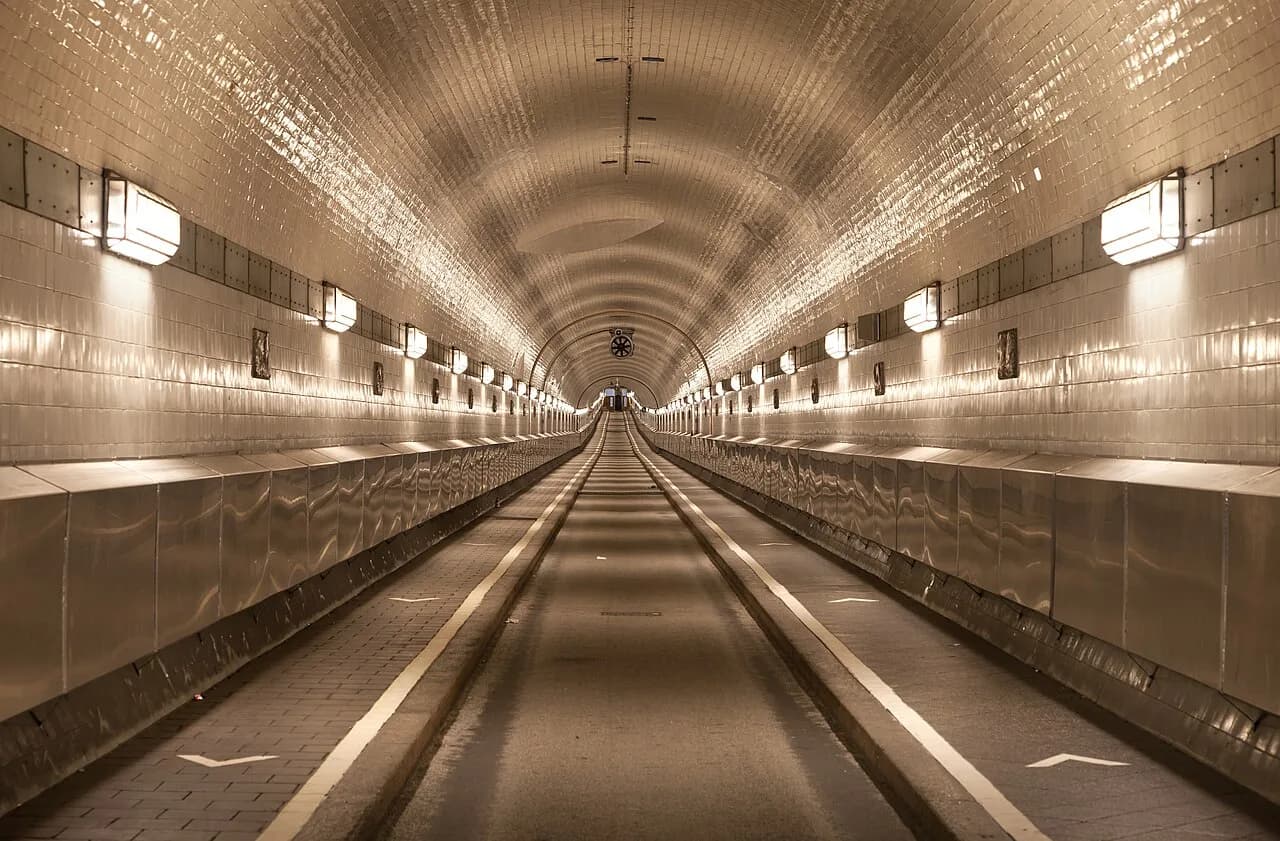
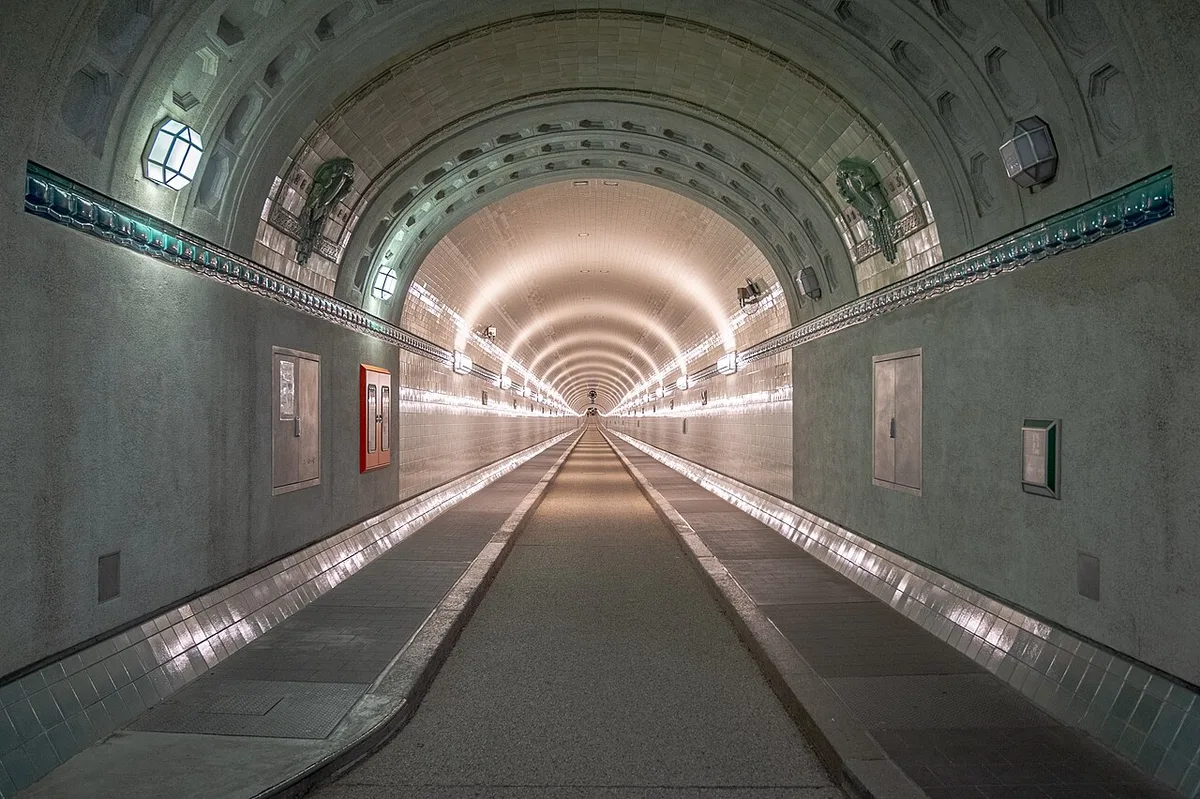
- Opened more than a century ago, the Alter Elbtunnel still carries pedestrians and cyclists beneath the Elbe between St. Pauli and the opposite bank.
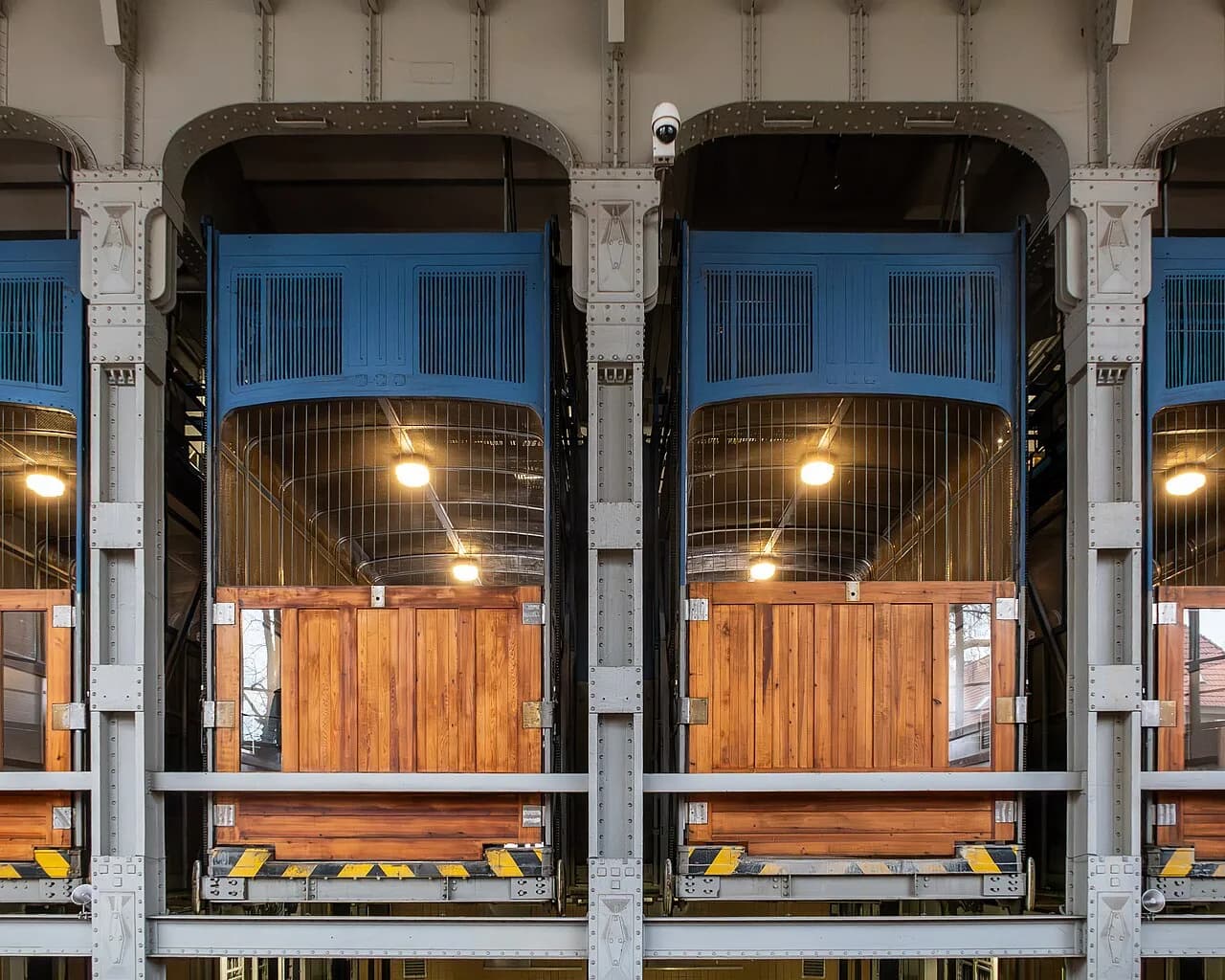
- Century-old freight elevators lower walkers to the tunnel floor, and the crossing itself takes only a few minutes.
- Elevator hours and the full walking route appear in the Alter Elbtunnel guide.
- Ride Public Ferry 62 Instead of a Harbor Cruise
- Ferry 62 is a regular HVV commuter route, not a tour boat, and it covers much of the same harbor stretch that sightseeing cruises charge extra for.
- A standard public-transit ticket covers the fare, making it the budget option for seeing the port from the water.
- Commuters ride it daily with bikes and backpacks, so expect a working-harbor view rather than a narrated tour.
- Catch the Sunday Fish Auction at Altona's Fischmarkt
- Altona's Fischmarkt runs Sunday mornings only, with market criers and a working auction hall that opens before most of the city is awake.
- Reported hours run roughly 5:00 to 9:30 a.m.; confirm the current schedule with Hamburg Tourism before setting an early alarm.
- Stalls sell fresh fish alongside pastries and coffee, so it doubles as an early breakfast stop.
- Try Cornering, St. Pauli's Curbside Beer Custom
- Cornering means buying a beer from a kiosk and drinking it standing on the street, a custom that Germany's open public-drinking rules allow.
- Friday nights bring the biggest crowds, clustered around corner kiosks near the Reeperbahn.
- Specific streets and kiosks appear in the St. Pauli neighborhood guide.
- See the Record-Scale Model Railway at Miniatur Wunderland
- Miniatur Wunderland's model railway is widely cited as a Guinness World Record holder for scale; verify the current record details on the attraction's own site before visiting.
- Full city replicas, working model airports, and moving planes turn a quick look into a half-day visit.
- It suits families and repeat visitors alike, since sections of the model world are added and updated over time.
- Browse the St. Pauli Christmas Market in the Red-Light District
- St. Pauli runs its own Christmas market inside the red-light district during the holiday season, pairing food stalls with live music in a nightlife-district setting.
- It only exists in winter, so it doesn't help an itinerary built for any other season.
- Pair it with the more traditional market at Hamburg's Rathaus for a contrast in the same evening.
- Wander the UNESCO-Listed Speicherstadt Canals
- Built in the late 1800s and rebuilt after WWII damage, Speicherstadt is recognized as a UNESCO World Heritage Site and still functions as a working warehouse district.
- Brick canals and narrow bridges stay quiet before mid-morning, ahead of tour groups and the coffee-shop crowd.
- Canal routes and the district's museums appear in the Speicherstadt guide.
- Order Labskaus, Hamburg's Own Dish, at a Local Gaststätte
- Labskaus, a mix of mashed potatoes, corned beef, and beetroot topped with a fried egg and pickled herring, is a Hamburg specialty rarely found on menus outside northern Germany.
- Fischbrötchen, a herring sandwich with onion, pickle, and remoulade, works as the faster version for anyone short on time.
- Both dishes appear on the local food guide's recommended list.
Decision Table: Time, Cost, and Best-Fit Traveler at a Glance
Time, cost, and timing constraints vary sharply across these nine picks, so use the table to sequence a short trip. Free means no entry cost beyond getting there. Budget covers a beer, a snack, or a standard transit fare. Paid attraction means a ticketed entrance, and a mid-range meal covers a sit-down plate at a Gaststätte rather than a market stall. Matching a pick's time and cost tier against the day's plan avoids the mistake of trying to fit a half-day attraction into a 30-minute gap. Sit-down options beyond the market stalls appear in the restaurant guide.
| Pick | Time Needed | Cost Tier | Season / Day | Best For |
|---|---|---|---|---|
| Elbphilharmonie Plaza escalator | Under 30 minutes | Free | Any day; book ahead at peak hours | First-timers, photography |
| Alter Elbtunnel walk | 15-30 minutes | Free | Any day | Quick detour, history |
| Ferry 62 harbor ride | 30-60 minutes | Budget (standard transit fare) | Any day | Repeat visitors, budget trips |
| Altona Fischmarkt | 1-2 hours | Free to browse; budget for food | Sunday mornings only | Early risers, food-driven |
| Cornering in St. Pauli | 1+ hour | Budget (price of a beer) | Weekend nights, best Friday | Nightlife, groups |
| Miniatur Wunderland | Half-day | Paid attraction | Any day; book ahead | Families, kids |
| St. Pauli Christmas market | 1-2 hours | Budget (food and drink spend) | Winter / holiday season only | Nightlife-curious |
| Speicherstadt canals | 1-2 hours | Free to walk | Best early morning; any day | Photography, first-timers |
| Labskaus at a Gaststätte | 30-60 minutes | Budget to mid-range meal | Any day | Food-driven travelers |
How to Plan Around Seasonal and Day-Specific Picks
Three picks on this list are locked to a specific window. Altona's Fischmarkt only runs Sunday mornings, so build it into whichever weekend morning the trip covers. St. Pauli's Christmas market only exists in the holiday season, so it does not help a summer itinerary. A related pattern shows up at nearby harbor-side bars, which locals treat as warm-weather stops rather than year-round ones. Miniatur Wunderland is not season-locked, but its popularity means booking ahead matters more than picking a particular month. Building a schedule around the Fischmarkt works best from the outside in. Fix the Sunday morning slot first, then place flexible, any-day picks like the Elbphilharmonie escalator and Speicherstadt canals around it. Weeknight picks such as cornering fit naturally into whichever evening lands free, since the custom isn't limited to one specific night beyond the busiest Friday crowds. Crowd-avoidance timing for the rest of this list appears in the timing guide.
Fischmarkt runs 5:00 to 9:30 a.m. on Sundays while Speicherstadt's streets stay quiet before mid-morning crowds, allowing early risers to chain morning neighborhood explorations together.
Mistakes to Avoid When Chasing Unique Experiences in Hamburg
A generic harbor cruise, an unplanned bar crawl on the Reeperbahn, or a hop-on hop-off bus all count as popular choices, not unique ones. None of them are wrong, but they overlap with almost any European port city and don't need a unique-focused list to find them. Swap the harbor cruise for ferry 62, already covered above. Swap an unplanned bar crawl for cornering on a specific street instead. Narrated bus tours skip the local rituals and record-holding stops that make this list different from a generic sightseeing roundup in the first place. Treating all nine picks as a single-day itinerary is another common mistake; the half-day commitment at Miniatur Wunderland alone crowds out most of the rest of a compact schedule. Skipping the booking step for the Elbphilharmonie plaza or Miniatur Wunderland can also mean showing up to a sold-out timed slot. Building slack into the schedule handles the rest, since Hamburg's ferries, escalators, and canals are forgiving of a late start in a way a fixed Sunday market or a seasonal Christmas stall never will be.
Visit the Bullenhuser Damm Memorial
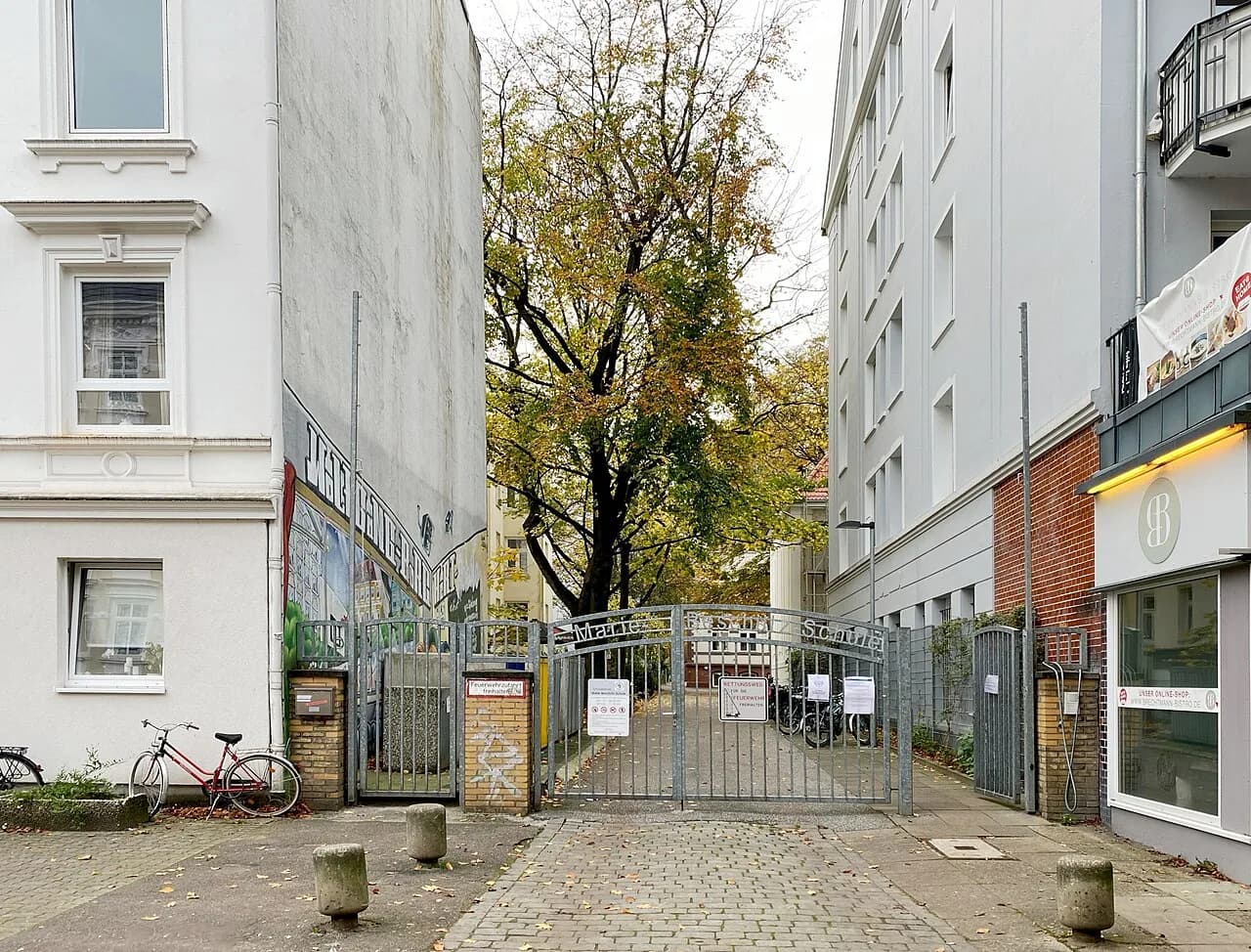
The Bullenhuser Damm Memorial offers one of Hamburg’s most sobering and specific historical visits. It stands in a former school in Rothenburgsort, where SS members murdered 20 Jewish children shortly before the end of the Second World War. The children had been taken from Neuengamme concentration camp after being subjected to medical experiments.
The memorial documents their names and stories, as well as those of the adult prisoners killed with them. A rose garden outside provides a quiet place to pause after the exhibition. This is not a quick sightseeing stop or a family attraction in the usual sense. It suits travelers who want to understand a less-visible part of Hamburg’s wartime history.
- Time needed: Allow about 60–90 minutes.
- Cost: Free or donation-based; check the memorial’s current visitor information.
- Best fit: History-focused visitors and repeat travelers seeking a meaningful detour.
Frequently Asked Questions
What are unique things to do in Hamburg?
Alter Elbtunnel's underwater crossing, the free escalator ride to Elbphilharmonie Plaza, and cornering in St. Pauli stand out as the three most distinctly Hamburg picks on this list. Miniatur Wunderland's record-scale claim rounds out the top four, since it swaps the usual model-railway framing for a specific, verifiable distinction. Each is tied to the city rather than a variation on something available in any other German city.
What are the best free things to do in Hamburg?
Riding the escalator to Elbphilharmonie Plaza, walking the Alter Elbtunnel, and browsing the Speicherstadt canals all cost nothing beyond transit fare. A fuller list beyond this unique-angle selection appears in the free things to do guide.
What are good things to do in Hamburg with kids?
Miniatur Wunderland is the strongest kid-friendly pick on this list, with moving trains and full city replicas that hold attention for a half-day. Alter Elbtunnel's old freight elevators and short underwater walk also tend to work well for families with older children.
What should you plan for a 2-day trip built around unique picks?
Two days covers roughly half this list comfortably. Pair the Elbphilharmonie escalator and Speicherstadt canals on one morning, then the Alter Elbtunnel and ferry 62 on the other. Sunday morning visits let the Fischmarkt anchor an early start if the schedule allows it. Basing the two days out of St. Pauli or the city center keeps most of these picks within a short ride of each other. Extra time is better spent on a day trip outside the city than on squeezing every pick into one visit.
Is Hamburg worth visiting for something different from Berlin or Munich?
Hamburg's specific rituals, like cornering and the Sunday fish auction, plus its record-holding and centuries-old landmarks, are not replicated in Berlin or Munich. That distinctiveness, not a longer sightseeing checklist, is the strongest case for visiting.
What should travelers avoid when chasing unique experiences in Hamburg?
Skip narrated bus tours and generic harbor cruises; they cover the same ground as ferry 62 or a self-guided walk, minus the local texture. Treat time-gated picks like the Fischmarkt and the St. Pauli Christmas market as fixed points to plan around, not flexible stops to fit in whenever.
How much time should travelers plan for Hamburg's unique attractions?
Budget at least two full days to cover the half-day anchors, Miniatur Wunderland and the Fischmarkt's early start, alongside shorter detours like the Elbtunnel and the escalator ride. Compressing the trip into a single day forces a choice between harbor-side picks and food-and-drink ones, since Labskaus, cornering, and the Christmas market cluster more naturally into an evening than a morning.
Continue exploring
More guides you'll find useful