Hamburg Neighborhoods Guide: Where to Stay, Live, and Explore in 2026
A local-first Hamburg neighborhoods guide to where to stay, live, and explore by budget, vibe, and transit access, with cost trade-offs for every district.
On this page
Hamburg Neighborhoods Guide: Where to Stay, Live, and Explore
Last updated August 2026, this Hamburg neighborhoods guide breaks the city into the pockets that matter most for choosing where to stay, rent, or spend an afternoon. Hamburg reads less like one city than a cluster of villages, split by the Elbe river to the south and west and the Alster lake through the center and north. Match your budget and noise tolerance against the comparison table below, then check each neighborhood breakdown for the transit lines and trade-offs locals weigh.
How to Use This Hamburg Neighborhoods Guide
Three questions decide the right Hamburg district for you: proximity to sights, tolerance for evening noise, and length of stay. Side streets matter more than district names once you've narrowed it down. A block off the Reeperbahn in St. Pauli sleeps as quietly as Eppendorf; the main drag itself does not.
- First-time sightseeing, 2 to 4 days: Altstadt or Neustadt, near the Rathaus and Binnenalster
- Nightlife with center access: St. Pauli or Sternschanze
- Families, students, and longer stays: Eimsbüttel or Ottensen
- Quiet and scenic, willing to commute: Blankenese
The Hamburg Neighborhood Vibe Check
The table below compares ten core areas on vibe, noise, and relative cost so you can shortlist fast. Price brackets are relative, not absolute. A €€€€ listing in Eppendorf and one in Altstadt can differ by hundreds of euros a month. Travelers comparing hotels instead of leases see similar tiers repeat across neighborhoods. Luxury doubles in Altstadt or HafenCity often run $250 to $400 a night. Mid-range design hotels in Sternschanze or St. Pauli typically land between $150 and $250. Hostel-style private rooms start closer to $100 to $150.
| District | Best For | Key Landmark | Noise Level | Price Bracket |
|---|---|---|---|---|
| Altstadt & Neustadt | First-time sightseers | Rathaus and Binnenalster | Busy by day, quiet at night | €€€€ |
| HafenCity & Speicherstadt | Modern architecture and waterfront walks | Elbphilharmonie | Quiet after dark | €€€€ |
| St. Pauli | Nightlife and live music | The Reeperbahn | Loud on weekend nights | €€ |
| Sternschanze & Karolinenviertel | Independent shops and cafés | Rote Flora | Lively, calmer a block off Schulterblatt | €€€ |
| St. Georg | Dining and LGBTQ+ nightlife | Lange Reihe | Busy near the Hauptbahnhof, calm elsewhere | €€ |
| Ottensen & Altona | Families and long-term renters | Ottenser Hauptstraße | Steady, rarely rowdy | €€€ |
| Eimsbüttel | Everyday residential life | Osterstraße and the Isemarkt | Quiet residential | €€€ |
| Eppendorf & Winterhude | Established families | Stadtpark | Quiet, shops close early | €€€€ |
| Blankenese | A change of pace from the center | The stepped lanes of the Staircase District | Very quiet | €€€€ |
| Wilhelmsburg | Budget-conscious and creative renters | Elbe island waterfront and converted industrial halls | Quiet, industrial | € |
Hamburg-Mitte: Altstadt, Neustadt, HafenCity, and St. Georg
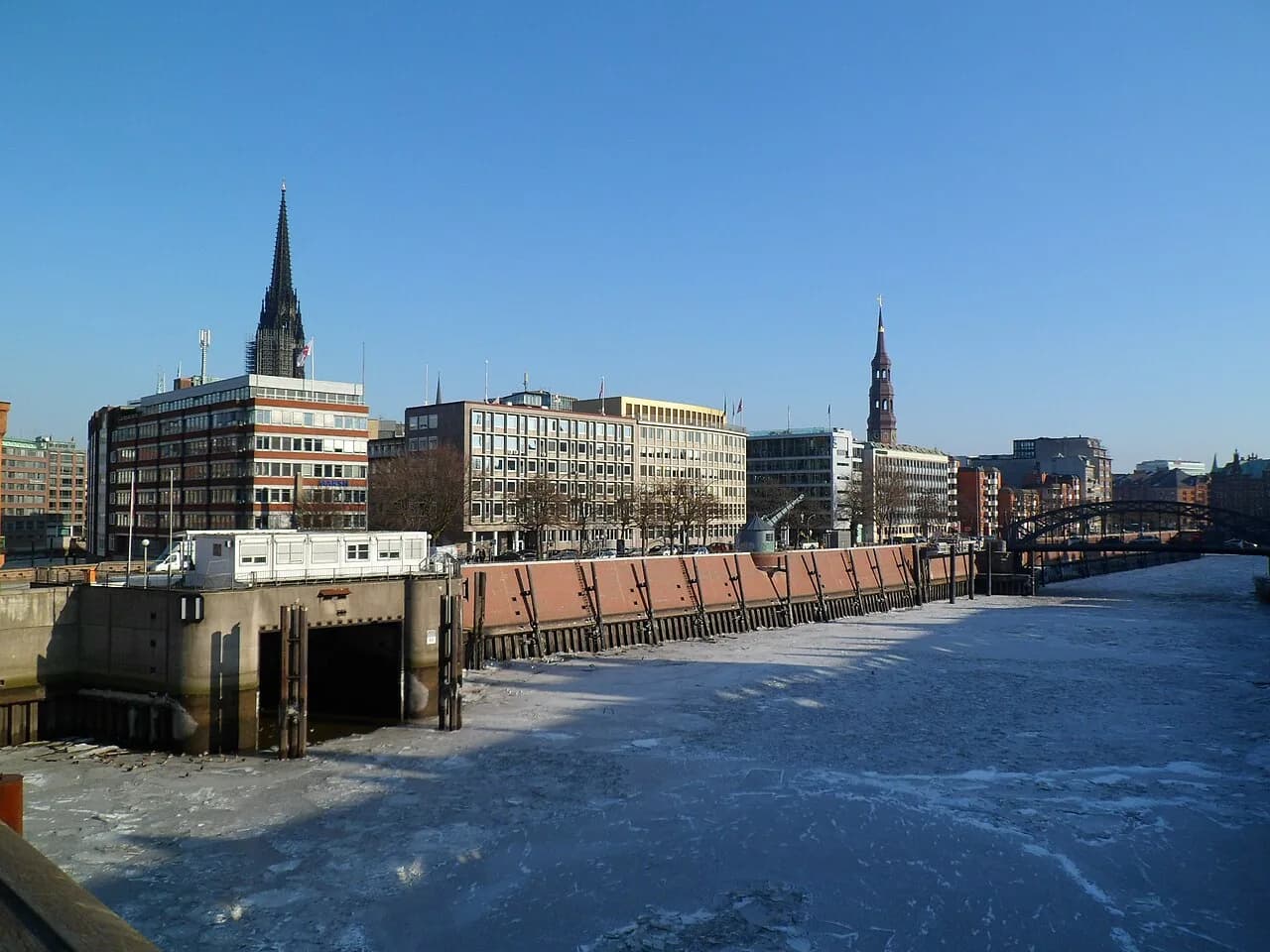
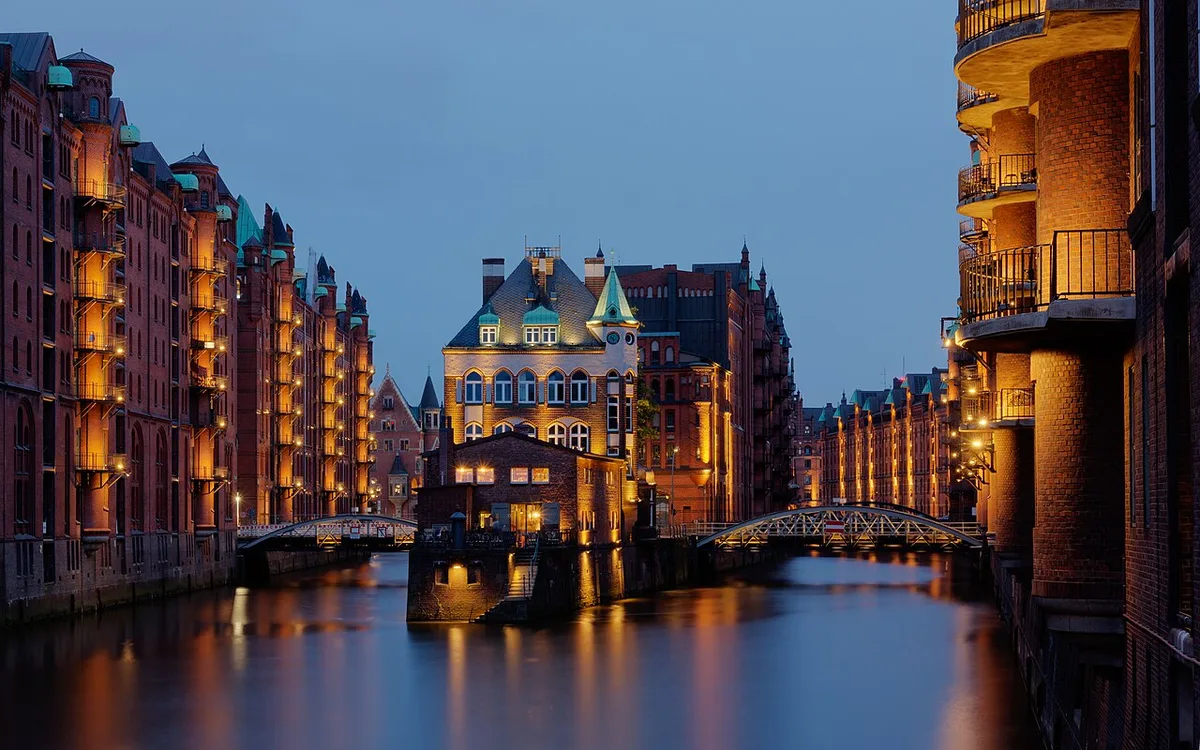
Hamburg-Mitte holds the sights most first-time visitors come for, plus several very different sub-districts worth knowing apart. Altstadt is the historic core, packed with the Rathaus, the Nikolaifleet canal, and shopping streets like Mönckebergstraße. Neustadt sits just west and feels calmer, centered on Großneumarkt and the revived Gängeviertel arts quarter. Both empty out fast once the shops close for the evening. HafenCity is Hamburg's newest waterfront district, built on former port land and anchored by the Elbphilharmonie concert hall. Next door, the Speicherstadt warehouse district keeps its red-brick canals and UNESCO-listed status. Both districts go quiet after dinner, so plan evenings elsewhere. St. Georg sits just east of the Hauptbahnhof and splits into two moods on one map. Hansaplatz, right by the station, carries a rougher, transient feel. Lange Reihe, a few streets over, is lined with independent restaurants, galleries, and long-standing LGBTQ+ nightlife. The area's gritty reputation comes mostly from the immediate station surroundings. Violent crime is rare across Hamburg as a whole, and Lange Reihe itself feels residential rather than edgy.
Sternschanze, Karolinenviertel, and St. Pauli
Sternschanze and Karolinenviertel, known locally as Schanze and Karo, sit just northwest of St. Pauli and read as one continuous, walkable neighborhood. The Sternschanze guide covers the area in full. Here is the short version: Schulterblatt is the main café-and-bar strip. The Rote Flora, a former theater turned political and cultural center, still anchors the neighborhood's alternative reputation. Karolinenviertel's Marktstraße is the better bet for independent shopping. Its side streets carry more street art and fewer tourists than Marktstraße itself, home to the neighborhood's real off-the-beaten-path corners. Sternschanze station connects to both U-Bahn and S-Bahn lines, putting the Altstadt, the harbor, and the airport within easy reach without a car. St. Pauli is best known for the Reeperbahn, its central nightlife strip, but most of the district functions as an ordinary residential neighborhood by day. The St. Pauli guide breaks down which streets are for tourists and which are for locals. As a rule, the Reeperbahn strip itself draws the visitor crowds; quieter streets a block or two away hold the neighborhood's actual bars and cafés. For something less predictable than another club, the Alter Elbtunnel lets you walk under the harbor to the other bank of the Elbe on foot. It's one of the guide's unconventional Hamburg activities instead of another bar crawl. Millerntor Stadium and the St. Pauli Piers sit in the same district, an easy walk from the Reeperbahn.
Ottensen and Altona
Altona anchors the wider district and includes several distinct pockets, from Altona-Altstadt near the Elbe to Ottensen further inland. Altona's own train station connects around ten bus lines plus the S1, S2, S3, S11, and S31 lines, though no U-Bahn line reaches it directly. Sunday mornings draw residents to the Fischmarkt, and Altona Balkon offers a harbor view without the crowds of the city-center waterfront. Two-room flats in Altona have historically rented for around €800 a month, though current listings should be checked against Hamburg's 2026 rent index before you budget around that figure. Ottensen, part of the wider Altona district, has earned a 'Little Paris' nickname for its narrow alleys, small bars, and cafés. Ottenser Hauptstraße is the district's main pedestrian spine and the easiest orientation point for a first visit. The Ottensen guide has the full breakdown of shops and routes. It's also one of the more coveted spots for young families, thanks to a walkable mix of schools, playgrounds, and everyday shopping. Its dining scene is dense enough that the guide's local restaurant picks cluster here alongside St. Georg.
Getting to Altona without relying on bus or train is possible via Ferry line 62, which connects Landungsbrücken and is covered by HVV fares.
Eimsbüttel, Eppendorf, and Winterhude
Eimsbüttel sits close enough to the center for a 15-minute bike ride, yet far enough to skip most tourist traffic. Bus lines 4, 5, and 281 cover the area, alongside the U2 and U3, with the U1 useful if you're closer to the Eppendorf side. Osterstraße carries most of the shopping and dining, and the Isemarkt draws shoppers on Tuesdays and Fridays. Renters here report two-room flats anywhere from €500 to €1,500 a month, depending on condition and exact street. Streets toward Lutterostraße and Lappensbergallee tend to be the better bargains, and count among the quieter residential streets most visitors never see. Eppendorf, paired with neighboring Winterhude in the Hamburg-Nord district, is described locally as richly pretty and pretty rich, and the description holds up. The Eppendorf guide covers its tree-lined streets and heritage apartment buildings in detail. The U1 and U3 both reach central Hamburg in 10 to 15 minutes. Evenings are quiet by design. Most shops close by 4 p.m. on Saturdays, and nightlife past 7 p.m. is rare, so the area suits families and couples more than solo travelers chasing bars. The Stadtpark, at the center of the wider Hamburg-Nord district, anchors the area's best car-free park afternoons. Three-room flats in Eppendorf commonly rent above €1,300 a month for extra space or a balcony, so visitors deciding between a short stay and a longer one should also check the guide's notes on the quietest months to visit before booking.
Blankenese and Wilhelmsburg: Hamburg's Outer Edges
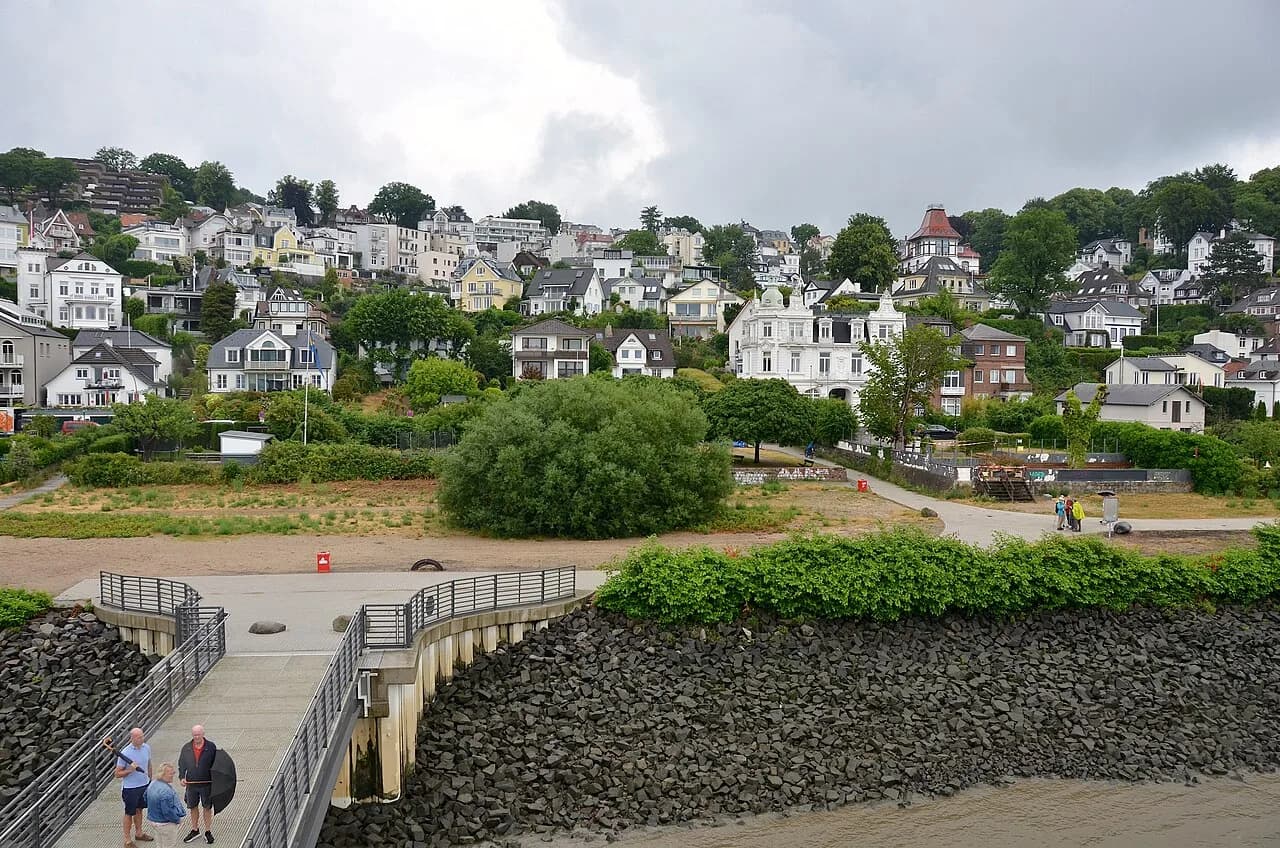
Locals call Blankenese the Staircase District, for the stepped lanes that climb its hillside above the Elbe. The S1 train reaches it directly, and it's about a 15-minute walk from the station down to the riverbank. The Blankenese guide maps the stairways and the best viewpoints in full. The riverside path continues toward Övelgönne's beach huts, a quieter stretch of the Elbe than the city-center waterfront. Jenisch Park and the Teufelsbrücke ferry stop sit along the same route, so a car isn't necessary for the trip out. Housing here leans toward houses rather than rented flats, and prices run high, so it suits a day trip or a longer-term move more than a short hotel stay. South of the Elbe, Wilhelmsburg is an industrial-turned-artsy district, multicultural and still evolving after redevelopment. It rarely appears in first-time visitor itineraries, which is exactly why the guide's lesser-known Hamburg corners coverage spends real time here. Rents run lower than almost anywhere else described in this guide, though the trade-off is a longer commute into the center. Treat it as a district for renters and day-trippers rather than a first hotel base.
Blankenese's quietness and character come with a steep price premium: housing costs far exceed outer neighborhoods like Eimsbüttel, where two-room flats range from €500 to €1,500, making a day trip the better value.
Renting in Hamburg: Warm Rent, Cold Rent, and Where Expats Settle
Warm rent (Warmmiete) includes heating and building costs; cold rent (Kaltmiete) does not, and every listing should specify which figure it's quoting. Reported figures from local renters put two-room flats in Altona around €800 a month, Eilbek flats near 60 square meters under €1,000 warm, and Eimsbüttel two-room flats anywhere from €500 to €1,500 depending on condition. Treat all of these as directional, not current-year quotes, and check Hamburg's own 2026 rent index (Mietspiegel) before signing anything. International schools, English-speaking clinics, and expat-oriented services cluster most heavily in Eppendorf, Winterhude, and Ottensen, the same districts favored by long-term international renters throughout this guide. Grocery access rarely decides a lease on its own, but the cluster's Hamburg food guide is worth reading before ruling out a quieter district for lack of restaurants nearby.
Getting Around: HVV Trains, Buses, and Ferries
Hamburg's HVV network ties every neighborhood in this guide together, with U-Bahn, S-Bahn, buses, and harbor ferries running on one shared ticket system. Ferry line 62 is the most overlooked option: it's covered by standard HVV fares and connects the Landungsbrücken piers to Altona and Finkenwerder along the Elbe, doubling as a low-cost harbor tour. HVV also sells a group day ticket that only becomes valid after the morning rush, worth checking on the HVV website if you're traveling with others outside commuting hours. Commute times vary by line. Eilbek reaches the Hauptbahnhof in three U1 stops and Jungfernstieg in six. Eppendorf reaches the center in 10 to 15 minutes on the U1 or U3. Blankenese is roughly a 15-minute walk from its S1 stop down to the riverbank.
Mistakes to Avoid When Choosing a Hamburg Neighborhood
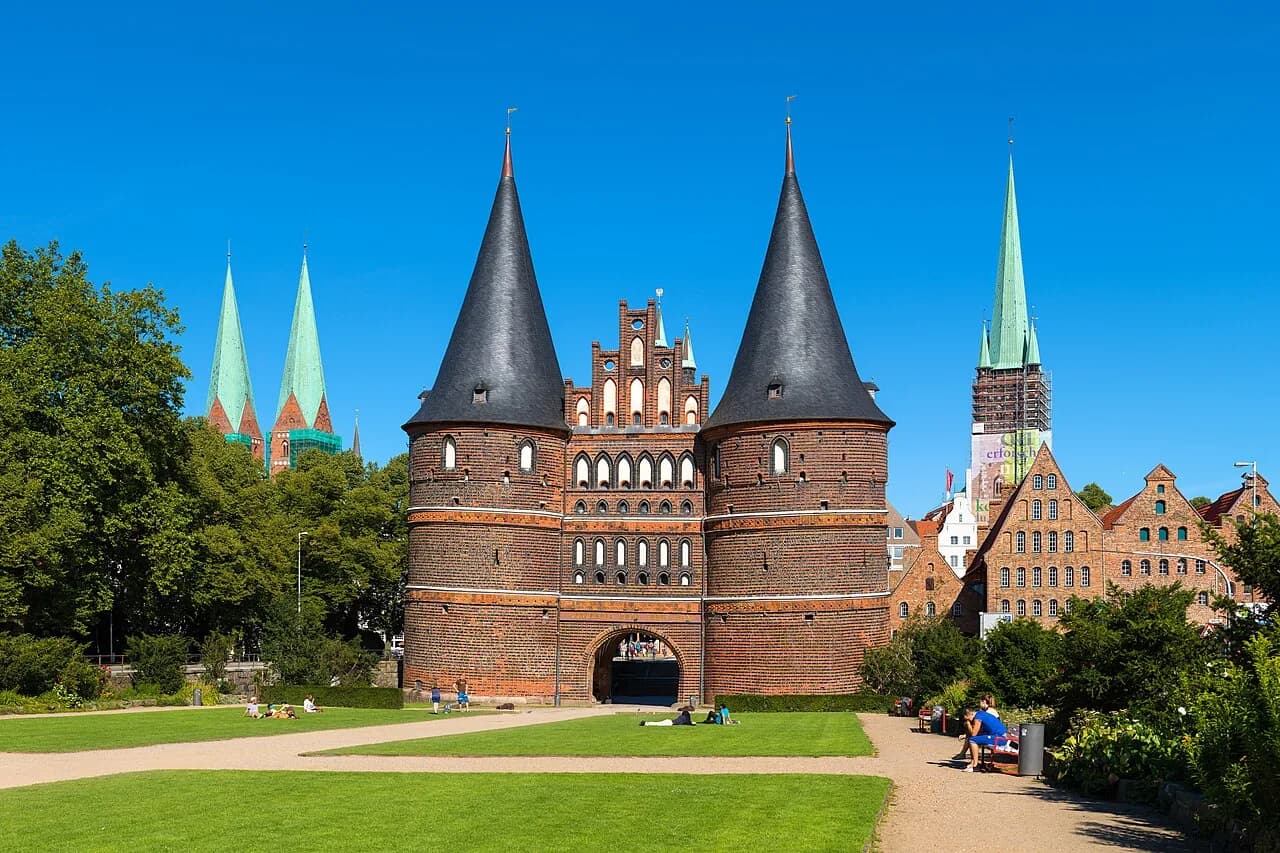
Staying more than three or four nights changes the math. It's worth adding a day for Lübeck or Lüneburg by regional train from the Hauptbahnhof, both covered in the guide's day trips beyond the city. Match the neighborhood to the trip length, not just the vibe, and the choice gets easier.
- Booking directly on the Reeperbahn for a central stay: noise from bars and foot traffic runs late on weekends, but one or two streets back the same neighborhood turns quiet.
- Underestimating the commute from south of the Elbe: Wilhelmsburg's lower rents come with a longer ride into the center, so weigh the trade-off before signing a lease.
- Forgetting Sunday closures: most shops and many restaurants close on Sundays across Hamburg, with the Altona Fischmarkt as one of the few reliable Sunday-morning exceptions.
- Treating famous neighborhoods as one uniform block: St. Pauli, St. Georg, and Altona each contain both a tourist-facing strip and a completely different resident side street a block away.
Frequently Asked Questions
Which Hamburg neighborhood is best for a first visit?
Altstadt and Neustadt put you within walking distance of the Rathaus, the Binnenalster, and most major shopping streets. St. Pauli and Sternschanze are close runners-up if nightlife matters more than being steps from the sights.
Where should renters look for the best value outside downtown?
Eimsbüttel and parts of Hamburg-Nord like Eppendorf report a wide range of rents depending on the exact street, and Wilhelmsburg south of the Elbe tends to run cheaper still. Always check the current Mietspiegel rent index rather than relying on older listing prices.
Is St. Pauli safe to stay in?
St. Pauli is not dangerous in the way its reputation suggests, but the Reeperbahn itself gets loud and crowded on weekend nights. Streets a block or two off the main strip are calmer and function as ordinary residential blocks.
How do you get between Hamburg's neighborhoods without a car?
The HVV network covers the whole city with U-Bahn, S-Bahn, buses, and ferries on shared tickets. Ferry line 62 is a low-cost way to reach Altona and Finkenwerder while doubling as a harbor tour.
Which neighborhood suits families and long-term expats best?
Eimsbüttel, Ottensen, and Eppendorf come up most often for families, thanks to playgrounds, international schools, and English-speaking services. Eppendorf costs more, so budget-conscious families often start their search in Eimsbüttel instead.
What's the difference between Sternschanze and St. Pauli?
Sternschanze leans toward independent shops, cafés, and a younger residential crowd, with nightlife that winds down earlier than its neighbor. St. Pauli centers on the Reeperbahn and stays loud later, especially on weekends, though both districts sit close enough to walk between them.
Continue exploring
More guides you'll find useful