Secret Spots in Hamburg: Quiet Courtyards, Markets & Water Views
Secret spots in Hamburg beyond the crowds: quiet courtyards, the Isemarkt, Park Fiction, and free harbor views, with 2026 hours and transit tips.
On this page
Secret Spots in Hamburg: Quiet Courtyards, Local Markets, and Water-Level Views
Last updated August 2026, this guide to secret spots in Hamburg skips the Elbphilharmonie queue and the Reeperbahn strip entirely. It maps the courtyards, markets, and waterline walks where Hamburg residents actually spend a Tuesday afternoon. Expect exact opening hours, transit stops, and honest trade-offs, including a 30-minute train ride required to reach the quietest stairs in the city.
Where Real Secret Spots in Hamburg Hide: Neighborhoods Over Landmarks
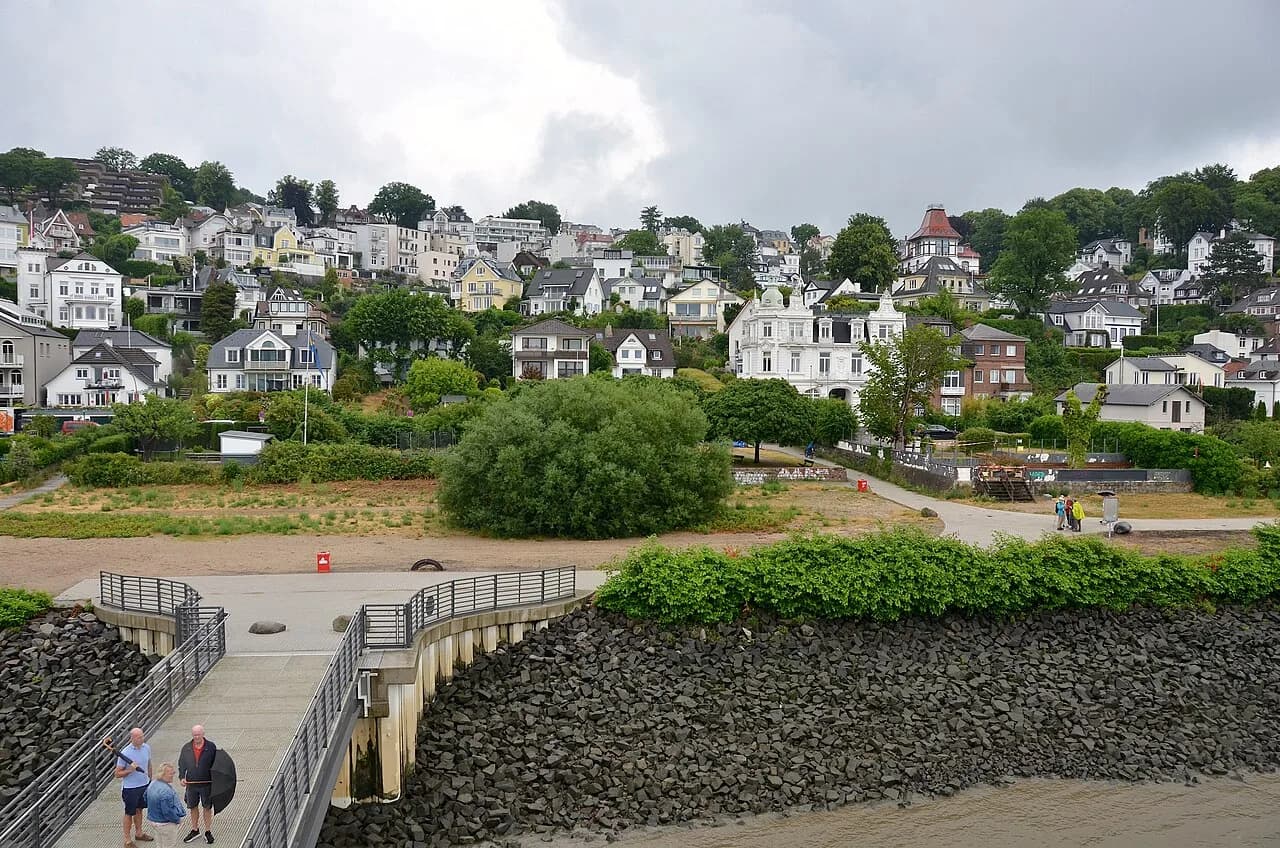
A spot earns secret status in Hamburg for one of a few reasons. Four neighborhoods meet that bar without needing a full day each. Spend one day in the city and pick a single neighborhood to explore in depth. Spend three days and string two or three neighborhoods together along the Elbe or the Alster canals. Two of these four reward an especially close look. Ottensen's Saturday market draws a mix of neighbors rather than tour buses, and its side streets hold small workshops that rarely make a landmark map. A short walk from the market center reaches Elbstrand directly, with no transit ticket required. Ottensen's back-alley studios and cafés get fuller coverage in a dedicated neighborhood guide. Eimsbüttel stays residential and green, built around the Isebekkanal and the shops lining Osterstraße. Ottensen and Eimsbüttel's fuller neighborhood profiles sit inside the citywide neighborhood breakdown. Wilhelmsburg, an Elbe island reshaped from docklands into studios and gardens, centers on the Energiebunker, a converted wartime power plant. Its distance from the tourist core is itself what keeps it quiet. Reaching Blankenese's Treppenviertel takes a 30-minute train ride, and the stair-lined streets that follow add up to well over 5,000 steps. Near Blankenese, Falkensteiner Ufer offers a quieter beach than the more central Elbstrand, with the same Elbe shipping-lane view. Blankenese's stair streets and river viewpoints get a full walking route in a separate guide. Some visitors treat the half-day trip out to Blankenese the way they would treat one of the shorter day trips beyond the city center.
| Neighborhood | Best For | Time Needed |
|---|---|---|
| Ottensen | Saturday market, back-alley architecture | 2 to 3 hours |
| Eimsbüttel | Isebekkanal walk, Osterstraße cafés | 2 to 3 hours |
| Blankenese (Treppenviertel) | Elbe views, stair-street walking | Half a day |
| Wilhelmsburg | Energiebunker, industrial-turned-artistic island | Half a day |
- Sits outside the central Mitte tourist core
- Keeps hours too narrow for a cruise-ship day-trip
- Gets walked past by tour groups without a second look
Krameramtswohnungen, Park Fiction, and the Isemarkt: Hamburg's Quietest Corners
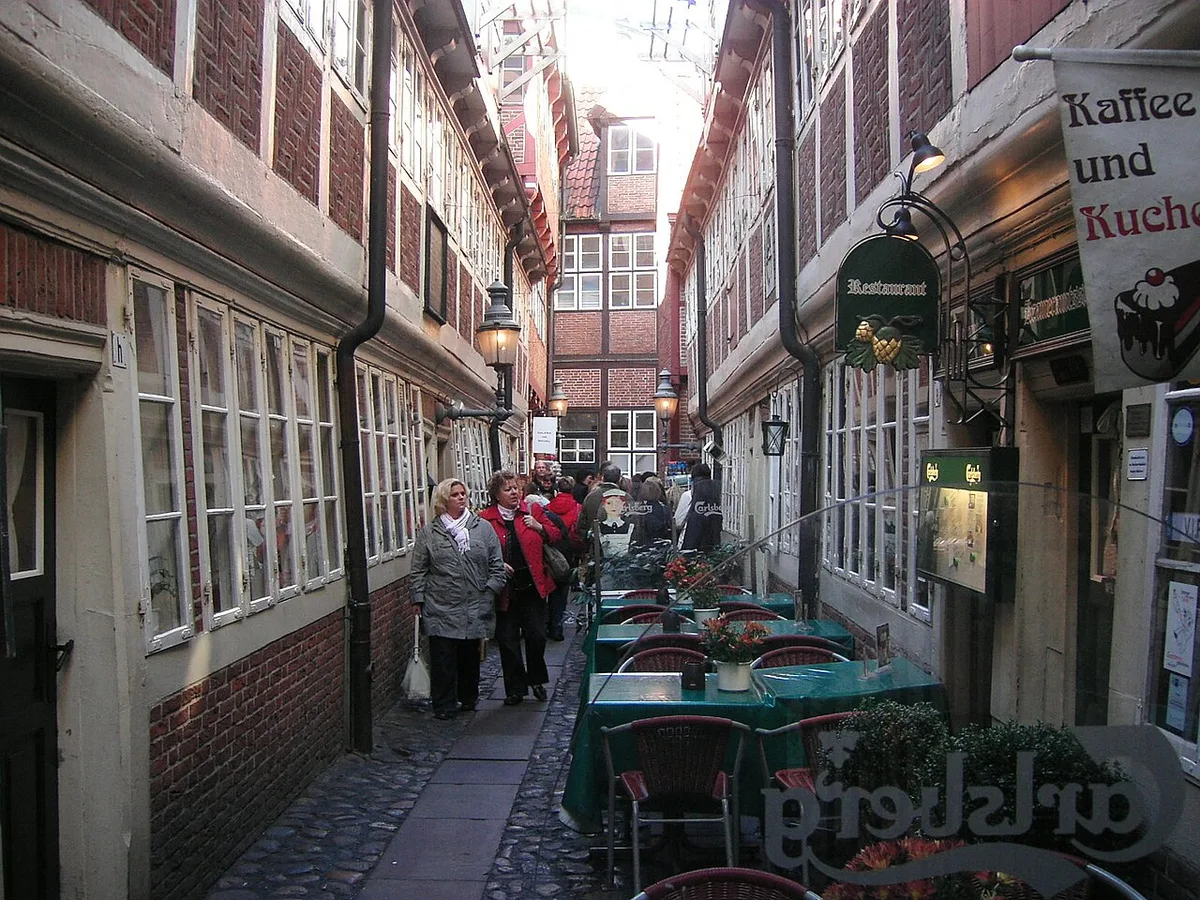
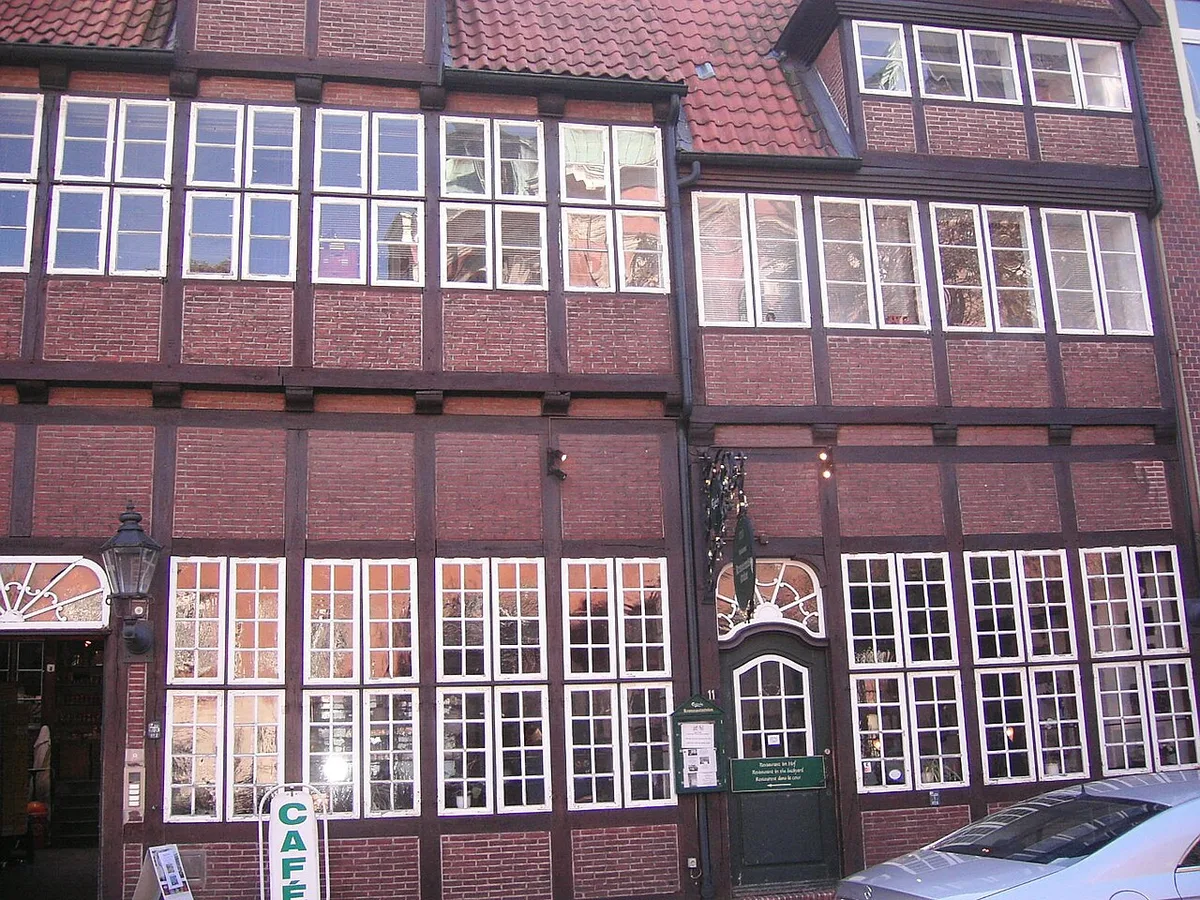
Three spots hold up as genuinely quiet, even as Hamburg's summer visitor numbers climb, and none of them require a ticket. Behind St. Michaelis church, a courtyard called Krameramtswohnungen holds a row of half-timbered cottages built in the 1620s to house merchants' widows. Tour groups head straight for the church tower and rarely detour into the courtyard, leaving it hushed even at midday. In St. Pauli, Park Fiction is a green space designed by residents rather than a city planning office, and its lawn faces the harbor and the Elbe. Locals use it for reading and quiet afternoons, not sightseeing. Every Tuesday and Friday from 8:30 a.m. to 2:00 p.m., a market runs beneath an old iron railway bridge in Eppendorf, between the U3 stops Hohe Luftbrücke and Eppendorfer Baum. Food stalls at the market run from Asian dumplings to fresh pasta and Middle Eastern stands, alongside the produce and flower sellers. The crowd skews local, people on a lunch break rather than a sightseeing loop.
- Krameramtswohnungen: free courtyard behind St. Michaelis, cottages built in the 1620s
- Park Fiction: free community-designed park in St. Pauli, facing the Elbe
- Isemarkt: Tuesdays and Fridays, 8:30 a.m. to 2:00 p.m., in Eppendorf
Quirky and Historical Spots Beyond the Guidebooks
Hamburg's odder corners reward a detour from the standard route, and three barely overlap with typical top-10 lists. The Tropfsteinmaschine is a slow-motion art installation that started in 1996 and is scheduled to keep running until 2496, dripping mineral-rich water to build stalactite-like deposits over centuries. Check current access before visiting, since long-running public artworks occasionally move or close to visitors. Officially known as Flak Tower IV, a WWII bunker in St. Pauli was built using forced labor and now holds a museum and a rooftop garden with self-managed planting beds and skyline views. It fits the pattern covered in a guide to bunkers turned into public gardens. Confirming current booking rules for rooftop access is worth doing before a visit. The Memorial to the Children of Bullenhuser Damm sits in a residential area away from the center. It preserves the memory of twenty children murdered there during the Second World War. It draws few visitors, and those who come tend to stay quiet and brief.
Free Harbor Views and Water-Level Secrets
Hamburg's harbor rewards visitors who use it like commuters do, and several of the best water-level views cost nothing beyond a transit ticket already in your pocket. Line 62 of the HVV ferry network is a working commuter route, not a tour boat. A standard transit ticket covers it exactly like a bus or train ride. Board at Landungsbrücken and ride toward Övelgönne or Elbstrand, passing container ships being loaded along the way. Late afternoon brings lighter crowds and better light on the water. That overlap between transit and sightseeing is exactly why it shows up in the guide to cost-free things to do around the harbor. The Alter Elbtunnel has connected the two shores of the Elbe on foot since 1911, and entry has run free of charge. Published hours list Monday to Friday from 5:30 a.m. to 8:00 p.m., and weekends from 10:00 a.m. to 6:00 p.m. Landungsbrücken's U-Bahn and S-Bahn station marks the entrance. Walk to the far end for Aussichtspunkt Steinwerder, a viewpoint over Hamburg's waterfront that works well at sunset. From Landungsbrücken, it is also a short walk toward Speicherstadt's brick warehouse blocks, a useful orientation point before or after the tunnel. On the Alster canals, renting a kayak or paddleboard opens a different kind of secret spot. Self-service rental machines, called Kayakomats, let you unlock a kayak without a staffed counter nearby. Café Canale serves coffee and cake through a window that faces the water, ordered without leaving the boat. Nearby, Monkey Beach is a waterside bar with lounge chairs, popular at sunset. Övelgönne's riverside path and the neighboring Elbstrand function as Hamburg's closest thing to a city beach, and the best seat is simply a spot on the sand facing the shipping lane. Weekday mornings stay quiet, while sunny Saturday afternoons draw a real crowd.
Local Food and Markets Where German Outnumbers English
Isemarkt is the best-known local market, but it runs only two mornings a week, so it will not save a Sunday itinerary. In Winterhude, the Goldbekufer market runs Tuesday, Thursday, and Saturday mornings directly along the water, drawing a smaller, more residential crowd than Isemarkt does. For Franzbrötchen, Hamburg's butter-and-cinnamon pastry, market bakery stalls tend to outdo the chain bakeries inside the main train station. A guide to where locals actually eat covers more of these bakery picks. For a sit-down meal, look past the Reeperbahn's tourist-facing strip, since locals rarely eat there. A guide to restaurants away from the Reeperbahn strip lists the alternatives. Sternschanze carries Hamburg's alternative food and bar scene, and it sits close enough to Eimsbüttel to combine both neighborhoods in one outing.
Isemarkt runs Every Tuesday and Friday from 8:30 a.m. to 2:00 p.m., and Goldbekufer market closes on Sundays too. Food-focused itineraries require weekday mornings, since both popular local markets limit weekend shopping.
Practical Logistics for Secret-Spot Hunting
HVV's app covers trains, buses, and the ferry network on a single ticket, which is what makes the Ferry 62 route work as a free harbor view instead of a paid cruise. StadtRAD, Hamburg's public bike-share system, has offered the first 30 minutes free per ride. Confirm current terms before relying on it for a full day, since bike-share free tiers change without much notice. Alster-side spots get busiest right after the workday ends, during what Hamburg calls Feierabend, while Elbe-side spots stay calmer into the early evening. A guide to the quietest season to visit Hamburg breaks down which months avoid both kinds of rush. Most of the spots below cost nothing beyond a transit ticket. Check the relevant tour operator's current listing before paying for any add-on version. On a rainy day, the Alter Elbtunnel stays fully covered end to end, and the Isemarkt runs partly under its iron bridge. Outdoor spots like Övelgönne and Park Fiction are worth saving for a clear afternoon instead.
- Free: Alter Elbtunnel, Park Fiction, Krameramtswohnungen courtyard, Övelgönne
- Paid add-on: guided harbor cruise instead of the Ferry 62 route
- Paid add-on: guided Green Bunker tour instead of a self-guided visit
Mistakes to Avoid When Chasing Hamburg's Hidden Corners
A few planning mistakes come up again and again. Pairing Blankenese and Wilhelmsburg in a single day rarely works, since the two sit at opposite ends of the city and most of the day disappears into transit. Expecting markets to run on Sunday causes the same problem. Isemarkt runs Tuesday and Friday only, and Goldbekufer skips Sunday too. Hamburg's weather also shifts fast, and locals call a sudden rough stretch Schietwetter. Keep the Alter Elbtunnel and the Green Bunker's museum interior in reserve for when the forecast turns. For a wider survey beyond this list, see the guide to more off-path routes across the city. A citywide guide to quiet courtyards and local markets across Hamburg ties every neighborhood spoke together for a longer trip.
A 30-minute train ride plus well over 5,000 steps makes Blankenese a half-day journey on its own. Pairing it with Wilhelmsburg wastes transit time, since both neighborhoods sit at opposite ends of the city.
- Pairing Blankenese with Wilhelmsburg in one day
- Expecting markets or small shops to open on Sunday
- Skipping a backup plan for Schietwetter, Hamburg's sudden rough weather
A Saturday Crowd Meter for Hamburg’s Hidden Corners
Use this guide as a rough crowd meter for a dry Saturday afternoon. A rating of 1 means you can usually linger quietly. A rating of 5 means arriving early makes a noticeable difference. Rain, school holidays, and waterfront sunshine can change the picture quickly.
- Krameramtswohnungen — 1/5: The courtyard remains calmer than nearby St. Michaelis. Visit before noon for its quietest stretch.
- Isebekkanal and Eimsbüttel — 2/5: The canal path disperses people well. Osterstraße becomes busier around lunchtime.
- Ottensen and its Saturday market — 4/5: This is local rather than touristy, but the market is genuinely busy. Go near opening time or continue on foot toward Elbstrand.
- Treppenviertel, Blankenese — 3/5: The stairs spread visitors across many lanes. The riverside paths and ferry stops are the pinch points.
- Övelgönne and Elbstrand — 5/5 in sunshine: Choose a weekday morning if quiet matters. On Saturday, continue west toward Falkensteiner Ufer for more space.
Park Fiction is usually a 3/5, with its busiest period around late afternoon. Wilhelmsburg also stays relatively calm, though Green Bunker access can concentrate visitors at set times.
Frequently Asked Questions
What makes a spot in Hamburg count as secret?
A place qualifies when it sits outside the central Mitte core, keeps hours too narrow for a typical day-trip schedule, or gets skipped by tour groups moving between major landmarks. Krameramtswohnungen and Park Fiction both fit this pattern, since neither charges admission or appears on a standard sightseeing route.
Is the Alter Elbtunnel free to enter?
Entry has run free of charge. Published hours list Monday to Friday from 5:30 a.m. to 8:00 p.m., and weekends from 10:00 a.m. to 6:00 p.m. Landungsbrücken's U-Bahn and S-Bahn station marks the entrance, so reconfirming hours before a holiday visit is worth the two minutes it takes.
Do you need a separate ticket for the Ferry 62 harbor route?
No separate fare applies. A standard HVV transit ticket covers Ferry 62 between Landungsbrücken and Övelgönne or Elbstrand the same way it covers a bus or train ride.
When does the Isemarkt run, and is it open on Sunday?
Isemarkt runs Tuesdays and Fridays from 8:30 a.m. to 2:00 p.m. in Eppendorf, between the U3 stops Hohe Luftbrücke and Eppendorfer Baum. It stays closed on Sunday, along with most small markets and shops across the city.
How much time should I plan for Blankenese's Treppenviertel?
Budget at least half a day once the 30-minute train ride each way is factored in. The stair-lined streets add up to well over 5,000 steps, so comfortable shoes matter more than a strict schedule.
Continue exploring
More guides you'll find useful