Off the Beaten Path in Hamburg: A Neighborhood and Ferry Guide
Skip the Landungsbrücken crowds. This guide to off the beaten path in Hamburg covers alternative neighborhoods, the free Alter Elbtunnel, ferry line 62, and quiet Elbe beaches, with 2026 hours and prices.
On this page
Off the Beaten Path in Hamburg
Last updated August 2026, this guide shows how to go off the beaten path in Hamburg without losing a day to logistics. Use the free Alter Elbtunnel, a standard HVV ferry ticket, and StadtRAD bikes to reach quieter neighborhoods and Elbe beaches. Every route below names the exact street, exit, or ferry line you need, plus 2026 hours.
Off the Beaten Path in Hamburg: The Trade-Off Matrix
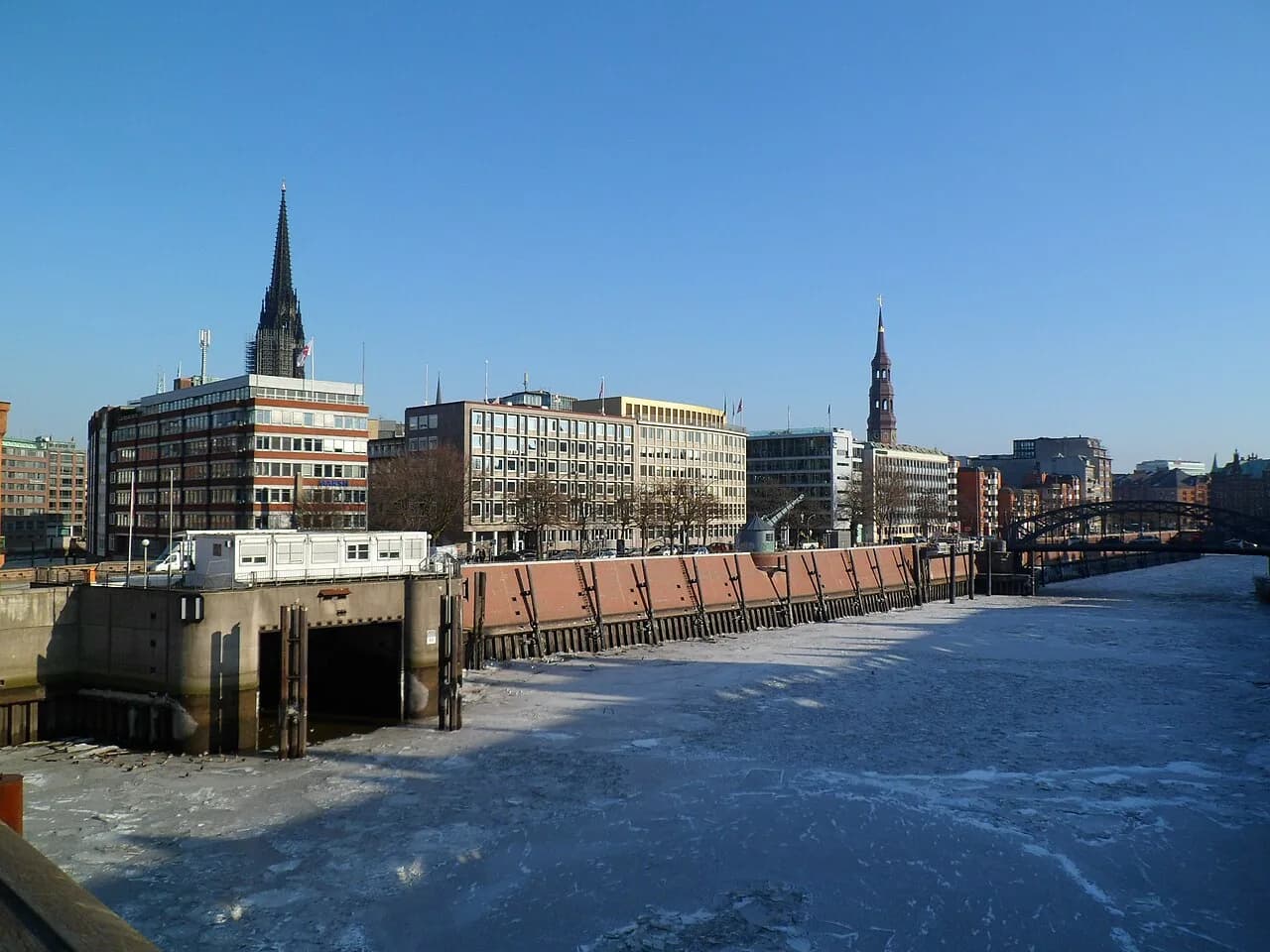
Hamburg's postcard sights cluster along the harbor: the Elbphilharmonie, Speicherstadt, and the Reeperbahn all sit within a short walk of Landungsbrücken. Rivers define the split beyond that cluster: the Alster's canals thread the neighborhoods north of the center, while the Elbe marks the industrial south and the working harbor. The neighborhoods and routes below sit along one river or the other, and each trades some travel time for fewer crowds. Use the table to match a distance and vibe to the time you actually have. Crowd Level reflects an editorial assessment of foot traffic relative to Hamburg's main sights, not a measured statistic. For a fuller sense of what counts as off the main circuit, see Hamburg's overlooked neighborhoods.
| Neighborhood | Distance from the Rathaus | Vibe | Crowd Level* |
|---|---|---|---|
| Ottensen | Close-in, west side | Multicultural, market-driven | Low-Medium |
| Eimsbüttel | Close-in, north side | Residential, café-focused | Low |
| Winterhude | Close-in, canal-side | Waterside, SUP culture | Low-Medium |
| Wilhelmsburg | Cross-harbor, industrial island | Industrial, art-driven | Low |
| Blankenese | Further out, riverside | Villa-lined stairs, Elbe views | Medium |
| Entenwerder (Rothenburgsort) | Cross-harbor, close-in | Floating café, quiet park | Low |
The Alter Elbtunnel to Steinwerder Loop
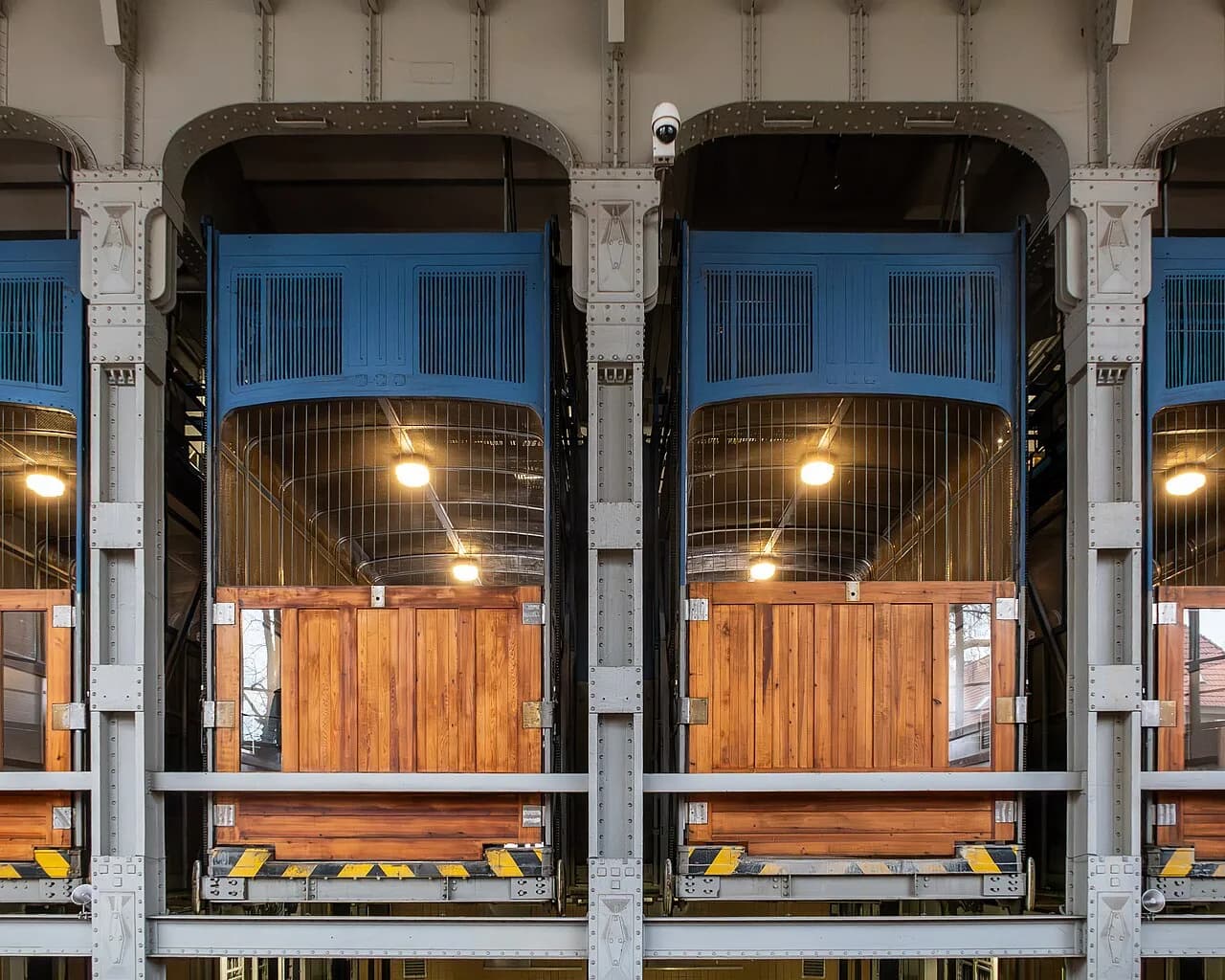
The Alter Elbtunnel opened in 1911 to connect the Landungsbrücken side of the harbor with the working docks at Steinwerder, and it has carried only pedestrians and cyclists since a newer vehicle tunnel took over car traffic in the 1970s. Entrance is free, and you'll find the tunnel entrance at the U-Bahn and S-Bahn stop Landungsbrücken. It opens Monday to Friday from 5:30 a.m. to 8:00 p.m., and Saturday and Sunday from 10:00 a.m. to 6:00 p.m., though construction can shift those hours, so check current signage before a late visit. The payoff sits on the far side: Aussichtspunkt Steinwerder looks back across the water at Hamburg's skyline with a fraction of the crowd at the Elbphilharmonie's plaza, and sunset is the best time to be there. Loop back to Landungsbrücken on a public ferry rather than retracing the tunnel, since the same HVV ticket that got you there covers the return. Full directions and construction updates are on the Alter Elbtunnel walkthrough.
- Entrance: free, at U/S-Bahn Landungsbrücken
- Hours: Mon-Fri 5:30 a.m.-8:00 p.m.; Sat-Sun 10:00 a.m.-6:00 p.m.
- Viewpoint: Aussichtspunkt Steinwerder, on the south side
- Return: public ferry back to Landungsbrücken on the same ticket
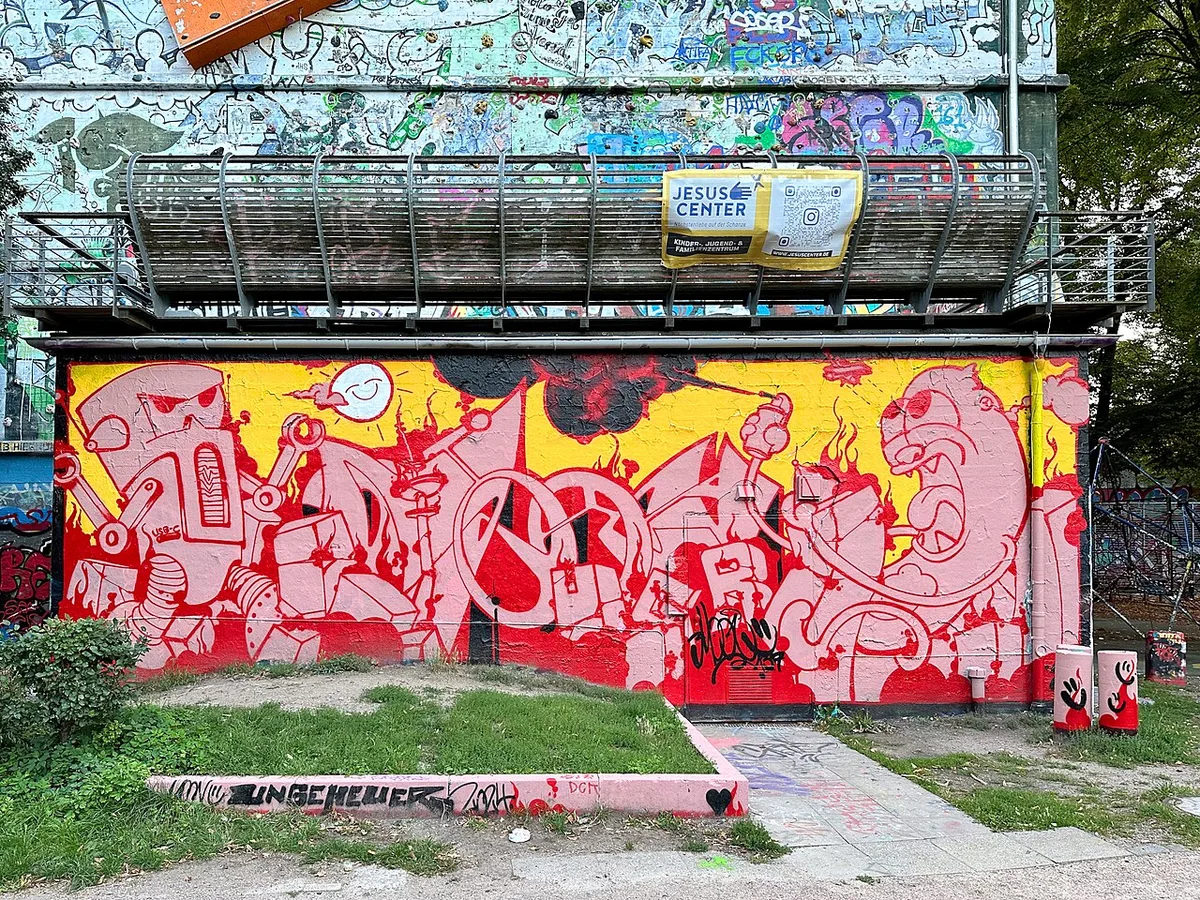
Ottensen: Laundrette, Backyard Chickens, and a Saturday Market
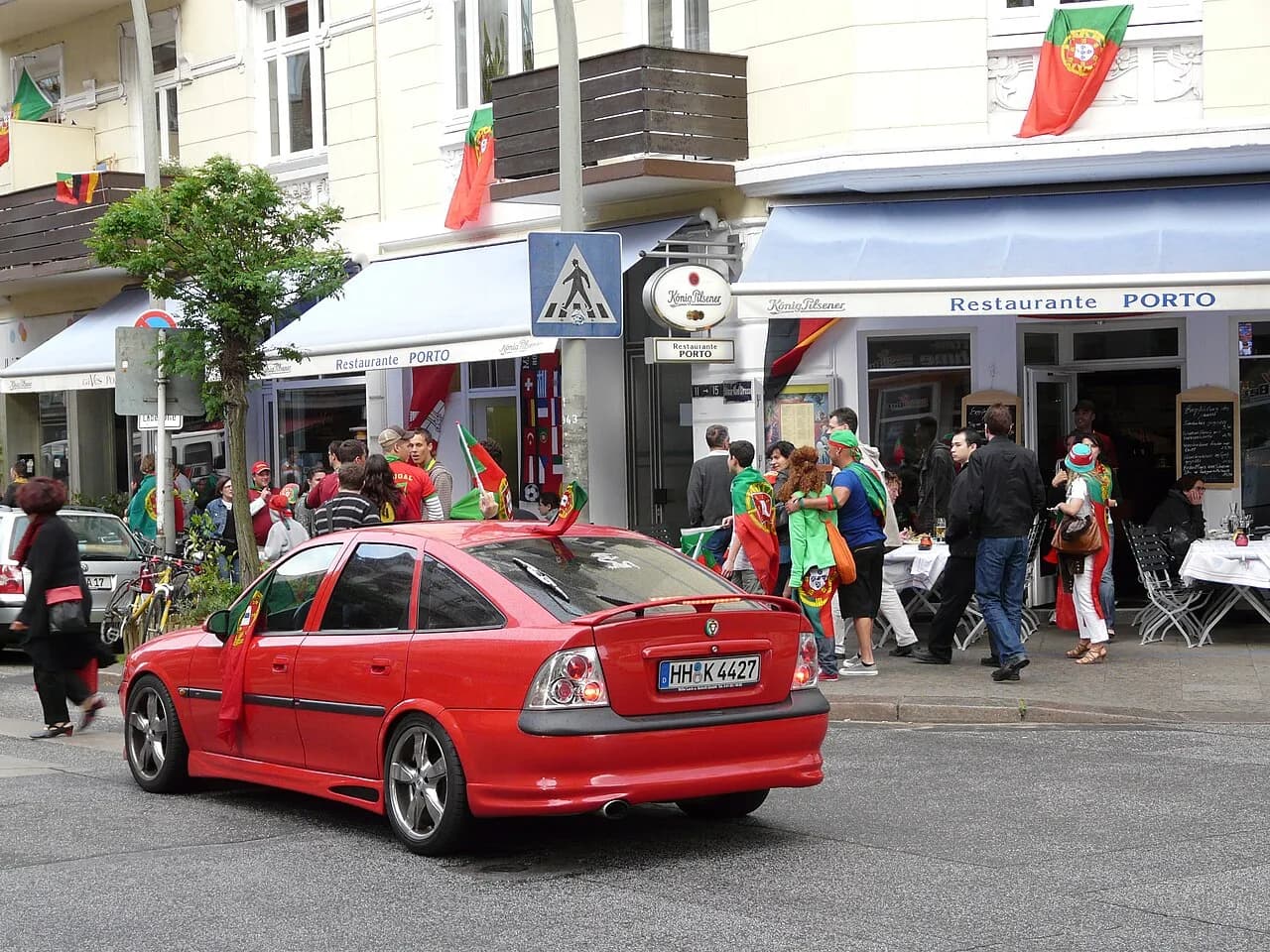
Ottensen sits west of Altona and swapped its shipyards and factories for bars, plant-based restaurants, and weekend stalls. Its anchor spot is Laundrette, at Ottenser Hauptstraße 56, where ten washing machines run during the day and the space converts into a bar by evening. The café sources green electricity and milk from regional farmers, and you can settle in with free wifi and an Espresso Al Banco. A few streets away, Hühnerhof MOTTE keeps chickens and bees inside the city at Eulenstraße 43. Fresh eggs and honey go to visitors for a small donation when the birds have laid enough, and you can also find MOTTE's honey at the nearby Eisliebe ice cream parlor and the Hier & Jetzt bookstore on Erzbergerstraße. The neighborhood's food scene draws on Hamburg's Turkish, Vietnamese, and Portuguese communities, so expect more variety on one block than the harbor-front chains offer. On Saturdays, a smaller market fills the neighborhood with regional produce and prepared food, drawing fewer visitors than the Sunday Fischmarkt near the harbor. The Ottensen neighborhood guide maps a full walking route through the district. For where to eat nearby, check the regional food guide.
- Laundrette café-bar — Ottenser Hauptstraße 56; ten washing machines by day, bar by evening
- Hühnerhof MOTTE — Eulenstraße 43; eggs and honey by donation when available
- Ottensen Saturday market — regional produce and prepared food
- Elbstrand and Övelgönne — the district's nearest river beaches
Eimsbüttel and the Isemarkt: Coffee Culture Without the Queue
Eimsbüttel trades Ottensen's bars for parks and a slower café circuit, centered on Osterstraße and its side streets. You can follow the Isebekkanal bike path from the canal straight to the Isemarkt, an outdoor market that runs underneath the elevated tracks between the U3 stops Hohe Luftbrücke and Eppendorfer Baum. It operates only on Tuesdays and Fridays, from 8:30 a.m. to 2:00 p.m., mixing flower and produce stalls with street food such as dumplings, fresh pasta, and Franzbrötchen. Arrive before noon if you want to eat lunch there, since stalls start closing before 2:00 p.m. The Eppendorf neighborhood guide covers more of the streets around the market.
Isemarkt runs 8:30 a.m. to 2:00 p.m. on Tuesdays and Fridays when the Alter Elbtunnel also opens (5:30 a.m. weekdays, 10:00 a.m. weekends), but weekend Tunnel access occurs after market stalls close. For both attractions in one trip, choose Tuesday or Friday daytime routing.
Winterhude: SUP Season on the Alster Canals
Winterhude follows the Alster canals north of the center, and its anchor spot is Café Canale, which serves coffee and cake through a window facing the water so paddlers can order without leaving a kayak or SUP board. The Goldbekufer market sets up beside the canal on Tuesday, Thursday, and Saturday mornings, and Monkey Beach adds lounge chairs and a bar right on the waterline for sunset. The full neighborhood breakdown covers how Winterhude connects to the rest of the Alster shoreline.
Wilhelmsburg: Hamburg's Industrial Island
Wilhelmsburg sits across the Elbe on Hamburg's largest river island and kept its industrial character after decades as a working port district. The Energy Bunker converted a wartime structure into a public viewpoint with panoramic views over the island, without the queues that build at the Elbphilharmonie's plaza. Check its current opening hours before visiting, since access can vary by season. Nearby, the Veringkanal has become an informal art strip, with studios and street-facing installations along the water. Reaching the island takes a deliberate detour rather than a stop along a typical harbor walk, which is exactly why it stays quiet. It ranks among the district's more unusual Hamburg experiences, since so few visitors make the crossing.
Blankenese: More Than 5,000 Stairs to the Elbe
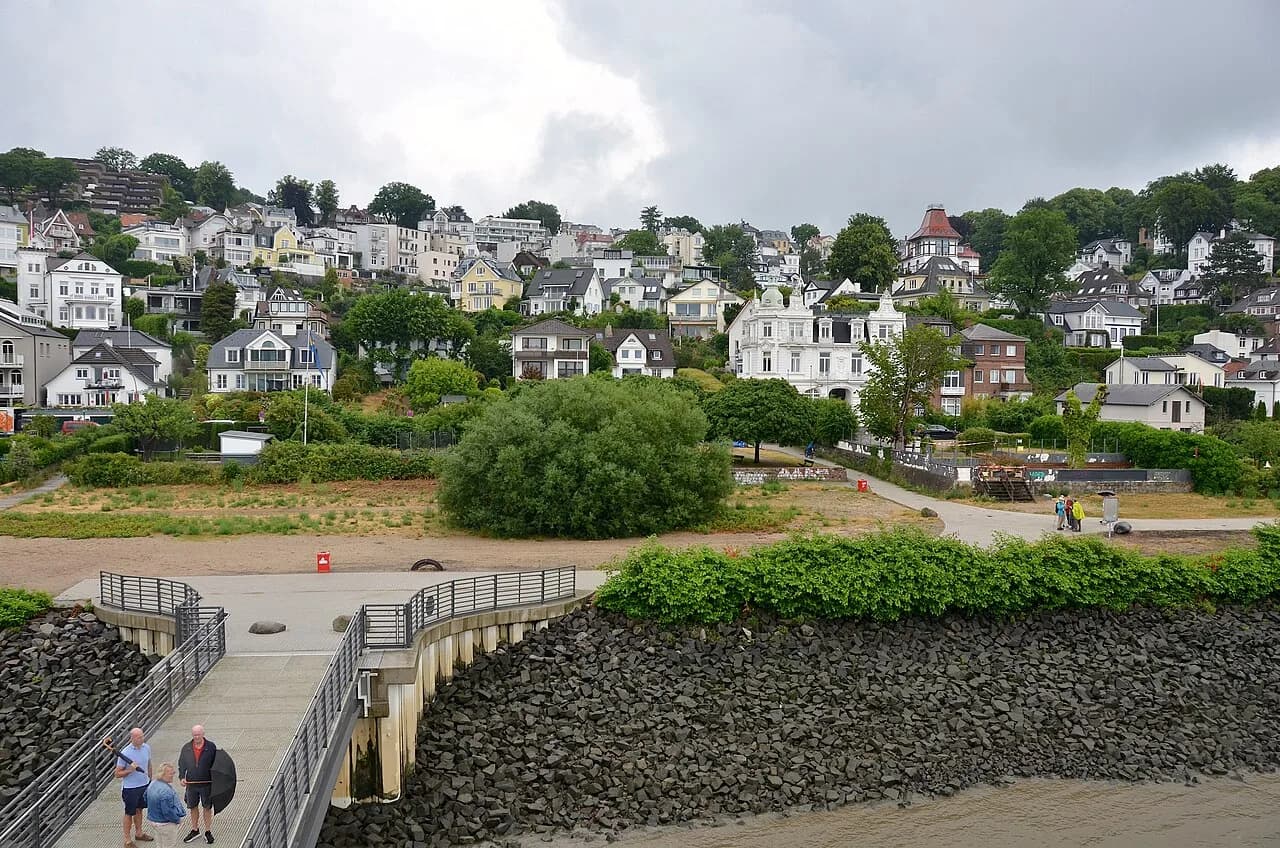
Blankenese, known locally as the Treppenviertel, layers more than 5,000 steps across a hillside of fishermen's cottages and villas above the Elbe. Falkensteiner Ufer is the neighborhood's beach, quieter than the more central Elbstrand, and the Strandweg footpath runs several miles along the riverfront, connecting back toward the city. Kaffeegarten Schuldt and MAATS Blankenese both have Elbe-facing terraces if you want to stop for coffee, cake, or a glass of wine partway through the stairs. The Blankenese stairs guide maps the steepest and gentlest routes through the district.
Unusual Attractions and Overlooked History
St. Pauli's Green Bunker turned a WWII flak tower into a memorial, exhibition space, and rooftop garden, with self-managed planting beds and a view over the city center. Gängeviertel, a cluster of historic buildings near Gänsemarkt at Valentinskamp 40, has run as an artist-managed cultural project since 2009, with courtyards open to exhibitions, concerts, and the street art that also anchors Hamburg's free walking tours. Two further stops reward a longer detour: the Tropfsteinmaschine, an evolving artwork begun in 1996 and scheduled to run until 2496, and the Memorial to the Children of Bullenhuser Damm, which documents twenty Jewish children murdered at the site. The St. Pauli neighborhood guide has more on the district around the bunker. For contrast, the Speicherstadt warehouse district sits a short walk away if you want to see both sides of Hamburg in one day. Gängeviertel and the Tropfsteinmaschine also turn up on the site's lesser-known Hamburg spots list.
Ferry 62: The Harbor Route on a Standard Transit Ticket
Ferry line 62 runs as part of Hamburg's public transit network, so a standard HVV zone AB ticket covers the ride the same way it covers a bus or U-Bahn trip. Board at Landungsbrücken and ride to Övelgönne or the Elbstrand, passing working piers and container ships loading along the harbor's working stretch. Sunset departures give the best light on the water, and the return trip works as a free alternative to the paid harbor cruises departing the same pier. Unlike the tourist Barkassen boats, which run narrated, paid circuits on a fixed schedule, ferry 62 stops only at its regular piers and carries commuters alongside visitors. Confirm the current zone and fare online before boarding, since HVV pricing is reviewed periodically. The route ends near the Övelgönne beach guide if you want to stay for the afternoon.
Local Food and Drink Off the Path
Entenwerder 1 floats on the water in Rothenburgsort, serving coffee and simple plates from a converted platform with harbor views away from the main dining strips. Oberhafen Kantine, in the industrial harbor district, has a visibly tilted floor and facade from decades of subsidence, and it still serves home-style German cooking to a mix of dockworkers and visitors. Isemarkt covers the street-food side of the list, with Asian dumplings, fresh pasta, and Middle Eastern stalls alongside the standard market fare on Tuesday and Friday mornings. The local restaurant picks page has more sit-down options beyond these three.
Getting Around: HVV App, StadtRAD Bikes, and a €48 Budget Day
The HVV app covers trains, buses, and ferries on one ticket, and it is generally simpler than booking a rideshare across the city, especially to cross-harbor spots like Wilhelmsburg or Övelgönne. HVV tickets are zone-based, and most of the routes in this guide, including ferry 62 and the ride to Wilhelmsburg, stay within zone AB, so a single ticket type covers the whole day. StadtRAD's red rental bikes dock at stations across the center, and the first 30 minutes of any ride are free, which covers most single hops between neighborhoods. You can piece together a full alternative-Hamburg day for close to €48.00, following roughly the same stops as a themed budget-day series published on Hamburg's official tourism site:
- Coffee and cake at Laundrette: about €5.00
- Eggs or honey at Hühnerhof MOTTE: small donation
- A walk through Gängeviertel: free
- The donation-based Alternative Street Art Tour: pay what feels right
- A guided St. Pauli walking tour: about €20.00
Mistakes to Avoid Off the Beaten Path in Hamburg
Blankenese sits far enough from the center that walking there from the Rathaus is not realistic. Use public transit or the ferry instead, and save the walking for the stairs once you arrive. Plan the Blankenese stairs for daylight hours too, since the steepest sections have uneven footing and limited lighting after dark. Many of the cafés, markets, and small shops on this list, including Hühnerhof MOTTE and Ottensen's Saturday market, are cash-only, which is common practice across Germany, so carry euros rather than relying on a card. Sternschanze draws heavy crowds on Friday and Saturday nights, so visit during the day or pick a different evening if crowds are the main concern. The Sternschanze nightlife guide has more on when that district is quietest. Pair this route with when to visit without crowds for the seasonal side of the same strategy. If a full day outside the city fits the itinerary, the day trips beyond the city guide picks up where this one leaves off.
Frequently Asked Questions
What is the best neighborhood off the beaten path in Hamburg for a first visit?
Ottensen is the easiest starting point, since it sits close to the center and combines a Saturday market, the Laundrette café-bar, and the Elbstrand within walking distance of each other. Eimsbüttel is a slower alternative if the priority is café culture over nightlife.
Is the Alter Elbtunnel free to walk through?
Yes, entrance to the Alter Elbtunnel is free for pedestrians and cyclists. It opens Monday to Friday from 5:30 a.m. to 8:00 p.m., and Saturday and Sunday from 10:00 a.m. to 6:00 p.m., though it is worth checking current hours if construction is underway.
Can a standard HVV ticket be used on ferry 62?
Yes, ferry line 62 runs as part of Hamburg's public transit network, so a normal HVV zone AB ticket covers the ride the same way it covers a bus or train. Confirm the current zone and fare online before boarding, since HVV pricing is reviewed periodically.
Are the cafés and shops on an alternative Hamburg route cash-only?
Many of them are. Small operations like Hühnerhof MOTTE and neighborhood Saturday markets commonly accept cash only, which is standard practice across Germany, so carry euros rather than relying on a card.
How many days does it take to see Hamburg off the beaten path?
Two full days cover the neighborhood anchors, the Alter Elbtunnel loop, and one ferry route without rushing. A third day allows time for Wilhelmsburg's Energy Bunker and a longer stretch of the Strandweg toward Blankenese.
What is the closest quiet beach to central Hamburg?
Övelgönne and the Elbstrand near Ottensen sit closest to the center, reachable by ferry or a short ride. Falkensteiner Ufer in Blankenese is calmer still, though it takes longer to reach by train.
Continue exploring
More guides you'll find useful