Best Time to Visit Hamburg Without Crowds (Season-by-Season Guide)
Best time to visit Hamburg without crowds: late spring or early autumn, when weather stays mild, festival dates ease off, and quiet neighborhoods open up.
On this page
Best Time to Visit Hamburg Without Crowds
Last updated August 2026. The best time to visit Hamburg without crowds is late April through early June, or mid-September through October. Both windows pair mild weather with noticeably thinner crowds at the Landungsbrücken and Speicherstadt. Peak summer brings the warmest days but also the highest hotel demand, so shoulder-season timing is the trade-off worth planning around.
Quick Answer: The Best Time to Visit Hamburg Without Crowds
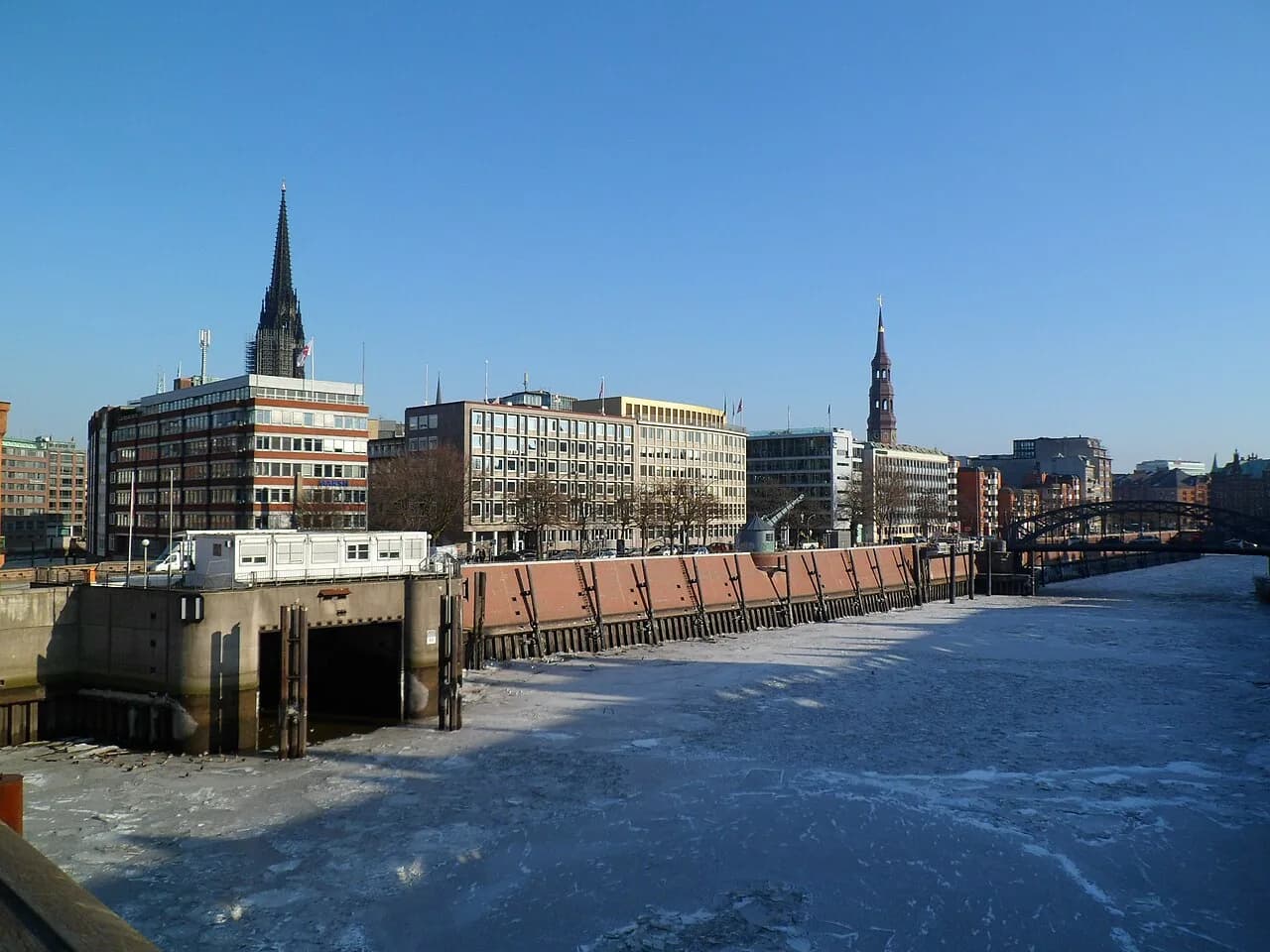
Late April through early June and mid-September through October give Hamburg its quietest, most comfortable weeks. Daytime temperatures during these stretches typically run 12-19°C (54-66°F), cool enough to walk for hours but warm enough to skip a heavy coat. Landmarks like Speicherstadt and the Alster lake see far less foot traffic than in July. Hotel rooms are also easier to book without weeks of lead time. Day trips pair naturally with this timing, and the day-trip routes from Hamburg guide covers options that stay just as quiet.
Hamburg Weather and Crowds by Season
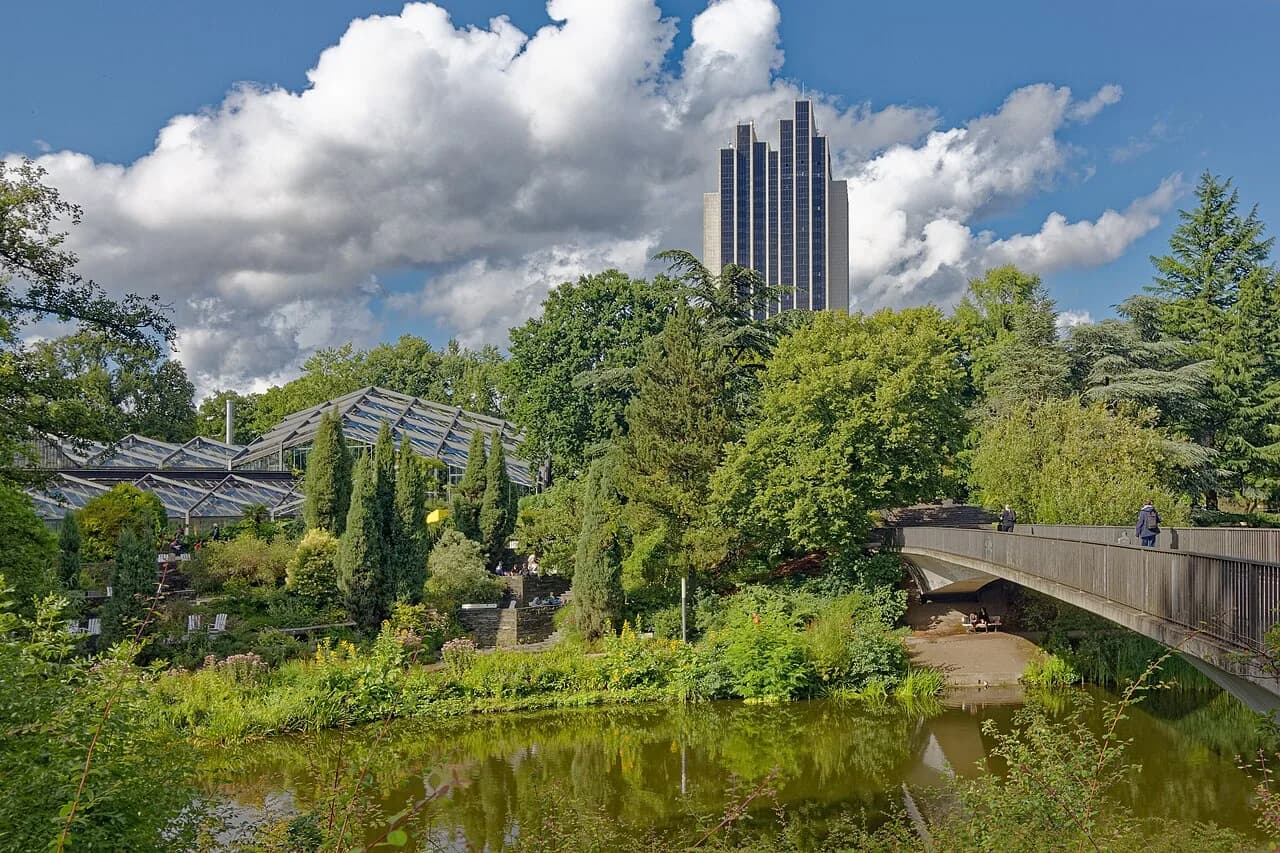
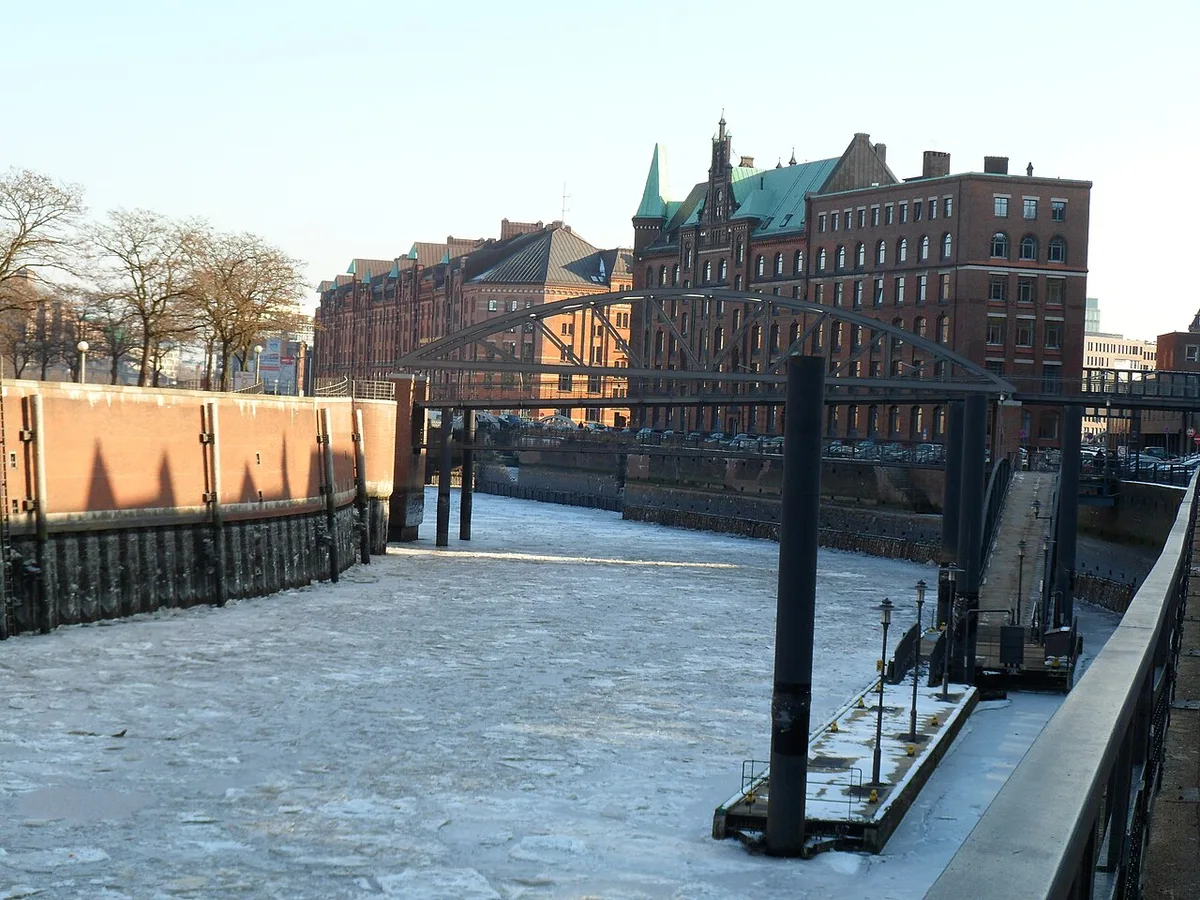
Each season in Hamburg trades weather for crowd levels in a different way. Late spring and early autumn count as Hamburg's shoulder season, the stretch between winter's cold and summer's peak crowds. Spring (March-May) warms gradually, with parks like Planten un Blomen filling in before the summer rush arrives. Summer (June-August) holds the warmest, driest weeks but also draws the heaviest crowds to the harbor and the Speicherstadt warehouse district. Autumn (September-November) cools steadily and empties out faster than spring does, especially after September's event calendar wraps up. Winter (December-February) stays coldest and darkest, but indoor sights and Christmas markets keep a different kind of visitor busy. A quick table below lines up weather, crowd level, and who each season suits.
Winter temperatures of 0-5°C deter many travelers, but the season delivers the year's lowest crowds and Christmas markets offer concentrated cultural evenings if the cold doesn't deter you.
| Season | Typical Temps | Crowd Level | Best For |
|---|---|---|---|
| Spring (Mar-May) | 8-18°C (46-64°F) | Low to moderate, rising toward May | Mild weather without peak-season crowds |
| Summer (Jun-Aug) | 17-23°C (63-73°F) | High, especially around festival dates | Warmest days and longest daylight hours |
| Autumn (Sep-Nov) | 9-16°C (48-61°F) | Low to moderate, thinning after September | Quiet sightseeing and a slower pace |
| Winter (Dec-Feb) | 0-5°C (32-41°F) | Low, with spikes at Christmas markets | Indoor sights and holiday atmosphere |
Events That Spike Hamburg's Crowds
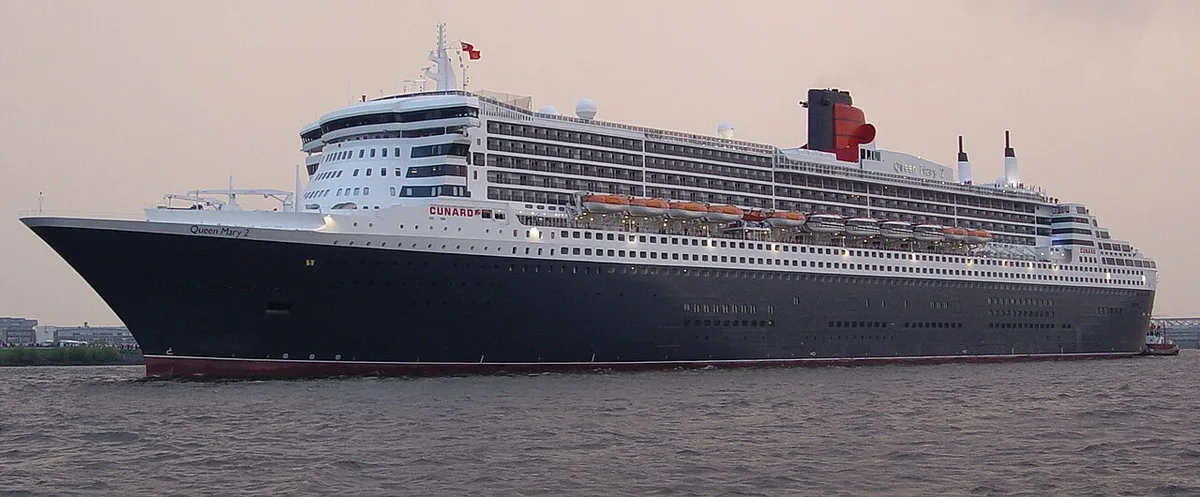
A handful of recurring events push visitor numbers well above the seasonal baseline. Timing around them matters more than picking a season alone. Hafengeburtstag, also called the Harbour Birthday, lands in early May and fills the Landungsbrücken with tall ships and dockside crowds. It ranks among the busiest weekends of the year. Expect packed waterfront paths and higher hotel rates if a trip overlaps it. Reeperbahn Festival takes over the St. Pauli district each September, with crowds concentrated on a few streets rather than spread citywide. Hamburger Dom fair runs multiple times a year at its usual fairground site. Check the current calendar before booking, since dates shift by season. Christmas markets draw steady evening crowds through December, concentrated around the main squares rather than spread across the city. The seasonal food guide covers what's worth trying at the stalls.
- Hafengeburtstag (Harbour Birthday): early May, centered on the Landungsbrücken
- Reeperbahn Festival: September, concentrated in St. Pauli
- Hamburger Dom: recurring fairground event, check current dates before booking
- Christmas markets: December, busiest in the evenings around the main squares
Where to Go in Hamburg for Fewer Crowds
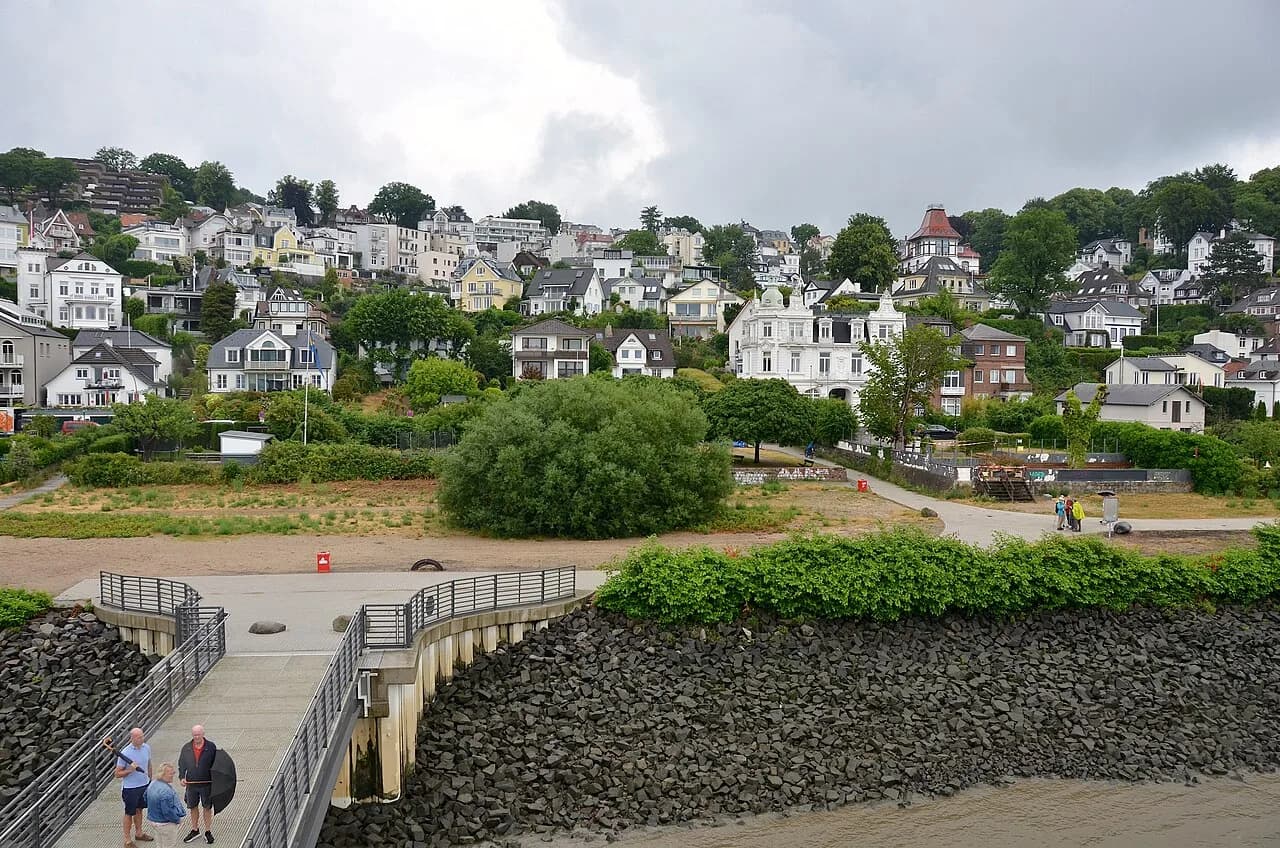
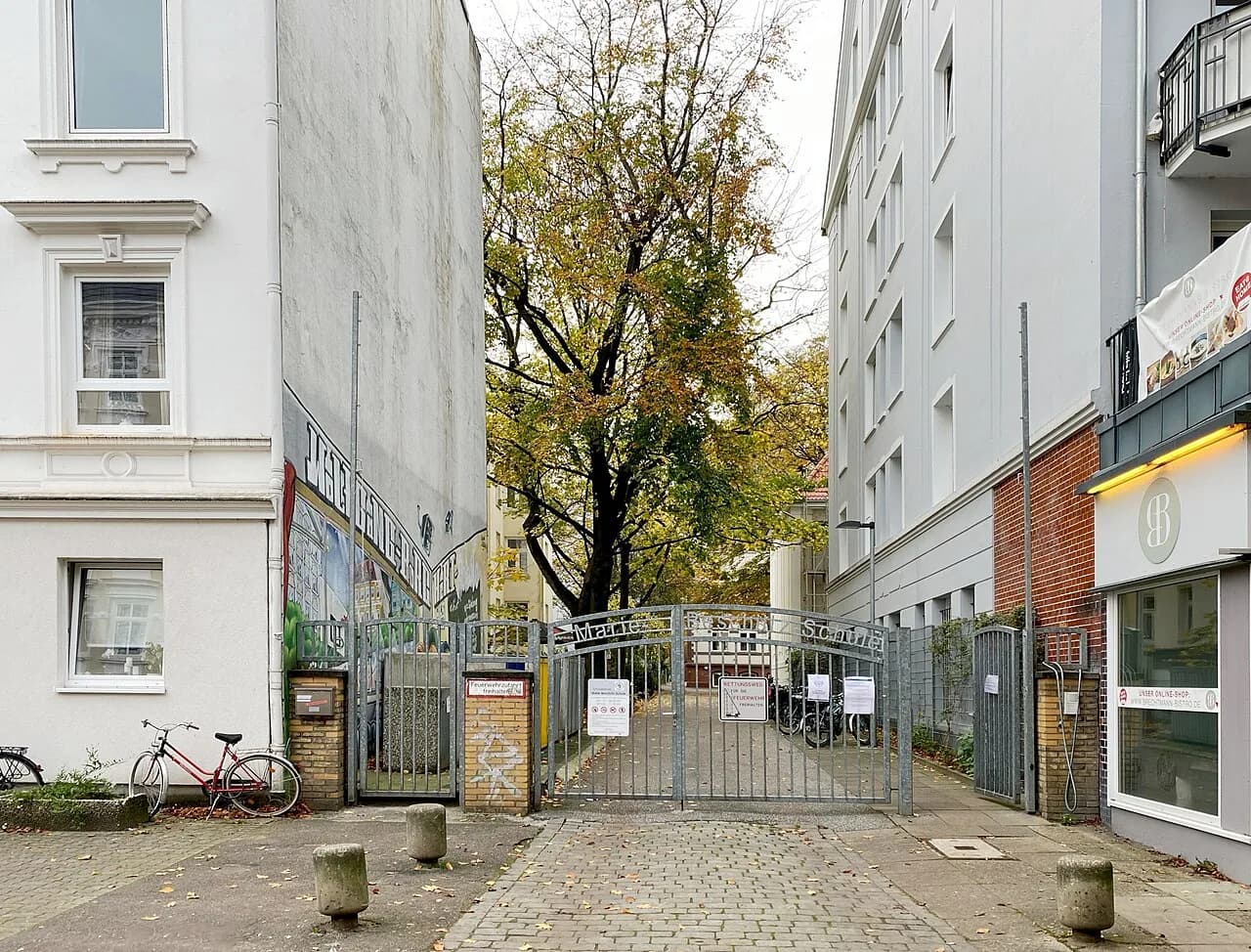
Even in a busier month, several parts of Hamburg stay calmer than the postcard landmarks. Neighborhood streets, converted courtyards, and small museums draw far fewer visitors than the harbor front. This site's linked cluster of guides points to them directly. For a broader list, the quiet courtyards and small museums guide rounds up spots that rarely see a line. A companion piece on under-the-radar viewpoints covers spots most day-trippers skip entirely. Travelers who want a genuine break from the main sightseeing route can follow the off-the-beaten-path neighborhoods guide instead. Budget-conscious days work well here too, and the no-cost activities guide keeps a day full without adding to ticket-line crowds at paid attractions. Unusual, lesser-booked experiences are gathered in the unusual local experiences guide. Neighborhood choice also shifts the crowd math by season. Blankenese stays walkable even in August, with its stepped lanes along the Elbe rarely reaching landmark-level density. Ottensen keeps a local, cafe-driven pace that holds up regardless of season. Eppendorf stays largely residential, so summer weekends there feel nothing like the harbor front. Along the river, Ovelgönne keeps its beach paths quiet outside a handful of warm afternoons. Some landmarks are worth the crowds if timed well. Sternschanze district gets lively in the evening, so a weekday morning visit avoids the peak. Alter Elbtunnel sits close to the busiest stretch of the harbor, and going right at opening keeps it near-empty. A fuller area-by-area breakdown lives in the full neighborhood guide, mapping out which districts stay calm in every season.
Costs and Booking Trade-Offs by Season
Timing changes cost as much as it changes crowd size. Peak summer weeks and festival dates push hotel demand to its highest point of the year. Rooms booked close to those dates carry the steepest rates. Shoulder-season nights typically run lower. Budget roughly €90-110 for a mid-range hotel room in the quieter spring and autumn weeks. Peak summer and festival-week demand can push the same room past €150 a night. Booking lead time matters too. Shoulder-season travel usually needs only a few weeks of notice, since demand is lower than in summer. A summer or Hafengeburtstag-week stay is worth locking in months ahead instead. Popular paid attractions can also sell out earlier in summer. Booking timed tickets a few days ahead is safer during July and August than in the shoulder seasons. Dining follows a similar pattern. Popular kitchens fill up fastest in July and August. The local restaurant picks guide is worth checking before a peak-season trip, so reservations can be lined up early.
Shoulder season delivers daytime temperatures of 12-19°C against summer's 17-23°C—only a small difference—yet costs only €90-110 per night versus peak summer rates of €150 or more.
Mistakes to Avoid When Timing a Hamburg Trip
Several planning habits routinely backfire for travelers aiming for the best time to visit Hamburg without crowds. Each mistake below is easy to avoid once you know the pattern.
- Assuming summer is automatically best: the warmest weeks also bring the heaviest crowds and the highest hotel rates.
- Booking around a festival without checking dates first: the Hafengeburtstag and Reeperbahn Festival both concentrate crowds in specific districts and weekends.
- Underestimating winter daylight: short days limit outdoor sightseeing, so plan indoor stops like museums and concert halls alongside Christmas markets.
- Skipping neighborhood planning: sticking only to Speicherstadt and the harbor front means missing the quieter streets that make shoulder-season travel worth it.
- Ignoring shoulder-season savings: waiting until summer to book often means paying peak rates for a room that costs far less in spring or autumn.
Frequently Asked Questions
What is the quietest month to visit Hamburg?
Late May and early October tend to be the quietest stretches, since they sit between the spring warm-up and the summer festival calendar. Weather stays mild enough for walking tours, and hotel availability is easier to find without months of advance booking.
Does Hamburg get crowded in summer?
Yes. June through August brings the warmest weather, the longest daylight hours, and the heaviest crowds to the harbor, Speicherstadt, and the Alster lake. Hotel rates also climb during this stretch, especially around festival weekends.
Is spring or autumn better for visiting Hamburg without crowds?
Both work well, and the choice mostly comes down to preference. Spring brings blooming parks and gradually warming days. Autumn offers steadier weather and a faster drop-off in visitor numbers once September's events wrap up.
What events in Hamburg draw the biggest crowds?
Hafengeburtstag in early May draws some of the largest crowds of any recurring event in the city, filling the Landungsbrücken with tall ships and dockside crowds. Reeperbahn Festival in September and the recurring Hamburger Dom fair also raise visitor numbers, though both stay more concentrated by district than the harbor birthday does.
What should you book first for a quieter Hamburg trip?
Lock in lodging first, especially for any dates overlapping the Hafengeburtstag or Reeperbahn Festival, since those weekends fill fastest. After that, timed tickets for major indoor sights are worth reserving a few days ahead if traveling in summer.
Continue exploring
More guides you'll find useful