Hamburg Local Food Guide: What to Eat and Where
A practical guide to Hamburg's signature local dishes, where to find them by neighborhood and budget, and what to know before you go.
On this page
Hamburg Local Food Guide
Last updated August 2026, this Hamburg local food guide leads with the dishes before naming a single restaurant. Fischbrötchen, Franzbrötchen, and Labskaus trace back to the city's port history, and knowing what each one is makes ordering easier once you sit down. The sections below map those dishes to a neighborhood and a price tier, then point to the full restaurant list for anyone who wants venue names first.
Hamburg Local Food Guide: What Makes the Port City's Food Scene Distinctive
Hamburg grew wealthy as a port, and that history still shapes what lands on the plate. Sailors needed cheap, portable food, which is why pickled herring rolls and preserved fish became everyday staples rather than luxuries. Two centuries of trade also brought spices, coffee, and cocoa through the harbor, layering North German staples with international kitchens from Vietnam, Iran, Turkey, and Sri Lanka. Hamburg's population today includes people from more than 180 nations, by one local estimate, and that mix shows up on menus as much as in neighborhoods. Bavaria built its food identity around sausages and pretzels; Hamburg's runs on a working port instead, not a postcard version of German cuisine. Fish markets, spice warehouses, and immigrant-owned kitchens all trace back to the same waterfront that built the city's wealth.
Fischbrötchen, born from sailors' need for cheap portable food in the port era, still costs €3 to €6 at waterfront kiosks today, showing how a historical necessity became an enduring street food.
Signature Local Dishes to Try
The dishes below cover Hamburg's core North German repertoire, from harbor-side snacks to sit-down plates. Each entry notes where it typically shows up, roughly what it costs, and who it suits best. Most of these dishes turn up in more than one venue, so choosing a neighborhood first often matters more than choosing a specific dish. The neighborhood breakdown below turns that choice into a shortlist of streets to start with.
- Fischbrötchen: a herring, matjes, or smoked salmon roll sold at waterfront kiosks and the Fischmarkt. Expect around €3 to €6 depending on the fish, and treat it as a quick harborside bite rather than a sit-down meal.
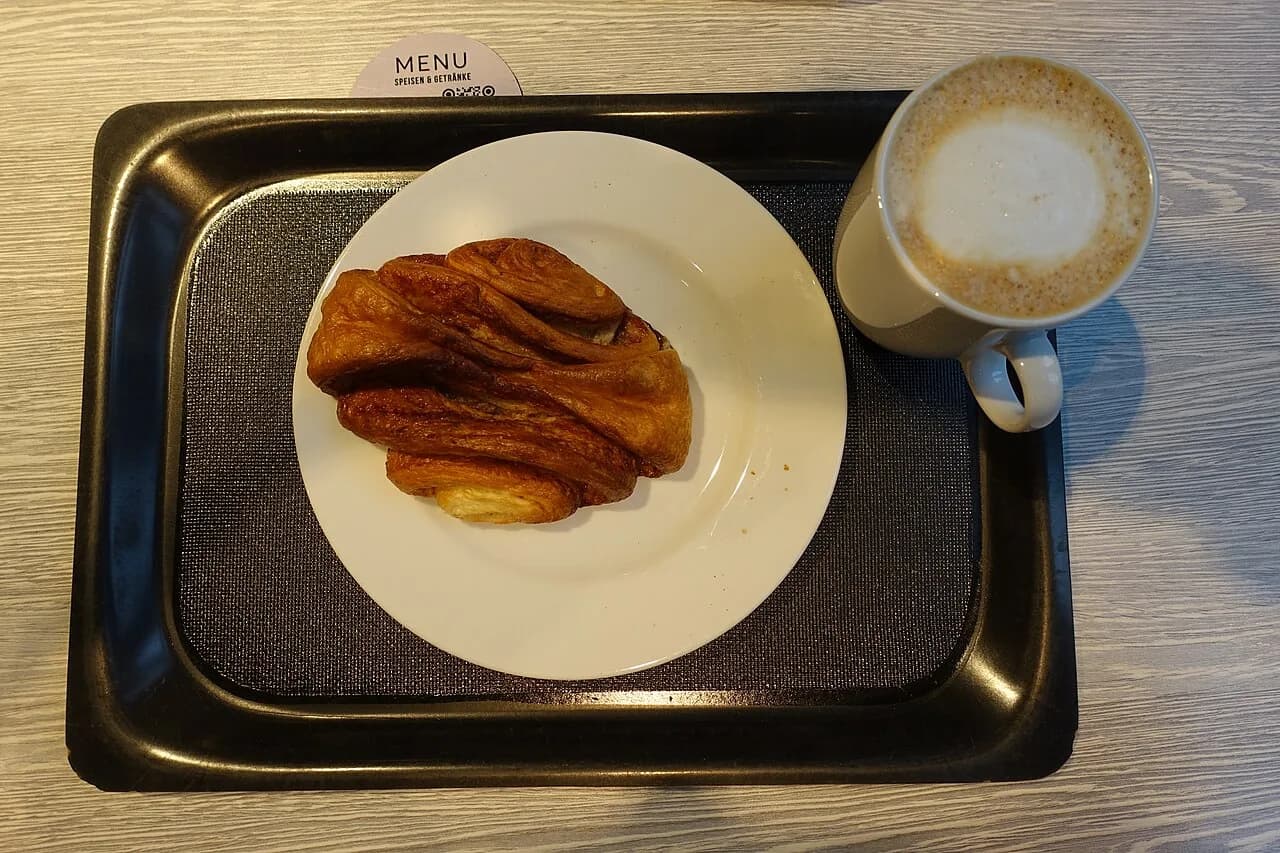
- Franzbrötchen: a cinnamon-sugar pastry with roots in Hamburg's Napoleonic-era French occupation between 1806 and 1814. Bakeries sell it fresh every morning, making it the default coffee-break pastry across the city.
- Labskaus: a mash of corned beef, potato, and onion, topped with a fried egg, beetroot, and pickled herring. It began as food for sailors on long voyages and now suits a sit-down pub meal rather than a snack.
- Currywurst: a sliced sausage under curry-spiced tomato sauce, usually paired with fries or potato salad. It started in Berlin but is now a St. Pauli imbiss staple, priced around €3 for the wurst alone.
- Aalsuppe: a sweet-and-sour soup built on prunes, apples, and seasonal vegetables. Despite the eel-soup name, modern versions do not always include eel, and it suits diners curious about older Hanseatic recipes.
- Matjesfilet: young herring cured in a light brine, served with onions, apples, or a cream sauce alongside potatoes or rye bread. It works as a milder introduction to Hamburg's fish-forward menu than Fischbrötchen.
- Kartoffelsalat: potato salad dressed warm with vinegar and mustard rather than mayonnaise. It appears as a side to sausages, schnitzel, or fish at nearly every traditional restaurant.
- Rote Grütze: a chilled red-berry dessert of currants, raspberries, cherries, and strawberries, usually served with vanilla sauce or cream. Order it as a light finish after a heavier main course.
- Finkenwerder Scholle: pan-fried North Sea plaice with bacon and onions, named for Hamburg's Finkenwerder fishing district. It works best as a sit-down lunch near the harbor.
- Grünkohl mit Pinkel: slow-cooked kale paired with a smoked oat-and-pork sausage called pinkel, best known as a cold-weather dish. Look for it on winter menus alongside mustard and beer, rather than in summer.
- Hamburger Rundstück Warm: a roll filled with sliced roast pork and gravy, a working-class dish dating to the 19th century that predates the modern hamburger. It shows up on traditional German menus more often than at tourist-facing restaurants.
Where to Eat by Neighborhood
Food in Hamburg clusters by district as much as by cuisine, across more than 100 neighborhoods citywide. The Hamburg Neighborhoods Guide: Where to Stay, Live, and Explore in 2026 covers each area beyond food. Use the list below as a shortcut for where to point a food crawl.
- Sternschanze (Schanzenviertel): home to long-running institutions like Erika's Eck for schnitzel and Astra beer, plus newer stops like La Casita for tacos and empanadas. See the Sternschanze neighborhood guide for the rest of the district.
- Ottensen: a mix of Latin American kitchens, including Tigre and Juan sin Miedo, alongside a British-style afternoon tea room at Eaton Place. The Ottensen guide covers the surrounding streets.
- St. Pauli: the neighborhood for currywurst imbiss stalls and late-night grilled cheese, plus Michelin-starred fine dining at the opposite end of the price scale. Check the St. Pauli guide before you go.
- Eppendorf: quieter streets with a vegan-forward deli counter and a pizza-sandwich stop. The Eppendorf guide covers the neighborhood's full character.
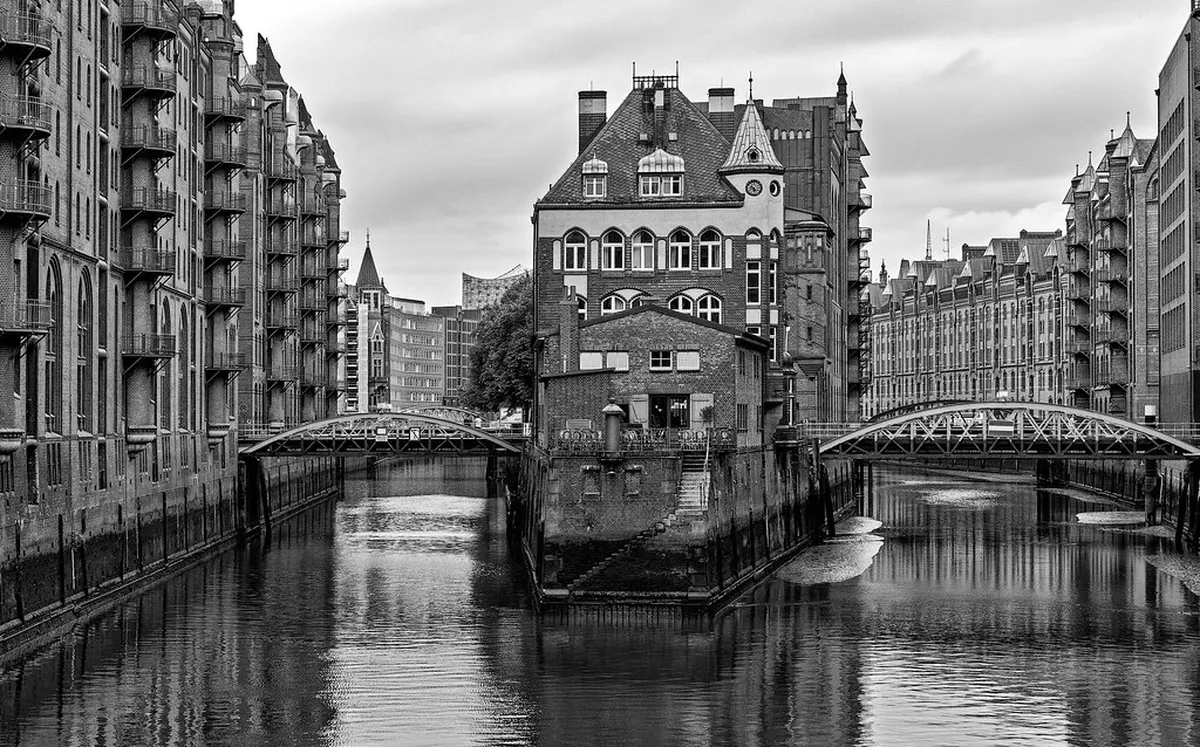
- Speicherstadt and HafenCity: the historic warehouse district built partly on the coffee trade, now home to specialty roasters and Middle Eastern kitchens near the harbor. Read the Speicherstadt guide for the district's history.
- Blankenese, Övelgönne, and the Alter Elbtunnel form the Elbe-front stretch where fish-sandwich kiosks and waterfront cafes line the promenade. The Övelgönne guide covers the riverside path. The Alter Elbtunnel guide covers the historic crossing nearby. The Blankenese guide covers the village above the water.
Cheap Eats vs. Splurge: Budget Tiers by Dish
Food budgets in Hamburg split cleanly into three tiers, and mixing tiers across a single day works well. A cheap lunch followed by a splurge dinner is a common pattern among visitors and locals alike. Treat every figure in the table as a recent snapshot rather than a fixed price, and confirm current menus before you go.
| Budget Tier | Example Dish | Typical Price | Where to Try |
|---|---|---|---|
| Cheap eats | Currywurst with potato salad | About €3 for the wurst, about €2.50 for the salad | St. Pauli imbiss stalls |
| Cheap eats | Fischbrötchen | Around €3 to €6 depending on the fish | Waterfront kiosks along the Elbe |
| Mid-range sit-down | Persian starter and main | €5.50 to €9.90 | Restaurant Teheran, near Adenauerallee |
| Mid-range sit-down | Weekday vegetarian thali | From €12.50, served 11:30am to 2pm | Authentikka, multiple locations |
| Splurge | Traditional schnitzel plate | Around €21 | Sternschanze institutions like Erika's Eck |
| Splurge | Formal afternoon tea | €43 per person | Ottensen tearooms such as Eaton Place |
How to Eat Like a Local: Reservations, Cash, and Timing
Logistics trip up more first-time visitors than the food itself. A few habits make ordering smoother across almost any Hamburg kitchen.

- Book ahead for small kitchens. Pasta Autentica by Jill and Jill's pizza dining room both run limited seating, and weekend dinner reservations are worth making in advance.
- Expect a short wait at no-reservation spots instead. Crêperies like Ti Breizh skip bookings entirely, and a line outside typically clears within about 20 minutes.
- Carry cash at older institutions. Long-running spots such as Erika's Eck have not historically accepted cards, so confirm payment options before ordering somewhere that looks decades-old.
- Plan around odd hours if a late meal is the goal. Currywurst stalls like Imbiss bei Schorsch stay open past midnight on weeknights and into the early morning on weekends.
- Visit food markets before the crowds build. Weekend market hours peak by mid-morning, so the Best Time to Visit Hamburg Without Crowds (Season-by-Season Guide) guide is worth checking before a market-focused morning.
Food Excursions and Regional Sourcing
Some Hamburg kitchens source ingredients regionally rather than from wherever is cheapest. WOHLERS, for example, sources mussels from Sylt, a North Sea island where colder water slows mussel growth and concentrates flavor. The Altes Land fruit-growing region outside the city supplies apples and berries that show up in desserts like Rote Grütze. A guided farm visit there typically pairs orchard walks with homemade cake and fresh apple juice, and the 10 Best Day Trips from Hamburg: Where to Go by Time and Transport guide covers how to get out there. Nord Coast Coffee Roastery, based in the Speicherstadt, sells homemade waffles from around €4.70 alongside its own roasted beans. Chocoversum, Hamburg's hands-on chocolate workshop, lets visitors build a custom bar and learn how the harbor built the city's cocoa trade. Pair it with a walk through the Speicherstadt warehouse district, whose 19th-century buildings grew out of the same coffee trade and now hold a UNESCO World Heritage listing.
Mistakes to Avoid
A short list of avoidable missteps covers most of what trips up first-time visitors. For a curated shortlist instead of a self-guided crawl, the Hamburg restaurant guide pairs each dish above with a specific table worth booking.
- Do not assume currywurst is a Hamburg original. It is a Berlin import the city has adopted, so treat it as one dish among many rather than the top pick.
- Do not skip neighborhoods outside the harbor front. Sternschanze and Ottensen carry more of the everyday food scene than the tourist-heavy waterfront alone.
- Do not expect eel in every bowl of aalsuppe. Most modern versions lean on prunes, apples, and vegetables instead.
- Do not walk into a small kitchen at peak dinner hour without a plan. Either book ahead or budget time for a short wait, depending on the restaurant's policy.
- Do not stick only to German cuisine and skip the international layer. Hamburg's Vietnamese, Persian, Turkish, and Sri Lankan kitchens are as central to the city's food identity as Labskaus or Fischbrötchen.
- Do not limit exploration to headline restaurants. Some of the better neighborhood bakeries and market stalls sit a few streets off the main strip, covered in the neighborhood bakery and market finds guide.
- Do not assume a market visit requires spending money. Browsing Hamburg's food markets costs nothing beyond what you choose to buy, and the Free Things to Do in Hamburg (2026): No-Cost Sights, Parks & Museums guide has more no-cost options.
Hamburg Food Markets for a Self-Guided Tasting Stop
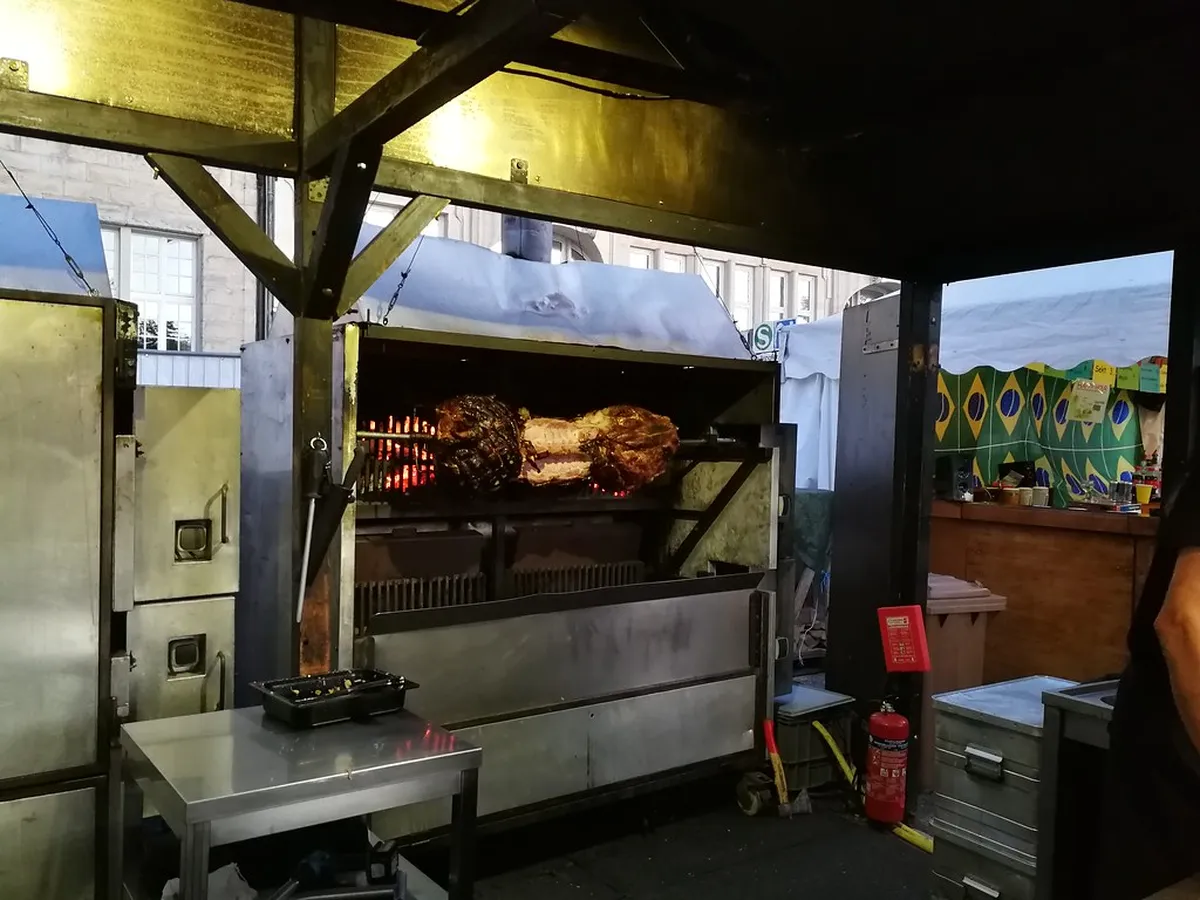
Hamburg’s markets work best as flexible tasting stops, especially when a full restaurant meal feels too slow. Choose the market by the kind of food experience you want.
- Isemarkt runs beneath the U-Bahn viaduct between Hoheluftbrücke and Eppendorfer Baum. It is a strong choice for bakery goods, cheese, produce, and picnic supplies.
- Fischmarkt is the classic Sunday-morning option near St. Pauli. Go for the harbor atmosphere and fish snacks, then expect crowds and an early start.
- Hobenköök in Oberhafen focuses on regional and seasonal ingredients. It suits travelers who want a market browse followed by a more considered sit-down meal.
Markets are useful for trying Franzbrötchen, bread, smoked fish, and northern produce without committing to one cuisine. Bring a reusable bag if you plan to assemble a picnic. For a waterfront lunch, pair market purchases with a walk along the Elbe rather than eating beside the busiest stalls.
For trip-planning details, see Cuisine of Hamburg – Wikipedia.
Frequently Asked Questions
What food is Hamburg known for?
Hamburg is known for the fish sandwich Fischbrötchen, the corned-beef mash Labskaus, and the cinnamon pastry Franzbrötchen, all tied to its history as a working port. Currywurst and Matjesfilet round out the list of dishes visitors ask about most.
What is a traditional Hamburg dish?
Labskaus counts as the most traditional Hamburg dish: a mash of corned beef, potato, and onion topped with a fried egg, beetroot, and pickled herring. It began as food for sailors on long voyages and still appears on pub menus across the city.
Is eating out in Hamburg expensive?
Prices vary widely by tier: a currywurst with potato salad runs around €5.50 total, while a formal afternoon tea can reach €43 per person. Budget travelers can eat well by sticking to imbiss stalls and bakery pastries instead of sit-down restaurants.
Where do locals eat in Hamburg?
Locals spread across neighborhood spots rather than one district, from schnitzel institutions in Sternschanze to currywurst stalls in St. Pauli and market halls like Hobenköök for regional, seasonal cooking. Checking streets beyond the main tourist strip usually turns up the same places residents use daily.
Which Hamburg neighborhood has the strongest food scene?
No single neighborhood dominates, since the food scene spreads across Sternschanze, Ottensen, St. Pauli, and Eppendorf, each with a different specialty. Sternschanze leans toward long-running German institutions, while Ottensen carries more international and brunch-focused kitchens.
What should first-time visitors avoid when eating out in Hamburg?
Avoid assuming currywurst is a Hamburg specialty, since it started in Berlin and was later adopted here. Carry cash for older institutions, because some long-running spots do not accept cards, and confirm whether a restaurant needs a reservation before arriving at peak dinner hours.
What should vegetarians and vegans expect in Hamburg?
Vegetarian and vegan options are easy to find, from all-day vegan menus in Eppendorf to vegetarian thali lunches in the international restaurant scene. Sit-down restaurants typically mark plant-based dishes clearly on the menu, and lunch specials often include a vegetarian default.
Continue exploring
More guides you'll find useful