Wilton's Music Hall Visitor Guide: 10 Things to Know Before You Go
Plan your visit to the world's oldest grand music hall. Includes history, tour booking tips, filming locations, and the best time to visit the Mahogany Bar.
On this page
Wilton's Music Hall Visitor Guide: 10 Things to Know Before You Go
Tucked away in a quiet corner of East London, Wilton's Music Hall remains a rare survivor of the Victorian era. This atmospheric venue stands as the world's oldest grand music hall still in operation today. Walking through the narrow entrance feels like stepping back into a different century entirely. Our London guide helps you navigate this historic treasure with ease.
The building carries a sense of mystery with its crumbling brickwork and faded elegance. Visitors often feel as though they have discovered a secret part of the city's theatrical past. It serves as a living museum where the history of working-class entertainment comes alive, but it still feels tucked away enough to suit a London hidden-gems itinerary. This wilton's music hall visitor guide covers everything you need for a memorable 2026 trip.
From characterful performances to quiet pre-show drinks, the hall offers several ways to visit. It has survived fires, floods, and the threat of demolition over its long life. Today, it is a celebrated cultural hub that balances heritage with modern artistic flair. Prepare to explore one of the most evocative off-the-beaten-path spaces in the United Kingdom.
The History of the World’s Oldest Grand Music Hall
The story of this venue began in 1743 as an alehouse serving the local dockworkers. John Wilton purchased the property in 1850 with a vision to create a grand concert hall. He built the current hall in 1859, replacing the smaller rooms with a magnificent performance space. This new hall could hold up to 1,500 people during the peak of its popularity.
Wilton spared no expense in decorating the interior with ornate carvings and gilded mirrors. The venue became a staple of the Victorian music hall circuit, hosting singers and acrobats. However, a devastating fire in 1877 forced a significant rebuild of the interior structure. That means the hall is not a frozen, untouched 1859 room; much of what you see is the post-fire Victorian rebuild layered over the original plan.
As tastes changed, the music hall era began to fade toward the end of the century. The building transitioned through various roles, including a Methodist mission and a warehouse. Despite these changes, the original proportions and the iconic barley-twist columns remained intact. These features make it a unique example of mid-Victorian theatrical design.
Architecture and the "Conserved Decay" Aesthetic
Unlike many restored heritage sites, Wilton's does not look brand new or polished. The architects chose a philosophy of "conserved decay" to preserve the building's weathered charm. This approach ensures that the layers of history remain visible on every wall. You will see exposed lath, plaster, and multiple layers of ancient wallpaper throughout the rooms.
Tim Ronalds Architects led the major 2015 renovation that stabilized the fragile structure. They focused on making the building safe while leaving the aesthetic of ruin untouched. This delicate work earned the venue a prestigious RIBA National Award in 2016. The project proved that old buildings can be functional without losing their historic soul.
The main hall features a vaulted ceiling and a wrap-around balcony, with enough worn texture to make the room feel discovered rather than staged. Its atmosphere is similar to the curated theatricality found at Dennis Severs House nearby. Natural light filters through the space in a way that highlights the textured surfaces. Give yourself time to look up, because the balcony, columns, and patched surfaces are the details most visitors remember.
Guided Tours and Behind-the-Scenes Access
Taking a guided history tour is the best way to learn about the venue's secrets. Expert guides lead visitors through the maze of rooms and the main auditorium. Tours typically run on specific days and require advance booking through the official website. Check the Wilton's Music Hall Official Site for the latest schedule and prices before you plan the journey.
Photography is generally allowed during these tours, but flash is often restricted. Visitors can capture the intricate details of the Mahogany Bar and the backstage areas. The tours provide a deeper look at the social history of the Tower Hamlets area. You will hear stories of the performers, campaigners, mission workers, and local residents who kept the building in public memory.
- History Tour
- Type: Guided walk
- Best for: History buffs
- Duration: 60 minutes
- Cost: Moderate
- Self-Guided Bar Visit
- Type: Independent
- Best for: Casual vibes
- Where: Mahogany Bar
- Cost: Free entry
- Performance Entry
- Type: Show ticket
- Best for: Entertainment
- Where: Main Hall
- Cost: Varies
| Visit Type | Location | Duration | Booking Required | Cost |
|---|---|---|---|---|
| Guided History Tour | Full venue | 60 minutes | Yes — selected dates | Moderate (check site) |
| Self-Guided Bar Visit | Mahogany Bar | Flexible | No | Free entry; pay for drinks |
| Evening Performance | Main Hall | Varies | Yes — book in advance | £12–£30 per ticket |
Performances and the Mahogany Bar Experience
The Mahogany Bar is a destination in its own right, predating the main hall. It retains its name from the original mahogany wood used in its 19th-century fittings. Locals and tourists gather here for craft beers and live acoustic music sessions. The bar often stays open late on performance nights, creating a lively social scene.
Live shows at Wilton's range from classical opera to contemporary puppet theater. The room's scale gives performances a warm, close-up feeling, especially from the balcony where you can see both the stage and the ornate ceiling. Performances often sell out quickly due to the intimate size of the venue, so do not treat same-day tickets as guaranteed.
The best time to visit depends on what you want from the hall. Arrive before an evening performance if you want the Mahogany Bar at its most atmospheric, or choose a daytime history tour if your priority is photography and architecture. The programme reflects the eclectic history of the music hall tradition, moving between cabaret, theatre, music, comedy, and heritage events.
Performances at Wilton's typically range from £12 to £30 depending on the production. The Mahogany Bar is open to the public on show nights with no ticket required — you can soak up the atmosphere for the price of a drink.
Practical Visitor Information: Getting There and Booking
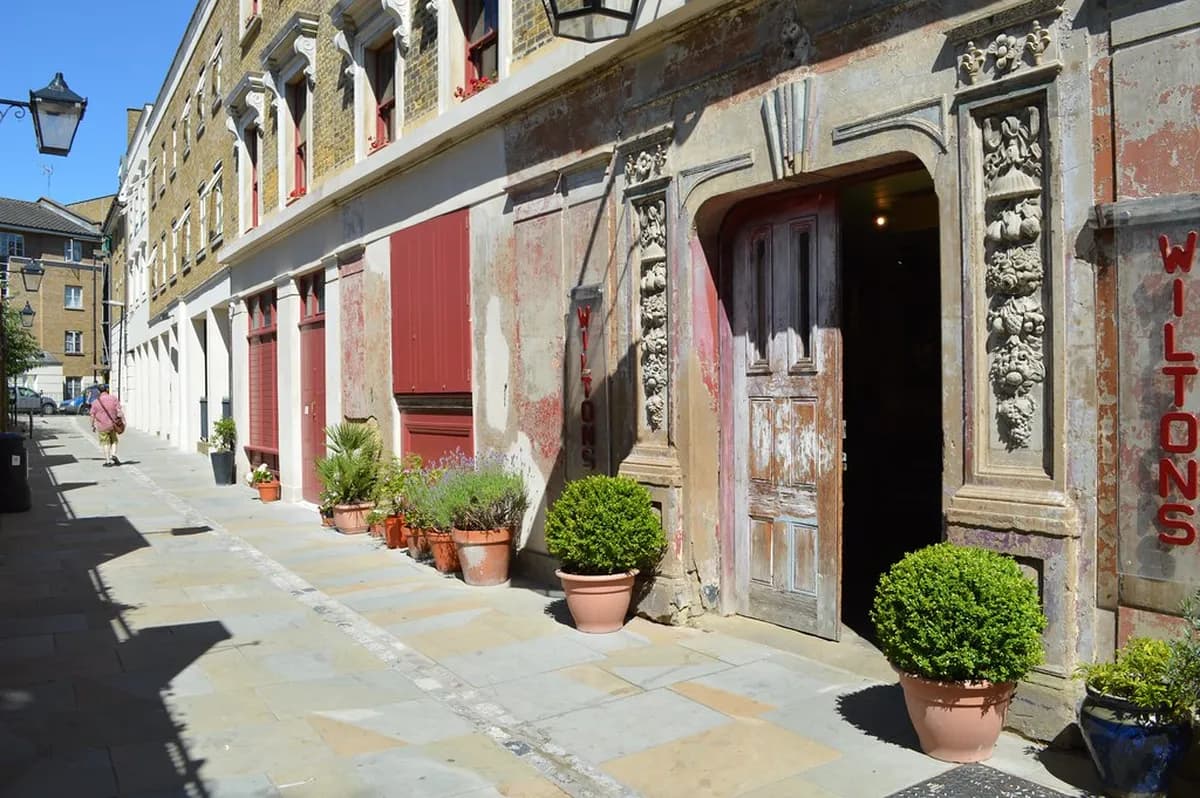
Finding the entrance can be a challenge for first-time visitors to the area. The hall is located on Graces Alley, just off Wellclose Square in Tower Hamlets. Look for the modest wooden doors that blend into the surrounding brick walls rather than expecting a large West End-style frontage. The nearest tube stations are Tower Hill and Aldgate East, with Tower Gateway on the DLR and Shadwell on the Overground and DLR also useful depending on your route.
We recommend arriving at least 30 minutes before a show to find your way. The surrounding alleyways can feel like a maze, especially after sunset, and Graces Alley is easy to miss if you are walking quickly from Wellclose Square. Using a digital map is helpful, but keep an eye out for the small directional signs and allow extra time if you are coming via Cable Street. The walk from the station takes you through some of the city's most historic streets.
Booking tickets online is the most reliable way to secure your spot. The box office is also open during specific hours for in-person inquiries. Common mistakes include assuming the bar gives access to every part of the auditorium, arriving at the last minute, and forgetting that tours run on selected dates rather than continuously. Keep in mind that the venue is an old building with some accessibility limitations, so contact staff before booking if you need step-free access, wheelchair spaces, or advice on the easiest seating area.
Graces Alley is easy to miss after dark. Allow at least 30 minutes before a show to navigate from the nearest tube station, and use a digital map as the entrance does not have prominent signage visible from the main street.
Filming History: From Sherlock to Modern Cinema
Directors frequently choose Wilton's for its authentic and atmospheric Victorian backdrop. The venue famously appeared in the movie Sherlock Filming Locations at Wilton's as a gritty theater. Its textured walls and historic stage require very little set dressing for period pieces. You may recognize the balcony from several high-profile music videos and television dramas.
What movies were filmed at Wilton's Music Hall? The best-known screen credit for many visitors is Sherlock Holmes: A Game of Shadows, while the hall's auditorium and bar have also been associated with productions such as Muppets Most Wanted and The Crown. Treat this as an extra layer to notice rather than the sole reason to visit: the filming appeal comes from the same patched plaster, tight sightlines, and lived-in Victorian surfaces that make the building rewarding in person.
- Sherlock Holmes: A Game of Shadows
- Scene: The theater
- Year: 2011
- Location: Main Stage
- Detail: Gritty atmosphere
- Muppets Most Wanted
- Scene: Performance
- Year: 2014
- Location: Auditorium
- Detail: Comedic backdrop
- The Crown
- Scene: Various
- Year: Multiple
- Location: Mahogany Bar
- Detail: Period accurate
The Campaign to Save Wilton's: Betjeman and Beyond
By the mid-20th century, the building had fallen into a state of severe disrepair. It was scheduled for demolition as part of a wider urban renewal project. A group of passionate campaigners fought to recognize its historical value. Sir John Betjeman was a key figure in the movement to save the hall.
Famous performers like Peter Sellers and Spike Milligan also lent their support. They recognized that once such a venue is lost, it can never be replaced. Their efforts led to the building becoming a Grade II listed structure in 1971. This legal protection was the first step toward its eventual full restoration.
The campaign lasted for decades and relied heavily on community fundraising. It serves as a powerful example of successful heritage preservation in London. Today, the trust continues to raise funds for ongoing maintenance and artistic programs. Every visitor contributes to the continued survival of this architectural marvel.
The Role of the East London Methodist Mission
In 1888, the building took on a very different role as a Methodist mission. The mission served the impoverished community of the East End for nearly 70 years. It provided essential services like a soup kitchen and social support for local families. This era is a vital part of the building's identity as a place of community.
During the London Blitz, the hall served as a shelter for those who lost their homes. The thick walls provided a sense of safety during the most difficult times of the war. Many local residents still remember the building as a place of refuge and help. This history of service is just as important as its theatrical heritage.
The transition from a hall of entertainment to a mission reflects the changing neighborhood. It highlights the social challenges faced by Tower Hamlets during the late Victorian era. You can still see architectural traces of the mission's presence in the smaller rooms. The venue remains deeply connected to the people of East London through these stories.
Nearby Attractions in Tower Hamlets
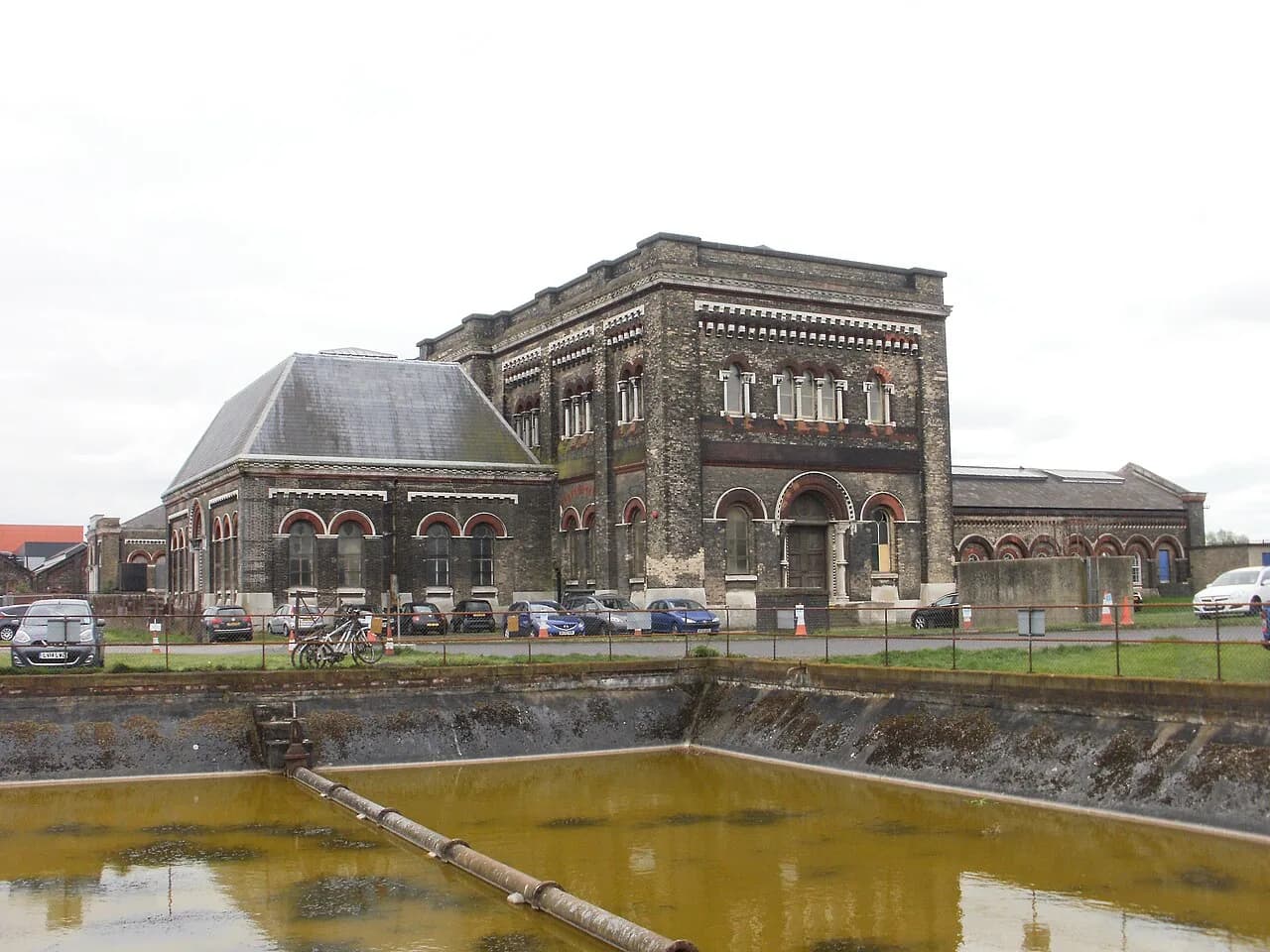
Tower Hamlets is home to many other fascinating historical sites worth exploring. You can visit the Brunel Museum to learn about the world's first underwater tunnel. The area is also famous for its vibrant street art and traditional Sunday markets. Walking along the nearby Thames Path offers great views of the modern city skyline.
For those interested in unique interiors, the Sir John Soane's Museum is another must-see. It offers a similarly immersive experience into the world of a historic London collector. If you enjoy medical history, the Old Operating Theatre Museum is a short trip away. These sites together provide a comprehensive look at the city's complex past.
Alternatively, explore the artistic treasures at the Leighton House Museum for a different aesthetic. Each of these locations helps tell the story of London's cultural evolution. Planning a day trip around East London allows you to see several gems in one go. The mix of industrial heritage and creative energy makes this district truly unique.
Frequently Asked Questions
Is Wilton's Music Hall worth visiting?
Yes, it is absolutely worth visiting for its unique atmosphere and historic architecture. It offers a rare glimpse into Victorian entertainment that you won't find elsewhere in London. Whether you attend a show or take a tour, the experience is unforgettable for any history lover.
How do I book a tour of Wilton's Music Hall?
You should book your tour in advance through the official website to ensure availability. Tours are popular and often sell out weeks ahead of time. Check the calendar for specific history tour dates and times during your visit to London.
Can you take photos inside Wilton's Music Hall?
Photography is generally permitted during guided history tours for personal use. However, flash photography and professional equipment may be restricted to protect the delicate interior. Always follow the specific instructions provided by your guide during the visit to respect the venue.
What is the history of the Mahogany Bar?
The Mahogany Bar dates back to the early 18th century as an alehouse. It was named after the high-quality mahogany wood used for its ornate Victorian bar top. Today, it serves as a social hub for the music hall, offering drinks and live music sessions.
Wilton's Music Hall is more than just a theater; it is a piece of living history. Its survival is a testament to the dedication of the community and heritage lovers. Visitors will leave with a deeper appreciation for the resilience of London's cultural spaces. Make sure to include this extraordinary venue in your next trip to the city.
Whether you are there for the architecture or a performance, the hall never fails to impress. The "conserved decay" creates a mood that is both haunting and beautiful. It remains a shining example of how we can honor the past while embracing the future. Plan your visit today to experience the magic of the world's oldest music hall.
Continue exploring
More guides you'll find useful