10 Hidden Gems in Granada: Secret Spots Beyond the Alhambra (2026)
Explore 10 hidden gems in Granada beyond the Alhambra crowds and Mirador de San Nicolás, with neighborhood tips, quiet viewpoints, and 2026 visiting logistics.
On this page
10 Hidden Gems in Granada: Beyond the Alhambra and the San Nicolás Crowds
Last updated July 2026, this guide rounds up hidden gems in Granada for travelers who already have Alhambra tickets sorted and want to skip the selfie line at Mirador de San Nicolás. Granada's real texture sits one street back, in Sacromonte's cave-house flamenco quarter, Realejo's free-tapa bars, and viewpoints most itineraries skip entirely. The list below leads with the fastest wins, then breaks down the climbs, costs, and timing each spot actually requires.
10 Hidden Gems in Granada You Won't Find at the Alhambra Ticket Queue
These ten hidden gems in Granada cover viewpoints, neighborhoods, and historic sites that sit outside the main Alhambra-and-San Nicolás circuit. Each entry notes the nearest landmark, the climb involved, or the bus line, so you can slot it into whatever time is left in the day.
- El Bañuelo (Arab Baths)
- El Bañuelo is an 11th-century hammam tucked below Carrera del Darro, one of the best-preserved Islamic-era bathhouses in Spain.
- It sits within the El Bañuelo site network alongside the Alhambra's combined-ticket sites, so confirm current entry logistics before visiting.
- Arrive right at opening to have the star-cut skylights to yourself before Albaicín walking-tour groups arrive.
- Carmen de los Mártires
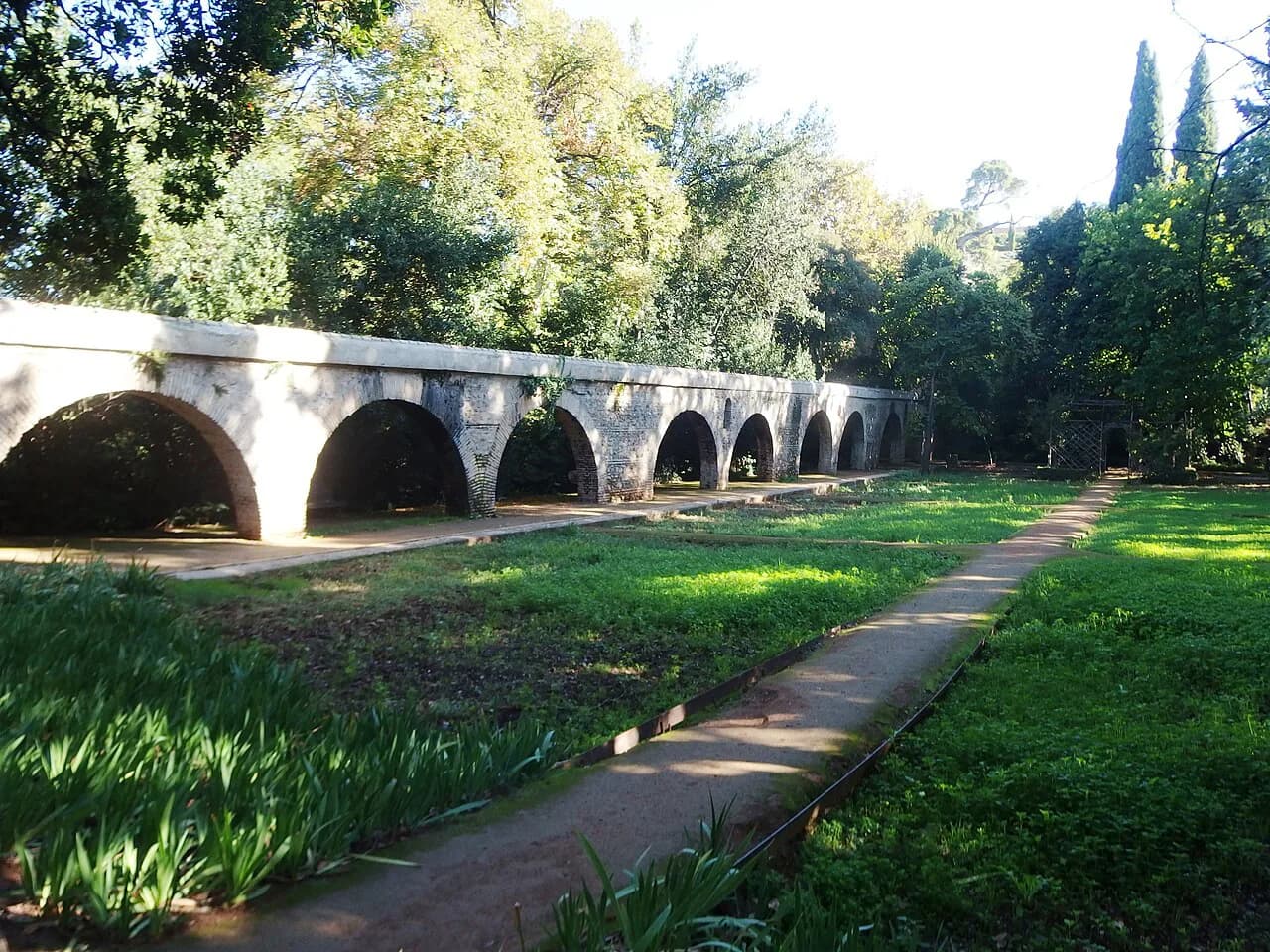
- A carmen is a traditional Granada house built around a walled garden, and this is the most elaborate public example on the Alhambra hill.
- Its terraced gardens mix Andalusian, English, and French landscaping across several levels, with peacocks roaming the lower terraces.
- Check the Carmen de los Mártires guide for the closest entrance if you are walking down from the Alhambra.
- Monastery of La Cartuja
- Cartuja sits north of the historic center, far enough out that most Alhambra-focused itineraries skip it entirely.
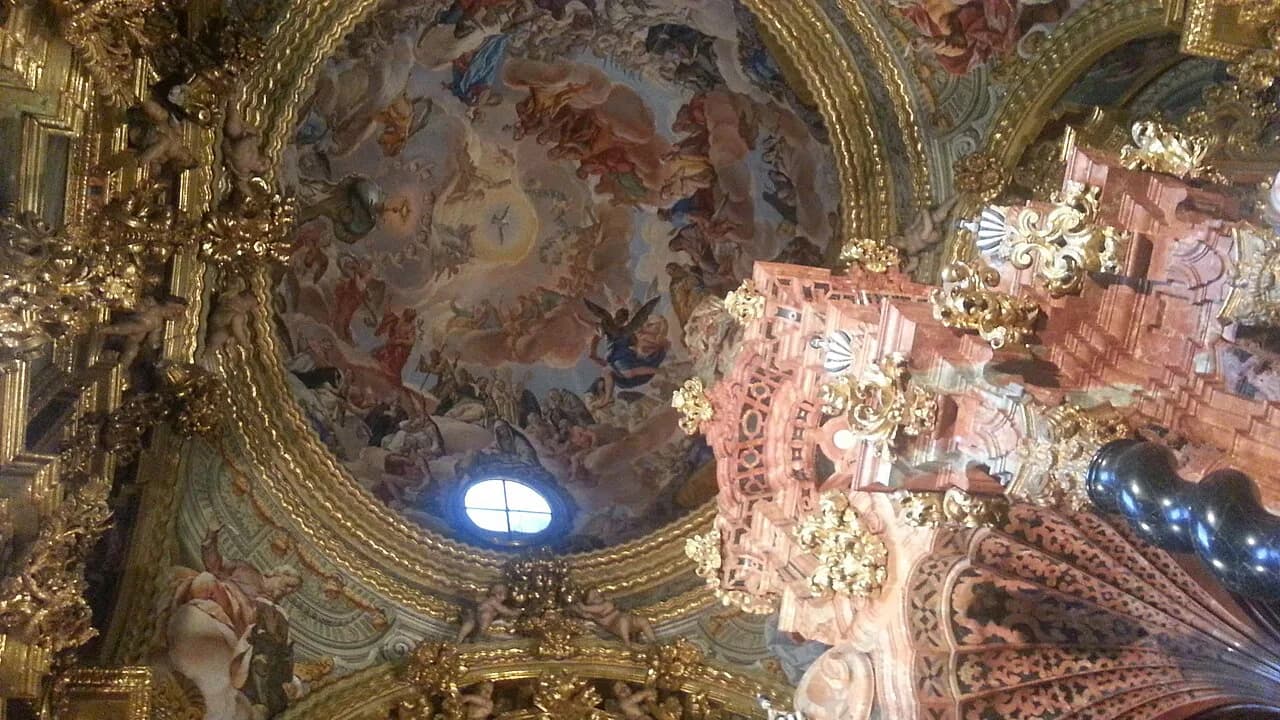
- Its sacristy combines baroque stonework and marble in a style rarely covered by mainstream Granada guides.
- See the Monastery of La Cartuja guide and the Turismo de Granada portal for current admission before making the trip out.
- Mirador de San Cristóbal
- San Cristóbal delivers a similar Alhambra-and-Sierra Nevada panorama to Mirador de San Nicolás, with far fewer visitors.
- Take the C31 or C32 Transportes Rober bus up from the center instead of climbing the steep Albaicín streets on foot.
- The Mirador de San Cristóbal guide has the closest bus stop and best light for photos.
- Sacromonte cave-house quarter
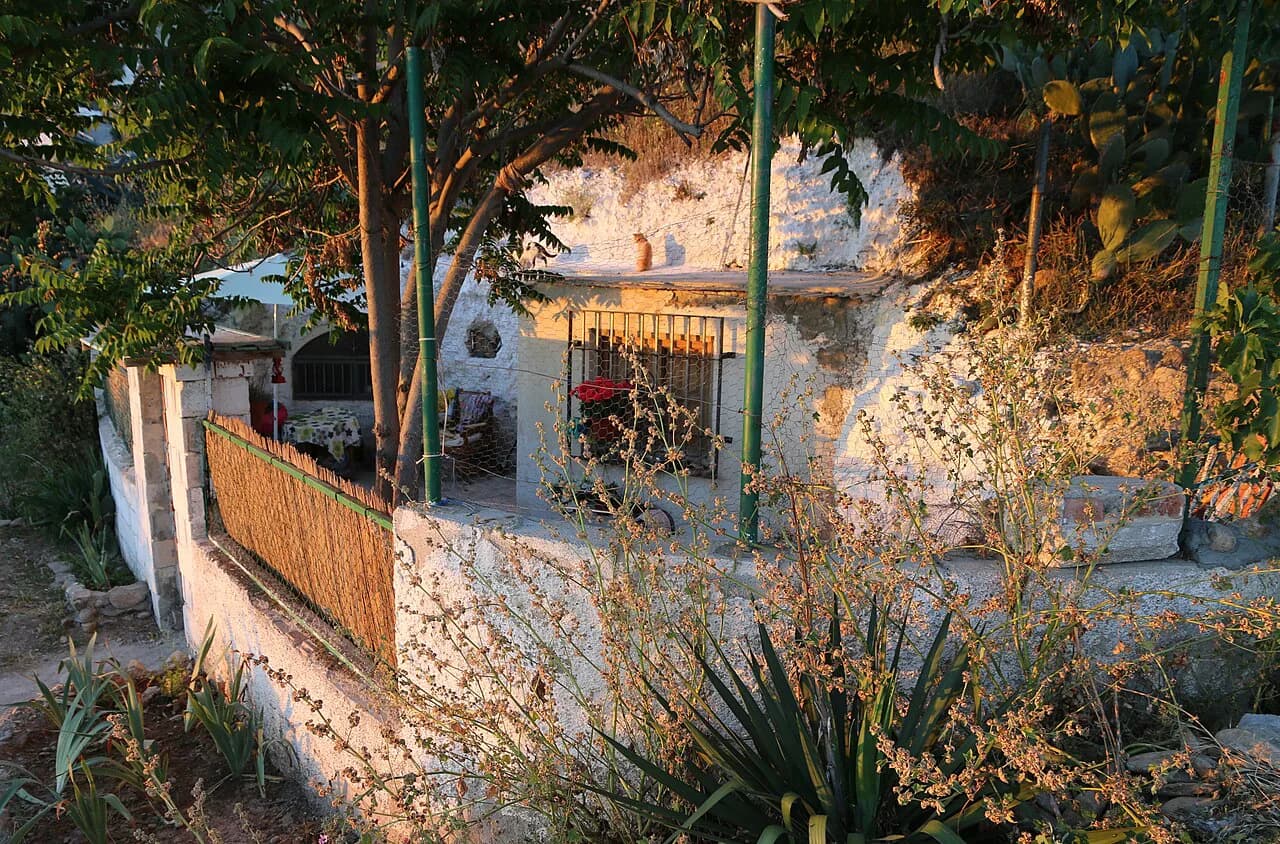
- Sacromonte is Granada's traditional Roma neighborhood, built into whitewashed cave dwellings above the Darro valley.
- Zambra flamenco shows here run inside real cave venues rather than staged tourist theaters downtown.
- Not every cave along the main path is open to visitors, so plan the walk before committing to a specific show.
- Realejo's free-tapa bar circuit
- Realejo was Granada's historic Jewish quarter, and its bars still run the city's classic free-tapa-with-a-drink ritual.
- The streets around Plaza de los Girones and Calle Molinos see far fewer tourists than Calle Navas in the center.
- Order at the bar rather than at a table, since the free tapa is usually tied to a drink bought standing up.
- Zaidín neighborhood tapas
- Zaidín sits south of the historic center and is where many Granada residents actually eat, away from menu-translated tourist bars.
- It has none of the postcard scenery of the Albaicín, which is exactly why it stays quiet.
- Expect a short bus or taxi ride from the center rather than a walkable detour.
- Mirador de los Carvajales
- Local recommendations point to Mirador de los Carvajales as a quieter Alhambra viewpoint than San Nicolás.
- It sits within the Albaicín's residential lanes, so treat it as a stop on a longer neighborhood walk rather than a single-purpose trip.
- Plaza del Ocho
- Plaza del Ocho is a small Albaicín square that locals point to as an overlooked alternative when San Nicolás is packed at sunset.
- There is no formal viewpoint infrastructure here, just a quiet corner to pause mid-walk.
- Albaicín back streets after the tour groups leave
- Most Albaicín day-trippers clear out by early evening, once tour buses head back toward the Alhambra's parking areas.
- Walking the old quarter an hour before sunset, instead of at sunset itself, avoids the worst of the San Nicolás bottleneck.
- Small bakeries and workshops along Calderería Nueva reopen in that early-evening lull after the midday tour-group wave passes.
The Best Hidden Viewpoints (Miradores) to Avoid the San Nicolás Crowds
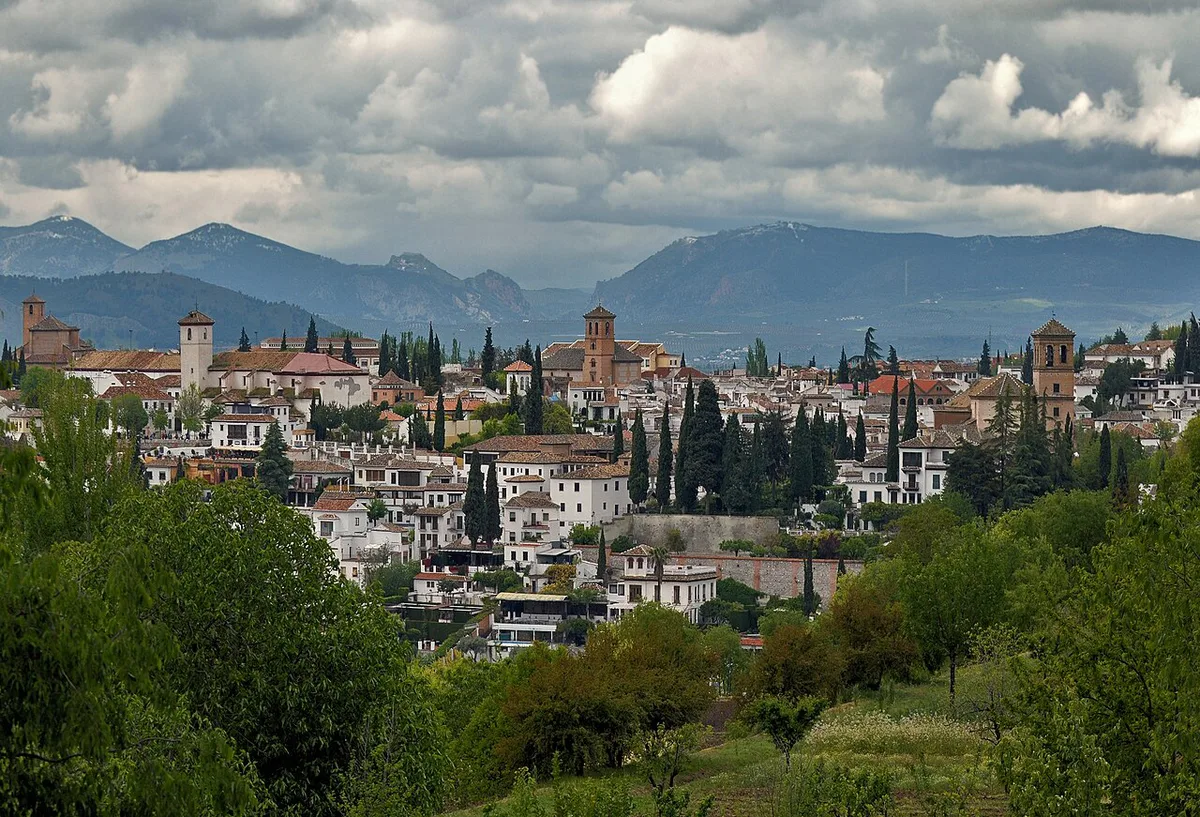
Mirador de San Nicolás has the postcard reputation, but it also draws the tour buses and the crowds angling for the same Alhambra shot at sunset. Mirador de San Cristóbal sits farther up the Albaicín hill and delivers a comparable view of the Alhambra against the Sierra Nevada. The C31 and C32 buses, run by Transportes Rober, climb there directly, so you skip the steepest switchback streets. Mirador de los Carvajales and Plaza del Ocho, both flagged by local Granada residents online as San Nicolás alternatives, work better as quiet mid-walk pauses than as sunset destinations. None of these viewpoints charge admission, so the Free Things to Do in Granada: A 2026 Budget Guide guide is worth checking for more no-cost stops nearby. Going right before sunset rather than at peak golden hour also thins the crowd at any of these spots.
Every mirador listed here—San Nicolás, San Cristóbal, Carvajales, Plaza del Ocho—empties out faster when visited an hour before sunset instead of at peak golden hour; the timing matters more than the viewpoint choice.
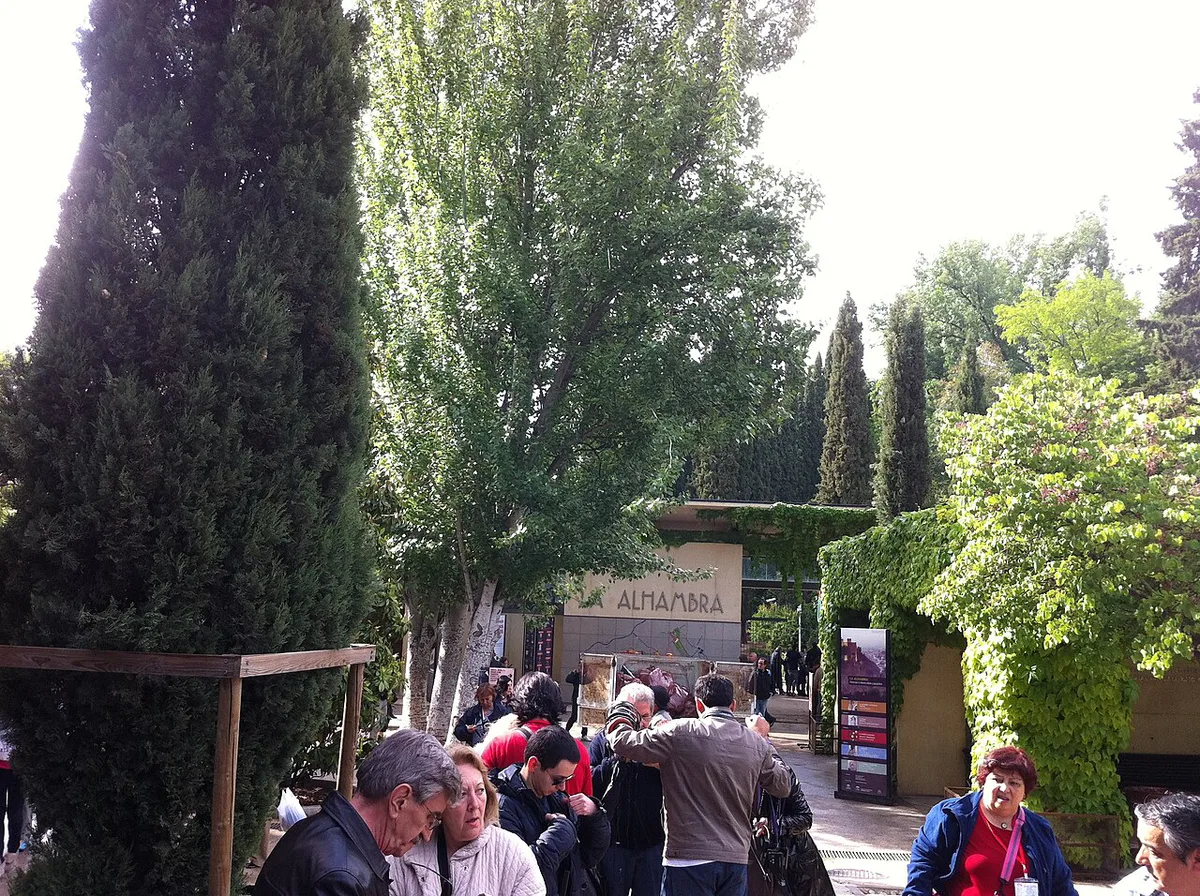
Granada's Secret Neighborhoods: Albaicín, Sacromonte, Realejo, and Zaidín
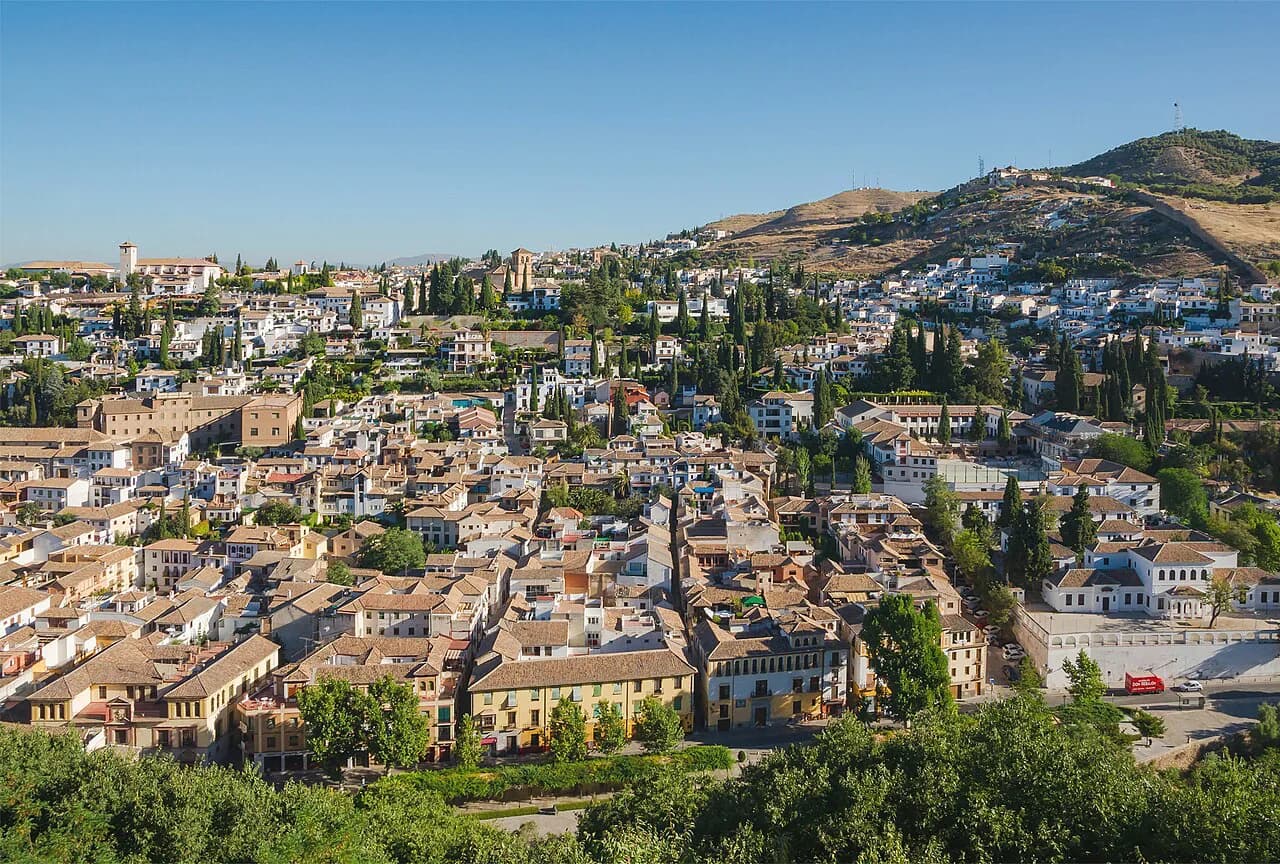
Granada's most rewarding hidden corners cluster into four distinct neighborhoods, each with its own history. The Albaicín is the old Moorish quarter, a maze of whitewashed lanes climbing opposite the Alhambra hill. Sacromonte carries Granada's Roma heritage in its cave-house architecture and flamenco tradition. Realejo was the city's historic Jewish quarter and now holds its best free-tapa bar scene. Zaidín is a modern, mostly residential district where tourists rarely wander, which keeps its tapas prices and portions aimed at locals rather than visitors. The Granada Neighborhoods Guide: Albaicín, Sacromonte, Realejo, and Beyond (2026) breaks down how these four areas connect on foot. The Albaicín neighborhood guide covers the best walking routes through the old quarter. The Sacromonte neighborhood guide lists which caves welcome visitors and which stay private homes. The Realejo neighborhood guide maps its tapas bars street by street. The Zaidín neighborhood guide rounds up the district's most local-facing restaurants.
Decision Criteria: Which Hidden Gem Fits Your Itinerary
Time available should decide which hidden gems make the cut on a given day. With only two hours free, skip the trip out to Monastery of La Cartuja and add Carmen de los Mártires instead, since it sits a short walk from the Alhambra hill. Reserve Cartuja, Sacromonte's cave quarter, and a full Albaicín walk for days with a half-day or more to spare. If rain cuts a day short, Realejo's indoor tapas bars and El Bañuelo's covered hammam both work as shelter-friendly backups. The table below breaks down climb, cost, and a rough time budget for each stop, so you can match the list to the time and legs you actually have.
| Hidden Gem | Climb / Effort | Entry Cost | Time Budget |
|---|---|---|---|
| El Bañuelo | Flat, minutes from Carrera del Darro | Part of the Alhambra's combined-ticket network | 30-45 minutes |
| Carmen de los Mártires | Flat entrance; gentle terraced garden paths | Confirm current entry policy before visiting | 1-2 hours |
| Monastery of La Cartuja | Flat, but a 25-30 minute trip from center | Paid; check the Turismo de Granada portal | Half-day or more |
| Mirador de San Cristóbal | Steep on foot; flat via the C31/C32 bus | Free | 45-60 minutes |
| Sacromonte cave quarter | Steep, uneven uphill lanes throughout | Free to walk; shows and museums charge separately | Half-day, or evening for a flamenco show |
| Realejo tapas circuit | Flat, walkable center streets | Free entry; cost of a drink covers the tapa | 2-3 hours, evening |
| Zaidín tapas district | Flat; short bus or taxi from center | Free entry; cost of a drink covers the tapa | 2 hours, dinner |
| Mirador de los Carvajales | Moderate, Albaicín side streets | Free | 20-30 minutes |
| Plaza del Ocho | Moderate, Albaicín side streets | Free | 15-20 minutes |
| Albaicín back streets | Steep, cobbled lanes throughout | Free to walk | 1-2 hours, early evening |
Practical Logistics: Costs, Tickets, and Best Times to Visit These Hidden Gems
Confirm hours before you go, since several of these sites run seasonal schedules that shift through the year. The Patronato de la Alhambra y el Generalife publishes current opening hours for the network of sites that includes El Bañuelo, so check there rather than relying on a generic listing. As of 2026, the Turismo de Granada official portal lists current admission for the Monastery of La Cartuja. Typical Cartuja admission runs below the price of a standalone Alhambra ticket, since it draws far fewer visitors and carries none of the same demand. Getting up to the Albaicín's upper miradores and Sacromonte on foot means climbing steep, cobbled lanes that are not stroller- or wheelchair-friendly. For the calendar view of when the Albaicín empties out, the best time to visit Granada guide lines up specific weeks and hours worth targeting.
Mirador de San Cristóbal is the only uphill viewpoint with bus access (C31 or C32, Transportes Rober), delivering the same Alhambra view as San Nicolás without steep Albaicín climbing—critical for wheelchair and mobility-limited visitors.
- Confirm hours before you go
- The Patronato de la Alhambra y el Generalife publishes current hours for the site network that covers El Bañuelo.
- Granada's municipal sites shift opening hours seasonally, so check close to your travel date rather than an old listing.
- Check Cartuja Monastery admission separately
- The Turismo de Granada official portal is the source to confirm current Monastery of La Cartuja admission.
- Build it into a half-day, since it sits well outside the historic center.
- Use city buses for the steep climbs
- Transportes Rober's C31 and C32 routes reach the upper Albaicín and Mirador de San Cristóbal directly.
- Both routes skip the steepest switchback streets that the walking route from the center requires.
- Plan around stroller and mobility limits
- Sacromonte's cave lanes and the Albaicín's back streets involve steep, uneven cobblestones.
- Carmen de los Mártires and El Bañuelo are flatter and easier for limited-mobility visits.
- Pair sites by location, not by list order
- Group El Bañuelo, Carmen de los Mártires, and the Albaicín back streets into one Alhambra-adjacent half-day.
- Save Cartuja Monastery and Sacromonte's cave quarter, which sit farther from the center, for a separate outing.
Local Food Secrets: Tapas Away from Calle Navas
Calle Navas draws the biggest crowds for Granada's free-tapa-with-a-drink tradition, which also means higher prices and longer waits. Realejo and Zaidín run the same free-tapa system with shorter lines and menus aimed at residents rather than visitors. Order a caña or a tinto de verano and let the bar choose the tapa, which is how the tradition works in both neighborhoods. The 9 Best Local Restaurants in Granada: Authentic Tapas & Dining Guide guide lists specific bars worth the detour. The Granada Local Food Guide 2026: Tapas Etiquette and Local Dishes explains the free-tapa system and other dishes to look for beyond the bar circuit.
Common Mistakes When Seeking Hidden Gems in Granada
The most common mistake is trying to fit every item on this list into a single day. That is especially true when Sacromonte, Cartuja, and a day trip are all on the table at once. Treat the cave-quarter walk and the monastery as separate half-days rather than one rushed loop. Skipping neighborhood context is another frequent error, since visitors often photograph Sacromonte or Realejo without understanding why those areas look and feel different from the Albaicín. Assuming every hidden spot is stroller-friendly also trips people up, since several miradores and cave lanes involve steep, uneven paths. If today's list still feels close to the standard circuit, the Secret Spots in Granada: Hidden Gems Beyond the Alhambra (2026) guide goes further into lesser-known corners. The Off the Beaten Path in Granada: A No-Frills Guide for 2026 guide pairs well with a full free day away from the center. For ideas that skip monuments entirely, the 9 Unique Things to Do in Granada Beyond the Alhambra guide covers activity-based alternatives. Anyone building a longer stay should also check the 4 Best Day Trips From Granada: Beaches, Mountains and Cave Villages guide before scheduling Cartuja and an outside-the-city excursion on the same day.
Historic Houses and Carmens in Realejo
Realejo’s lesser-known interiors reveal more than its tapas bars and Jewish history. Start with the Fundación Rodríguez-Acosta, above the neighborhood on Mauror hill. Painter José María Rodríguez-Acosta created this unusual early-20th-century carmen as his studio and private retreat.
The building combines enclosed gardens, underground passages, terraces, and carefully framed views across Granada. Entry may be limited to scheduled visits, so check the foundation’s official timetable before climbing from Plaza del Realejo. The nearby Instituto Gómez-Moreno displays the art collection assembled by historian Manuel Gómez-Moreno and his family.
Lower in Realejo, the Casa de los Tiros occupies a 16th-century palace on Calle Pavaneras. Its museum explains Granada’s domestic life, festivals, and cultural traditions through historic rooms, prints, photographs, and decorative objects.
Allow about two hours for one historic interior and a Realejo walk. Rodríguez-Acosta suits visitors interested in architecture and gardens. Casa de los Tiros is the easier choice when you want a central stop with less climbing.
For trip-planning details, see Granada – Wikivoyage.
Explore hidden gems in other cities
Further reading: Granada on Wikivoyage · Granada on Wikipedia
Frequently Asked Questions
What is the single best hidden gem in Granada if you only have two hours?
Carmen de los Mártires is the strongest pick for a short window, since it sits a short walk from the Alhambra hill and needs no bus ride out of the center. Save Monastery of La Cartuja, which sits farther north, for a visit with a half-day or more to spare.
Is Sacromonte safe to visit, and is it worth going at night?
Sacromonte is a residential neighborhood with an active flamenco scene, and its main cave-show venues run organized evening performances. Stick to the main path along the valley and confirm a specific show or venue before heading up after dark, since lighting thins out past the well-trodden route.
Do El Bañuelo and Carmen de los Mártires require advance booking?
El Bañuelo sits within the Alhambra's combined-ticket site network, so check the Patronato de la Alhambra y el Generalife's current hours and booking policy before visiting. Carmen de los Mártires' entry policy should also be confirmed close to your visit date, since Granada's municipal sites adjust hours seasonally.
How do you get to Mirador de San Cristóbal without the steep Albaicín climb?
Take the C31 or C32 bus, run by Transportes Rober, which climbs directly to the upper Albaicín near San Cristóbal. Both routes save you the steepest switchback streets that the walking route from the center requires.
What exactly is a carmen in Granada?
A carmen is a traditional Granada house built around a walled garden, historically found across the Albaicín and Realejo hillsides. Carmen de los Mártires is the most elaborate public example, with several garden terraces open to visitors near the Alhambra.
Explore More Hidden Granada
Keep discovering the quieter, older side of Granada with these local guides.
Neighborhoods
- Albaicín Granada Guide
- Sacromonte Granada Guide: Caves, Zambra Flamenco, and the C34 Bus
- Realejo Granada Guide: Exploring the Old Jewish Quarter
- Zaidín Granada Guide
- Granada Neighborhoods Guide: Albaicín, Sacromonte, Realejo, and Beyond (2026)
Secret spots & the outdoors
- Secret Spots in Granada: Hidden Gems Beyond the Alhambra (2026)
- El Bañuelo Granada
- Carmen de los Mártires Granada
- Mirador de San Cristóbal, Granada
- Cartuja Monastery Granada: A Complete Guide to Spain's Baroque Masterpiece
- Off the Beaten Path in Granada: A No-Frills Guide for 2026
Food, drink & planning
Continue exploring
More guides you'll find useful