Off the Beaten Path in Granada: A No-Frills Guide for 2026
Off the beaten path in Granada for 2026: upper Sacromonte caves, Albaicín backstreets, no-frills tapas bars, and quiet miradores away from the crowds.
On this page
Off the Beaten Path in Granada: Skip the Alhambra Queue
Last updated July 2026, this guide maps out off the beaten path in Granada for travelers who want the city's daily life, not just its postcard fortress. It trades the Alhambra ticket queue for the Carrera del Darro walk past El Bañuelo, the Albaicín's Cuesta del Chapiz, and the cave-house lanes of Sacromonte. Expect steep lanes, simple tapas bars, and neighborhoods where the pomegranate icon still shows up on floor tiles and bollards rather than souvenir shelves.
Beyond the Red Walls: Why Go Off the Beaten Path in Granada
The Alhambra's timed-entry tickets and queues absorb most of Granada's tourist attention. Off the beaten path in Granada means trading that line for streets where the city's own icon, the pomegranate, turns up on floor tiles and bollards instead of gift-shop shelves. It also means finding Moorish arches and old church facades still standing in place, not relocated behind glass. Not every detour takes the same effort. Three factors define that friction for each spot in this guide. Three areas reward the effort most directly: upper Sacromonte, the Realejo backstreets, and the Zaidín district. In this guide's editorial assessment, here is how they compare. A companion guide rounds up further off-path highlights across the whole city. A shorter roundup of secret corners of Granada is a good place to start if this guide feels like a lot to take in at once. Even the Alhambra itself has an off-path angle. Locals note that sunset there works better as a people-watching exercise than a photo opportunity. The crowds themselves become the more interesting subject once everyone settles in for the view.
| Area | Friction Level | What You'll Find |
|---|---|---|
| Upper Sacromonte | High — steep climbs, dirt tracks, little English spoken | Humble cave dwellings, informal viewpoints, gitano-run flamenco culture |
| Realejo backstreets | Low — walkable, well-signed streets | Street art, quiet squares, the gardens at Carmen de los Mártires |
| Zaidín | Medium — normal city bus routes, few tourist services | Local festivals, football culture, tapas bars with no English menus |
- How steep the climb is
- How much English gets spoken locally
- How far public transport actually reaches
The Living History of Sacromonte and the Albaicín Fringes
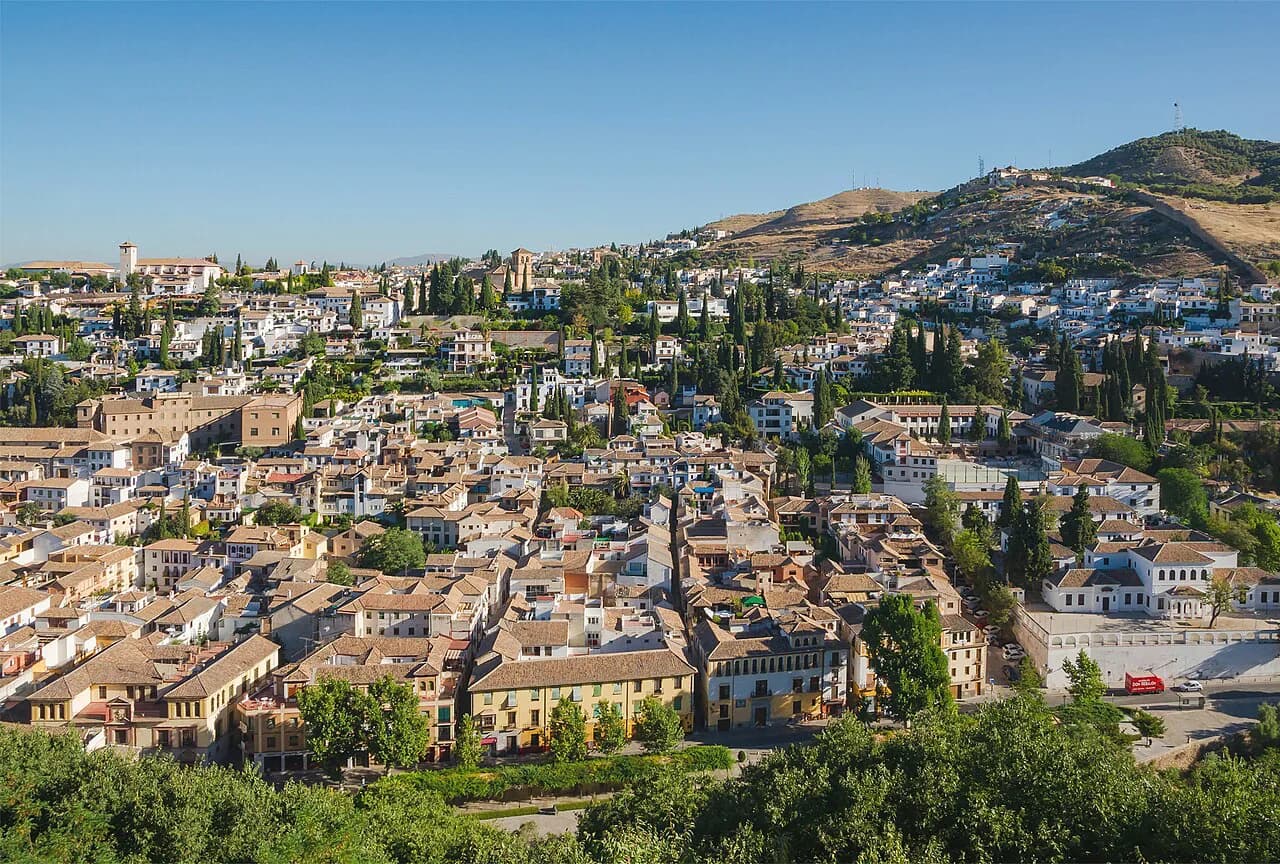
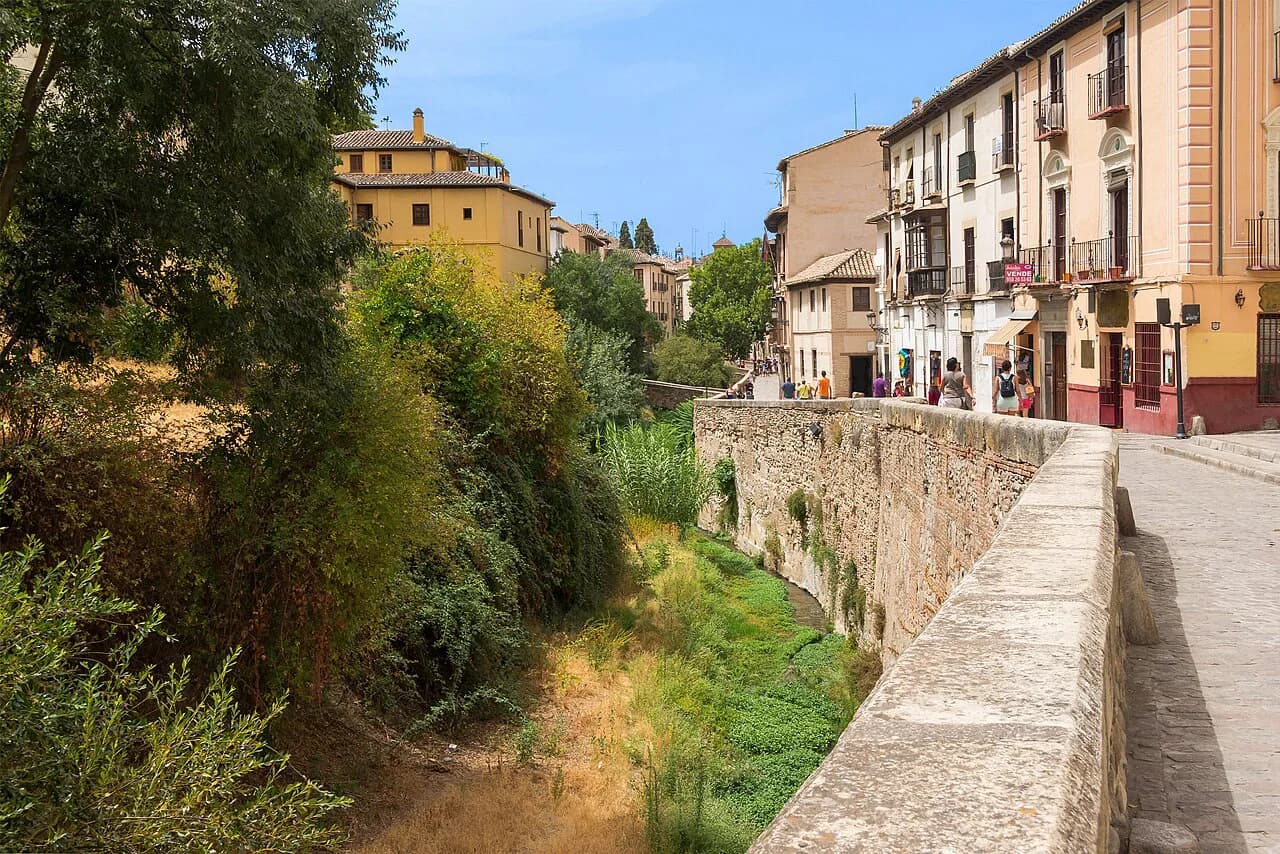
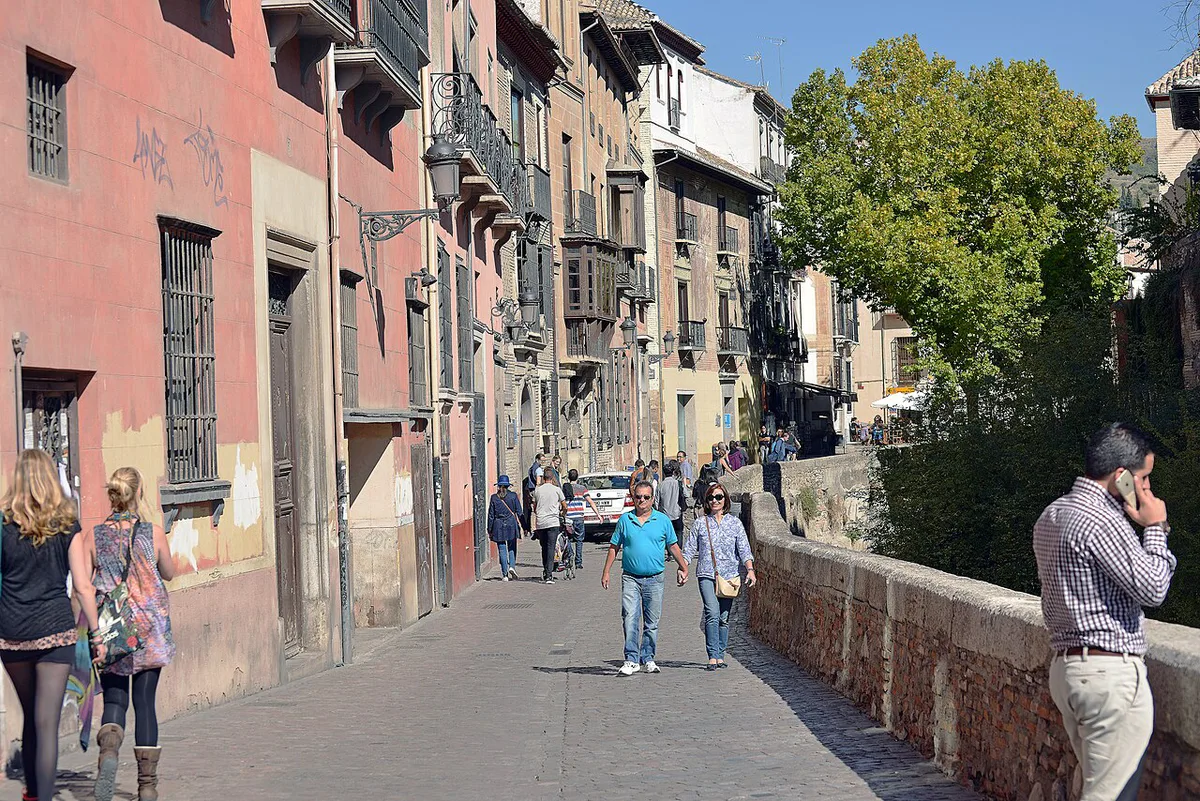
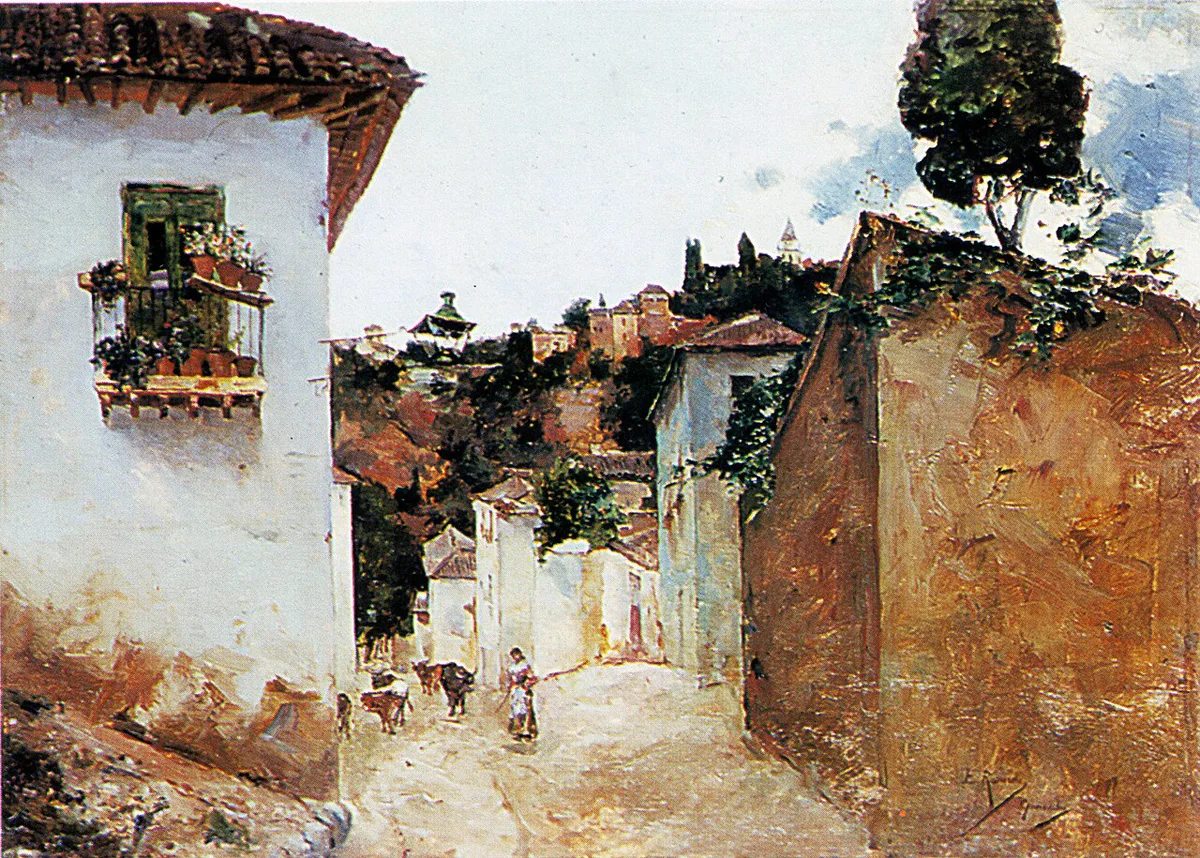
Start at Plaza Nueva and walk the Carrera del Darro east along the river. The route passes the El Bañuelo bathhouse, a Moorish-era hammam left in place rather than boxed into a museum case. From there, the path climbs into the Albaicín along the Cuesta del Chapiz. Moorish arches and old church facades still show through later plasterwork on this stretch. The Albaicín neighborhood guide covers the turns block by block for a slower half-day version of the walk. Past the Cuesta del Chapiz, the lanes loop into Sacromonte's cave-house streets. The higher you climb, the more basic the dwellings become, and some upper-level caves still have no electricity or running water, unlike the flamenco-club caves lower on the hill. Lower Sacromonte is largely run by gitano families, who own the flamenco clubs, bars, restaurants, and small hotels built into the caves, carved into the north side of the Genil river valley. Tourism here works differently than in some other Spanish cities. Instead of keeping visitors at a distance, gitano communities in Sacromonte built their businesses around bringing them in. Locals describe it as one of the more effective bridges between visitor income and a historically marginalized community. The Sacromonte cave-house guide breaks down which lanes are an easy walk and which require a longer climb. One upper-level resident has been known to offer an informal walk-through of a private cave home, a no-frills contrast to the polished, ticketed attractions lower on the hill. The cost breakdown for both options appears in the logistics section below. One abandoned open-air merendero on this stretch is locally known as The Fly. Its access and condition change, so check current status locally before treating it as a fixed stop. Watch, too, for a few specific traces of the past along the way.
Upper Sacromonte's informal cave tours run as low as €1 because upper dwellings have no electricity or running water, unlike the €10 polished attractions lower on the hill.
- A facade that still carries hand-painted bronze tiles
- A house with green shutters left hanging where windows used to be
- A collapsed section of hillside that opens onto a crowd-free view over the city
Granada's No-Frills Tapas and Local Bars
Granada is one of the few Spanish cities where ordering a drink still gets you a free tapa. The catch is a paradox locals know well. The more no-frills the bar, the smaller the tapa tends to be. For a generous plate, mid-range bars and restaurants usually deliver more than the barest dive bars do. As the local saying goes, you don't choose the tapa, the tapa chooses you, and that can mean an unexpected meat dish arrives even when you didn't order one. The local food guide explains this ordering rhythm in more detail. The local restaurants guide lists specific kitchens worth the detour, if the free tapas alone don't add up to a full meal. Plaza de Gracia and Calle Duquesa are two of the steadiest hubs for this kind of no-frills drinking, anchored by a handful of long-running bars that see mostly local regulars. None of the three below specialize in vegetarian plates, since Granada's free tapas skew heavily toward meat and fish. Don Barbacoa, on Calle Santa Escolástica, 5, serves falafel wraps and tabbouleh salad for travelers who want a break from meat-heavy tapas.
- Bar Manolo — Plaza de Gracia, 8
- Cafetería Goya — Calle Duquesa, 1
- Bar Cebollas Palas — Plaza de la Merced, 11
Alternative Neighborhoods: Realejo and Zaidín
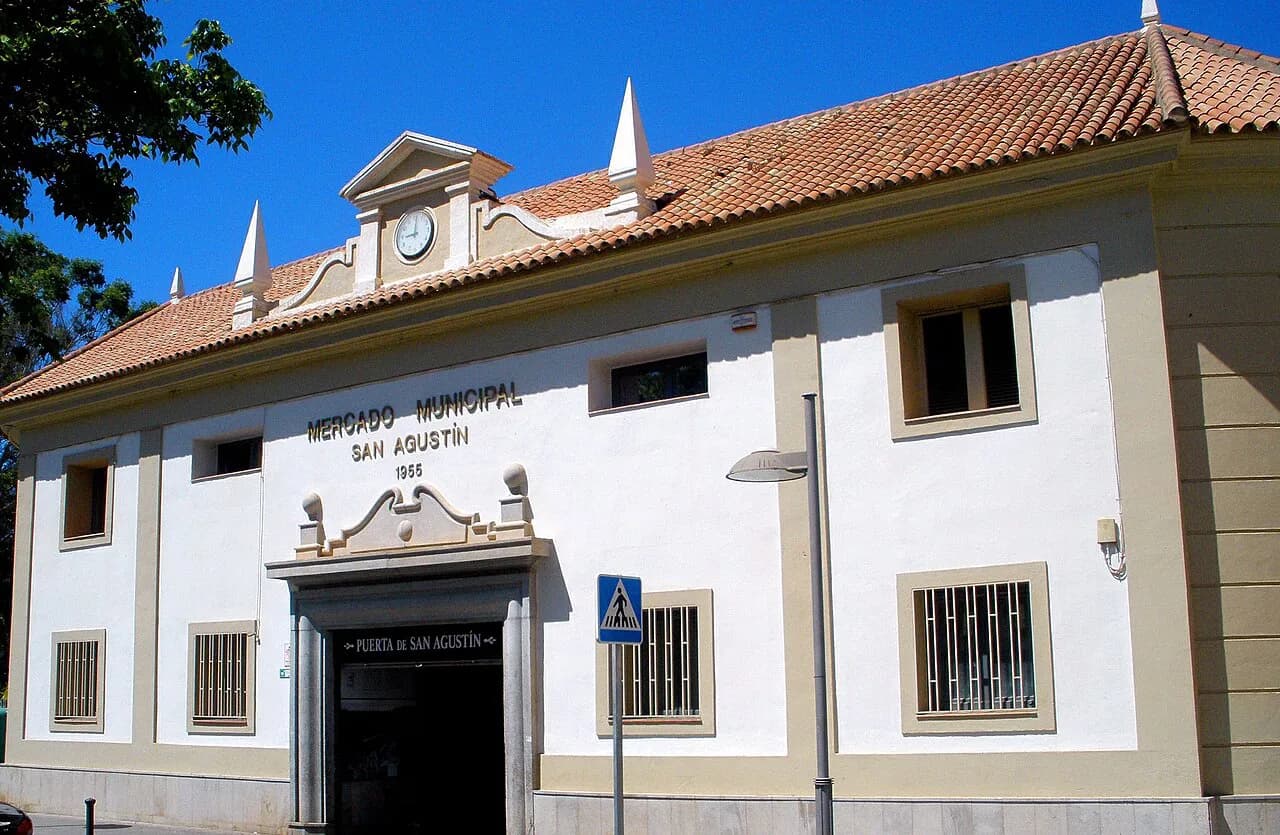
Realejo, Granada's former Jewish quarter, sees a fraction of the Alhambra's foot traffic despite sitting close by. Street art covers side walls between quiet squares, and the neighborhood rewards slow, aimless walking more than a checklist. The Realejo neighborhood guide maps the quarter's key corners for a self-guided loop. Within Realejo, the gardens at Carmen de los Mártires offer a quiet, greener alternative to touring the Alhambra's own gardens, without the same ticket line. Zaidín is Granada's day-to-day residential district, distinct from the historic tourist core. Its calendar runs on local festivals and football match days more than tourist season, and its tapas bars rarely bother with English menus. The Zaidín neighborhood guide covers the district's specific streets and markets. The wider Granada neighborhoods overview helps compare both districts against the rest of the city for anyone planning a route between them.
Silent Miradores Beyond San Nicolás
Mirador de San Nicolás is the postcard Alhambra view, and it draws crowds well before sunset every evening. A quieter alternative with a similar Alhambra sightline sits at Mirador de San Cristóbal, on a less-trafficked approach through the Albaicín. Higher still, the upper Sacromonte lanes turn from stone stairs into a carved dust track lined with aloe vera plants, ending at viewpoints with no crowds at all. One informally named lookout, Mirador cueva Rincón el corazón on Calle Verea de Enmedio, sits at cave-house level above the valley. Cartuja Monastery draws far fewer visitors than the Alhambra and works well as a quieter stop on the same day as Realejo or Zaidín.
Upper Sacromonte's unpaved, aloe-lined dirt track draws fewer visitors than San Nicolás, where crowds arrive well before sunset. The trade-off: this quietest viewpoint requires a steeper climb and offers no facilities.
| Mirador | Crowd Level | Notes |
|---|---|---|
| Mirador de San Nicolás | Highest | Classic Alhambra backdrop; arrive well before sunset for terrace space |
| Mirador de San Cristóbal | Lower | Similar Alhambra view from a less-trafficked Albaicín approach |
| Upper Sacromonte dirt track | Lowest | Reached on foot past aloe vera plantings; no facilities |
| Mirador cueva Rincón el corazón | Low | Informal cave-side viewpoint on Calle Verea de Enmedio |
Logistics: Navigating Granada's Steepest Secrets
Getting into the Albaicín and Sacromonte comes down to a trade-off between the local 'C' minibus lines and walking the carved dust tracks yourself. The minibuses cover the steepest grades, useful for anyone saving their legs for the cave-lane walking later. Walking instead means slower progress, but more chances to spot the ghost facades and tile fragments along the way. Timing matters more than distance here. Granada sees a wave of day-tripping cruise passengers and coach tours around midday. The best time to visit without crowds guide breaks down which weeks and hours thin that particular crowd out. Cost follows a similar split to the cave-house tours described earlier in Sacromonte. Polished, ticketed cave attractions lower on the hill run close to €10. Informal walk-throughs offered directly by upper-level residents can run closer to €1, though these are informal arrangements rather than fixed listed prices. Anyone building a longer Andalusia trip around this base can also use the day trips from Granada guide to fill out days once the old town feels fully covered.
Common Mistakes to Avoid
A few assumptions trip up first-time visitors chasing Granada's less-visited corners. None of them are complicated to avoid once you know what to expect. The 9 Unique Things to Do in Granada Beyond the Alhambra guide rounds up experiences that don't fit neatly into one neighborhood. It's a good next stop for a wider sense of what else counts as distinctive beyond this specific route.
- Assuming hidden means free. Some cave-house visits and informal tours are still paid, even without a ticket booth. The free things to do guide is a better reference for genuinely no-cost stops.
- Underestimating the physical toll. Granada's old quarters sit on real hills, and the upper Sacromonte lanes add a long, steady climb on top of that.
- Dressing for a flat city walk. The higher dirt tracks are unpaved and lined with aloe vera, closer to a trail than a sidewalk, so plan footwear accordingly.
- Expecting English everywhere. Off the main tourist strip, menus and signage are mostly Spanish-only, so a few basic phrases go a long way.
Further reading: Granada on Wikivoyage · Granada on Wikipedia
Frequently Asked Questions
What is the most authentic neighborhood to explore off the beaten path in Granada?
Upper Sacromonte, the Realejo backstreets, and Zaidín are the three areas most worth the detour for local daily life rather than staged sights. Each has a different kind of friction, from Sacromonte's steep dirt tracks to Zaidín's near-total lack of tourist infrastructure.
Is it safe to walk the upper Sacromonte cave lanes alone?
The lower, tourist-facing level of Sacromonte is well traveled and generally straightforward. The higher dirt tracks are unpaved and less supervised, and their condition can change, so check current local status before heading up and avoid them after dark.
How much do informal cave-house tours in Sacromonte cost?
Accounts describe a rough split. Polished, ticketed cave attractions lower on the hill run close to €10. Informal walk-throughs offered directly by upper-level residents can run closer to €1. These informal offers are not fixed listed prices, so treat the figures as an example of local pricing culture rather than a guarantee.
When is the best time to visit off-the-beaten-path Granada without crowds?
Midday hours see the heaviest overlap with cruise-ship and coach day-trippers heading up toward the Alhambra and San Nicolás. The best time to visit without crowds guide breaks down specific weeks and hours that thin out both the historic center and the miradores.
Do you need a car to explore off-the-beaten-path Granada?
No car is needed for anything covered here. Plaza Nueva, the Albaicín, and Sacromonte are all walkable from the center. The local 'C' minibus lines cover the steepest climbs for anyone who wants to save their legs for later in the day.
Do these areas require Spanish language skills?
Not strictly, but English becomes less common the further you get from the main tourist strip. Menus and signage in Zaidín and upper Sacromonte are mostly Spanish-only, so a few basic phrases make ordering and asking directions easier.
Continue exploring
More guides you'll find useful