Free Things to Do in Granada: A 2026 Budget Guide
Free things to do in Granada for 2026: free viewpoints, Sunday-only monuments, hidden Moorish courtyards, and how the city's free tapas system works.
On this page
Free Things to Do in Granada: A 2026 Budget Guide
Last updated July 2026. Granada rewards budget travelers who skip the ticket line, since most of its best experiences cost nothing at all. This guide to free things to do in Granada covers sunset viewpoints, Sunday-only monuments, Moorish courtyards, and the city's free tapas system, plus the handful of paid extras worth their price in 2026.
Is Granada Actually Free to Visit in 2026?
Most of Granada's signature experiences do not require a ticket. The Albaicín's cobbled streets, the miradores over the Alhambra, the gardens at Carmen de los Mártires, and the free tapa that arrives with every drink all cost nothing. Paid admission is reserved mostly for the Alhambra's Nasrid Palaces and Generalife interior, plus the Cathedral of Granada's interior. Alhambra tickets start from about €19 depending on the route chosen, and pricing can shift by season, so confirm the current rate before booking. The table below shows where a free, self-guided option stands in for a paid ticket, and what the paid alternative actually costs.
| Experience | Free Option | Paid Alternative |
|---|---|---|
| Albaicín exploration | Self-guided walk through the placetas | Guided walking tour (price varies by operator) |
| Alhambra views | Mirador de San Nicolás or Carmen de los Mártires | Nasrid Palaces ticket, from about €19 |
| El Bañuelo Arab baths | Free walk-in entry on Sundays | €8 combo ticket on other days |
| Casa de Zafra | Free walk-in entry on Sundays | €3 on other days |
| Sacromonte hillside | Free walk along the Camino del Sacromonte | Cave Museum entry, €5 |
| Getting up the hills | Walking (free, but steep) | C31/C32 minibus, €1.40 per ride |
Free Things to Do in Granada: The Best Viewpoints
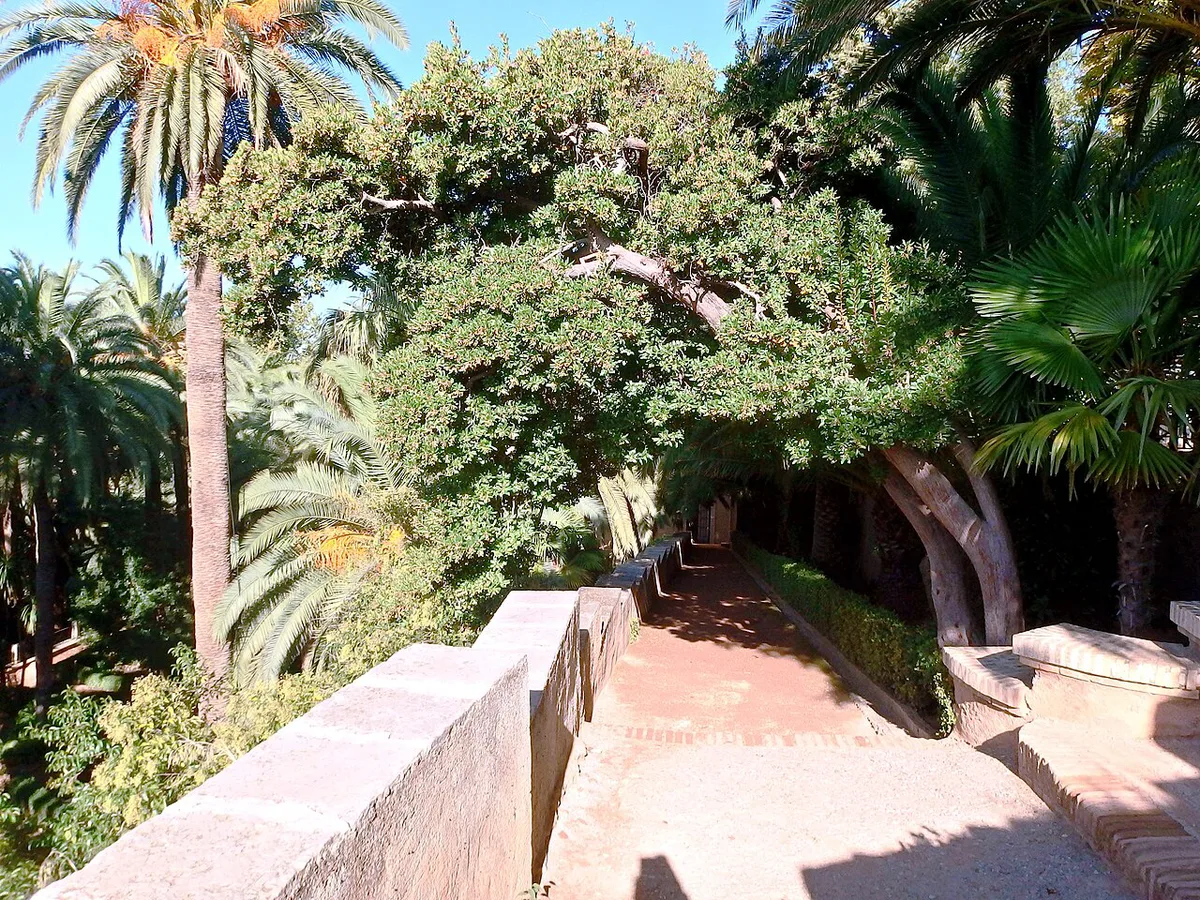
Granada's free viewpoints rival anything sold as a paid experience elsewhere in Spain. Each mirador frames the Alhambra and the Sierra Nevada from a different angle, and none of them charge admission.
- Mirador de San Nicolás: the classic view of the Alhambra against the Sierra Nevada. Arrive 45 to 60 minutes before sunset for a spot on the wall, earlier on weekends in spring and summer.
- New Mosque of Granada garden: a quieter terrace a few steps from San Nicolás, with a similar Alhambra view and far less noise.
- Mirador de San Cristóbal: a wider panoramic view that takes in the whole city and the Sierra Nevada range, better suited to daytime visits than sunset crowds. The Mirador de San Cristóbal page has the walk-up route.
Sunrise Alternative and Photography Timing
For an even quieter version of the same view, some visitors climb up before sunrise instead, when Plaza Larga and the streets toward San Nicolás are still empty. Photographers should stay 10 minutes past sunset. The sky turns deep blue as the Alhambra's floodlights switch on. That contrast, a lit palace against a darkening Sierra Nevada, beats the standard golden-hour shot most visitors settle for.
Free on Sundays: Monuments That Waive Their Entrance Fee
Sunday is the cheapest day to sightsee in Granada. On top of everything that is free every day, a handful of monuments open without charge for walk-in visitors.
- El Bañuelo: these 11th-century Arab baths normally carry an €8 combo ticket, waived on Sundays. Look for the unmarked house doorway on Carrera del Darro that marks the entrance. The El Bañuelo Arab baths page has current entry details.
- Casa de Zafra: a preserved Nasrid-era house that costs €3 on other days, free on Sundays.
- Palace of Charles V museums: inside the Alhambra grounds, these museums are free on Sundays and do not require an Alhambra admission ticket.
Practical Notes for Sunday Free Entry
Sunday free entry usually means same-day, walk-in access rather than advance booking. Queues build fast at popular sites once word gets around. Arrive within the first hour of opening to avoid a long wait. Monument hours also shift seasonally across Andalusia, running shorter in winter and longer in summer, so check each site's posted schedule before setting out.
El Bañuelo and Casa de Zafra waive €8 and €3 entrance fees, respectively, on Sundays, but the savings require arriving within the first hour of opening to avoid long queues.
Iconic Free Walks: Carrera del Darro, the Albaicín, and Sacromonte
Three free walks cover most of what makes Granada worth visiting. Each follows a different edge of the old city, and none needs a ticket.
- Carrera del Darro and Paseo de los Tristes: a riverside route beneath the Alhambra's walls, often cited as one of the most scenic streets in Spain.
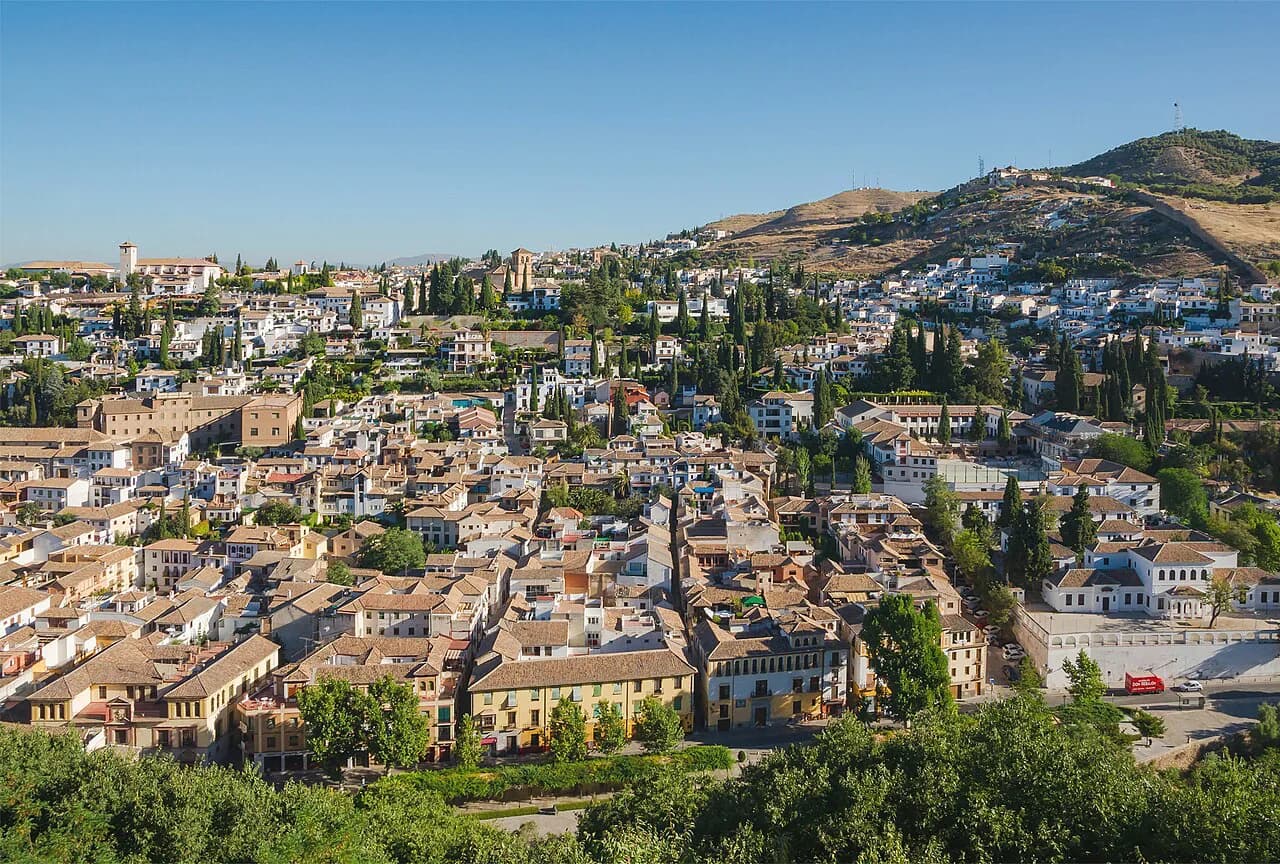
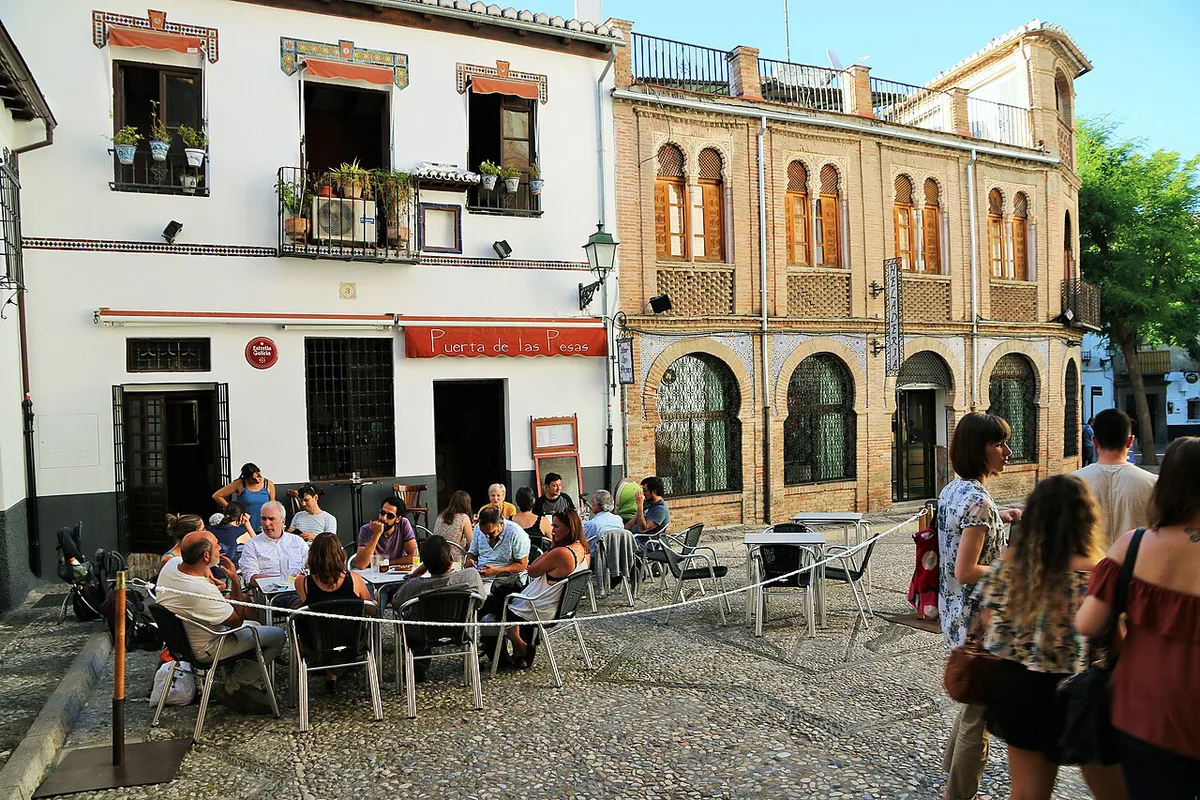
- The Albaicín labyrinth: Granada's Moorish quarter is built around small squares, or placetas, strung together by steep cobbled lanes. Plaza Larga is a good starting point before the streets climb toward San Nicolás. The Albaicín neighborhood guide maps the route in more detail.
- The Sacromonte walk: the Camino del Sacromonte climbs past cave-dwelling houses carved into the hillside, and walking it costs nothing. The optional Cave Museum charges €5 entry, worth it mainly for visitors interested in the neighborhood's flamenco and cave-house history. The Sacromonte neighborhood walk page covers both the walk and the museum.
How Granada's Neighborhoods Connect
For a wider view of how these three areas connect, along with Realejo and Zaidín, the Granada neighborhoods overview lays out the whole city by district.
Hidden Moorish Architecture You Can Visit Without a Ticket
Granada keeps several pieces of Nasrid-era architecture open at no cost, tucked between souvenir shops and tapas bars.
- Corral del Carbón: the oldest surviving Nasrid-dynasty monument in the city, a 14th-century merchants' inn, free to enter in the city center.
- Patio de los Perfumes: a 17th-century courtyard just off Carrera del Darro, free to step into during opening hours.
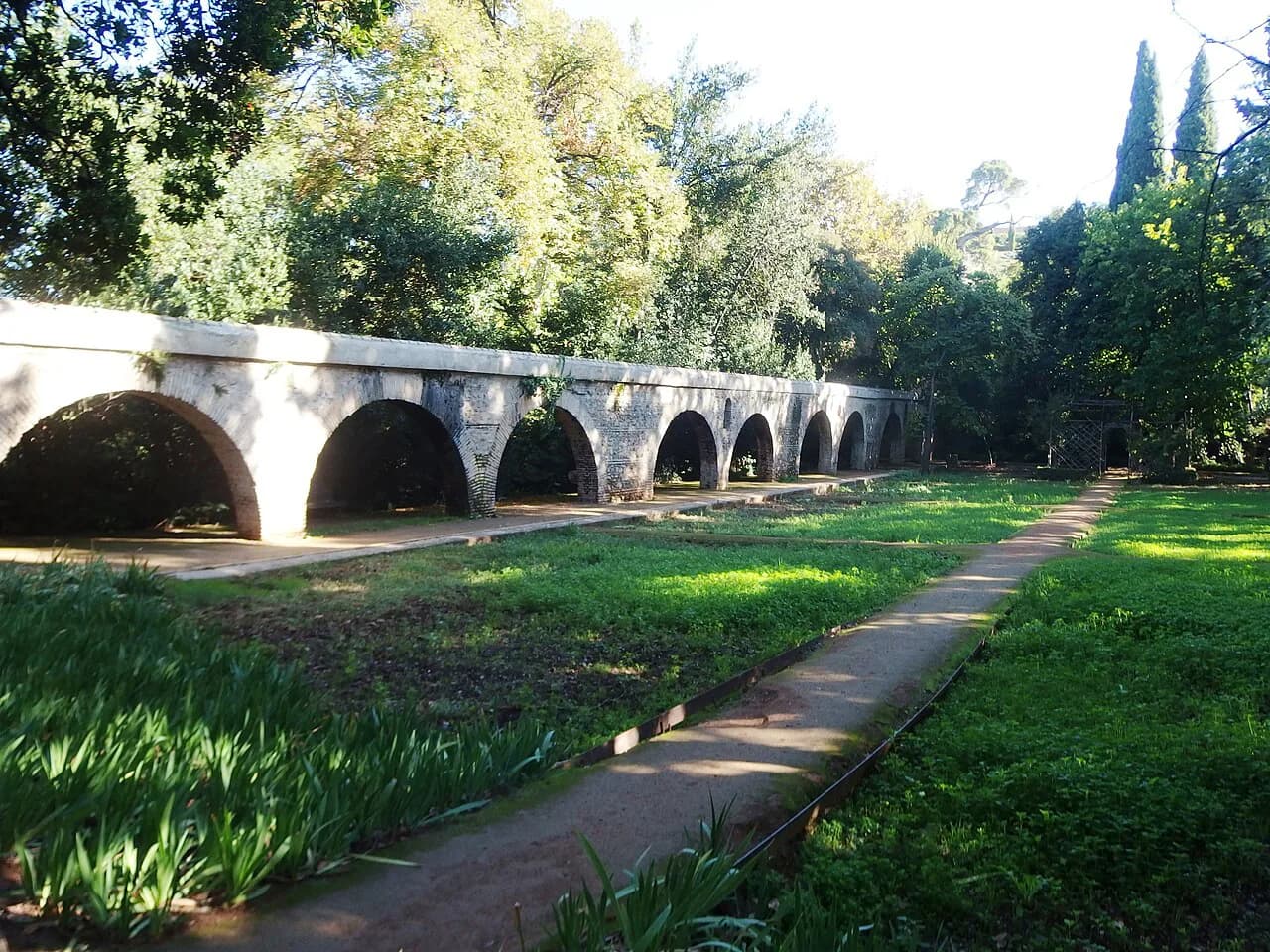
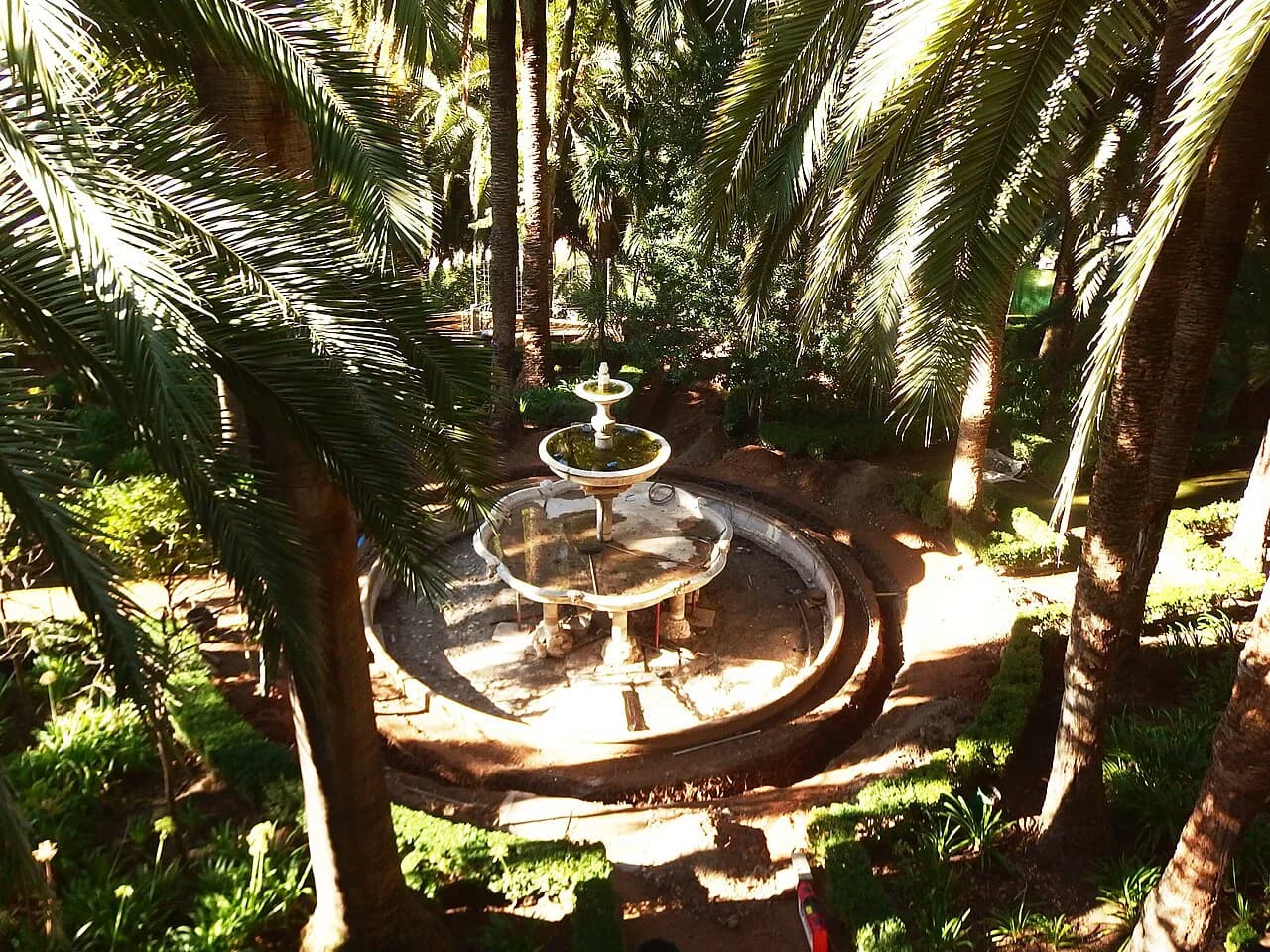
- Carmen de los Mártires: a garden behind the Alhambra hill with terraced grounds and peacocks, free admission. The Carmen de los Mártires gardens page has the current opening hours.
- Granada Cathedral exterior: the interior requires a paid ticket, but the facade and the surrounding Plaza de las Pasiegas give the best architectural view for free.
Free Street Art and Further Hidden Corners
Realejo, Granada's old Jewish quarter, adds a free open-air gallery of its own. Large-scale murals by street artist Raúl Ruiz, known as El Niño de las Pinturas, cover building facades through the neighborhood. The Realejo street art page maps out where to find them. A companion guide covers Granada's lesser-known corners in more depth. Another rounds up Granada's secret spots for travelers who want to go further off the main routes.
How Granada's Free Tapas System Works
Granada is one of the last Spanish cities where a full tapa still arrives automatically with a drink. Order a beer, wine, or soft drink at most bars, and a kitchen-made tapa comes with it at no extra charge.
Granada's free tapa arrives with any drink at most bars, but drink costs vary sharply—tourist zones like Plaza Nueva charge more than local streets like Calle Navas for the same meal.
- No menu, no choice: bars decide what tapa comes out, and it usually changes with each round ordered.
- Calle Elvira: a dense strip of bars aimed partly at tourists, still reliable for the free-tapa system.
- Calle Navas: a more local tapas street, often cited for stronger portions per drink.
- Order at the bar, not the table, in most traditional spots, since table service can add a surcharge.
Where the Free Tapas Trade-Off Shows Up
The food is free, but the drink is not, and prices climb in tourist-heavy areas like Plaza Nueva to help offset the cost of the tapa. Sticking to Calle Navas or streets deeper into the Albaicín generally keeps drink prices lower for the same free plate. A dedicated guide covers Granada's local food scene in full. The local restaurants in Granada guide is the next stop once the free-tapa crawl is not enough.
A Zero-Euro Day: A Free Budget Itinerary for Granada
This route strings together the free sights above into one walkable day, starting in the city center and finishing at sunset.
- Morning: start at Plaza Nueva, then climb into the Albaicín and its placetas toward Plaza Larga.
- Midday: follow Carrera del Darro and Paseo de los Tristes along the river, then detour to Corral del Carbón or Patio de los Perfumes.
- Afternoon: walk to Carmen de los Mártires for the gardens, or cross to Realejo for the street art.
- Early evening: head up to Mirador de San Nicolás or the New Mosque garden 45 to 60 minutes before sunset.
- Evening: order a drink on Calle Navas or Calle Elvira and let the free tapas cover dinner.
What the Zero-Euro Day Actually Costs
Total admission cost for the day: €0, aside from whatever is spent on drinks and transport. Add the €1.40 C31/C32 minibus fare if the hills feel like too much after a full day of walking.
Budget Travel Tips: Transport, Water, and Timing
A few practical details keep a free day in Granada actually free.
- Transport: the Albaicín and Sacromonte are steep. Walking costs nothing, but the C31 and C32 minibuses cover the climb for €1.40 per ride, a reasonable trade-off for anyone with limited mobility.
- Water: public drinking fountains, known locally as pilares, are scattered through the Albaicín and city center, so refill a bottle instead of buying drinks.
- Timing: visiting outside peak season thins the crowds at every free viewpoint and monument. The visiting Granada without the crowds guide breaks down the calendar month by month.
- Hours: monument and museum hours in Andalusia shift between summer and winter schedules, so confirm the current hours for any site on the day of the visit.
Once the Free List Is Covered
Once the free list is covered, a guide to unique Granada activities is a reasonable next stop for a slightly higher budget. Travelers with an extra day can also weigh the day trips from Granada option against staying local. Both keep spending intentional rather than default to the priciest tour available.
Further reading: Granada on Wikivoyage · Granada on Wikipedia
Frequently Asked Questions
Is the Alhambra ever free to visit in Granada?
The Nasrid Palaces and most of the Alhambra complex require a paid ticket, priced from about €19 depending on the route. The exterior is free to view from Mirador de San Nicolás or Carmen de los Mártires, and the Alhambra's floodlights are visible from those viewpoints after sunset at no cost.
What is free in Granada on Sundays?
El Bañuelo and Casa de Zafra both waive their entrance fee for walk-in visitors on Sundays, alongside the Palace of Charles V museums inside the Alhambra grounds. Arrive early, since Sunday free entry draws longer queues than a normal paid ticket.
How does the free tapas system work in Granada?
Order a drink at most bars in Granada, and a kitchen-made tapa arrives with it automatically, at no extra charge. There is usually no menu for the food, and the tapa changes with each drink ordered.
Is the Sacromonte Cave Museum worth the entrance fee?
Walking the Camino del Sacromonte is free and gives views of the cave-dwelling neighborhood on its own. The Cave Museum adds a €5 charge, worth it mainly for visitors who want the area's flamenco and cave-house history in more depth.
How do you reach the Albaicín without walking up the hills?
The C31 and C32 minibuses climb from the city center into the Albaicín and Sacromonte for €1.40 per ride. It is a practical option for travelers who want the free viewpoints without the steep walk.
Continue exploring
More guides you'll find useful