9 Unique Things to Do in Granada Beyond the Alhambra
Unique things to do in Granada beyond the Alhambra for 2026: Sacromonte cave flamenco, El Bañuelo's Arab baths, the free tapas ritual, and quieter mirador views.
On this page
9 Unique Things to Do in Granada Beyond the Alhambra
Last updated July 2026, this guide moves past the Alhambra queue to list unique things to do in Granada that locals actually do. Cave flamenco in Sacromonte, mint tea on the Albaicín's tetería strip, and a free-tapas-with-every-drink rule set Granada apart from most of Spain. Each pick below lists the neighborhood, price, and best time to go so the plan stays practical.
Why Granada Feels Different From the Rest of Andalusia
Granada's core draws overlap almost nowhere else in Spain: centuries of Islamic Nasrid architecture, a still-inhabited Roma cave district, and a tapas system where the food is never on the menu. That combination is why many first-time visitors default to just the Alhambra and miss the rest. The table below sorts the picks in this guide by how much time each one needs, what it costs, and how crowded it tends to get, so a day plan can mix quick free stops with one or two paid, longer visits. None of these require an early alarm except the mirador visits, and most are reachable on foot from the Albaicín or city center within about twenty minutes.

| Experience | Time Needed | Cost Level | Crowd Factor |
|---|---|---|---|
| Sacromonte cave flamenco show | 1-1.5 hrs | Paid ticket | Busiest at sunset slots |
| Mirador de San Cristóbal at dawn | 30-45 min | Free | Low, a locals' viewpoint |
| El Bañuelo Arab baths | 20-30 min | Modest entry fee | Low |
| Carmen de los Mártires gardens | 45-60 min | Free | Low to medium |
| Free tapas bar crawl | 2-3 hrs | Price of drinks only | Medium to high at dinner |
| Realejo street art walk | About 1 hr | Free | Low |
| Cartuja Monastery day trip | Half day, bus included | Modest entry fee plus bus fare | Low |
9 Unique Things to Do in Granada
Each entry below is specific to Granada rather than interchangeable with another Andalusian city, and every pick links to a fuller guide for planning the visit in more depth.
- Watch a zambra flamenco show inside a Sacromonte cave house
- Zambra shows take place inside whitewashed cave houses carved into the Sacromonte hillside, a format specific to Granada's Roma community.
- Book directly through a cave venue in advance, since seating is limited inside an actual dwelling rather than a theater.
- Pair the show with a walk through the Sacromonte guide area beforehand to see the cave district in daylight first.
- Tour the Museo Cuevas del Sacromonte for cave-house history
- The open-air museum explains how Roma families dug and lived in the hillside caves, with restored interiors showing furniture, tools, and building methods.
- It is a quieter, daytime alternative to a commercial flamenco show for understanding the architecture rather than just watching a performance.
- Combine the museum with the neighborhood's wider off-the-beaten-path picks for the same hillside.
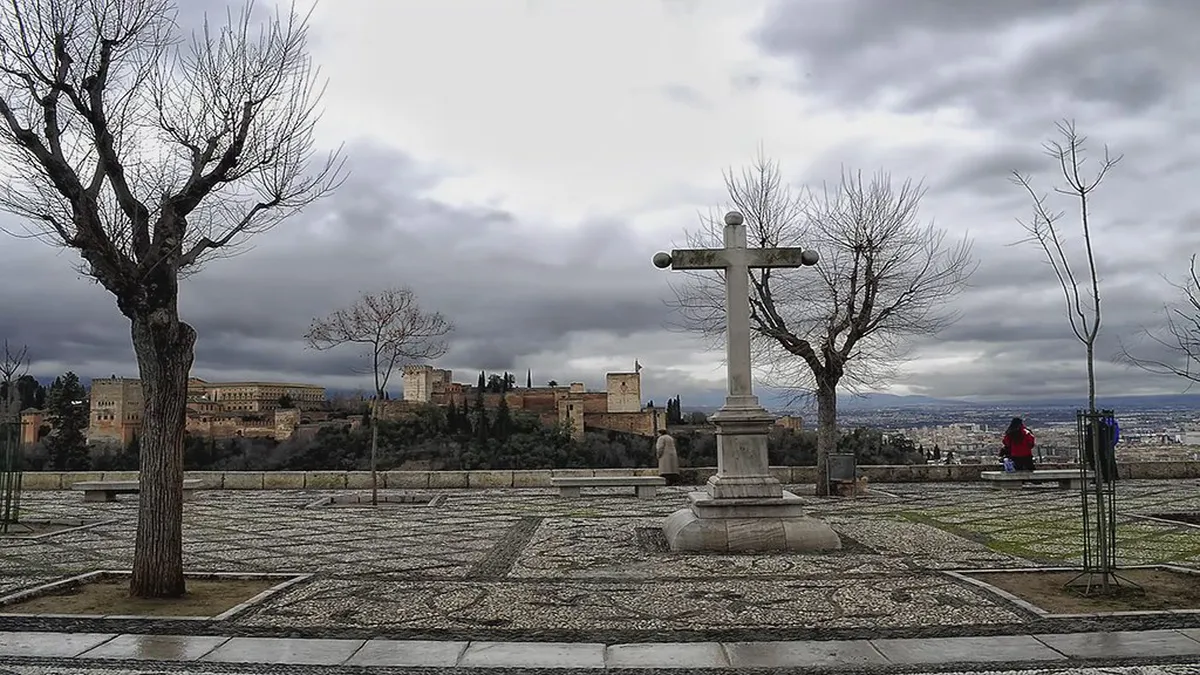
- See the Alhambra from Mirador de San Cristóbal instead of San Nicolás
- Mirador de San Cristóbal gives a wide view of the Alhambra with noticeably fewer visitors than the popular San Nicolás terrace.
- Arrive near sunset or early morning for open bench space and the clearest light.
- For a full crowd-avoidance plan, check the best time to visit without crowds guide before booking Alhambra tickets.
- Step into the 11th-century Arab baths at El Bañuelo
- El Bañuelo is one of the oldest and best-preserved Arab bathhouses in Spain, with star-shaped skylights still cut into the original brick vaults.
- It is a self-guided, walk-through visit rather than a spa experience, so budget under 30 minutes.
- For a modern, sensory version of the same bathing tradition, a Hammam Al Ándalus session is the pricier contrast worth booking on a separate day.
- Sip mint tea on the Calderería Nueva tetería strip
- Calle Calderería Nueva in the Albaicín is lined with Moroccan-style teterías serving mint tea and pastries, a legacy of the neighborhood's North African trade links.
- Sit at a street-level table in late afternoon, before the sunset crowds head up toward the miradores.
- The street sits inside the wider Albaicín guide area, so pair it with a walk through the old Moorish quarter.
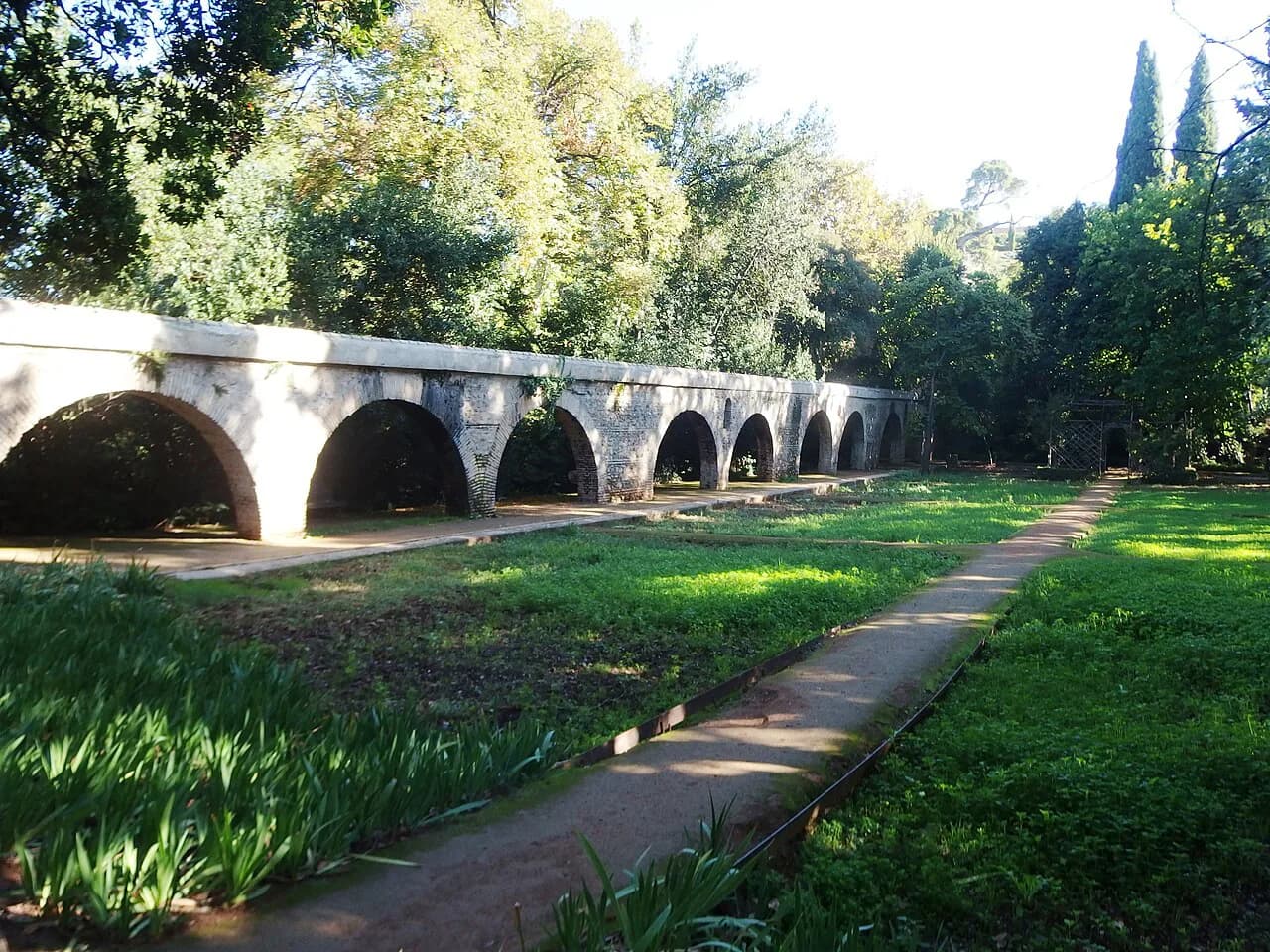
- Wander the walled gardens of Carmen de los Mártires
- Carmen de los Mártires mixes English, French, and Andalusian garden styles inside a walled carmen, with peacocks roaming the grounds.
- Entry is free, and the gardens are far less crowded than the Alhambra grounds nearby.
- Go in the morning for shade and active peacocks before the midday heat sets in.
- Follow Granada's free tapas ritual through a run of local bars
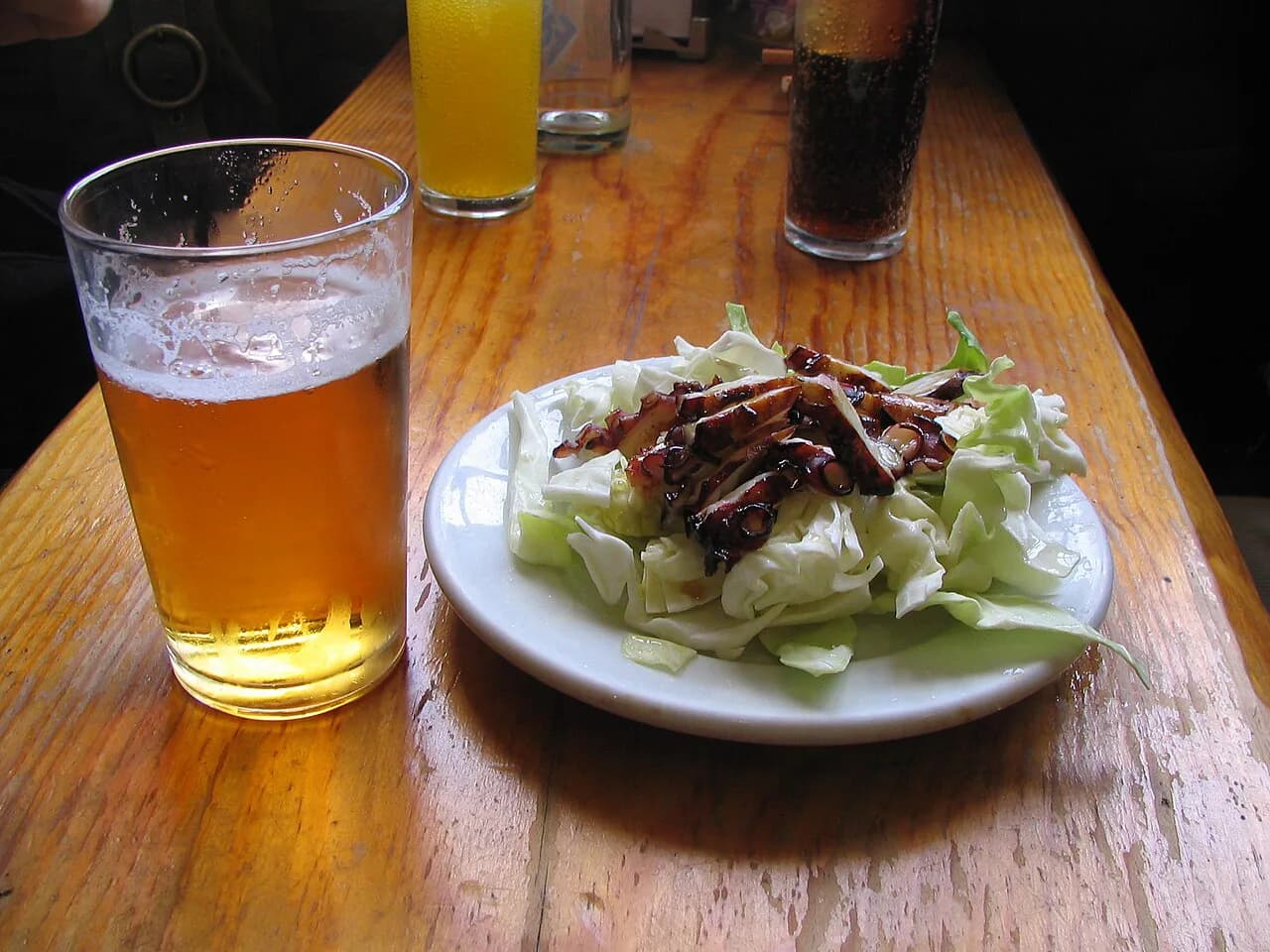
- Order a drink at most bars in the center and a plate of food arrives automatically, with no separate charge for the tapa itself.
- Los Diamantes is known for seafood-style tapas, and La Bella y La Bestia serves an oversized free plate with a larger drink order.
- A ración ordered separately from the menu is charged at full price, not covered by the free-tapa rule, as the local food guide explains.
- Trace the El Niño de las Pinturas street art trail through Realejo
- Granada-born street artist El Niño de las Pinturas has murals scattered through the old Jewish quarter of Realejo, mixing portraiture with social commentary.
- The trail is walkable in about an hour and pairs naturally with a stop at one of Realejo's tapas bars afterward.
- The Realejo guide covers a fuller walking route through the neighborhood's Jewish-quarter streets.
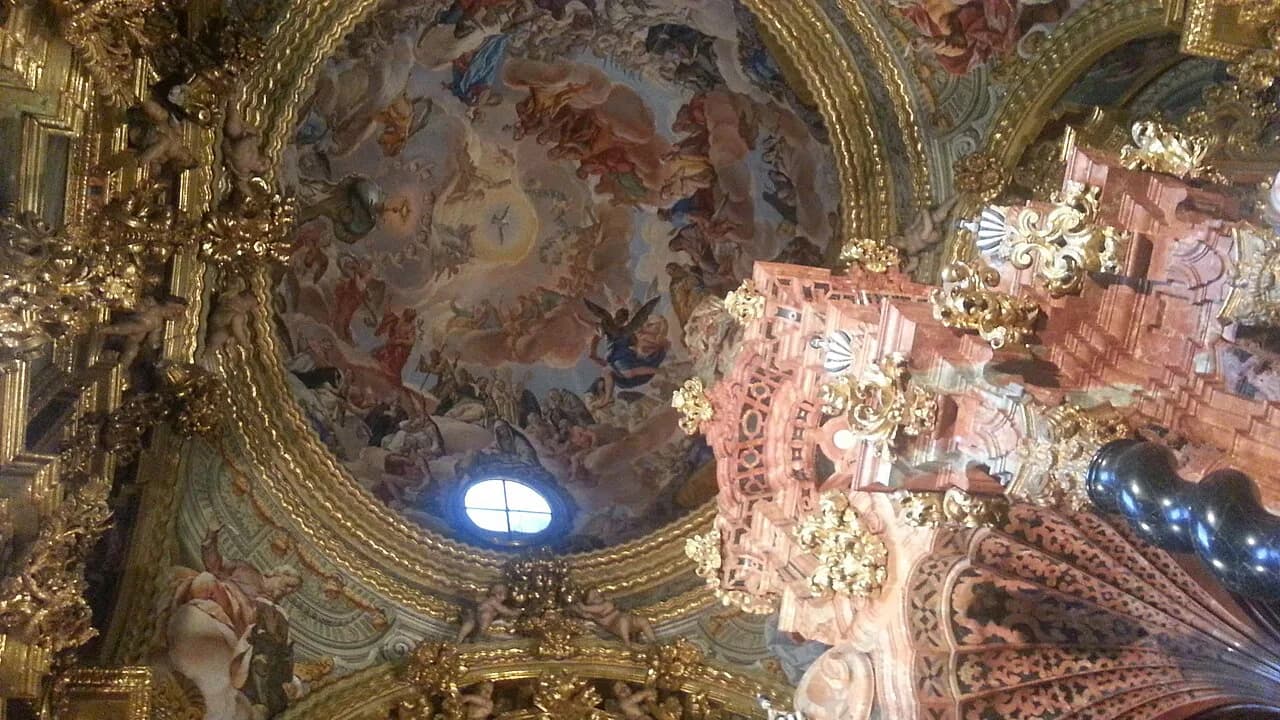
- Day-trip to the Baroque sacristy at Cartuja Monastery
- Cartuja Monastery sits outside the historic center and is reachable by local bus, with a sacristy considered one of the most elaborate Baroque interiors in Spain.
- The round trip takes close to two hours including bus time, so it suits a spare half day rather than a tight itinerary.
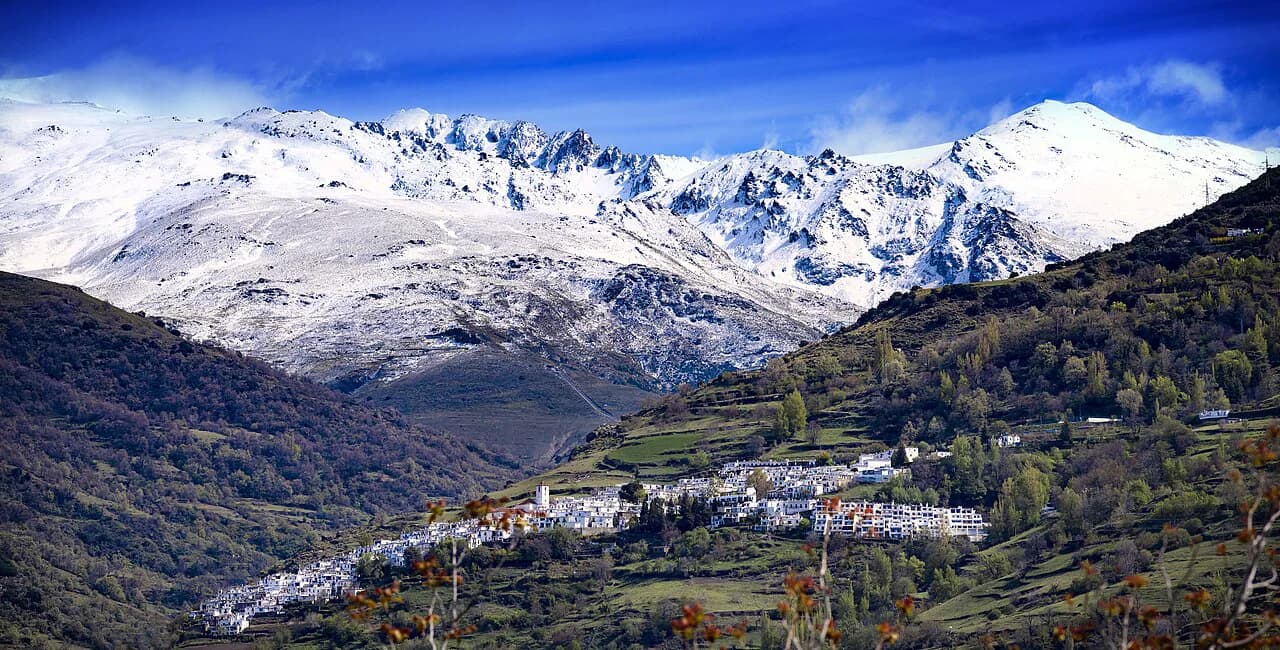
- Pair it with other day trips from Granada, like the Sierra Nevada foothills, if the schedule allows a longer excursion.
The Free Tapas Ritual, Explained
Granada's free tapas rule is straightforward: order a drink, and a kitchen-made plate of food comes with it at no extra charge. Moving between two or three bars over an evening effectively turns a round of drinks into a light dinner. Standing at the bar is normal practice and usually carries the same free-tapa deal that a table seat gets. For sit-down spots that also serve full-size dishes, the local restaurants in Granada guide covers the province's tapas bars in more depth.
The free plate appears only when a drink is ordered, not when ordering a specific ración from the menu—which always carries a full-price charge.
Where These Experiences Cluster: Albaicín, Sacromonte, Realejo, and Zaidín
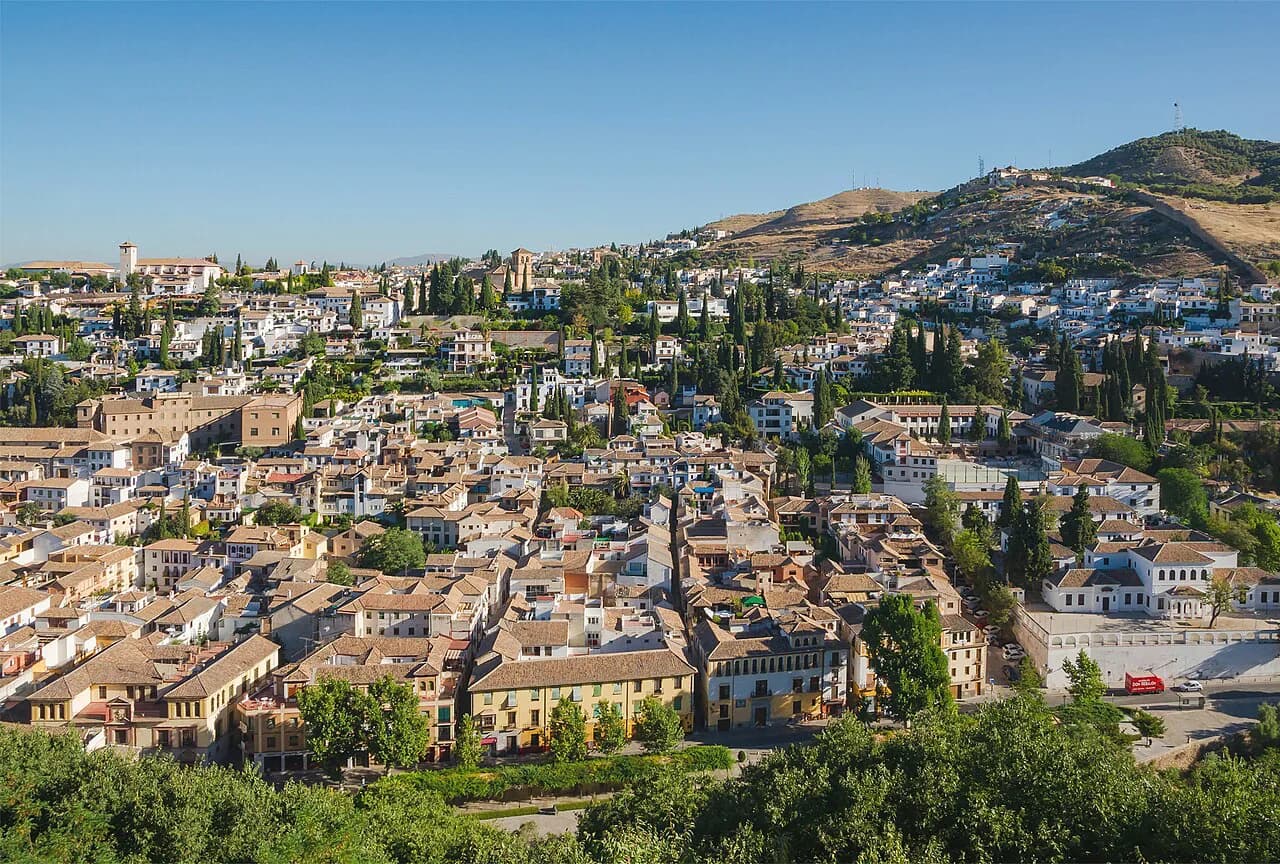
Most of the picks above sit inside four contiguous neighborhoods, each with a different feel. The Albaicín holds the cave-culture routes, the tetería strip, and most of the sunset miradores. Sacromonte extends from the Albaicín's edge and holds the museum and cave venues themselves. Realejo, the old Jewish quarter, carries the street art trail and a separate set of tapas bars. Zaidín sits further from the tourist center and is worth a stop for a look at how residents live day to day, covered in the Zaidín guide. The full neighborhoods guide maps how all four connect on foot.
Mistakes to Avoid on a Granada Trip
A few recurring missteps show up again and again in Granada trip reports, and each is easy to avoid once flagged.
- Wearing the wrong shoes
- The Albaicín and Sacromonte are steep, cobblestoned, and often slick after rain, so heels and smooth-soled shoes are a real fall risk.
- Flat, grippy soles make the climb to the miradores far more manageable.
- Accepting free rosemary near the Cathedral
- Women who press a sprig of rosemary into a visitor's hand outside the Cathedral typically ask for payment afterward, a known routine in that specific spot.
- Politely declining and walking on avoids the exchange entirely.
- Assuming every tapa is free
- The free tapa comes automatically with a drink order, but a specific ración chosen from the menu is charged at full price.
- Ask what a dish is before ordering it separately if the goal is to stay inside the free-tapa system.
- Booking Alhambra tickets at the last minute
- Tickets for the Alhambra routinely sell out on popular dates weeks in advance, so plan to book roughly one to three months ahead of travel.
- Walk-up availability on the day is unreliable enough that it should not be the primary plan.
Practical Logistics: Getting Around, Booking, and Where to Stay
Most of the picks on this list sit inside the old town's steep core, where the C31 and C32 minibuses cover ground that stairs would otherwise demand on foot. A single local bus ride costs about $1.40, and a rechargeable transit card lowers the per-ride cost across a multi-day stay. Book Alhambra tickets one to three months ahead of a travel date, since popular entry slots for the Nasrid Palaces sell out well before arrival. Where to base a stay changes which of these experiences are a five-minute walk versus a bus ride, so weigh the trade-offs below. Round out a longer stay with the 10 Hidden Gems in Granada: Secret Spots Beyond the Alhambra (2026) guide for more lesser-known picks beyond this list. The Secret Spots in Granada: Hidden Gems Beyond the Alhambra (2026) guide covers quieter corners this article does not reach in depth. Budget-focused travelers can also check the free things to do guide for zero-cost options in Granada beyond Carmen de los Mártires and the miradores covered above.
Because Alhambra tickets require one-to-three-month advance booking, the Mirador de San Cristóbal and Carmen de los Mártires offer crowd-free options for experiencing Alhambra views and gardens.
| Neighborhood | Vibe | Best For |
|---|---|---|
| Albaicín | Steep, whitewashed streets with Alhambra views | Cave-culture sights, teterías, and sunset miradores |
| City Center | Flat streets near the Cathedral | Easy transit access and short walks to most sights |
| Realejo | Old Jewish quarter with a local bar scene | Street art, quieter tapas bars, and a slower pace |
See the Nasrid Palaces on a Night Visit
A night visit reveals the Alhambra through illuminated courtyards, reflecting pools, carved stucco, and quieter interior spaces. The evening atmosphere feels markedly different from a standard daytime circuit.
Choose the ticket specifically labeled for a night visit to the Nasrid Palaces. This is separate from regular daytime admission and includes a fixed entry time. Arrive early enough to pass security and reach the palace entrance before that slot.
The route usually emphasizes the Mexuar, Comares Palace, Court of the Myrtles, and Palace of the Lions. Lighting is intentionally subdued, so architectural details appear dramatic but photography can be difficult.
Do not assume an evening ticket covers every Alhambra area. Access to the Generalife, Alcazaba, and daytime gardens depends on the ticket type. Check the included itinerary before booking.
Afterward, descend toward Plaza Nueva or continue to Mirador de San Nicolás for a distant view of the illuminated complex.
Further reading: Granada on Wikivoyage · Granada on Wikipedia
Frequently Asked Questions
What is the most unique thing to do in Granada that most visitors skip?
Touring the Museo Cuevas del Sacromonte to see how Granada's Roma community carved and furnished cave houses is one of the least crowded, most Granada-specific experiences on this list.
Is the free tapas rule really free in Granada?
Yes, for the plate that comes automatically with a drink order, but a specific ración ordered separately from the menu is charged at full price.
How far ahead should Alhambra tickets be booked?
Plan to book roughly one to three months ahead of a travel date, since popular entry windows for the Nasrid Palaces sell out early.
Is Mirador de San Cristóbal better than Mirador de San Nicolás?
Mirador de San Cristóbal gives a comparable wide view of the Alhambra with fewer visitors, making it the better pick for a quieter sunset.
Is the Cartuja Monastery day trip worth the travel time?
The round trip takes close to two hours by bus, but the Baroque sacristy inside is considered one of the most elaborate in Spain, which makes it worth the half day for architecture-focused travelers.
Continue exploring
More guides you'll find useful