Cartuja Monastery Granada: A Complete Guide to Spain's Baroque Masterpiece
Cartuja Monastery Granada guide: 2026 ticket options, the Real de Cartuja bus stop, opening hours, and the Baroque Sacristy inside this Carthusian monastery.
On this page
Cartuja Monastery Granada: The Complete Visitor Guide
Last updated July 2026, Cartuja Monastery Granada sits north of the historic center, past the University of Granada's Cartuja Campus, where most Alhambra-focused visitors never go. Officially the Monasterio de Nuestra Señora de la Asunción, it pairs a plain, whitewashed exterior with a Baroque interior dense with marble inlay and gilded stucco. This guide covers current ticket options, the exact bus stop to look for, and which rooms inside reward the uphill trip.
Why Cartuja Monastery Granada Is Worth the Trip North
The Cartuja Monastery in Granada answers a question the Alhambra rarely gets asked: what happens when strict Carthusian silence collides with unrestrained Baroque decoration? The Carthusian order lived by austerity and near-total silence, yet the monastery's church, Sanctuary, and Sacristy explode with gilded stucco, inlaid marble, and painted domes. The order traces back to the Order of Saint Bruno, founded in the 11th century on vows of silence and manual work. That contrast, spare monastic cells beside the most ornate room in Spanish Baroque, defines the visit. Gonzalo Fernández de Córdoba, known as the Great Captain, donated a plot at Aynadamar for his own family mausoleum in the early 1500s. The Carthusian monks relocated to the current site instead, which reportedly ended his involvement in the project. Construction then ran from 1506 into the 19th century, mixing Gothic, Renaissance, and Baroque styles along the way. For travelers who found the Alhambra's timed-entry crowds exhausting, this monastery offers the same era's artistic ambition without the lines. It fits naturally into a wider list of 10 Hidden Gems in Granada: Secret Spots Beyond the Alhambra (2026). A separate guide to off the beaten path Granada spots covers the same northern neighborhood in more depth. The city's Secret Spots in Granada: Hidden Gems Beyond the Alhambra (2026) guide also lists it among the quieter alternatives to the Alhambra.
Cartuja Monastery Granada Tickets, Hours, and the Combined Ticket Math
Cartuja Monastery Granada ticketing has two paths worth comparing before you go. An individual adult ticket covers standalone entry, while a Christian Granada combined ticket bundles the Cathedral, the Royal Chapel, and the Cartuja into one price. The combined pass is worth it once an itinerary already includes the Cathedral and Royal Chapel. Skip it and buy the individual ticket if the Cartuja is the only religious site on the list. For a two-day Granada itinerary that already includes the Cathedral, the combined ticket usually pencils out cheaper than paying for the Cartuja on its own. Hours also shift by season, and the free audio guide only works if you bring your own headphones.
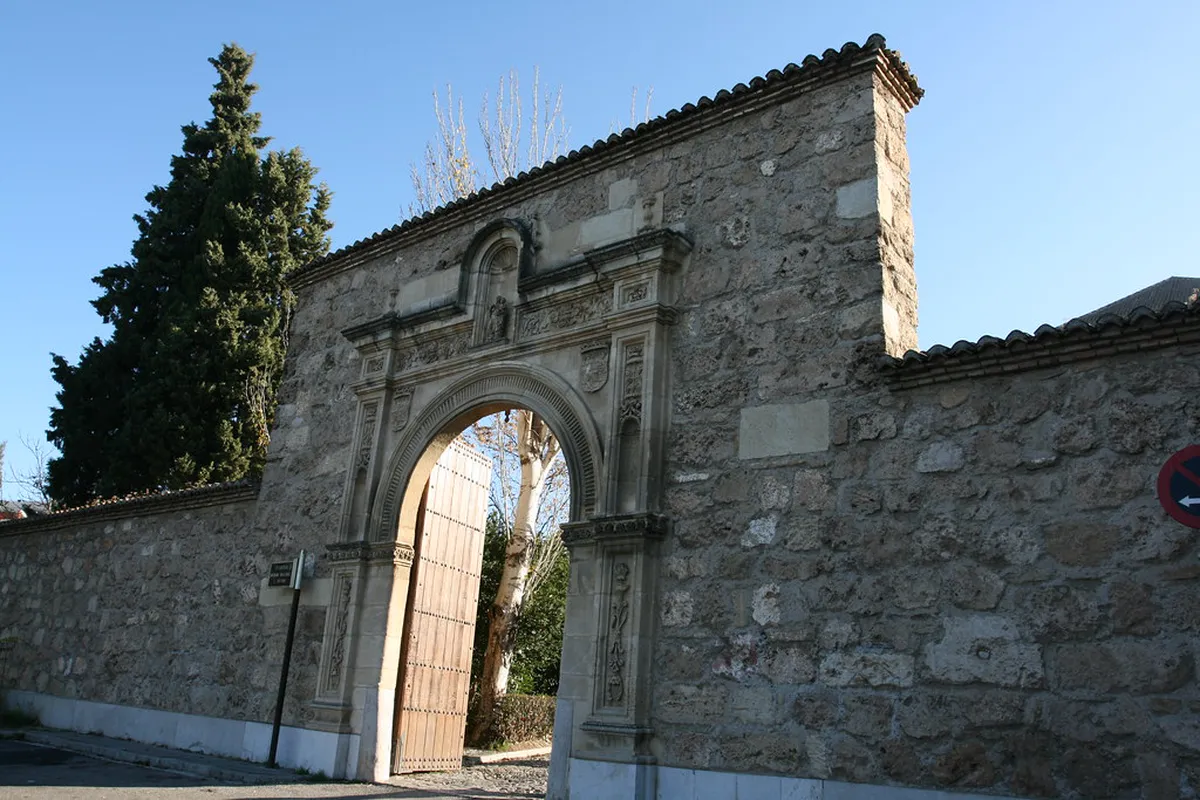
- Individual adult ticket: check current pricing on the Archdiocese of Granada's official site, since religious-site admission rates are reviewed periodically.
- Christian Granada combined ticket: bundles Cathedral, Royal Chapel, and Cartuja admission for less than paying each entry separately.
- Opening hours: longer hours run spring through summer, shorter hours run autumn through winter. Confirm the current week's schedule before visiting.
- Audio guide: free, Spanish-language, accessed by scanning a QR code at the entrance. Bring your own headphones, since none are provided.
How to Get to the Cartuja Monastery from Central Granada
Getting to Cartuja Monastery Granada takes more planning than reaching sites inside the historic center, since it sits north past the university campus. The options below trade off cost, time, and effort differently, so pick based on the rest of the day's plans.
| Option | Cost | Effort | Details |
|---|---|---|---|
| Bus | Cheap (BonoBus cheaper than single fares) | Medium | Lines U1, U3, 8, N7 to Real de Cartuja stop; works across Granada |
| On foot | Free | High | Possible from Albaicín; climb steeper and longer than straight-line distance |
| Taxi/Rideshare | High (pricier than bus) | Low | Skips uphill walk; practical from Plaza Nueva |
| Parking | Not specified | Low | Available in monastery courtyard |
- Bus: Transportes Rober lines U1, U3, 8, and N7 stop at Real de Cartuja, the closest stop to the entrance. A BonoBus card costs less per ride than paying single cash fares, and it works across Granada's wider bus network too.
- On foot: possible from the Albaicín, but the climb is steeper and longer than the straight-line distance implies. The Albaicín neighborhood guide covers the terrain in more detail.
- Taxi or rideshare: pricier than the bus, but it skips the uphill walk entirely, a practical option when starting from Plaza Nueva.
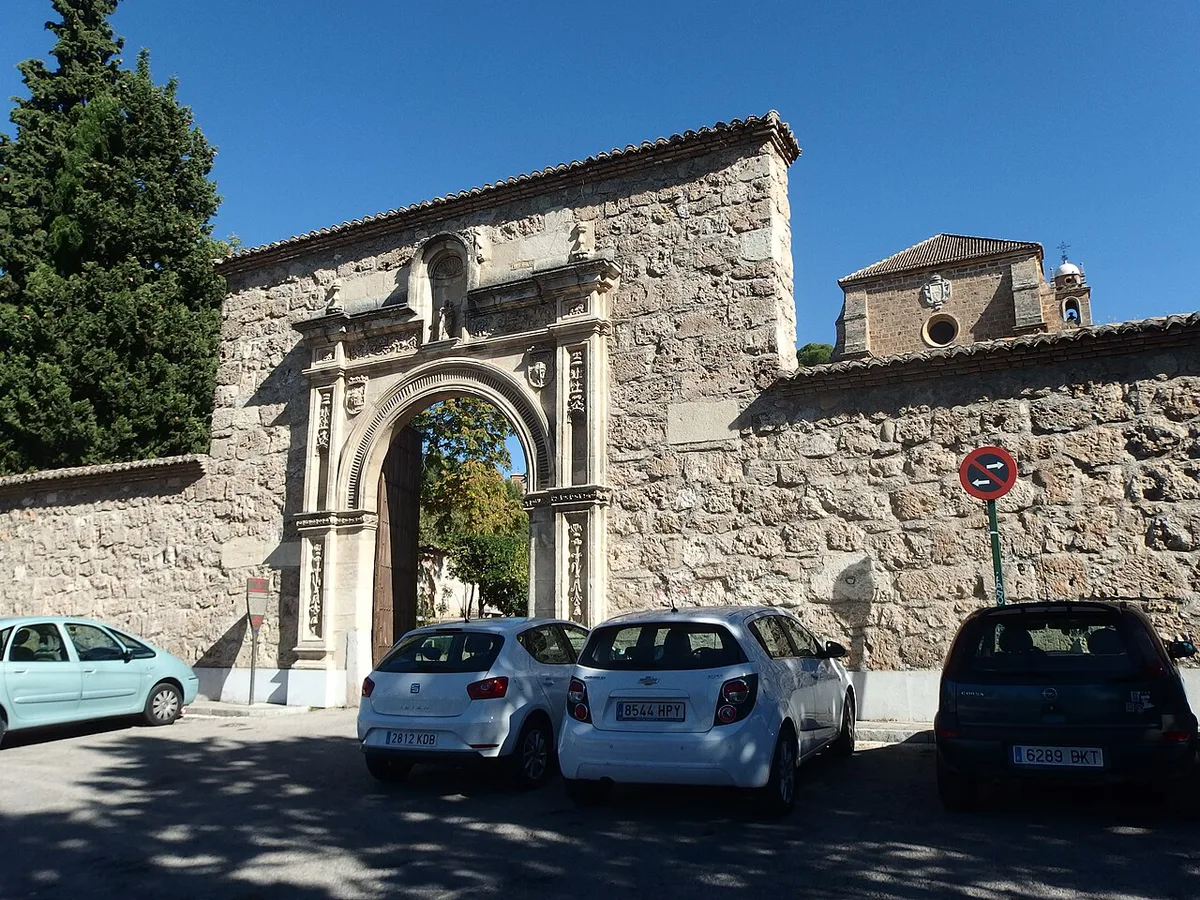
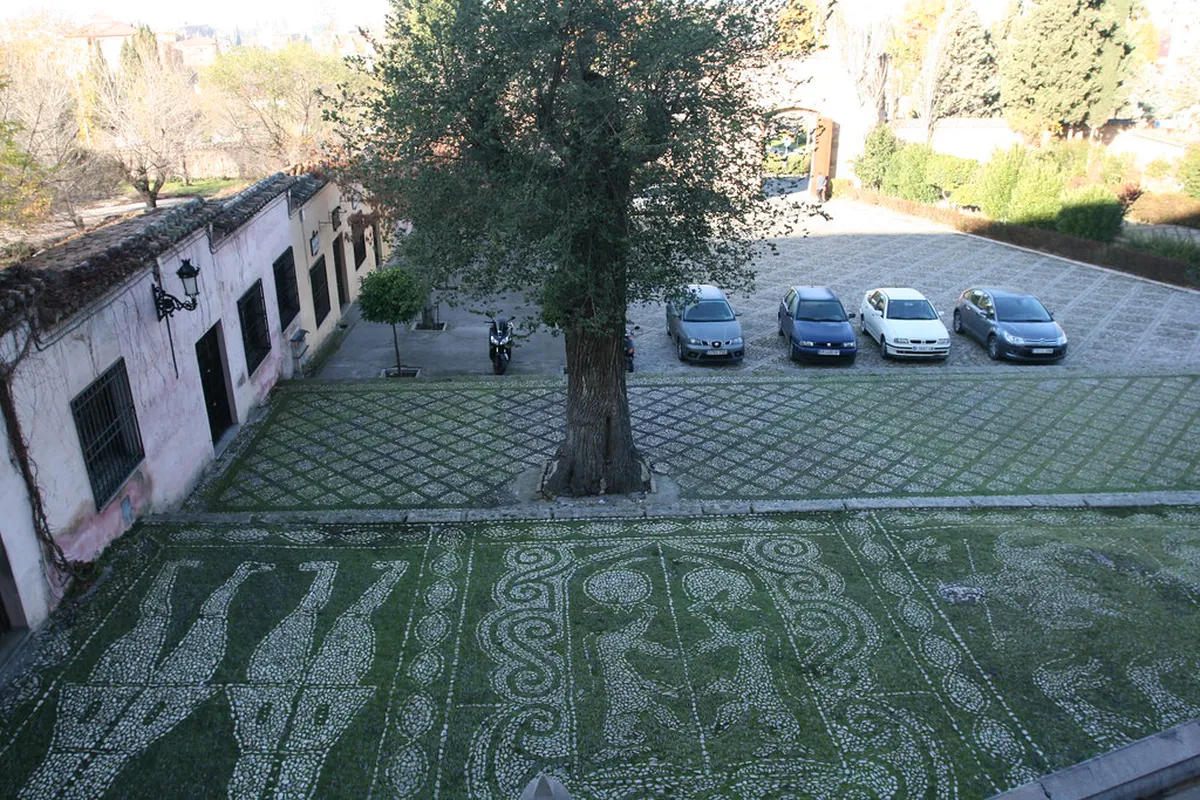
- Parking: available in the monastery's own cobblestone courtyard, right outside the entrance, for those arriving by car.
What to See Inside: The Baroque Highlights
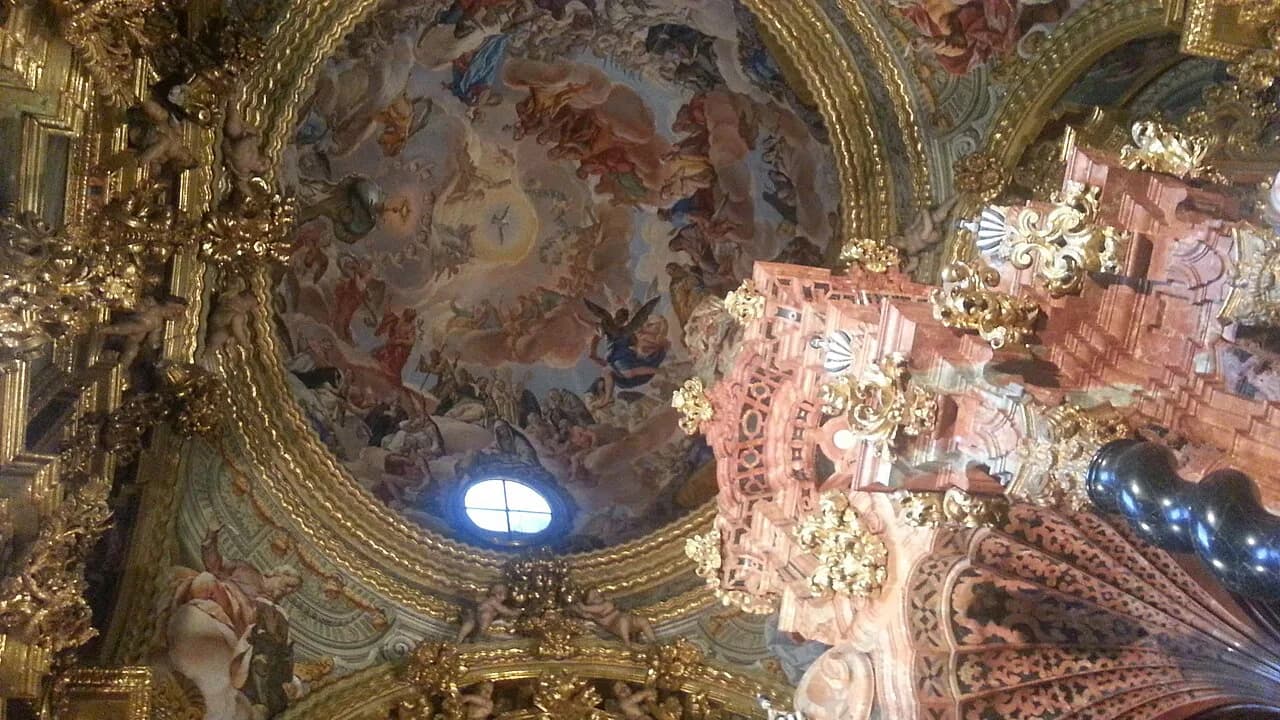
The self-guided route inside the Cartuja Monastery Granada moves through rooms that shift dramatically in style, tracing the order's history from austere 16th-century beginnings to the Baroque additions built centuries later. The visit generally moves from the Cloister and Refectory toward the Church, then finishes at the Sanctuary and Sacristy, saving the most ornate rooms for last. The best artists of the era worked on the interior, among them Diego de Siloé, José de Mora, the García brothers, Antonio Palomino, and Francisco Hurtado Izquierdo. Two smaller rooms are easy to rush past on the way through. The De Profundis room, beside the Refectory, held penance practices and carries its own Sánchez Cotán altar painting. The Chapter Room, where Carthusian monks broke their vow of silence to discuss community matters, has a carved wooden door and paintings by José Risueño and the García brothers. The Sacristy is the highlight of the visit. Built between 1727 and 1764 to a design by Hurtado Izquierdo, it's often described as one of the finest Baroque sacristies anywhere. Its walls combine white stucco, reddish marble, and inlaid wood chests, carved over 34 years to hold the vestments used for mass. That level of craftsmanship is exactly what the 9 Unique Things to Do in Granada Beyond the Alhambra guide highlights when it points visitors north of the center.
The Sacristy alone consumed 34 years of carving between 1727 and 1764. The entire monastery stretched over three centuries (1506–1800s), layering Gothic, Renaissance, and Baroque styles across generations.
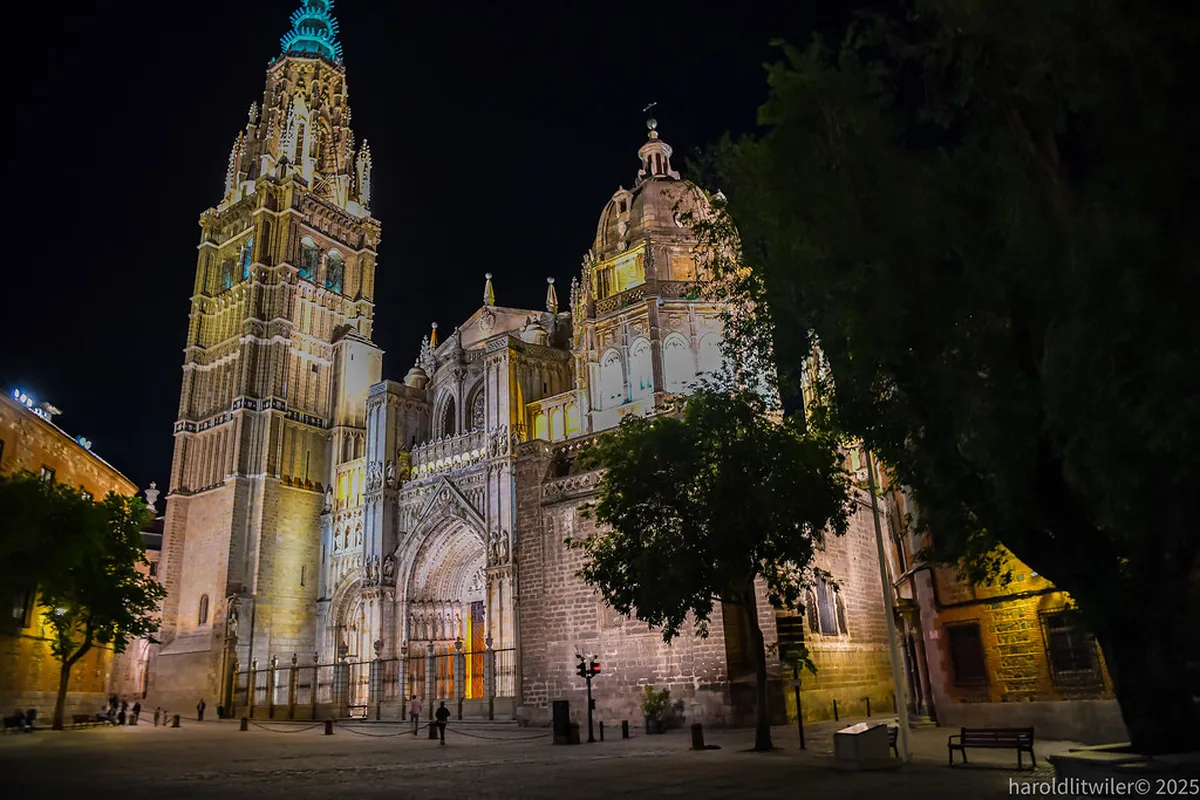
- The Church: divided into three sections, an anteroom for the faithful, the lay brothers' choir, and the Fathers' Choir, leading to the Main Altar and Tabernacle.
- The Sanctuary (Sancta Sanctorum): centered on a Lanjarón marble baldachin designed by Hurtado Izquierdo, beneath a dome painted by Antonio Palomino.
- The Refectory: hung with tenebrist paintings by Fray Juan Sánchez Cotán, including one where the horses appear to move depending on your viewing angle.
- The Cloister: the surviving small cloister, planted with orange trees, is what remains after the larger cloister was destroyed in 1842.
Planning a Cartuja Monastery Visit: Timing and Nearby Stops
Plan for roughly 1 to 1.5 hours inside the Cartuja Monastery, enough time to move through the church, Sanctuary, and Sacristy without rushing. Because the monastery sits on an active university campus, weekday mornings during the academic term see more foot traffic around the entrance than weekends or the summer break. The best time to visit Granada guide has broader seasonal timing advice that applies here too. Pair the visit with the nearby Monastery of San Jerónimo or a walk through the university campus, both a short distance away. Travelers building a longer northern loop can check the 4 Best Day Trips From Granada: Beaches, Mountains and Cave Villages guide for how to combine this side of the city with other stops. The Granada Neighborhoods Guide: Albaicín, Sacromonte, Realejo, and Beyond (2026) also helps place the Cartuja Campus area relative to the Albaicín and city center.
The monastery sits remote on a bus route, has no on-site food, and warrants 1–1.5 hours of time, so eating before arrival is essential rather than optional.
Mistakes to Avoid at the Cartuja Monastery Granada
The most common mistake is walking from the city center in mid-summer heat, when the uphill route turns a manageable outing into an exhausting one. Take the bus or a taxi instead once temperatures climb. Photography rules inside the Sacristy are enforced and posted at the entrance, so check the current signage before raising a camera or phone. Dress modestly, since the Cartuja remains a functioning religious site rather than a museum. Occasional private services or restoration work can close parts of the monastery without notice, so treat posted hours as a starting point rather than a guarantee. There are no cafes immediately next to the monastery, so plan to eat before you arrive or after you're back near the university or center. The 9 Best Local Restaurants in Granada: Authentic Tapas & Dining Guide guide is a useful stop for planning that meal.
Further reading: Granada on Wikivoyage · Granada on Wikipedia
Frequently Asked Questions
What is the official name of the Cartuja Monastery in Granada?
Its full name is the Monasterio de Nuestra Señora de la Asunción de la Cartuja, usually shortened to Cartuja Monastery or Granada Charterhouse in English.
How much time should you plan for a visit?
Budget roughly 1 to 1.5 hours to see the church, Sanctuary, and Sacristy at an unhurried pace.
Is the Cartuja Monastery worth visiting if you've already seen the Alhambra?
Yes. It shows a different side of Granada's history, Spanish Baroque rather than Nasrid architecture, and it draws far fewer visitors than the Alhambra's timed entries.
How do you get to the monastery without a car?
Take Transportes Rober bus line U1, U3, 8, or N7 to the Real de Cartuja stop, or book a taxi or rideshare from Plaza Nueva.
Is the Cartuja Monastery included in the Alhambra ticket?
No, they're sold separately. The Cartuja pairs instead with the Christian Granada combined ticket, which bundles it with the Cathedral and Royal Chapel.
Can you take photos inside the Cartuja Monastery?
General photography is allowed in most rooms, but the Sacristy has stricter rules posted at the entrance, so check the current signage before shooting there.
What's the closest bus stop to the monastery?
Real de Cartuja, served by Transportes Rober lines U1, U3, 8, and N7.
Continue exploring
More guides you'll find useful