El Bañuelo Granada: A Complete Guide to Spain's Oldest Arab Baths
El Bañuelo is Granada's best-preserved 11th-century Arab bath. Find 2026 ticket prices, opening hours, free Sunday entry, and directions on Carrera del Darro.
On this page
El Bañuelo Arab Baths Granada: Inside Spain's Oldest Surviving Hammam
Last updated July 2026: El Bañuelo Arab baths in Granada is an 11th-century Zirid-era hammam tucked behind an unmarked house doorway on Carrera del Darro, in the lower Albaicín. It is a National Monument you view rather than bathe in, with three vaulted rooms lit by star-shaped stone skylights above the old hot room. Plan for a focused 20 to 30 minute stop, then use the rest of the morning for the surrounding Albaicín streets.
What Is El Bañuelo? Granada's Oldest Arab Baths Explained
El Bañuelo is an 11th-century Arab bathhouse in Granada's Albaicín, built during the Zirid dynasty, according to the Patronato de la Alhambra. Architect and historian Torres Balbás placed its construction within the reigns of Zirid rulers Badis and Abd Allah, roughly 1038 to 1090. Its original name was Hammam al-Yawza, also written Baños del Nogal, or Walnut Tree Baths. The diminutive Bañuelo came into use at the end of the 19th century, to distinguish this public bathhouse from the larger royal baths inside the Alhambra itself.
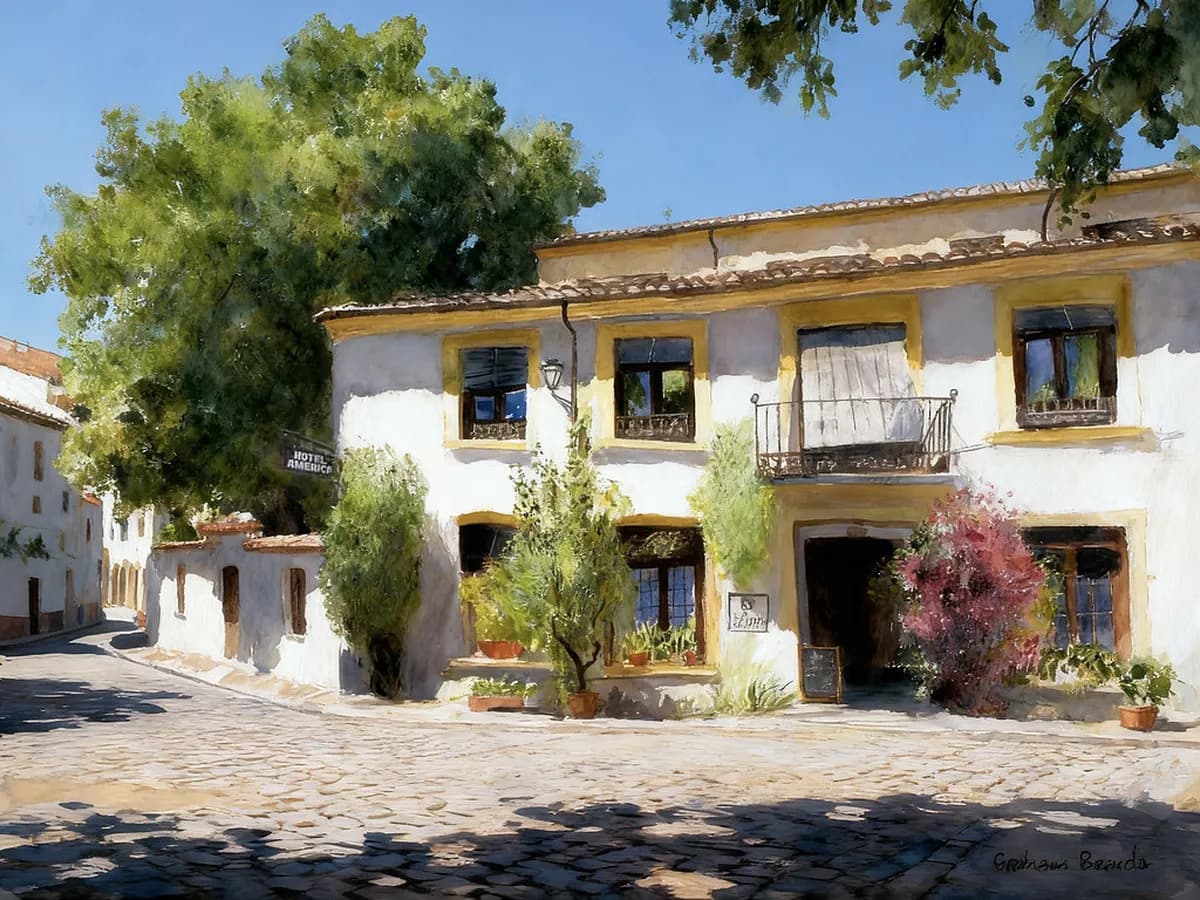
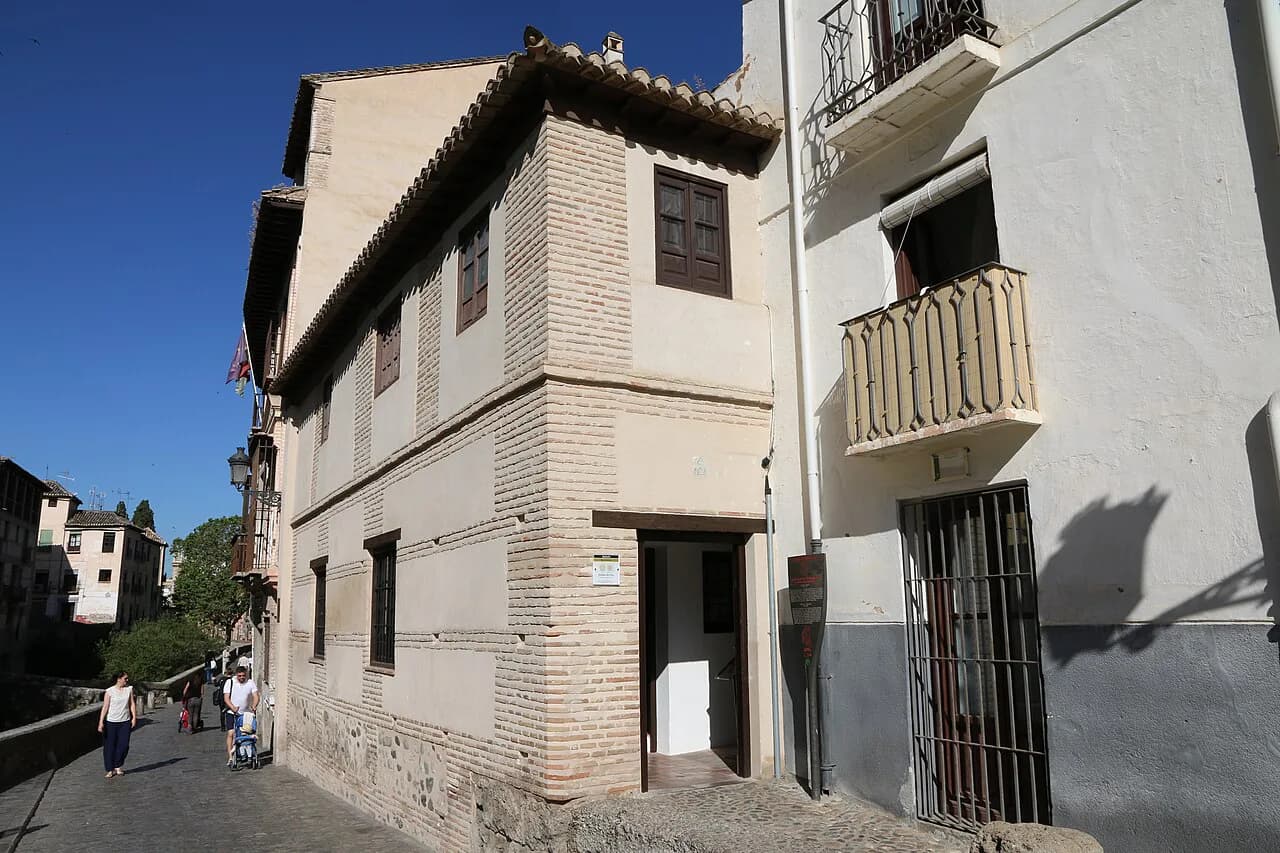
Most public bathhouses in Granada disappeared after the Reconquista, when bathing culture fell out of favor under the Catholic Monarchs. El Bañuelo survived because a private house was built directly over and around it soon after the Christian conquest, according to Granada monument records. That house still conceals the site today. From Carrera del Darro, the entrance looks like an ordinary doorway, with no dome or minaret visible from the street. In 1918, El Bañuelo became a National Monument, and Torres Balbás led its restoration.
El Bañuelo counts among the Granada stops most visitors skip. It sits a few minutes' walk from the Alhambra ticket queues, yet draws a fraction of the foot traffic. Inside, plan for a short visit: 20 to 30 minutes covers the three rooms at an unhurried pace.
Historical Context: El Bañuelo's Zirid-Era Neighborhood
El Bañuelo was built close to a cluster of Zirid-period structures, including the Bab al-Difaf gate, based on research summarized by the Patronato de la Alhambra. That gate linked to the wall enclosing the Qawraya military quarter, part of the older Alcazaba. From the 11th century onward, the area on the river's right bank grew into what historians call the Ajsaris quarter.
A public bathhouse near a main road and a city gate was typical of Andalusian urban planning. Historians note that shops likely lined the street now known as Calle Bañuelo, evidence of a busy commercial district around the baths. That defensive and commercial context helps explain why a bathhouse this size went up on what was, at the time, a growing edge of the city rather than its center.
Planning Your Visit: El Bañuelo Tickets, Prices, and Free Entry
El Bañuelo is not sold as a standalone ticket. It comes bundled into the Monumentos Andalusíes joint pass, priced at about €7.42 as of the latest rate referenced by Granada monument listings. Buy the pass directly through the official Patronato de la Alhambra website before visiting, since walk-up availability is not guaranteed. Ticket rules can shift year to year, so treat this figure as a starting point and confirm the exact current price and included sites on the official website before your visit.
Plan your 20-to-30-minute visit during the summer midday gap (14:30–17:00), when tour groups have dispersed from their 10:00–13:00 clustering and the €7.42 joint pass covers three sites.
Entry has historically been free on Sundays, based on the schedule Granada monument guides publish. Some Andalusian sites have shifted toward pre-booked free slots instead of open walk-in access. Confirm the current Sunday policy on the official Patronato site before planning around it. Pair a free Sunday visit with other no-cost Granada stops to fill out the rest of the day.
- El Bañuelo — the 11th-century Arab baths on Carrera del Darro
- Palacio de Dar al-Horra — a Nasrid-era palace house in the upper Albaicín
- Casa Horno de Oro — a preserved Moorish house near the Alhambra hill
- Corral del Carbón — on the same route, and free to enter regardless of ticket
El Bañuelo Opening Hours: Winter and Summer Schedule
El Bañuelo runs a seasonal schedule that shifts around Granada's summer heat. The table below lists the hours published by the Patronato de la Alhambra.
Arrive right at opening, or during the summer midday gap between shifts. This timing avoids the narrow hallway bottleneck inside. It also lines up with general crowd-avoidance timing for Granada, since tour groups tend to cluster mid-morning.
| Season | Days | Hours |
|---|---|---|
| Winter (Sept 15 – Apr 30) | Monday–Sunday | 10:00–17:00 |
| Summer morning (May 1 – Sept 14) | Monday–Sunday | 09:00–14:30 |
| Summer evening (May 1 – Sept 14) | Monday–Sunday | 17:00–20:30 |
| Closed | 25 December, 1 January | — |
Architectural Highlights: What to Look For Inside El Bañuelo
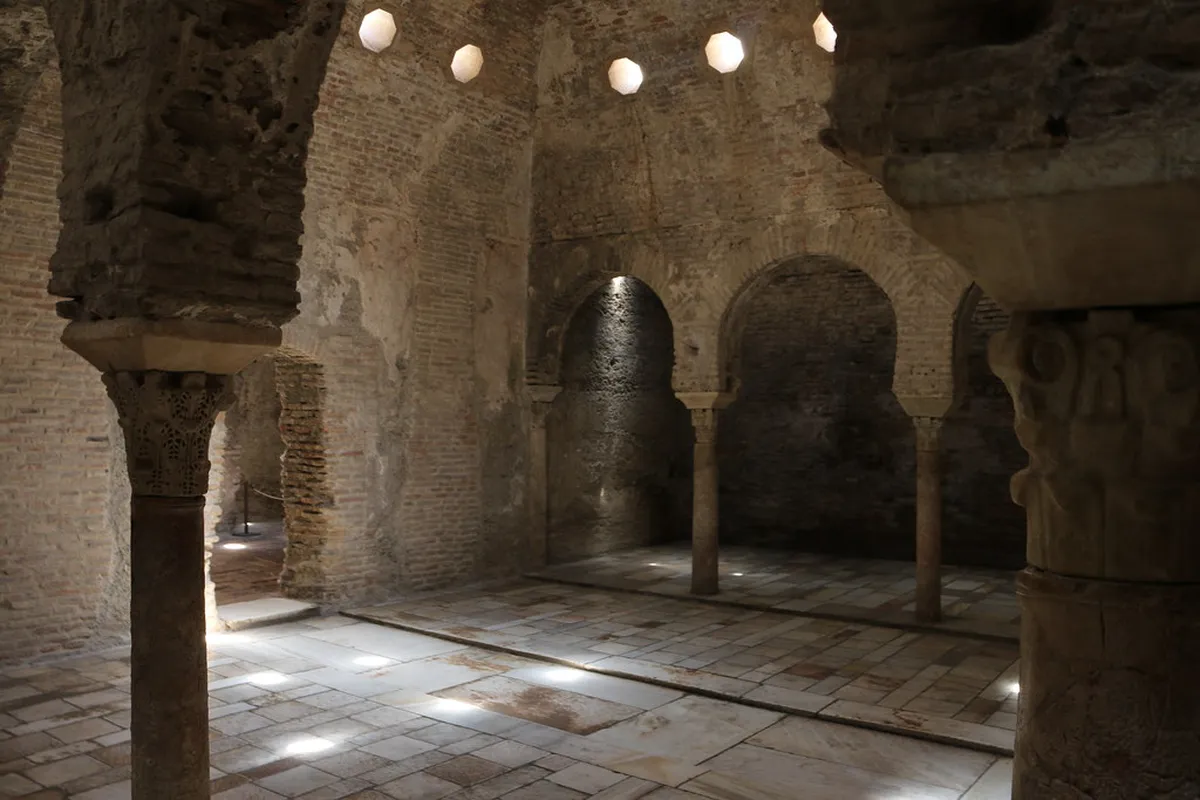
El Bañuelo divides into three rooms, following the Roman-derived bathhouse sequence used across Al-Andalus. Brick horseshoe arches separate each space, and the layout still traces the historical cold-to-hot bathing progression, the way bathers moved through it a thousand years ago.
The lumbreras piercing the hot room's dome are star-shaped and octagonal openings that let in daylight while venting steam. That ventilation design let Zirid-era builders keep the hottest chamber usable without windows at eye level. Look up while standing in the hot room to see the full pattern of light overhead.
Columns throughout the baths reuse older Roman and Visigothic capitals. Builders repurposed masonry from earlier Granada structures, a common shortcut in Zirid-era construction. That mix of recycled stone and purpose-built brick is one of the clearest architectural fingerprints of the period. Traditionally, a hammam visit combined physical cleansing with a broader social ritual, a function this three-room layout was built to support.
- Cold room (frigidarium) — the entry chamber, used to acclimate before bathing
- Warm room (tepidarium) — the transition space toward the hottest chamber
- Hot room (caldarium) — the domed chamber topped with star-shaped skylights
Location and How to Get to El Bañuelo on Carrera del Darro
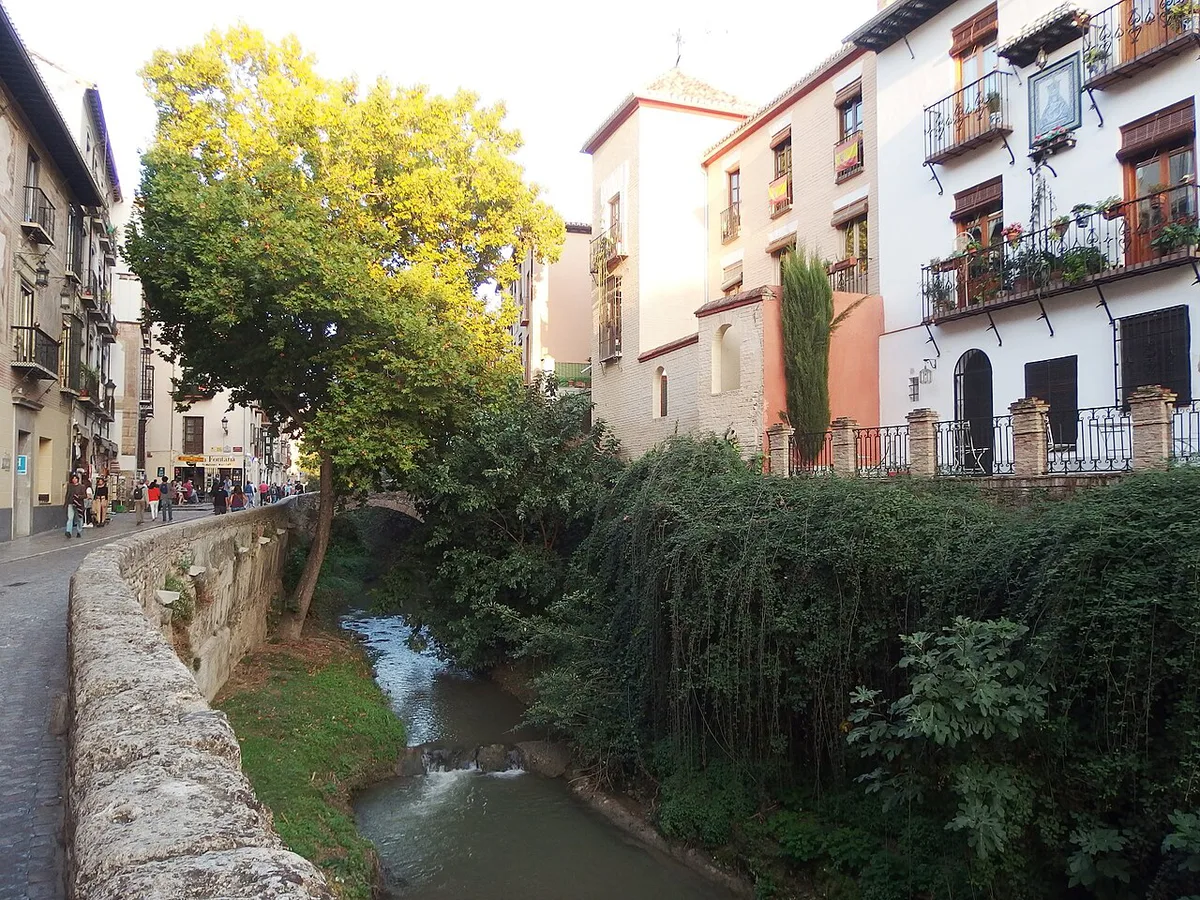
El Bañuelo sits at Carrera del Darro, 31, roughly midway along one of the Albaicín's oldest riverside streets. The walk from Plaza Nueva takes about five minutes, following the Darro past the Cathedral area.
Granada's C31 and C32 city bus routes also stop nearby, at a stop marked Bañuelo. Either approach works, though walking lets you take in the riverside houses along the way. The monument's listed telephone number, 958 575 131, appears on Granada tourism pages, though visits do not require calling ahead.
The entrance is a small converted house, and the interior floors are uneven stone. Travelers with mobility limitations should expect a narrow doorway and no ramp access, a limitation built into the 11th-century structure itself.
El Bañuelo vs Modern Hammams in Granada
El Bañuelo is a monument, not a working bath. You look at the rooms; you do not soak in them. There is no water, steam, or bathing service on site today.
For the physical hammam experience, Granada has modern operators built specifically for that purpose, including Hammam Al Ándalus near the Albaicín. Book directly with the operator and confirm current sessions and prices before visiting, since spa schedules change more often than monument hours do.
El Bañuelo suits travelers who want the history and the architecture. A modern hammam suits travelers who want the actual soak. Many visitors do both on the same day, treating El Bañuelo as the historical primer before the modern version.
Nearby Attractions: Pairing El Bañuelo With the Albaicín
El Bañuelo pairs naturally with the rest of Granada's Andalusian Monuments route. Casa Horno de Oro and Corral del Carbón both sit within walking distance, and both connect to the same joint ticket described above.
Save El Bañuelo for a slower morning: it sits between the Alhambra and quieter Albaicín lanes, within walking distance of two other paid sites (Casa Horno de Oro, Palacio de Dar al-Horra) and the free Corral del Carbón you can cover in a half-day.
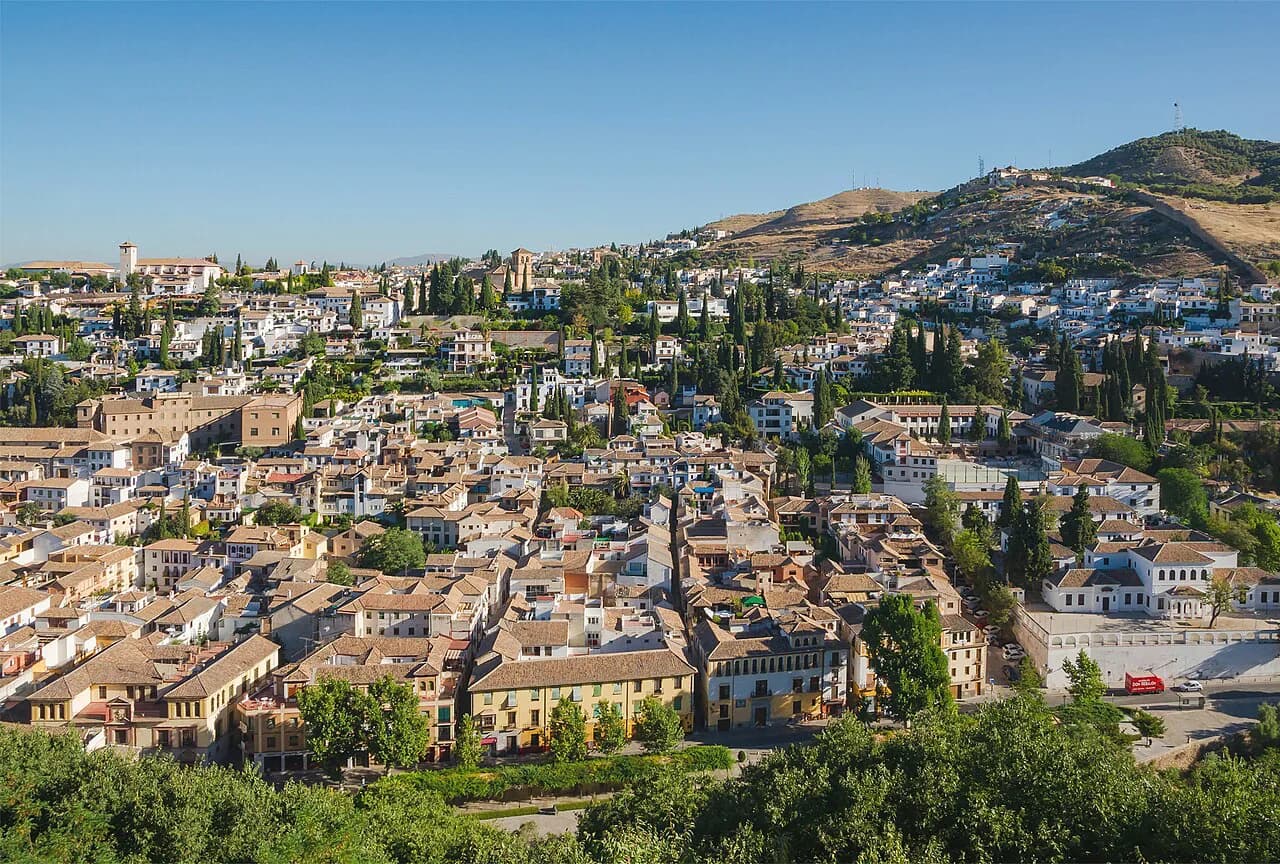
From El Bañuelo, Carrera del Darro continues east toward Paseo de los Tristes and the streets covered in the Sacromonte guide. Heading uphill instead leads into the Albaicín's quieter lanes, the kind of stop covered in guides to Granada's quieter corners away from the Alhambra queues.
Treat El Bañuelo as one stop on a slower, walkable morning. Pair it with two or three nearby sites rather than visiting it in isolation.
Mistakes to Avoid When Visiting El Bañuelo
A few planning mistakes come up often with El Bañuelo. Each is easy to avoid with a bit of preparation.
- Missing the entrance: the façade looks like an ordinary house, with no dome or signage visible from a distance along Carrera del Darro.
- Expecting a long visit: El Bañuelo is a small, single-building site, and most visits wrap up in 20 to 30 minutes.
- Buying a single-site ticket: the joint Monumentos Andalusíes pass covers three sites for about €7.42, so a standalone entry rarely makes sense.
- Visiting at peak mid-morning: tour groups cluster between roughly 10:00 and 13:00, and the narrow interior gets congested fast.
Further reading: Granada on Wikivoyage · Granada on Wikipedia
Frequently Asked Questions
What is El Bañuelo in Granada?
El Bañuelo is an 11th-century Arab bathhouse in Granada's Albaicín, built during the Zirid dynasty. Also known as Hammam al-Yawza or Baños del Nogal, it has been a National Monument since 1918 and is one of Spain's best-preserved public Arab baths.
How much does it cost to visit El Bañuelo?
El Bañuelo is included in the Monumentos Andalusíes joint ticket, priced at about €7.42 as of the latest published rate. That pass also covers Palacio de Dar al-Horra and Casa Horno de Oro. Corral del Carbón is free to enter regardless.
How long does a visit to El Bañuelo take?
Plan on 20 to 30 minutes. El Bañuelo is a single small building with three rooms, not a multi-hour monument like the Alhambra.
Can you actually bathe at El Bañuelo?
No. El Bañuelo is a historical monument for viewing only, with no water or bathing service on site. For the physical hammam experience, book a modern operator such as Hammam Al Ándalus and confirm current sessions directly with them.
Is El Bañuelo free to enter?
Entry has historically been free on Sundays, based on published Granada monument schedules. Some Andalusian sites have moved toward pre-booked free slots, so confirm the current Sunday policy on the official Patronato site before visiting.
What are El Bañuelo's opening hours?
From September 15 to April 30, El Bañuelo opens daily from 10:00 to 17:00. From May 1 to September 14, it runs a split summer schedule of 09:00 to 14:30 and 17:00 to 20:30, and it closes on 25 December and 1 January.
What is the best time of day to visit El Bañuelo?
Aim for the first hour after opening, or the summer midday gap between the 14:30 and 17:00 shifts. Both windows tend to see fewer tour groups than mid-morning.
Continue exploring
More guides you'll find useful